Heavy-duty waterproof tarps are the perfect solution to protect your valuables or to create a reliable shelter in nasty weather. These tarps that are tough enough for the worst weather, durable and versatile in many applications, are a must-have for both pros and casual users. The right tarp can be the difference between an outdoor equipment shelter, the construction materials covered, or a camping trip with tents. This guide will cover all heavy-duty waterproof tarps from their main features to the most interesting practical uses, and thus, you will easily be able to pick the one that suits you best.
Understanding Heavy Duty Tarps

What is a Heavy Duty Tarp?
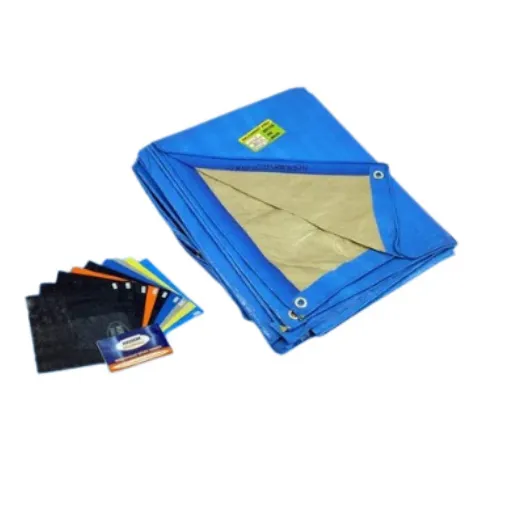
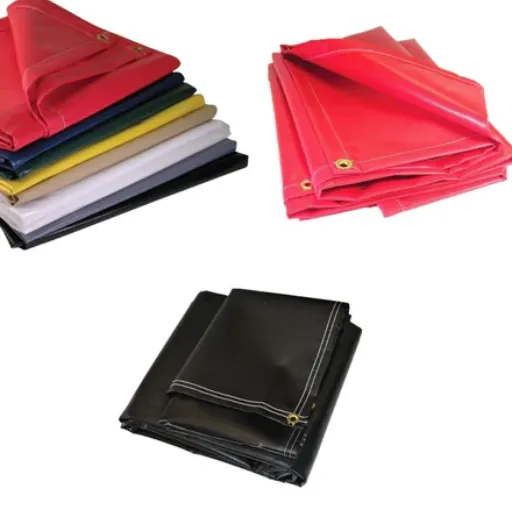
A heavy-duty tarp is a very robust and multipurpose sheet produced of polyethylene, vinyl, or canvas, that can endure rough conditions and prolonged use. These tarps are mostly used in thick layers and are less prone to tearing, and when they are waterproof they perform far better than normal tarps, making them suitable for use in various fields. Heavy-duty tarps are made with reinforced edges, UV protection, and rust-resistant grommets for safe fastening, therefore, they are reliable even in extreme conditions. Heavy-duty tarps are a trusted choice for protecting outdoor equipment and vehicles, ground covering, and temporary shelters in both residential and commercial uses.
Key Features of Waterproof Tarps
Essential Features Overview
💧 Superior Waterproofing
Guarantees total protection from rain and moisture, keeping covered items dry even in extremely bad weather
☀️ UV & Weather Resistance
Treated with UV-resistant substances preventing sun damage for extended periods in both hot and cold areas
⚙️ Reinforced Edges & Grommets
Fortified edges with rustproof grommets ensuring secure fastening even in toughest conditions
💪 High Tear Resistance
Made from premium materials like polyethylene or vinyl that resist ripping under harsh treatment
🔄 Versatility
Suitable for covering outdoor tools, vehicles, boats, firewood, ground covers, temporary shelters, and industrial work
Differences Between Heavy Duty and Light-Duty Tarps
| Feature | Heavy Duty Tarps | Light-Duty Tarps |
|---|---|---|
| Material | Thicker materials: PVC or reinforced polyethylene | Thinner materials: standard polyethylene or light fabrics |
| Durability | Extraordinary strength, withstands dust, UV, bad weather | Minimal protection, less resistant to prolonged sunlight |
| Construction | High mesh count, thick coating, reinforced hems | Standard construction without reinforcement |
| Best For | Long-term outdoor use, construction, transportation, stormy weather | Short-term indoor use, renovation covers, temporary storage |
| Price Point | Higher initial cost, better long-term value | Lower priced, requires frequent replacement |
💡 Selection Guide
Selecting between heavy-duty and light-duty tarps is determined by your specific requirements. Heavy-duty tarps are great for prolonged and intensive-use applications while light-duty ones are suitable for occasional coverage needs.
Applications of Waterproof Tarps

Common Uses for Heavy Duty Waterproof Tarps
Heavy-duty waterproof tarps are not only long-lasting but also adaptable, making them very vital in a range of places. Their versatility extends across multiple industries and applications, providing reliable protection in various scenarios.
🏗️ Construction Sites
Dependable barrier against rain, wind, and sun for materials and equipment protection
🌾 Agricultural Use
Protect crops, hay, and equipment during inclement weather conditions
🚚 Transportation
Cover and secure truck loads, keeping goods dry and protected during transit
🆘 Emergency Situations
Temporary roofing or shelter after natural disasters and emergency scenarios
How to Choose the Right Tarps for Your Needs
Decision-Making Framework
1. Evaluate Material Type
Polyethylene: Lightweight, waterproof, ideal for temporary covering
Canvas: Stronger, more breathable, best for long-term use or covering sensitive items
2. Consider Thickness & Weight
Measured in mils and ounces per square yard. Thicker tarps provide more durability and resistance to wear, suitable for heavy-duty work.
3. Determine Size Requirements
Measure the coverage area carefully to avoid gaps or excessive overlapping for optimal protection.
4. Check Special Features
Look for UV protection, waterproof coatings, reinforced grommets, and edges for proper securing. Consider color: dark tarps absorb heat, light ones reflect it.
5. Assess Special Requirements
Consider specialty tarps designed for fire resistance, insulation, or specific industrial applications.
Innovative Uses for Super Heavy Duty Tarps
Super heavy-duty tarps have a wide range of applications, many of which are creative and non-traditional. According to recent search engine trends, consumers are seeking innovative ways to use these versatile tarps beyond standard coverage.
🎨 Creative Applications
- ✓
Urban Gardening: Ground covers to block weeds, retain soil moisture, and control soil temperatures - ✓
DIY Outdoor Movie Screens: White or light-colored tarps stretched to create low-cost, portable projection surfaces - ✓
Outdoor Survival: Temporary shelters, hammocks, tent dividers, or rainwater collection during emergencies - ✓
Construction Projects: Debris containment or temporary dust barriers during renovation - ✓
Art Projects: Painting backdrops or transforming tarps into creative canvas for artistic installations
Benefits of Using Waterproof Tarps

Protection Against Water Damage
💧 Why Water Protection Matters
Waterproof tarpaulins are an indispensable apparatus for shielding both areas and items from water damage, especially in cases of heavy rains, leaks, or flooding. The tarps are designed to repel water quickly, ensuring objects underneath remain dry and safe. Current consumer trends show constant demand for high-quality tarps that protect outdoor equipment, cars, and construction materials from bad weather. Their proven resistance to water and ability to face harsh elements make them a cost-effective solution for safeguarding personal assets and professional setups.
Durability and Longevity of Heavy Duty Tarps
Material Excellence
Polyethylene: Withstands sun and rain for extended periods
Vinyl: Superior resistance to wear and tear from rough handling, ideal for industrial use
Enhanced Features
Heat-sealed seams and reinforced grommets significantly extend lifespan and performance
🔧 Maintenance for Longevity
Keep tarps clean, dry them properly, and store in cool places to maximize lifespan and ensure excellent return on investment. Consumer behavior shows preference for long-term, eco-friendly solutions.
Cost-Effectiveness of Resistant Tarps
💰 Economic Value Analysis
Long-Term Savings
Resistant tarps spread costs over extended periods, reducing frequent replacement expenses. Initial investment higher than regular tarps, but long life and ability to withstand tough conditions result in significant savings.
Market Trends
Surge in searches for “long-lasting protective tarps” reflects consumer demand for reasonable, durable solutions. Heavy-duty options like polyethylene or vinyl tarps strike perfect balance between affordability and performance.
Comparing Tarps: What to Look For

Understanding Tarp Thickness and Its Importance
Thickness is one of the most important features of a tarp to indicate its durability, strength, and intended use. Tarp thickness is measured in mils, which equals 1/1000 of an inch (or 0.0254 mm). A thicker tarp will generally offer better resistance against tearing or harsh weather.
| Thickness Range | Classification | Best Applications |
|---|---|---|
| 5-8 mils | Light-duty | Short-term indoor use, light coverage |
| 10-12 mils | Medium-duty | General outdoor use, equipment protection |
| 16-20 mils | Heavy-duty | Construction, transportation, industrial use |
| 20+ mils | Industrial-grade | Extreme conditions, long-term outdoor exposure |
Comparative Analysis of Different Tarp Materials
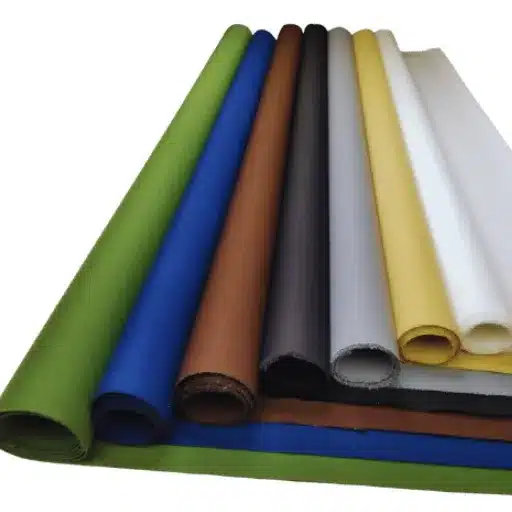
When comparing tarp materials, polyethylene (PE), vinyl, and canvas are the three most widely used materials, each serving specific purposes based on their respective properties. Recent search data shows distinct consumer preferences for different materials.
| Material | Key Properties | Best For | Search Popularity |
|---|---|---|---|
| Polyethylene (PE) | Lightweight, low price, versatile, weather-resistant | Temporary use, machinery covering, garden protection | Highest |
| Vinyl | Excellent durability, UV resistance, chemical resistance | Industrial projects, long-term outdoor storage | Moderate |
| Canvas | Breathable, eco-friendly, natural material | Painting projects, agricultural applications | Niche |
📊 Consumer Insights
Search trends indicate consumers prioritize thickness, material properties, and durability over cost. Growing emphasis on long-term value and tailored solutions makes choosing the right material critical for efficiency and satisfaction.
Evaluating Water Resistance Ratings
Understanding Water Resistance Standards
IPX4 Rating
Suitable for splashes and casual outdoor activities with minor rain exposure
IPX7 / IPX8 Rating
Recommended for submersion-intended items like waterproof electronics in aquatic environments
Key Distinction
Buyers must differentiate between “water-resistant” (repels water to a degree) and “waterproof” (complete protection) options
Maintenance Tips for Heavy-Duty Waterproof Tarps

How to Clean and Maintain Your Tarps
Essential Maintenance Checklist
🧽 Regular Cleaning
Use soft brush or sponge with mild soap and lukewarm water to remove dirt, debris, or stains. Avoid harsh chemicals or abrasives that damage waterproof coating.
💨 Thorough Drying
Ensure complete drying before storage to prevent mold or mildew growth. Air dry in well-ventilated spot or hang to dry.
🔍 Inspect for Damage
Regularly check for tears, punctures, or worn edges. Repair small damages immediately with tarp repair kits or waterproof adhesive patches.
📦 Proper Storage
Store in cool, dry area away from direct sunlight and extreme temperatures. Neatly fold and place in protective bag.
⚠️ Avoid Overuse
Limit exposure to harsh conditions or prolonged UV light. Monitor condition more closely if used frequently.
Storage Tips for Longevity
🏠 Advanced Storage Strategies
- Clean and Dry Thoroughly:
Always clean and completely dry the tarp before packing. Moisture promotes mold and mildew growth, causing material decay. - Use Airtight Containers:
For long-term storage, consider airtight containers or vacuum-sealed bags for protection from moisture, dust, and insects. - Climate-Controlled Storage:
Avoid temperature changes and high humidity. Keep in climate-controlled area or dry shade. - Monitor for Pests:
Regularly check storage location for rodents or insects that could damage the tarp.
Identifying and Repairing Damage to Tarps
🔧 Damage Assessment & Repair Guide
Common Signs of Damage:
- Small rips and frayed edges
- Holes from sharp objects or weather exposure
- Weakened grommets at attachment points
- Stress areas at corners or high-tension zones
Repair Methods:
Minor Tears/Holes: Clean and dry the area, then apply tarp repair tape for quick, efficient repair with optimal adhesion.
Larger Damage: Use tarp patch kits or replacement grommets for longer-lasting repairs. Bond patches with adhesives or heat as per kit instructions.
Prevention: Regular maintenance and minor repairs extend tarp usability and eliminate costs of early replacement.
Frequently Asked Questions
❓ What sizes do heavy duty waterproof tarps come in?
Heavy duty waterproof tarps are accessible in multiple sizes to meet different needs. Popular sizes include 10 x 10 feet, 20 x 20 feet, and many others for both small and large projects. Whether covering a patio, providing shade, or camping outdoors, various sizes are available. Thickness, measured in mils, also determines size and application—thicker tarps being more durable and water resistant. Always confirm your requirements to select the right dimensions.
❓ How durable are heavy duty waterproof tarps?
The longevity of heavy duty waterproof tarps is one of their main properties. High-quality materials like heavy duty poly make these tarps tear and wear resistant for extended periods. Many feature thickness from 10 mil to 20 mil or higher for extra tough protection. This durability enables use for various purposes from protecting RVs to covering outdoor furniture. Most heavy duty tarps undergo UV treatment, making them sunlight resistant while providing long-term water protection.
❓ Can heavy duty tarps be used for DIY projects?
Indeed, heavy-duty waterproof tarps are very practical for many DIY projects. Their flexibility makes them applicable for building makeshift huts, hiding logs, or serving as ground-covering for outdoor fun. The sturdiness of heavy-duty tarps ensures they withstand the stress of DIY work. Grommets placed every 18 inches allow for easy securing and tying, lending themselves to creative projects. Whether for home improvement or outdoor spaces, these tarps are dependable partners.
❓ Are heavy duty waterproof tarps UV resistant?
Certainly, many heavy duty waterproof tarps are UV resistant, a beneficial feature for outdoor usage. UV-resistant tarps prevent material degradation from sun exposure, boosting lifespan and maintaining protective characteristics. This becomes crucial for open-air functions, patio furniture covering, or beach heat protection. Look for tarps specifically stated as UV-treated to ensure top-notch protection against harmful sunrays while meeting durability and water protection needs.
❓ What is the difference between heavy duty and light-duty tarps?
Thickness and durability are the most noticeable differences. Heavy duty tarps are made with thicker materials, usually at least 10 mils, providing superior protection against severe weather and reduced wear. Light-duty tarps consist of thinner materials suitable only for occasional, less demanding uses. Heavy duty waterproof tarps can protect boats or RVs for several years while light-duty ones are suitable for temporary furniture shielding. Choose based on your required protection level.
Reference Sources
📚 OnePetro: “Tarping Flatbed Trailers: Recognizing And Responding to Fall Exposures” – Discusses the use of durable waterproof tarps in industrial and transportation settings with safety considerations Read more on OnePetro
📚 InLibrary: “Technology of Hydrophobic Treatment of Cotton Tarpaulin Fabric” – Explores advancements in waterproofing technologies for canvas tarps, focusing on durability and water resistance improvements Read more on InLibrary
📚 MSpace: “Design of a Retractable Inlet Cover” – Examines design and application of heavy-duty PVC tarps for industrial purposes with material selection and performance insights Read more on MSpace