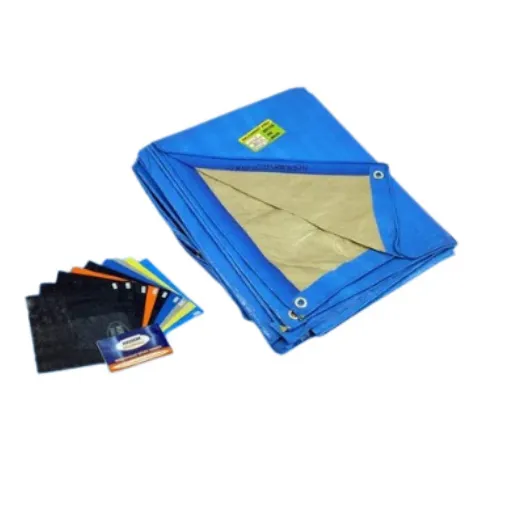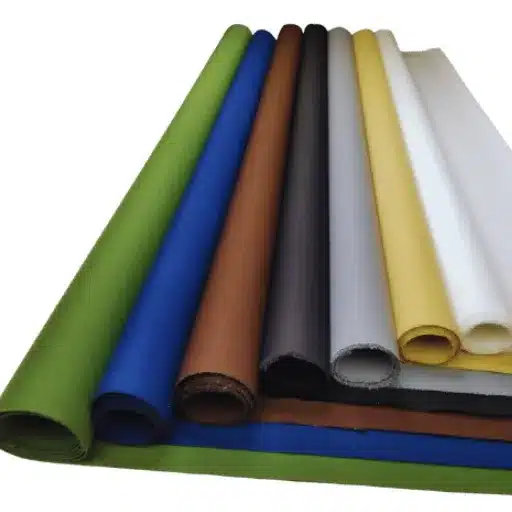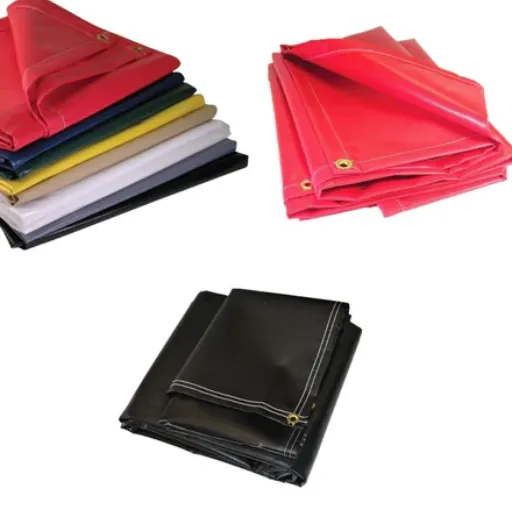
Understanding Heavy Duty Shade Cloth

Heavy duty shade cloth represents one of the most practical and versatile solutions for protecting outdoor spaces from intense sunlight. Whether you’re a homeowner seeking backyard comfort, a gardener protecting heat-sensitive plants, or a business owner enhancing outdoor customer areas, shade cloth delivers durability and efficiency across all applications.
What Makes It “Heavy Duty”?
This extremely strong woven or knitted fabric is manufactured primarily from high-density polyethylene (HDPE) or equivalent materials, ensuring resistance to tearing, fraying, and UV damage. The result is a long-lasting, dependable solution for diverse environments.
- 🛡️ UV Resistance: Protects against harmful ultraviolet radiation
- 💪 Tear Resistance: Withstands wear and environmental stress
- 🌡️ Temperature Control: Reduces heat while allowing airflow
- 💧 Moisture Management: Permits air and moisture circulation
Shade Range Available: From 30% to 90% shading grades, providing precise control over light and heat blocking for optimal environmental customization.
Types of Shade Fabrics and Their Applications
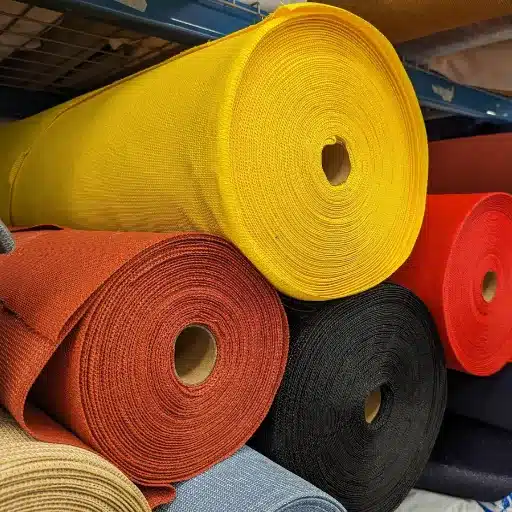
🧶 Knitted Shade Cloth
Characteristics
- Lightweight yet durable
- Fray-resistant construction
- UV protection: 30-90%
- Excellent air circulation
Best For: Greenhouses, nurseries, agricultural applications
🏗️ Woven Shade Cloth
Characteristics
- Stiffer, heavier structure
- High UV protection
- Weather-resistant
- Permanent installation ready
Best For: Carports, pergolas, outdoor seating areas
✨ Aluminized Shade Cloth
Characteristics
- Reflective coating
- Refracts sun rays and heat
- Maximum cooling effect
- High-temperature performance
Best For: Animal shelters, industrial cooling, high-heat areas
💎 HDPE Shade Cloth
Characteristics
- High-density polyethylene
- Extremely durable
- Mold and mildew resistant
- Cost-effective solution
Best For: Garden covers, privacy screens, general outdoor use
🎯 Selection Factors
Choose fabric type based on climate conditions, required longevity, and desired UV protection level. Proper selection ensures both effectiveness and durability for your specific application.
Garden Benefits: Why Shade Cloth Matters
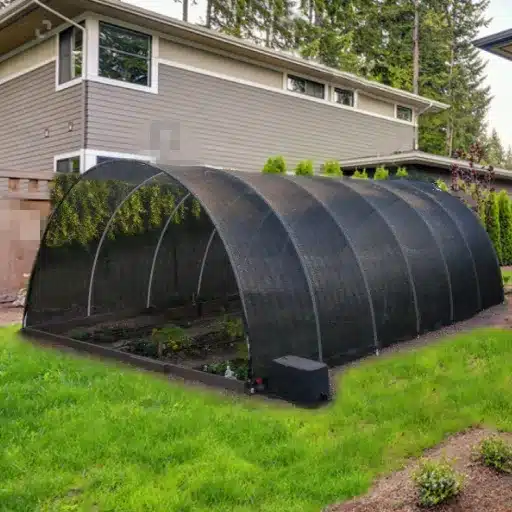
🌡️ Temperature Regulation
Reduces direct sunlight exposure, controlling temperature—especially critical in hot regions. Creates ideal growing conditions for heat-sensitive plants.
💧 Water Conservation
Cuts evaporation significantly, maintaining soil moisture while supporting environmentally friendly gardening practices and reducing irrigation needs.
☀️ UV Protection
Strong protection against harmful UV rays minimizes plant sunburn and die-off risks, ensuring healthier, more vibrant growth.
🐛 Pest Barrier
Keeps insects away from sensitive crops while protecting against harsh weather conditions like strong winds and heavy rain.
🎨 Customization Options
Different shading percentages allow gardeners to tailor light levels for specific plant needs—from delicate flowers to hardy vegetables.
♻️ Sustainability
Produces healthier, more vibrant gardens while requiring less water and maintenance—supporting eco-friendly practices.
Practical Applications Across Industries
🏡 Residential Applications
Shade cloth has gained tremendous popularity in residential settings due to its versatility and practical benefits. Search trend data reveals the most common residential uses:
Popular Residential Uses
- Patio Shading: Create comfortable outdoor living spaces protected from intense sun
- Pergola Covers: Enhance existing structures with customizable shade levels
- Furniture Protection: Shield outdoor furniture from UV damage and weathering
- Backyard Gardening: Keep plants cooler and protected from heat stress
- Privacy Screens: Combine functionality with aesthetic appeal
- Light Control: Manage natural lighting in outdoor living spaces
Design Flexibility: Available in various colors and densities, shade cloth allows homeowners to select solutions matching both aesthetic preferences and functional requirements.
🏢 Commercial Applications
Various industries rely on shade structures for functional and economic benefits, with adoption rates increasing across multiple sectors:
Growing Trend: Businesses increasingly integrate shade structures as part of eco-friendly strategies, improving brand image while decreasing carbon footprints and operational costs.
🌱 Greenhouse Applications
Shade cloth plays a pivotal role in creating optimal greenhouse conditions by preventing excessive sunlight while controlling temperature and humidity levels.
Greenhouse Optimization Benefits
📊 30-70% Shading
Customizable for plant needs
🌡️ Temperature Control
Prevents overheating
💰 Energy Efficiency
Reduced cooling costs
📈 Higher Yields
Healthier plant growth
Market Insight: Searches for “greenhouse temperature control” and “best shade cloth for plants” reflect growing interest in plant health optimization through innovative shading solutions, with custom options matching seasonal and crop-specific needs.
🎯 Selecting the Right Shade Fabric
Critical Selection Factors
1️⃣ Shade Percentage Compatibility
Match shading levels to crop and plant requirements for optimal growth:
2️⃣ Material Composition
Knitted polyethylene cloths lead in popularity for durability, UV resistance, and installation ease. Consider these material properties:
- Longevity: UV-stabilized for extended lifespan
- Maintenance: Easy to clean and maintain
- Installation: Lightweight, manageable setup
3️⃣ Color Selection
Color impacts light distribution and temperature control:
Black
Maximum shade
Green
Natural aesthetic
White
Best light diffusion
4️⃣ Sustainability Considerations
Growing interest in eco-conscious practices drives demand for recyclable materials and energy-efficient designs that reduce heating/cooling costs while maintaining plant health quality.
Custom Solutions for Unique Spaces
Addressing specific environmental challenges and operational needs requires tailored approaches. Common questions include shade solutions for multi-use greenhouses and efficient shading for irregular spaces.
Trending Custom Solutions
- Adjustable Shade Systems: Modify coverage based on time of day or season
- Modular Coverings: Adapt to unconventional or irregular layouts
- Optimized Light Diffusion: Ensure even distribution across growing areas
- Enhanced Air Circulation: Maintain proper ventilation in enclosed spaces
- Eco-Friendly Fabrics: Sustainable materials reducing long-term costs
Durability & Resistance Features
Heavy-duty shade tarps are engineered specifically to withstand demanding conditions while delivering consistent shade and protection.
Premium Construction Features
| Feature | Benefit | Result |
|---|---|---|
| HDPE/Vinyl-Coated | Maximum material strength | Withstands wear, UV, weather |
| Corrosion Resistance | Fights rust and degradation | Long-lasting outdoor use |
| Mold/Mildew Proof | High-humidity protection | Suitable for wet climates |
| Reinforced Edges | Extra strength at stress points | Prevents tearing |
| Heat-Sealed Seams | Superior bond integrity | Weather-resistant sealing |
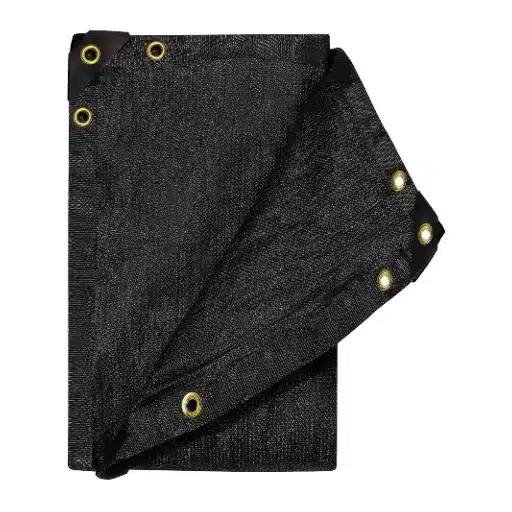
| Grommets | Secure fastening points | Wind and storm stability |
Advanced Manufacturing: Modern production techniques combine durability with flexibility, creating tarps that are easy to handle, install, and suitable for agriculture, construction, and recreational applications.
🔧 Installation & Maintenance Guide
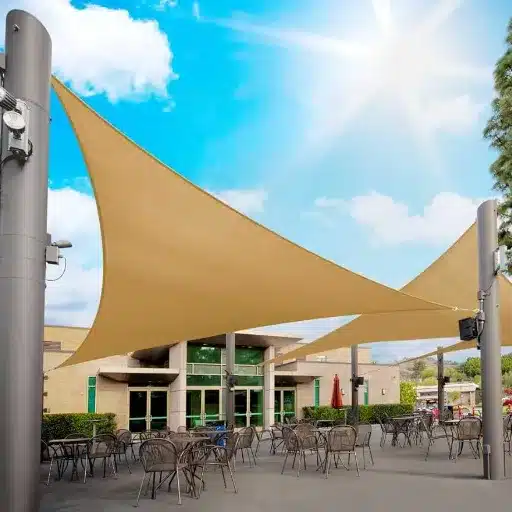
How to Install Shade Sails Properly
Proper installation guarantees both optimal performance and extended durability. Follow this comprehensive step-by-step process:
- Plan the Layout
Identify installation location considering sun direction, prevailing winds, and nearby structures. Design layout to maximize coverage area efficiently.Tip: Map sun patterns throughout the day for optimal positioning
- Choose Anchor Points
Select sturdy, reliable anchor points—heavy posts, walls, or mature trees. Points must support tension and weight during calm and windy conditions.⚠️ Critical: Ensure load-bearing capacity exceeds sail tension requirements
- Install Anchors
Use appropriate hardware—eye bolts, turnbuckles, or pad eyes. For posts, set deep in ground and secure with concrete for maximum stability. - Attach the Shade Sail
Spread sail across area to verify fit. Using tensioning hardware (turnbuckles or D-shackles), attach corners to anchor points. Adjust tension to remove slack without overtightening. - Check Alignment and Tension
Angle sail to prevent water accumulation—allow rain runoff. Ensure proper tightness and security before finalizing installation.✓ Success Check: Sail should be taut with slight give, not drum-tight
Ongoing Maintenance
Periodically inspect for damage—torn corners, loose hardware, or fitting issues. Clean with mild soap and water solution to maintain appearance and functionality. Using quality materials and following these steps ensures effective, long-lasting protection.
Maintaining Your Shade Cloth for Longevity
Proper care and regular maintenance dramatically extend shade cloth lifespan and performance. These straightforward steps ensure years of reliable service:
🧹 Essential Maintenance Checklist
Regular Cleaning
- Use soft-bristle brush and mild soap
- Clean with lukewarm water
- Remove dirt, grime, bird droppings, leaves
- Avoid: Strong chemicals or pressure washing
Routine Inspections
- Check for wear signs: frayed edges, holes
- Look for loose threads or unraveling
- Address minor issues promptly
- Prevent costly repairs or replacements
Sagging Prevention
- Maintain proper tension
- Prevent water pooling
- Reduce weather-related damage
- Check after storms or heavy rain
Seasonal Storage
- Remove during harsh winter weather
- Store in dry, protected location
- Prevents storm damage
- Extends overall lifespan significantly
Long-Term Benefits: Following these maintenance techniques and addressing problems early ensures your shade cloth remains strong and effective, providing reliable sun protection for many years to come.
Using Grommets for Secure Installation
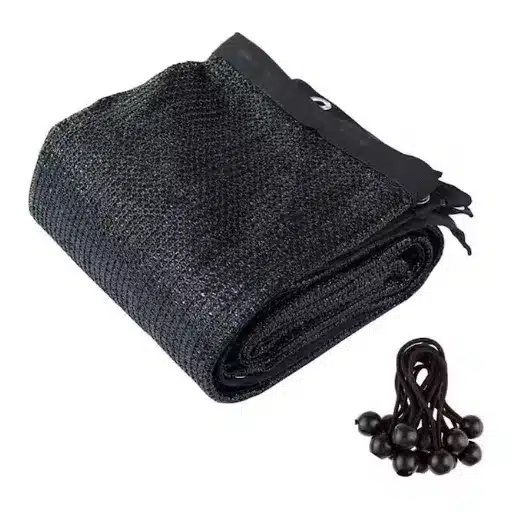
Grommets are critical components enabling robust, durable installation that ensures system reliability. They create reinforced attachment points for ropes, bungees, or cable ties, distributing tension evenly and reducing fabric wear.
Grommet Installation Best Practices
Expert Guidance: Spacing depends on fabric size and weight. Proper grommet placement with durable anchors ensures shade cloth remains firmly in place during strong winds and adverse weather—a simple yet highly effective method for secure, long-lasting installation.
💡 Innovative Shade Solutions
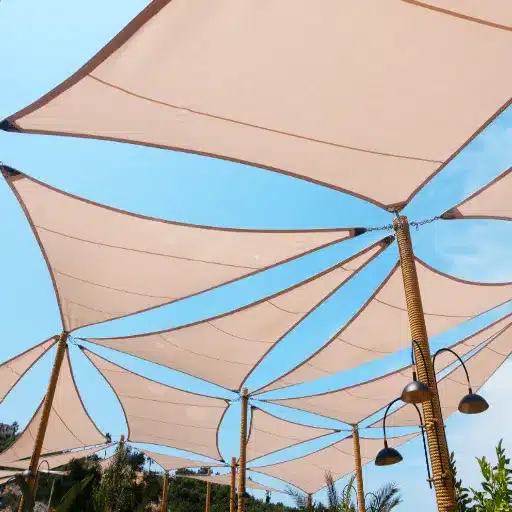
Breathable Sun Protection Technology
Breathable sun protection represents a breakthrough concept providing excellent UV shielding while maintaining comfortable, ventilated outdoor spaces. Common question: “Can materials really block UV rays while allowing airflow?”
The Science Behind Breathability
Research confirms materials like high-density polyethylene (HDPE) shade cloths can block 90% of harmful UV rays while maintaining excellent ventilation.
- Dual Functionality: UV protection + airflow
- Heat Reduction: Minimal heat radiation to ground
- Comfort Zones: Ideal for gardens, patios, outdoor dining
- Safety: Protection from sunburn while staying cool
DIY Shade Structures for Your Backyard
Creating backyard shade structures combines cooling benefits with energy savings, merging aesthetics and functionality. Based on latest data, here are the most effective DIY projects:
🏛️ Shade Cloth with Pergola
Construct wooden or metal pergola and cover with HDPE shade cloth. Filters 90% UV rays while allowing airflow—perfect balance of comfort and ventilation.
Difficulty: Moderate | Cost: $$
⛵ Sail Shades
Triangular or rectangular UV-resistant fabric sails. Easy installation with ropes and anchors, adjustable angles for optimal sun blocking throughout the day.
Difficulty: Easy | Cost: $
🎪 Retractable Canopies
Metal structure with retractable breathable canopy. Variable shading by time of day, combines convenience with air circulation.
Difficulty: Moderate-Hard | Cost: $$$
🌿 Natural Plant Shades
Grow fast-developing vines (wisteria, passionflower) on mesh screens or arbors. Living canopy adds beauty, life, and natural cooling.
Difficulty: Easy | Cost: $ | Time: Months
Year-Round Shade Options for Patios & Pergolas
Ensuring year-round shade requires selecting durable materials with flexible designs, offering shelter and aesthetic appeal across all seasons.
🔄 Retractable Awnings & Motorized Covers
Adjust according to sun position or weather. UV-blocking fabrics ensure durability and year-round effectiveness.
🏗️ Polycarbonate Roofing Panels
Lightweight, durable panels providing sun and rain protection. Suitable for all-season pergola designs with excellent weather resistance.
🌡️ Insulating Panels & Louvered Roofs
Balance temperature extremes providing comfort in both hot and cold weather. Advanced climate control for outdoor spaces.
🌿 Evergreen Climbing Plants
Jasmine or ivy combined with pergola structures create vibrant, living canopies. Natural lushness throughout all seasons, enriching outdoor spaces organically.
❓ Frequently Asked Questions
Q: What materials are used in heavy duty shade cloth production?
Answer: Heavy-duty shade cloth is primarily manufactured from high-density polyethylene (HDPE), a material renowned for strength and UV resistance. This durable fabric blocks harmful sun rays while permitting airflow, making it ideal for both residential and commercial outdoor applications.
Additional Features: Many options include reinforced grommets for easy installation and tear-resistant construction for durability across diverse weather conditions.
Q: How can I customize heavy-duty shade cloth for my needs?
Answer: Customization involves selecting appropriate width, shading percentage, and color matching your specific requirements. Choose from options like black mesh or aluminized fabric depending on aesthetic and functional needs.
Customization Options:
- Custom sizes for perfect fit
- Attachment methods (grommets, reinforced edges)
- Color selection for appearance
- Warranty coverage for longevity assurance
Q: Is heavy-duty shade cloth suitable for greenhouse covering?
Answer: Yes, heavy-duty shade cloth is an excellent greenhouse covering choice, providing breathable shade without completely blocking light. Shading percentage can be tailored (30-70%) based on plant species and light requirements.
Q: What advantages do shade sails offer over conventional structures?
Answer: Shade sails provide contemporary, visually appealing alternatives to traditional structures, offering superior design flexibility and installation versatility for both residential and commercial projects.
Key Advantages:
- Customizable: Various sizes and shapes available
- Excellent Protection: Heavy-duty cloth blocks harmful UV rays
- Breathable Design: Airflow while providing shade
- Easy Installation: Simpler than fixed structures
- Seasonal Flexibility: Can be relocated or removed
Q: What is the expected lifespan of heavy-duty shade cloth?
Answer: Lifespan varies based on fabric quality and environmental factors, but high-quality products typically last several years. Most premium varieties feature UV-stabilized properties protecting against fading and sun-induced degradation.
Longevity Factors:
Proper Maintenance: Secure installation enables survival through various weather conditions year-round.
Regular Inspection: Check for wear signs, especially after strong winds or heavy rain.
Warranty Protection: Seek products with warranties ensuring assistance if issues arise within specified timeframes.
📚 Authoritative Reference Sources
🌾 Crop Protection Research
Source: Utah State University
Title: Constructing Shade Structures: Small Area Vegetable and Crop Protection
Focus: Documents shade cloth effectiveness in reducing sunburn damage to crops, providing scientific evidence for agricultural applications.
❄️ Cold Weather Protection
Source: University of Florida IFAS Extension
Title: Cold Protection of Foliage Plants in Shadehouses and Nurseries
Focus: Provides insights into shade cloth applications for protecting plants from cold weather conditions in commercial nursery settings.
☀️ UV Protection Analysis
Source: Academic Research Institution
Read more here
Title: 50% Shade Factor Shade Cloth Study
Focus: Details UV protection and cooling benefits of high-density polyethylene shade cloth, supporting evidence-based material selection.