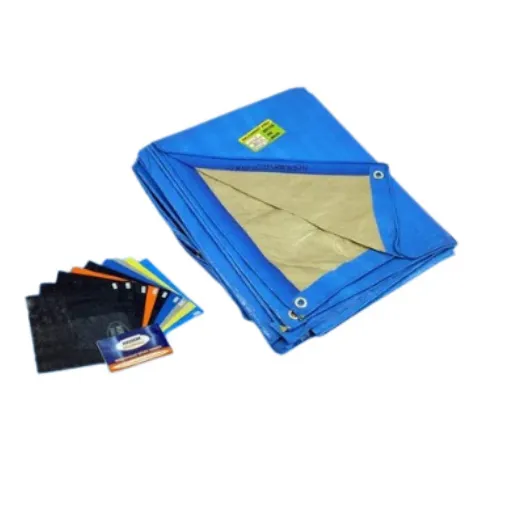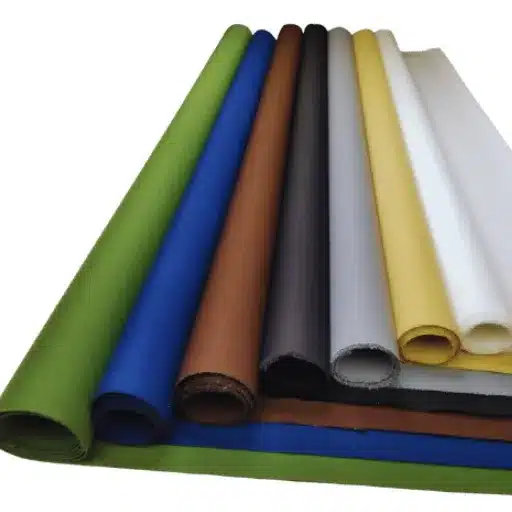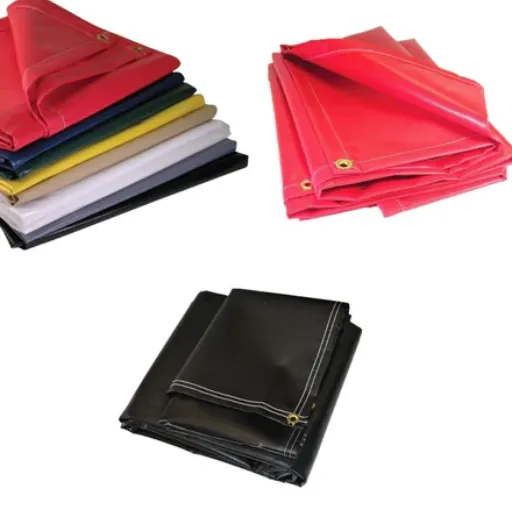
It is true that not every tarp can be suitable for the purpose of protecting your prized possessions or helping with difficult tasks. However, extremely heavy tarps emerge as the best choice for heavy-duty protection because they offer strength, flexibility, and resistance to weather that are all unequaled. This is the case when the application of these tarps is against the light or the hard use. In this manual, we will go through the entire range of very heavy-duty tarps, highlighting their main characteristics and advantages, as well as giving examples of how they can be used and tips on how to select the best one for your needs. Get ready to find out the reason why these tarps are a necessary investment for individuals as well as businesses.
Understanding Heavy Duty Tarps
What is a Heavy Duty Tarp?
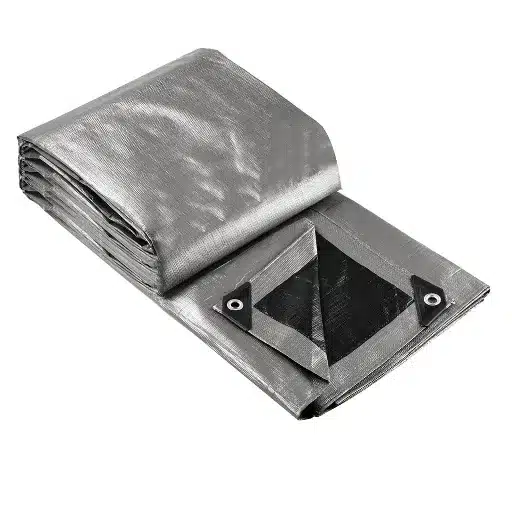
Heavy duty tarps are a very strong and multifunctional covering that can protect areas against serious weather and long-time use. Heavy duty tarps are usually made of different materials like polyethylene, canvas, or even vinyl, and are made to have the maximum thickness of the fabric, edges reinforced with stitching, and grommets that last long enough to carry heavy loads without tearing. Most often they have waterproofing and UV resistance, so heavy-duty tarps can be applied to protect not only from the rain but also from the sun, snow, and wind. Heavy-duty tarps find their usage in the construction, agriculture, logistics, and other industries as well as individual projects; they are able to offer not only reliable protection but also the unmatched durability even in difficult situations.
🛡️ Core Features of Heavy Duty Tarps:
- Maximum thickness fabric construction for superior strength
- Reinforced edges with heavy-duty stitching
- Long-lasting grommets designed for heavy loads
- Complete waterproofing capabilities
- UV resistance for extended outdoor use
- Multi-weather protection (rain, sun, snow, wind)
Types of Heavy Duty Tarps
Heavy-duty tarps come in several types; based on the materials, durability, and functionality, each type is designed for a specific use. Some of the types are:
Polyethylene (Poly) Tarps
Very lightweight but still strong, poly tarps are usually waterproof, UV-resistant, and tear-resistant. With these features they are the best candidates for vehicles, outdoor furniture, or areas where construction materials are located.
Canvas Tarps
With their quality of allowing airflow, canvas tarps fit very well in situations where air is a must to go through but at the same time protection is needed. They are used in agriculture or for covering machinery that requires ventilation.
Vinyl Tarps
Very strong and heavy-duty, vinyl tarps have a very high abrasion, chemical and water resistance. Because of these properties, they are used in industrial settings, such as shipping or keeping heavy equipment stored.
Mesh Tarps
Very few materials allow airflow and light passage like mesh tarps do; therefore, they are more often used for shading, fencing, or hauling debris. Their unique build makes them perfect for maintaining visibility while providing protection.
Fire-Retardant Tarps
Built to meet safety standards, these tarps are perfect for places where fire protection is needed, such as construction sites or welding areas.
Insulated Tarps
Built to maintain a certain temperature, insulated tarps are used mainly during cold weather or for curing of concrete. They do offer thermal protection while being resistant to moisture and tearing.
💡 Pro Tip: Choosing the right heavy-duty tarp type would mean users can expect functionality and longevity, tailored to their specific needs and environmental demands.
Key Features of Super Heavy Duty Tarps
Super heavy-duty tarps can endure the Murphy’s Law of weather and they keep on holding to their unmatched durability. The following are some of the vital characteristics that ensure these tarps are a higher choice:
Super heavy-duty tarps are the ones that give long-lasting and multipurpose solutions for various applications starting from construction sites where equipment protection is a must to guarding vehicles and outdoor furniture. The combination of these features, reliability, and versatility has made their quality a popular and trusted choice among the users who demand top performance.
Material and Durability of Tarps
Poly vs. Canvas Tarps
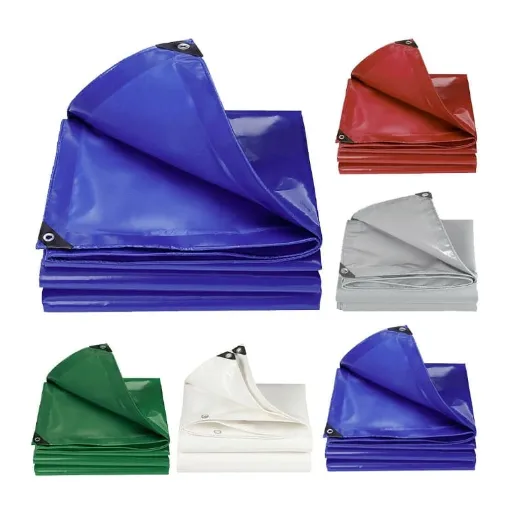
In making a decision between poly and canvas tarps, one has to take into account the use cases, the environment, and how much durability one desires. Poly tarps are made from polyethylene and as such, they are usually very light, waterproof, and resistant to UV rays and mildew. These characteristics make them perfect for covering items that are in wet or outdoor conditions like construction materials, vehicles, or camping gear. In addition to this, they are more affordable and this makes them a common choice for people who only need the tarps for a short time or for lightweight coverage.
On the contrary, canvas tarps, which are made from heavy-duty cotton or polyester, are famous for their being breathable, strong, and resist to abrasions. They are most often the choice for a long-term use, predominantly in the cases of airflow being needed to prevent moisture accumulation, like when the equipment is being covered or storage items are being used. Canvas tarps are also friendlier to the environment because they are biodegradable and can be used for a long time.
📋 Decision Guide: The two tarps serve different but very important purposes, poly tarps are the best for waterproofing and lightweight convenience, whereas canvas tarps are the best for durability and breathability in long-term applications. The decision of which tarp to choose is all about balancing these characteristics with the particular needs of your work.
UV Resistant Properties
Resistance to UV has become a vital concern when it comes to tarps mainly owing to their direct use outdoors for long periods. Poly tarps are UV inhibitors and thus they perform very well in preventing sun damage and being a favorite for exposing machines or vehicles to sun during the day. At the same time, although naturally durable, canvas tarps need to be treated for UV protection sometimes. The most recent data from the search engine reveals that users regularly have queries about product durability when subjected to intense sunlight. Poly tarps have been consistently in demand in terms of their UV resistance, possibly because of their lower price and capability of high ray blocking. If you are one of those who think longevity and protection from the sun is a must then the only solution is investing in UV treated products that cater to your specific needs.
Waterproof Coating and Reinforcement
With waterproof coatings, one of the issues usually brought up is that users want to know how these materials react when kept in the rain and subjected to moisture permanently. The latest search data shows that the interest in reinforced waterproof tarps has grown significantly driven by their durability and reliability in harsh weather conditions. Waterproofing together with reinforcement ensures that not only is the material resistant to water but that it will also remain intact structurally thus being suitable for heavy-duty applications. Moreover, UV-treated waterproof tarps bring to the table yet another layer of protection helping with both moisture and sun exposure and thus catering to the needs of those in search of a multi-functional solution.
Applications of Heavy-Duty Tarps
Using Tarps for Hay Protection
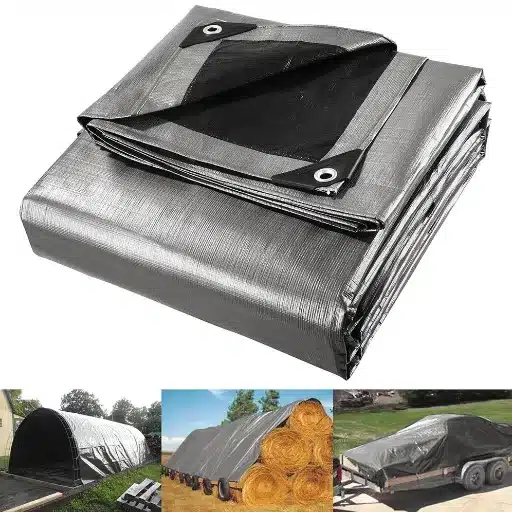
One of the best ways to avoid spoilage and to keep hay fresh is to protect it from the elements. Heavy-duty waterproof tarps give an economical and effective way to protect hay bales against the dampness, the UV rays, and the wind. If a tarp is used properly, it can bring down the chances of mold being formed in the hay stored and cut down the nutrient loss significantly. As per the most recent research data, users are always asking for help in choosing the right size and material tarp that would provide the most coverage and last the longest. To achieve the best results, a tarp with taped seams and grommets is recommended, because it allows for secure tie-downs that will not break in strong winds. Moreover, regularly checking the tarp for wearing out and hoarding is also a good practice so that the protection is constant through the season.
🌾 Best Practices for Hay Protection:
- Select the Right Size: Ensure complete coverage with extra material for secure anchoring
- Choose Taped Seams: Prevents water infiltration at vulnerable points
- Use Heavy-Duty Grommets: Secure tie-downs that withstand strong winds
- Regular Inspections: Check for wear, tears, or water accumulation
- Proper Anchoring: Use quality tie-downs to prevent wind damage
Custom Tarps for Unique Needs
In case of tarps with distinct requirements, the very first thing that has to be done is to determine the exact application’s needs. The latest data from search engines shows one of the common questions is “Which tarp is the best for very bad weather?” Climate and the purpose of use are the factors on which the answer depends. For very bad weather conditions, heavy-duty tarps made of polyethylene or vinyl are the top picks, as they can withstand in ripping, UV rays and water intrusion. Moreover, choosing tarps that are not only heat-sealed but also have UV resistant coatings will last them to stay longer. Users also look for tarps that are either of custom size or with features like corners reinforced and grommets added, which are perfect for tightly covering non-standard shapes or large items. For a completely customized solution, partnering with manufacturers providing custom tarp services can efficiently cater to both regular and unique coverage demands.
Containment Solutions with Heavy Duty Tarps
Heavy-duty tarps are highly adaptable to containment solutions, providing personalization and reliability handling different needs. According to the latest trends in search engines, there has been a considerable increase in the use of heavy-duty tarpaulins for industrial containment, environmental protection, and even residential applications like debris control during renovation. The most common questions reveal that the users pay attention to the features like waterproofing, tearing resistance, and the ability to withstand very extreme weather conditions. A great number of the users are particularly curious about the vinyl-coated tarpaulins that guarantee the highest durability and chemical resistance making them perfect for both spill containment and hazardous material storage. It will be a great idea to choose a tarp with reinforced hems, heat-sealed seams, and strong grommets to enhance performance and long-term value so that we can meet these different requirements effectively. Manufacturers offering custom-sized tarps or special coatings that can be tailored to the application are still the first choice for users who prioritize quality and flexibility in their containment systems.
🏭 Common Containment Applications:
- Industrial spill containment and hazardous material storage
- Environmental protection during construction projects
- Debris control during home renovations
- Waste management and temporary storage
- Chemical resistance applications in manufacturing
Choosing the Right Heavy Duty Tarp
Factors to Consider When Buying a Tarp
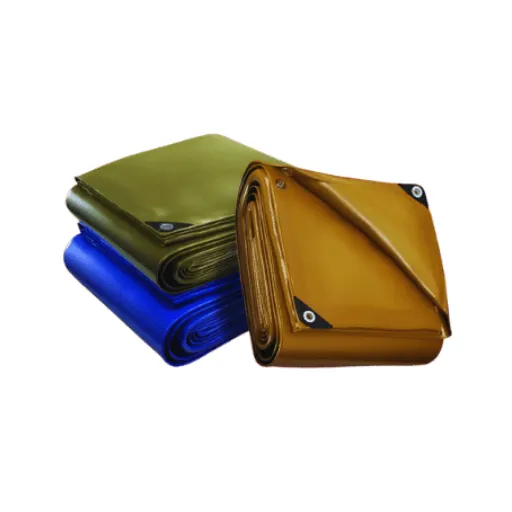
When buying a tarp, it is smart to look at several important factors that will help you choose the right one for your needs. Material of the tarp is one of the most important factors. Polyethylene, canvas, and vinyl are the different types of tarps that each have their specific purposes. Lightweight and waterproof polyethylene tarps are perfect for general outdoor usage. Breathing and covering equipment where moisture might be an issue are the strengths of tarp made of canvas. Vinyl tarps are the robust ones and are meant for heavy-duty applications such as industrial use or long-term storage.
Apart from that, you need to check the thickness and denier rating of the tarp. Usually, thicker material and a higher denier rating are good indicators of better durability and resistance to tearing, which is very important in windy areas or areas with a lot of debris. UV resistance is an outdoor containment essential feature as it protects the tarp from sun damage and extends its life. Grommet spacing and reinforcement assessment is also critical to ensuring secure anchoring and preventing tarp failure under high stress.
Also, keep in mind the possibility of customization and any specific coatings that could improve the tarp’s performance for a particular need. For instance, fire-retardant coatings are a requirement for use in areas where there is a fire hazard. The combination of studying user reviews and product specifications along with the current search trends shows that durable, versatile, and purpose-specific tarps have a high ranking among the best choices for effective and long-term containment.
✅ Essential Buying Checklist:
- Material Type: Polyethylene, canvas, or vinyl based on application
- Thickness & Denier: Higher ratings for better durability
- UV Resistance: Essential for outdoor and long-term use
- Waterproofing: Complete protection from moisture
- Grommet Spacing: 18-36 inches for optimal anchoring
- Reinforced Edges: Prevents tearing under stress
- Special Coatings: Fire-retardant, chemical-resistant as needed
- Size Requirements: Adequate coverage with anchoring allowance
Top Brands of Super Heavy Duty Tarps
In the field of super heavy duty tarps, a few brands shine among others indicating their quality in terms of durability, performance, and user satisfaction. Based upon the latest data and search trends, the following are the most recommended brands:
⭐ Customer Insight: All these brands are always on the list of top searches and at the same time enjoying customer comments that say their products have the qualities of strength, resilience, and effectiveness across many applications.
Understanding Grommet Placement and Weave Quality
When tarp performance and durability are assessed the two crucial factors are grommet placement and weave quality. Grommet location tells about the distance and strength of metal or plastic rings along the tarp’s edges which are used for securing the tarp. Properly spaced grommets ensure that the tension is evenly distributed, which reduces the risk of tearing under stress. For maximum durability, look for tarps that have reinforced corners and grommets every 18 to 36 inches.
Weave quality, in contrast, establishes the overall strength of the tarp and its water resistance. High-quality tarps are usually made of a very dense polyethylene weave that is puncture and fray-resistant. The denser the weave, the more weather-resistant and durable the tarp is expected to be. Recent data from search trends say, that tarps which have tight weave pattern of 10×10 or higher weave count are now the most sought after for both commercial and personal use, which endures to the point of their reliability even in difficult circumstances.
The combination of these factors gives the user the ability to identify which tarps can handle rigorous applications while still providing the best return on investment.
Maintenance and Care for Heavy Duty Tarps
How to Clean and Store Your Tarps
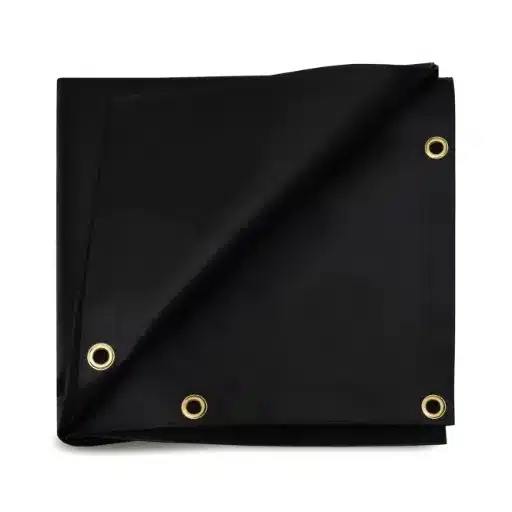
The use of heavy-duty tarps is for various purposes including covering equipment, and to shelter people or animals, thus cleaning them and storing them in the right way is a main factor of their lifespan and efficiency over time. The latest search trends indicate that most users are searching for quick and effective cleaning techniques. Start your cleaning process by removing excess dirt and debris from the tarp. Stubborn stains can be treated with a hose or pressure washer and mild soap while losing mold and degrading the material. If the need arises use a soft brush to scrub and when done make sure a complete rinse is done to get rid of dirt particles as well.
When tarp is to be stored it safety must be guaranteed against the threat of mildew and mold by ensuring it is dried fully. Neatly fold it along the seams to prevent creases or harm, store it in a cool and dry place away from the sun light, thus helping to prolong material’s quality, which can deteriorate over time. For even more protection and convenience, a lot of users are choosing storage bags or cases that are specifically designed for tarps and they fit them perfectly. These bags have been frequently concerned in the search trends for their capability to keep tarps orderly and free from dust and insects. Proper care and storage are the most significant steps that can drastically increase the life span and usability of your tarps.
🧼 Step-by-Step Cleaning & Storage Guide:
Cleaning Process:
- Remove excess dirt and debris with a broom or brush
- Apply mild soap solution to surface
- Use hose or pressure washer for stubborn stains
- Scrub gently with soft brush if needed
- Rinse thoroughly to remove all soap residue
- Allow to dry completely before storage
Storage Tips:
- Ensure tarp is completely dry to prevent mildew
- Fold neatly along seams to avoid creases
- Store in cool, dry location away from direct sunlight
- Use dedicated storage bags or cases for protection
- Keep away from sharp objects and chemicals
Repairs for Damaged Heavy Duty Tarps
When talking about heavy-duty tarps repairing, there are multiple ways to restore and make their lifespan longer. Recent search trends reveal the following methods as the most popular among users: tarp repair tape, adhesive patches, or waterproof sealants. Independent of small tears or rips, the strong adhesive properties and the ease of application of tarp repair tape are the main reasons for its huge popularity. Adhesive patches, meanwhile, are a good choice for larger holes as they are made durable polyethylene or vinyl materials that match the tarp’s construction. Waterproof sealants, on the other hand, are used for sealing leaks and reinforcing weak areas, thus providing long-lasting water exposure protection. Besides, many users look for how-to videos for guidance, and then cleaning of the damaged area properly is done before starting the process of repairs, thus underlining the importance of cleaning. By acting quickly employing these methods, you can successfully prevent your tarp from further deterioration, hence the need for replacement is reduced. Further maintenance after repairing might also help in preventing the recurrence of the problem.
Extending the Lifespan of Your Tarps
Caring for and maintaining your tarps diligently is crucial if you want to make their lifespan as long as possible. First things first, always make it a point to store your tarp clean and dry since any moisture or debris left on it will lead to mushroom and mold growing. Do not overdo the folding and stretching with the tarp as it would make the material weak with times especially at the points of grommets where stress is most. Not only will fasteners or ropes be helpful in securing your tarp but always use the right ones to balance tensions and eliminate tearing.
Recent information indicates one of the most frequently suggested maintenance search queries is how to keep a tarp from ripping in strong winds. This issue can be easily handled by tightly securing your tarp with bungee cords, stakes, or weights depending on how your setup is done. It would be a good idea to go for tarps with rip-stop technology or the reinforced ones to prevent tearing. Always check your tarp regularly for tiny rips or wear and when found apply tarp tape or patches that are of high quality for keeping them small through quick fixes. You will be able to use your tarp so much longer if you combine preventive measures with quick repairs.
💡 Pro Tips for Extended Lifespan:
- Always store tarps clean and completely dry
- Avoid excessive folding at the same points repeatedly
- Use appropriate fasteners to balance tension evenly
- Secure with bungee cords, stakes, or weights in windy conditions
- Choose rip-stop technology for high-wind areas
- Conduct regular inspections for early damage detection
- Apply quick repairs with quality tape or patches immediately
Comparative Analysis of Heavy Duty Tarps
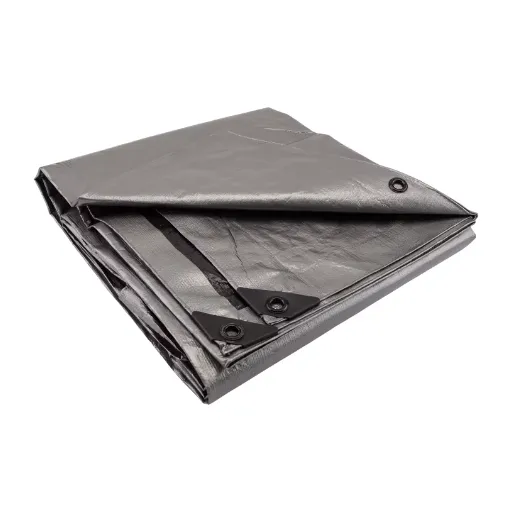
Super Heavy Duty Tarps vs. Standard Tarps
The strongest differences between super heavy duty tarps and standard tarps can be found in their durability, material strengths, and intended purpose. The majority of super heavy duty tarps have higher-grade polyethene or canvas as their basic material and they are made of thicker and sturdier material. Such a design could withstand extreme weather conditions like very heavy rainfall, snow, or even prolonged exposure to the sun. Besides, super heavy duty tarps often come with reinforced edges, rust-proof grommets, and high tear resistance. Therefore, they are perfect for industrial uses, construction sites, or outdoor storage that lasts several years.
Conversely, standard tarps are less bulky and cheaper and thus they are made for less demanding or temporary uses like protecting shunned furniture, gardening, or accommodating a few people camping out for the night. Nevertheless, these tarps are more manageable for the user because they are lightweight and can be easily stored. The drawback here is they will not last long like the super heavy duty tarps when subjected to harsh conditions.
As per the latest search trends, super heavy duty tarps are often discussed in regards to their capability of surviving extreme weather, and it is also their cost-effectiveness for being used in long-term projects that customers are mainly concerned about. Reports from users indicate that even though super heavy duty tarps are more expensive than standard ones at first, they prove their worth in the long run as they are able to last longer and need fewer replacements. On the contrary, standard tarps are often associated with quick and cheap solutions referring to their low price and thus highlighting their budget-friendliness rather than soundness. Being knowledgeable about these differences will assist the intended users in selecting the most suitable tarp type that meets their individual needs.
Price Comparison of Different Tarps
The comparison of tarp prices puts a major focus on the quality and use of the standard tarps and heavy-duty tarps. The findings of the most recent research revealed that the prices of standard tarps generally vary from $10 to $30, depending largely on the size and the composition of the material. It gives us an idea that standard tarps, though not very strong, are the best option economically for temporary or light-duty applications. In contrast, heavy-duty tarps normally cost between $40 and $150 or even more, with the price determined by several factors, including size, thickness, and material quality, as well as additional features like UV resistance and waterproofing.
To be fair, and in other words, what standard tarps lose in effectiveness, they gain in cost-saving during the short term, especially minor tasks or occasional use, while heavy-duty tarps, on the contrary, are costly at the very beginning but still, their durability together with the weather resistance quality make them a good long-term investment for needing performance under harsh conditions consistently. Reflecting on your specified needs and how often would you use it can offer the way to which of the two options, the investment in a heavy-duty tarp or the continuous cost of standard tarp replacements, is the more ideal for you.
💰 Price Range Overview:
Standard Tarps
$10 – $30
Best for temporary or light-duty applications
Heavy-Duty Tarps
$40 – $150+
Long-term investment for demanding conditions
Customer Reviews and Recommendations
Heavy-duty tarps are highly appreciated by customers who always look for the longest period of service and reliability. The majority of the reviews and people’s views on the net say that the users like it the most because of its tearing, UV damage, and harsh weather conditions resistance. The customers are often heard saying that heavy-duty tarps are worthy in the first place for long-lasting outdoor projects, construction sites, or even covering important equipment that simply cannot be offered any other protection.
Data from search trends shows that there is a steady increase in the interest in heavy-duty tarps as search queries are directed at the terms “best durable tarp” and “weatherproof heavy-duty tarps.” This is consistent with customer feedback that highlights the products’ reliability thereby making them a good option for those working in demanding environments. In fact, heavy-duty tarps are getting even more popular among common consumers especially those who want both excellent quality and cost-effectiveness in the long run.
⭐ Top Customer Priorities:
- Tear Resistance: Most valued feature for long-term durability
- UV Protection: Essential for preventing sun damage over time
- Weather Resistance: Ability to withstand harsh conditions consistently
- Value for Money: Initial investment justified by extended lifespan
- Versatility: Suitable for multiple applications and environments
Frequently Asked Questions (FAQ)
What are the advantages of utilizing heavy-duty tarps?
Heavy-duty tarps grant an extraordinary lifespan and sturdiness which is a huge plus for covering outdoor equipment as well as for construction work. They are made of such materials as PVC and heavy-duty canvas that ensure waterproof properties along with robust wear and tear resistance. With different thickness options such as 12 mil and 14 mil, you can select according to the need for protection. They also come with aluminum grommets for easy attachment and it would be assured that they are not going to be blown away even in tough weather conditions. Their extensive utility makes them suitable for everything from industrial use to the most common outdoor needs.
How to find the perfect heavy-duty tarp for your purposes?
While choosing a heavy-duty tarp keep the particular project necessities in mind, inquired size, material, and strength among others. Tarps of different dimensions are available, and one can select between 14 x 14 and 12′ x 12′ depending upon your need. Characteristics such as fire resistance or wind resistance should be looked for, especially if the outdoors is where the tarp is to be used or if it is going to be in a difficult environment. Also, look at mil thickness, for thicker tarps give stronger protection on average. If the need is for hay storage then hay tarps, which are specifically designed for that purpose, would be a good option to consider as they possess features that are designed to keep your hay dry and secure.
Are super heavy-duty tarps water resistant?
Super heavy-duty tarps are made with waterproof capacity confirming they will not let the rain and moisture affect your belongings. To achieve full water resistance many of these tarps are produced using top notch materials like PVC or heavy duty canvas which additionally support their waterproofing. Look out for tarps that are marked and labeled heavy-duty waterproof when making a selection to ensure maximum water shielding. Besides, think about the final size and mil thickness as these factors can greatly affect the tarp’s performance in terms of keeping water at bay. For those who spend most of their time outdoors or have equipment that needs to be protected, a tarp that is waterproof is indispensable.
Is it possible to personalize my heavy-duty tarps?
Yes, custom tarps that can be personalized to suit your special requirements are offered by many makers. Options for customization may consist of dimensions, colors, and types of materials which give you the power to devise a tarp that is a perfect match for your project criteria. Regardless of whether you are looking for a tarp for landscaping projects, industrial use or personal use, custom heavy-duty tarps can give you the exact features you desire; a certain mil thickness or more grommets for easy attachment are a couple of the options. By getting custom tarps you will not only make sure that the product is tailored but also that it is the best heavy-duty protection for your specific situation.
What materials are heavy-duty tarps made of?
Heavy-duty tarps are generally manufactured from different materials such as PVC, heavy-duty canvas, and polyethylene. Different materials come with different features like durability, waterproofness, and resistance to deteriorating. PVC tarps are considered industrially strong and thereby are used in very harsh environments, while heavy-duty canvas tarps are a bit less durable but provide good ventilation. Polyethylene tarps are lightweight, come in a variety of colors, and thus are applicable for numerous uses. In case you are deciding on the tarp, try to visualize the best material that would suit your purpose, whether outdoors, construction, or other areas.
Reference Sources
- Boston University – Versatility of Heavy-Duty Tarpaulin
This blog discusses the various applications of heavy-duty tarps, including market stalls, car covers, deck shields, and emergency covers. Source - University of Georgia – Heavy-Duty Poly Tarp Applications
This resource highlights the use of super heavy-duty tarps for outdoor applications such as pool covers and mount covers, emphasizing their reliability. Source - Jackson, MS Government – Military-Grade Tarps
This document explores the features of military-grade tarps used in army training exercises, comparing them to civilian equivalents. Source
Conclusion
Super heavy-duty tarps represent an essential investment for anyone seeking reliable, long-lasting protection against the elements. Whether you’re involved in construction, agriculture, logistics, or simply need to protect valuable equipment and possessions, these tarps offer unmatched durability, weather resistance, and versatility. By understanding the different types of materials, key features, and proper maintenance techniques, you can select the perfect tarp that meets your specific needs and environmental demands. The higher initial investment in super heavy-duty tarps pays dividends through extended lifespan, fewer replacements, and consistent performance even in the harshest conditions. From poly tarps offering lightweight waterproof convenience to canvas tarps providing breathable long-term coverage, and vinyl tarps delivering industrial-grade protection, there’s a heavy-duty solution for every application. Remember to consider factors like UV resistance, grommet placement, weave quality, and proper anchoring to maximize the value and effectiveness of your tarp investment. With proper care, cleaning, and timely repairs, your super heavy-duty tarp will continue to provide reliable protection for years to come, making it an indispensable tool for both personal and professional use.