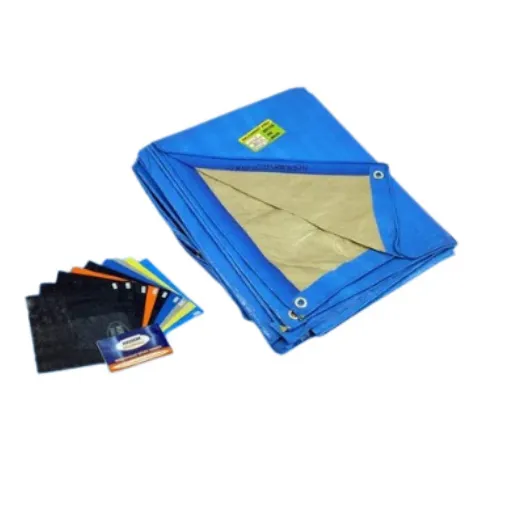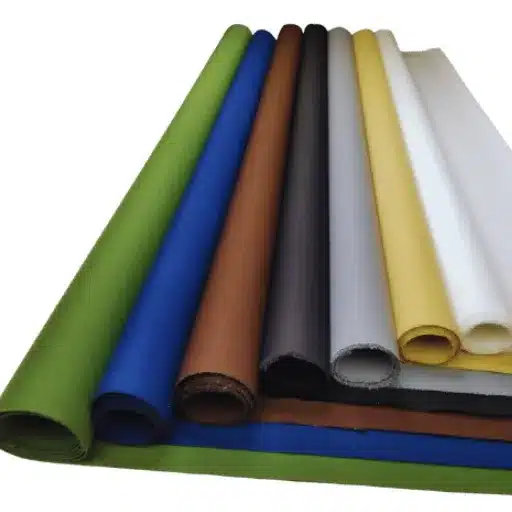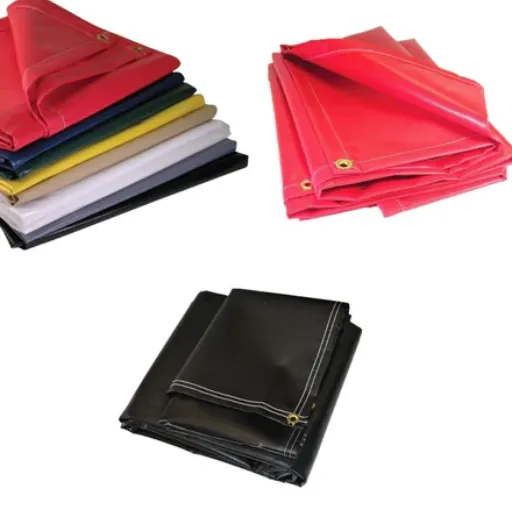
In the case of difficult outdoor tasks or the need to keep important things safe from the weather, a reliable super heavy-duty tarp is an absolute necessity. Whether it is protecting equipment from getting wet, making an outdoor storage area less visible with a tarp, or setting up a waterproof shelter, the usage of tarps made of poly will definitely last and also give the user more options. But among these numerous options, how will you determine which tarp is the most appropriate for your needs? This guide will cover all aspects of super heavy-duty tarps, including their exceptional weather resistance and the ways they can practically ease your projects. Prepare to see the strongest and the most effective tool for protection!
📋 What You’ll Learn in This Guide
- Understanding different types of heavy-duty tarps and their materials
- Choosing the right size and features for your specific needs
- Practical applications across various industries
- Maintenance tips to extend your tarp’s lifespan
Understanding Heavy Duty Tarps
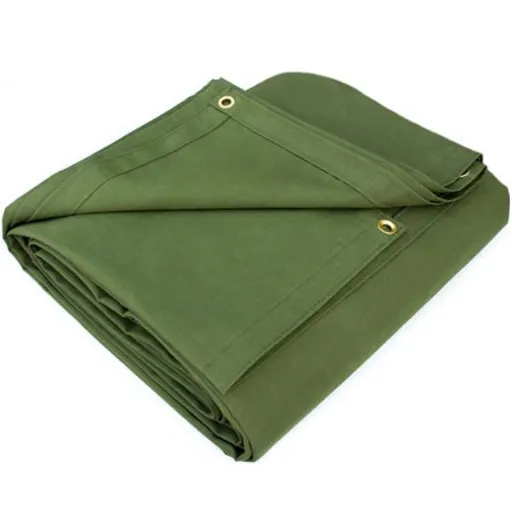
What is a Heavy Duty Tarp?
A heavy-duty tarp is a tough and multifunctional protection sheet that is intended to survive extreme weather, heavy weight, and long use. Usually, these tarps are made of long-lasting materials, for example, polyethylene, vinyl, and canvas, with thick grommets, reinforced edges, and a high-denier weave being some of the additional features. The recent search trends indicate that users are drawing attention to heavy-duty tarps as their main means of protection against the rain, UV rays, and strong winds, which makes them suitable for construction, landscaping, camping, and storage of equipment and materials. Their durability and versatility have helped them to become an indispensable tool for personal and professional projects alike.
⚡ Key Features of Heavy Duty Tarps
| Feature | Description |
| Thick Grommets | Secure tie-down points made from rust-resistant materials |
| Reinforced Edges | Heat-sealed seams or double-stitched hems for extra strength |
| High-Denier Weave | Enhanced tear resistance and durability |
| Weather Protection | Shields against rain, UV rays, and strong winds |
Materials Used in Heavy Duty Tarps
Heavy-duty tarps are made of very durable materials that can withstand harsh conditions and prolonged use. The most common materials are polyethylene, canvas, and vinyl, each having its own set of advantages.
🔵 Polyethylene Tarps
- ✓ Lightweight and easy to handle
- ✓ Completely watertight
- ✓ UV resistant for outdoor use
- ✓ Cost-effective option
🟤 Canvas Tarps
- ✓ Breathable material
- ✓ Prevents condensation
- ✓ Ideal for covering machinery
- ✓ Durable construction
🟣 Vinyl Tarps
- ✓ Extremely strong
- ✓ Superior tear resistance
- ✓ Abrasion resistant
- ✓ Best for industrial use
Search trends indicate that there is a rising consumer preference for polyethylene and vinyl tarps because they provide better weather resistance and durability. The selection of the material is greatly influenced by the specific requirements, such as the weather, purpose, and how long the item will last.
Benefits of Using Super Heavy Duty Tarps
Super heavy duty tarps offer unmatched endurance and protection; thus, they are an ideal choice for a large number of applications. The extreme weather conditions tarps are designed to pass the tests include heavy rainfall, blustery wind, and prolonged sunlight; thus, their performance will be a guarantee over time.
✅ Top Benefits
- Superior Weather Resistance: Withstands heavy rainfall, strong winds, and prolonged sunlight exposure
- Extended Lifespan: High-quality materials ensure long-term durability and reliable performance
- Versatile Applications: Suitable for industrial, construction, agriculture, and residential uses
- Enhanced Strength: Resistance to abrasion makes them ideal for covering equipment and protecting goods
- Cost-Effective Protection: Long-lasting design reduces replacement frequency
Types of Super Heavy Duty Tarps
Poly Tarps vs. Other Materials
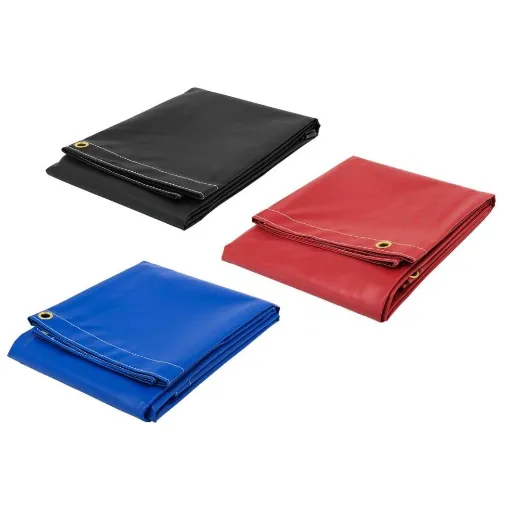
Poly tarps are by far the most preferred option for heavy-duty uses; they are made from polyethylene, which explains the poly tarps’ good prices, lightness, and the good resistance of them to water and UV rays. Poly tarps are preferred materials over vinyl or canvas for short to medium-term applications since they are cheaper and easier to handle.
| Material Type | Advantages | Best For | Price Range |
|---|---|---|---|
| Poly (Polyethylene) | Lightweight, waterproof, UV resistant, affordable | Short to medium-term applications | $ |
| Vinyl | Extremely durable, tear-resistant, long-lasting | Heavy-duty, long-term use | $$$ |
| Canvas | Breathable, prevents condensation | Machinery, delicate equipment | $$ |
The analysis of the recent search trends indicates that the durability and the resistance of the poly tarps against other materials have been the topics that people are most interested in. The statistics show that although poly tarps are the most searched for in general, many users still pick vinyl tarps when the durability is the main concern. In the end, it all comes down to factors like application, budget, and environmental issues while deciding which option is the best.
UV Resistant Tarps
UV resistant tarps have a specific purpose of protecting the user or the item even more from the damaging rays of the sun, thus they are very good for outdoor use that lasts long. Based on the latest data from search engines, many users have questions about the lifetime and efficiency of UV resistant tarps vs. standard tarps.
☀️ UV Protection Factors to Consider
- Material Thickness: Thicker materials provide better UV protection
- Color Selection: Darker colors typically offer superior UV blockage
- UV Blockers: Special treatments that prevent material degradation
- Usage Environment: Consider exposure duration and intensity
The information that has been gathered shows that UV resistant tarps are gradually becoming the norm when it comes to covering up things like cars, outdoor gear, and even farmed products. It is a common practice for these tarps to be impregnated with UV blockers that are responsible for not only the prevention of deterioration and breakage but also the gaining of these tarps strength and lifespan even after being under the scorching sun for years.
Waterproof Poly Tarps
Waterproof poly tarps can be very effective in dry conditions, but they are not clear or similar with the question “Are waterproof poly tarps also resistant to mold and mildew?” The answer is yes, the high quality among the waterproof poly tarps is the one that has been manufactured with certain treatments being one of the ways to resist mold and mildew. These treatments themselves are like barriers that prevent the water that leads to mold and mildew thus their being effective over time.
💡 Pro Tip: When picking a tarp, look for features like mildew resistance and proper ventilation, especially if the tarp is going to be used in a damp or wet environment.
Choosing the Right Size Tarp
Measuring for Your Needs
To choose a tarp of the right size, one needs to take good measurements and think about the application of the tarp very well. You should start by measuring the length, width, and height of the object or area that you want to cover.
📏 Measuring Checklist
- Measure the length, width, and height of the object or area
- Add extra material (6-12 inches on each side) for complete coverage
- Account for tie-down and adjustment needs
- Consider the difference between cut size and finished size
- For large projects, select a tarp larger than original measurements
For instance, if your project is big, like covering vehicles or construction materials, then you would better go for a tarp that is bigger than your original measurements. This is backed by the search data which shows that the majority of users consider oversized tarps to be very practical by giving them flexibility and being easy to use. Also, remember to look at the tarp cut size and the finished size of the tarp, since some tarps are smaller than their cut size after hems and seams are made.
Common Sizes of Heavy Duty Tarps
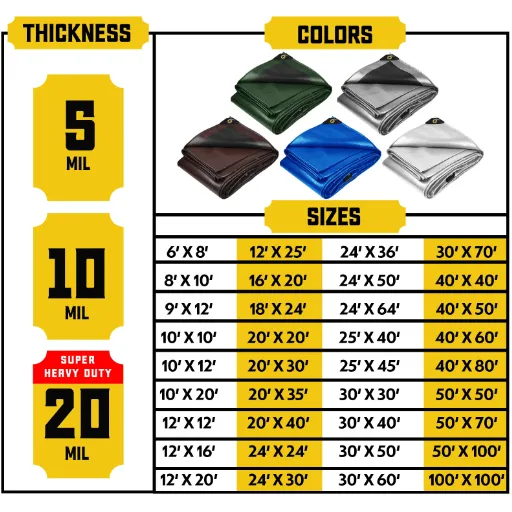
Heavy-duty tarps come in a variety of sizes from which to choose so that they can fit any source of demand whoever that may be: a householder, industry or outdoors.
Small Projects
8′ x 10′
10′ x 12′
Most Popular ⭐
12′ x 16′
Average to large projects
Large Coverage
20′ x 30′
30′ x 50′
Based on search engine data, tarps of dimensions 12 by 16 feet are one of the most commonly searched sizes which are preferred mainly because they can cover up the average to large projects most versatilely. Furthermore, large tarps such as 20 by 30 feet are often chosen as the most suitable size for the covering purpose when it comes to large structures or equipment.
Custom Size Options
People with special requirements can resort to custom-sized tarps that would be a perfect solution. Search engines have indicated that many users are frequently looking for specially tailored tarp options so as to cover their non-standard needs, for example, covering irregularly shaped equipment or very specific dimensions for the coverage. Eventually these custom tarps allow the manufacturer to produce precisely to your measurements thus ensuring the best fit and utmost efficiency.
⚠️ When to Consider Custom Sizes: Think about how complicated your project is and if regular tarp sizes can deal with your needs. Custom options may provide versatility and dependability for specialized applications, regardless of the project size.
Features of Super Heavy Duty Tarps
Grommets and Reinforcements
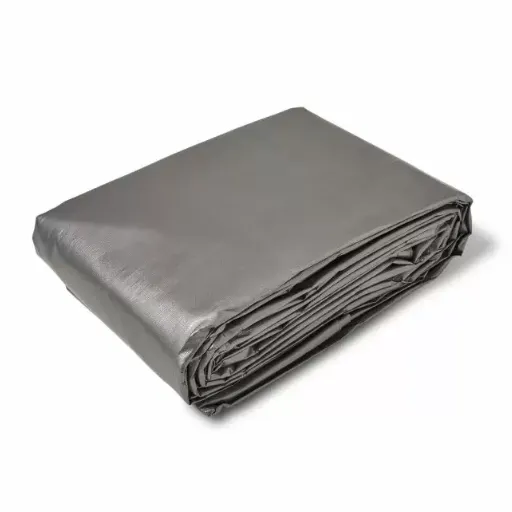
Super heavy-duty tarps are built with a focus on both durability and practicality, and among the features that contribute to these aims are grommets and reinforcements. Grommets that are typically made from rust-resistant materials like brass or aluminum are there at the edges of the tarp at regular intervals to present points of secure tie-down.
| Feature | Material | Spacing | Purpose |
|---|---|---|---|
| Grommets | Brass or Aluminum | 18-36 inches apart | Secure tie-down points |
| Reinforced Edges | Heat-sealed or Double-stitched | Entire perimeter | Tear resistance, increased strength |
The edges are reinforced, usually done by heat-sealing seams or double-stitching hems, and these functions do not only increase the tarp’s strength but also its resistance to tearing during alterations. Recent search trends show that users are often inquiring about the durability and spacing of grommets. Most super heavy-duty tarps are fitted with grommets that are spaced 18 to 36 inches apart, which allows for multiple securing applications.
Weight and Thickness Considerations
Weight and thickness factors are borne by the intended use case of the tarp in large part. According to the most recent search trend data, users often pose the question “What is the optimum tarp thickness for heavy-duty applications?”
📊 Thickness & Weight Guide
Thickness Range:
12-23 mils – Most favored for heavy-duty usage
• 12 mil: Suitable for most non-demanding purposes
• 20 mil: Ideal for heavy-duty applications only
Weight Range:
10-20 oz per sq. yard – Provides excellent coverage and weather resistance
Suitable for: Roofing, construction, long-term outdoor storage
Tarps with a thickness of 12 to 23 mils are the most favored ones for heavy-duty usage. This thickness will last the total extent and offer good resistance against wear and tear, particularly in difficult situations. Besides, heavy-duty tarps are generally 10 to 20 ounces per square yard and provide good coverage and weather resistance thus suitable for applications like roofing, construction, and storage outdoors for a long time. Choosing the right combination of weight and thickness is vital to addressing the specific requirements of different projects while ensuring high performance and durability.
Resistance to Weather Elements
Modern tarps are specially designed for weather resistance to cope with a wide range of environmental conditions. These tarps are made of advanced materials such as polyethylene or vinyl which offer protection against rain, snow, UV radiation, and wind.
🌧️ Rain & Snow
Waterproof barrier protects against moisture damage
☀️ UV Radiation
Advanced coatings prevent sun damage and degradation
💨 Wind
Reinforced edges and grommets prevent tearing in storms
❄️ Temperature
Remains flexible in cold, stable in heat
The data indicates that the searches “UV-resistant tarps” and “waterproof coverings” have gone up surprisingly, thus proving the consumer’s need for durable, weather-resistant solutions. Often, tarp edges and grommets are reinforced to avoid tearing during storms, thus ensuring that they will still be in place even under severe strain. The combination of cutting-edge coatings and robust construction makes them a perfect choice for outdoor use especially in the regions where the weather changes often.
Applications of Heavy Duty Poly Tarps
Construction and Industrial Uses
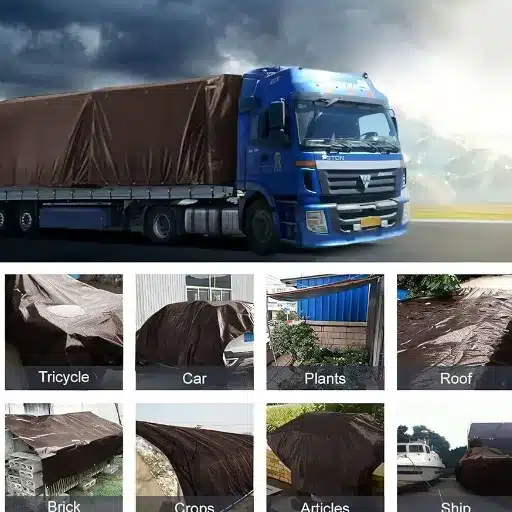
Heavy-duty poly tarps are the most essential thing in a construction and industrial environment as they can be used for varying purposes and will last longer. They are usually used to cover building materials, machinery, and scaffolding and, at the same time, to protect them against rain and dust.
🏗️ Common Construction Applications
- Covering building materials
- Protecting machinery and equipment
- Scaffolding protection
- Temporary roof solutions
- Dust containment barriers
- Debris control systems
- Ground covering during work
- Weather protection for sites
Search engine data has shown a spike in search interest for such heavy-duty tarps in the last year based on the terms like “construction tarps” and “weatherproof industrial coverings”. Its high tensile strength, reinforced seams, and capacity to survive different weather conditions continue to make it a valuable tool for construction workers and industrial operators.
Outdoor Recreation and Camping
Search engine trends have shown post-pandemic period to be the time when outdoor recreation and camping received a major boost in terms of popularity. Camping gear questions, best hiking trails, and outdoor survival tips are all among the list of consistently rising searches. This is a clear indication of the growing demand to enjoy nature with less hassle and to use the outdoors as a source of relaxation and escape.
🏕️ Outdoor Recreation Uses
Camping
Ground cover, rain shelter, tent protection
Hiking
Emergency shelter, gear protection
Storage
Equipment covering, weather protection
People are turning to high-quality and durable waterproof tarps, tents, and portable cooking supplies to enhance their camping and at the same time be prepared. The above-mentioned trend indicates that there is a gradual move to prioritize eco-friendly and significant outdoor activities.
Storage and Protection Solutions
For outdoor activities, proper storage and protection solutions play a vital role in ensuring safety, convenience, and durability. The latest trend analysis indicates an increase in searches for waterproof storage bags, hard-shell cases, and UV-resistant containers.
| Storage Solution | Best For | Key Benefits |
|---|---|---|
| Vehicle Covers | Cars, boats, RVs | UV protection, weather resistance |
| Equipment Protection | Outdoor furniture, tools | Waterproof, dust-free storage |
| Agricultural Use | Hay, crops, machinery | Long-term protection, breathability options |
Customers are inclined toward products that can endure rough conditions like rain, extreme weather, and difficult terrain to keep their gears and essentials safe. Moreover, the popularity of versatile storage solutions such as collapsible bins and organizing cases that take little space has increased due to their efficiency. Besides protecting outdoor equipment, these solutions are also helping to reduce concerns and inconveniences thus making the whole experience better.
Maintenance and Care for Your Tarp
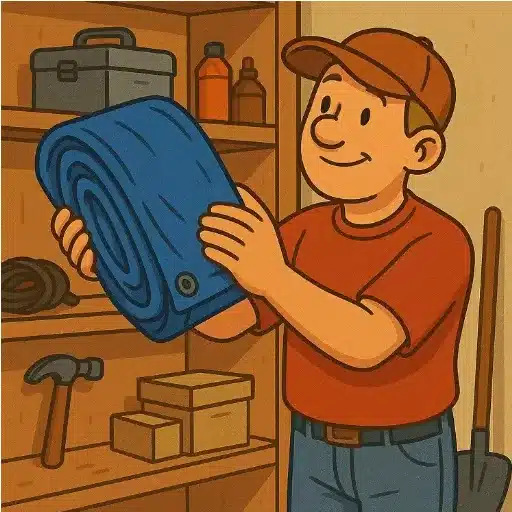
Cleaning and Storage Tips
A tarp’s good upkeep is very important if you want to keep it for a long time and let it work efficiently. Start the process of cleaning a tarp by removing the loose dirt and leaves etc. Then mix a mild soap or detergent with lukewarm water and gently scrub the surface using a soft sponge or cloth.
🧼 Step-by-Step Cleaning Process
- Remove Debris: Shake off loose dirt, leaves, and other materials
- Prepare Solution: Mix mild soap or detergent with lukewarm water
- Gentle Scrubbing: Use a soft sponge or cloth to clean the surface
- Avoid Damage: Never use harsh chemicals or abrasive brushes
- Rinse Thoroughly: Use clean water to remove all soap residue
- Complete Drying: Air dry fully before storage to prevent mold/mildew
📦 Proper Storage Guidelines
- Fold the tarp properly to avoid creases and damage
- Store in a cool, dry location away from direct sunlight
- Use a waterproof storage bag or container for extra protection
- Prevent moisture accumulation and insect infestation
- Check periodically for damage and repair promptly
Harsh chemicals or abrasive brushes are to be avoided because they might harm the protective coat of the tarp. After that, rinse the tarp with clean water and then air dry it completely before storing it to stop the growth of mold or mildew. If you do these things, the tarp will be your reliable companion and will be ready for all your outdoor adventures.
Repairing Minor Damage
Generally, minor damages done to a tarp, like small rips or punctures, can be repaired fast and efficiently. Recent guidelines recommend starting with cleaning the affected area very well so that the dirt and other materials that may prevent the proper adhesion of the repair materials are gone.
🔧 Quick Repair Guide
Step 1: Assess
Examine the damage and clean the area thoroughly
Step 2: Apply
Use repair kit patches on both sides of the tear
Step 3: Cure
Let adhesive dry fully before reusing the tarp
Use a tarp repair kit, which usually contains adhesive patches or glue, to close the gap. In order to get the best outcome, place a patch on both ends of the tear and push hard, adhering to the manufacturer’s instructions. Before reusing the tarp, let the glue fully dry. Carrying out regular maintenance and repairing on time can be the reason why your tarp lasts for a long time, thus it becoming a trustworthy resource for outdoor uses.
Extending the Lifespan of Your Tarp
In order to get the maximum benefit out of your tarp and to make it last for years, it is mandatory to give it regular care and proper storage. First, completely clean the tarp after every use by getting rid of dirt and debris or any other thing that would eventually damage the material.
💎 Best Practices for Longevity
| Practice | Benefit |
| Clean after each use | Prevents material degradation from dirt buildup |
| Regular inspections | Catch small issues before they become major damage |
| Proper folding | Prevents creasing and maintains material integrity |
| UV-resistant for high-stress areas | Maximizes lifespan in harsh sun exposure |
| Avoid extreme weather misuse | Prevents unnecessary wear unless designed for it |
You can use a soft brush or cloth with mild soap and water but do not use harsh chemicals that can damage the fabric. When the tarp is not being used, keep it in a cool and dry place away from sunlight and that won’t cause fading and breakage of the material. Moreover, it is essential to check your tarp regularly for any signs of wear, tears, or loose seams. Timely repairs as mentioned above will prevent small repairs from enlarging to irreversible big damage. By following this routine in combination with modern advice like choosing UV-resistant or heavy-duty tarps for high-stress areas, you can maximize the tarp’s lifespan and reliability for the various tasks.
Frequently Asked Questions (FAQ)
❓ What are the different sizes available for heavy duty tarps?
Heavy-duty tarps have numerous sizes to meet the varying needs and requirements of the users. The sizes of the tarps that are most widely used and appreciated are 10 x 12, 12 x 20 and 14 x 14. The size selection will be based on the particular use, for example, covering outdoor furniture or protecting hay. It is very essential to carry out the measuring of the area that is going to be covered in order to ensure that the right size of the tarp is selected. Furthermore, larger tarps are frequently deployed in industrial applications, which means they offer the widest and deepest coverage and protection. You should always double-check the dimensions before you buy the tarps so that you do not encounter any mismatches.
❓ What is the mil thickness of a super heavy duty tarp?
The mil thickness of a tarp is one of the major factors that affect its strength and durability. A super heavy-duty tarp usually has a thickness somewhere in the range of 12-20 mils, with the thickness pointing out the degree of protection that they provide. A thick tarp is, in general, more resistant to tearing and can also cope with more extreme weather conditions. For example, a 12 mil tarp may work well for most non-demanding purposes, while a 20 mil tarp may be used for heavy-duty applications only. When you pick a tarp, think about the test of conditions it will go through, such as rain or snow, to decide on the right mil thickness.
❓ Are super heavy duty tarps waterproof and tear-resistant?
Definitely, super heavy duty tarps are manufactured to be both waterproof and tear-resistant. Their primary material is woven polyethylene, which creates a very strong barrier against water and moisture. The heavy-duty waterproof feature guarantees that your possessions, like outdoor furniture or vehicles, will not be harmed by rain since they are already sheltered. Moreover, these tarps employ a high weave count and have aluminum grommets placed every 18 inches to avoid tearing and to boost the strength of the product. Such a combination of factors contributes to them being used in a wide range of applications; from camping to construction sites, they are all good.
❓ How do I install a heavy duty tarp properly?
The right installation technique for a heavy-duty tarp can make a huge difference in its effectiveness and life span. Initially, spread out the tarp over the area you want to cover, making sure that it is big enough to cover the whole area. Then, using aluminum grommets that are put every 18 inches, fasten the tarp with bungee cords or ropes. It is very important to pull the tarp tightly to avoid the occurrence of water puddles during the rains. You may also have to use stakes or weights to ensure that the tarp does not get blown away in windy conditions. It is advisable to check the installation from time to time to make sure it stays tight and secure over time.
❓ What materials are super heavy duty tarps made from?
Super heavy-duty tarps are made with a variety of materials, mainly woven polyethylene and nylon. These materials are selected based on their strength, durability, and resistance to weather elements such as rain and UV rays. Woven polyethylene tarps are especially favored since they possess tear-resistant characteristics and are lightweight at the same time. Besides that, some tarps are offered in different colors; you can pick one that matches your preference or fits your needs. If the tarp’s intended usage is for outdoor purposes, you may opt for nylon tarp because of its additional flexibility and strength. Generally speaking, the material of the tarp has a great impact on its performance and the range of application.
Reference Sources
📚 Additional Resources
Boston University – Versatility of Heavy-Duty Tarpaulin
This blog discusses the various applications of heavy-duty tarps, including market stalls, heavy-duty covers, and camping, emphasizing their durability and resistance. Source
University of Georgia – Heavy-Duty Poly Tarp Applications
This resource highlights the use of super heavy-duty tarps for outdoor applications such as pool covers and mount covers, showcasing their reliability. Source
North Carolina State University – Super Heavy Duty Poly Tarp
This document discusses the versatility of heavy-duty tarps for outdoor events, parties, and other applications, emphasizing their wide range of uses. Source
Ready to Protect Your Investment?
Super heavy-duty tarps offer unmatched protection for your equipment, vehicles, and projects. With the right tarp, you can ensure long-lasting durability and peace of mind in any weather condition.
12-23
Mil Thickness Range
18-36″
Grommet Spacing
100%
Waterproof Protection