Understanding Softball Infield Tarps
What is a Softball Infield Tarp?
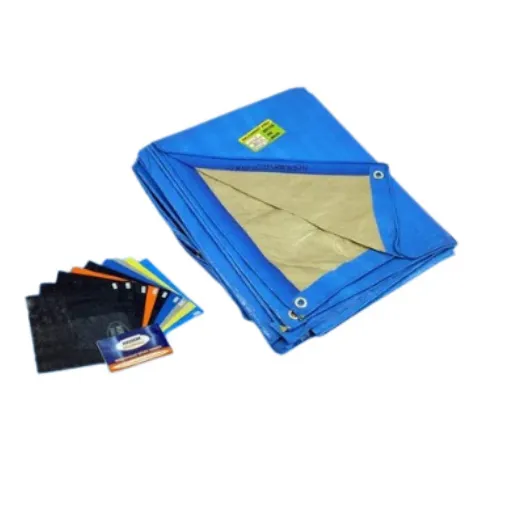
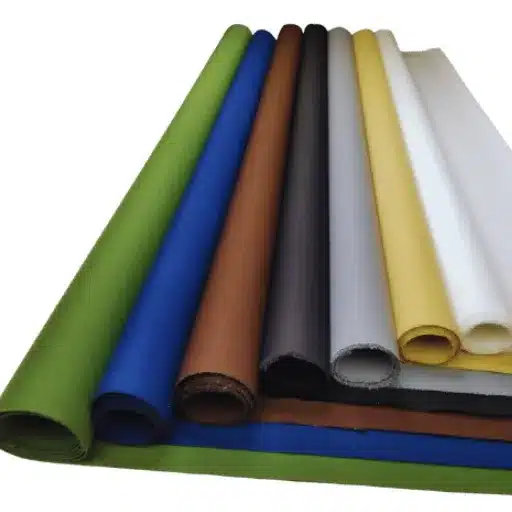
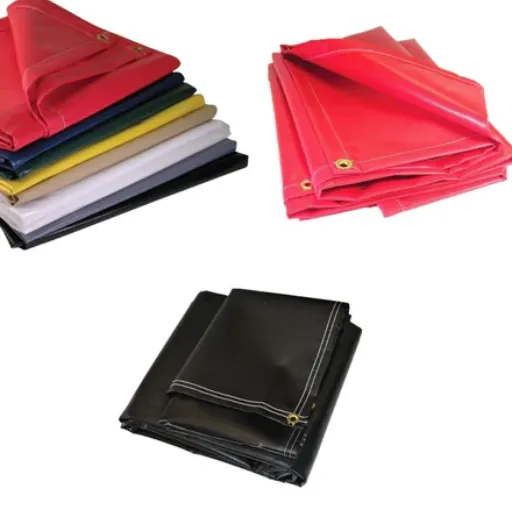
A softball infield tarp is a protective cover that is specialized to resist heavier and dirtier conditions for a softball field. The tarp is usually made of strong, waterproof materials such as vinyl or polyethylene that are tough enough to stop rain, mold, and dirt from breaking through the surface of the field. The field specialists who use the tarp to cover the infield during the times of bad weather or inactivity work constantly on the dirt, clay, and grass with their tools, smoothing them down, and watering them, so they will be ready for play at the right moment. Tarp for infield is available in different sizes and designs, and so on.
Importance of Field Covers for Softball Fields
💡 Common Question: Why Are Field Covers Important?
Field covers provide the playing surface with protection against rain, litter, and extreme sun, which could otherwise ruin the condition of the field.
Field covers are quite inevitable when it comes to the longevity and quality of the fields for the game of softball, particularly the ones that are located in unpredictable weather zones. The covers on the softball field not only enable quick gaming resumption but also create a barrier against waterlogging. In addition, by not requiring extensive repairs or renovations, these covers become the source of cost savings for field managers and organizations. A perfect blend of durability and functionality, contemporary field covers are indispensable in not only keeping the playability but also the safety of the playing area in a softball field.
Difference Between Softball and Baseball Field Tarps
Softball and baseball field tarps may have different sizes, shapes, and materials to fit each sport’s unique requirements even though they are both used to protect the field from bad weather.
| Feature | Softball Field Tarps | Baseball Field Tarps |
|---|---|---|
| Size | Smaller dimensions due to shorter base distances | Larger to accommodate bigger field measurements |
| Material Weight | Standard duty materials | Heavier materials for extended use |
| Coverage Focus | Primarily infield, pitcher’s mound, and bases | Infield and sometimes outfield grass |
| Usage Duration | Shorter coverage periods | Longer periods, greater wear resistance needed |
Selecting the right tarp requires a good understanding of the field’s specifications and of the prevailing weather conditions that it will need to withstand most often. Nonetheless, both types of tarps are paramount not only in terms of investments made but also in preserving the playing surface and the overall game readiness.
Inspecting for Damage and Repairing Tarps
Tarp is not pointed out as well if it is not inspected regularly, thus positing that the wear and tear which could hamper functionality remain unnoticed. Tarps suffer ultimate wear out of the weather, UV light, and common usage which lead to, among other things, tears, seams coming off, and holes.
🔍 Inspection Checklist
- Lay Out Tarp: Place on an even, clean surface for thorough examination
- Check Edges: Look for fraying or damage along borders
- Examine Punctures: Identify any holes or tears in the material
- UV Degradation: Look for fading or discoloration of fabric
- Seam Integrity: Ensure all seams are intact and secure
🛠️ Repair Methods by Damage Type
Small Damages (Under Several Inches)
- Heavy-duty adhesive patches
- Tarp repair tape
- Heat-sealed patches
Larger Damages
- Sewing kit with reinforced thread
- Professional repair services
- UV-resistant sealant application after mending
Important: Preventing the failing conditions by checking and mending tarps regularly results in guaranteeing their proper performance and avoidance of unexpected failures during the most critical use scenarios.
Choosing the Right Softball Field Tarp
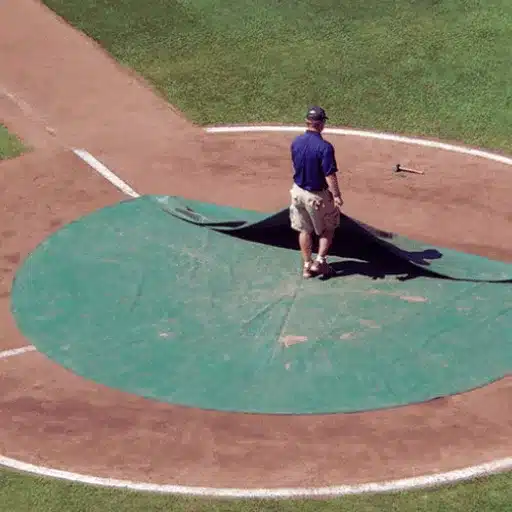
📋 Critical Selection Factors
Selecting the appropriate tarp requires careful evaluation of multiple factors to ensure optimal field protection and ease of use.
Factors to Consider: Size and Weight
When it comes to selecting a tarp for a softball field, the most important characteristics are its size and weight which determine directly the effectiveness and the ease of use. The tarp must be big enough to completely cover the infield, thus securing the most vulnerable spots from the bad weather no matter what.
| Factor | Considerations | Recommendations |
|---|---|---|
| Size | Must cover entire infield including vulnerable spots | Standard: 100×100 ft to 170×170 ft |
| Heavy Tarps | More durable, wind-resistant; requires more people to handle | Best for severe weather conditions |
| Lightweight Tarps | Easy to manipulate; may lack strength for long-term use | Suitable for temporary or mild weather protection |
Choosing wisely the combination of these factors according to team size, climate conditions, and use frequency will guarantee that you have the tarp that will best serve your field.
Material Quality and Durability
The quality of tarp material is among the most important factors that determine its performance and durability. Products made of Polyethylene or Vinyl are the most recommended materials for sports fields due to their strength and ability to withstand tears, sun, and water, and besides, they are very easy to clean.
✓ Material Selection Tips:
- Reinforced Edges: Look for materials with reinforced edges for added durability
- Additional Coatings: Preferred for all-weather performance
- Climate Specific: Match material to your field’s weather conditions
Preeminent materials combined with proper care would give a very long life to tarps, thus making them a very economical choice.
Standard Sizes for Softball and Baseball Fields
⚾ Softball Field Dimensions
- Outfield Fence Distance: 200 to 250 feet (varies by competition level)
- Base Distance: 60 feet apart
- Pitcher’s Mound (Fastpitch): 43 feet from home plate
⚾ Baseball Field Dimensions
- Outfield Fence Distance: 300 to 400 feet (upper levels)
- Base Distance: 90 feet apart (major and most amateur leagues)
- Pitcher’s Mound: 60 feet, 6 inches from home plate
These standards of sizing prioritize the skill levels of players and at the same time, they ensure a fair and consistent game experience. Usually, very slight changes are made in the size of the fields in youth leagues and recreational games to encourage accessibility and enjoyment for all ages.
Maintenance Tips for Softball Field Tarps
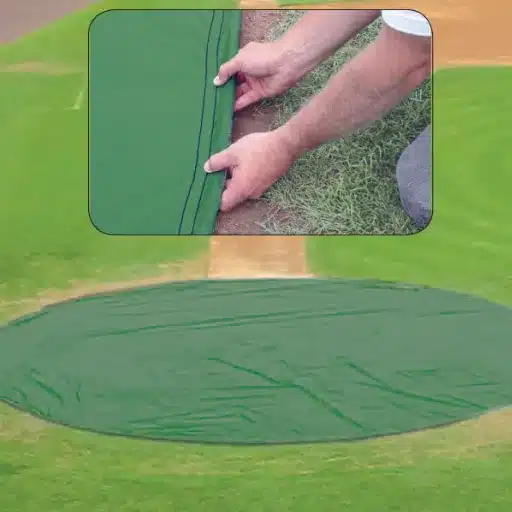
Cleaning and Storage Practices
Maintaining tarp for softball field is very important for making it last longer and for keeping it at its best for field protection.
🧹 Step-by-Step Cleaning Process
- Remove Debris: Use a broom or leaf blower to clear loose dirt, leaves, and grass
- Deep Clean: Mix mild detergent with water and use a soft-bristle brush
- Avoid Harsh Chemicals: Don’t use abrasive cleaners that might damage the material
- Complete Drying: Ensure tarp is completely dry before storage to prevent mold
📦 Proper Storage Guidelines
- Fold Properly: Create neat, organized folds to prevent creasing
- Cool, Dry Location: Store away from direct sunlight and sharp objects
- Use Storage Container: Employ specialized racks or containers for organization
- Regular Checks: Inspect systematically to ensure readiness when needed
Using a Storage Roller for Easy Handling
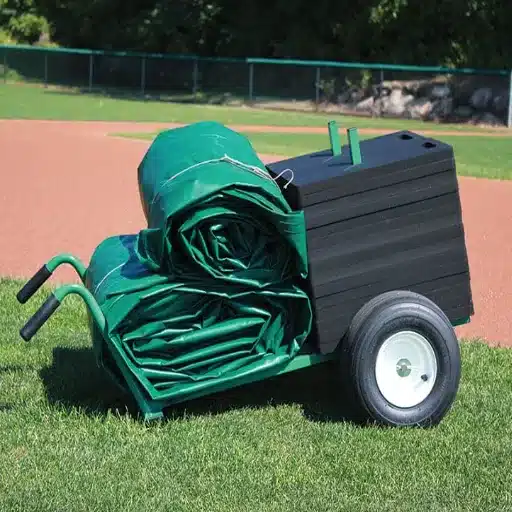
The use of a storage roller for the tarp of the softball field is a great way to ease the handling and at the same time with the life of the tarp. Roller storage erases the effort of rolling and unrolling the tarp, hence fast and less labor-intensive.
✓ Storage Roller Advantages:
- Handles larger tarp sizes effectively
- Avoids damaging folds that lead to quick wear
- Mobility features (wheels) allow easy transportation
- Reduces labor intensity during deployment
- Keeps tarp in optimal condition for longer periods
Employing a storage roller, combined with suitable maintenance practices, guarantees that your tarp stays in good condition while remaining easy for deployment during instances of bad weather or when setting up the field.
Benefits of Using a Full Infield Tarp

Protection Against Rain and Weather Elements
The full infield tarp is one of the best methods for protecting the field from rain and other weather elements and thus the field is kept in the best playable condition. The tarp covers the entire infield and thus no water goes into the dirt and as a result, the risk of getting mud and uneven places that could affect the game is reduced.
🌟 Key Protection Features:
- Rain Barrier: Prevents water infiltration into dirt and clay
- UV Protection: Reduces heat build-up and prevents soil from drying out
- Mud Prevention: Eliminates uneven places that could affect gameplay
This dual protection gives you the certainty that the field is always ready for play regardless of weather.
Maintaining Infield Skin Quality
💡 Common Question: How Can the Infield Be Kept from Getting Too Hard or Dusty?
The response is found in a consistent maintenance program that includes watering the infield at the proper times to keep the moisture level optimum and using tools like drags or rakes to make the surface well-aerated and even.
Quality of infield skin maintenance requires constant monitoring of factors moisture content, level of compaction and proper leveling. Besides this, the application of conditioners especially formulated for infield soil may help in moisture retention and at the same time dust control thereby making the surface safe and playable for the athletes.
Extending the Playing Season
💡 Common Question: How Do You Keep the Field Playable Through Cold and Wet Months?
The answer lies in the combination of good preparation and application of modern field maintenance techniques.
🛠️ Modern Field Maintenance Strategies:
- Weather-Resistant Turf: Install turf that can endure cold conditions
- Improved Drainage Systems: Prevent waterlogging with modern drainage solutions
- Field Covers: Safeguard from damage during rainy or frosty periods
- Weather Monitoring: Keep an eye on patterns and adapt maintenance schedules
By following these strategies, field managers can keep the field in top condition for extended periods, satisfying both players and organizations.
Common Mistakes to Avoid with Infield Tarps

⚠️ Critical Errors to Prevent
Avoiding these common mistakes can significantly extend the lifespan of your tarp and save considerable costs on replacements.
Improper Storage Techniques
Improper storage is one of the tarps care mistakes that happens most often, and at the same time, it can be the main factor that reduces their lifespan drastically.
| Common Mistake | Consequence | Correct Practice |
|---|---|---|
| Folding While Wet | Mold, mildew growth, unpleasant odors | Always clean and completely dry before folding |
| Direct Sunlight Exposure | UV damage, cracks, brittleness | Store in cool, dry place away from sunlight |
| No Storage Container | Damage from sharp objects, disorganization | Use proper storage bags or containers |
By following these measures, you will not only prolong the life cycle of your infield tarps but also save money that would have gone to replacements.
Neglecting Regular Maintenance
💡 Common Question: How Often Should Infield Tarps Be Inspected?
Usage and environmental conditions will be the main factor in deciding the answer, but generally it is advised to do a full inspection at least once a month.
Infield tarps regular maintenance neglect can result in huge problems being slowly built over time thus reducing their effectiveness and durability at the same time.
📅 Regular Maintenance Schedule
- Monthly Inspection: Check for wear and tear, mold, and damage
- Regular Cleaning: Remove debris and wash with mild soap
- Immediate Repairs: Address issues promptly to prevent worsening
- Proper Storage: Ensure dry conditions when not in use
Consistent tarping not only increases the lifespan of the tarp but also allows for its maximum performance when the situation calls for it.
Choosing the Wrong Size or Weight
One of the common mistakes made by many people is to choose an incorrect size or weight tarp, which can bring about problems of various types. An analysis of recent data from search trends indicates that a large number of users are looking for help related to choosing the right size or weight for their case.
⚠️ Size and Weight Problems:
❌ Too Small
Partially exposed areas result in ineffective protection
❌ Too Large
Hard to manage, difficult to secure, greater risk of wind damage
❌ Wrong Weight
- Light-duty: Only for temporary or low-thrust applications
- Heavy-duty: Required for inclement weather or heavy loading
Solution: Take the right steps to measure the area to be covered carefully and to reflect the specific use of the tarp. It is a guaranteed way to provide you with the selection of right size and weight for optimal performance.
Frequently Asked Questions (FAQ)
❓ What is a softball field tarp and how does it help maintain fields?
A softball field tarp is a cover that is custom made to safeguard the infield from rain, dirt, and wind. The usage of a field tarp keeps your baseball and softball fields in perfect playable condition which translates to lower maintenance costs in the long run. They are made with the thickest material such as the density polyethylene which is the most common type of plastic. If you want your field to last a long time, then make sure to buy tarps and covers of top quality. The good thing is that these covers come in different dimensions so anyone can find one that fits their field, no matter if it’s a big leaguers’ or minor leaguers’ baseball field.
❓ What sizes are available for softball field tarps and covers?
The ranges designed for softball field tarps are 20′ x 20′ to 40′ x 40′ as standard ones. The heater and the capability to cover whole infield are two principal factors that should be taken into account while tarp hunting. Such size coverage is also available, letting teams place their order for colorful and custom-made baseball and softball field tarps according to their precise measurements. This adaptability guarantees that the tarp will deliver proper field protection while still being manageable and deployable. Adequately sized tarps can keep your fields up and ready for play through any kind of weather.
❓ How do I secure my infield tarp during windy conditions?
Sandbags or stakes must be used which are strong enough to hold the tarp down securely in case of windy spells. Most heavy-duty tarps have durability features along with reinforced grommets where you could easily attach it for further stability by using stakes or other anchoring methods. Deploy your softball field tarp correctly to prevent it from being blown away or ruining the fabric while wind is around; instead, let your field stay covered. Covers that are ideally sized for the situation can be a significant contributor to an efficient process of covering and uncovering, notwithstanding changing weather conditions. Caring, maintaining, inspecting both the tarp and anchoring equipment will ultimately enhance their effectiveness on stormy or windy days.
❓ What are the benefits of using baseball field covers and tarps?
The field covers and tarps offer the same as the rain, snow, and wind protection benefits, among other advantages, that allow no damage to the infield skin even during extreme weather. By covering the fields, the teams will not have to spend money on repair and maintenance which means the field will stay playable longer and with fewer interruptions. Quality tarps help with cooling the soil beneath the turf and keeping it dry in winter spa seasons, thus the health of the turf is sustained. Additionally, preparing the field for games can take much less time if the full infield tarp is used. Thus, there is no doubt that the right mix of tarps and covers is critical to the lifetime and the quality of your baseball and softball fields.
❓ How do I choose the right tarp for my baseball and softball fields?
The process of tarping your baseball and softball fields starts with determining various factors like size and material which are very important in selecting the right tarp. Heavy-duty vinyl and poly tarps are some of the materials that can be used when making tarps suitable for any weather. Also, be careful to select the tarp that does not exceed your field’s dimensions; custom baseball tarps are available if the standard sizes do not meet your requirements. Also consider deployment and storage when making a decision; tarps that are easy to handle will speed up the process. Calculate the weight of the tarps last, as the lighter options may be easier to handle but make sure they are providing sufficient protection for your playing area.
Reference Sources
📚 St. John Fisher University – Softball Complex
This facility features a skinned infield that is covered with a tarp during inclement weather, providing insights into the practical use of infield tarps in maintaining field quality.
Source: St. John Fisher University Athletic Facilities
📚 North Dakota State University – Ellig Sports Complex
The Ellig Sports Complex includes a full-sized infield tarp for its softball field, highlighting its importance in protecting fields from weather damage.
Source: North Dakota State University Athletics
📚 Springfield, MO – Synthetic Turf Fields Bid Document
This document discusses field covers and infield retainers, providing technical details about field protection systems, including tarps.
Source: Springfield Municipal Documentation
Source