Setting up camp in an open space which lacks the natural benefits of trees can be very difficult and especially so regarding the creation of a proper shelter. No matter if you are keeping yourself dry from rain, wind, or harsh light then, the very first thing essential for a comfortable outdoor experience is knowing how to properly set up a tarp over your tent. This guide is going to show you the tree-free methods that are practical for erecting a sturdy, weather-proof shelter. If you choose the right way, you will be able to remain dry, protected, and ready to have your fun outdoors regardless of the weather conditions. Get ready for the simple yet effective techniques that will upgrade your camping setup!
Understanding the Basics of Tarp Usage
What is a Tarp and Its Benefits
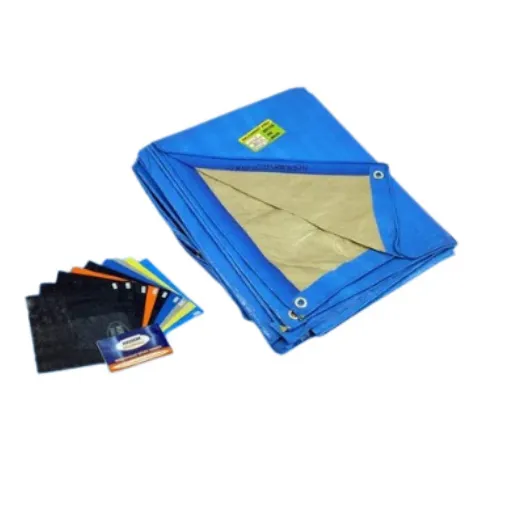
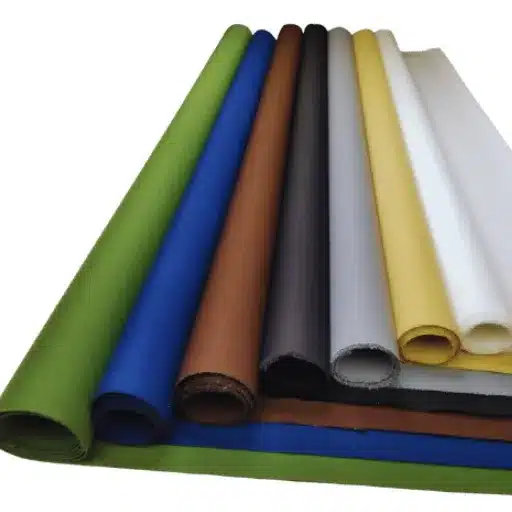
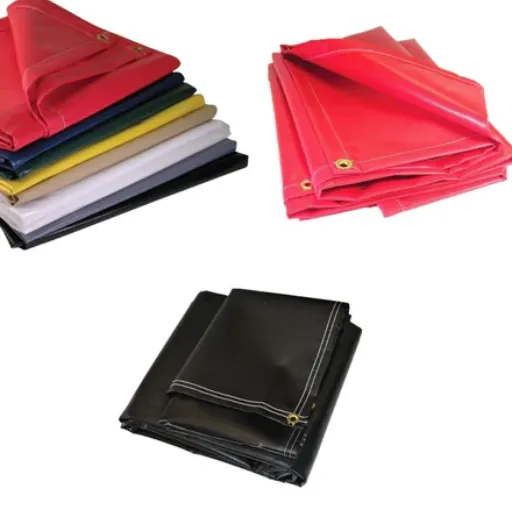
A tarp, derived from the term tarpaulin, is an adaptable and robust sheet produced by various materials including polyethylene, canvas, or vinyl. Primarily, tarps that are made to be waterproof or water-resistant are used for protection from rain, snow, and wind. They are not only lightweight but also very easy to transport and offered in numerous sizes and shapes according to different requirements.
Key Benefits of Using Tarps:
- Weather Protection: Reliable defense against rain, wind, and sun exposure
- Equipment Safety: Keeps your gear dry and protected from the elements
- Ground Insulation: Acts as a protective layer under tents to prevent wear and tear
- Versatile Applications: Useful for truck covering, emergency shelters, and outdoor event shade
- Cost-Effective: Affordable solution for various outdoor and practical needs
Why Use a Tarp Over a Tent?
A tarp used over a tent provides extra protection and versatility, which leads to a significant improvement in your outdoor experience. Recent statistics show that a lot of outdoor lovers prefer tarps for their ability to cover tents during the heaviest rainfall, thus preventing water accumulation and leaks. Moreover, tarps can help keep the tent cooler by reflecting sunlight, particularly in hot regions. When the tarp is pitched properly, it acts as a second layer for a tent that allows venting, which in turn reduces the condensation risk inside the tent. Tarps, besides being lightweight, compact, and easy to carry, are great for those who want to minimize their camping gear load. They can do double duty as standalone shelters or cooking canopies, thus meeting varied outdoor needs. The usage of a tarp over a tent is a straightforward yet potent technique of ensuring comfort and flexibility during your travels.
Choosing the Right Tarp for Your Needs
The choice of the perfect tarp is influenced by a variety of factors such as the purpose of use, material, dimensions, and environmental conditions. If your intention is to camp or backpack, it would be good to go for tarps of lightweight but tough materials such as ripstop nylon or polyester. Often these materials are water-resistant or even waterproof, thus being dependable even during rainy or moist periods.
| Factor | Consideration |
|---|---|
| Material | Ripstop nylon or polyester for lightweight camping; canvas for breathability |
| Size | Larger tarps for group shelters; smaller ones for individual protection |
| Durability Features | Reinforced grommets, UV resistance, tear resistance |
| Weather Conditions | Heavy-duty tarps with superior waterproofing for harsh environments |
By taking your precise needs and your tent’s location into consideration, you can easily find a tarp that is the perfect blend of functionality, durability, and portability.
Setting Up a Tarp Shelter Without Trees
Essential Gear for Tarp Setup
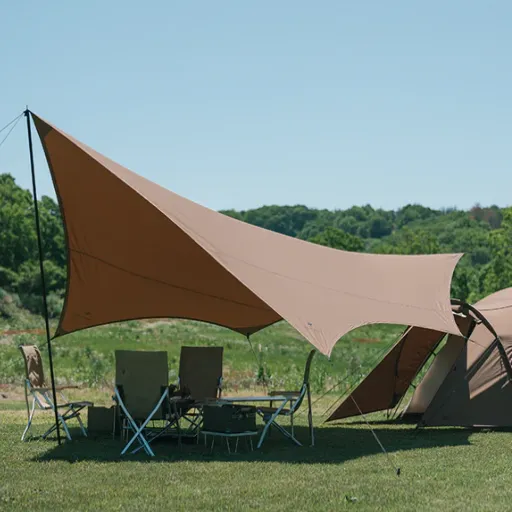
In case you decide to set up a tarp shelter without trees it is very important that the correct gear is present to guarantee the stability and leak-proofing. The must-have items according to data are:
📋 Essential Gear Checklist:
- Tarp: Weather-resistant with reinforced grommets, sized appropriately for your shelter needs
- Tent Poles or Adjustable Poles: Rigid support structures when trees are unavailable
- Guy Lines or Ropes: High-quality lines for securing tarp to ground anchors (reflective options recommended)
- Ground Stakes or Pegs: Heavy-duty stakes to prevent lifting during windy conditions (screw-style for rocky ground)
- Mallet or Hammer: For driving stakes securely into hard or compacted soil
- Carabiners or Clips: Sturdy connectors for attaching tarp to poles and guy lines
- Groundsheet or Protective Layer: Protection from moisture and debris for extended stays
Methods to Put a Tarp Over a Tent
The use of a tarp along with a tent means that there is an additional layer of defense against rain, wind, and too much sunlight that ultimately results in no discomfort camping. The following are the different ways that can ensure a proper position of the tarp over a tent:
1. Ridgeline Method
Between two trees or poles place a strong rope to form a ridgeline above your tent. The tent should be covered with the tarp, making sure that the tarp runs down the sides of the tent for good coverage. Use guy lines and stakes to secure the corners and edges of the tarp at which point water will not be able to pool.
2. Freestanding Poles
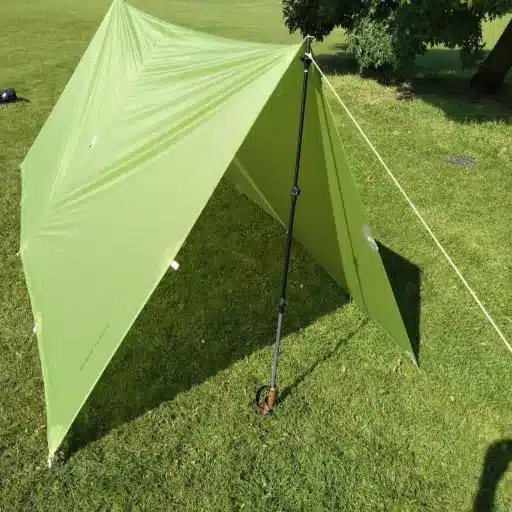
If there are no trees, camping poles or adjustable trekking poles can be used to raise the tarp over the tent. Place the poles such that a peak is formed which allows the rainwater to run off, then use ropes and stakes to hold the tarp in place, ensuring that proper tension is maintained.
3. Tent Frame Integration
Some tents are designed with attachment points to accommodate tarps. Loop or clip the tarp directly onto the tent frame and pull it outward to secure it with stakes or guy lines. This method provides a hassle-free solution with improved wind resistance.
4. Lean-To Setup
For added versatility, set up the tarp as a lean-to adjacent to the tent. One side of the tarp must be attached to a ridgeline or poles, then it should be inclined downward to the ground on the opposite side. This creates an area that is covered for cooking, gear storage, or lounging, while the tent is being protected from nearby precipitation.
5. V-Shape or A-Frame Configuration
Throw the tarp over a ridgeline to construct a V or A-frame shape directly overhead the tent. This arrangement provides the best water runoff while reducing wind resistance. Make sure the tarp edges are staked securely in order to maintain stability during a storm.
💡 Pro Tip: By applying these techniques, you will be able to modify your tarp setup according to the resources and weather conditions you have, thus creating a secure and effective camping shelter.
Alternative Support Structures for Tarps
Among other things, stable setups can be achieved by using various methods in these places where nature doesn’t provide support structures like trees for tarps, etc. The following are some capable options:
- Telescopic Poles
These poles are made for camping and can be adjusted to the height you want. These poles are light, easy to carry, and at the same time they can be stacked easily. When combined with the use of guy lines and stakes, they are excellent support in open areas. - Hiking Poles
Trekking poles can be used as tarp supports. This is a perfect way for those who go backpacking to have only one piece of gear that they can use for different purposes and thus keep the pack weight down. - Freestanding Frames
The frames that can stand freely without being anchored to ground are those that are easiest to set up and take down while being portable. Adapt those that are usually used at events, or carport-style by using larger sized tarp. This is the case where these constructions come in handy as holding the tarp up uniformly isn’t a problem any longer. - Rocks or Heavy Objects
In the rocky areas, where staking is difficult, it is possible to weigh down the tarp corners and edges with large rocks or heavy objects. This method works in high-wind conditions, too. - Vehicles
Car campers can make use of their vehicles as anchor points for tarps. One edge of the tarp should be secured to the vehicle while poles or other supports should be used to build a sloped shelter.
With the help of these alternative structures, campers can create tarps setups that are not only versatile but also very durable in different kinds of environments, thereby making it possible to get comfort and protection irrespective of the kind of terrain.
Challenges When Using a Tarp with No Trees
Wind and Weather Considerations
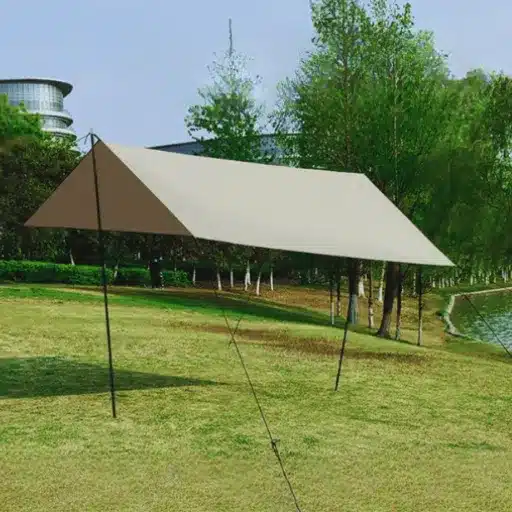
Regardless of the presence of trees or not, wind and weather conditions are the major factors to consider when setting up your tarp shelter. Securely anchored tarps can still become destabilized by strong winds, so it is a must to stake down with heavy-duty stakes, use guy lines, and place rocks or sandbags as weights to keep them stable. Furthermore, turning the tarp at a slant or putting it low can lessen the surface areas which are wind-prone, thus the risk of the tarp’s blowing down is minimized.
⚠️ Weather Management Tips:
- Rain Protection: A steep tarp slope allows water runoff and prevents pooling that could cause structural failure
- Sun Exposure: Use UV-resistant tarps to prevent material weakening from prolonged sun exposure
- Wind Mitigation: Angle tarps strategically and use multiple anchor points for stability
Usage of proper preparation and setup fitting the weather scenarios can really reinforce the durability and reliability of tarp shelters in areas without trees.
Ground Stability and Anchoring Issues
Setting up tarp shelters in wind-swept areas where there are no trees to support the structure is a big challenge and very top concern when it comes to ground stability and anchoring. If the earth is loose or sandy, the anchors will not be able to hold thus leading to unstable conditions in case of strong winds or heavy rains. The latest research shows that techniques like using heavy-duty stakes together with guy lines that are tied at wider angles help to distribute the force evenly thereby reducing the chance of slippage. Another way of achieving better grip for the anchors is by digging small trenches around or packing the anchors with soil. In places where the ground is rocky or uneven, heavy items like boulders or sandbags can be used instead of stakes as a way of anchoring. Knowing the exact nature of the ground and using flexible anchoring methods that match are the keys to creating a stable and weatherproof shelter.
Tips for Optimizing Your Tarp Setup
Selecting the Right Site
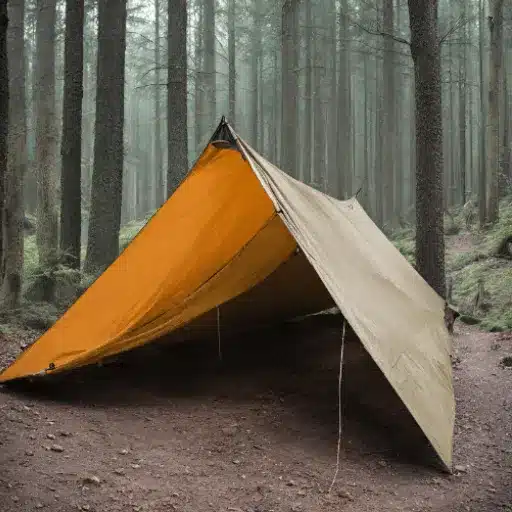
Once you have decided on a tarp, the decisive factor that will contribute both functionality and convenient usage is the location you have selected. The first thing to do is to locate some raised ground to ensure water does not collect in case it rains. Check and make sure that the site has no sharp objects or debris that could cause damage to your tarp or gear. Use natural barriers against wind, such as trees, bushes, or rocks to protect your campsite from the wind’s strongest blows.
🎯 Site Selection Best Practices:
- Choose elevated ground to prevent water accumulation
- Clear area of sharp objects and debris
- Utilize natural windbreaks (trees, bushes, rocks)
- Consider sun position and terrain for optimal heat management
- Examine area for hazards like falling trees or flooding spots
Picking a proper place not only brings out the best tarpaulin performance but also sets the stage for a great outdoor experience.
Tarp Maintenance Best Practices
Tarp maintenance is one of the factors that determine its lifespan and the degree of performance its quality can show in assorted outdoor conditions. If you base your thoughts on the recent figures of the search trends, one that pops up a lot is, “How can I lengthen the lifespan of my tarp?” Regular cleaning, storage, and inspections are the keys to this.
| Maintenance Task | Procedure |
|---|---|
| Cleaning | Wash with warm soapy water after each use to remove dirt, sap, and debris |
| Drying | Air-dry completely before storage to prevent mold and mildew |
| Storage | Store in cool, dry location away from direct sunlight |
| Inspection | Regularly check for rips, loose grommets, or fraying edges |
| Repairs | Address minor damage quickly with patch kits or reinforced tape |
When these practices are used together, they can greatly extend the life and dependability of your tarp.
Comfort and Protection Under Your Tarp
Consider both the setup technique and the accessories as factors that can either reduce or enhance comfort and protection under your tarp. The first step is to determine the quality of the tarp that matches your environment; most polyethylene tarps bring along durability and water resistance, while canvas tarps are the best for breathable. The use of adjustable poles or guy lines comes in handy in establishing a taut and sturdy structure that does not allow water to pool while guaranteeing that the air circulates well.
🛡️ Comfort Enhancement Tips:
- Use durable groundsheet for moisture protection and added comfort
- Install bug nets and sidewalls for insect and wind protection
- Add ridgeline organizers or built-in pockets for gear accessibility
- Maintain proper ventilation to reduce condensation
- Ensure taut structure to prevent water pooling
Frequently Asked Questions
❓ How can one manage to put up a tarp over a camping tent without using the trees?
For those who wish to set up a tarp over a tent without any assistance from trees, the first and foremost thing would be to make a couple of poles or guylines act as support structure. The first thing to do is to angle the tarp to cover the largest surface, to stake it firmly into the ground, and to be double sure that the winds won’t be able to move the tarp. Do not forget that you can slide the tarp up and down to a certain ceiling height where the water will not stagnate and eventually run off to the next lower point on the tarp. Besides, you are allowed to put the center pole at the very center point of the tarp, and thus, your tent will be surrounded by a rainproof area. Also, keep in mind that the bigger the tarp, the better its coverage will be, depending on the size of your tent.
❓ What is the most suitable method to position a tarp over a tent?
To cover a tent with a tarp the most suited method is to choose a tarp with the right dimensions and to apply the right amount of tension. Drape the tarp over your tent and be sure that it reaches at least one foot on each side for the best possible protection. Drive tent pegs or stakes into the ground and tie the corners of the tarp accordingly, so it can stay put and won’t blow away. If you also want to have a ridgeline to give more support, especially in case the wind picks up, use guylines. A couple of poles can be really useful to help you lift the tarp high above the tent if there are no trees around. This kind of arrangement will not only let you keep your tent dry but also keep your wet clothes and gear dry.
❓ Will I still be able to use the tarp in the campsite if there are no trees around?
Absolutely, a tarp can still serve its purpose well even without finding trees in your campsite vicinity. One of the advantages of erecting a tarp in the absence of trees is the liberty of being able to select your camping spot the way you want. Take two poles and a simple structure can be made out of them, or use a pair of adjustable guylines to get the desired height when pitching the tarp. It is important to make the tarp tight so that it will not have a funnel formed at the midsection that collects water during rainfall. A practical solution to making it easier to camp is by designing your own shelter. A tarp over the tent takes the brunt of the heat and rain while ensuring a comfortable and inviting camping experience.
❓ What are the most important things to consider when a tarp is placed over my tent in the case of a rainstorm?
The key factors to consider are the sizing and the positioning of the tarp when it comes to rain protection. The covering should be double the size of the tent at least with enough excess at the edges to guide water the other way and shield your tent from it. Set the tarp up in a manner that water won’t pool, so it can go down the slope created by the angle. Erect a pole at the center to hold the tarp high, so the sagging does not happen. Also, corner the tarp with pegs or have the ground staked enough to prevent it being blown off by the wind. Your tent will still be dry and your camping gear safe from wet circumstances with this arrangement.
Final Thoughts
Setting up a tarp over your tent without trees is entirely achievable with the right equipment, techniques, and preparation. By understanding the various setup methods, selecting appropriate gear, and adapting to environmental conditions, you can create a reliable shelter that protects you from the elements. Whether you’re camping in open plains, deserts, or any treeless terrain, these strategies will ensure your outdoor experience remains comfortable and enjoyable. Remember to practice your setup techniques before your trip, maintain your equipment properly, and always prioritize safety when selecting your campsite.
📚 Reference Sources
- Pennsylvania State University – The Tent Problem: Discusses freestanding tents and their ability to be self-supporting without the need for stakes, trees, or other external supports. Source
- California State University, Chico – Bucks Lake Wilderness Adventures: Explores the use of tarps in wilderness settings, including challenges and solutions for securing tarps without trees. Source
- U.S. National Park Service – What to Bring for Camping: Provides guidelines for camping, including advice on setting up tarps in campgrounds where tying ropes to trees is not allowed. Source