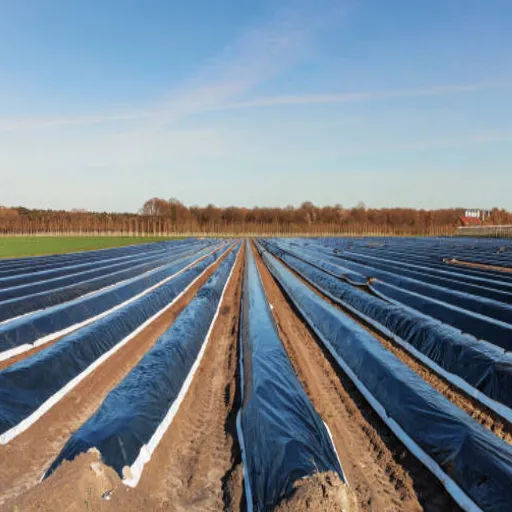
In the case of an American football field, protection covers are paramount when considering the preservation and the durability of the field. The field and sideline tarps are the protectors of the field against nature’s tantrums, large numbers of people walking around, and unauthorized field usage. Thus, the field remains safe, durable, and ready for the game. Field protection covers are a significant investment for sports facilities that can save the fields from losing their qualities and beauty. This comprehensive guide will enlighten you about the different kinds of covers that are offered, their specific features, and why field managers who want to keep excellent field conditions throughout the year cannot do without them.
Importance of Football Field Protection
Benefits of Field Covers
Field covers are the very thing that keeps the football fields’ quality up and the fields in prime condition no matter the bad weather. First and foremost, they protect the fields from the severe environmental elements like downpours, heavy snow, and extreme or very high sunlight that, in turn, create waterlogging, winter frost death, or turf discoloration. Field covers are also a must in prolonging the turf’s life because they minimize the wear and tear from the heavy foot traffic that might happen during the off-season or even in the peak usage periods.
Key Statistics:
- Advanced field covers can reduce maintenance costs by up to 30%
- Growing interest in eco-friendly covers that allow proper soil and grass breathing
- Latest developments in materials have made field covers more durable yet lighter
According to the latest search data, there is a noticeable increase in interest in field maintenance solutions, especially in regions affected by unpredictable weather. Facility managers are looking for products that will not only protect the fields but will also be eco-friendly, for instance, covers that allow the soil and grass to breathe properly and thus support good health. This mixing of practicality and efficiency is what ultimately ensures that the fields are not only protected but are also ready for games, leading to time and resource savings for field managers.
How Protection Covers Extend Turf Lifespan
Protection covers are the main factor in achieving the prolongation of turf life since they prevent the plant from being exposed to the stress that would otherwise lead to its deterioration. The covers give the turf a shield, protecting it from the impacts of bad weather like heavy rain, snow, or scorching heat that would eventually lead to damage not only to the grasses but also to the soil structure. The new generation of covers helps to ensure that the temperature and the moisture levels are just right, hence no problems with overwatering or under watering will occur.
Moreover, they offer protection against the wear caused by foot traffic and working with heavy equipment during the non-seasonal period when the use of the turf may be less frequent, thus preventing compaction and preserving the quality of the turf. The effective use of covers will result in better turf health as an ideal environment for growing will be maintained thus more and stronger grass will be able to come up. A combination of wisely managed cover use and increased turf lifespan will make the turf durable and at the same time, less expensive to maintain.
Player Safety and Optimal Conditions
Player safety is always the most important thing to consider when managing sports fields and the playing conditions are a major factor in creating a safe environment. Per the latest data, the use of advanced turf management techniques such as cover and irrigation not only reduces the incidence of injuries caused by the surface being uneven or slippery but also improves the overall quality of the field.
Moreover, the implementation of technologies such as soil sensors and weather monitoring on a real-time basis enables the groundskeepers to make proper and timely choices which assist in maintaining the desirable playing conditions. Application of these innovations along with regular maintenance guarantees not only the health and safety of the players but also the performance of the turf. Thus, by making use of the latest knowledge and tools, the quality of the fields and the safety of the players can be maintained, and even promoted at the same time.
Types of Football Field Covers
Lightweight Tarps vs. Heavy-Duty Vinyl
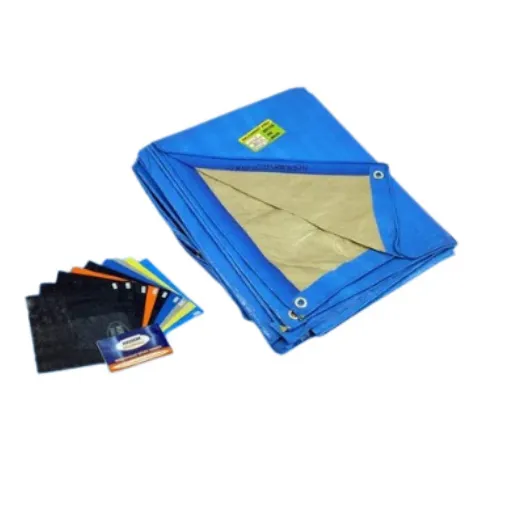
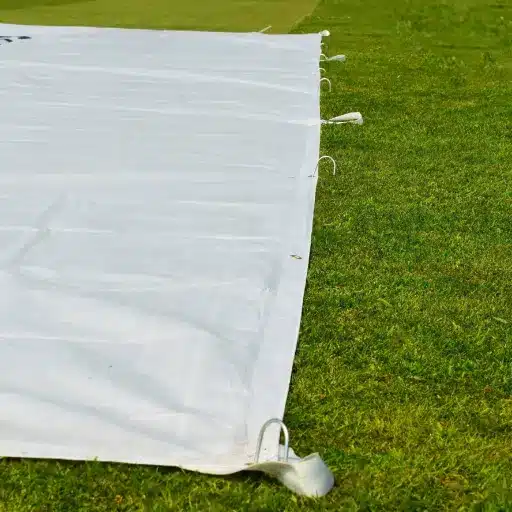
Lightweight tarps and heavy-duty vinyl belong among the most important materials for football field covers and their differences along with their applications should be taken into account first. With the use of polyethylene-like materials, the tarps lose weight and gain the quality of easy handling and installation. The installation of these covers is best suited for seasons where the rain is not too severe while in the case of light debris they will be able to offer protection just minutes after the rain starts. Though inexpensive, they still fit in situations where extreme durability is not required like emergency scenarios or even during the use of practice fields.
| Feature | Lightweight Tarps | Heavy-Duty Vinyl |
|---|---|---|
| Material | Polyethylene | PVC |
| Weight | Light | Heavy |
| Cost | Budget-friendly | More expensive |
| Durability | Moderate | Excellent |
| Best Use | Practice fields, short-term protection | Professional fields, long-term coverage |
| Weather Resistance | Light to moderate conditions | Extreme conditions |
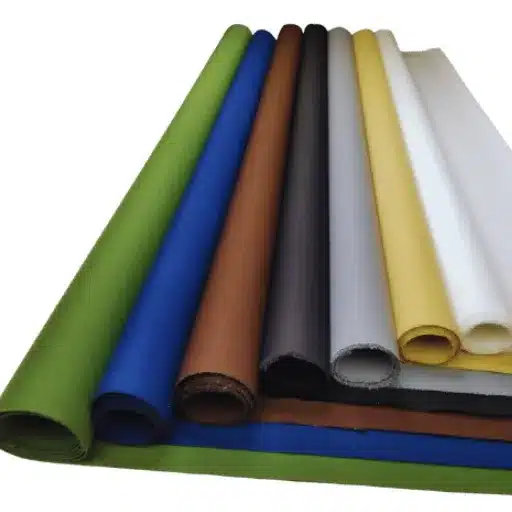
The opposite is true for heavy-duty vinyl that can withstand the test of time and mother nature’s fury. They come as heavy and costly but at the same time they are resistant to water, UV rays, and extreme weather wear and they are stronger than almost everything made from the materials usual for their class. They get a place in sports fields where professional standards are in place or events needing protection and coverage for a long time.
The final decision, needing to weigh up the pros and cons of both product classes depending on the user’s budget and use, directs towards light tarps for versatile and short-time solutions and heavy-duty vinyl for maximum durability and long-time performance. The combination of field data with aspects such as weather patterns and usage frequency will help in the selection process with great efficiency.
Breathable Fabrics for Athletic Fields
Breathable fabrics are the foremost material for the upkeep of athletic fields as they allow proper airflow and at the same time protect the turf. They are effective in avoiding heat accumulation, moisture retention, and unhealthy grass by facilitating oxygen exchange to the plants’ roots. Field protection with the support of natural conditions is very highly effective with breathable covers made from woven polyethylene or polypropylene. They do a great job of blocking the sun, eliminating weight concerns, and most importantly, allowing the entire process of grass breathing underneath.
Benefits of Breathable Fabrics:
- Prevent heat accumulation and moisture retention
- Facilitate oxygen exchange to plant roots
- UV resistant and condensation control
- Prolong playing surface lifespan
- Reduce long-term maintenance costs
Recent trends indicate an increased demand for breathable fabrics which are now being considered primarily for durability, UV resistance, and the ability to control condensation. Besides covering the field for winter or the time of events that would otherwise expose it to the elements, athletic managers have come to rely on these materials for maintenance. Breathable fabrics not only prolong the life of the playing surface but also make it less costly to maintain in the long run thus their being a choice of both nonprofessional as well as professional sports facilities.
Specialized Football Sideline Covers
Specialized football sideline covers have been specially designed to satisfy specific needs of both teams and stadiums while guaranteeing maximum protection and functionality. Basically, these covers usually have heavy-duty, weather-resistant materials that prevent players, officials, and equipment from being affected negatively by harsh environmental conditions including downpours, snowfall, and extreme temperatures.
The latest statistics show that one of the most frequently posed queries is, “Do football sideline covers affect performance?” Although indirectly the covers do not enhance athletes’ performance, they create a suitable environment helping players stay warm, dry, and mentally ready during games. This indirect support can have a positive impact on performance by limiting distractions and the possibility of injuries caused by adverse weather exposure. Moreover, their ability to be personalized allows teams to put their logos or branding on the covers thus giving the sidelines a professional look.
Choosing the Right Field Protection
Factors to Consider: Field Size and Weather
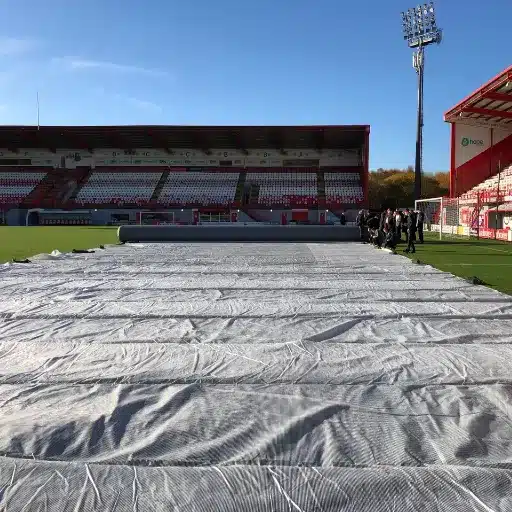
In the process of choosing field protection, it is very important to consider the interaction between the size of the field and the local weather patterns. Protection for the whole field must be ensured by extending the coverage, especially in areas where heavy rain or strong winds are frequent. Reinforced polyethylene or PVC being the most common materials used are suggested as they cope both with the extensive coverage and weather changes.
Factors to Consider Checklist:
- Field dimensions: Ensure complete coverage with appropriate sizing
- Local climate: Assess rainfall, snow, wind patterns, and UV exposure
- Material quality: Choose reinforced polyethylene or PVC for durability
- Weather resistance: Prioritize wind-resistant and waterproof features
- Frequency of use: Match cover type to field usage patterns
According to trends from major search engines, there is rising interest in the terms “field covers for rain” and “wind-resistant sports covers”, thus the need for weather-resilient products is becoming more pronounced. Field protection solutions that take into account the size of the area and the material’s quality for bad weather are preferable as they will last long and keep the playing surface in good condition.
Budget-Friendly Options for Field Managers
It is pretty much important for field managers to spot the options delivering the unbeatable combination of low price and robustness. As per the latest report, the high interest in “field covers for rain” and “wind-resistant sports covers” indicated by search engine trends suggests new weather-resistant products being drawn into the market that don’t burn your pocket while being able to withstand diverse atmospheric conditions.
Cost-Saving Tips:
- Invest in multipurpose covers made from polyethylene or PVC materials
- Purchase in bulk to obtain volume discounts
- Seek seasonal discounts from reliable suppliers
- Balance initial cost with long-term durability benefits
- Choose lightweight yet durable options for practice fields
The investment in multipurpose covers created from polyethylene or PVC materials is one answer to the question of how to gain this balance. These materials are not only of high strength but also lightweight and economically friendlier, hence providing protection against rain, wind, and UV exposure along with low cost. The mix of weather resilience and cost-effectiveness ensures that the field manager’s investment is not only maximized but also the quality is not compromised.
High-Quality Features to Look For
The selection of covers should start with the features that support their durability and functionality. The following essential features should guide your purchasing decision:
| Feature | Importance | What to Look For |
|---|---|---|
| Reinforced Seams | Critical | Double-stitched or heat-sealed edges |
| Tear Resistance | Critical | High denier rating, rip-stop weave |
| Waterproofing | Essential | Impermeable coating, sealed seams |
| UV Protection | Essential | UV inhibitors in material composition |
| Adjustable Straps | Important | Elastic hems or cinch cords for tight fit |
| Breathability | Important | Prevents condensation, mold, and mildew |
Do not overlook materials with reinforced seams and tear resistance since these are the ones that add longevity to withstand very difficult conditions. Waterproofing is the most important thing to do, thus the covers are to be impregnable against rain and moisture and the UV rays should be addressed for protection from the sun’s long exposure. By concentrating on these vital features, you are assuring the best performance and longer life for your covers.
Installation and Maintenance Tips
Securing Covers Against High Winds
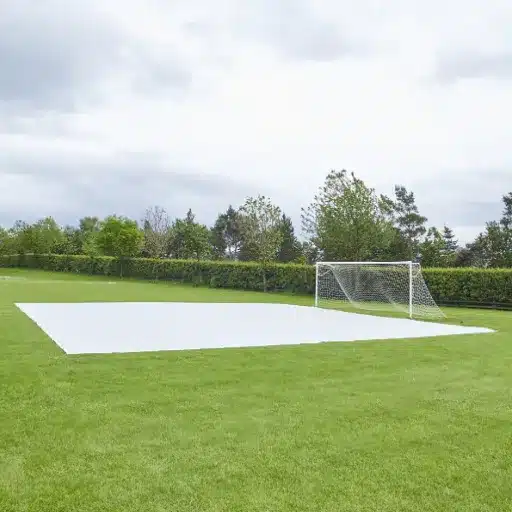
In order to secure covers against high winds in a very effective way it is necessary to combine durable material along with proper anchoring methods. Select covers that have reinforced eyelets or tie-down straps as these offer secure fixing points to avoid movement. The use of bungee cords, ratchet straps, or heavy-duty ropes can also contribute to making the stability stronger by tightly binding the cover to stationary objects.
Best Practices for Wind Protection:
- Choose covers with reinforced eyelets or built-in tie-down straps
- Use bungee cords, ratchet straps, or heavy-duty ropes for anchoring
- Select covers with adjustable elastic hems or cinch cords
- Position covers properly and tighten to eliminate loose areas
- Add sandbags or weights around edges in high-wind areas
- Regularly inspect for tears or wear in tie-downs and seams
Moreover, select covers that come with adjustable elastic hems or cinch cords as these will help you to have a snug fit that can withstand being uplifted by the wind. The placement also plays an important role—make sure the cover is positioned properly and tightened so that there are no loose areas where the wind could get a position to exert its pressure. For areas that are particularly prone to high winds, the adding of sandbags or weights around the edges can provide extra stability.
Effective Maintenance Practices
For the protective covers and secured equipment in all conditions to last a long time, maintenance done consistently is the most crucial factor. According to the most recent data and insights, some of the effective practices include the following:
Maintenance Checklist:
- Regular Cleaning: Wash covers with mild soap and water to prevent dirt buildup and material degradation
- Routine Inspections: Check for tears, loose seams, and weakened tie-downs regularly
- Immediate Repairs: Address minor issues promptly to avoid bigger problems later
- Proper Storage: Keep covers in a cool, dry place when not in use
- UV Protection: Avoid unnecessary exposure to UV rays during storage
- Moisture Control: Ensure covers are completely dry before storing
Washing the covers with mild soap and water every now and then ensures that dirt does not build up since it can cause material degradation. Cover tearing, loose seams, and weakened tie-downs should be checked regularly and any minor issues should be dealt with immediately in order to avoid creating a bigger problem later on. Together with proper care, the maintenance of top-quality materials leads to optimal performance and long-lasting protection.
Maximizing the Longevity of Protection Tarps
Recent insights indicate that there is significant interest in eco-friendly and durable materials for protection tarps. Maintenance strategies combined with this yield maximum lifetime of the tarp as the investment in advanced materials like heavy-duty polyethylene or canvas blends treated with UV inhibitors pays off. The searches about “waterproofing tarps” hint at the increasing awareness of covering tarps with extra coatings to make them more resistant to water.
Furthermore, the growing popularity of queries like “best tarp cleaning methods” emphasizes that regular washing and preventing mold are crucial. Maintenance practices when combined with trending solutions such as biodegradable treatments or heat-sealed edges for durability, will not only make your tarps last long but also keep them environmentally friendly.
Frequently Asked Questions
What are American Football Field Protection Covers?
American football field protection covers play a crucial role as the removable canvas lying atop the playing field. Basically, they keep the field safe from several factors like rain and heavy foot traffic. Usually, these coverings are made of very tough materials that not only resist the abrasion caused by players but also withstand all types of weather, keeping the field in excellent condition. Professional-grade football field covers are made to the specifications of the field they will be used on, providing made-to-measure solutions for both natural grass and artificial turf fields. If you are consistent in applying these covers, your football field will remain in great condition and you will always have good playing conditions during the entire season. Athletic field covers can profoundly influence the life cycle of your turf and its look at the same time.
How to Choose the Right Football Sideline Cover?
Choosing the appropriate football sideline cover is a matter of evaluation of several aspects to be taken into account like your field size, material type, and extent of protection. Choosing top-grade sideline turf covers means such products will be able to endure severe foot traffic along with equipment yet still be able to protect against the weather. Go for field covers that bring along properties such as strong and durable materials since they will surely last longer and thus provide you a lesser rate of loss on account of wear and tear. Besides, make sure the cover is easy to put up and take down so field management is more convenient. With the right sideline cover for football, you can protect the sidelines while keeping your field safe and in good condition.
What are the Benefits of Using Football Field Tarps?
The advantages associated with using football field tarps are numerous as they are like protective coats hiding the entire field from the worst weather and physical deterioration. The main purpose of these tarps is to shield the field from rain, snow, and UV, which are the major factors contributing to turf deterioration. Deploying high-quality field tarps ensures your field is always sparkling and play-ready. Besides, the heavy equipment and foot traffic that might cause the field to be damaged are already prevented from going on and thus you have also saved on repairs that are usually costly. It is excellent for football when the tarps that can stand up to the rigors of the season are the ones that blanket your field as their presence will ensure the surface remains safe and enjoyable for athletes to use.
What Types of Football Field Covers are Available?
The market offers a wide variety of football field covers, each tailored to a specific need or environment. Basic options include rain tarps, field tarps, and athletic field covers, each with its own set of features and advantages. As an example, rain tarps are the very types that have been made to give weather protection during the worst of wet conditions, while athletic field covers are those that may be helping through the quality and growth of the grass. When you are trying to find the type of football field tarp to use for a particular case, consider factors such as toughness, user-friendliness, and the level of protection your field needs. By grasping the right selection, you will not only ensure that your field will be in excellent condition throughout the year but can also help prevent wear and tear.
How Can Sideline Turf Protectors Enhance Field Management?
Sideline turf protectors come in very handy when it comes to management in the sense that they are doing most of the work in keeping the edges of the playing surface free from damage that would otherwise be caused by the players, coaches and the equipment used during the match. These protectors surely have a hard time, as they have to take on all the foot traffic and ensure that the turf still looks good while remaining sound. Moreover, it is said that using sideline turf protectors helps create a more robust field by reducing wear and tear at the intersection of the bench zone and track. Suppose you manage well to incorporate these protectors into your field management. In that case, you are likely to get a longer lifespan for the athletic field, lower maintenance costs, and a better overall experience for both the sportsmen and the audience, which can be another aspect you might want to evaluate when choosing your sports field.
Conclusion
American football field protection covers represent an essential investment for any sports facility committed to maintaining high-quality playing surfaces year-round. From lightweight tarps ideal for practice fields to heavy-duty vinyl covers designed for professional venues, the right selection depends on your specific needs, budget, and environmental conditions. By understanding the various types of covers available, their unique features, and proper installation and maintenance techniques, field managers can significantly extend turf lifespan, reduce maintenance costs, and ensure optimal playing conditions for athletes.
The key to success lies in choosing covers with reinforced seams, tear resistance, waterproofing, and UV protection, while implementing consistent maintenance practices. Whether you’re protecting against harsh weather, heavy foot traffic, or seasonal wear, quality field protection covers serve as your first line of defense in preserving the integrity and appearance of your athletic field. With proper care and strategic use, these covers will continue to protect your investment and provide a safe, pristine playing environment for years to come.
Reference Sources
- •
Michigan State University – Sports Turf Research: A detailed article discussing the use of field covers to protect football fields from water damage and maintain playability during adverse weather conditions. Extending Field Use With Covers - •
Hinspergers Poly Industries – Sports Turf Research: Insights into lightweight and strong multi-purpose protective covers designed for turf managers and superintendents. Multi-Purpose Protective Covers - •
Stanford Medicine: While focused on helmet protection, this source provides insights into safety measures in football, which complement discussions on field safety and protection. Padded Helmet Cover Insights