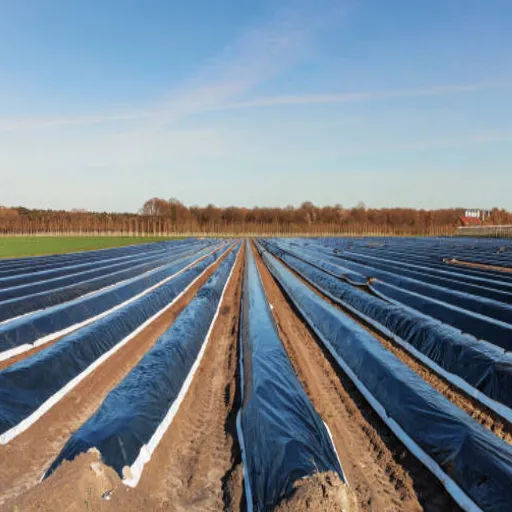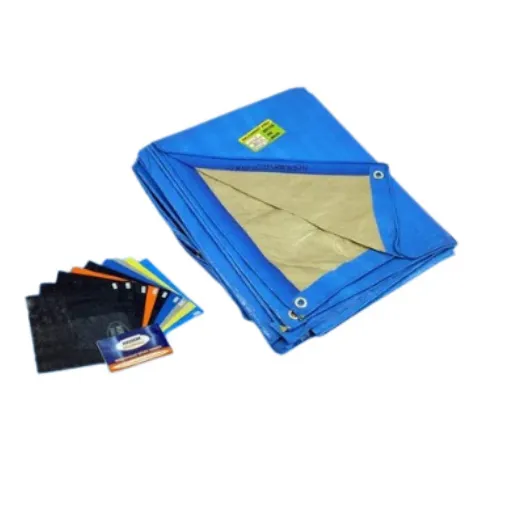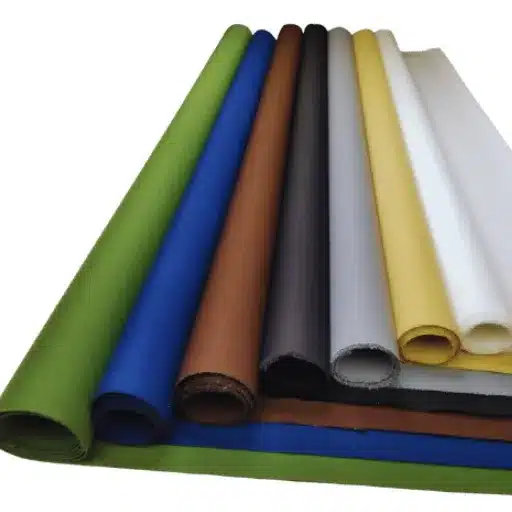
In the battle of material options, PVC tarpaulin can definitely be considered a winner. Its durability and versatility have won over different industries and it is now widespread in different applications, to mention just a few: providing shelters with good reliability under extreme weather conditions, using it to cover goods to protect them during transportation, or even making creative design applications with it. This comprehensive guide explores the various uses, benefits, and manufacturing processes that bring this remarkable material to life.
Introduction to PVC Tarpaulin

What is PVC Tarpaulin?
Known as Polyvinyl Chloride tarpaulin, PVC tarpaulin possesses great strength, durability, and versatility, for this reason, it is a material that is in high demand in many industries. The PVC coating on the woven polyester fabric base increases the material’s strength, water resistance, and flexibility. The result is a heavy-duty waterproof, UV resistant, flame-retardant, and abrasion-resistant material whose applications are many.
💡 Key Applications Include:
- Construction of tents and awnings
- Truck covers
- Inflatable structures
- Agricultural storage
The lightness of the material combined with its excellent durability makes it not only a good performer but also a cost-effective solution in outdoor and industrial applications.
Main Elements of PVC Tarpaulin Fabric
PVC tarpaulin fabric is layered to provide strength, flexibility, and durability. The basic layer is formed by the polyester fabric or scrim which has high tensile strength, and this forms the structural base of the material. The base is coated with PVC layers that are formulated to provide waterproofing, UV resistance, and flame retardancy.
Moreover, the PVC coating has additives that increase the material’s resistance to mold, mildew, and abrasions thus making it suitable for outdoor use for a longer time. Modern advances in the manufacturing process have enabled the introduction of treatments like lacquering or lamination which lessen surface sticking and improve hygiene while allowing the fabric’s flexibility to be retained.
Variants of PVC Tarpaulin Materials
PVC tarpaulin materials are available in different types depending on the requirements and applications. The types most frequently used come under these categories:
1. Laminated PVC Tarpaulin
Lightweight, laminated tarpaulin is the result of affixing layers of PVC film to a base fabric. Since it is inexpensive it can be used for general purposes, such as temporary shelters, truck, or equipment coverings. But it is not as durable as coated variants when used under severe conditions.
2. Coated PVC Tarpaulin
The creation of this type of tarpaulin involves the applying of liquid PVC to the base fabric producing a smoother and more durable finished product. It is very resistant to chemicals, abrasions, and the harshest kinds of weather making it suitable for industrial applications like inflatable structures, tents, and heavy-duty covers.
3. Flame-Retardant PVC Tarpaulin
The flame-retardant variant is processed with flame-retardant chemicals and is therefore safe. It is one of the methods to provide fire protection of the highest standard in risky environments like stages, exhibition tents, manufacturing processes, and so forth.
4. Transparent PVC Tarpaulin
Transparent tarpaulin is ultra-thin and see-through; it is primarily employed as a covering for greenhouses, windows, or outdoor enclosures. In spite of its transparency, it has excellent weather resistance and flexibility, thereby making it applicable for both functional and aesthetic uses.
5. PVC Mesh Tarpaulin
It is a breathable material that consists of perforated mesh patterns that have been coated with PVC. This type of fabric is used mainly for making advertising banners and covering building scaffolding where it is essential that airflow is there so wind resistance can be reduced.
⚠️ Important Note: The properties and usage of each PVC tarpaulin variant grant its own unique advantages. To choose the right one, issues that must be considered include durability, cost, ability to withstand weather, and specific requirements of the application.
Benefits of Using PVC Tarpaulin

Durability and Heavy-Duty Properties
PVC tarpaulin has become famous largely due to its outstanding durability and heavy-duty characteristics, making it a dependable selection in different sectors. The mighty skeleton of the substance is capable of enduring even the most severe weather changes, from blazing sun to heavy rainfall and windy conditions, thus giving a guarantee of long-term performance no matter the environmental condition.
✓ Weather Resistant
Withstands extreme conditions
✓ Tear Resistant
Fortified layers for extra strength
✓ Long-lasting
Extended service life
The tear resistance of PVC tarpaulins is super high; the layers are fortified giving extra strength that allows them to endure the high stress and tension without losing their strength. Also, the quality of PVC tarpaulins has received a major boost from the technological breakthroughs in production methods and material sciences, emphasizing the need to keep strong while being flexible to the changing market requirements.
Waterproof and Weather Resistance
Tarpaulin made from PVC has a great reputation for its superb waterproofing and weather-proofing ability thus making it a must-have material in many applications. These tarpaulins are created using coatings of the highest grade such that water cannot pass through even during pouring rains. Besides, the blockage of UV rays by the coatings, prevents the material from becoming brittle and losing its strength, thus providing it with the ability to last even in the toughest climates.
🌊 Waterproofing Features:
- High-grade coating prevents water penetration
- UV ray blockage prevents material degradation
- Maintains strength in extreme weather conditions
- Ideal for farming, transportation, and event management
UV Resistance and Flame Retardant Features
Next-gen PVC tarpaulin not only believes in but also lives by the virtue of UV resistance and flame retardant properties which have transformed it into a pragmatic solution for the most demanding applications. The base of the UV-resistant coating prevents the material from getting ruined under the sun for too long which significantly helps its longevity even in scorching conditions.
Flame retardant treatments make the material fire resistant thus it takes longer for the fire to spread, and this provides a critical safe zone in places that are either accident or extreme heat-prone. Hence, the features of UV resistance and flame retardance not only make PVC tarpaulins durable but also enable them to pass the safety standards required by various industries like construction, event management, and transport which lead to their being placed as a preferred option for the various professional needs.
Manufacturing Process of PVC Tarpaulin

Raw Materials Used in Production
The starting point of PVC tarpaulin manufacture is the blending of first-rate raw materials that impart durability and functionality to the product. The main ingredient is polyvinyl chloride (PVC) resin that is well-known for its combining strength and elasticity.
🔬 Key Raw Materials:
- PVC Resin: Provides strength and elasticity
- Plasticizers: Increase flexibility and prevent breakage
- Stabilizers: Protect against heat and UV degradation
- Flame Retardants: Enhance fire resistance
- Polyester Reinforcement: Provides structural strength and tensile durability
In order to get the desired characteristics, the resin is treated with plasticizers, which increase its pliability and make the material less prone to breakage in case of extreme weather. Stabilizers are also added to the tarpaulin for defeating degradation by heat and ultraviolet (UV) light, and at the same time, flame retardants are allowed to pass through the fire resistance channel. Usually, polyester is the reinforcement fabric which constructs the first layer of the product and provides the structure with strength, durability, and tensile strength.
Coated vs. Non-Coated PVC Tarpaulin
Coated and non-coated PVC tarpaulin are fundamentally different with respect to their production and utilization. The coated tarpaulin consists of reinforcement fabric to which PVC material is added in direct contact, thus guaranteeing excellent waterproofing, the number one reason for its durability and resistance to nature’s ravages such as UV rays and chemicals.
Heavy-duty applications like truck covers, industrial curtains, and environments with high stress are the ones needing coated types. On the other hand, non-coated PVC tarpaulin has a less complex manufacturing process wherein the PVC material is applied lightly, making it a little less durable under extreme weather but also much lighter and cheaper. Non-coated tarpaulins are often found in temporary solution such as event canopies or indoor banners where strength is not an issue.
Quality Control in Tarpaulin Manufacturing
Quality control in tarpaulin manufacturing is of utmost importance as it guarantees durability, functionality, and customer satisfaction. Stringent testing procedures are used by manufacturers to ascertain the materials’ resistance to tearing, UV radiation, and weathering. Advanced techniques, such as tensile strength, waterproofing tests, and environmental simulation, are integral to reliable product assurance.
✅ Quality Indicators to Consider:
- Coating Type: PVC-coated being sturdier than non-coated
- GSM (Grams per Square Meter): Higher GSM indicates greater longevity
- Stitching/Sealing Methods: Edge reinforcement techniques
- Testing Standards: Tensile strength and waterproofing tests
- Environmental Simulation: Performance under various conditions
By focusing on these factors and applying strict quality controls, manufacturers can produce different project requirements while at the same time, the performance of their products in diverse environmental conditions lasts long.
Applications of PVC Tarpaulin Across Industries

Construction and Industrial Uses
PVC tarpaulins have become a necessity in the construction and industrial sectors owing to their long life, multiple uses, and resistance to harsh weather conditions. These tarps are in fact quite often employed as shields against rain, UV exposure, and dust for scaffolding, machines, and raw materials, thus ensuring that the project goes on uninterrupted even in rude weather.
🏗️ Construction Applications
- Scaffolding covers
- Equipment protection
- Material storage
- Weather barriers
🏭 Industrial Applications
- Temporary warehouses
- Vehicle covers
- Containment barriers
- Green building practices
Moreover, the industries consider them for their applications like making temporary warehouses, vehicle covers, and containment barriers under the terms of being economical and reliable. Through employing the advanced manufacturing methods, PVC tarpaulins are still evolving along with the changing industrial needs, thus providing strong support across heterogeneous environments.
Agricultural Applications
PVC tarpaulins concretely and massively support the agricultural practices of today by being strong and flexible at the same time, thus fulfilling diverse needs. Tarpaulins have been the farmers’ greatest help in the case of extreme weather beating their crops, as they could be adapted to different situations like heavy rain or high temperature therefore, crops could be produced in greater quantities and losses reduced.
🌾 Agricultural Benefits:
- Crop Protection: Shields against extreme weather conditions
- Water Storage: Pond liners for aquaculture and irrigation
- Produce Protection: UV-resistant covers for harvested goods
- Storage Solutions: Waterproof protection during transit
- Sustainability: Growing demand for eco-friendly and recyclable options
They are also frequently used as pond liners in aquaculture or irrigation to store water. PVC tarpaulins, due to their UV protection and waterproof qualities, are the only ones that can take in the spoilage during the storage and transit of the harvested produce.
Transportation and Logistics
Transportation and logistics function largely depending upon the help of such strong and flexible materials like PVC tarpaulins that indeed make the good and efficient transport of items safe. These tarpaulins with their tough and weatherproof properties play an essential part in the protection of the cargo from the elements like rain, dust, and sunlight.
The data indicates a rising interest in advanced, eco-friendly coverings specifically designed for logistics operations. This points to the fact that industries are increasingly looking for sustainable and recyclable options to protect their cargos which is in sync with the global efforts to lessen environmental impact.
Recreational Uses of PVC Tarpaulin
PVC tarpaulin is a multipurpose product that can be used in the leisure area with diverse applications for outdoor enthusiasts and recreational activities.
⛺ Camping
Waterproof shelters and ground covers
🚗 Vehicle Protection
Covers for boats, cars, and equipment
🎨 Custom Solutions
UV resistant and aesthetic designs
Among the most common uses is outdoor camping that usually involves either waterproof, durable shelters being made out of tarpaulins or the use of tarpaulins as ground covers. The same is done for boats, cars, and outdoor equipment with tarpaulins as protection. This is a clear indicator of the mounting consumer demand for versatile and eco-friendly tarpaulin solutions that provide reliability while being kind to the environment.
Comparing PVC Tarpaulin with Other Materials

PVC Tarpaulin vs. Polyester Fabric
The comparison between PVC tarpaulin and polyester fabric reveals that the final decision primarily depends on the user’s needs and the application’s nature. It is highly durable, water-resistant, and resistant to extreme weather conditions making it great for heavy-duty applications, such as truck covers, industrial storage, and long-term outdoor use. In contrast, polyester fabric is lightweight, airy, and often used in making clothing, and banners, and for indoor coverings where flexibility and aesthetics are of utmost importance.
More and more users are putting emphasis on very eco-friendly products, thus giving their preference to products that are long-lasting and at the same time, being not a burden to the earth. Taking these into account, PVC tarpaulin is an ideal choice for the maximum protection needed, whereas in the case of a project where style and hassle-free processing are the main priorities, polyester fabric might be the right choice.
Coated Polyester vs. PVC Coated Tarpaulin
The challenge of what to choose between coated polyester and PVC-coated tarpaulin can be ultimately resolved only in regard to the intended use and priority factors like durability, cost, and environmental impact.
⚖️ Key Considerations:
Coated polyester is always referred to its light weight and its adaptability, which makes it perfect for the applications of banners, clothing, and tents among others. It is also more comfortable to work with and gives a fashion look. On the contrary, PVC-coated tarpaulin holds a stronger competitive edge through its excellent resistance, ability to give weather protection and so on. For outdoor use over a long period, PVC tarpaulin has a much greater share of the market.
Cost-Effectiveness of PVC Tarpaulin
It is hard to find a more impressive cost-effective product than PVC tarpaulin, if one considers durability and long life as compared to other materials. Its ability to endure extreme conditions without the need for replacing the material frequently turns it into a cost-effective solution for logistics, construction, and agriculture, for example.
💰 Low Manufacturing Cost
Economical production process
⏱️ Longevity
Reduced replacement frequency
🔧 Low Maintenance
Minimal upkeep requirements
Furthermore, its not-so-high manufacturing cost, together with its good performance, places PVC tarpaulin among the economical choices for both temporary and permanent application. For companies where longevity and lower maintenance costs are among the top priorities, PVC tarpaulin is still a wise and profitable investment, as it proves to be a reliable and budget-friendly option in a wide range of circumstances.
Frequently Asked Questions (FAQ)
❓ What distinguishes PVC vinyl heavy duty tarpaulin from a normal vinyl tarp?
Heavy-duty PVC vinyl tarpaulin adopts a thicker PVC resin layer along with a base fabric made of high-strength polyester fiber that results in superior tear strength and durability over the standard vinyl tarp material. Not only does the coated polyester construction with knife coating or PVC laminated finishes toughen up peeling strength, but it also makes the resistance of PVC coated surface under stress even better. Heavy duty tarps are normally available in weights like 18 oz or greater, which means they are thick in ounces per square yard and very sturdy overall. They usually undergo surface treatment and are complemented with UV stabilizers to ensure the outdoor longevity of the material and mildew resistance for the damp climate. For industrial fabric applications, options like PVDF coating or additional anti-UV layers can further increase the life of the material in high-temperature or high-UV environments.
❓ How do PVC tarpaulin rolls and PVC tarpaulin fabric options compare for large projects?
PVC tarpaulin rolls offer continuous lengths of material that can be cut to any size, keeping seams to a minimum, and the fabric is cut to the required dimensions on-site, which reduces the number of weak points. Buying PVC tarpaulin fabric by the roll is a common practice among tarp manufacturers and suppliers aimed at large outdoor projects as it provides flexibility for custom sizes and coated fabric usage. Rolls are often offered in various weights such as 18 oz or specified mil thickness like 20 mil, and treatments may be included as needed, such as anti-static or antibacterial agents. Opting for rolls can result in fewer seams that require welding or stitching, thus increasing the waterproof integrity and peeling strength of the tarp. For professional PVC tarpaulin applications, you need to decide whether PVDF coating or specialized surface treatments for high-temperature or chemical resistance are necessary.
❓ Are vinyl tarpaulin and vinyl fabric suitable for inflatable and industrial fabric applications?
Vinyl tarpaulin and vinyl fabric are regarded as the best options for inflatable structures as well as many industrial fabric applications due to their PVC coated polyester construction that offers flexibility, airtight welding, and high tensile strength. PVC vinyl for inflatable applications must comply with stringent sealing and anti-UV requirements to support long service life and to prevent seam failure during repeated stress. Flame retardant additives, antistatic treatments, or PVDF layers may be included in the industrial fabric variants to meet safety and regulatory requirements. Manufacturers commonly indicate tear strength, knife coating specifics, and PVC resin during production to ensure performance consistency. Always check the vinyl tarp specification, such as the 1000d or 18 oz ratings, to ensure that it is suitable for the intended usage scenarios.
❓ How does UV resistant PVC coated polyester prolong the service life of tarpaulin material?
UV resistant PVC coated polyester consists of UV stabilizers and surface treatments that lessen the polymer degradation caused by sunlight, thus greatly extending the service life of the tarpaulin material for outdoor projects. The UV stabilizers and anti-UV additives do not only slow down the processes of color fading, and embrittlement but also loss of tensile properties, thus keeping both appearance and functional strength. For high-end products, PVDF coatings or extra anti-UV finishes are applied to enhance durability in extreme climates and areas with intense sunlight. Proper cleaning and avoidance of abrasive contacts will also aid in the preservation of the waterproofing of the material and its resistance to mildew. The manufacturers of tarpaulin generally state the expected life span under certain exposure conditions, so it is wise to select materials that fit your environmental demands.
❓ What properties of polyvinyl make polyvinyl chloride tarpaulin a popular choice?
Excellent waterproofing, chemical resistance, and flexibility are some of the properties of polyvinyl that have made polyvinyl chloride tarpaulin a place of choice among the trade, i.e. it is a widely utilized material for tarps and covers. Besides, PVC can be made in different ways, one of which involves the incorporation of flame retardant and antistatic additives that help cater to the manufacturers’ production of specialized products for industrial uses. The composite with polyester fiber is given high tear strength and peeling resistance through either PVC laminated or PVC coated constructions, which bond exceptionally well with the fiber. The thickness of the material can vary so that it can be available not only in different weights but also in the weight equivalent of 18 oz or 20 mils to balance portability and sturdiness. One of the main reasons why PVC is so popular with tarpaulin manufacturers and suppliers is its adaptability in surface treatment and additives (e.g., PVDF, UV stabilizers).
Conclusion
PVC tarpaulin has established itself as an indispensable material across numerous industries, from construction and agriculture to transportation and recreational uses. Its exceptional combination of durability, weather resistance, waterproofing capabilities, and cost-effectiveness makes it a superior choice for both temporary and permanent applications.
The ongoing innovations in manufacturing processes, including advanced coatings, UV stabilizers, and flame retardant treatments, continue to enhance the material’s performance and safety standards. As industries increasingly prioritize sustainability, the demand for eco-friendly and recyclable PVC tarpaulin options is growing, reflecting a shift toward more environmentally conscious practices.
Whether you’re looking for heavy-duty protection for industrial equipment, reliable agricultural covers, or versatile recreational solutions, PVC tarpaulin offers a proven, reliable, and economical answer to your material needs. By understanding the various types, benefits, and applications of PVC tarpaulin, you can make informed decisions that best suit your specific requirements and environmental conditions.
📚 Reference Sources
- ResearchGate: A review on the mechanical characterization of PVC-coated fabrics, discussing their strength, tear resistance, and durability. A Review on Mechanical Characterization of PVC Coated Fabrics
- Academia.edu: An in-depth analysis of the composition and engineering of vinyl tarps, highlighting the use of PVC coating over polyester mesh for high tensile strength. The Science Behind Vinyl Tarp Construction Material
- Better Buildings Initiative – U.S. Department of Energy: Information on Orbia Vestolit, a supplier of PVC materials for tarpaulins, emphasizing their use in durable and weather-resistant applications. Vestolit | Better Buildings Initiative