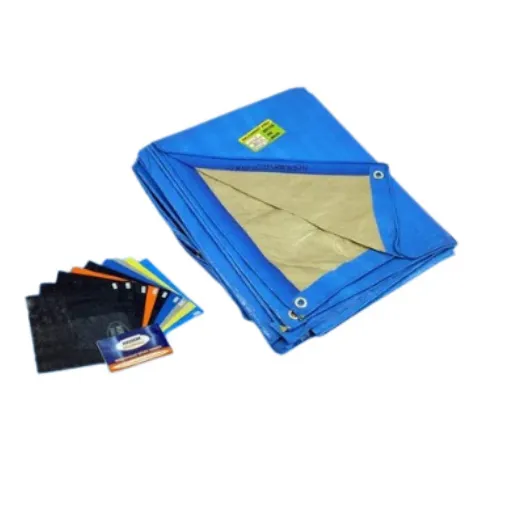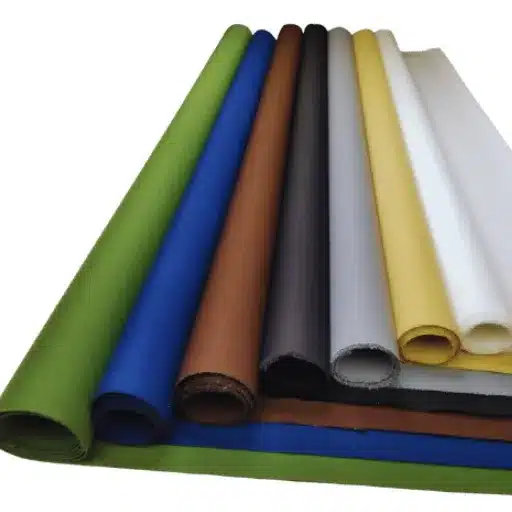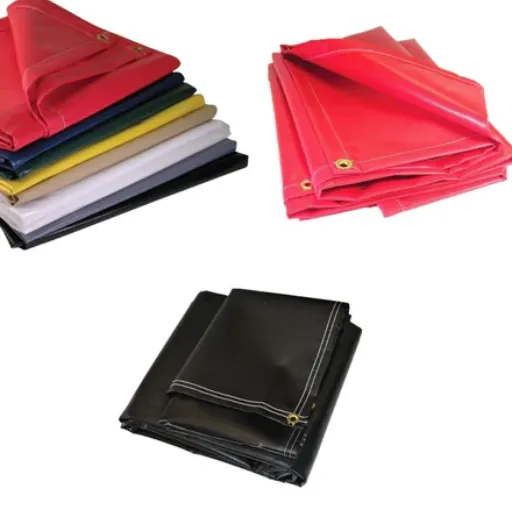
When you are looking for a trustworthy and multi-purpose option to secure your machines, protect your items from bad weather, or even control highly demanding outdoor projects, then PVC tarpaulins are the right product for you. These hard-wearing, miracle vinyl tarps are made to last and hence they become a preferred choice for many industries and uses. PVC tarpaulins are the solution that provides unmatched strength, total waterproofing and the ability to survive extreme climates. This article will discuss the main advantages, typical applications and things to keep in mind when selecting the right tarp for your needs. So, let’s dive into the world of PVC tarpaulins, discover their reliability, and learn how they can be used for the most difficult tasks.
Understanding PVC Tarpaulin
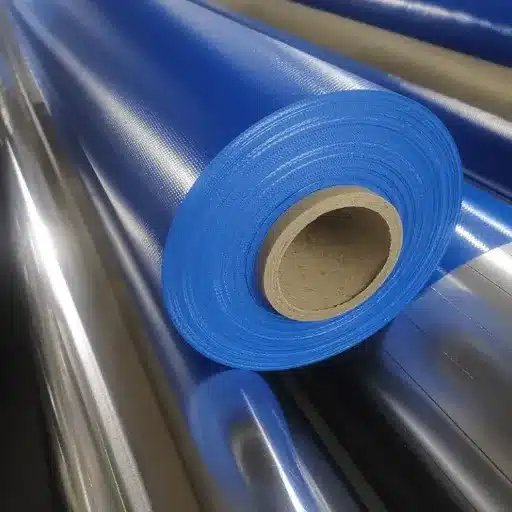
What is PVC Tarpaulin?
A PVC tarpaulin or polyvinyl chloride tarpaulin is a tough, flexible and multipurpose material that is made by either coating or laminating polyester fabric with PVC. The PVC tarpaulin plasticization process not only increases the thickness but also the ability of the tarpaulin to withstand UV rays, chemicals, abrasions and extreme temperatures. With its strength and waterproofing properties, PVC tarpaulin slowly but steadily made its way from the lesser-known areas into the more public ones, e.g., construction, transportation, agriculture and event organizations. Besides, it can be produced in different thicknesses, weights, and colors which makes it easy to adapt to the different jobs. In case of bad weather, the excellent performance and long-lasting durability of PVC tarpaulin have made it the most trusted solution for covering, protecting, and building temporary setups.
Benefits of Using PVC Tarps
The list of advantages that PVC tarps provide is rather long and thus they are a practical pick in many areas. Tarpaulins made of PVC can endure severe climatic conditions and these include torrential rain, strong wind and sun radiation exposure besides their usual long-lasting performance and reliability. PVC tarpaulins, unlike regular ones, are inherently water-resistant and very often fire-retardant as well thus providing safety in critical areas. Still, the lightweight and strong characteristics of these tarps allow them to be the easy-to-handle and easy-to-transport items while being equally strong for carrying heavy loads.
The wide usage of PVC tarps is one more, very important, reason for their cost. They are mostly used for roof covers in construction, storing of farm produce, parking cars and making temporary housing for events or disasters. Their great size, thickness and color range of customization make them even more suitable to customers’ needs. Additionally, their repeat usage and minimum upkeep have a positive impact on the environment by reducing waste hence they staying as a low-cost option for a long time.
Key Features of Heavy Duty PVC Tarpaulin

✓ Exceptional Durability
Heavy-duty PVC tarpaulins are built to endure harsh conditions like long exposure to sun, rain, and wind. Their extreme tensile strength prevents tearing and abrasion, which makes them just right for the heavy-duty applications.
✓ Waterproof and Weather-Resistant
High-quality polyvinyl chloride is used to produce these tarps. They are completely waterproof, and at the same time resistant to mildew, mold, and UV rays, which ensures that they hold up even in the harshest of environments.
✓ Customizable Sizes and Thickness
The versatility of PVC tarpaulins is their ability to be customized in sizes, thicknesses, and specifications according to the needs of different industries like construction, transportation, and agriculture.
✓ Fire Retardant Options
The demand for heavy duty PVC tarps is related to the acceptance of fire retardant property as the industry where fire risks are higher insists on stronger safety standards.
✓ Ease of Maintenance
PVC tarpaulins can be cleaned and maintained in a user-friendly manner; thus, they will be in good condition for a longer period and this will cut short the replacement costs and keep the performance efficient.
✓ Eco-Friendly and Reusable
PVC tarpaulins are both recyclables as well as reusables and hence are very much part of the eco-friendly practices as they help in waste reduction. This makes them an environment-friendly option for businesses that are looking for greener solutions.
✓ Strong Anchor Points and Reinforcements
Heavy-duty grommets and reinforced edges make these tarps easy to secure with fasteners that will not fail and, thus, they are more stable and less likely to get damaged while being used.
Heavy-duty PVC tarpaulins embody technology emerge in being strong, tough, and functional, and hence they become an indispensable resource in diverse industry sectors worldwide. Search trends also validate this never-ending demand and importance, along with their versatility that maintains them as a preference in both commercial and personal usage.
Types of PVC Tarpaulin Available
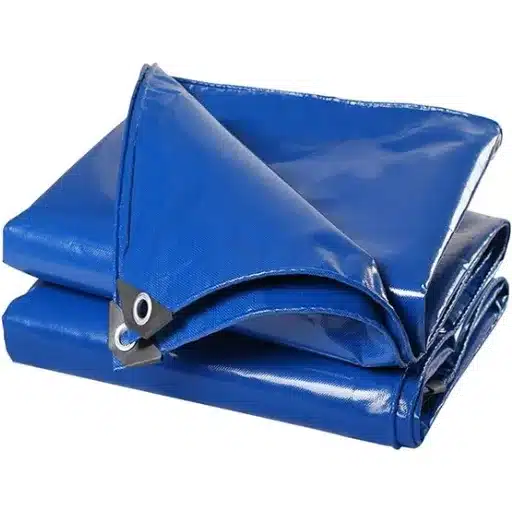
Different Grades of PVC Tarp
The spectrum of grades for PVC tarpaulins is quite wide-ranging and hence a few specific applications could get defined, among them weight, flexibility and intended use. The most popular grades are usually identified as light-, medium- and heavy-duty. Light-weight PVC tarps suit to the use of short-term or low-impact, e.g., as a covering for the equipment or for the construction of temporary shelters. The medium-grade tarps are of moderate-strength and durability, thus, perfectly fit for construction, agriculture, and covering of transport. Heavy-duty PVC tarpes are maximum strength and durability built thereby they can withstand severe weather restrictions, regular handling, and prolonged usage.
The recent search engine data indicates that the demand for heavy-duty and medium-weight PVC tarps is on rise which means that the users are often going for the solutions that are trustworthy and good for both industrial and domestic use in the long run. This tendency reflects the increasing understanding of the necessity of picking the suitable grade of PVC tarp for a given task, thereby ensuring effectiveness and cost-saving at the same time.
Clear PVC vs. Opaque PVC Tarps
While it is a matter of choice between clear PVC and opaque PVC tarps, one should always pay attention to the needs of the individual project. Clear PVC tarps are the best to use in places where visibility and light are the main factors. Their typical use is to build enclosures, greenhouses, or outdoors where light is considerable but the protection from the weather is still needed. Opaque PVC tarps, conversely, would be very suitable for such cases where privacy or complete off-light is the main demand, for instance, in covering machinery, protecting goods in transit, or making shaded areas.
Clear PVC Tarps
- Maximum light transmission
- Visibility maintained
- Ideal for greenhouses
- Outdoor enclosures
- Weather protection with transparency
Opaque PVC Tarps
- Complete light blockage
- Privacy protection
- Machinery covering
- Goods in transit protection
- Creating shaded areas
Specialty PVC Tarps: Mesh and Industrial Options
Mesh PVC tarps are the ones made for a situation where airflow or partial visibility is a demand. The most common use of such tarps is on construction sites, fencing, and agricultural applications where they provide the benefits of shading and windbreaks while simultaneously allowing the passage of both air and light. The material used for mesh PVC tarps is strong polyester coated with PVC that can survive the most severe weather conditions and therefore is considered a long-lasting and high-performance material.
On the contrary, industrial PVC tarps are more like a shield for harsh applications in demanding conditions. They are frequently directed towards the covering of sizable machines, preventing the equipment from being defaced or exposed to inclement weather, and preserving vast shipping or storage needs. With their capacity to resist abrasion, chemicals, and UV damage, the industrial tarps at all times offer dependable performance in the diversity of industries.
Uses of PVC Tarpaulin
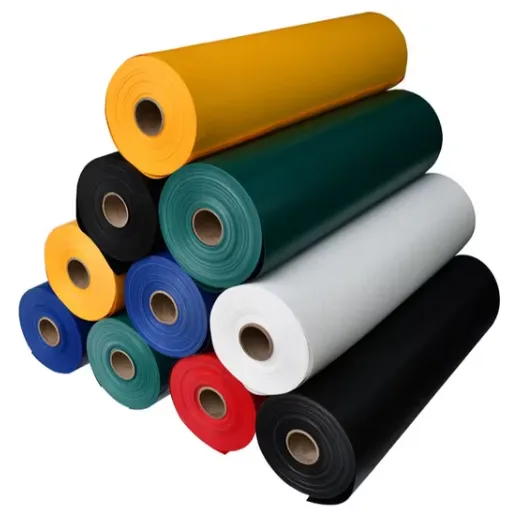
Outdoor Applications: Covers and Shades
PVC tarpaulins are the most important material in terms of outdoor uses because of their great strength, resistance to all types of weather, and ability to be used in many different ways. Typically, these tarpaulins are employed to cover the earth’s surface, vehicles, and outdoor furniture thus protecting them from rain, snow, and UV rays. Furthermore, temporary shades or shelters like awnings, canopies, and tents are also made from these tarpaulins. Although they are made from PVC plastic, they still provide waterproof and flame-retardant capabilities that are very useful for outdoor users. Recent market research reveals that the demand for “UV-resistant outdoor tarps” and “custom PVC covers for outdoor use” has skyrocketed which is an indication of the consumer’s need for robust and flexible solutions in the outdoor residential and commercial areas.
Indoor Uses: Furniture Protection and More
PVC tarps have been the go-to option for indoor applications lately, especially for protecting furniture. Their long-lasting quality, waterproofing, and cleaning-to-easy feature make them the best option for protecting furniture during renovation, painting, or storing for a long time. Moreover, PVC tarps are often used to cover items in basements, garages, or other dusty or moisture-prone areas as these places are prone to dust and moisture where things are kept.
📌 Growing Indoor Application Trend
The latest data from search engine shows that there is an increase in the number of people searching for indoor tarp furniture covers and durable PVC indoor protection. This increase reflects the changing perception of PVC tarps as more than just a cheap and durable solution for indoor settings. Conveniently, ventilated and adaptable in a variety of domestic scenarios PVC tarps of course provide the durability factor.
Industrial Uses of Heavy-Duty PVC Tarps
Heavy-duty PVC tarps have been the most critical tool in various industries where they simply cannot be overlooked. Recent search engine analysis has shown industrial-grade tarp searches to increase significantly with terms like “heavy-duty PVC for construction” and “industrial tarp solutions”. The upward trend in these kinds of searches gives evidence of the increasing demand for such materials especially in the industries that require shielding from all possible adverse conditions.
Key Industrial Applications:
- Construction: Cover machinery and raw materials to protect from weather delays
- Agriculture: Protect plants and equipment from adverse weather conditions
- Transportation: Secure and safely protect cargo from external elements during transit
The excellent characteristics of these tarps such as strength, resistance to the sun’s rays, and being multi-purpose make them absolutely unavoidable for industrial applications. As a result, the search trends are consistent with a more extensive acknowledgment of their major part in productivity and resource protection across industries.
Choosing the Right PVC Tarpaulin
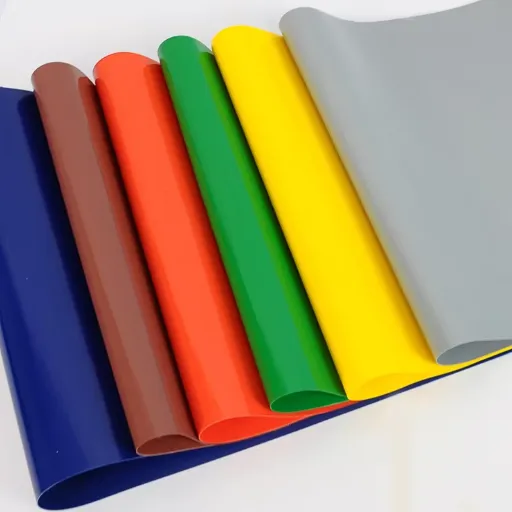
Factors to Consider: Weight, Size, and Thickness
The interplay of weight, size, and thickness is the key factor to selecting the right PVC tarpaulin and getting optimal performance. Heavier tarps to the application area where extreme durability and resistance to bad weather conditions are required, and lighter ones might be better for temporary or less rigorous uses. The tarpaulin’s size should be the same as the coverage area so that there is enough material to secure the edges and no gaps are left. Likewise, the thickness of the tarp indicates its strength and what tasks it can be used for, as well as the thickest variants that are the most resistant to wear and tear.
🎯 Selection Checklist
- Assess the weight requirements based on durability needs
- Measure the coverage area accurately including edge allowance
- Determine thickness according to expected wear and tear
- Consider weather conditions in your location
- Evaluate usage frequency and duration requirements
Understanding Grommets and Webbing Options
Grommets and webbing are not only components but also essential parts that enable the tarp to perform its function for a long time. Grommets are the sturdy eyelets, usually composed of metal or high-quality plastic, that hold the tarp at points where either tying or fastening down is done securely. They help the tearing to a great extent in such cases, which makes them a must-have for heavy-duty applications. However, webbing is made up of heavy and durable, woven fabric strips that are either sewn on the edges of the tarp or run across it to distribute the tension evenly. It not only adds strength to the structure but also guarantees that the tarp can put up with very harsh conditions without compromising its integrity.
| Component | Material Options | Primary Function | Best For |
|---|---|---|---|
| Grommets | Metal, High-quality plastic | Secure fastening points | Heavy-duty applications, frequent tie-downs |
| Webbing | Woven fabric strips | Even tension distribution | Harsh conditions, structural reinforcement |
Tear Resistance and UV Protection Features
Today’s tarps are built with the features of the highest level of tear resistance and UV protection to serve the widest array of uses. Tear-resistant tarps are normally made from reinforced fibers, cross-weaving, or ripstop technology to avoid the small tears form turning into a bigger one, thus withstanding the harsh environments in the long run. On the other hand, the sun’s rays will not be able to reach the surface of the tarp for the UV-resistant coating has been working to maintain the material’s flexibility, strength, and durability.
💡 Advanced Protection Technologies
Tear Resistance: Reinforced fibers, cross-weaving, or ripstop technology prevent small tears from expanding
UV Protection: Specialized coatings maintain material flexibility, strength, and durability under sun exposure
Recent data from search engine show that there is a constant inquiry about the effectivness of combining these features in one tarp. The technological advancements in the tarp industry have reached the stage where, among others, it is perfectly possible for many top-class tarps to be combining tear resistance and UV protection without compromise. Hence, the high-quality versatile solutions are made available for personal and commercial use alike, the very first applications being those of equipment shielding and outdoor shelter creation. Choosing a tarp with these dual features not only improves performance but also gives cost-effectiveness and reliability in harsh environments.
Pricing and Buying Tips for PVC Tarpaulin
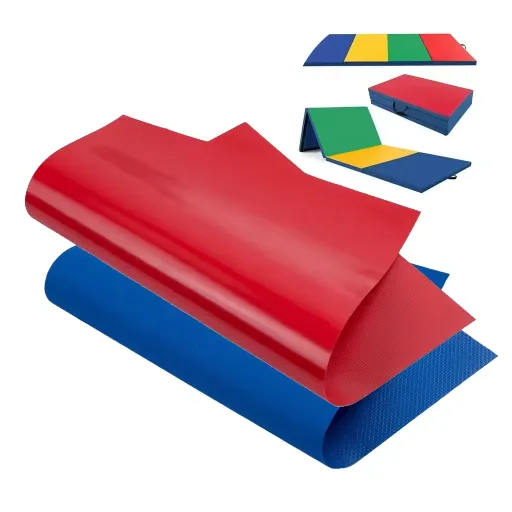
PVC Tarps: Typical Pricing Structures
Usually, PVC tarpaulins have their prices set according to the size, thickness, and extra properties like UV resistance, waterproofing, or fire retardancy. Especially, the most economical PVC tarps can be acquired at an average price of $10 to $20 for the smallest and the thinnest ones (e.g., 6×8 feet of medium durability). Depending on the dimensions and quality of materials used, large heavy-duty tarps made with advanced features like tear resistance and reinforced edges can cost anywhere from $50 to $150. The price can still be over $200 for non-standard PVC tarps or for those with specialized coatings, especially where industrial or commercial-grade applications are concerned.
💰 Smart Buying Tips
- Compare prices among online retailers and local suppliers
- Consider bulk purchasing for substantial discounts
- Invest in quality tarps to reduce replacement frequency
- Factor in long-term cost-effectiveness over upfront savings
Where to Buy: Finding Reliable Suppliers
It is necessary that a reliable supplier be located when buying PVC tarps, as that will guarantee quality and value. Most recent online search data suggests that reliable suppliers are big retailers like Home Depot, Lowe’s, and specialized Tarp Supply and MyTarp.com. These suppliers usually stock a variety of PVC tarps, not only in various sizes and thicknesses, but also, according to the needs of individuals and industries.
🏪 Major Retailers
Home Depot, Lowe’s
Wide selection, in-store inspection possible
🎯 Specialty Suppliers
Tarp Supply, MyTarp.com
Industry-specific options, expert guidance
🛒 Online Marketplaces
Amazon, eBay
Competitive pricing, verify seller reputation
🏭 Wholesale Distributors
Direct manufacturers
Bulk orders, custom specifications
For a fair price and bulk, online sellers like Amazon and eBay also provide wide selections, however, it is vital to double-check and make sure the seller is trustworthy by reading reviews and ratings. Another option is that local hardware stores might carry PVC tarps, and they often allow the customer to inspect the product prior to buying. Businesses that require large quantities may also want to fashion partnerships with wholesale distributors or manufacturers for direct orders with discounts. It is important to prioritize suppliers with positive customer feedback and clear return policies as this will help ensure a satisfactory experience.
Comparing PVC Tarpaulin Options: A Quick Guide
There is a need for consumers to find the perfect PVC tarpaulin, so to speak, by putting durability, cost, and specific use requirements in equal planes. The data collected from various sources indicate that PVC tarpaulins are being extensively used mainly because they can withstand harsh weather conditions, they are quite flexible and they last long. High GSM (grams per square meter) heavy duty tarps are suitable for industrial applications or places with high outdoor usage for a long time, while the lighter ones are only good for temporary shelters or less demanding coverage. Moreover, certain PVC tarps have a nylon base, which adds strength and it can be a great choice for high-stress situations.
🔍 Key Comparison Factors:
GSM Rating: Higher GSM indicates greater durability for industrial and long-term outdoor use
Base Material: Nylon-reinforced bases provide enhanced strength for high-stress applications
Special Coatings: Fire-retardant for construction zones, UV-coated for sunny climates
Transparency: Clear PVC maximizes light transmission for agricultural/greenhouse settings
The users should ask themselves whether it is necessary to have fire-retardant coating or UV resistance for their application. For instance, it is wise to use fire-resistant tarps in construction areas, while UV-coated ones are the best for sunny places where people stay for long hours. Transparency is also an important issue; clear PVC tarps provide the maximum amount of light and therefore they are suitable for agricultural or greenhouse settings. All in all, the user’s specific needs, budget, and a local environment are the main criteria for choosing the best PVC tarpaulin.
Frequently Asked Questions (FAQ)
What exactly is PVC vinyl tarpaulin and what are its advantages?
PVC vinyl tarpaulin is a very reliable sheet material that is made by applying a layer of pvc on a polyester or poly yarn base, thus producing a very strong fabric that is good for many different uses. It takes the positive aspects of both the pvc film and the vinyl to produce a very waterproof tarp that can be used outdoors or as a greenhouse cover. Tarpaulin rolls are the most common form for pvc vinyl tarps and they are designed to have high tear strength and high abrasion resistance which gives them a long life. These tarps come in a variety of thicknesses and can be either heavy duty or lighter depending on the material and construction. They are also treated to be fire-resistant and may come with features such as brass grommets and reinforced hems for easier installation and better quality.
How does canvas measure up to tarpaulin pvc for outdoor covers?
Canvas is an old-fashioned fabric that has the property of being breathable and can even be made resistant to water, but tarpaulin pvc normally surpasses canvas in the areas of waterproofing and maintenance. The difference is that with canvas you do not have the synthetic material that is a waterproof tarpaulin choice and also much more resistant to mold and rotting, which gives the canvas a much shorter lifespan in wet environments. Tarps are available in a wide variety of industrial weights starting from lightweight poly to very strong ones including 1000d & oxford weave options. Canvas might be chosen for certain aesthetic or breathable curtain-like applications, while pvc vinyl is more suited to heavy-duty protection and fire resistance if the flame retardant variant is selected. For greenhouse cover or outdoor furniture protection, pvc provides consistent performance that is easier to clean than untreated canvas.
Can PVC tarps really be classified as waterproof and therefore for long-term outdoor use?
The process of manufacturing PVC tarpaulins consists of making them completely waterproof because the pvc film and coating together create a water impermeable barrier. This makes them great waterproof tarpaulin options. UV resistant treatments are usually done to prolong the life outdoors and minimize the effect of light on the tarp which helps in maintaining its tear strength and reduces the occurrence of rips or high abrasion wear. Heavy duty tarpaulins usually come with reinforced edges, brass grommets, and sometimes mesh backing to allow for a combination of flexibility and strength. Properly finished pvc tarps are resistant to mildew and many come with anti-tear or rip-resistant properties that make them suitable for durable use in tents, covers, and industrial tarp applications. For temporary and inflatable shelter systems, pvc vinyl sheets are a reliable rain and weather protection option.
Which sizes and densities are available for pvc vinyl tarpaulin?
There is a wide variety of industrial densities and thicknesses for pvc vinyl tarps, starting from lighter poly tarps and going all the way up to heavy duty 1000d and even thicker tarpaulin heavy duty waterproof grades. The density and the number of layers of pvc are the factors that determine properties such as stiffness, tear strength, and weight per square meter, so selecting the product corresponding to the use is important for achieving superior quality performance. Some suppliers sell tarpaulin in custom lengths for cutting to size, while others provide ready-made vinyl tarps and tent covers with reinforced hems and brass fittings. A few specialized products are clear vinyl pvc or transparent pvc panels for windows or greenhouse cover needs that bring together visibility and weather resistance. When specifying, keep in mind features such as silicone or anti-uv coatings, mesh fabric reinforcement, and whether flameretardant or fire protection ratings are required.
How do vinyl tarps resist tearing and abrasion?
Vinyl tarps are made tear-resistant by the application of high-strength yarn in a woven base fabric that is combined with a tough pvc coated surface which enhances high tear and anti-tear properties. Manufacturers can sometimes apply several layers of pvc or specialized laminates to improve rip resistance and high abrasion tolerance, which is essential for such industrial tarp application and outdoor furniture covering. The use of reinforced hems and brass grommets allows for even stress distribution and prevents early breakdown at attachment points which in turn prolongs the life of the tarp. Some vinyl tarps may have mesh backing or oxford weave that combines flexibility with strength. Choosing a product with a higher gram/meter density or a 1000d grade gives you the quality you expect for heavy-duty or long-lasting use.
Are poly tarps a good alternative to pvc tarpaulin for sale?
Poly tarps, made out of polyethylene mostly, are lighter and cheaper than pvc but they generally have lower tear strength and shorter life in harsh UV and abrasive conditions. Poly tarps can be used as temporary covers, lightweight greenhouse covers, and portable shelters but they often miss the high-quality features of pvc coated fabrics such as high abrasion resistance and clear vinyl pvc options. For heavy-duty tarps, industrial tarp uses, or cases requiring flame retardant or waterproof tarpaulin heavy duty performance, pvc vinyl usually outperforms. Poly tarps can be treated for UV resistance and provided with hems and brass grommets, but they still are not as tough as heavy-duty pvc items. The choice between poly and pvc depends upon the budget, expected lifespan, and the extent of protection needed for the application.
Reference Sources
University of Maine Extension
A publication discussing the use of plastic materials, including PVC tarpaulins, and their environmental considerations in agricultural applications.
Bulletin #1075, Tarping in the Northeast
U.S. Department of Homeland Security (DHS)
A report on the durability and chemical resistance of PVC materials, including tarpaulins, with insights into their reinforced strength.
Enhanced Responder Personal Protective Equipment
Utah Department of Environmental Quality
Documentation on the use and handling of tarpaulins, including PVC materials, for environmental protection during installations.
DSHW-2023-207671 – Utah DEQ