Durable, versatile and highly resistant to weather, PVC tarpaulins that are transparent in nature can be regarded as the essential solution to numerous uses. Be it for shielding important assets from severe weather conditions, creating barriers that are visible yet protective, or providing a strong material for industrial, agricultural, or even domestic use, the above heavy-duty tarps exhibit the best characteristics for their intended use. This web document provides an extensive overview of the functionalities, benefits, and practical applications of transparent PVC tarpaulins. When you reach the last section of this paper, you will be completely aware of why all major industries love this particular material as one of the best ways to be waterproof, durable, and efficient. Get ready for a ride through technical specifications and usage tips, all designed to help you make the right decision for your specific needs.
Understanding Transparent PVC Tarpaulin

Transparent PVC tarpaulin, a flexible, high-strength material made from polyvinyl chloride (PVC) polymers with an added see-through component, is definitely one of the most durable, waterproof, and versatile materials. The material’s transparency also becomes an advantage, allowing light to pass while providing a barrier against elements like rain, wind, and dust. The most common applications of transparent PVC tarpaulin include greenhouse covers, temporary enclosures, and protective barriers in commercial and industrial areas. It is also manufactured to withstand various weather conditions; that is why it is considered a very dependable option for both indoor and outdoor environments.
What is Transparent PVC?
Transparent PVC, also known as polyvinyl chloride, is one of the most popular thermoplastic polymers due to its hardness, flexibility, and excellent optical clarity. PVC resin is the main component in the formation of the plastic and it gets combined with plasticizers, stabilizers, and other kinds of additives just to make its performance features better. Thus, the material remains transparent and, at the same time, gains better UV light, chemical, and environmental wear resistance through the additives. This material has an approximate density range of 1.3-1.5 g/cm³, and its combination of density and clarity gives Transparent PVC exceptional impact resistance and tensile strength, making it suitable for applications that require tough materials.
This material excels particularly in settings where the shared features of visibility and protection are both highly critical. Its thermal characteristics are impressive and even better for functionality over a wide range of -20°C to 60°C (latterly -4°F to 140°F). Additionally, the very low permeability of Transparent PVC to gases and water vapor ensures the material’s credibility for protective and sealing applications. Manufacturing Technology, in terms of performance, will offer more options that still meet the demands of the different industries, including construction, agriculture, and manufacturing.
Benefits of Using PVC Tarpaulin
Durability and Strength
PVC tarmental manifests phenomenal strength, being invincible to tear, wear, and pierce. Its sturdy build therefore assures of sustained, “even under harsh environmental factors, long-time service, hence, qualifying it for agricultural covers, protection hurdles and logistics of transportation, in addition to its being a material of choice in other cases of need.
Weather-Resistance
PVC tarpaulin, in fact, is a material intended to resist all kinds of harsh climate effects like heavy rain, strong winds, and the sun’s rays, too. The ultraviolet rays from the sun are a significant cause of material breakdown, which is why UV-resistant coatings on PVC Tarpaulin are crucial for maintaining the material’s tensile strength over time.
Waterproofing and Impermeability
Furthermore, waterproof PVC tarp has exceptional waterproofing properties that prevent water absorption. This property is helpful in constructions (canopy structures), transportation (truck covers), and interiors (ground sheets). Moreover, it is almost completely impermeable to water vapor and thus provides adequate sealing for various uses involving water-contaminated sites, such as a medical facility.
Temperature Tolerance
PVC tarpaulin is a performance-driven material with a temperature range for use generally from -30°C to 70°C (-22°F to 158°F). This quality makes it a material of choice in both cold and hot regions, ensuring energy availability across different geographical zones and industrial conglomerates.
Chemical Resistance
The characteristic that makes PVC tarpaulin one of the most frequently used materials in the tech world is its high chemical stability and resistance to a wide range of acids, alkalis, and solvents. This characteristic makes it even more useful in industrial environments where the exposure to chemicals is almost a daily standard.
Lightweight and Flexible
The light, flexible nature of PVC tarpaulin has not been compromised by its sturdiness. This light weight and flexibility further benefit the process of installation, transport, and storage. Moreover, these qualities allow the tarpaulin to mold itself to varying surfaces and shapes while maintaining its structural integrity.
Types of Transparent Tarpaulins Available
Key Features of Transparent PVC Tarpaulins

- High Transparency
PVC tarpaulins with a transparent finish offer excellent visibility and are therefore very good for use in areas that require clear visibility, such as greenhouses or industrial enclosures.
- Durability
They are made with strong materials, which is the main reason for their resistance to tearing, puncturing, and adverse weather conditions, thereby increasing their longevity.
- Waterproof and Weather-Resistant
Built to keep water out and usable in a wide range of environmental conditions, they are highly efficient at preventing rain, UV, and wind.
- Flexibility and Versatility
They are composed of a flexible material that makes it easy to install and use the tarps in a variety of locations, such as residential or commercial areas.
- Low Maintenance
Transparent PVC tarpaulins are very easy to clean and maintain, which further increases their usability in both temporary and permanent applications.
UV Resistance and Durability
Advanced UV coating technologies have been applied to the production of transparent PVC tarpaulins, thereby enhancing longevity and making items truly sunproof. As a result of the UV-resistant coatings, many things will become more resistant to industrial and sunlight harm. They will withstand such for longer without losing their consistency and properties. The latest research has shown that high-grade PVC can remain robust and functional even under very harsh weather conditions in outdoor applications. Besides, the very durable nature of the material tarpaulins are made of gives them a very high resistance to tearing and the most severe environmental stresses, thus allowing their use even in harsh conditions like construction and agricultural sites. It is not unusual for producers to apply the latest technology across various materials to extend the durability of their products, and the same is true with the use of PVC.
Waterproof Properties
PVC tarpaulins are manufactured by using the latest coating technique, and thus, the material does not let water pass through it at all. The hydrophobic material ensures that water is always treated as a drop rather than absorbed moisture, thereby reducing the risk of structural issues due to water. In addition, thanks to new developments in plastic chemistry, the presence of double-layer coatings or laminated structures has also improved both characteristics. That is, the waterproofing and the resistance to water penetration and also the durability of the material under the influence of high pressure are the points being worked at the most. Nevertheless, lab testing has repeatedly shown that heavy rain or even continuous water covering tarpaulins can still prevent water from leaking both under and over the material. No wonder such properties are considered so much in the field of industry, i., in transportation, agriculture, and event organizing, where waterproofing is a must if not the driving factor of acquiring a product like that.
Reinforced Edges and Grommets
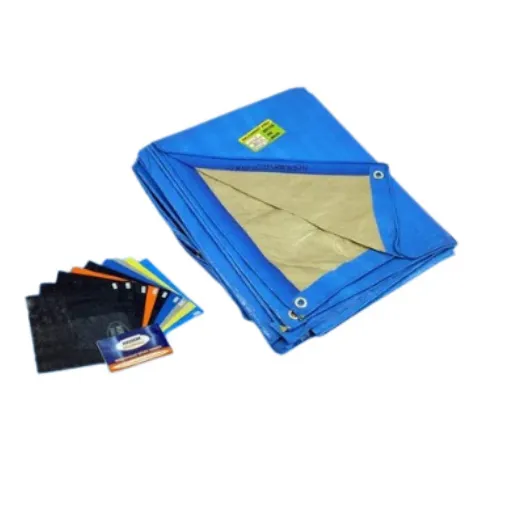
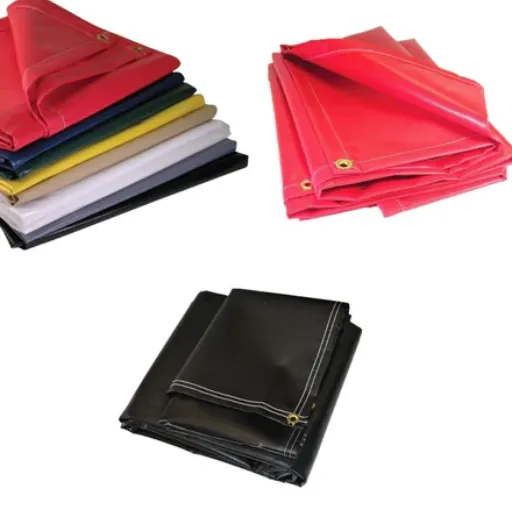
Edges reinforced with reinforcing material and grommets are among the two essential elements in the design and, at the same time, considerably reduce the wear and tear on PVC tarpaulins. It is the norm for the sides to be well protected by one of the following methods: double stitching, heat sealing, or an additional layer of the same material. These practices not only make the tarpaulin more durable but also enable it to withstand stretching and long-term use. The grommets made of non-rusting metals, the common ones being brass or stainless steel, are arranged equally at the edges, providing the fixing and securing points. The said fixing points are designed to be the tarpaulin’s weak spots, which are likely to cause tears; hence the use of reinforcement components and grommets. In the case of a light breeze or a heavy hanging load, quality grommets and strong edge reinforcement can prevent the pole from tearing. The use of these components is highly advantageous, as they can prevent disasters in the construction industry and during the rainy season when materials are stored outdoors. The principal improvement and proof that such a process is already underway is that tarpaulins of good quality, when directly exposed to harsh conditions or a dynamic atmosphere, remain fit for the intended use.
Applications of Transparent PVC Tarpaulin

This is a fact: the applications of transparent PVC tarpaulins have crossed many sectors, thanks to their durability and clarity. The key activities that are leading this success are:
- Agriculture
These items are applied as covers for greenhouses. They thus help preserve crops by letting sunlight in while protecting them from wind, rain, and pests.
- Construction
Transparent PVC tarpaulins are used as weatherproof walls and as temporary screens, maintaining visibility in work areas and protecting them from the elements.
- Logistics and Storage
They are also used to shield the goods and equipment stored from the harsh weather and to facilitate easy inspection of the goods, since they are transparent.
- Event Management
In this sector, the material is extensively used in transparent canopies, tents, and partitions, providing weather protection, maintaining the look and feel of the event, and allowing light access.
- Retail and Display
Such material is commonly deployed in outdoor displays or kiosks, where it has been able to pair protection with product visibility in an attractive way.
These applications show that the product is efficient in the market, customers can use it, and, at the same time, it is very secure when combined with solutions across both industrial and commercial sectors.
Construction Sites and Heavy Duty Uses
On construction sites or in industrial factories that require strength and high performance, the use of heavy-duty materials, such as reinforced covers, is essential. All these fabrics are manufactured in a way that they can withstand the harshest weather conditions, don’t easily tear, and hence become the savior of the machines. All of them are very beneficial for workers as well; therefore, when used in the construction industry, big tarpaulins are also commonly used to cover temporary roofs, canopies, and even debris-containing barricades. Besides, they can also be the first and most awkward line of defense against wind, rain, or UV damage for the handicraft involved. Improvements in fabric engineering have given the already long-lasting materials even longer-lasting qualities; hence, products are also being made with features such as incorporating threads, making them fireproof, and making them suitable for exposure to chemical substances. The changes will make the materials more than adequate to meet the stringent demands of construction and industrial sites, ensuring the safety, efficiency, and durability of those sites.
Outdoor Restaurant Patios and Events
The design and operation of outdoor restaurant patios and event spaces have experienced major improvements, in large part due to advances in materials and the ever-increasing demand for multifunctional, weather-resilient areas. Outdoor patios are now equipped with the sort of high-performance structural elements, such as tempered glass enclosures, aluminum frameworks, and high-quality weatherproof fabrics, that give them both durability and aesthetic appeal. Weather protection systems, such as retractable awnings and modular roofing, are key factors in creating comfortable conditions for guests, as they can partially or even completely shield them from rain or intense sunlight.
Furthermore, the figures show a remarkable increase in customer preference for al fresco dining areas. Most establishments have experienced an increase in customers because the open air has definitely improved air circulation in particular areas. Often, highly energy-efficient heating, ventilation, and air conditioning units can be incorporated into the design, making the space usable on colder nights or even during the off-season. These contemporary technical solutions feature the interplay of technology and geometry in the outdoor hospitality industry, not only enhancing the guest experience but also operating efficiently and accurately.
Agricultural Uses: Greenhouses and More
One of the most common ways to modernize the agricultural sector is by the use of greenhouses equipped with advanced technologies. These technologies include fully automated climate control systems, computer-aided precision irrigation, and LED grow lights for plant growth. This way, the plants benefit from the equipment being controlled and running their daily routines automatically, regardless of weather changes outside. For example, the intelligent sensors embedded in greenhouses can continuously monitor soil moisture, temperature, and humidity and send the data to farmers via the internet for immediate action and more efficient resource use. In addition, the use of hydroponic and vertical farming in greenhouses is another method that significantly increases yield per square foot and, at the same time, uses the least soil and water. Such technologies are not only a significant contribution to environmentally friendly agriculture, but they also provide solutions for some very crucial issues such as land area limitations and conservation of the surroundings. The development of greenhouses, enabled by the above technologies, clearly shows that the food industry’s path is being positively affected.
Comparing Transparent PVC Tarpaulin with Other Materials

The high level of reliability, malleability, and environmental mobility immunity of a Clear PVC Tarpaulin makes it an incomparable product. The tensile strength and long-term durability of PVC tarpaulin are better than those of traditional polyethylene (PE) covers, and it is especially suitable for situations where covers are often exposed to rigorous conditions. Moreover, while canvas offers ventilation, PVC tarpaulin protects against leakage, and its ease of cleaning puts it ahead of canvas in moist-prone situations. Furthermore, unlike polycarbonate, tarpaulin is cheaper and lighter, though the panels may have the upper hand in terms of load-bearing capacity. Therefore, having these qualities, transparent PVC tarpaulin has been and will always be an appropriate material for applications requiring high adaptability and economic choice.
Canvas vs. PVC Tarpaulin
Polyethylene Tarps vs. Clear Vinyl Tarps
Choosing the Right Material for Your Needs
When you need to choose between materials, you need to consider a whole lot of factors to match your particular needs and the conditions under which the materials are used. The characteristics with respect to performance, environment, and application of each material are the main influences on its effectiveness in a specified case.
For example, if you value durability and the ability to withstand the pressure of severe weather and general wear and tear, the materials that can withstand really hot or freezing weather, as well as chemical exposure, are the primary requirements. In such cases, one option is polycarbonate, which is characterized by its remarkable durability and exceptionally high tear resistance, making it suitable for applications such as industrial greenhouses or hefty protective covers.
In contrast, materials that are easily recycled and have a minimal environmental impact will be the best fit if the priority is recyclability and a smaller ecological footprint. Specific polyethylene variants could be the best answer in this case. These materials are perfect for temporary outdoor setups, shelters, or other short- to medium-term uses, such as in projects where sustainability is a significant factor.
In short, the choice of material requires a logical evaluation that takes into account performance metrics such as lifetime, resistance properties, and application use conditions, ensuring an optimal balance between functionality and sustainability.
Maintenance and Cleaning of Transparent PVC Tarpaulins

To make PVC transparent tarpaulins not only last long but also work well, it is essential to perform regular maintenance and follow the correct cleaning procedure. Do as follows:
- Remove Surface Dirt: Use a soft brush or cloth to rub the surface lightly to remove dust and debris. The use of abrasive materials should be avoided, as they could scratch the PVC.
- Wash with Mild Detergent: In mild warm water dissolve a mild cleaning agent and with a sponge or cloth wipe the object’s surface with circular movements to leave no spots. Stay away from strong solutions as they can break down the drape material.
- Rinse Thoroughly: Foam-free water is what the tarpaulin has to be washed with; then all the soap will be removed. Accordingly, any water spots will be avoided, and any film formation will be prevented, which will eventually make the tarpaulin less clear.
- Air Dry Completely: Leave the tarp in the driest place to dry naturally. The sun should not shine directly on it while it is drying, or the tarp may warp or discolor.
- Inspect Regularly for Damage: Look for frayed, stained, or otherwise different areas from the original color. A quick maintenance fix, no need to worry, then when using a diamond (tear-shaped patch) as the repair material, one can be confident it works smoothly.
By following these simple, practical guidelines, see-through PVC tarpaulins would retain the quality and strength of a time-tested product when used as intended.
Best Practices for Cleaning
The transparent PVC tarpaulins that are kept clean would have a longer life and provide better service. The continuation of the matter in a clear way without causing any damage should necessarily involve the following recommendations:
- Use Non-Abrasive Cleaning Solutions
Using mild soap or a PVC-specific cleaner diluted in water, the tarpaulin can be cleaned. The first, such as bleach or solvents, should be avoided as they can break down the material or cause clouding.
- Rinse Thoroughly with Clean Water
After applying the cleaning solution, the tarpaulin should be rinsed thoroughly to remove any soap or dirt particles left behind. It is dangerous to leave any residue behind because it can attract more dirt and possibly weaken the vinyl over time.
- Avoid High-Pressure Washers
Although they are time-saving, high-pressure washers may still cause holes or stress tears in the thin PVC layers. The preventive practice to be recommended here is the use of low-pressure or manual cleaning methods.
- Dry Naturally, Avoid Heat Sources
The best way to prevent the tarpaulin from getting out of shape or changing color is to let it air dry. Therefore, it has to be placed out in the open, under the shade, away from the heat and any other sources of heat, to keep its structure strong.
- Clean Regularly After Use
A tarpaulin should be cleaned up immediately when it becomes dirty, wet, or spotty due to natural or man-made conditions. Regular washing helps in preventing the accumulation of dirt that may eventually become very hard to remove.
By faithfully following these techniques, PVC tarpaulins will last longer and become more see-through and usable across a variety of applications.
How to Store PVC Tarpaulins Properly
- Thorough Cleaning Before Storage: Make sure the tarpaulin is spotless before stowage. Use a typical dry wax and water to remove dirt and stains left by any chemical that might cause the fabric to decay. Fully dry the tarpaulin, as moisture during storage can encourage mold and mildew growth.
- Correct Folding Technique: To fold the tarpaulin nicely and avoid sharp creases at all costs, use the proper techniques; incorrect techniques weaken the material and can cause cracks or tears along those folds.
- Use Protective Covers: The folded tarp should be kept in a protective, well-ventilated cover or storage bag to prevent dust, insects, and other contaminants from entering and compromising the PVC material’s integrity.
- Select a Dry, Cool Storage Location: A safe, dry, and cool spot should be selected for tarpaulin; it should not be in direct sunlight, in intense heat, or in high humidity. These conditions can cause PVC to sag and crack much earlier than expected. A place with some sort of temperature control and indoors yet shaded is the best.
- Position Off the Ground: Use racks or pallets to hold it so it does not come into contact with the ground due to spills, pests, or debris, or from accidental exposure to moisture and dirt.
- Monitor for Long-Term Storage: Regularly inspect the tarpaulin when stored for a long time for any signs of discoloration, unpleasant odors, or dampness. By doing so, it is certain that any potential problems can be detected early enough, thereby avoiding permanent damage.
Reference Sources
-
Application of PVC–A superior material in the fields of Science and Technology
- Summary: This study highlights the versatility of PVC as a material in various scientific and technological applications, including its use in transparent tarpaulins.
-
Ecodesign of PVC packing tape using life cycle assessment
- Summary: Although focused on PVC packing tape, this study provides valuable insights into the environmental impact of PVC products, including transparent tarpaulins.
Frequently Asked Questions (FAQs)
What is transparent PVC tarpaulin, and how is it different from other tarpaulins?
Transparent PVC tarpaulin is an explicit, flexible polyvinyl chloride material that allows light transmission while protecting against the elements. It is not like the usual tarp materials, such as canvas or polyethylene, but this tarp can also act as a window or enclosure, which is clear. This is why it is beneficial when both visibility and weather protection are simultaneously required. The material is like clear PVC sheets or transparent PVC films, but usually strengthened for durability. It is quite common to find many transparent PVC tarpaulins marketed as waterproof, and they can also be finished with a UV-resistant coating to prevent yellowing and degradation.
Is transparent PVC tarpaulin waterproof and suitable for outdoor use?
Of course, transparent PVC tarpaulin is highly waterproof. It is therefore used almost exclusively as an outdoor material, making it a great option not only for patio enclosures and greenhouse panels but also for boat covers. Its waterproofing lies in the quality of the PVC itself and, to a large extent, in the additional coatings that, by improving mechanical strength and vibrancy, render the surface less permeable to water. Kits of products with UV additives that prevent yellowing are most likely the best for maintaining clarity and preventing brittleness under long-term outdoor exposure.
How do I clean and maintain a transparent PVC tarpaulin?
Cleaning transparent PVC tarpaulin is a simple task: use mild soap and lukewarm water with a soft cloth or sponge to avoid scratching the PVC clear film surface. Never use abrasive cleaners, solvents, or alcohol-based products, as they can damage the flexible PVC material and also remove protective coatings. After washing, the PVC transparent film must be rinsed thoroughly, then dried with a soft towel to prevent water spots and microbial growth. It is suggested that the outdoor installations be inspected regularly for seals, grommets, and material edges, and that the manufacturer recommend a silicone-based protectant in cases of wear that catch early.