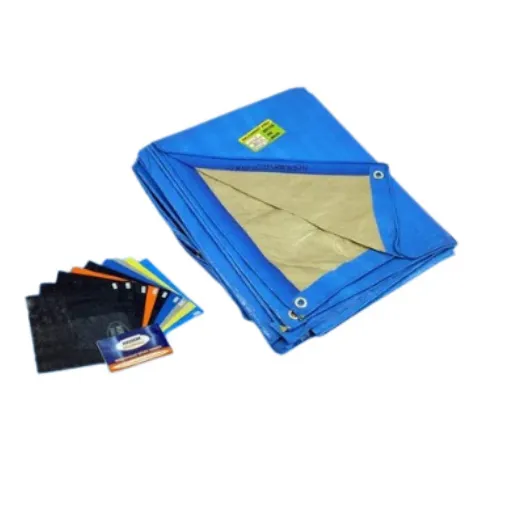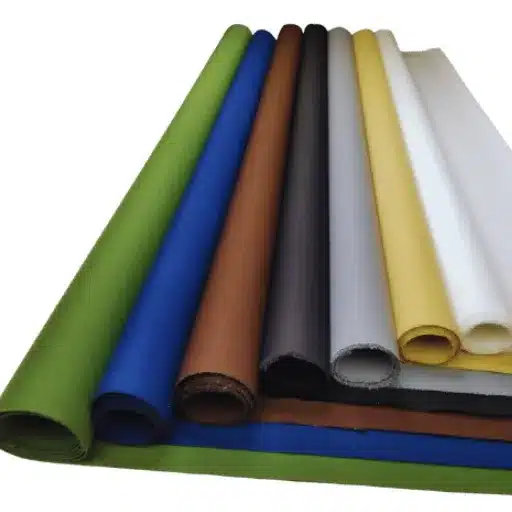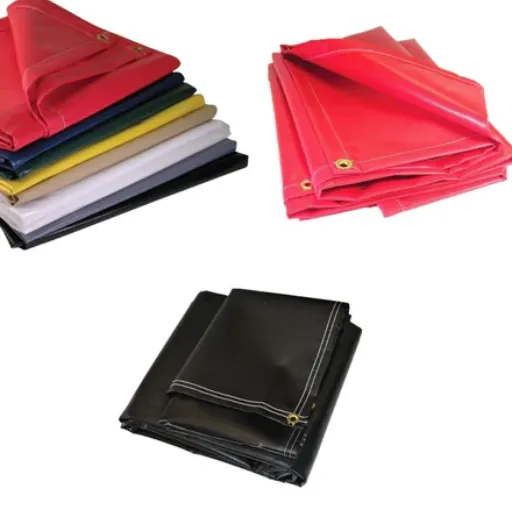
HDPE tarpaulin is the ideal material for various applications since it is a combination of hard-wearing, versatile, and water-resistant covering. Whether you are safeguarding assets like machinery from unfavorable weather conditions or creating roof solutions that remain in top condition or even looking for trustworthy ground protection, then HDPE tarps give no other choice but the maximum performance. This post centers on the distinctive characteristics of HDPE tarpaulins, which include material composition, cost benefits, and versatile uses in industry applications that are a part of the different markets. The purpose of the article is to encourage, inform, and educate companies in the discovery of the various ways HDPE tarpaulin could be beneficial to their daily activities, as well as to individual contractors and others in the outdoor community.
Introduction to Tarpaulin

A tarp, which is a common term for a tarpaulin, is considered a huge, pliable sheet composed of strong, waterproof materials such as polyethylene, canvas, or polyester. Depicted as a major line of defense against aspects of the environment that are detrimental, like rain, wind, or sun, tarpaulins can hardly be left out on building sites, transportation, farming, and even during outdoor recreation. They can also be renowned for their water, UV rays, and tear resistance, and thus they are always in demand as the best covers for goods, machinery, and even land in any weather conditions. Tarpaulins are, at the same time, economical and reusable products having edges reinforced and grommets attached to them for easy fastening when the latter are exposed to the elements and hence may need to be protected. The use of tarpaulins, for instance, would be an ideal option for giving the equipment an additional layer of protection besides the cases.
Types of Tarpaulin Materials
Importance of Waterproof Tarps
Waterproof tarps are important in a number of applications for providing the best protection against water, weather conditions, and other types of external damage. It is their principal reason for existence to create a barrier that no water can penetrate and to dry or at least keep safe the items or places they cover. This is very important, especially in the areas of transportation, construction, agriculture, and industry, where the safety of goods, machines, or materials from rain and humidity is their whole point of existence.
The toughness, tensile strength, and water resistance of the tarps have been greatly improved by the current developments in materials, such as polyethylene and vinyl. Thus, heavy-duty requirements are now being fulfilled by vinyl tarps that are the most sought-after due to their high resistance to lacerations, ultraviolet rays, and severe environmental conditions. Furthermore, weatherproof tarps have been extensively used in makeshift homes and relief operations, and have, quite luckily, saved lives by giving dependable protection against bad weather. All these different areas immediately bring out the demand for the use of weatherproof tarps in the present industrial scenarios. And thus, by playing a role in the lessening of water-related risks, they are indeed indispensable today.
Understanding HDPE Tarpaulin

A high-density polyethylene tarpaulin or plastic cover is a dependable and extremely strong material that is used for a host of reasons. This is a material that is made of woven HDPE fabric that is treated with polyethylene which adds to its toughness and water resistance. This material is very much in the public eye for the reason that it is very light, has a very high tensile strength and is completely resistant to such things as tearing, UV degradation and chemicals. This explains the fact that this type of tarpaulin is very commonly used and found in such areas as agriculture, construction, transportation, and disaster relief, where reliable and weatherproof covering is a must. In addition, the economic factor, coupled with the possibility of reuse, makes it a very desirable area in the case of a variety of sub-sectors.
Characteristics of HDPE Tarpaulin
- Durability:
HDPE tarpaulins have a crucial feature, which is their durability, owing to their woven polyethylene structure that provides an unusually high tensile strength. These tarpaulins can be left outdoors exposed to nature’s forces like heavy winds and rain for a long time and still not lose their integrity, i.e., still be reliable. - UV Resistance:
HDPE tarpaulins have a UV stabilizer coating and are thus highly and long-term resistive against the ultraviolet radiation. This feature is the ultimate reason for no decay or change in color when one exposes it to sunlight for a while thus considerably increasing its life span. - Waterproofing:
The foremost trait of HDPE tarpaulins is their exceptional waterproofing. Its moisture repellent nature helps it stay water- and moisture-proof by separating the objects or surfaces beneath it from the groundwater table. - Chemical Resistance:
HDPE material offers excellent resistance to chemicals, including oils, acids, alkalis, and is therefore best for manufacturing structures, which is often the case in the industrial and agricultural environments. - Temperature Tolerance:
HDPE tarpaulins maintain their integrity in quite a large range of temperatures. They can correct temperature problems like low and high temperature extremes with minimal or no change in their performance. - Lightweight and Flexible:
The HDPE poly or tarpaulins are not only highly durable but also lightweight and easy to deal with. The composite of these two assets offers users an easier time in terms of transportation, storage, and application in the field.
Benefits of Using HDPE Waterproof Tarpaulin
- Water Resistance and Durability:
HDPE waterproof tarpaulins have good water resistance and will thus keep whatever is underneath them dry and unaffected by liquids in the case of any rain, snow, or dew. The hydrostatic head in laboratory tests registered up to 1000 mm, a performance level that is considered to be exemplary for outdoor use with the facade of the weather using premium HDPE tarpaulin - UV Protection:
HDPE tarpaulins are commonly coated with UV stabilizers to provide a good deal of protection from sun-induced degradation which shortens their lifespan over time. The maximum level of UV protection that tarpaulins with such treatment can provide is the blocking of 95% of UV rays, and this is what makes them ideal for permanent sunshine-affected uses. - Tear and Abrasion Resistance:
The woven design of HDPE tarpaulins is the main reason for their exceptional resistance to tearing and abrasions, being a factor—yet their durable material also weighs in heavily. Woven HDPE tarpaulins are, traditionally, strong, with the tensile strength typically being 100 to 200 kgf/cm² values, and, as a result, able to withstand more stress and strain than can be applied for the most part, even when toughly treated. - Chemical Resistance:
Chemical Resistance is among those qualities which set HDPE tarps apart from the rest of the materials. The high level of resistance to chemicals, oils, and acids makes them appropriate for harsh substance exposure in industries. - Customizable Sizes and Coatings:
Another of the qualities of HDPE tarpaulins is that they can be custom-made to any size a customer wants to fit whatever the customers need. They can be coated with lamination or a variety of other coatings for that extra amount of protection, according to the user’s preferences. - Eco-Friendly and Recyclable:
HDPE tarpaulins are 100% recyclable; therefore, they will be ecologically sustainable. Also, many of the producers are using green methods for their production the lowest environmental impact possible.
Features of Waterproof HDPE Tarpaulin

Water Resistance
Concocted for the excellent waterproofing performance, HDPE tarpaulins can ensure that no water will enter your premises or the place where they are installed under the different atmospheric conditions.
Durability
These tarpaulins are built very sturdy to withstand the harshest weather and are resistant to UV, tearing, and abrasion, thus making them very durable.
Lightweight and Flexible
HDPE tarpaulins have the strength-to-weight ratio of steel but are very light and convenient to work with, thus multiplying their applications.
Customizable Options
These tapaulins are available in different colors, sizes, and thicknesses and can be customized to fit individual needs in various industries.
Long Lifespan
With high resistance to wear and environmental pressure, these tarps last for a long time while still being functional.
Durability and Longevity
High-Density Polyethylene (HDPE) tarpaulins have been meticulously designed to provide both durability and aesthetics at the same time, hence being versatile enough to be used in different areas. They have a molecular structure and are made up of high-density polyethylene that makes them have the strength to withstand tensile forces and also resist punctures, tears, and abrasions. Furthermore, the tarpaulins are very resistant to UV radiation as well, which causes no material wear and tear even when exposed to sunlight for a long time. The removal of water and heat-preserving power is also another feature that tarpaulins have for their waterproof property and can bear from somewhat cold to extremely hot weather conditions. Industry data states that these tarpaulins last anywhere from 5 to 15 years on average, depending on the intensity of use and the maintenance practices carried out, thus making them a cost-effective and long-term solution for both protective and coverage needs.
UV Resistance and Protection
HDPE covers made of high-density polyethylene are known for their durability and long life span of the structures due to the addition of UV-stabilizing agents included at the time of manufacturing. These agents work against the process of degradation by UV rays and some other factors so the product can be used for longer with the full strength and level of performance guaranteed. Data from research shows the UV-treated HDPE tarps to absorb the harmful rays by approximately 95%, which practically insulates the items of the one using the tarps – i.e., protects equipment, agricultural assets, and articles that are easily affected by substances like UV rays – from the sun’s damage. Further, the consistency of the fibers even when exposed to UV light minimizes the chances of the material becoming discolored and weak over time. The tarpaulin is an excellent example of a product where the two qualities of constant protection and material strength are united to create a durable product. And this is one of the reasons why HDPE tarpaulins are usually preferred in constructions, transports, and other forms of outdoor storage; the performance and life of a tent can be just as good if people take proper care of it.
Weight and GSM Considerations
Two variables determine the performance of HDPE tarps which are the weight and GSM (grams per square meter). Just like weight, GSM is an objective way to represent the fabric’s thickness and density, which in turn results in higher durability, tensile strength, and resistance to external factors like tearing and puncturing of the material all at once. Standard HDPE tarpaulins usually start from 80 GSM and can even go up to 400 or more GSM for very heavy demands. For instance, the heavy GSM tarpaulins are common in situations requiring very tough protection, such as being under industrial usage or bad weather, while you would choose the lower GSM variants for the short-term or light duty coverage only. The choice of the right GSM involves considerations of where and how it is to be used and its weight so that the performance is optimum and a good money-saving solution is provided as well.
Applications of Waterproof HDPE Tarpaulin

Waterproof Large HDPE tarpaulins are very strong and water-resistant and thus, are used in various industries for different purposes. They are used for:
- 1
Construction: For construction purposes, HDPE tarpaulins can be used as protective covers for scaffolding, building materials, and machinery. - 2
Agriculture: Serves as a reliable solution for covering crops, silage, or farm equipment to prevent moisture damage. - 3
Transport: The goods from being affected by environmental climates while being moved, thus, help in their safety and efficient transportation. - 4
Shelter and Relief: Often used in emergency relief operations as a temporary shelter or ground cover. - 5
Industrial Use: Hiding heavy machinery or raw materials and protecting them from exposure to unfriendly weather is their main function.
These various uses show that the product can be placed and perform in unfavorable situations without any problem.
Multi-Purpose Uses in Various Industries
Agriculture
One of the major contributors in modern farming is the use of materials that are readily available, like tarps or specialized covers, which are able to protect crops, silage, and equipment to a very large extent. These are necessary materials in the face of a high level of damage that can occur due to the exposure of the produce to the intense climate. The additional profits that can be made because of the controlled environment brought about by the use of the covers also contribute to the reduction of loss and spoilage numbers, as the conditions required for each product are maintained, whether during storage or transport.
Construction
These multifunctional materials are a necessary part of every construction site and are widely used for scaffolding covers, temporary enclosures, and dust barriers. Their good points lie in their strength and their ability to resist hard use, so they are the most essential means of preventing the work areas, machinery, and workers from getting spoiled by the rain, wind, and debris. Their use also has a risk-reducing effect due to their compliance with safety standards, and consequently, a project may run more on time.
Recreation and Events
In the recreational and event management sectors, these materials are highly admired. They regularly serve as tents, shade canopies, or flooring at the events. The material’s sturdiness and resistance to weather conditions enable it to be appropriate not only for temporary but also long-term uses, so that a certain event can be enjoyable and comfortable throughout. They are also portable and can be taken wherever, hence they are the best fit for the different kinds of events and the logistical needs in each event in an effortless way.
Common Uses for Heavy-Duty Tarps
Heavy-duty tarps are an example of human ingenuity and a promise to stand up to very adverse weather conditions. In this way, durability, give, and reliability are possible in many situations. A major use is in the construction industry, where they are covering scaffolding, machines, and construction materials thus protecting them from rain, dust, and debris. Furthermore, tarpaulins play a major role in the transportation and logistics sector as they are frequently used not only for the covering of the containers with the cargo but also for the protection of the merchandise during its journey, thus saving the cargo from weather and road conditions.
Agriculture industries use heavy-duty tarps for the protection of crops and machinery, for example, covering hay bales or making temporary shelters for the animals. They are also a backbone of disaster relief operations since they are used as roofing, water-resistant barriers, or emergency shelters in times of crisis. Where industrial work is concerned, they are mostly the casing for hazardous materials or the walls in the abrasive departments and painting shops. Residential storage, industry applications, or unfortunate circumstances the tarps always offer the cheapest and the most reliable protection in a lot of sectors.
Water Protection in Construction and Agriculture
Effective water protection is a very important issue both in the construction and the agricultural sectors in preventing any water-related problems and also in providing operational efficiency. In the case of the construction industry, water penetrating the building can result in loss of structural safety, delays in the implementation of projects, and, finally, higher expenses. Plastic tarps with a high resistance to tearing and advanced waterproofing materials are some of the most commonly used means to provide the necessary protection to the construction works from the rain, and also to prevent water from accumulating. At the same time, the use of vapor barriers and geotextile membranes is a must for reducing the water content in the soil and consequently enhancing the load distribution capacity of the foundations.
Similarly, the protection of water in agriculture is another essential way to maintain the productivity of crops and the quality of soil. Mismanaging water can cause soil erosion, nutrient loss, and flooding, all of which have a great impact on crop yields. Making use of different solutions such as covering with impermeable polyethylene, irrigation with tarpaulin, and even drainage systems, they are the most movable and practical option for dealing with the water moving and water excess. There is an increasing number of operations that are also making use of the latest sensor-based irrigation systems to have their water usage optimized very accurately, the result being that they save resources while enhancing production at the same time. Both the agricultural and construction industries have been incorporating these measures to protect the environment in a more general way toward sustainable and resilient practices.
Maintenance and Care for HDPE Tarpaulin

The necessity of routine upkeep is best reflected in the long-lasting and functional HDPE tarp, which regular maintenance greatly helps achieve. The primary action is to wipe the tarp with mild soap and water, and it is highly advised not to use any severe chemicals, as that process leads to the disintegration of the material. The tiaras are not safe to be stored or folded if not completely dry, which is another measure for mold or mildew prevention.
Periodically check the tarpaulin for any signs of wear such as a hole, a worn line, or a weakened spot by the attaching mechanism. Apply patching if there is a little damage but do it as soon as you can and use compatible materials for the purpose of retaining the strength and waterproofing.
During idle time, keep the tarpaulin in a place that is in a cold and dry climate, and where the sunlight cannot reach, and the temperature is even, the reason being the very evident one of weakening the UV-resistant property due to prolonged exposure. Besides, never drag it over a rough surface as you set up or store it in order to reduce abrasion.
Proper Cleaning Techniques
To adequately clean a tarpaulin and keep it functional, the approach of cleaning from the loose dirt and debris by a gentle touch broom or brush is a good way to start. Then, for the harder stain or dirt, you’d better have a cleaning solution made up of lukewarm water and a gentle detergent that does not contain bleach or other strong chemicals, which may destroy the coating of the material. In addition, do not forget to gently scrub the tarpaulin with the help of a sponge or cloth, with the focus on soiled areas, and meanwhile, do not apply so much force as it might damage the fabric. The next step will be rinsing it thoroughly with the use of clean water to remove the soap residue, which otherwise might be the cause of attracting dirt or mold later on.
If you want to get rid of mold or mildew on the tarpaulin, you can always go for a mild vinegar and water solution or a receiving-end mold killer, which is specifically designed for tarps. The good thing is that these substances not only keep the growth of fungi at bay but also maintain the tarp’s surface strength. Eventually, where the tarp is no more contaminated, it should be put in a place where it can dry naturally by the air, and this must be in the shade since the sun’s rays might crack the UV protection in the material if shaded UV exposure is extended. Regular cleaning is a good practice that not only reduces the tarp’s dirt accumulation but also makes it look new, while the integrity of the tarp is kept in good condition; therefore, the lifespan of the tarp is also increased by maintaining these qualities together.
Storage Tips for Longevity
- 1
Ensure Thorough Cleaning and DryingRemember to clean the tarp to eliminate all the dirt, stones, and water before keeping it. A portion of dirt might eventually lead to the formation of mold and mildew or compromise the material’s integrity over time. A cleaner with a pH value close to neutral is recommended for the tarp and left to dry. Drying under the sun with some residual moisture present has been shown to increase the chances of fungal growth up to 80%, which will drastically decrease the lifespan of the tarp.
- 2
Fold or Roll NeatlyThere are two good ways to fold tarps. Tarps can either be rolled or folded along their seams. The choice will depend on the size and material of the tarp. Rolling and folding are both good options, but it should be noted that the tarpaulin needs to be kept away from any harsh creases, as the latter may result in material fatigue or cracking. It is usual to suggest rolling the heavy-duty tarp as it diminishes the stress on the fiber.
- 3
Use Protective CoversTo control exposure to pests and dust, put the tarp in a protective, breathable casing. The use of plastic covers that are vapor-impermeable is not effective as they trap moisture and lead to the condensation build-up. Waste of water should be minimized to expose the tarp during the storage period, as it can be harmful to the quality of the tarp.
- 4
Choose a Cool, Dry Storage LocationIt is the best way to find a cool, dry place for the tarp to store it at and a temperature that is stable between 60°F and 75°F, and where humidity levels are below 50%. The material can be easily affected by humidity, and when it comes to tarps that have water-resistant coatings, it is they that are most likely to get affected faster. Keep the tarp away from both direct light and heat sources since exposure to UV can weaken the UV-protective layer of the tarp over time.
- 5
Avoid Stacking Heavy ObjectsDon’t put the tarp below heavy items. Weight on the tarp can cause stretching, which is more likely to happen with PVC or polyethylene tarps. The force that is applied to the tarp could make it split apart, get holes, or lose its function altogether.
- 6
Regular Inspections During StorageIt is likewise advised to take a look at the tarp every time it is stored for mold, bugs, or material wear. Promptly detecting and fixing small issues is a guarantee of avoiding big and cost-preventing troubles in the future. In situations of long-term storage, an inspection every three months is the norm most of the time.
Repairing Damaged HDPE Tarpaulin
Fixing damaged HDPE tarpaulin takes a structured method to recover its function and prolong its life. The first step consists of recognizing the type and the damage’s extent, like tears, punctures, or seam failures. The use of the adhesive repair tape, which is designated for polyethylene materials, is an extremely efficient way to fix small punctures or minor tears. It is very important to have the area affected by the damage clean and dry before applying the tape; thus, you will not get maximum adhesion.
If the situation is worse and the extent of the tear is bigger, the best options would be patching or heat welding. This method is effective like heat welding, where a polyethylene patch is fused to the initial tarpaulin through the usage of heat, which would melt and at the same time bond the materials in an almost unnoticeable way. The heat gun or a special welding machine will be required and the process is fully capable of keeping the strength and resistance of the tarp against water. In addition, another low-cost way to repair large holes is to sew the affected area with the use of a highly strong thread, and then apply waterproof adhesive on the seams to prevent leakage.
Regular inspection and timely repairs require your attention to avoid further decline of HDPE tarpaulins. By countering damage soon and using appropriate repair methods, the tarpaulins will be the same in their tensile strength and performance and will bear a long-lasting character no matter under tough conditions.
Reference Sources
1. Mathematical Approach of the Design and Fabrication of a HDPE Geomembrane Biodigester
This paper explores the use of HDPE and tarpaulin materials in biodigester designs, highlighting their waterproof properties.
2. Final Proposal – Northern Arizona University
This proposal includes the use of HDPE fabrics for creating waterproof barriers in extreme conditions.
Frequently Asked Questions (FAQs)
What is a waterproof HDPE tarpaulin, and how does it provide water protection?
A waterproof HDPE tarp is a tarpaulin sheet made from high-density polyethylene and designed to be waterproof, thereby giving excellent water protection to objects it covers. Very often, the material is laminated, or the seams are heat-sealed to augment the waterproof coating, which in turn prevents any possible leakage. These kinds of tarps can be bought in different sizes and may also have special features like reinforced edges and metal eyelets for convenient and secure tying down and hanging up. Because a lot of tarps are made from virgin fabric of polyethylene only, they are stronger than those that are not, and, additionally, they can be sun-damaged less and thus be perfect for covering boats, for example, or around the yard.
How durable is a heavy-duty HDPE tarpaulin for long-lasting use?
HDPE tarpaulins that have been built to last and, as such, are often seen with high tear-resistance and extremely durable edges. The heavy-duty nature of their build also makes the tarpalls multi-functional in the sense that they can be used as both a truck and construction site protector and are even generally recommended by HDPE manufacturers for the rougher conditions. A good number of the heavy-duty tarpaulins on the market are fire-retardant and weather-resistant, which implies that they are friendly to the environment while having longer lives. Selecting a higher GSM, such as 170 gsm, strengthens the tarp and increases its usage term as compared to lighter ones, such as 120 gsm.
Are waterproof tarpaulin sheets UV-resistant for outdoor exposure to sunlight?
Waterproof tarpaulin sheets can be UV-resistant. They are also treated to resist the degradation caused by exposure to sunlight. The process of making the sheets involves creating a UV-resistant surface by either applying some coatings or adding some substances that can be either natural or artificial to slow down the fading and deterioration of the material. Such things are crucial in the cases of outdoor uses like boat covers or truck tarps. The choice of UV-resistant HDPE brings about a situation where the physical features and waterproofness of the tarp persist in an environment turned bad with long-term exposure while remaining outdoors. Also, those who look for black HDPE tarpaulin have many manufacturers to choose from.
What are the benefits of using a black HDPE tarpaulin or waterproof tarp for storage?
Tarpaulins made from black HDPE are perfect at keeping the light out and can prevent UV rays from coming in, which ends up offering protection from sun damage and fading to the goods that are stored underneath. One of the main ways they are used is as outdoor storage, equipment cover, or heavy-duty truck covers, as they combine waterproof and heavy-duty features. The polyethylene fabric is resistant to water and can be treated with a waterproof coating or lamination to provide complete protection against the rain. There are, of course, many sizes of the tarp available in the market, being equipped with the metal eyelets, and the edges are reinforced, making it very easy to install and handle the tarp for all of the mentioned uses.