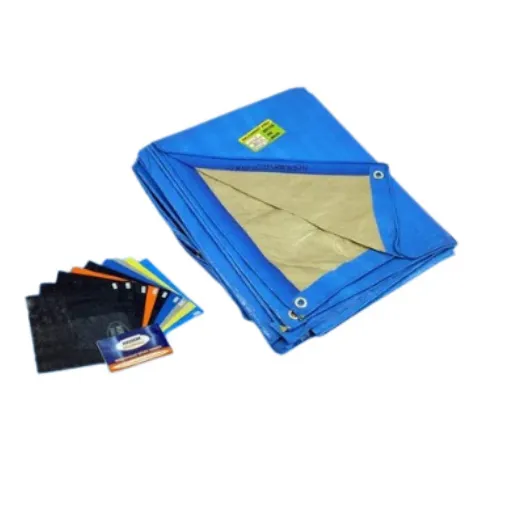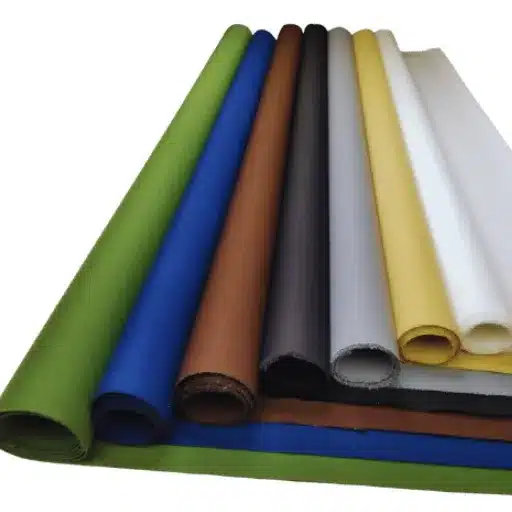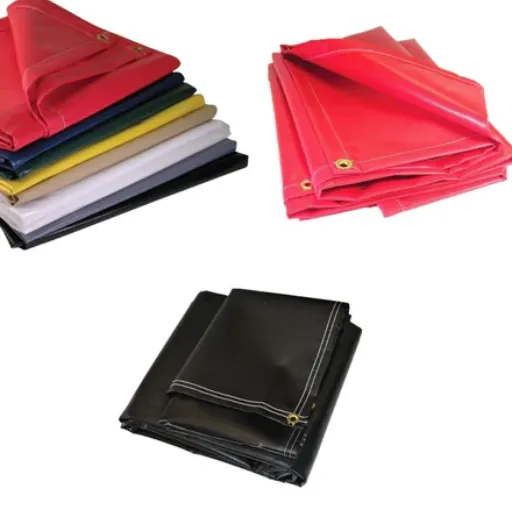
High-Density Polyethylene (HDPE) tarpaulin, made of plastic, is one of the materials that are most resistant to water and covers a big range of applications. For example, it can be most often used for protecting the goods from hot or rainy weather, though it may also work as a makeshift shelter or even as a construction project’s ground cover, the material always being highly resistant to water, UV rays, and wear and tear. The text is about the highlights, uses and advantages of HDPE tarpaulins letting readers in on the reasons for their being a common choice of many fields. Beginning with their tough composition and ending with their potential to be used in different conditions, we’ll be exposing the secret behind HDPE tarpaulin, having become a trusted material for both commercial and personal usage.
Overview of HDPE Tarpaulin

HDPE sheet, composed of high-density polyethylene, is a strong waterproof material explicitly made for prolonged use in hard conditions due to its lightweight. Its core strength is the woven HDPE fabric with a lamination guaranteeing a stronger and impermeable construction. The materials are designed to withstand the stress of the environment by water, ultraviolet (UV) light, and abrasion, leading to the best possible performance. The greatest advantage of using such a material is the flexibility, which allows the use for covers, temporary houses, or industrial packaging. In addition to this, the economy of their reusability and low maintenance also greatly supports the case. The HDPE tarpaulin market is generally huge in agriculture, construction, and logistics, where the demand for their use is so high that the customers’ requirements can range from very simple to environmentally challenging, with all kinds of conditions and locations.
What is HDPE?
High-density polyethylene (HDPE) is a thermosetting polymer that is manufactured from the polymerization of the monomer ethylene. The versatility of HDPE, strengthened by rapid commercial demands, is the most prominent factor in its flourishing evolution into major field applications. Geomembranes, plastic bottles, and corrosion-resistant pipe systems/tarpaulins are just some of the many fields in which the material exhibits its resilience against chemicals, water, and environmental stress cracking for extended periods of time. Largely, industries and in tough, unique, and demanding commercial applications are the most meaningful consumers of this material. HDPE is lighter, with typical density ranging from 0.93 to 0.97 g/cm³. That is why its structure does not form the most cumbersome burden on a load, which is so structurally weak. The melting point extends from 120-180°C depending on the grade type, thus ensuring good stability over a wide temperature range. Together with variations in brand, cost, and technical properties, this high-manufacturing-standard polymer has played vital roles in becoming globally recognized.
Characteristics of HDPE Tarpaulin
- High Tensile Strength
HDPE tarpaulins are very much resilient and can take a large amount of tension and with the result of that, they are not breaking the perfect choice for the heavy-duty needs such as covering goods or agricultural produce. - Waterproof and Weather Resistant
In addition, the material by its very nature is impermeable to water and can bravely stand various weather conditions, even including the rains and the UV rays. This makes the product long-lasting and reliable in the open air environment at the same time. - Lightweight Design
Whereas the density of the material used in the making of the HDPE tarpaulin is in the range of 0.93 to 0.97 g/cm³, it is still not heavy but very strong. This makes the desired tarpaulin, whether it is for the transport means or the primary use on the farm, more convenient to handle. - UV Stabilization
Moreover, a lot of the HDPE tarpaulin varieties include UV stabilizers that protect the materials from the impact of sunlight, hence the expectation of a longer service life for the product when used outdoors. - Temperature Tolerance
Moreover, HDPE tarpaulin is a versatile product that can operate in extreme temperature conditions, with a melting point range from 120°C to 180°C, without any loss of its capability efficiency. - Tear and Abrasion Resistance
Built to withstand tearing and rubbing, these tarpaulins are perfect for heavy-duty use making sure they retain their shape even if they are constantly being carried and bent.
Comparing HDPE and LDPE Sheets
Key Features and Benefits

1. Durability
The primary use of HDPE tarpaulins is in outdoor, industrial environments that are highly demanding; thus, they are frequently required for extended use.
2. Weather Resistance
HDPE is the material that provides the best possible protection against UV radiation and moisture; a fabric made from this material can not only withstand but properly function in the most diverse weather conditions.
3. Chemical Resistance
HDPE chemical resistance is top-notch which is why they are the number one choice for farmers and workers who are around chemicals all the time, in the first place.
4. Lightweight
Very strong as they are, HDPE tarpaulins represent a low weight option for handling, moving, and storing goods with maximum ease.
5. Environmentally Friendly
Recycling is predominant in HDPE and it is one of the reasons why it has and will continue to have a relatively lower impact on the environment than other materials.
6. Cost-Effective
Reinforcing fiber such as polyurethane-coated polyester combined with the lightest weight HDPE can be an ideal balance in terms of both performance and cost-effective yet valuable function for a vast range of potential uses.
Durability and Heavy Duty Applications
Tarpaulins made of High-Density Polyethylene (HDPE) are made very strong so as to be heavy-duty. As a result, they are good for use in various fields and areas. These are the most robust types of tarpaulins that you can find in the market. The multiple layers of HDPE are so tough that they make the tarpaulin virtually tear-proof. The tensile strength is so high that you will notice how tough the tarpaulin is even in the first pulling. Tarpaulins do not only resist tearing, however. They are puncture-resistant too. To say nothing of the rigid form which smoothly retracts following the removal of the force applied.
For building sites, HDPE tarpaulins are very useful as protective covers for building materials and machinery because they are waterproof and as well as protective. They are being used as vehicle covers as well, most particularly over trucks, for cargo security while transportation is ongoing, and it is one of the ways that the covering material can handle the difficulties of the road. With all of the advantages of tarpaulins, they are not just limited to trucks. They are also used in the agricultural sector as the best solution for protecting crops and hay against the loss brought by extreme weather conditions.
The resistance of HDPE materials to chemicals guarantees that the tarpaulins made of these materials can endure contact with oils, solvents, and other types of industrial chemicals, and become irreplaceable in the industrial setting. Also, their recyclability and low life cycle cost contribute to their environmental and economic potential, so the HDPE tarpaulins are a reliable and sustainable answer to the most difficult challenges in the production area.
UV-Resistant Properties
High-Density Polyethylene (HDPE) plastic tarpaulins are engineered in such a way that their performance is the best when it comes to UV rays’ resistance. The ones that are made with these materials claim to be able to absorb the sun’s harmful rays and thus not become weak because of the exposure to sunlight if left outdoors for a very long period of time. The main goal of the manufacturers is to keep the material’s structure and strength the same throughout the distribution and retailing processes.
Remarkably, the structural integrity of HDPE tarpaulins is not affected even when the weather is extremely bad. Businesses have shown that, in worst cases, the highest quality HDPE tarpaulins have still been performing well for more than five years without any issues of product quality, just exposure to continuous UV radiation; after all, they have specific additives and environmental factors. This minimal change permits the use of the needed products in different segments, such as those in agriculture, construction, and logistics. Moreover, the UV-resistant characteristics of the materials generally cut down the relatively high cost of using HDPE tarpaulins by saving money on frequent replacements and/little or no maintenance.
Waterproof Capabilities
It is widely known that HDPE plastic tarps show a wide range of waterproofing features, which are possible only due to the natural characteristics of high-density polyethylene (HDPE). Among the features, we can mention the non-porous structure of HDPE that will not let any water in; thus, it is a superb choice for applications where watertightness is a prerequisite. Moreover, the technology behind the whole production process gets the spotlight in terms of waterproofing, as the manufacturers use their dedicated techniques for bonding multiple layers together, thus making the end product a highly water-repellent one, able to resist heavy rainfall or be submerged in water. Most of the time, the test results show that the water absorption rate is nearly zero, and even after the long-term exposure to very wet conditions, the situation does not change.
The same tarps are also being built in a way to be able to hold on to their structure and waterproof abilities while in a wide spectrum of temperatures, so the chances of getting misshapen, broken, or perforated due to heat or ice situations are minimized. The strength of the HDPE tarpaulins is so high that they are widely used in the storage of agricultural produce, construction fields, and transportation, among the major areas where protection from water damage to materials is demanded. Furthermore, they will also be attacked on the microbial front, which will be conquered right away, hence their impermeability to water over time. The mentioned high strength and durability properties of the HD tarpaulins indicate their high applicability and reliability for long-term, as well as high-performance, use in all-weather conditions.
Applications of HDPE Tarpaulin

The quality of high-density polyethylene tarpaulins is the reason why they have so many industry applications. The agriculture field uses them extensively for keeping crops, hay, and equipment dry and safe from the elements. HDPE tarpaulins are essential at construction sites because they keep building materials and scaffolding dry and free from debris during the rainy season. In the transportation sector, these tarps are used to assist in the safe carrying of goods vehicles with truck covers. Also, they serve as temporary shelters in emergency housing and relief situations, offering an impenetrable layer against the natural elements. The exceptional characteristics of HDPE tarpaulins give manufacturers the opportunity to offer a product that is applicable in various sectors.
Use in Agriculture
Ultra-high density polyethylene (UHDPE) tarpaulins are of great use in agriculture due to their endurance, water-proofing, and light protection. Crop coverings protect the guarded crops from sun rays, thereby sheltering them against wind, rain, and frosting, which have harmful impacts on the crops. The abovementioned tarps serve as a versatile protection system for grain, fertilizers, and seeds of farmers. They are neither resistant nor subjected to the weather’s insult. Besides, they control weeds and prevent soil erosion so that agriculture could grow sustainably if used as ground cover. In the meantime, new material technologies, including lightness and a feeling of strong help for sustainability, too, while exposing natural, beautiful colors. That’s a narrow upsurge in terms of cost-effectiveness, allowing fewer operation expenses because of better-postharvest care and subsequently better store conditions. Crop protection and resource management now become problematical to execute in combination with the agricultural sector by use of HDPE tarpaulins. This is according to recent elucidation of industry executives.
Construction and Industrial Applications
HDPE tarpaulins are very popular in the building and factory fields because of their durability, flexibility, and economy. These protect the construction materials like cement, steel, and timber with fantastic coverage and as well as shield them from harsh weather conditions in the form of rain, snow, intense light, etc. Therefore, these are very useful in the construction site safety and operations for they are made from materials that are tear-resistant. A recent study shows that tarpaulins made of HDPE, which boast a UV-stabilized coating, increase the service life of materials covered by them by at least a year, while the maintenance costs are reduced. In industrial use, such huge tarpaulins are common for the purpose of shielding cargo during transportation, and when used as a covering material in the warehouse and packaging industry. Their utility in varied operational environments is even more enhanced by their availability in custom sizes and the thickness feature.
Emergency Relief and Temporary Covers
HDPE tarpaulins are extremely vital for temporary shelters in emergency housing and are also widely used in natural disaster relief efforts on account of their lightweight, durability, and ease of installation. Varieties of tarpaulins are generally widely used after natural disasters such as hurricanes, floods, or earthquakes for sheltering homes, keeping affected parties and animals out of harm’s way, and storing consolidated supplies. These tarpaulins are water-resistant and UV-resistant, making sure they withstand heavy-duty conditions and allowing very little material investment in multiple weather conditions with a limited chance of decay.
HDPE tarpaulins have been further optimized for humanitarian use through recent advancements, namely increased tensile strength and prolonged functionality in high-stress environments with enhanced coatings. The study also found that tarpaulin kits could dramatically lower the time needed for the whole setting; hence, the process could be quicker, and resources could be distributed more effectively during emergencies, the most crucial times. Furthermore, the tarpaulins’ recency of use in disaster scenarios assists in saving resources and is not only cost-effective but also a green way to deal with the waste problem.
Manufacturing Process of HDPE Tarpaulin

The process of making HDPE tarpaulins is a very thorough one with a lot of steps to make sure that the product is durable and performing as per the required standard. Initially, to produce a measurement for small granules of high-density polyethylene, the granules are melted and extruded. Then, to make a plastic fabric of stout and at the same time flexible, machines specialized in weaving are used for that purpose. The following step is to laminate, or add more layers of PE (polyethylene) coating to the base fabric which helps in increasing its strength, water-proofing and UV rays resistance. And in the latter stages, the material goes through a cutting operation and the cut pieces get sealed on the edges to secure so there is no subsequent fraying. Optionally, among the final actions, eyelets or extra reinforcements may be attached to make it easier for the user to install the cover securely.
Raw Materials and Production Techniques
It all starts with the choice of the best-quality materials in there to make the polyethylene tarpaulins the best way possible. The main polymers of high-density polyethylene (HDPE) and low-density polyethylene (LDPE) are highly valued because of their strength, flexibility, and resistance to environmental stressors. In the process of formation, these polymers are used along with stabilizers and UV inhibitors in order to be more long-lasting and efficient outdoors.
The production process is highly systematic and involves four or five different advanced manufacturing methodologies. In the beginning, granulated polyethylene is extruded to produce fine polymer threads, which are then interlaced into a very tight fabric. This fabric is coated, and during the process, the molten polyethylene layers are applied and go through the controlled temperature and pressure settings to create a seamless, waterproof surface. The computer-aided machinery in the present-day production plants takes care that everything is perfect, and there is no deviation in coating thickness and fabric density.
Moreover, the application of automated quality control systems in the production line also provides the chance for the instantaneous monitoring of primary aspects such as tensile strength, tear resistance, and UV protection levels. For the reason that these values have a decisive say in perceptions of the final product, especially in cases where it is of paramount importance to rely on the product, as is the case during demanding situations like construction, agriculture, or disaster relief. By the combination of innovative material manufacturing and latest technology, the polyethylene tarpaulins are being designed to meet the very high standards of both industry and the environment.
Quality Control Measures
Polyethylene tarpaulin has a quality control process that is strictly followed following industry standards, adopting very accurate testing techniques and leading technologies. Fourier Transform Infrared Spectroscopy (FTIR) and Differential Scanning Calorimetry (DSC), with the help of some other methods, are used for chemical composition and thermal property analysis, the most important material characteristics. Grading from these techniques is enough to give uniformity to the base polymer, and hence it will lead to almost the same or very close durability and use performance of the products for multiple applications.
Furthermore, the company performs stress tests on its products by simulating a variety of harsh environmental conditions including heavy rain, strong winds, and extreme temperatures for the purpose of confirming the product’s durability. The accuracy of the product’s dimensions is confirmed by laser-based measurement systems to reduce tolerances to a minimum level and, as a result, ensure that there would not be any problems at the time of field application. Quality benchmarks are continuously monitored with the use of statistical sampling methods through different production stages with the objective of keeping the defect rate within the prescribed limit and ultimately to maintain the quality level of 99.5% or more in line with ISO 9001 at all times. Applying the highest level of standards results in polyethylene tarpaulins that are guaranteed to perform at the highest level even under the most difficult conditions.
Environmental Impact of HDPE Tarpaulin

Polyethylene high-density tarpaulins have a double-sided impact on the environment. First, due to their toughness and resistance to environmental factors, which means they last long enough for fewer replacements to be needed, and less waste is then produced. Also, it is possible to recycle HDPE with the right facilities, which will convert the material into new products, thus cutting the amount of waste being disposed of in landfills. On the other hand, the production of HDPE involves fossil fuels, and therefore, the process comes with a lot of greenhouse gases, which cause pollution of the air. Not only this, but also the inappropriate throwing away of HDPE tarpaulins can cause microplastic pollution of the environment. The only way to prevent such environmental impacts is to increase the usage of recycling programs and always bear in mind responsible production methods.
Recyclability and Sustainability Efforts
Globally, scholars have taken up the issue of improving the recyclability and sustainability of HDPE tarps, and there have been significant advances with technology and policy setting the pace. The High-Density Polyethylene (HDPE) material is much sought after as it is tough and, at the same time, recycling it is very easy, with many factories now having machines that can recycle any kind of HDPE products and turn them into raw material which can be used to produce new things. As per the present data, the HDPE material mechanical recycling process can salvage up to 90% of the material, while the quality of the recycled material is not much affected, which adds to the environmental friendliness of the material.
Many nations are taking measures to address the issue of recycling. Extended Producer Responsibility (EPR), mostly taxation, is one of the approaches that puts the burden on manufacturers to properly handle the recycling of their products. Usually, these rules influence the companies to utilize recycled HDPE content in the making of new products, with a greater impact on sectors dealing with plastic materials such as construction and agriculture. Moreover, the scientific study on chemical recycling, through a process of breaking down polymers to their original monomers, is giving the opportunity to take care of the reprocessing of HDPE products that are mixed with other materials, which are hard to recycle.
There is a call for sustainability in this part, which appreciates consumers for the green products, giving further support. The businesses are adopting more and more HDPE tarpaulins containing up to 50 % post-consumer recycled content, thus ensuring a circle of life, while at the same time reducing the reliance on virgin plastic. In order to get the best out of these initiatives, there must be awareness campaigns and the education of the right recycling practices, essential for minimizing the environmental footprint that is linked with the use of HDPE tarpaulins.
Reducing Waste and Promoting Green Practices
The efficient way to minimize the environmental consequences of HDPE tarpaulins is to put in place closed-loop recycling systems. Such systems deal with used tarpaulins by recovering them, turning them into high-grade recycled pellets, and then weaving them back into the production cycle. It is proven that the usage of recycled HDPE material can bring down greenhouse gas emissions by about 25% and, at the same time, save energy through the production process. Moreover, the move to green practices, such as the use of water-based inks for printing on tarpaulins and reducing volatile organic compound (VOC) emissions, ensures a safer manufacturing environment and lessens the ecological impact.
Fostering the adoption of sustainable practices by the public also encompasses making the supply chain work in collaboration. Hence, designers, makers, and end-users have to take part in activities that bring used tarpaulins to the recycling stage through collection and sorting. Moreover, the setting up of a system that rewards those businesses that use biodegradable or reusable materials is likely to make the switch to sustainable practices faster. Certifications from industry and third-party audits act as the main tools that give credence to the fact that the environmental impact of an organisation has been reduced, thereby enabling companies to show that they are committed to eco-conscious operation. It is through such practices that the firms not only meet the global sustainability goals but also enhance the long-term resource efficiency.
Reference Sources
- An investigation of surface properties and composition of HDPE and recycled HDPE with additives
Read more here - The co-cultivation of rice and algae to improve process economics for algal biofuel production
Read more here - Evaluation of Plastic Tarps, Reduced Rates and Low-Impact Application Methods of Soil Fumigants on Loblolly Pine Seedling Production
Read more here
Frequently Asked Questions (FAQs)
What is an HDPE plastic tarpaulin used for?
An HDPE plastic tarp is a durable, lightweight covering that is used to protect and hide various items, equipment, and outdoor spaces. A particular favorite tarp for being damage-resistant from the Sun, it is strong enough to be in service for a long period of time. Apart from the variety, Poly layers are the ones and the reasons to make these tarps water-resilient and tough. Many of them are available in different sizes and have grommet reinforcements that make it a simple tie-up.
How quickly can I get an HDPE plastic tarpaulin?
Offerings vary depending on the supplier, but most of the merchants have overnight shipping while the ready-sized tarp is in the common size(s). Same-day shipping is an option if the inventory is up to date to provide various size options. Custom orders might be the case; however, the quick non-standard options will help them in emergency needs. Keep an eye out for vendors that stock up and dispatch quickly.
Are HDPE tarps available in different finishes, like laminate?
Yes indeed, you may get HDPE tarpaulins in a variety of finishes, such as laminated surfaces, which provide you with both waterproofing and abrasion resistance. Adding laminate layers will also toughen the tarp but while keeping it light and the layers flexible. Besides that, there are the poly tarps that are without a laminate, and they are more breathable and hence good for temporary covers. The decision between laminate and non-laminate really depends on whether your need is for long-term protection or a short-term, cheap solution.
Can I use an HDPE tarpaulin for home projects?
For sure – HDPE tarps are a multi-purpose tool for home use. Outdoor party covers, protection of the furniture while the room is under redo, emergency shelter setups – they fit in everywhere. Moreover, these items are lightweight, easy to use, and also come with reinforcements such as grommets for simple tying and fixing. A lot of homeowners are selecting laminated or polyethylene tarps as they offer resistance to UV and keep the items inside them dry. To mention, poncho-style tarpaulin or small cloth-like pieces are also pretty handy for personal coverage or camping.