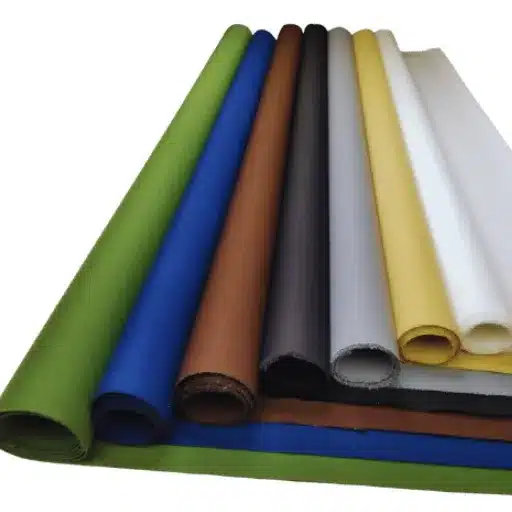
One of the key objectives in the NFL(National Football League) has always been to have clean and well-prepared high-quality turf surfaces, as the safety of the players, the overall appearance of the game, and field integrity are directly related to the turf quality. Nevertheless, the old-fashioned way of field management is currently being overturned through the integration of state-of-the-art automation technologies. With everything from high-tech turf monitoring systems to self-operating maintenance machinery, the picture in the sports field management area is that of rapid change. In this article, we are going to look at the impact of automated solutions –they are transforming the future of NFL field protection and offering unrivalled precision, efficiency, and sustainability. Indeed, this detailed and thorough article will give you a different perspective on the changes being brought by a combination of high-tech and grass management, whether you are a professional in the sports industry, a tech-lover, or a real football aficionado.
The Growing Importance of Technology in Professional Sports

In professional sports, technology is playing a bigger and bigger role which is seen as a critical area of innovation being the turf management. Automated solutions like robotic mowers and soil sensors have changed completely how the NFL fields are kept and maintained. They give exact measurements of humidity, grass health, and ground hardness, contributing to the safety and performance on the field. The latest innovations with GPS-guided mowers make it easier to produce consistently good turf quality while also cutting down working hours and mistakes. And, with the other side of the coin being modern irrigation technology, it is possible to be very thoughtful of the water used, bringing environmental-friendliness and operational ease together. The teams that integrate these technologies can not only control the superior playing surfaces but also cut down on the environmental footprint at the same time thus, showing the greater dominance of technology in modern sports operations.
The Role of Innovation in Enhancing Game Day Experience
In today’s world, the introduction of creative ideas has been a major driving force in the sports spectator’s experience during the game, blending with the traditional viewing ways to involve the user in a way. The interaction of a new face of technologies—augmented reality (AR) and virtual reality (VR) on the grand sport event day has been a major breakthrough for fan engagement. With these tools, viewers are transformed into a new world where they can be an active witness to the sports event and can cheer their favorite team players based on their performance with the help of these technologies.
In addition, new mobile applications and the linking of places with 5G networks make the game day experience really fast and smooth as far as communication and ticketing, concessions, and live updates are concerned. The stadiums of the future are full of gadgets like IoT and using data analytics to the max through AI, the latter of which altogether leads to the simplification of organizing huge gatherings, the enforcement of strict safety measures, and the making of continuous and fast adjustments that will fit the fan’s moods. The experience of going to a game is not going to be the same as before, as a different approach by the venue concerning the audience will continue to be a norm which is why data-driven schemes have come in handy to the situation, by, for example, changing to the best-selling food items and making the entertainment program follow the audience’s structure.
Technology’s Impact on Player Safety and Performance
The use of technology has greatly improved player safety and performance in a number of different sports. Wearable devices like GPS trackers and biometric sensors keep the teams informed about the athletes’ physiological state, movement patterns, and workload instantly. This information helps the coaches and medical staff to spot and react early to the first signs of fatigue or injury and hence, take steps to prevent the risk of lasting damage. Moreover, the cutting-edge materials introduced in the helmets with the shell and the padding with sensors that can measure collision forces have brought about a completely new level of player safety in contact sports,among other safety gear developments.
With respect to performance, motion tracking systems and video analytics equip players with situational understanding pertaining to their movement, manner, and decision-making during the game. Through the given numbers, athletes and trainers are able to pinpoint the weaknesses and come up with specific measures to improve the performance. Artificial intelligence and machine learning provide extra support to these means and they consequently produce training routines that are customized for each athlete according to his/her specific needs. These new technical developments are not only lowering the chances of injuries but also bringing the best out of athletes, leading the way in sports recovery and security standards upgradation.
Overview of Automated Systems in Various Sports
| Technology | Application | Key Benefit |
|---|---|---|
| Hawk-Eye | Ball tracking and decision-making | Accurate, real-time match decisions |
| VAR (Video Assistant Referee) | Reviewing referee decisions | Eliminates human error in officiating |
| Wearable Sensors | Tracking athlete performance metrics | Data-driven performance optimization |
| GPS Tracking | Monitoring player positioning | Tactical improvements and injury prevention |
| Smart Training Platforms | Personalized athlete training programs | Enhanced efficiency with data insights |
| Automated Drones | Recording live sports events | Improved viewing angles and coverage |
| Goal-Line Technology | Verifying if a goal is scored | Precise scoring, minimizing disputes |
| Biomechanical Analysis Systems | Analyzing motions in athletes | Injury risk reduction and technique refinement |
| AI Match Prediction Models | Predicting match outcomes | Data-backed insights for teams and analysts |
| Smart Stadium Systems | Enhancing fan engagement | Real-time updates and interactive experiences |
Evolution of Stadium Technology

The technical advancements in the stadium sector have been substantial to improve both the viewer experience and the efficiency of the operations. Smart technologies are now an integral part of the modern stadium infrastructure. They support many functions, namely providing fans with real-time updates, more connectivity, and interactivity. The use of high-speed Wi-Fi, mobile ticketing, and facilitated AR/VR experiences empowers the guests to tailor their event experiences. On the side of the operators, energy-saving lighting, automated security systems, and crowd control technologies are making stadium performances better and better. The application of these new technologies guarantees the safety, sustainability, and smooth running of the events while indicating the tendency of the industry towards the use of intelligent and environmentally friendly solutions.
From Manual Methods to Automation in Field Protection
The combination of automation and the latest sensor technologies has played a huge role in the development of the field protection methods. Historically, the field of protection was rather low-tech, involving such measures as reciprocal field tarpping or heavy reliance on the work of people during the period of adverse weather. There later appeared automation solutions for that, such as retractable domes and agriculture precision irrigation systems. The systems receive environmental data from the IoT sensors in real-time, thus making the decision making faster and the operational delays shorter.
Automation is a systematic process in which human labor becomes unnecessary, and at the same time, it becomes more effective in the utilization of resources like water and energy, all the while keeping itself align with sustainability goals. For example, the stadiums that have automated field protection systems are able to observe and deal with the soil moisture, weather forecasts, and surface conditions simultaneously; as a result, the field is always ready for playing and with minimal need for human effort. It is clear from the shift that there is an increasing number of people who are looking for technological solutions to maintain their fields’ quality through careful and wise use of time and resources.
Key Milestones in Stadium Technology Development
- Introduction of Retractable Roofs (1989): First fully retractable roof got installed at Toronto’s SkyDome, which is now the Rogers Centre, in 1989, marked by a rampant advancement in stadium architecture. The operation of this technology in differing weather conditions is what that gave the stadiums versatility as it enhanced the experience of the viewers and also made the events more diversified.
- Implementation of LED Lighting Systems (2000s): The energy efficient LED lighting systems were installed in the place of the traditional stadium lights during the 2000s. Consequently, visibility and broadcast quality were increased and at the same time, energy, and maintenance costs were a lot to reduce, therefore, meeting modern sustainability needs at the same time.
- Adoption of Hybrid Turf Systems (2010s): The adopters of hybrid turf systems were actually in the 2010s decade. The grass plus artificial reinforcement material was the combo that was being used in these hybrid systems, the ones that were superior regarding performance and durability. At the same time, this innovation was reducing the possibility of player injuries and thus adding up to the life span of playing surfaces which would still be the same without these technologies.
- Deployment of IoT-Enabled Devices (2015 onward): Started during the second half of the last decade, Internet of Things (IoT)-based systems have brought mini-revolutions among utilities by way of crowd monitoring, energy usage optimization, and predictive maintenance in facility management. These technologies have significantly aided transformation of operation decision making supported by the collection and analysis of real-time data.
- Integration of 5G Connectivity (2020s): In the coming 2020s, integrating 5G technology is a dream come true for big arenas where It is not only going to be beneficial by offering ultra-fast internet speeds but also enabling lots of digital interaction, and allowing fans not only to view but also to stream content, which is very much a step towards the possibilities of AR and VR technology at a live event.
Transition to Automated Field Protection Systems
Amidst the never-ending progress of sports infrastructures, automated field protection systems have been introduced as indispensable devices that are in charge of pitch quality and its maintenance. Weather-related harm and excessive wear among the playing surfaces are the major threats that these systems protect against, as they incorporate a combination of advanced sensors, analytics, and automated mechanisms. Through the application of data-empowered insights, automated systems constantly supervise soil conditions, water content, and well-being of the lawn continuously. This allows accurate application of water and nutrients, as well as the provision of aeration at the moment soil conditions demand.
Moreover, the current technologies applied for field protection cover the use of retractable shields, special kinds of heaters, and the installation of UV lighting to make the playing area in its best condition under different climatic conditions. As an illustration, heat may be poured into the turf through the heating system under it so that the turf won’t freeze during the harshest winter, meanwhile, UV lights will be operating to curb the potential growth of fungi on the one hand and help in the re-establishment of the turf on the other hand. These units of technology together are comparable to the number of broken days, the quality of player performance, and the live span increase of the field, so in that way the place can be always used for the pros of the game. The use of automation not only makes the facilities work like clockwork but also puts up new sustainability standards, which are normally set in sports settings, all over the world.
Benefits of Automated NFL Field Protection

- Enhanced Field Durability: Such systems secure the turf against high wearing activities and environmental factors which not only prolongs the surface’s life but also cuts long-term maintenance costs.
- Consistent Playability: By brooming all field conditions, automation comes very close to the perfect scenario with consistent levels of moisture, drainage taken care of and treatments applied at the points marked with high precision.
- Time and Labor Efficiency: For the time being, with automated systems, less or no human effort required to obtain a certain result, resources do not only remain but also the job is done much quicker and more accurately.
- Weather Adaptation: Techniques such as the use of heated covers and UV lighting, to a great extent, toughen the fields for very bad weather, and so, the days of operation will be prolonged to any season that nature imposes.
- Sustainability: Automated processes significantly reduce waste through water use optimization and treatment systems, thus making operations friendlier to nature.
Preserving Turf Integrity and Reducing Wear and Tear
With advanced method of maintenance and innovation, the impact of protecting turf quality and reducing soil compaction and wear tear has become more and more in the reach. For example, the aeration processes employ extremely accurate tools to break the soil compaction, increase root growth, improve water penetration and for that ensuring the sports fields’ and the green areas’ lifespan. Besides, grass and synthetic fabrics are combined in hybrid turf systems, which then lengthen the durability of these surfaces and make them less susceptible to high traffic, ultimately resulting in no bald or thin areas and prolonging the first player-friendly environment for the tournament.
The further implementation of performance monitoring systems is even more supportive of the effort as they analyze the patterns of use and pinpoint the high-impact areas. By using data, these systems give the direction for the preventive maintenance, for example, by changing mowing heights or applying more treatments to certain places. Researches show that using integrated pest management (IPM) and nutrient-specific fertilizer plans also result in lower damage rates, conserving turf health through the application of exact and timely interventions. This new low-damage management combination will eventually save the turf and the environment at the same time while creating the standard for good field management.
Optimizing Field Conditions for Player Performance
The most important thing to consider when you are talking about the performance of the player is that the field is the same every time. It has been proven that sports fields should be compacted at the level of 75-85% which is considered the Optimum Proctor density value. This is because in order to get the best surface stability and drainage system that is adequate, it is important to have the soil at such a compaction level. The excessive compaction will affect the root system and infiltration of water, while the minimum compaction will expose the surface to unevenness and injuries to players. In addition, the soil should have the proper moisture content. Normally, sports fields typically yield the greatest results when their volumetric water content is kept at about 15-25%, depending on the type of soil and the kind of turfgrass that is present. Sensors and predictive algorithms are some of the pivotal components of an irrigation system that allows it to water precisely, thus reducing the variance and saving the water habitually.
To enhance field uniformity with the help of regular aeration and topdressing is the ultimate situation of the field, in which the two main processes of soil compaction release and root ball aeration are also favored, subsequently resulting in an enhancement of the grass hardiness. The field’s drainage capacity is further improved through the use of sand-based mixtures in topdressing materials, hence reducing the chance of waterlogging during bad weather breaks. Which is the ultimate for the field and the players, when these through measures are incorporated to the aforementioned, the outcome is optimized playing surfaces that support consistent player performance and decrease the risk of injury at the same time.
Extending Turf Lifespan with Advanced Technologies
The innovation of precision technologies in the turf-care world has drastically changed the game regarding how long playing surfaces can last. Machines of remote sensing, like multispectral cameras and soil humidity detectors, generate, besides real-time monitoring, most critical information on grass quality, and physical factors like lack of nutrients, or susceptibility to diseases at their early stage. Moreover, GPS equipment with guiding helps in making the fertilizers’ and pesticides’ spreading uniform, that way any waste is cut down on and, from the view of minimizing environmental impacts, it has a great potential. The use of pin-friendly data together with the computational and communication power makes the management of
Including the latest discoveries on turfgrass genetics, one factor that affects longevity is the technology utilized in the creation of new organisms. Now the most recent developments are about to make the most resistant cultivars. They will be more pest, disease, and extreme-climate-resistant and would cost less in terms of watering and chemical input over the long run. As for the grass, AI-driven mowers ensure that grass is cut at an optimal height which is the same every time. This is expected to lead to the reduction of the wear of patches as well as the even growth of the grass. Therefore, not only does one get a turfgrass area that lasts longer but also has better quality, hence reducing maintenance costs and at the same time advancing sustainability.
Enhancing Player Safety and Operational Efficiency

In order to increase the safety of the players, the most modern field monitoring systems are being implemented to evaluate and keep the playing conditions at the highest level. Moisture levels, soil firmness, and surface temperature are detected by the sensors in the turf and these data are sent in a real-time mode to the field safety standards. In addition, absorbent materials are increasingly being used in the construction of the fields to mitigate injuries like concussions or joint damage. The whole system is controlled and maintained in an automatic way and Management Systems are integrated. The use of robots for mowing and irrigation is a powerful tool for both soil and field quality improvement as it reduces man-power and boosts precision, and hence, a lot less resource will be needed. The mentioned technologies are well connected so players will be provided with a safe environment and the facility management will be easier to do.
Ensuring a Consistent and Injury-Free Playing Surface
It can be said that the assistance of modern technology is indispensable in maintaining a steady and safe playing field for athletes. The green grass is being worked on by the workers continuously through the help of data from the sensors that are embedded within the turf, to measure, for example, the level of hardness, the moisture and the health of the grass. The sensors are very smart and give precise measurements that make the maintenance team detect the probable problems early enough, such as spots that may be not leveled or irrigation issues, that in the end make the ground not safe for the players. In addition to this, the use of motion analysis systems in field management which monitor the pressure on the specific zones during gameplay indirectly help in finding the weak points that need more support or repair.
Improving Operational Efficiency for NFL Franchises
Enhancing the operation efficiency of NFL clubs will need the addition of advanced analytics as well as the utilization of innovative, integrated technologies. Teams, by the means of real-time information from player performance indicators, stadium operations, and fans’ interactions, will be able to react faster. The use of predictive analytics, for instance, can optimize player training habits so that players are less prone to injuries and their on-field performance is maximized. Moreover, the stadium can adopt the use of IoT-based devices for energy consumption monitoring and/or automatic maintenance operations. This will lead to cost-reductions and sustainability enhancements, almost as a byproduct of the process. On top of the current measures, putting in place advanced ticketing systems with dynamic pricing models that connect well with the fan-app allows the franchises not only to have the maximum revenue but also to provide the fans with a seamless experience.
Cost Savings Through Automated Solutions
The inclusion of automated solutions into the workflow of operations has been a turning point in cost cutting in several sectors. For example, through machine learning-powered predictive maintenance technologies the system can identify potential failures in equipment by analysing the historical and real-time data. Maintenance costs can be reduced by 40% by the businesses that have prevented downtimes due to the equipment breakdown. In addition to that, Robotic Process Automation (RPA) deals with the uniform tasks like data entry or invoice processing and by this labor costs have been slashed by half. Moreover, the Smart Energy Management System, with the integration of sensors and AI-driven platforms, makes possible the lowering of energy consumption by 15-20% and thus reducing the utility bills potentially for end-users.
The Future of Automated Field Protection Systems

The development of sensor technology, real-time data processing, and machine learning algorithms will determine the future of the automated field protection systems. The field of these systems’ applications will move in a direction where threat detection will be much more accurate and the response time will be significantly shortened, thus, the systems’ reliability in critical operations will be greatly enhanced. And the widespread use of IoT gadgets will make possible consistent monitoring throughout large geographical areas. Thereby, the coverage will be better and the requirement of manual surveillance will be less. Also, the systems, via predictive analytics, will become capable of foreseeing possible dangers and thereby avoid non-productive time and disruptions.
Innovations on the Horizon for Sports Field Management
Integrated development of the most useful technologies in the field of sports field management has made possible the use of advanced irrigation systems. The new smart irrigation technologies are able to feed real-time data to software, which will be in charge of watering the soil and robots that will be over the grass. They react to what they sense in a split of a second and exactly. Water waste is reduced to a minimum while optimal hydration is assured through changes in the water distribution pattern. In addition, climate forecast-guided automatic scheduling also makes the system more effective, particularly in places where there are frequent changes in weather that are very hard to predict.
There continues to be a very strong emphasis on the need for sustainable practices. A number of new turfgrass breeds have been engineered for long life and environmental compatibility. The scientists working on this project have created turfgrass that is not only much more drought-tolerant but also requires much less water, fewer chemicals, and still has a much longer life, especially under high-impact sports. These new technological breakthroughs not only help to reduce the environmental footprint but also to prolong the life of the sports surface therefore decreasing the costs related to the maintenance of the fields for those in charge of them.
The field of sports surface management is being revolutionized by AI and machine learning, which are giving the field, the benefit of the predictive algorithm-based actionable insights. These systems are designed to delve into the historical and real-time data, that is to say, they forecast field wear, do the optimization of maintenance schedules, and are also able to anticipate potential issues before they materialize.
Final Thoughts on the Role of Automation in Football
The automation of football isn’t just a future-looking idea, it’s a must-have change that revolutionizes the way the game is run, played, and seen. These advancements, ranging from AI-enhanced performance analytics to maintenance automation, are the epitome of their kind when it comes to any other sport. One basic argument can be the enhancement of player performance metrics by up to 20% with the help of data-driven decision-making and another could be the day-to-day operational costs and downtimes that can be saved through predictive maintenance technologies. Another area of deployment is the combination of IoT and Machine Learning which is inclined towards cost-saving operations and also ensuring both player safety and public relations are at peak levels like never before.
Reference Sources
Frequently Asked Questions (FAQs)
How does automated nfl field protection safeguard a football field?
Automated nfl field protection uses automatic covers and inflatable field cover systems to deploy field tarps rapidly while maintaining the quality of the field and protecting the natural grass and synthetic surfaces from frost, snow, or extreme weather. These systems are usually AI-driven and remote-controlled, allowing the sports facilities to quickly cover the field before matches. The sports teams in the nfl and around the world frequently use the tried-and-tested field management tools like the MatchSaver automated covers to ensure the best possible field and playing environment. The recyclable, polyethylene tarpaulin materials, and waterproof polyethylene tarpaulin options provide UV protection and long-term durability.
What types of field cover options exist for american football venues?
Field protection options provided by the use of air inflatable covers, auto roller covers, and large heavy irritability covers promote the betterment of playing surfaces. Automated covers offer the best solution when the humidity problem is the worst. The covering systems for the grounds can be used for the whole season instead of just a couple of days which would be a great advantage for the football however sometimes they fail due to the degradation by the ultraviolet light of the sun and eventually they get worn out during rainy weather. Covering can be made to keep the turf less wearied less often simply by not letting the wet weather stop the event where the field is getting worn out.
Are football field covers waterproof and recyclable?
A lot of football field covers you will find are made out of waterproof polyethylene or tarps pe tarpaulin, which provide a strong and reliable waterproof protection against heavy rainfall and snow. Typically, manufacturers create the automated nfl field protection tarps to be recyclable, which greatly helps in cutting down on waste at sports venues and additionally they last many years. The automatic covers and tarpaulin systems are also equipped with UV protection so that the sun damage is minimized and the playing surface health is maintained for both natural and synthetic fields. The waterproof performance and recyclable materials bundle up, hence, it is a win-win for both field protection and environmental goals and even more.
How do automated field protection covers deploy during a storm?
Automated pitch covers are one of the trending and most eco-friendly ways of transforming the football field from one state to another in less than several minutes, and the way in advance of extremal weather, the field that had been previously unmanned by the field handlers will be swiftly be covered. Deploying the covers typically involves an automated roller or inflatable mechanism that ensures the field tarps unroll or inflate evenly to cover the field completely. This rapid deployment keeps frost and snow off natural grass and prevents water pooling on synthetic surfaces, preserving field quality. Matchsaver automated covers are widely used by teams to protect playing surfaces and are recognised as one of the most effective solutions to field protection.