The protection of valuable goods during transport is one of the most important tasks for logistics executives and truck drivers. Unfavorable weather conditions, unpredictable road debris, and the risk of damage are all things that can seriously affect the safety and the state of the goods. Heavy-duty truck tarpaulins are essential here as they are the best way to protect the freight for the whole journey. In this paper, we will delve into the details as well as the advantages and field of application of these most important truck tarps, so that you will be given a complete understanding of why they cannot be without an asset for cargo protection. Whether you want to get heavy-duty lorry tarpaulins with increased durability, the best coverage, or even long-term cost-effectiveness, the discussion will give you the necessary know-how to capitalize on the benefits of heavy-duty lorry tarpaulins to your full advantage.
Introduction to Heavy-Duty Lorry Tarpaulins

Heavy-duty huge motor vehicle tarpaulins are customized protection devices that are used to prevent for example bad weather, garbage, and they also reduce risks of damage during transportation. Such covers are really prevalent in industry, especially in the fields of trucking, construction, and agriculture, because they are very therapeutic in the exercise of storage, packaging, and handling operations. Heavy-duty tarpaulins are the first line of defense when it comes to protecting various loads. For loads, tarpaulins with these specific strength properties are ideally suggested for use in reducing damage to the loads, because the loads will normally not be damaged when packed and covered according to the instructions given. Plus, the work of the workers to protect and cover load with use of the tarps has been reduced significantly.
What is a Heavy-Duty Lorry Tarpaulin?
A heavy-duty lorry tarp is a special, yet very tough cloth that is set on the lorry to enable it to move through the whole globe offering protection to the freight. Heavy-duty truck tarpaulins are composed of rough fabrics like PVC coated polyester or polyethylene that give the tarpaulins their unique posture towards the challenge of the sun and the weather elements. They are often seen being used at construction sites, on roads, farms, and so many other places and activities where the possibility of harmful environmental factors is high. The tarpaulins are exposed to the elements, agree with adverse conditions, last long, and do the work they are supposed to do even during the most severe situations.
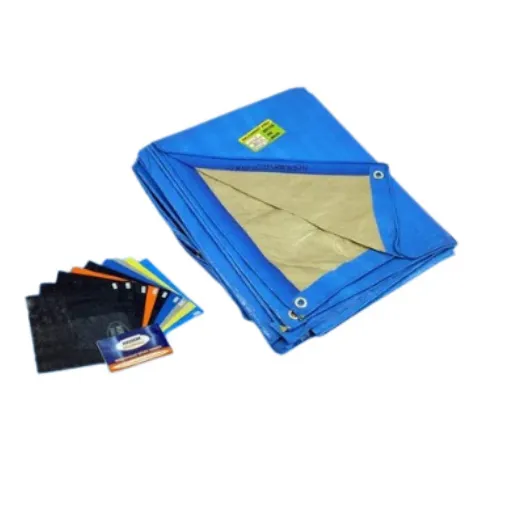
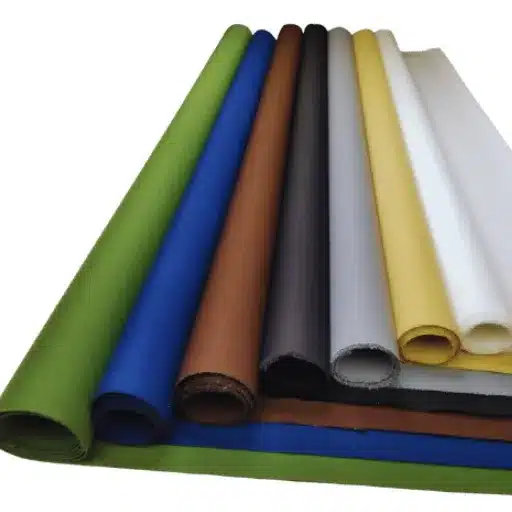
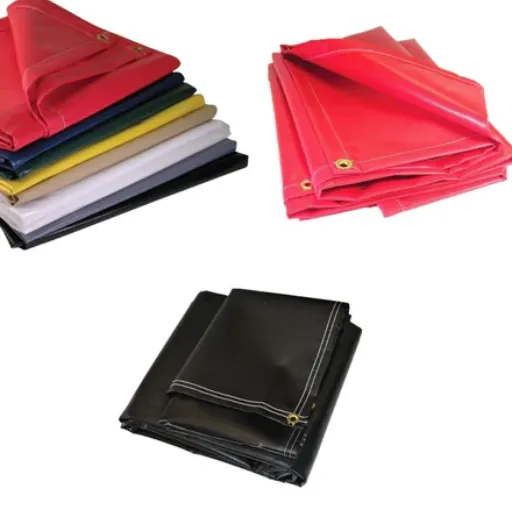
Modern heavy-duty tarpaulins are known to have incorporated quite a lot of technological advancements in their making, like the use of reinforced eyelets that are quite beneficial for laying hold of the same, multi-layered construction that foments the added durability with the help of hydrophobic coatings that keep water away from the surface. Some models are equally equipped with anti-abrasion surfaces and flame-resistant properties, thereby, making them perfect for industrial use. Thus, coming in different customizable sizes, thicknesses, and colors, these tarpaulins are able to be perfect for all the different industries such as transport and logistics, construction, and agriculture. They not only embody both the strength and versatility but also will be the necessary answer for cargo protection in even the most demanding of environments.
Purpose and Benefits in Transportation
Heavy-duty lorry canvases are designed to be better at protecting loads and materials while on transit, thus the goods comes to their destination still safe and damage-free in different places and conditions. These products typically come in the form of sturdy high-density polyethylene or PVC-coated fabric which allows for great tear resistance and extreme long-lasting durability during mechanical stress. As a result, they keep off rain, snow, and sunlight which would normally destroy the goods.
The improvement of transportation field operational efficiency is the main intended design of heavy-duty tarpaulins. They can be tailored to fit the concerned flatbed trucks, trailers, and lorries, and this reduces the risk of cargo displacement while in transit. A great deal of them comes with reinforced eyelets and straps which in turn makes them easy to deploy and contribute to their enhanced practicality as well. Besides all this, those tarpaulins that are well-kept may be considered as one of the tools of savings due to their shielding effects from variations in weather that cause damaged goods and simultaneously shelter them from harsh elements.
The new features like anti-static coatings and low-flammability materials in the progress of tarpaulins have been the answer to safety and quality matters faced by the industries that are setting the threshold of being too tough. The supply chain partners have greatly benefited from these tarpaulin companies by using their very resourceful and high-quality products which enable them to maintain high service.
Role in the Logistics Industry
Heavy-duty truck tarps are one of the key parts of modern logistics, they solve the problems that traditional transportation ways face. The materials of these tarps have been developed to a level where they have not only greater tensile strength but also become weather resistant, UV protectant, and hence make it possible that the goods stay de-metaphorically in place and unharmed during a voyage through all sorts of environmental conditions. For example, polyethylene and PVC-coated fabrics are now the most prevalent ones in the market because of their strong and tear-resistant features; not even the most heavy-duty stress situations can get them to tear apart.
Apart from that, the new conceptional designs come up with the brilliant solutions like built-in tracing routes and humidity, for instance, sensors. This leads to the possibility of continuous cargo condition monitoring which makes it possible for the logistics operators to minimize their chances of suffering from the water leakage or temperature swings. Thus the adoption of the highly innovative tarpaulins is resulting in lessening cargo damage rates and also making operational efficiency go high through lower maintenance and replacement costs, a thing that was proven through various research done.
Benefits of Using Heavy-Duty Lorry Tarpaulins

- Enhanced Cargo Protection
Heavy-duty tarps are faithful to keep the cargo from coming into contact with damaging elements like rain, UV rays, and wind thereby making the delivery of goods safe and the products in good condition. - Durability and Longevity
Made of reinforced materials, these tarpaulins are meant to be used under harsh environmental circumstances, making the task of frequent replacement less common and the lifetime costs very low. - Improved Efficiency
Heavy-duty tarpaulins save companies a lot of trouble and time thereby helping them keep their things in a good condition. - Cost-Effectiveness
One of the advantages these tarpaulins possess is that the load cannot be lost easily and maintenance expenses get greatly minimized, thus creating a scenario of big periodic savings of cash. - Versatility
Tarpaulins like these are taken as a universal case of what is required in the way of cargo covering and securing the respective loads they are carrying.
Enhanced Cargo Protection
The modern logistics owes its high efficiency greatly to the use of solid lorry tarpaulins, which provide protection against environmental factors. Tarpaulins such as those mentioned above could be capable of retaining the cargo in good shape by protecting it against the extremes of weather like heavy rainfall, snow, heat, and UV radiation. Quite often advanced materials like polyethylene and PVC are used which makes these tarpaulins strong enough to withstand high forces. Apart from this, certain tarpaulins come up with the added features like reinforced seams and tension control systems which offer higher durability and a tighter grip. The stowage of the cargo is done in a secure and robust way, with safe and durable sealing, which guards the cargo against any damage during transit, and results in the cargo arriving at its destination in perfect condition.
Improved Efficiency in Transport
The adoption of new technologies has made a big change in the transport field due to the fact that they’ve made the work more efficient. Keeping up with the latest GPS systems helps to keep track of the location and demand in real time. In addition, shipment companies dispatching with AI-driven systems can better predict demand and thus optimize the resources, as well as, reduce the unnecessary idle time. Besides that, the cargo condition and even the potential to deviate from the safe parameters of the goods, like temperature and humidity, could still be tracked by the sensors and the IoT-enabled devices. In general, these changes lead to a significant reduction in the running cost, higher accuracy in delivery and an increase in customer satisfaction.
Long-Term Cost Savings for Businesses
Heavy-duty truck tarps are indeed a very important asset for the companies in the fields of freight management, agriculture and any other area of economy demanding that the flow of commodities is both fast and safe. Development in the materials used for making, such as high-density polyethylene (HDPE) and polyvinyl chloride (PVC), has really resulted in tarpaulins with remarkable strength that is manifest in their being resistant to UV bombardment and having very good waterproofing efficiency. Such properties reduce the turnover and maintenance costs in the long run by a large margin, thus providing a very attractive business proposition in the conversion of investment.
The use of reinforced eyelets and the sophisticated sewing process as part of the tarpaulin construction makes them secure for transport in difficult weather conditions and thus the carriers’ liability is minimal. This security leads directly to reducing insurance claims and maintaining the product’s condition as being transported from far places.
The advantages of the latest reinforced tarpaulins business applications include a 20-30% reduction in the average financial loss due to cargo damage when compared to standard covers. Along with the fact that heavy-duty tarps can be used repeatedly and require less maintenance, they not only benefit the operation in terms of saving time and money but also are good for the environment because they produce less waste, thus, they are part of sustainable business practices as well. That is why one cannot help but see economic and practical benefits that large companies that wish to optimize logistics costs can get from them.
Materials Used in Heavy-Duty Tarpaulin Manufacturing

- Polyethylene (PE)
Polyethylene’s weightlessness, imperviousness to cracks, and capability to withstand both humidity and UV rays are the attributes that make its usage highly recommended. The method mostly followed by industries is to weave and coat the material to get the required durability and weatherproof qualities. - Polyvinyl Chloride (PVC)
PVC tarpaulins are known for their high material strength, flexibility, and resistance to weather conditions of the highest order. The material acts as a shield against water penetration and can be put under direct sunlight without any deterioration of the print. This is the best material for outdoor use. - Canvas
Though not very common, those tarpaulins prepared out of cotton or polyester are the most prevalent, but the all-cotton types are the most closable in the relationship to the air. As for the strength, time of exposure to the weather, and the fight against the external forces, coated polyester fabrics are the winner of the heavyweight contest. - Polypropylene (PP)
Lightweight and with high stretch resistance, polypropylene fabrics can endure chemical damage and are suitable for industries which can afford low cost but require moderate durability applications.
Durable and Weather-Resistant Materials
The durability and weather resistance of a material are directly related to its properties; so, a major factor would be the environmental and operational conditions in which the material will be used. Among the most excellent of materials for being so are PVC (Polyvinyl Chloride), which is not only the best in terms of water and ultraviolet ray resistant, but also of chemical wear. Although PVC is mainly used on industrial tarpaulins and roofing membranes, it can also give long life in the severe outdoor environment and at the same time it is quite flexible. Another advanced possibility is Silicone-Coated Fabrics which have both high tensile strength and thermal as well as chemical resistance. These fabrics are extensively used in the air and sea industries owing to their capability to face the harshest temperatures without losing any quality in the long run.
For items that depend on the highest robustness, PTFE (Polytetrafluoroethylene) coatings are a choice that is not reactive and has a weather-free surface. PTFE is used more and more around us in architectural designs, such as tensile structures, because of its ability to be exposed to the sun for a long time and be in any kind of weather conditions, yet maintain the stability of its structure. Furthermore, the materials that are a combination of HDP (High-Density Polyethylene) and other sources are another example of giving a good price for the resistance to aging, or the tear, and the puncture. These were very good for those cases where extra-heavy applications were present like agricultural covers or ground liners.
Importance of PVC and Polyethylene
Polyvinyl chloride (PVC) and polyethylene are contrasting but significant polymers that play a major role in the industry due to their various applications, toughness, and low cost. PVC’s chemical resistance, low thermal conductivity, and natural flame retardancy are the significant traits that make it crucial to the manufacturing of pipes, fittings, cables, and flooring. Its long life cycle as well as the recyclability are both major advantages for the sustainable building movements.
Polyethylene, on the other hand, is beloved primarily because of its lightness, flexibility, and impact resistance. Following behind, it is the choice of the packaging industry as films, bags and containers and also the best fill for geomembranes and water barrier systems. To more, its resistance to environmental stress cracking and UV radiation offers the urban and industrial sectors the opportunity to use it in outdoor and indoor applications. The latest technological research, such as crosslinking polyethylene (PEX), now allows this polymer to be adopted even more in the plumbing industry, where it competes with metals by lessening the problems of corrosion and making the installations much easier.
Comparing Canvas and Vinyl Tarps
Key Features to Look for in Heavy-Duty Tarpaulins

- Material Strength
Choose tarpaulins composed of high-density polyethylene (HDPE) or polyvinyl chloride (PVC) as these products ensure high levels of resistance and durability, which are especially required in the case of the transport of goods and storage of goods and equipment outdoors. - Waterproofing and UV Resistance
Make sure that the tarp is entirely waterproof and stops UV rays from hitting the things it covers to avoid the fault of being exposed to the sun for a long time and having heavy rain at the same time. - Grommet Placement and Reinforcements
Search for the presence of reinforced grommets at regular intervals in the tarp so that the tarps can be securely tied down. Besides, double-stitched or heat-sealed edges add to the strength of the tarp. - Weight and Thickness
A tarp with a higher mil thickness that is heavier will offer solid protection against tearing and other extreme weather conditions. - Temperature Resistance
Premium tarps are resistant to various temperatures, thereby hot and cold climates do not affect them. - Fire Retardancy (if required)
It is advisable to use durable high-quality fire-resistant tarpaulins that are in compliance with safety regulations and standards for industrial or special needs.
UV Resistance and Tear Strength
When it comes to the performance of tarps, one of the most critical things to look at is their UV resistance as it is the most directly related factor of the tarp’s life span. The feature of UV resistance does not just open up the tarps for use but also creates a situation where the tarps are not easily degraded by the sun which is very crucial especially for the outdoors that constantly have a lot of sun. In such situations, top-line tarps are normally act against UV inhibitors and are also manufactured from materials having intrinsic UV-resistant properties such as polyethylene or vinyl.
Tear strength, which is the ability of the tarp to withstand ripping and puncturing, is indicated by the pressure the fabric can withstand, in pounds per square inch (PSI). There is a relationship between the material’s strength and the corresponding stress under a physical exertion condition and these are quite often used in very demanding sites such as the heavy duty use in the construction, agriculture, and industrial sectors. It has become almost a standard practice to have the selection of tarpaulins with a minimum tear strength of 50 PSI or more in order to satisfy the demanding applications needs.
Ease of Installation and Compatibility
The significant factors in ensuring the efficiency and performance of the tarpaulins are the ease of installation and their compatibility with the existing structures, fasteners, and support structures. One of the characteristics of modern tarpaulins is reinforced grommets that are strategically placed to ensure even tension distribution which makes the installation easier and at the same time reduces the risk of the material failure.
Moreover, the trend toward innovation in fasteners and adjustable tie-downs allows for a great number of mounting possibilities from a fixed scaffold to a temporary shelter structure, as well the making of the systems compatible. On the other hand, the current standardized sizing is the biggest trend in the industry, which is in contrast with and with the use of modular elements, the variety of equipment and support systems they can be applied to is broad thus integration is made easier. The processing time during the installation is significantly reduced by standard sizing while retaining the structural integrity of the whole structure, even when subjected to varying loads.
Reinforced Corners and Grommets
Grommets and reinforced corners are very important as they boost the toughness and functionality of the present day tarpaulins and other connected products. The manufacturers use materials with high tensile strength, such as heavy-duty polyester and polyethylene, in order to make these tension points not give up under heavy force, not being torn or deformed at all. The grommets, usually made from corrosion-resistant metals like brass or stainless steel, are the ones that strengthen the areas even more since they provide tough spots for the ropes, hooks, or other kinds of fasteners to be attached to.
New manufacturing technologies such as ultrasonic welding and precision cutting have also been applied, resulting in tighter tolerances and more uniform grommet placement. This not only comprises improved load distribution but also minimizes the risk of mechanical failure in high-tension scenarios. The product lifespan is lengthened and the performance is made reliable in a wide range of applications because of the combined characteristics. From industrial settings to those with extreme weather the product can be relied upon and so has the technology progressed and the products gone with it.
Maintenance Tips for Heavy-Duty Tarpaulins

- Regular Cleaning: Whenever the tarpaulin is very dirty, only always mild soap and water should be used for cleaning. It is strongly suggested to do not apply the abrasive cleaners and harsh chemicals because it results in damaging the material’s protective coating.
- Inspect for Damage: One of the simplest ways to ensure the longevity of a tarp and avoid the associated loss is by inspecting it occasionally for damage.
- Proper Storage: Put the tarpaulin in a cool and dry place after use, so that no direct sunlight or moisture is present in the storage environment which can result in mold or mildew growth and degradation of the material.
- Avoid Sharp Edges: To avoid the risk of cutting the tarpaulin, always use protective pads or the like when the tarpaulin is tied around a sharp edge.
- Secure Properly During Use: Proper anchoring of the tarpaulin with the right amount of tension is always a must. Make sure that the grommets are all being used evenly to keep the stress from becoming a single point.
Cleaning Practices to Extend Lifespan
It is an essential matter to have your tarpaulin clean if you want it to have long life and be working efficiently. The easiest method is to first eliminate all dust and mud that is loose with a soft-bristle brush or a piece of cloth that is clean and dry. The easiest way to go about it is to buy a non-abrasive detergent that you will dilute with lukewarm water and then use it every time you are in the process of cleaning your tarp. It is no need to be mean to the fabric and apply some hard chemicals because they might just simply eat the fabric’s coating or make the fabric weak. You will have to clean the surface by using a soft-bristle brush, a cloth, or a soft sponge, and to add to that, you will have to wash it with a mild detergent as well. Finally, rinse it with clean water to get rid of the most soiling.
Wash all the way, though, with clean water so that there would not be any detergent residue left, which, if not taken off, would attract dust or even be partly responsible for the decay of the fabric in the long run. Let the whole canvas be open in the air until it is totally dry in a well-aired place. In the case of stubborn dirt, e.g., oil or grease, extra power detergent may be necessary; never neglect the instructions of the manufacturer about the use of specific agents and modes in order to prevent the damage of the fabric. Regularly carrying out of checks through the cleaning process can be helpful in detecting the early wearing out of the cover, hence, a quick fix can be done leading to a lesser probability of its premature failure.
Repair Techniques for Damage
The repair of heavy duty tarpaulins can be effectively accomplished when durable materials are combined with the proper methods to restore functionality and prolong the life of the structure under demanding conditions. Reinforced patching systems which require the direct application of high strength adhesive patches over the damaged area is one of the most popular methods. These patches must be compatible with the tarpaulin’s base fabric, which could be PVC or polyethylene, to ensure adhesion and a waterproof seal that is correct.
Heat welding is the best method mentioned for bigger tears or structural damage. Through this technique, the door gets to its original state by the heat and bond or repair patch strongly gets involved with it. The right temperature setting of the heat-sealing machine according to the melting point of the tarpaulin fabric makes the finish look perfect and waterproof. In addition to this, grommet replacement must be done for stress points of the tarpaulin especially in cases of heavy anchoring. Installation of high-quality brass or stainless steel grommets is necessary using the tools for repairing stress points to prevent damage from repeated use and exposure to the elements.
On the subject of the restoration of tarpaulins, an excellent idea for the prevention of UV damage is that after every repair, the user should also apply a UV-resistant coating, which will mitigate, among other things, the impact of providing the sun base the major agent of the deterioration of the tarpaulin seamless material. By so doing, one is able to exert a considerable influence to the performance and consequently the longevity of heavy-duty tarpaulins, and in the end, the industrial and commercial applications will also benefit from this protection.
Proper Storage Methods
The purpose of the storage is to make the heavy-duty tarpaulins secure and immediately available as and when needed. Since tarpaulins need to be cleaned as a part of their maintenance, cleaning them thoroughly before they are stored is always a must in order to get rid of the dirt, debris, and even possible contaminants which would exert the same effect on the material when left there over time. After cleaning, the tarpaulin should be left to dry extremely well to make sure that there is no opportunity for the usual molds and mildew to develop in the moist atmosphere of the tarpaulin’s storage.
Tarpaulins should never be exposed directly to the sun or very high and low temperatures and the best thing to do is to store them in a place that is cool, dry, and well-ventilated because the fabric and coatings are usually weakened by prolonged exposure to UV radiation or big temperature changes. One of the ways to relieve the material from stress is to roll it instead of folding it, which is a necessary action to be taken mainly in PVC and polyethylene cases since they are prone to cracking and/or creasing due to the folds. Besides the tarp, a cover or case can be a great additional protector during the tarp’s storage, provided that there is enough space.
Conducting periodical checking of stacked tarps is a sensible idea to discover any early warnings like small rips or fraying edges, which can then be promptly dealt with before they worsen by further use. The use of the correct racks or shelves to hold the tarp up will make certain that it remains clean and dry as the ground will not be its support. A heavy-duty tarp following these storage practices is sure to stay strong and in working condition for a long time in the tough surroundings of industries and businesses.
Reference Sources
- Springer Link: “Equipment for typical truck application areas”
Link to source - MDPI (Multidisciplinary Digital Publishing Institute): “Investigation of the Strength and Dynamic Load on a Wagon Covered with Tarpaulin for 1520 mm Gauge Lines”
Link to source