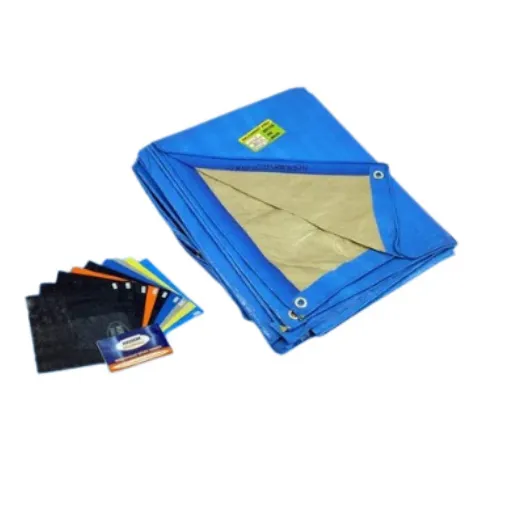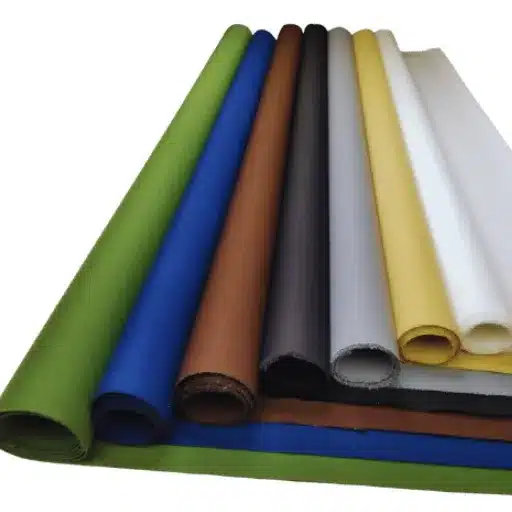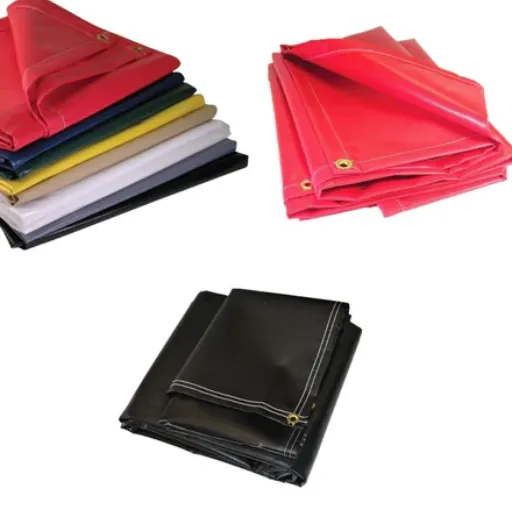
Waterproof tarpaulins made of PVC are both flexible and rugged and are widely accepted to be one of the most wear-resistant material. For instance, this hard PVC fabric can be used for a myriad of things, from within industries to simply protecting outdoor equipment. Whether you are protecting expensive devices from the inclement weather, lining building sites, or performing daily tasks that require a waterproof layer, there is no other tarp than the PVC tarpaulin that such extraordinary services. This publication will show you all that is to be valued in the top of the range, modern heavy – duty PVC tarpaulins. This will assist you in selecting the most proper PVC tarpaulin to protect you from adverse elements. Take a look at why this type of material is almost always the number one option if protection of a heavy load is required.
Introduction to Waterproof PVC Tarpaulin

PVC is a water repellent synthetic material made by coating the polyester fabric with polyvinyl chloride ( PVC). Due to such properties, it is popularly used in situations where one required protection against water, Ultraviolet rays and other atmospheric problems as the resistance and strength are plent. Conclusively, this tarp material is tough to a certain extent, lacking in weight, making it still suitable for construction and other heavy use in situations. It is also less strenuous in replacement nowait girlfriend snapchat no influences can respond to your changes of any PVC subcontract indoor piece of equipment. Are you hearing candidates interviewed with the styles that contain easily noticeable – aren’t you ready to pass in the opposite way if thou.
What is PVC Tarpaulin?
PVC tarpaulin, which is the abbreviated form of polyvinyl chloride tarpaulin, is an artificial compound made through the lamination of high grade polyester cloth and PVC fabrics. By doing this, the product gets all the more tensile, flexible and most importantly, it helps make it resistant to water, making it an optimal solution for most needs. The most common practices include the addition of advanced agents like UV stabilizers, retardants against catching fire among others which top off the effect of the final product under extreme conditions.
Typically weighing from 500g/m² to 900g/m² and with the consistency differing based on the purpose, PVC tarpaulin can have very high dead loads, very high tear strength, and resistance to long term exposure to the sun and moisture. Its ability to retain its functions in terms of chemical structure, physical properties, and general impact is guaranteed, even in worse conditions, it makes it very useful in the production of truck covers, tents, canopies and industrial geotextile.
Key Features of Waterproof PVC Tarpaulin
- Waterproof Performance: Manufactured using high-grade polyvinyl chloride (PVC) material, this specific tarpaulin exhibits maximum water resistance quality, withstanding water of up to 2,000 mm penetration often with hydrostatic testing, thus ensuring long-term performance even when it is being rained on or it gets wet.
- High Tensile Strength: The PVC tarpaulin possesses the capacity to support high tensile strengths, usually between 2500-3500 N/5cm which inherently over rules the need due to the ability to resist gravity. This makes it ideal for uses that would potentially lead to rapid wear.
- UV Resistance: As you know, the material also, has the UV inhibitors inside to fight ultraviolet rays. In this connection, it will not only save the system from degrading due to the sun’s long exposure but will also render the lifespan of the product longer.
- Temperature Tolerance: Determination of the insulating properties of the PVC tarpaulin is carried out within the temperature range from -30°C in cold to +70 °C in hot climates and hence the durability varies in these conditions.
- Abrasion Resistance: Its tough surface makes it resistant to wear and tear from external forces thus proving suitable even in the harshest industrial and outdoor conditions.
- Fire Retardancy: Most if not all waterproof PVC tarps are coated with such flame retardants that satisfy the requirements of standards like NFPA 701 or DIN 4102- B1, making it safety oriented in terms of design for fire hazardous installations too.
Common Applications for PVC Tarpaulin
Construction Industry
PVC tarpaulins in general are often used as building protective covers. These work as scaffold coatings, containnt of Taiwan debris, or protect weather during the construction of unfinished structures. It was found that the use of heavy duty PVC tarpaulins where it rains or snows features of excavators lead to reduced completion time by up to 25%.
Transportation and Logistics
The ute covers also known as tarps are significantly used in covering trucks to protect the goods from the effect of the environment during transportation. More than 40% of all truck drivers in the logistics industry cross batch use PVC tarps due to incremental breading; for your reference, the PVC tarps are better than the ordinary polyethylene tarps in resisting tear.
Agricultural Sector
PVC tarpaulins work especially well in agricultural storage, such as storing hay, ensilage and protecting machinery against sunrays and rainfall. Figures available substantiate that utilization of UV-resistant PVC tarps can enhance the life span of the equipment by 15% to 20%, when used outdoors.
Event Management
PVC tarpaulins serve as the most effective temporary constructions such as awnings, coverings, canopies, and the like. Makers of these tarpaulins utilize retardant materials in making them however some individual outfits choose not to incorporate the materials due to the operational costs associated with using these in the making process.
Industrial Containment and Storage
Moreover, in factories and looking further, as hood covers or box refrigerator covers, these PVC tarpaulins are also considered for indoor enclosures. Sufficiently resistant to most chemicals, even when in the presence of acutely corrosive chemicals especially solvent or substance with oil base, PVC tarp can perform satisfactorily under such adverse conditions.
Maritime and Boating
PVC tarpaulins are highly utilized as waterproof construction materials for protecting boats, marine fittings, equipment, and also, colored covers for storage on harbor sites due to their moisture proof and anti-salty capability coverage attributes. It has been suggested that they exhibit the same degree of efficacy even through harsh marine weather prolonged exposure.
Benefits of Using Heavy-Duty PVC Tarpaulin

- Durability:
Extraordinary high-quality PVC tarpaulins are resistant to severe weather agents such as winds, rain, and sunlight in ultraviolet light spectrum. They are very rigid and can withstand adverse weather conditions. - Waterproof and Weather-Resistant:
It is possible to say PVC tarpaulins are perfect when dealing with waterproofing mainly because these linings assist in safeguarding the area from moisture and waters among other factors. - Versatility:
Different tasks are suited to these covers: for instance, in the form of a tool to get a hovel, they can be used in agriculture, construction, and transportation; a range of origins, in other words. - Ease of Maintenance:
Their smooth surface allows for effortless cleaning and maintenance which results in less effort and downtime used even under normal and heavy loads. - Cost-Effectiveness:
Heavy duty PVC tarpaulins not only wear quite well and are easy to use and replace offering a much cheaper solution as opposed to single use ones or less lasting ones.
Durability and Weather Resistance
PVC tarps are built to last in even the most adverse environments, and are frequently the go-to material in applications where durability and resistance to weather over a long period of time are desired. The fundamental tensile force inherent in PVC when augmented with nylon or polyester reinforcement layers, yields high tear and load bearing characteristics even under harsh conditions of high-speed winds or great weights put on it.
Moreover, pitched covers of this kind have been created with heat and frost resistance in mind, even UV resistant materials likely to retain flexibility in the cold and withstand the sun. Oversized layers of surface coatings put on material help to keep water away from it improving performance properties. Qualities have been tested in scientifically-based and practical cases and the evidence has shown that ordinary plastic tarpaulin can be used intensively for five years. They are hard-wearing, hence they are appropriate for use at construction sites, agricultural holdings and as container covers for transporting different goods when they have to face the harsh external conditions.
UV Resistance and Protection
Heavy-duty PVC tarpaulins are constructed to offer excellent ultraviolet (UV) protection to prevent the fabric from deteriorating with continuous exposure to sunlight. In order to extend the utility of the tarpaulins for outdoor usage, UV stabilised compounds are introduced in the latter stages of fabricatisation repressing any possible problems caused by sunlight exposure. Recent innovations have proved that with the use of advanced UV-resistant additives in the plastic, tarpaulins can retain even 90% of their tensile strength after long periods of utilization in hot sunny areas. These materials provide enhanced protection against sun rays by resisting the effects of it without need to become hard. This kind of protection against invisible UV radiation enables the use of such materials in adverse weather, for instance, an arid region receiving high solar activity.
Flexibility and Versatility in Use
The usefulness of heavy PVC tarpaulins cover makes it highly relevant for carrying out the manufacture of many goods on its basis, due to their amazing combination of strength, impermeability to water, and, at the same time, ease of transportation. Their suppleness enables them to be quickly assembled for such functions as truck shades, expo tents, storing farming implements, constructing containment danglers, and quick positioning of emergency tents. This is because contemporary manufacturing technology is designed in such a manner that those made in this form can be protected as requested, for example, with such aspects as flame resistance, anti-static properties, or even thermal improvement methods.
Furthermore, the information shows that PVC tarpaulins are well used in these specific industries experience less percentage in material waste and increase on efficiency in operation while avoiding the adverse weather changes like excessive rain, sun rays, and strong winds. This characteristic allows heavy-duty PVC tarpaulin to be a very effective and eco-friendly solution for distorting and enclosing objects especially in harsh conditions.
Understanding PVC Tarpaulin Types

- Laminated PVC Tarpaulin:
Made by attaching layers of PVC film with supported textile fabric, this material is both lightweight and hard. With its flexibility and relatively low price, this thing is popular in such industries as banners, truck covers, and temporary shelters. - Coated PVC Tarpaulin:
Covered tarpaulins are different from the plain ones in the fact that there is a thick layer of PVC applied to the fabric, which makes the material withstand extreme weather conditions. This type is especially suitable for areas where long-term covering of industrial plants, storage tents, and vehicle tarpaulins is essential. - Flame-Retardant PVC Tarpaulin:
These tarpaulins are engineered very specifically to resist being ignited and to reduce the speed of fire. Basically, fire-retardant tarpaulins must comply with safety regulations and diminish fire in case of construction works, mass events, and other risk areas impacted by fire. - Transparent PVC Tarpaulin:
Clear tarpaulins are used when certain areas must be covered and at the same time maintained clear for ease of monitoring activities behind them. They are therefore installed in places such as greenhouses, patios, and sheltered surroundings.
Comparison of PVC Coated vs. PVC Laminated Tarpaulin
Different Thicknesses: Choosing the Right Mil
The thickness of materials, another way of saying ‘particularly in mils’ (it should be noted that a mil represents a thousandth of an inch) is a key issue and should be taken into consideration when analyzing potential applications. Making the proper selection of thickness level of the material affects the service life, ability to deform the material (when needed) as well as the material characteristics under different temperature and other environmental conditions. For example:
3-5 Mil Thickness
Used mostly for light uses like temporary tent or shed walls or enclosed plastic tents for work. These are pliable, light, and user-friendly, however, they are not very strong and would not withstand extreme conditions for a long period of time.
6-8 Mil Thickness
Used typically for moderate duties like commerce protective cloths, temporary camping tents, or floor shields for indoor. They will provide the features of flexible materials in addition to a high level of endurance, that one would associate with such thickness of material.
9-14 Mil Thickness
This is appropriate for most applications which require strength or protection including reinforced covers, thermal covers and reservoir liners. This degree of thickness provides a sturdy level of defense that is not easily seen in other thicknesses of materials.
15 Mil and Above
Best materials for enormous and challenging activities such as being a floor mat, building a green house or even military use. A tarp has to be ultraviolet resistant, extremely strong to prevent pokes, and more.
It is no less important to know the level of toughness and strength when choosing the favourable mil thickness. This is to ensure that the intended purposes are met, the risks of material failure are diminished and the effectiveness of the product promoted either in urban or industrial settings.
Clear Vinyl Tarps vs. Opaque Tarps
How to Select the Right Waterproof PVC Tarpaulin

- Intended Use:
First, single out the most appropriate purpose, like building works, agriculture, or merely shielding one from the weather. Make sure to choose the correct-sized or youth soccer drills customized for that purpose so that they will function as needed for the given purpose. - Material Thickness:
Prefer a gauge that is suitable for the current conditions. It is better to use thick materials where strength and weather proofing are concerned, while when it comes to light duties, thin options can be used. - Durability and Weather Resistance:
Check UV rays and weather to analyze how well the tarpaulin can withstand. Long-term outdoor use is favorable for tarpaulins made from pure PVC material. - Weight and Portability:
Prefer an optimum weight that lies between durability and convenience of the user. With the more massive tarpaulins you will get more protection, but they may be a little harder to handle. - Customization Options:
Also, if you place more importance on appearances or the creative aspect, consider exploring different colors and patterns within reason. - Budget Consideration:
Decide a price that fits within the purpose of usage and its intended level. Meaning high-quality tarpaulins are also likely to cost more, and the trade-off is that in the long run, these will have high beneficial value.
Assessing Your Needs: Residential vs. Industrial Use
When debating whether to opt for a waterproof fabric for the purpose and location of its use, it is important to look at the tasks to be accomplished. House tarpaulins are usually used for such tasks as covering garden furniture, protecting cars, or helping in some minor gardening. They are usually geared towards ease of use, small size, and great design. For example, such a UV resistant polyethylene fabric might go perfectly for covering furniture of a veranda or setting up a tent out of the doors that is extractable at any minute.
That said, industrial products and their derivatives are typically extreme weather products used for applications such as outdoor work site roofing, equipment indoor temporary storage, and the containment of materials for disposal or recycling. This type of cover is often made from more advanced textiles – for example PVC-coated polyester – providing elevated levels of reliability, tensile strength, and water-resistance. Extra features for industrial covers may also include additional reinforcements such as grommets, fire retardants, and even coatings with specific dimensions based on the target environment.
Assessing loads, the need for extreme climate control, and types of wear and type of the materials will help you pick an appropriate product. It is essential to appreciate that in the event that there exist limitations and requirements for tailored tarps, such constructions are usually most beneficial due to noteworthy protection and investment savings at large.
Factors to Consider: Weight and Thickness
The weight of a tarpaulin, as well as its thickness are essential parts of its design that determine its application within a community. The weight or mass is usually given in ounces per square yard while the thickness is given in mils (one thousand of an inch). On the other hand, heavy duty tarps are generally between 10 to 20 or more ounces in weight and can be more than 20 mils to be that in thickness. These specifications are typically required in serving the tenacious nature of works such as in building sites or bus tops where heavy wielding and scrapping is done. However, for lighter tarps, approximately 5 to 7 ounces in weights and between 5 and 10 mils in thickness, these are used as temporary or emergency uses; that is upcountry in covering pieces of assets and materials when it’s hot.
Selecting the appropriate weight and tensile strength of the tarpaulin in question hails back to the exploration of the specific environmental factors at play. It is because certain types of tarp are significantly thicker, where the used material has a great denier value, such as in the fabric used in Cordura or reconstituted plastic. It is also noteworthy that the weight influences the rate at which the material degrades, if not the material’s capacity to withstand UV rays, punctures, and flexing. These listed specifications enhance the capacity of considering all factors in decision making to ensure practicality and effectiveness in the use of the given tarpaulin.
Weather Considerations: Heavy Rain, Wind, and Sunlight
Effective selections or utilizations of tarpaulins hinges on the evaluation of the degree of environmental stress that the material will face. When it is heavy downpours, the especially is the ability to resist water. Tarpaulin hydrostatic pressure down jackets rated at least 1000 mm can without any seepages effectively resist water penetration over an appreciable distance. Seams and surfaces, e.g., PVC or Polyethylene, are lined/enclosed well and enable a waterproofed structure.
When in a high winds surrounding, the elongation of tarp also called strength of tarp and edge enhancement become the talking points. Materials like ripstop nylon or ultrahigh molecular weight polyethylene have been structured to minimize damage during extinction. On a side note, tucking the grommets or eyelets with added protection in the corners or the inclusion of bungies may give the impression that the agency of tear is shifted away from the middle of the tarp to the corners.
Knowing the unpleasant effects caused by long sunlight exposure, it is necessary to introduce proper UV protective coatings capable of preventing sun rays from degradating the materials. Sunlight can cause different materials to age, crack, turn yellow and so on. For extended use outdoors, it is advisable in addition to the use of UV stabilised polyethylene, to use tarps of higher grades of UV protective material. These two specifications combined should be considered necessary for an effective approach that prolongs the life of tarpaulins and improves their resistance to humidity and temperature.
Care and Maintenance of PVC Tarpaulin

In order to keep the PVC tarpaulin sturdy and efficient, cleaning it whenever necessary and storing it in an appropriate way is very important. It is advisable to keep cleaning the tarpaulin with soft soap and warm water on regular basis so that soil and debris along with stains are removed. Do not use strong chemical agents with abrasive cleaning agents may as well spoil the PVC cover. The tarp is best stored a dry state to keep void off mold and mildew. Store the tarp in a dry and ventilated place and shield it from scorching sun rays and sharp items to minimize abrasion. Moreover, look out for cracks, rips or broken seams in the material and fix by using glue or special patches right away. Taking precautions like that one, will see to it that the PVC tarp retains its usefulness for a very long time.
Cleaning and Storing Your Tarpaulin
In order to extend the working life and to protect your tarpaulin it is important that you carry out certain maintenance operations and also safely keep it. When washing the tarpaulin, it is important to use soft detergents for cleaning that will not cause any harm to materials coated with PVC. Some of these more abrasive substances including some chlorine elements can bring about wear and tear in the material thereby reducing its durability. A simple and effective way of cleaning the tarpaulin is to use warm water which can easily be applied on the tarpaulin after dusting it using a soft clean cloth or a sponge.
Always make sure that the cover is thoroughly dry before storage to prevent the risk of any form of dampness that can encourage the growth of mold and mildew — these are two common aspects that degrade the material. Once the cover is dry, it’s necessary for it to be properly folded so as not to cause any sharp folds that can create a pressure point on the material. It is best if one uses a special bag to keep the cover away from other indoor objects, insulate it from dust and physical abuse. Put the stored cover in an atmosphere that is cool, has ventilation, and is protected from any source of UV rays in the surrounding environment as this might damage the cover’s integrity in the long run.
Just as importantly, it is good to mention that regular monitoring is essential. Smooth inclusions, monomers, grommets by checking the surface cracks of all the compartments or the panels in the tarp. Also minor punctures, abrasions, or scuffs should be taken care of by punctually inserting polysulfide kerosene or other suitable PVC materials. Adoption of these measures is not only likely to ensure the material works as intended, but would also significantly increase the useful life of tarpaulins in a variety of uses.
Preventing Mildew and Deformation
It is usual for tarpaulins to get some damage in the form of mildew and the bad cracking of the material, making tarpaulins’ efficiency and look poor. To prevent the growth of mildew, the maintenance of tarpaulin involves a certain amount of airing and a thorough drying before folding and storage. When there is too much moisture in the atmosphere, the spores benefit, multiply and form pathways while causing color change and irregularity inside the material over time. When producing these tarpaulins, the addition of a special coating or the proper application of a solution that prevents mildew may also be applied as an alternative measure in order to ensure that such issues are not experienced.
Deformation, on the flip side, generally occurs due to recurring intense temperatures for extended periods and excessive mechanical stress from use. Similarly, in order to reduce the possibilities above, it is recommended that the tarpaulin is kept in a temperature controlled environment when not in use, in addition to not exposing it to direct rays for long periods of time. Besides, the consistency in tension along all attachment points when putting up and using the tarp is very important as it would prevent any part from being excessively stretched or distorted. These additional steps are aimed at protecting the flexible cover’s strength and appearance as needed for its operation across a wide range of users.
Repairing Tears and Reinforcing Edges
Before you can fix holes on a tarp, it makes sense to check how much damage has been done and where it is in order to determine the way to patch the tarp up. In cases of small rips or punctures, users have created made-for tarp adhesive patches that one can use to fix this problem with ease. In general, these type of patches are resistant to the environmental conditions and can be used in the fluctuating temperatures. On the other hand, in cases of mostly tears, a good combination of adhesive tape and repair stitches across the edges of the bipartite rip as a restoring means to the occupant. It is very important to ensure that any additional materials applied comply with the tarpaulin fabric used to prevent further damage.
Grommets and corner patches made out of strong material are essential to support stressed edges, especially in bridging elements. Grommets allow for an even tension distribution on the sides and prevent the material from tearing, where PVC or canvas reinforced patches are used specifically at the sharp corners to make them even more rigid. To enhance the operation and life of the tarpaulin, specific edge treatment procedures need to be considered which may involve using heat weld or seam sealing. Proper usage of the tarpaulin on the other hand can be attained by checking and mending it in stages after each particular case of stress.
Reference Sources
- Investigation on the Influence of Non-Degradable Polyvinyl Tarpaulin in Concrete Mixture
Read more here - Closing the Loop in the Process of Manufacturing Noise Barriers and Floating Trash Barrier – Case Study
Read more here
Frequently Asked Questions (FAQs)
What makes a heavy duty PVC tarp and reinforced PVC tarpaulin suitable for harsh weather?
PVC tarps that are heavy-duty and reinforced with high-strength polyester cores and resin-rich PVC are designed to withstand wind and resist water. Their lamination and heat sealed seaming increases durability and prevents mildew and rot by creating a long lasting product even in adverse weather conditions. Most of them are also finished to prevent aging or antistatic surfaces, which sustains the appearance and features of the material. In certain applications like covering hay stacks or making tents, an 18 oz PVC tarp fully meets the needs of the task, despite the thickness on one hand and portability on the other hand.
How does waterproof PVC tarpaulin fabric achieve tear resistance and tensile strength?
PVC tarpaulin waterproof plastic is made by combing patterned polyester in addition to woven scrim, with a special form and use of soft PVC. This provides the material great tensile stress capability which is useful to support heavy load and regular amounts of tension. The PVC substrate, refereed to PVC vinyl or simply, vinyl pvc, finishing and is water and resistant to UV damage. There are several gadgets which can be installed on the tarpaulin fabric such as brass grommets and reinforced hems which allows to keep the tarpaulin in place and prevents any distortion in it due to the tension.
Can foldable, heavy-duty tarps be used as clear-vinyl shelters or pavilion covers?
Foldable heavy duty tarps can be bought in different colors made out of clear PVC especially for covering pavilions, gazebos and their brethren allowing some light penetration while still utilizing good water and wind resistance. Clear PVC panels frequently have similar benefits which utilize the same PVC tarp material to support puncture resistant and ideal tension for repositioning of shelters for example. To sustain the deck awning over time heat sealed seams and edging are included for strong finished result that will not deform. Production of custom tarps with specialized features for specific sizes of a pavilion and other buildings is available, involving, for example, application of brass grommets for quick attachment.
How do PVC laminated tarpaulin and PVC coated tarpaulin differ in tensile performance?
Commonly, PVC laminated tarpaulins consist of a laminated structure which provides improved tear resistance and allows production of polyvinyl chloride sheets with greater rigidity characteristics than one layer of a single coated tarpaulin. PVC coated tarpaulin provides that the woven cloth is protected against the effects of variegation due to its strong adhesive purpose between the fabric and the PVC with good flexural strength and foldability characteristics. Consequently, the outside membrane choices are polar opposites under the same roof. This is because films and laminates are isolative in nature making them ideal for electronic devices.