Understanding Tarpaulins

Tarpaulins, generally referred to as tarps, are resilient, pliable sheeting produced from fibers like polyethylene (PE), polyvinyl chloride (PVC) or high density polyethylene (HDPE). One of the main purposes of tarpaulins is to guard against inclemencies of weather elements such as rain, the effects of sun, wind, and unwanted solid. Used in different industries like construction and engineering sectors, agriculture and transportation, tarps are also popular for this ductility and resilience. Depending on how the material is made, certain tarpaulin configurations can boast of special features such as waterproofing, ultraviolet protection, and high tensile strength that are essential for numerous purposes.
What are Tarpaulins?
Tarpaulins produced in many materials are designed to cater to the differing needs of a wide range of industries. Though many are made, the more common types are generally made of polyethylene, vinyl and canvas. It is a well-known fact that the tarps that are manufactured with polyethylene, usually utilizing High-Density Polyethylene (HDPE) are very thin, light, do not tear easily but still remain very tough, last long, and are water and UV Iight resistant; the very qualities needed when the tarps will be use in outdoor either in construction or agriculture.
For industrial applications and other tough conditions, heavier vinyl tarps are readily available and provide the strength, high resistance to wear and tear, and even extreme heat. Also, where a more flexible cover is needed, i.e., to wrap some fragile cargo or equipment, then canvas tarps made of natural or synthetic fibers are provided. Each type of tarpaulin are treated with particular finishes or provided with extra supports to aid in their functioning very well in given circumstances while lasting for longer period.
Common Materials Used in Tarpaulins
| Material | Key Characteristics | Common Uses | Durability | Weather Resistance |
|---|---|---|---|---|
| Polyethylene (PE) | Lightweight, waterproof, UV-resistant | Construction, agriculture | High | Excellent |
| Vinyl (PVC) | Heavy-duty, tear-resistant, fire-retardant | Industrial covers, trucking | Very high | Superior |
| Canvas | Breathable, abrasion-resistant, natural or synthetic fibers | Equipment covers, tents | Medium | Moderate |
| Polyester | Flexible, UV-resistant, lightweight | Outdoor events, banners | High | Strong |
| Nylon | Durable, lightweight, highly flexible | Camping gear, tarpaulin bags | Moderate | Good |
| Polypropylene | Water-resistant, inexpensive | Short-term applications | Low | Limited |
| Silnylon | Silicone-coated nylon, ultra-light | Backpacks, ultralight shelters | Low to medium | Good |
| Jute | Natural, biodegradable, cost-effective | Short-term covers, packaging | Low | Minimal |
Importance of Choosing the Right Tarp
The selection of the most appropriate type of tarp is vital for the utility of such tarp in a wide range of applications and for the economic use of resources. The driven factors include the tarp material, what it is supposed to be used for, where it is going to be used, as well as the properties of attached and independent constructions. For example, polyurethane-coated tarps are very tough and waterproof, which are used in industrial purposes, whereas silnylon tarpaulin is lightweight and waterproof and is favored by most backpackers.
In addition, can cause wind resistance. Such as, thin polyester or polyethylene are very good materials in terms of UV and water resistance, which last longer in the outdoor conditions. In contrast, some natural options currently in use are good alternative for these synthetic; on one hand, they are capable of being biodegradable and relatively expensive materials such as jute on the other are not appropriate for very wet places. They are preferrable in mostly shorter term due to limited moisture resistance.
It is possible to obtain the highest levels of productivity without spending a great deal by processing these elements with certain tactics. Opting to work with materials that are best suited to the intended purpose has the added advantage of reducing physical strains and stresses, which in turn minimizes the risk to people or damage mechanical safety systems in hazardous locations for instance.
Polyethylene (PE) Tarpaulins

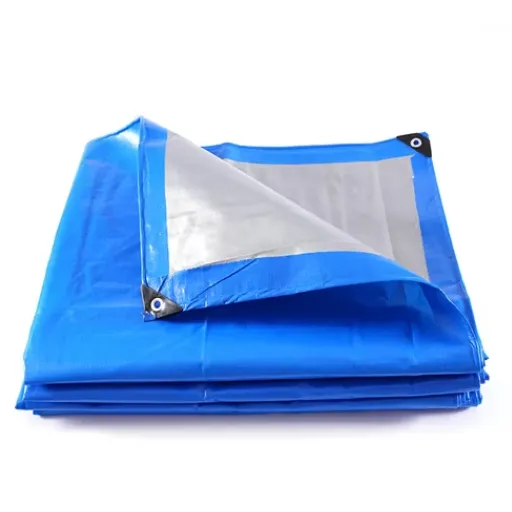
A tarpaulin made up of a number of polyethylene strands combined in a woven structure and coated with a polymer film is a type of plastic sheet that is very light as compared to the area it covers and it is extremely resistant to stress. They are used outdoors very conveniently, due to their resistance to water and UV, and also applied in the presence of aggressive chemicals. Owing to its low cost and inherent properties, plastic (PE) tarpaulin finds wide application in the construction, agriculture, and transport industries when it comes to the protection of goods and machinery. Extensive usage is also boasted by the ease of its use, recycle and disposal.
Benefits of PE Tarpaulins
1. Waterproofing and Weather Resistance
The polyethylene repellent coating also guarantees the strength of the reinforced PE fabric made tarp. Tarpaulins in this category are waterproof and therefore suitable for covering, especially in heavy rains or intense weather. It is believed that a superior grade PE tarp can endure longer periods of sustained rainfall without experiencing any signs of degradation such as disintegration and leakage.
2. UV Protection
A lot of polyethylene covers (PE) are made with special UV resistant materials which protect the surface from harmful outbursts from the sun and as a result maintaining both the cover and the item it is protecting. These covers may contain a UV block as one of their most important properties in order to prevent solar destruction of the materials of which up to 50% relies on sun rejection if it remains in the sun for long periods.
3. Tear and Abrasion Resistance
These plastic tarps made of poly substance have special weave construction inside, which gives them exceptional strength and makes them highly tear and abrasion-resistant. They can withstand pressure quite well without any failure in material, hence making them suitable for protective coatings that involve high-quality performance.
4. Chemical Resistance
PE covers do not disintegrate in toxic substances, oils, different acids, and alkalis, which makes them valuable for both agricultural and industrial purposes. Tests have proved that these covers can hold on for quite a while despite being in highly questionable locations, as they are very strong and do not degrade because of adverse physical conditions, thus erosion tests resist them.
5. Lightweight and Easy to Handle
The lightweight nature of PE tarpaulins enables quick and easy deployment and transportation of the tarpaulin despite their being strong in construction. It is common that a given 10’x10′ PE tarp will weigh very little as compared to 5 pounds.
6. Cost-Effectiveness
In comparison to such materials as an abitantino, which can be a nice tarp, PVC Tarpaulins, pricewise, those of PE offer cheaper yet still reasonable quality. They are cost-scarifying, friendly, which is why their presence is indispensable in certain sectors, mainly in large-scale investments such as shipping and building.
Common Applications in Industrial Use
1. Construction Coverings
The construction sector commonly uses Polyethylene (PE) tarpaulins to cover construction materials, temporarily installed materials such as scaffolding, and structures under construction, to protect them from the weather.
2. Agricultural Storage and Protection
Farmers and other rural workers also find PE tarpaulins quite useful as they allow them to store crops, hay as well as equipment in case of any season adjustments. Additionally, studies have also shown that covering crops with Tarpaulins is very effective from which it can save up to 30% edibles from getting ruined on condition only in places where the rain is always unreliable.
3. Logistics and Transportation
Tarpaulins made from polyethylene can be employed in the transportation of goods on trucks, ships or trains especially when it is necessary to secure the cargo for transportation. Thesel are adequate in that they will shield the goods from external damages and consequently goods are transported network more reliably..
4. Waste Management
Landfills and hazardous waste locations need PE tarps to cover parking lots and storage regions. This assists axar tarps in tying up chemical waste in compliance with environmental standards.
5. Event and Temporary Shelter Construction
PE tarps have a considerable range of applications. In the construction of temporary structures (such as tents, scenes, and stands), PE tarpaulins are favored as durable and weather-resistant coverings for occasions, the erection of emergency shelters, warehouse expansion, etc.
6. Mining Operations
Further in this industrial sector, PE tarpaulins help with coal mining work due to the necessity of covering operating equipment, shielding of materials and creating barriers to dust or soil. Such conditions remain harsh enough and this general description is adequate because of the exceptional resistance to deformation of these materials being observed in the offered atmosphere.
Polyvinyl Chloride (PVC) Tarpaulins

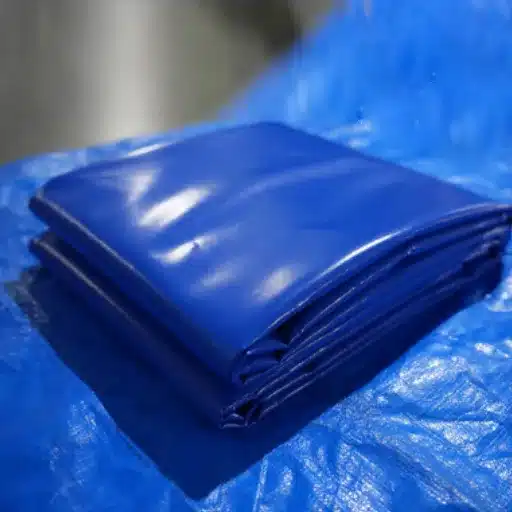
PVC tarps are considered for their exceptional strength, flexibility, and weathering capacity. Due to the polyvinyl chloride composition, which is further lined with woven polyester, these covers have high-performance features such as waterproofing, ultraviolet protection, and fireproofing. Consequently, they are widely used in the industrial, transportation, construction, and agricultural sectors for their durability and long-lastingness. What is more, PVC tarps are friendly to temperature extremities, that is their capacity to withstand a wide range of weather conditions. As a result, their sturdiness and vast pressure capacity guarantees them to survive any hard conditions without losing their ability to safeguard diverse environments effectively.
Benefits of PVC Tarpaulins
1. Exceptional Durability
Polyvinyl chloride tarpaulins are held to be tough, able to withstand heavy stress levels and wear with tensile strengths fluctuating in most cases between 400 to 1000 N/5cm. As robust as these tarpaulins are, they are highly beneficial in applications requiring longevity like outdoor constructions and storage in warehouses.
2. Waterproof and Weather-Resistant
Polyvinyl chloride tarps are developed to maintain structural integrity when completely submerged underwater. They thus serve the purpose of covering up items or structures in places where there is either drizzling rain or damp fog. Not only that but they also provide great protection against the harmful light because the Pvc offers great protection against the UV light.
3. Flame Retardancy
A number of PVC tarps are also manufactured to ensure compliance with some fire safety regulations such as NFPA 701 or EN 13501-1. This reduces the likelihood of a fire, especially in areas of high temperatures or places with flammable substances.
4. Versatility in Temperature Extremes
With an operational temperature of -30°C to 70°C (-22°F to 158°F), PVC tarpaulins can be used in environments where there are extreme summer and winter climates and will still remain in operation without affecting functionality.
5. Chemical Resistance
PVC tarps, due to their properties, are also chemical-repellent, which makes them suitable for circumstances that deal with contact with oils, fat and different chemicals. These characteristics significantly extend the life span of the objects made of the materials of this type in industrial and agricultural sectors.
6. Easy Maintenance and Longevity
PVC tarpaulins are a bit laminated with a smooth finish and glossy finish for stain resistance which makes cleaning easier. As a result of their robust design, they (tarpaulins) serve for about 5-10 years under ordinary use, thereby reducing the costs of purchase of new ones considerably.
Common Applications in Industrial Use
1. Construction Sites
Polyvinyl chloride (PVC) tarps in the construction industry are utilized for the protection of scaffolding, the erection of concrete seals and the making of provisional site huts among other structures. Resistance to bad climatic conditions and UV rays makes it reliable for longer use without hindrance. An example is that studies have proven that heavy duty PVC tarpaulins can contribute up to a 30% increase in working time cutting issues of downtime due to the weather.
2. Agricultural Sector
PVC tarps are used in a wide range of applications including crop protection, silage making, and equipment shielding. They are able to prevent water and insects from damaging the goods enclosed in the tarpaulin. The available information proves that usage of PVC tarpaulins helps in reducing about 25% of the crops that are expected to get spoiled with the normal tarpaulins.
3. Transportation and Logistics
PVC flat sheets are those sheets which despite covering mechanisms, are used as truck covers, so that loads below them are not detoriated by rainfall, wind, dust or anything else even while in transit. Moreover, it should be noted that the use of flat sheets also helps control materials in massive quantity. According to the study, the use of PVC covers results to a 40% product loss reduction compared to alternative methods of transport of the materials.
4. Industrial Warehousing
These PVC covers are seen in use as temporary industrial enclosures for storing various items, covering equipment as well as sprinklers, and for prevention from harmful effects. In addition, their chemical resistance and ease of cleaning also make them ideal in industries for an extensive period.
5. Oil and Gas Industry
PVC tarpaulins are used in the construction of secondary containments, site flooring and equipment enclosures of the oil and gas industry. Their use increases environmental compliance and lowers costs of cleaning after spills. These factors in a way contribute to the better perception of the tarps by some users. Such use usually incentives the use of above ground storage tarps by every customer.
6. Event and Exhibition Solutions
The many applications for custom goods that use non-standard materials have made PVC tents one of the most sought after event rentals that can be purchased or rented from a rental agency. So do the flame retardant attributes of the material and its ability to make it highly functional. The performance improvements reached during such events utilizing top quality PVC tarpaulins have been estimated at 20-30%.
High-Density Polyethylene (HDPE) Tarpaulins

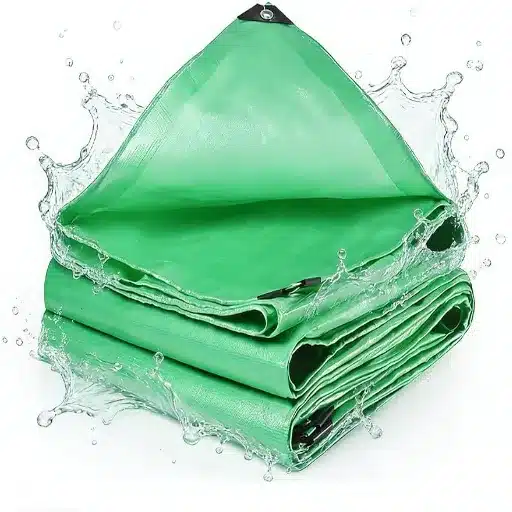
HDPE tarpaulins have become more popular today due to its suitability most notably because they are long-lasting and economical. It is made of hard HDPE fabric which is then treated in different ways to include a layer of the polyethylene that helps to amplify the elasticity to UV, water and tear. The strength and durability in it however major that make the material suitable for use as in the manufacture of covers for crops, conservation of property for the showery months or for covering cargo in case of an emergency. The use of these HDPE tarps can delay the disuse of landfill spaces which would have been used to dispose PVC tarpaulins in and are therefore more environment friendly. Also, the chemical engineering applied in the preparation of the tarps is such that there is no worry of their failure in the event that there is a strong wind or heavy snow in the area.
Benefits of HDPE Tarpaulins
1. Durability and High Tensile Strength
Such tarpaulins made of such thin plastic are promised in the issue of stress management mainly due to the high tensile strength conferred by the tags reaching values from 25 to 35 N/mm². As such, this also ensures that they can withstand any tearing force as well as heavy loading or extreme conditions in the environment, and last long without stretching.
2. UV Radiation Resistance
Furthermore, containing the inclusion of UV stabilizers in materials makes it possible to protect the material from destruction by the UV rays of the sun. High density polyethylene tarpaulins shield themselves adequately when exposed to high levels of UV light, making them the best option for use in open spaces for a great part of one’s time.
3. Waterproof Properties
HDPE tarpaulins that have water absorption rate less than 0.01%, does not allow any moisture in it. It is to ensure that whatever materials have been covered by these HDPE tarpaulins are safely kept and they remain protected from any wetness.
4. Lightweight and Portability
Notwithstanding its exceptional strength, HDPE tarpaulins typically have lower densities in comparison to older and more conventional materials like PVC, with their density being generally around 0.95 g/cm³. This reduced weight eases their transportation, handling and installation without sacrificing the structural robustness.
5. Environmental Sustainability
HDPE tarpaulins, which are also fully degradable, find eco-friendly reasons as they can easily be managed better than non-biodegradable tarpaulins and can even be recycled in various other manners after they complete their life cycle.
6. Chemical Resistance
One of the good points of HDPE is the moderate anti-corrosion ability toward a wide range of chemicals including acids, bases and solvents. Hence, this stability renders HDPE tarpaulins suitable for industrial settings that have harsh chemicals and other elements in the surrounding.
Common Applications in Industrial Use
1. Construction Sites
HDPE tarps are prevalent on various construction sites where they are utilized to cover machinery, construction materials, and scaffolding as a shield. Given their sturdiness and resistance against water, the protective coverings can shield the machinery and materials from rain and the harsh sun.
2. Agricultural Sector
HDPE tarpaulins in agriculture have multiple functions like crop cover, geomembrane, and irrigation channel liners. Crop farming, due to the need for most crops to be cultivated in the open, which makes them vulnerable to severe weather conditions and intense sunlight, which in turn affects crop fields and yields hence the need for crop covers.
3. Transportation and Logistics
These tarpaulins are effectively used for numerous applications, such as in covering goods during transportation—where goods are protected from exposure to dirt, rain and other contaminants which may cause damage. They are often referred to as waterproof and safe high-density polyethylene shrink wraps made out of non-solvent material which offer protection of goods up to humans inclusive.
4. Industrial Storage Facilities
Typical application of HDPE tarpaulins is in the coverings of materials such as raw materials, finished goods or machineries in stores. The properties of these tarpaulins, specifically their ability to be inert and not allow the material to pass through or beyond it, are useful for some warehouses that may expect or encounter corrosive materials.
5. Waste Management
It’s common practice in many waste management systems to use HDPE tarpaulin PVC sheets as landfill linings or for covering the waste on a temporal basis. The toughness and chemical-repelling properties make them a suitable feature for containment of wastes, such as use for hazardous wastes or in cases where the waste’s natural decomposition is not possible.
6. Mining Operations
HDPE tarpaulins are also extensively employed by mining industries; pit liners, pond liners for storing effluents, among others, protective covers for the extractive materials, large loads such as tailings, and most importantly, the higher degree of robustness for safeguarding or preventing effluents which the control relates.
Comparing PE, PVC, and HDPE Tarpaulins

PE and PVC Tarpaulins have their distinct properties that make them suitable for all specific applications. PE Tarpaulins are lightweight, inexpensive and water-resistant, hence, they are preferred for temporary shelters and other general purposes. These lighter PE Tarpaulins are still preferred over those made with PVC and HDPE which last, though not that long. The flexible PVC Tarpaulins are quite strong and they also have the tear resistance. They do have waterproof and UV protection properties which make them suitable for outdoor applications as well as heavy duty tasks. HDPE Tarpaulins are highly resistant to certain chemical compositions and they are also very strong under tensile forces, these properties making them fit for industrial environments like construction sites. The toughness and ability to be tough with different weather make these HDPE Tarpaulins suitable for other purposes too, such as containment and protective open fields.
PE vs PVC vs HDPE Tarpaulins
| Parameter | PE Tarpaulins | PVC Tarpaulins | HDPE Tarpaulins |
|---|---|---|---|
| Material Composition | Polyethylene | Polyvinyl Chloride | High-Density Polyethylene |
| Durability | Moderate | High | Very High |
| Water Resistance | Good | Excellent | Excellent |
| UV Resistance | Moderate | Very High | High |
| Weight | Lightweight | Heavy | Lightweight |
| Flexibility | High | Very High | Moderate |
| Tensile Strength | Moderate | Very High | High |
| Chemical Resistance | Good | Moderate to High | Excellent |
| Cost | Low | Moderate to High | Moderate |
| Common Applications | Temporary cover, agriculture | Roofing, transport, industrial use | Construction, containment, heavy-duty |
| Temperature Resistance | Limited | High | Moderate |
| Longevity | Moderate | Very High | High |
Weather and Chemical Resistance
Differentiating between suitable materials for different applications can be challenging, due to the consideration of weather and chemical resistance. Elements with desirable weather resistant characteristics have been known to last for long periods considering the factors of ultraviolet(UV) rays, rain, snow, heat increase and storm. For example, polymers that have highly modern UV protectors tend to remain in their original shapes and colors even after undergoing a severe dose of the sun.
Chemical resistance is the ability of a material to protect itself against chemicals like acids, bases, solvents and oils. Other incredible textile materials serviceably aid in places or forms where they get corroded by chemicals or react with them, such as fluropolymers and some metals. These are probably the most used types of materials in some industries that will be used in different locations and must work for a longer period of time with harsh chemical, environmental effects and so on – construction, ships building, chemical industry and so on.
Cost-Effectiveness and Maintenance
Regular maintenance coupled with the cost involved are two very important aspects when it comes to assessing the overall economic benefit of the materials used in an industrial setting. Such materials are normally engineered with certain advanced features such as wear-resistant polymers and exotic metals and alloys, which, because of their own protective properties, facilitate their minimal maintenance. This also translates into a reduced frequency of maintenance and therefore lower operational costs in terms of providing transitional maintenance, as well as spare parts due to maintenance and repair. According to research, employing highly durable materials that outdo all the existing expectations can lead to a decrease of the total ownership costs by as much as 30%, implying a major economic driver for those engaged in building or chemical processing. Moreover, the evolution in the field of materials production has seen the creation of materials that will retain a number of attractive features in a very long term with minimum maintenance expenses.
Reference Sources
- Comparison of the Thermal Behavior of HDPE Thermoplastic Polymer with CPVC
Access on ScienceDirect → - Studies on Tensile and Tear Fracture of the S8210 Tarpaulin
Access on Extrica →
Frequently Asked Questions (FAQs)
How do I choose the right tarp for my needs?
When it comes to the choice between PE and PVC tarpaulins, it is closely associated with the situation in hand as well as the properties of each. Behavioral economics tells us that people always choose the option that is cost-effective at least for short-term goals. For example, PE tarpaulin might be used in emergency response reduction while a PVC tarpaulin would be more of a long-term equipment. In such cases, the combination of both a polyester coating and a PVC backing will be more effective than one material. In case of customer targeted projects and services delivery, this is the only place where PVC and polyethylene tarpaulins are recommended for comparison.
What affects the long-term use of different tarpaulin materials?
Long combatting the of durable fabric relies on how it is constructed. For instance, PVC coating is the most frequent reason why PVC tarpaulin is more resistant than PE tarpaulin, at least in many practical situations. Where HPDE and PE can not protect as much against the effects of UV rays as some other configurations, such as for outside structures, then PVC tarpaulin is what causes faster wear to overcome heavier tearing and more protection from rainwater. They are all wear because of these materials most. High-tensile tarpaulins, on the other hand, involve the moderate use of materials and other precautions such as the use of PES-based tarpaulins instead of PP ones.
What are the differences between HDPE and pvc for industrial applications?
The key differences of hdpe and pvc fabric include material properties such as flexibility, impermeability and weight: HDPE fabric is ordinarily lighter and permeable while pvc fabric is both waterproof and heavier as it is coated with PVC. HDPE fabric is mostly used in the creation of temporary structures, canopies or any other application with some concerns about the level of ventilation and prices, whereas it is hard to imagine without PVC material in the making of heavy-duty installations that have to be resistant to weathering and chemicals. HDPE vs. pvc tarps cutting edge mechanical and chemical properties have to be uncovered in terms of stretcher strength and durability in the most extreme conditions before taking a decision.
When should I use HDPE vs. PVC tarpaulins?
If ever you find the need for a lighter, more porous which is equally cheap and can be used as a weatherproof shade, material for holding hill slopes or as temporary walls use, High-Density Polyethylene (HDPE) Tarpaulins. If in the event where there is a need for maximum waterproofing, heavy, very thick with numerous fibers, and for a long period, then Polyvinyl Chloride (PVC) tarpaulins are to be used in applications such as industrial liners, shops, tarpaulin or tent for trucks, or tourism resorts, among others. The materials related to these plastics see possible use in several others industrial requirements.