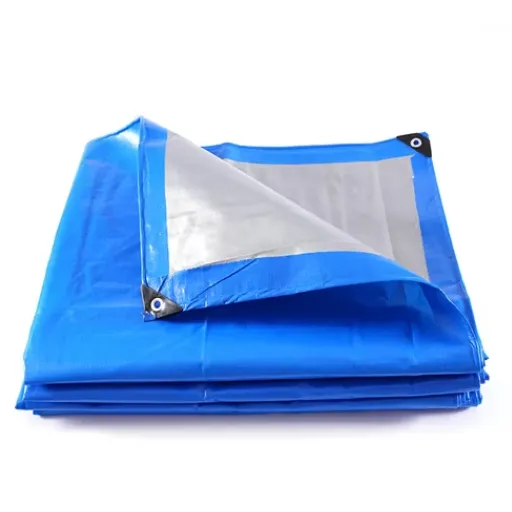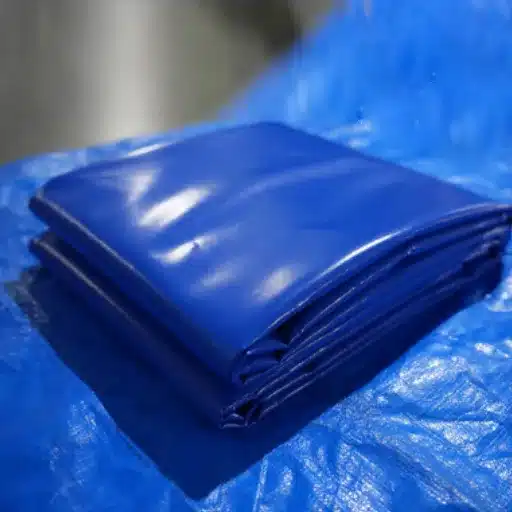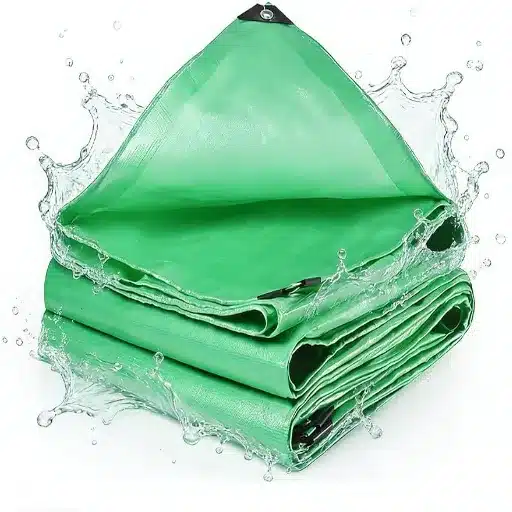
When discussing the necessity of securing loadings in open-top containers, getting the proper sheeting is critical. Custom-made PVC shelters fit for purpose have recently gained in popularity and are considered extremely economically practical as they meet the sizing requirements for the disposition of goods across different sectors of industry. This instructional aid has been designed to address all things custom PVC tarps, ranging from their significant features, benefits, to the flexibility in terms of selecting the most appropriate length and width so as to fit to your particular stiffing requirements. Whether you want an increase in the protection of the materials you are shipping, the transport means or the use of the metal boxes themselves, this article rotation will help you develop the right thinking concerning such thoughts. Let us know how a new innovative system regarding the use of PVC tarps can change the way the stock and containers are managed.
Understanding Open-Top Containers

Shipping containers with open doors are special containers that are fabricated for freight shipment of heavy, exceptional loads that do not fit inside standard containers. Open top containers differ from the normal containers since they have an opening at the top covered with a removable tarp, making it easy to load and offload components from above. They are strong-walled with steel walls that ensure their strength as well as include in the standard structure reinforced cargo points to prevent any displacement or shiftings of cargo items. They are primarily used for the transportation of heavy machinery, building materials, construction equipment, and the rest of the heavy-weight. It is known that the outline of these containers is in harmony with the conditions of international transportation and adjusts itself to the peculiarities of oversize and heavy cargoes.
What is an Open-Top Container?
Open top fanatics undergo a completely different construction compared to the rest. It is structured in such a manner that it effectively allows the shipping of excess or irregularly shaped cargo items that cannot be taken through the normal container doors. These containers are normally made in accordance with the standard ISO sizes making it possible for carrying them in different modes of global transport. The closure that is on the roof side is usually constructed in such a way that a strong canvas is spread and tied with ropes subsequently, thus protecting the contents from harsh environmental factors without inconveniencing the unloading of the cargo or the top loading operation.
These containers are usually seen in 20-foot and 40-foot sizes, and are often used in areas like building, mining, and manufacturing because they can handle heavy goods like steel, cables, and machinery. Open Top containers are the most frequently used for purposes containing high weight and are generally able to bear loads of 28,000 kilograms. This type of containers is also provided with a special bottom that can endure any load. The reason for the continuous exposure of this type of block in the global transport industry has been due to their universal solutions for modern problems in this business and compliance of their structure with the accepted rules and requirements in the world transport.
Common Uses of Open-Top Containers
1. Transporting Construction Materials
Open-top containers are commonly utilized for the transportation of various bulky goods, including structural materials like Toutal and other building materials, e.g., steel, wood, etc. They are also designed to hold heavy duty and high cargo and the fact that they are open makes it even better as the bulky cargo is easy to lift and load often with the use of cranes or other heavy machinery. These containers can also carry up to 28,000 kilograms of weight, and shipment visa construction sector requirements.
2. Shipping Industrial Machinery
It is common practice in the industrial sector for equipment and parts such as heavy transformers or oversized turbo-machinery and large-scale electrical generators to be uplifted and transported in an open-topped container. Such equipment typically goes beyond the limits of the height or configuration of standard containers and is therefore essential that an open-top design is available to enclose such gear while maintaining structural integrity as it gets transported.
3. Handling Raw Materials
A lot of industrial activities particularly those that focus on the extraction processes such as mining and manufacturing also involve the movement of open top containers. These containers used for shipping such things as all kinds of nuts, coal, and other minerals have special, extra reinforced floors for carrying heavy loads without breaking the structures of the containers.
4. Storage and Transportation of Cables and Pipes
Transmission and distribution-based utilities have a tendency to continually utilize open-top containers to store, load, and move around extra oversized cables, piping, and all other long, round-shaped elements. Thus, these structural design features make the containers ideal, as they allow easy access during loading and unloading and enable stable transport over long distances.
5. Agriculture and Forestry Products
In the agriculture and forestry sectors, open-top containers can be transported with large and heavy objects, such as logs, tree trunks and harvesters. These containers are also convenient for oversized cargoes that may be unevenly piled or might not fit into any kind of packaging stack.
6. Transportation of Oversized Vehicles
The large vehicle transport sector also uses specialty open-top transport equipment on a couple of instances. These are special equipment containers used to transport oversized off road construction plant, any farm equipment and other large vehicles that cannot be fitted into the typical height and length of standard containers.
Benefits of Using Open-Top Containers
1. Ease of Loading and Unloading
Not having a fixed top allows the merchandise to be loaded off-loaders, which is best when dealing with the massive or odd-shaped items. For example, cranes or some other lifts in a factory can move out large items such as industrial turbines and steel without the driver having to be very careful in a small corner. In this manner, loading can be done within the economy of time the demand being that up to 30% regarding the traditional structure of loading a container.
2. Accommodates Oversized Cargo
Open-top containers are distinct containers designed to accommodate cargo of exceptional or irregularly formed specifications, and height exceeds the usual measurements provided by standard containers. These include heavy machinery and industrial equipment or otherwise large pieces of building material. Thus ensuring compliance with international consignment practices and rational utilization of space.
3. Enhanced Customization
Being removable, the stretched tarpaulin has been designed in the manner that will help in avoiding wetting the laded cargoes and or the picking material from the top rather than on the ground. This makes it suitable for industries that transport bulk materials like scrap metals or timber, which may not need rigid protection.
4. Cost-Effective for Specific Goods
By doing away with the need to modify or downsize bulk goods in order to fit in standard containers, open-top containers prove beneficial in reducing costs and minimizing the chances of their being damaged. Consequently, when it comes to the construction and heavy machinery industry, the use if open-top containers is found to help reduce the outlay on logistics by as high as 20% on average.
5. Versatility Across Industries
These containers serve quite a number of industries such as construction, manufacturing and agriculture. The fact that they can handle various types of cargo, such as loose cargo, unpacked, such as sand, loose raw materials, up to prefabricated industrial modules, means that they are a crucial component in the operations of international supply chains, looking for an effective disconnect between superfluous and necessary.
6. Durable and Robust Construction
Capable of withstanding vertical force of the load and, consequently, the weight of the load as well, open top containers’ reliability is assured. Such durability and longevity, including that in instances where conditions are harsh and extreme, is a long-term financial advantage to individuals or organizations that are bulk cargo carriers.
The Importance of Tarps for Open-Top Containers

Tarps rank among the most essential necessities in the maintenance of open-top containers. The principal aim of usage of these is of course guarding the load from the harsh elements, which include but are not limited to, rain, snow and the effects of the sun radiation, that could have a negative effect on the goods. Even during hostile weather conditions, this is achieved when, as is required by the circumstances, the tarp is suitably placed in the port over the container and the wares remain unaffected.
Moreover, sheets of this nature contribute to the safety and ensure high stability by preventing the escape and loss of any free powder or light weight particulates of the cargo during movement. Good quality tarps, mainly made of hard weather resistant material, are also highly effective in increasing the service orientation of the container by the avoidance of damages to the container due to exposure to environmental conditions. And this is why the use of tarpaulins is inevitable to save such facilities and the products they carry in them.
Protection of Cargo with Tarpaulin Covers
The uses of tarpaulins are diverse when it comes to cargo protection during travel, as they can definitely overcome a larger proportion of hurdles related to the prolonged exposure of cargoes to weather elements and transport in open vehicles. Consequently, the development of tarpaulins mainly focuses on materials such as polyethylene and PVC, both used for their inherent characteristic of being tough, to the actualization of advanced UV-resistant or waterproof fabric. The good news is, these materials can keep even the most sensitive cargo out of trouble thanks to excellent barriers against rain, snow, and even more dangerous UV rays that are known to cause wear or turn any sensitive belongings yellow or will damage them. These uses also save time and money as the cargo can be loaded and activities pertaining to them carried out with very minimal requirement for maintenance or replacement of weathered fuel.
Tarp covers are not easy to regulate as they provide much useful and sustainable transport. For example, many industries, in particular, transport and agriculture make use of tarps for ensuring safety while transiting products like grains, lumbers, stones and others which can be subjected to any form of contamination or loss. Not only that, improvement in the construction of tarps, there are now ultra-thin and strong tarps which have made handling easy without losing their performance characteristics. This leaves no doubt as to the importance of tarps in logistics in respect to the transportation and safety of goods.
Types of Tarps: Heavy Duty vs. Standard
| Parameter | Heavy-Duty Tarp | Standard Tarp |
|---|---|---|
| Material Strength | High tensile strength | Moderate tensile strength |
| Thickness | Typically 10-20 mil | Typically 5-10 mil |
| Durability | Resistant to tears and punctures | Less resistant to wear |
| Weight | Heavier for stability | Lightweight for easy handling |
| UV Resistance | Superior UV protection | Basic UV protection |
| Waterproofing | Fully waterproof | Water-resistant |
| Temperature Tolerance | Handles extreme temperatures | Suitable for mild conditions |
| Longevity | Long-term use with proper care | Shorter lifespan |
| Applications | Industrial, construction, heavy loads | Mild weather, light-duty coverage |
| Cost | Higher cost due to advanced features | Affordable for casual uses |
Features of Quality Tarps: Waterproof and UV Resistance
Cutting-edge covers made of high quality materials boast of combining ultramodern waterproof and anti-UV technologies, which ensure that they surpass in durability and productivity in different environments. When it comes to achieving its waterproofing features, these covers rely on the integration of polyethylene or PVC coatings, for instance. This is implemented in a way that water does not seep through the coating ensuring that the tarp is useful during extreme weather conditions like heavy rain, snow and is useful even when it is raining, especially in the outdoors or in industries.
Premium tarp products offer UV protection with a specially treated fabric which is capable of shielding the user from the destructive UV rays. Ultraviolet rays easily cause material decay when allowed to strike a fabric for too long, thus bringing up the problem of weakening, breaking the fabric’s contents, and practically any other type of deterioration. The UV rays resistant tarps are preferred because they incorporate technologies that manage this effect even in high degree sunlight thus extending the shelf life of the tarp leaves. Such Protection is especially critical in scenarios such as construction applications, wind, agricultural, and outdoor storage applications, where harsh weather conditions are expected.
Customization Options for Container Tarps

Customizing the container protection shields is a marvelous utility. Every individual will have their needs well covered, thus doing their best on various duties. More specifically, the changes include:
- Size Adjustments:
Tarps are made to fit exact measurements so that there is no untidy space on the container sides not adding to the design and this also ensures that coverage is maximized. - Material Selection:
It is very difficult to find a material that is not useful. The strongest, most flexible, and most weather and tear resistant vinyls you can find are all found somewhere. - Grommet Placement:
This factor is significant especially in areas characterized by extremely strong winds or heavy loads because the grommet spacing increases steadiness. - Color Options:
Custom colored tarps are helpful for identifying certain objects, branding purposes, or control of heat reflection. - Add-Ons:
Enforcements such as double hemming or extra reinforcement such as D-rings and additional tie down points for greater strength and performance can be included.
Given these design specifics, it is clear that, while effectively catering container tarps to specialized requirements, the veils are very secure and hard-wearing.
Choosing the Right Size: 20ft vs. 40ft
When deciding on which length to choose 20ft or 40ft container tarp, there are several factors that must be considered in order to achieve the best results taking the expenditure into account. Generally, a 20ft container sheet is used for smaller size products thus making it easy to move from one place to another and containing the goods that do not have to be enclosed. In contrast, a 40ft container sheet is more preferable for larger quantities of goods and it allocates the space to hold the goods, while maintaining the efficiency of the cargo facility without caving in or being inferior to the condition.
It can be deduced that the size of a 20ft container can be of the order of 33 cubic meters, which can sufficiently satisfy the needs of small and medium-sized cargo while also packing it with a high level of efficiency or ease. On the light cargo’s side, however, the 67 cubic meters of the 40ft container champ easily overpowers in the 40ft container fitting even heavier and bigger cartages. Load stability is an issue for small orders as weight shall be increased to use a larger goes. Many will disagree again on the larger tarp as opposed to the smaller one. It is bigger, and you wouldn’t need to use more canvas to cover the space, which means heavier loads are now protected from the elements or jerks during transportation. At last, the decision to use either a 40ft or a 20ft tarp will hinge upon how much space and what mass needs to be delivered and how it is delivered. It is imperative to understand the measurements to select an appropriate tarp that balances cargo safety and cost-effectiveness.
Color and Thickness Customization
When creating and providing a wide range of widths tarps, customization color and overall dimension, are considerations to account for the edge on competing offerings. Color selection can be utilized in recognizing the substance according to its color, facilitating some operations or conforming in accordance to certain transport and storage requirements. As construction safety measures, for instance, we have colored tarps such as yellow, orange which help in easy identification of construction sites and areas. However, colored tarps in black and green are used in scenarios that require much lower visibility due to security or consideration for camouflage in the environment.
As a rule, the gauge is an integral point to be taken when measuring durability and serviceability of a tarp, in terms of thickness in mils. Thicker tarps, for instance those that are from 16 to 20 mils, are resistant to punctures and often do better in holding up against harsh environmental factors present, thus lending them as ‘heavy duty’. In contrast, wider options (8 to 10 mils) are highly maneuverable and are perfect for soft or temporary uses. This is by using colors that can easily be modified to match the thickness and nature of the products under investigation, and in so doing, tarp users are able to eliminate the possibility of their material getting worn out too soon, while still meeting numerous environmental and logistical requirements of the tasks at hand.
Special Features: Grommets and Eyelets
Grommets and eyelets are crucial parts of a tarp whose main purpose is to make it last long and stay functional by allowing to fasten with ease. There is a padded lining or a grommet gap of tarps that are ordinarily populated by corrosion-resistant materials like brass, iron, or stainless steel. Their arrangement along the stitching line is for a specific set of custom anchorages that tend to contain the stress created in the fabric and prevent tear, which is a bit considerate given the few definite assists on their appropriate use in high tension surfaces. This prefix is rooted in a more earlier design of eyelet that was used to receive the latter’s orb from the correct outer surface without sagging.
The outstanding evolution of grommet manufacturing means more and better anchorage elements that are developed to better meet the load needs, therefore resisting more and more mechanical stresses in agriculture, construction and shipping among others. This includes ways of looking for repairs which includes inspection of damage or corrosion as it reduces the chances of the tarp being put to waste before it ages more than years.
Key Factors to Consider When Choosing a Tarp

1. Material Composition
Please indicate which particular fabric you need. The most typical are light-resistant polyethylene, porous and strong canvas, and robust and resilient vinyl panels.
2. Size and Coverage
Scale turns to the chain utilized for fixing, taking into account the size and the weight of the load and the necessary slack or overlaps required on the side.
3. UV and Weather Resistance
Even more so, if used outside, tarps that offer some UV protection as well as climates with particularly harsh weather conditions, such as extreme rain or extremely cold periods.
4. Reinforcement Features
It becomes necessary to seek tarpaulins with reinforced edges, gusseted metal eyelets, and resistant fabric as the tarp’s survival is put into question by vigorous activities or frequent use.
5. Purpose-Specific Design
Consider whether the layout of the tarp corresponds to the needs under consideration, e.g., the concern for health and safety can be addressed by the use of fire-retardant tarpaulins and the use of transparent tarps to allow light into greenhouses.
Material Quality: PVC vs. Other Fabrics
| Parameter | PVC Tarps | Other Fabrics (Polyethylene, Canvas, etc.) |
|---|---|---|
| Durability | High resistance to wear and tear | Varies; typically less durable |
| Waterproofing | Completely waterproof | Water-resistant or waterproof (varies by type) |
| UV Protection | Excellent UV resistance | Moderate to good UV resistance |
| Temperature Tolerance | Withstands extreme heat and cold | Limited tolerance, depends on the fabric |
| Flexibility | Highly flexible and moldable | Moderate flexibility |
| Weight | Heavy due to thicker material | Lightweight to moderate weight |
| Lifespan | Long-lasting under regular use | Shorter lifespan |
| Cost | Generally more expensive | Affordable and budget-friendly |
| Maintenance | Easy to clean and maintain | Requires more care and attention |
| Environmental Impact | Difficult to recycle, non-biodegradable | More eco-friendly options available |
Climate Conditions and Their Impact
Temperature influences significantly material behavior in their application, degradation, longevity, and many other aspects. Temperature change especially when extreme can lead to expansion or contraction of material which will cause weakening of the engineering structure in the future. On the other hand, metal will corrode faster in humid environment. Some materials like wood and textiles also get weaker under intense humid conditions. In such a climate UV radiation also has bad effect for it leads to whitening and breaking of such substances as plastics or paints. For example, in the majority of regions rich in humid climates, concrete fails due to snowfall and expands on refrigeration making plastic deformation of water proofing components rather serious. It is key to protect the environment and choose healthy materials to be used which can withstand extreme conditions and still last.
Specific Cargo Requirements
Meeting or complying with certain demands for a certain type of load needs one to have a clear comprehension of the nature of the product that need to be moved. Delicate cargo like glass and electronic devices need special packages that have a strong shield to minimize the possibility of breakage or damage during transportation. Conversely, goods that have to be kept within certain temperatures, for instance in the case of pharmaceuticals, have to be approved in such a way that they are only kept in the correct temperature throughout the transport sector. Temperature might even be monitored and tracked all the way from the time the product is packed. Because of the clear expectation of the customer, this is also termed as Good Distribution Practices or GDP.
Hazmat makes essential compounds subject to strict instructions like UN labeling and classifications to protect against any damage while in transit or in use. Moreover, the use of such solutions, such as GPS-based positioning and smart sensors, will make it practicable to observe the location of the high-value cargo in real time, ensuring compliance with these regulations and clarity in logistics.
Maintenance Tips for Longevity of Tarps

1. Regular Cleaning
Deal with loose dirt, decay and discoloration straight away with the help of water and moderate detergent. Be extra careful not to use any substances that can embrittle or make the material wear thin.
2. Proper Storage
When the tarps are not being used, ensure they are kept in a protected area that is free from heat and moisture. Also they must be completely air-dried before being folded so as to avoid any form of mildew attack.
3. Inspect for Damage
Routinely perform examination for weak portions, tears can be thick, inside or inside the separated sections or holes. To graphite and undercast avert the completion of all above-referenced loaded damaged case in order to minimize the under loss of potential loss of interest.
4. Avoid Improper Stress
Seeing as the tarps are being put to use, make sure they are attached adequately and in correct shapes, while ensuring there is no added pressure on the material that can result in deformation or breakage.
5. Protect from UV Exposure
For the exposed areas, the sun tarp should not be stored with the goods but rather faded or damaged tarps.
Regular Cleaning and Inspection
Every tarp is subject to wear and tear; whether it occurs quickly or gradually depends on the manner in which it is maintained. One simple step one can take in order to limit aggrevated damages to the tarp, is to clean it using soap and water incase of dirt or overload, an accumilation which can cause the tarp’s material to wear away. But for the reasons offered above, nothing that would scratch the surface should be used in the process and of course the process of cleaning the tarp with high pressure water should not be used because it tends to put the material and makes it vulnerable.
Once cleansed, the tarp should be unfolded and left in sectional portions rather than just folded and stored away to avoid mildew growth. Grommets, edges, discoloration or creasing could indicate that inspections shall be needed soon enough. It is also important to ensure that stress damage from the ends of the textiles is effectively managed. Clean-outs and examinations are recommended to be done every other month or especially frequently for exposed fabrics in physically harsh conditions.
Storage Recommendations
For the tarps to last longer and maintain their purpose, their storage has to be done in the right way. Make sure to clean the tarp well and ensure it is dry before storing it so that dirt, moths, and mildew will not stick to it over time. After the cleaning process, it is good to fold the tarp neatly creating free sections rather than one with folds mostly taking up space in the high tension areas which could destroy the strength of the material. It is advised to put away the tarps in a cool and well-ventilated place to protect them from the degradation that may be caused by direct exposure to UV rays. If possible, make use of specially designed storage cases or packages for tarps which repel dust, water and harmful insects.
There are also recommended cool storage conditions to avoid brittleness because of extreme cold temperatures or warping because of being kept in high temperatures for extended periods; this includes tarps. For taking the tarps in and out of storehouses and for what kind of storage the tarps are used, it will be more convenient if the tarps are classified according to their sizes and applications. In addition, inspection checks should be carried out regularly, even in places where they are designed to be kept for a long time, to verify if the cover is in good health.
Repairing Minor Damage
A few minor cuts or tears in a crocus can easily become a major problem. This is why it’s important to fix these issues quickly. To get started, clear the contaminated space where there are loads of tarps with detergent and water so that foreign matter doesn’t prevent the operation of the repair material. Next, dry out the area fully in advance. In the case of small rips or holes, the application of repair tape for tarps is rather simple as well as useful. Make sure to apply the tape at least two inches outside the boundaries of the damaged area to increase the overall strength and stability.
For larger patchwork issues, a patch made from tarp of same quality of an equivalent one should be used with a strong adhesive or a waterproofing sealant. Cut the patch so that it is big enough to cover the damage alongside leaving an extra two to three inches for secure wrapping around the area. Concerning this, taping the corners with a waterproof material or even melting them in place with some welding apparatus can also support from damage risks. In this method, for items such as polyethylene or vinyl tarps, there are associated repair sets, which are designed to work with the same materials, and also include proper adhesives to guarantee airtight and waterproof repairs. It is recommended that you regularly check for any netting or maintenance to ensure that the repairs are still fit for purpose.
Reference Sources
- Tarping for Vegetable Crops
Read more here - Bulletin #1075: Types of Tarps and How They Work
Read more here
Frequently Asked Questions (FAQs)
What is a PVC tarpaulin cover for an open-top container?
PVC or polyester fabric material is also commonly used in heavy duty tarpaulin covers for hay among other things. These are protective sheets that shelter the goods because no such bypassing is allowed for the cargo. The roof is attached, either strapped or secured, by its tight waterproof construction. These tarpaulins are airtight, impervious to UV rays and resistant to wax coatings, thereby making them suitable for use on warehousing containers and open-top shipments. In particular, tarpaulin suppliers usually manufacture several different custom sizes specifically suitable for confining lashing bars on standard 20-feet & 40-feet deep open top containers.
How do shipping container tarps protect contents from rain and prying eyes?
Shipping container tarps serve as a second layer of safety by covering the container, guarding against water ingress, being the best waterproof open-top container solution. The tarpaulin cover further hides the cargo to shield the container from prying eyes and reduces the risk of pilferage in high-theft areas. The cover, when tensioned with a tire cable or anchoring bar, remains secure and locked in position, held in tightness throughout the long trailing processes. These protective tarps are fashioned from materials; some are constructed using 22 oz PVC coated fabrics ideal for both water resistance and durable use.
What are the recommended container parts for fitting a container tarp cover?
It is recommended that container tarp covers be customized using the precise parts such as grommets or eyelets, roof bows, the tir cable, and lashing steel rings or steel bar system for open-top containers, as these contribute to anchoring the PVC tarp and distributing tension so that the cover remains tight. Such parts protect the actual container from being further damaged while in the carrier’s custody, and adhere to the standards of the shipping company. Properly installed parts will work against maintenance, thus minimizing loss because of damage to both the cover and cargo.
What’s the difference between a container tarp and a container tarpaulin?
Sometimes, container tarp and container tarpaulin are interchangeably used, but “tarpaulin” is, in general, used in reference to PVC-coated material specially designed for covering the tarp. Container tarpaulins are specially made for under top container conditions and have UV protective properties and reinforced corners, as well as many grommets or eyelets. They are engineered to create a waterproof tarp cover to secure all belongings from debris and rain while traveling. The nature of the materials and manufacturing differs considerably, so in turn, the right manufacturer of tarpaulins is important.