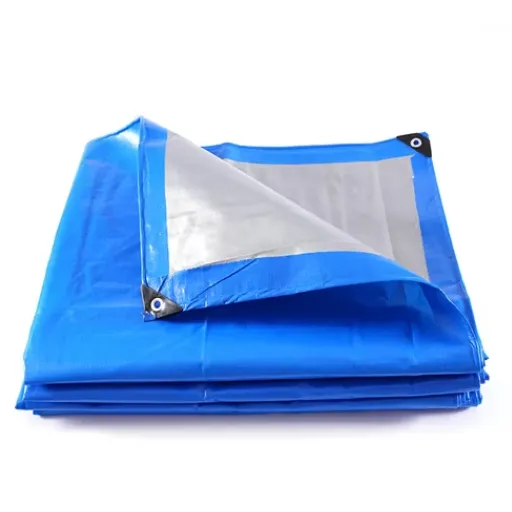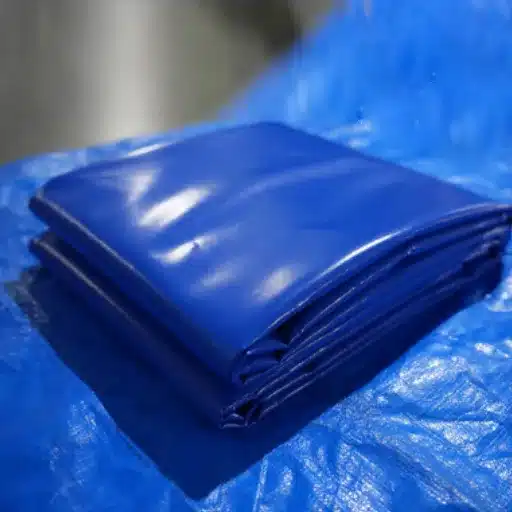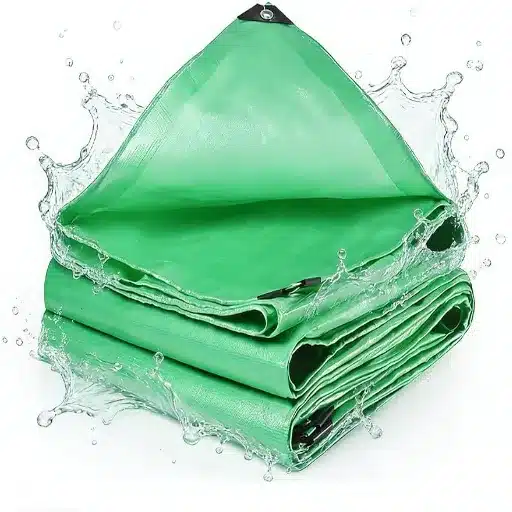
During the prior November, a tour guiding service in Wisconsin put together ground blind with traditional hunting capabilities during this deer season. In order to save a few dollars at the counter, he purchased a simple green one from a local sports outlet. By lunchtime, two Red Robins had approached his space within a distance of 50 meters. Both animals saw the man first. What happened next was that the plain color served as a bright bridge comparing it with the vivid colors of the bear ground. The man went home without any game due to the realization that the $20 he saved on the tarp was actually very costly.
In case you are involved in the management of hunting activities, the acquisition of weapons for the military or supplies for outdoor use, you would know that it is very significant not to be found easily. The seasonal gear of the global hunting equipment market worth over 25 billion dollars is largely compromised in view of the absence of well-designed camouflaging. This is why camouflage polyethylene is surprisingly effective in that it creates contrasts at wide spaced regions and thereby hides the exposed sites.
This manual deals with all the essential principles of using camouflage tarps. The discussion includes popular camouflage variations, material options, ways of deployment, and the ways in which camouflage can be embedded. It serves those who provide hunting trips, are in the business of training military professionals, and all others in the selling and marketing of camping equipment.
Planning a bulk order for your hunting or outdoor operation? Contact our team with your pattern and quantity requirements. We provide custom camo tarpaulin solutions with OEM branding options.
What Is Camo Tarpaulin?

Camouflage canvas, named that because it is printed with patterns of grey, green brown, and black to be able to merge into the territory it occupies, in contrast to the classic tarpaulin that forms a barrier to the environment it is used in. Instead, it uses colored patterns and diffusive constructs to integrate at various distances with the environment.
Production of tarpaulins and awnings starts at the heart of the production supply chain – the Base tarpaulin material. This base tarpaulin material is more often prepared from Polyethylene (PE) or Polyvinyl chloride (PVC) because of its intrinsic strength in durability and waterproofing. Some coloring technology like print base, uses heat transfer or coating technology to bond the color to the fabric fiber.
Camo tarpaulin effectiveness is based on masking. If anything, solid colors related to the subject matter tend to shape recognizable patterns which animal or human vision will easily catch. In that sense, camouflage patterns create grids that break such patterns and therefore interfere with the straight recognition and direction by those viewing.
Camo Pattern Types and Applications
Not all camouflage preferences provide an equally high level of concealment across all landscapes. This means that selection should consider the member characteristics of various patterns.
Woodland Camo
Making use of undulating shapes with organic irregularities of green, brown and black color tones, forest patterns are made to fit diverse populations of plants specific to the regions. This kind of composition is the most conspicuous and adaptable in relation to the region of the United States concerning interests on hunting.
The principle of woodland design is the diffusion of light into wood grained axis in such a way that does not create any distinct spots or rays of the reflecting light. The coloration of woodland camouflage varies among manufacturers. Some adapt more for the Eastern hardwoods, while others concentrate on the Pacific Northwest conifers.
The light tends to be mixed with the subject better while using these items. Brighter patterns are best used by hunters more in the beginning and middle of the season, when trees are still heavily covered. Other designs that incorporate more brown and black hues are more preferable by hunters at the end of every season contraction after leaves have dropped.
Digital Camo (Pixelated)
Unlike forms in nature, digital patterns consist of uniform, square shapes. This style of camo, initially conceived for the armed forces, has gained acceptance in modern society particularly among those who take their guns to a range or on the field.
The pixelated format is inclined to cause viewing mistakes at both short and long distances. There is an effect of distance where the micro-patterns create a new color. At a close distance, the texture of the square elements exacerbates the pattern break up than it usually would with the conventional pattern being a simple blob. Some of the military styles in this category are MARPAT (Marine Pattern), ACU (Army Combat Uniform) and CADPAT (Canadian Pattern).
Desert Camo
The desert pack offers a camel, sandy and beige color blend which is excellent for regions that are desert. Such patterns are applied to the terrain found in the Western region while hunting, in sandhill crane hunting, and Halftrack military vehicle activities on sand, schools of lean weapons desert and so on.
Many fabrics and single items of clothes are made of brown, beige, delicate green or brown colors because there are few trees in the desert and in semi-arid places. Such fabrics and new trends emphasize the use of tacton to make the patterns, which have slight texture difference with sandy, rocky, and sparsely vegetated areas. It is found that fluorescent light camber becomes quite helpful in the case of desert patterns as higher luminance colours can appear excessively bright in the presence of very strong light save for the colour retouching.
Perhaps surprisingly, many of the waterfowl hunters in the Western states, especially those aiming for early season field hunters before harvest, are increasingly choosing camouflage in desert shades. After all, such may fit to the environment of the standing grain and the stubble field more than the forest one.
Snow Camo (Winter White)
Snow-patterned developments have a fundamental white dominant design with underlying gray and black accents. Popular among snowboarders, skiers and other outdoorsmen, these specific fabric arrangements were developed for war and for this purpose.
The difficulty with snow camouflage is the variability of coverage. Completely white is good in powdered snow bit not within trees, rocks and small mounds with less snow. Good snow camo designs ideally incorporate dark shades to avoid the camouflage from failing in conditions that are neither too much snow nor plain background.
Often found in snow camo covers are reversible designs. A unique feature where the obverse is decorated in whites and leveraging on the snow camo benefits while the reverse is with woodland patterns. This facet of snow camo enables any hunter to wear his original cover as opposed to putting on numerous covers for different conditions.
Custom and OEM Patterns
It is now possible to manufacture goods which can be used for particular events and which are specifically dyed or imprinted with a particular pattern. Such differentiating features could be of value to medium and small scale hunting, touring and military manufacturing companies in the upcoming settings and outside them.
The process of custom pattern development following the analysis of the environment is a long one which also takes into account color. Components and aspects such as digital production have provided an opportunity to carry out pilot batch production runs for testing the patterns before mass production just like pattern density. Logos can be included so as to render the concealment solution as a site that provides such products while they are being effectively used.
For distributors and retailers, it is advantageous to take part in an OEM camo tarpaulin program as it enables the development of a private-label product line. These activities typically require certain minimum order quantities, however, it is as well the reason behind considerable competitive advantages through exclusive product offering available from such programs.
Interested in custom pattern development for your hunting or outdoor brand? Request a custom printing consultation to explore OEM and private-label camo tarpaulin options.
Tarpaulin Material Selection Guide

Experts agree that the actual pattern design may be very unimportant is most circumstances. When some of the applications need different material properties for good performance.
PE (Polyethylene) Camo Tarpaulin
PE camouflage tarpaulin, which is an option for temporary use, reminds of lightweight and cost-saving benefits. The technical design of the PE involves strategically woven and polyethylene blocks with waterproof finishes are applied through a variety of surface printed camouflage designs.
Within the scope of PE camouflage, pepper formats are also in use slaughter of 120-200 gsm. PE materials of the lower grammage can be used with caution in camping as well as other short projection blinds as they are light and easy to pack. The heavier 200 gsm shield is just optimized for big hunting games.
It is projected that the operational life expectancy of PE camo is going to depend on the extent of the UV light loading. Ordinary or untreated PE material lacks adequate protection against discoloration and breakdown as it quickly becomes compromised with even a single season of sun rays exposure. However, because it is a good market service, most producers include for UV visible light stabilizers that promote the retention of patterns for a period of up to 18 to 24 months.
A disadvantage of PE tarps with camouflage print is that they do not last as long as the ones made from PVC. This is due to their tearing easily when subjected to pressure and because once torn, the PE tarps are not easily repairable. In such cases, it may be unrealistic to use PE for example to create permanent blinds or to surpass a certain wind velocity for there will always be a downside to such cost cutting measures as one would always prefer not to replace a product sooner than expected.
PVC Coated Camo Tarpaulin
PVC tarps in camouflage are the best choice for heavy-duty work. Through the application of coated polyester, waterproofing properties are imparted to the PVC while decorative textures are inserted right through the coating layers to make it more functional.
The average requirements for usage of standard PVC camo of approximately 18-22oz are not infrequent. For example, the 18oz fulfills the goal of achieving high quality image hunting camo without it being too heavy. The 22oz fulfills the necessity that is having a tear strength and puncture resistance stretch to military and industrial limits.
The most lasting difference between PVC and the other alternatives is the abrasion resistance that is given to the patterns. In environments where we have wearable game patterns throughout the surface, the camouflage is provided as a composite layer within the coating, and not just pasted on. Appearances of PVC tarpulins are retained even after years of repeated use as well as cleaning. As a result, fading in the presence of UV radiation will take several years, typically 3-5 years to occur fully.
PVC camouflage is useful for the construction of a permanent blind in addition to the military training facilities, the use of the plastic aerospace equipment in industry and other areas and the corresponding commercial operations geared towards these sectors. Any grommets, stitching, and hardware attachment was accepted without the peeling of the material as opposed to the common soft polyethylene options.
Canvas Camo Tarpaulin
Canvas Camouflage Tarp is made of all the above mentioned pictures applied to a traditional cotton or cotton-blend cloth. This sustains the reasons why, as compared to other synthetic products, those produced from natural fibers offer better camouflage options.
Being non-reflective, canvas camouflage mats serve the purpose of reducing the light reflection and hence, any reflections of light. Even better when one considers the unevenness of the surafce as it helps to hide the canvas against the vegetation even at a very close distance or when in direct contact with the vegetation. Few meters away on the photography platform or the photo blinds it is necessary to completely avoid stalking, which the canvas is doing rather impressively.
Its degree of resistance typically relies on the treatment being used. Some treatments do not resist water and water penetrates such and becomes heavy while other treatments resist water penetration and at the same time, their porous properties prevents the build up of condensation within blinds.
Material Comparison
| Material | Weight | Waterproof | Pattern Durability | Best Application |
|---|---|---|---|---|
| PE 120gsm | Light | Yes | Moderate | Temporary blinds, camping |
| PE 200gsm | Medium | Yes | Good | Seasonal hunting |
| PVC 18oz | Heavy | Yes | Excellent | Permanent blinds, outfitters |
| PVC 22oz | Extra Heavy | Yes | Superior | Military, commercial use |
| Canvas | Heavy | Water-resistant | Good | Premium hunting, photography |
Tarpaulin Applications and Use Cases

This assortment of uses for camouflaged tarpaulins transcends the ordinary uses of creating merely proper hunting grounds structures. We can therefore corroborate that these tarpaulins offer a host of benefits and are suitable for diverse uses.
Hunting Blinds and Ground Blinds
Secured with cords and stakes, frame tents of any size are fully integrated to the environment, no matter what kind of fabric is used. Frame structures covered with camo material provide enclosed observation positions that conceal movement and scent.
For an effective, robust and durable blind to be built, the largest possible area must be covered by the protective structure. So that even the ordinary shopping street does not make ones head look high above all other things, it is the area in between above the ground and width-wise that sacrifices floor depth for other materials. For example such blinds require at least 8×8 feet of tarp but have bigger 10×12 or even 12×12 feet for such people such as groups doing hunting activities now.
The appropriate camouflage pattern should be based on the dominant vegetation around the blind at least up to 100 yards. Blinds that are set up along the edges of cultivated fields may call for patterns which incorporate the element of woodland adjacement and open field. The last aim is to prevent game from seeking cover in response to broken shapes.
The height and effectiveness of any excuse should also take into account wind issues. Camouflage netting with grommets placed at appropriate intervals will not cause considerable noise or movements when fixed into position. On the contrary, waving the blind fabric with the wind makes wild animals aware of something wrong hence the intended woven forms are inapplicable.
Duck Boats and Waterfowl Layouts
Hunting for waterfowl poses particular challenges when it comes to the issue of concealment. It is of value to say that it consists of the provision of covers for boats, in the building of layout blinds and to aid in marsh and/or field activities by giving materials with which one can hide for a short period of time in the field.
Covering boat installations with tarpaulin fully to include engines and accessories makes it necessary to possess tarps of such sizes. Such material should be sufficient to endure a splash of water without any addition of tarp weight. Suitable for camouflaging PVC material is suitable for boats for it is fully waterproof and highly resistant to degradation.
Additionally, camo tarpaulin is used in layout blinds. This tarp looked like camo wed to lower-profile frames which are perfect for this kind of waiting game for waterfowl. Blinds are made so low that a person seated in one can’t be seen by the target yet they should have enough room for waiting without getting achy backs. The decoration pattern, on the other hand, has to be inlines with the specific type of marsh or field plants where hunting is carried out.
Military and Tactical Uses
In the military, the use of camouflaged tarpaulins is not only for hunting household purposes but for some more specialized needs. Such needs include construction of temporary barracks, concealment of equipments, and logistics training.
Bivouac tents are erected using camping or camo tarps as ceiling or sidewall materials. This material should be stable under wind load and capable of providing personnel and equipment with protection from hostile weather conditions and wind. Most of the military scenarios stipulate the use of, for example, over 18 ounce combined fabric, PVC-coated, edge and piece reinforcements.
Most clearly, equipment hiding shields any vehicle, power units, and reserve points against any point within the visual field both aerially and horizontally. Best known as camouflage nets, some large hunting camo tarps are used to throw over the equipment to distort its normal appearance. Most of these operations require modifying the planned camo tarps to appropriately fit the equipment.
Camping and Outdoor Recreation
Campers would use camo tarpaulin to blend in their tents in serious situations. Yet, perhaps, the greatest advantage of the tarp is that it allows public land hunting without exposing bright camping ground which can attract undue attention.
Tarp shelters can be constructed using camo tarp material, They serve to shield the occupants from water and irritations caused by rain and can be easily concealed in nature. They can be easily assembled in various ways such as making an A-frame, lean-to, or simply setting up a dining fly stand or the camo version of a dining fly.
Lateral surfaces consist of privacy screens made of camo canvas which are designed to provide spaces for changing, showering or even using the bathroom in such environments where people are residing together. The construction cannot be seen from the inside and an appropriate ventilation effect for personal well-being can be created.
Tarpaulin Technical Specifications

Understanding technical specifications enables informed material selection and quality evaluation.
Printing Technology
Camo patterns may be printed by the heat transfer method. This dye sublimation process bonds the ink dye into the fibres of the material and as a result, excellent colour depth is achieved. The effect of the pattern is to become one with the fabric rather than just a print lying on the surface.
When a surface needs to be colored, coatings come to mind, which are substances that through the usage of a roller or a spray gun, color the area to be painted. This method is good for both PE and PVC material but the durability of the pattern depends on the coating adhesion. The right quality of coatings do not get cracked or peeled easily and they survive the folding/handling process.
The comprehensiveness of the print design is determined by the accuracy of multicolour alignment in the print. Patterns such as camouflage require 3 to 5 colours to be used in a specific sequence. To achieve no gimmicks in the design, allowing the combination of the different colourations without blending or ghosting, as it dulls the camouflage effect especially around the corners.
Hardware and Features
Grommet’s location is important and affects what is provided during installation and the amount of wind that the material can withstand. Normal locations for grommets are 24-36 inches apart along side with additional grommets on the corners. Grommets that do not easily rust are grommets made of brass or stainless steel because they are moisture and exposure to the field resistant.
Corner reinforcements are placed to cope with the tension that would stretch and tear the fabric at the fastening area of the grommets. For some cases where extra strength is required, double-layerings made with bar-tack stitches are provided to prolong the service of the product as it is designed to be permanently installed.
Along the boundaries of the fabric and binding tape, webbing can be used to additional secure the edges and any fabric reinforcement avoiding a tent dome fall. The reinforcement panels usually have webbing straps, which help distribute the force over a wider surface of the material.
Performance Standards
Users would like to have a rough estimate of the lifespan of the fabric under normal circumstances and heavy use. The specifications shall require that the camouflage fabric should be able to withstand a minimum of 80% fading after 1000 hours accelerated weathering tests of UV exposure.
Tear strength requirements are also found form the data generated from the ASTM D4533 tests. Trapezoidal tear test in the case of hi-loft products must be more than 100 pounds warp direction and weft direction warp at all costs.
Sourcing and Procurement Guide

Procurement decisions extend beyond product specifications to encompass supplier capabilities and logistics support.
Evaluating Suppliers
Assessment of Pattern quality is characterized with the measurement of color values, precision of registration, and definition of edges. Please provide real, hard samples of real materials rather than computer graphics or drawings. Provided samples will be checked against adopted standards of the pattern design.
Material certification should verify the quality assurance for virgin grade tarpaulins regardless of the design related to the tarp surface. This will involve obtaining data as regards the tensile strength, the UV resistance, as well as the prevention of water permeability of the material by means of tests. Certification documents will be provided to those purchasing from reliable suppliers.
Some suppliers require a larger MOQ than others, depending on their ability to provide you with sufficient tailored designs. It is possible to find a ready-to-order design that requires only a few square meter, while certain custom patterns may require several hundreds of square meter for economically efficient production. Kindly check MOQ conditions during selection of design so that a purchase order can be raised accordingly.
Customization Options
With the help of this development pattern suppliers can create unique patterns for their services. It includes design and sectional design, color selection and pattern drawing, pattern scale definition and all-in-all sample production. Sampling digital fabrics allows the assessment of the pattern before starting the full production even in apparels and fabrics production facilities.
Logo rendering combines logo elements and practical camouflage fashion. With respect to logo positioning, the purpose of camouflage must not be forfeited. Applicable also are the techniques such as subtle blending or shadowing that place logos at non-principal surfaces instead of conventional direct facing.
Scaling services are necessary to custom fit certain applications. Rolls in standard size can be used to reduce cost but not in the case of more extensive military or commercial installations which may require the structure to be cut down to certain desired dimensions.
Logistics Considerations
Superior roll packaging is favored for its reduced shipping volumes and facility-friendly material handling. The optimal roll length is generally 50-100 meters as longer lengths are subjected to wastages in most applications. Ensure the dimensions of the cores are compatible with the handling equipment of the client.
The cost of the final product is influenced to some extent by the loading arrangements of the containers. Planning loads of tarpaulin rolls ensures that the container is not full of air and with little volume of useful material. Loading plans are defined and these are not only the recommendations for securing the loads, but these are the ways of utilizing the space effectively.
Tarpaulin Care and Maintenance

Proper maintenance extends camo tarpaulin service life and maintains concealment effectiveness.
Cleaning Procedures
Every now and then a pattern is void of its characters due to dirt, negligible ornaments such as leaves, stems, etc., which interfere with the pattern. For normal cleaning, soft brushes with mild soap should also be equipped. Avoid the use of a power washer, which may direct water into the joints or even damage sections of the surface patterns.
Specialty agents can remove stains, such as blood, tar, or tree resin. Expeditious treatment of the affected area is advised to avoid permanent staining which causes the appearance of spots with time. Test cleaning agents on small samples before using them on whole panels.
In case of future use, mould and mildew control requires drying of hand made rose attar completely. All materials including even waterproof material, when packed in, fold moisture. Overlap, for the reason, as by fixing tarpaulins vertically in order to ventilate because there are several layers of material.
Storage Best Practices
It also requires proper storage without moisture to prevent ultraviolet rays turning fabric during off-season months. The fact that indoor storage significantly extends the lifespan of an item, in comparison with leaving it exposed to sunlight and external conditions, is worthwhile. When storing rolls, it is advised to store them horizontally so that damage-causing creases not to form.
It is advised that folding patterns be done in a way that would prevent any sharp creases at pressure points. Such folds are also known to cause wear in the field and are therefore discouraged for tarpaulins put in to use frequently, but rolled up instead. When it comes to stowing such a tarp cover where another surface lies with metal grommets, it is best to store metal and other hardware separately to avoid splitter damage on the adjacent material.
Repair Techniques
Practice or emergency methods require the use of bonding patches or even tape with advanced adhesive features meant for tarpaulin sheets and their users. Please make sure the surface is dry and suitable for restoration. For all tears, doctors use patches on two sides of the tear, for the most efficient restoration of the tear resistance (strength).
It is sometimes reasonable to skip repairs and just put things out of order by factoring, but this convention is ignored where extensive visible defects are present. Assess the cost of labor, if at all, and that of available material in deciding whether certain parts require repairs, or rather, they should be replaced.
During one of his waterfowl guide services in North Dakota, James experienced the pain of damage and lost hunting opportunities created by the use of cheap eco-friendly camouflage netting. The purchase of discounted PE camo nets for client layout blinds in his first season. In less than a month the patterns golden color had become faded and several tarps had irreparably torn which exceeds three pieces. In the absence of a cheap initial purchase cost, the replacement costs and loss of hunting days significantly outweigh the initial purchase price. The next year, he decided to use a PVC camo tarp with a weight of 18 oz. My costing was a bit more expensive but the design exceeded patterns through a series of seasonal hunts, an addition of more than 60% in the cost per hunt of the equipment was minimized sharply.
Conclusion
Camouflage tarps are a necessity for concealment in hunting and other outdoor pursuits as stealth is often the difference between success and failure. Specific features, such as the embossed design, the type of material used will greatly affect the ability of the user to perform discrete surveillance activities, and even the total cost benefits of using that equipment/part in the operations.
The key takeaways for procurement decisions:
- Match pattern to environment: Woodland, digital, desert, and snow patterns serve different applications
- Select material for application duration: PE for temporary use, PVC for permanent installations
- Verify quality standards: UV resistance, tear strength, and waterproof ratings ensure performance
- Consider customization: OEM and private-label options differentiate product offerings
- Plan for maintenance: Proper care extends service life and maintains concealment effectiveness
When setting up a hunting camp, organizing a military exercise, or selling camping equipment, the underlying principles do not change. Define how things need to be. Inspect their manufacturing procedures. Monitor each one closely.