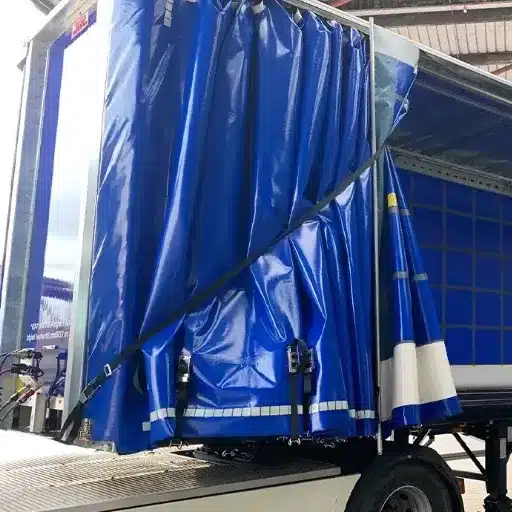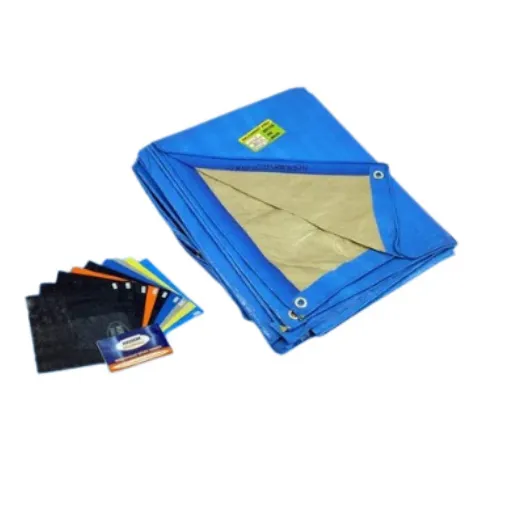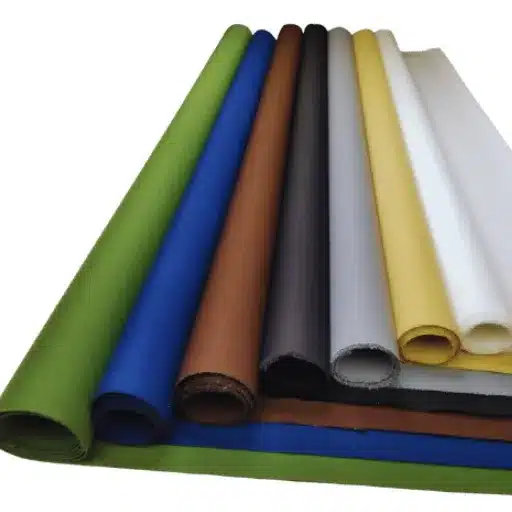
The best tarp material for agriculture depends on what you need to protect and for how long. For most farms, UV-stabilized HDPE tarpaulin offers the best balance of cost, durability, and weather resistance across multiple seasons. If you need short-term coverage, PE tarpaulin is lighter and cheaper. For heavy-duty or permanent structures, PVC tarpaulin lasts longest. Canvas works when breathability matters more than waterproofing.
Choosing the wrong material costs more than the price tag. A thin PE cover that tears after one monsoon season forces an emergency replacement, wastes labor, and leaves crops exposed. On the other hand, over-specifying a heavy PVC tarp for a 30-day cover inflates your budget without adding value. This guide breaks down each agricultural tarpaulin material by performance, application, climate, and total cost so you can match the tarp to the job.
Key Takeaways
- UV-stabilized HDPE tarpaulin is the best all-round choice for multi-season crop protection, pond liners, and vermibeds.
- PE tarpaulin works for temporary covers and seasonal crop protection where low cost matters more than longevity.
- PVC tarpaulin outperforms other materials for heavy-duty, permanent, or high-wind agricultural structures.
- Canvas tarps suit equipment and storage situations where airflow prevents condensation and rust.
- Matching GSM, color, and finish to your climate and application cuts replacement costs and improves protection.
What Makes a Tarp “Agricultural Grade”?
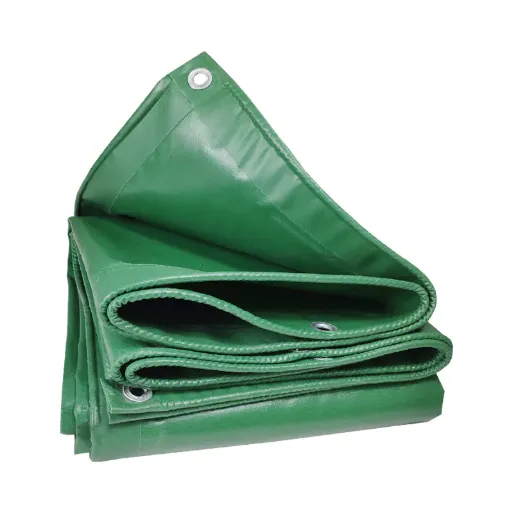
Farm tarps face a tougher life than general-purpose covers. They sit in direct sun, absorb rain, flex in wind, and sometimes contact fertilizers, pesticides, or animal waste. An agricultural-grade tarp must handle all of this without failing mid-season.
Waterproofing is the first requirement. A quality agricultural tarp keeps rain and groundwater out. Look for a hydrostatic resistance rating or a laminated coating that blocks moisture across the entire surface, including seams.
UV stabilization matters just as much. Untreated plastic breaks down under sunlight, becoming brittle and prone to tearing. UV stabilizers slow this process and extend useful life. For outdoor farm use, always ask for the UV rating and expected lifespan.
Tear and tensile strength determine how well the tarp resists wind, handling, and contact with rough surfaces. Reinforced hems, strong grommets, and woven fabric construction all improve strength.
Chemical resistance protects the material when tarps sit near fertilizers, fuels, or cleaning agents. PVC and HDPE generally resist agricultural chemicals better than basic PE.
GSM (grams per square meter) tells you how heavy and dense the fabric is. Higher GSM usually means more durability, but it also means more weight and higher cost. Match GSM to the job instead of defaulting to the heaviest option.
The global agricultural tarpaulin market is expanding as farms adopt protective covers to reduce weather damage and post-harvest losses. According to Dataintelo, proper tarp use can reduce post-harvest losses by 12–18% through weather protection and moisture control. For buyers, this means agricultural tarpaulin is not just a cover; it is a risk-management tool.
The 4 Best Tarp Materials for Agriculture
1. Polyethylene (PE) Tarpaulin
PE tarpaulin for agriculture is the entry point for many farms. It is lightweight, flexible, and inexpensive, which makes it ideal for short-term covers.
Best uses: seasonal crop covers, temporary shelters, grain drying yards, light equipment covers.
Typical lifespan: 1–3 years depending on UV treatment and handling.
Pros: low upfront cost, easy to fold and deploy, widely available.
Cons: lower UV resistance than HDPE or PVC, shorter service life, less tear strength.
PE works well when you need coverage now and plan to replace or store the tarp after one or two seasons. For buyers focused on cost per square meter, PE tarpaulin for seasonal crop covers is a practical starting point.
2. HDPE (High-Density Polyethylene) Tarpaulin
HDPE tarpaulin is woven from high-density polyethylene tape yarn and usually laminated with LDPE for waterproofing. It offers a higher strength-to-weight ratio than standard PE and lasts longer in the field.
Best uses: multi-season crop protection, pond liners, vermibeds, greenhouse sidewalls, equipment covers.
Typical lifespan: 3–5+ years with proper UV stabilization.
Pros: lightweight but strong, excellent UV resistance, recyclable, cost-effective over multiple seasons.
Cons: less flexible than PE, can stiffen in very cold temperatures.
A vegetable cooperative in Kenya switched from 120 GSM PE covers to 180 GSM UV-stabilized HDPE tarpaulin for agriculture after losing two sets of covers to wind damage in a single year. The HDPE covers lasted four seasons, cutting their cost per season by nearly half.
3. PVC (Polyvinyl Chloride) Tarpaulin
PVC tarpaulin for agriculture consists of a woven polyester base coated with PVC resin. It is the heaviest and most durable option, built for harsh conditions and long-term installations.
Best uses: permanent greenhouses, silage covers, pond liners, livestock shelters, heavy equipment protection.
Typical lifespan: 5–10+ years.
Pros: superior tear and abrasion resistance, weldable seams, wide temperature range, excellent chemical resistance.
Cons: heavier and harder to handle, higher upfront cost.
When a structure must stay in place year-round or face strong wind and abrasion, heavy-duty PVC tarpaulin, a common choice for heavy duty farm tarps, is the safer investment.
4. Canvas Tarps
Canvas tarps are made from woven cotton or cotton-poly blends. They are breathable, repairable, and quieter in wind than plastic tarps.
Best uses: machinery covers, barn covers, hay storage where moisture control matters, livestock shade.
Typical lifespan: 3–5+ years with treatment.
Pros: breathable to reduce condensation, naturally abrasion-resistant, biodegradable.
Cons: not fully waterproof, heavier, can rot or mildew if untreated.
Canvas is the right choice when trapped moisture causes more damage than rain. For example, covering a tractor with a breathable canvas tarp prevents rust better than a non-breathable plastic cover in humid climates.
Head-to-Head Comparison: Best Tarp Materials for Agriculture
| Feature | PE Tarpaulin | HDPE Tarpaulin | PVC Tarpaulin | Canvas |
|---|---|---|---|---|
| Weight | Light | Lightweight to medium | Heavy | Heavy |
| Typical GSM | 80–200 | 120–350 | 400–900+ | 350–600+ |
| Waterproofing | Good | Excellent | Excellent | Water-resistant |
| UV Resistance | Moderate | High | High | Moderate with treatment |
| Tear Strength | Moderate | High | Very high | High |
| Lifespan | 1–3 years | 3–5+ years | 5–10+ years | 3–5+ years |
| Best For | Short-term covers | Multi-season crop protection | Permanent/heavy-duty structures | Breathable storage |
| Cost | Lowest | Low to moderate | Higher | Moderate to high |
This table gives a quick reference, but the best choice still depends on climate, application, and how long the tarp must last.
How to Choose the Best Tarp Material by Application
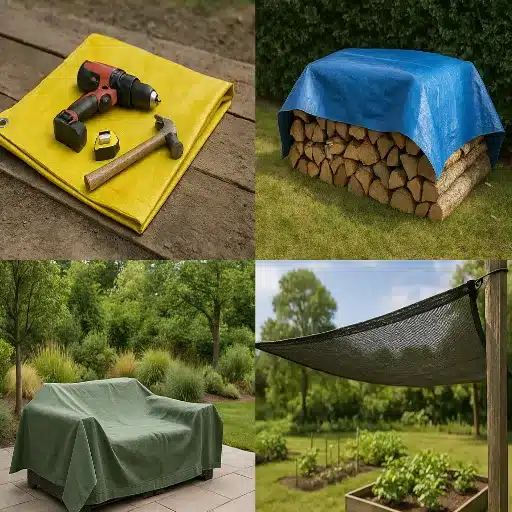
Crop Protection and Field Covers
For seasonal field covers, PE or HDPE work well. PE is cheaper and easier to move. HDPE lasts longer and resists wind better. If the cover stays in place for more than one season, HDPE is usually the better value.
Research from Cornell University found that black plastic tarps used for weed suppression reduced weed cover by 95–100% after three weeks and increased beet yields by 43–82% compared to untarped plots. That result applies most directly to PE and HDPE silage-style tarps used before planting.
Greenhouse and Nursery Covers
PE and HDPE are common for seasonal tunnels and low-cost greenhouses. PVC or reinforced PE work better for permanent structures because they handle wind, snow, and long-term UV exposure. Clear or translucent materials maximize light transmission for growing plants.
Silage and Hay Storage
Silage requires an airtight or near-airight cover to start fermentation. Black PE silage tarps are the standard for short-term storage. For long-term piles or repeated use, reinforced PVC covers resist punctures and last longer. Research by SARE also shows that tarping can increase soil moisture by 10–55%, which benefits the next planting cycle.
Pond Liners and Water Containment
Both HDPE and PVC work as pond liners. HDPE is lighter and more cost-effective for small to medium ponds. PVC is more flexible and easier to seam-weld for complex shapes. Either material should be UV-stabilized if it is exposed to sunlight.
Livestock Shelters
PVC and canvas are both strong choices. PVC provides complete waterproofing and withstands rubbing from animals. Canvas allows airflow, which reduces heat stress and condensation inside the shelter.
Equipment and Machinery Covers
For tractors, harvesters, and tools, abrasion resistance matters. PVC and canvas outlast PE in this role. If the equipment is stored in a humid area, canvas helps prevent rust by allowing trapped moisture to escape.
Climate Considerations: Matching Material to Weather
Your local climate should drive material selection as much as the application.
High UV / tropical climates: Sun degrades plastic faster than rain or wind. Choose UV-stabilized HDPE or PVC. Basic PE may last only one season under intense sun.
Heavy rain/monsoon regions: Waterproofing and seam strength matter most. PVC with welded seams or heavy-duty HDPE with reinforced edges performs best. Light PE covers can leak or tear under sustained rainfall.
Frost and cold climates: PVC remains flexible at low temperatures, while HDPE and PE can become stiff. For cold-weather use, PVC or insulated multi-layer tarps reduce cracking risk.
Wind-exposed areas: A tarp that flaps will tear at the grommets. Use HDPE or PVC with reinforced hems, closely spaced grommets, and proper fastening. Avoid lightweight PE in exposed locations.
GSM, Color, and Finish: The Details That Affect Performance
GSM Ranges for Farm Use
- 150–300 GSM: light crop covers, temporary shelters, nursery shading
- 300–550 GSM: general farm covers, equipment protection, medium-duty greenhouses
- 650–900+ GSM: silage covers, heavy-duty permanent structures, pond liners
Higher GSM adds strength but also weight and cost. A 900 GSM PVC tarp is overkill for a two-week hay cover but essential for a permanent pond liner.
Color Selection
- Black: absorbs heat, suppresses weeds, blocks light completely. Ideal for silage and soil warming.
- White / Silver: reflects sunlight and keeps the area underneath cooler. Good for livestock shade and heat-sensitive crops.
- Green: blends with fields and provides moderate heat absorption. Common for general farm use.
- Clear / Translucent: allows light through for greenhouses and nurseries.
Finish and Reinforcement
Look for reinforced hems, heat-sealed or welded seams, and rust-resistant grommets spaced every 50–100 cm. These details extend tarp life more than a higher GSM number alone.
Total Cost of Ownership: When Cheaper Costs More
The lowest purchase price rarely delivers the lowest cost per season. Consider labor, downtime, and replacement frequency.
A dairy farm in Wisconsin bought 120 GSM PE covers for silage piles at 0.80persquaremeter.Eachcoverlastedonewinter.Overfiveyears,thefarmspent0.80persquaremeter.Eachcoverlastedonewinter.Overfiveyears,thefarmspent4.00 per square meter on covers, plus the labor to remove and reinstall them annually.
The farm then tested a 600 GSM PVC cover at $4.50 per square meter. It lasted eight years. The PVC cover paid for itself before the PE covers reached their third replacement cycle.
This does not mean PVC is always better. For a seasonal vegetable cover used three months per year, HDPE may deliver 90% of the PVC lifespan at 40% of the cost. The key is matching the material to the replacement cycle.
Want to compare material costs for your project? Request a custom agricultural tarpaulin quote for a custom quote based on your application, GSM, and volume.
What to Ask Your Tarpaulin Supplier
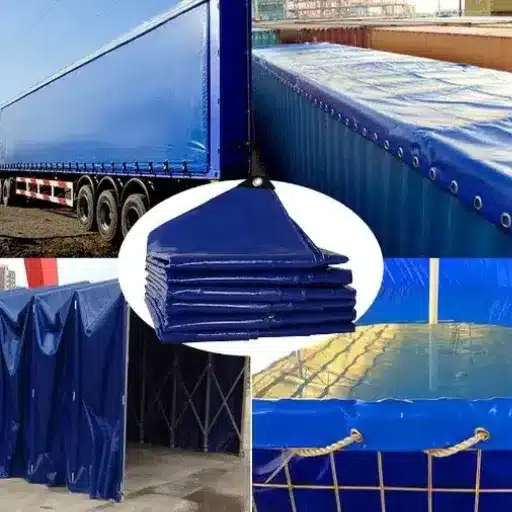
Before placing a bulk order, ask specific questions that protect your investment:
- What is the base material and coating? Virgin material generally performs more consistently than recycled blends.
- What is the UV stabilization rating? Request an expected outdoor lifespan in months or years.
- What is the GSM, tensile strength, and tear strength? Compare these numbers across suppliers, not just price.
- Are seams welded or sewn? Welded seams are stronger for waterproof applications.
- What customization options are available? Size, color, grommet spacing, logo printing, and packaging all affect usability.
- What is the MOQ and lead time? Confirm production capacity matches your delivery schedule.
- Can you provide samples or test reports? A small sample now prevents a large mistake later.
For a deeper supplier evaluation framework, read our guide on how to choose a tarpaulin manufacturer.
FAQ: Common Questions About the Best Tarp Material for Agriculture
What is the best tarp material for agriculture?
UV-stabilized HDPE tarpaulin is the best all-round choice for most agricultural applications. It balances cost, durability, and weather resistance for crop covers, pond liners, and equipment protection.
Is HDPE or PE better for crop covers?
HDPE is better for crop covers that stay in place for more than one season. PE is cheaper and works for short-term or seasonal use where frequent replacement is acceptable.
How long do agricultural tarps last?
Lifespan varies by material and climate: PE lasts 1–3 years, HDPE lasts 3–5+ years, PVC lasts 5–10+ years, and treated canvas lasts 3–5+ years.
What GSM tarp do I need for farming?
Use 150–300 GSM for light covers, 300–550 GSM for general farm use, and 650–900+ GSM for heavy-duty applications like silage and permanent structures.
Can PVC tarps be used for greenhouses?
Yes. PVC is suitable for permanent or heavy-duty greenhouses because it resists UV exposure, wind, and temperature changes better than lighter materials.
Are canvas tarps good for farm equipment?
Yes, when breathability matters. Canvas prevents condensation buildup, which reduces rust on machinery stored in humid conditions.
What color tarp is best for crop protection?
Black suppresses weeds and absorbs heat. White or silver reflects sunlight and cools the area underneath. Green blends with fields. Clear or translucent covers work best for greenhouses.
Conclusion
The best tarp material for agriculture is the one that matches your protection needs, climate, and replacement cycle. PE agricultural tarpaulin works for short-term, low-cost coverage. HDPE agricultural tarpaulin delivers the best balance of durability and value for most farm applications. PVC agricultural tarpaulin handles the toughest, longest-lasting jobs. Canvas tarpaulin protects equipment and stored goods where airflow prevents moisture damage.
By focusing on GSM, UV stabilization, color, and seam construction, you can reduce replacement costs and improve protection across every season. Whether you are a farm operator, distributor, or procurement buyer, specifying the right material upfront is the easiest way to avoid mid-season failures.
Ready to source agricultural tarps for your project? Request a custom quote and our team will recommend the right material, GSM, and finish for your application.