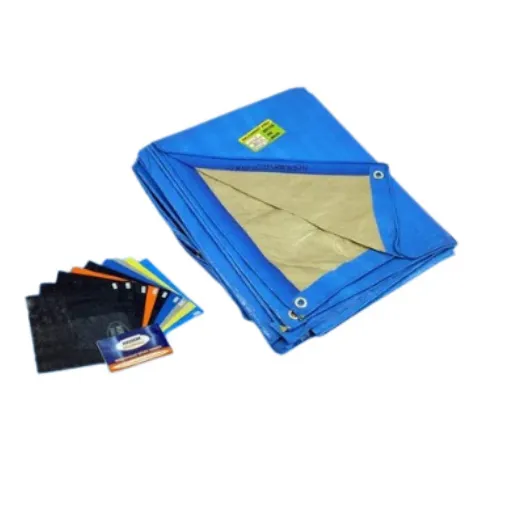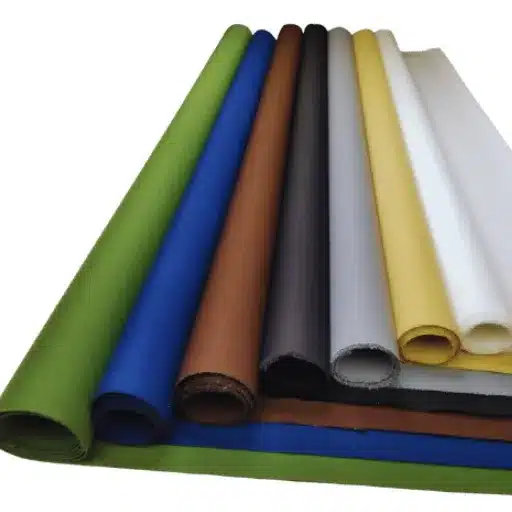
The best tarp material for truck covers depends on what you haul, where you drive, and how long the cover needs to last.
For heavy-duty, long-haul protection, PVC-coated polyester is the top choice. For budget, short-term jobs, polyethylene (PE) works. For loose debris and airflow, mesh is better. For breathability, canvas is the answer.
Marcus runs a 14-truck flatbed fleet out of Houston. Two years ago, he bought lightweight PE tarps for every rig to save money. Within eight months, highway wind and steel edges had torn half of them.
One failure let rain soak a $22,000 steel coil during a thunderstorm. The insurance claim took three months. The lesson took ten minutes: the wrong material costs more than the right one.
This guide will help you choose the right truck cover tarp material for your cargo, climate, and budget. You’ll learn how to choose truck tarp material by matching GSM and weight to durability, which material fits each truck type, and what construction details protect your investment.
Request a Custom Quote for truck tarps built to your exact specs.
Key Takeaways
- PVC-coated polyester is the best truck tarp material for heavy-duty, waterproof, long-haul protection and lasts 5–10+ years.
- PE/HDPE tarps are the most cost-effective option for light-duty, short-term, or seasonal use.
- Mesh tarps reduce wind drag and contain loose loads like gravel and mulch but aren’t waterproof.
- Canvas tarps breathe well and resist condensation but aren’t fully waterproof for highway hauling.
- Match GSM to duty cycle: 500–650 gsm for light duty, 650–900 gsm for standard transport, 900–1,200 gsm for heavy duty.
What Makes the Best Tarp Material for Truck Covers?
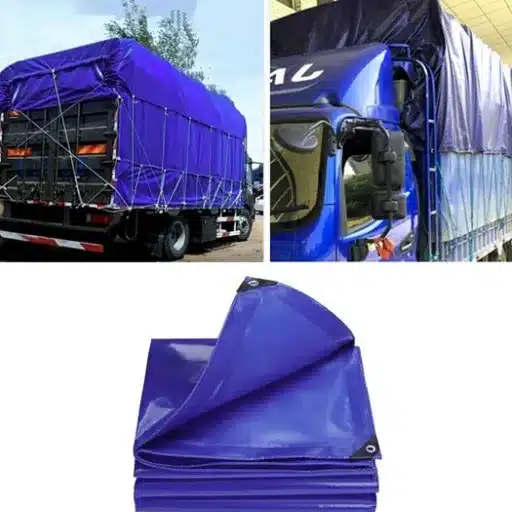
A truck cover does one job: protect cargo from weather, road debris, and theft while surviving wind speeds that can exceed 70 mph on the highway. The best tarp material for truck covers is the one that balances four factors for your exact route and load.
Waterproofing keeps rain, snow, and road spray off cargo. Tear and puncture resistance prevents damage from cargo edges, tie-down hooks, and wind flapping. UV resistance slows degradation from sunlight. Cold-crack flexibility keeps the fabric supple in freezing temperatures.
Weight is measured in GSM (grams per square meter) or ounces per square yard (oz/sq yd). Thicker material usually lasts longer, but thickness alone doesn’t tell the whole story. A high-quality 650 gsm PVC with a dense woven base can outperform a cheap 900 gsm product with loose weaving.
Look beyond the label. Ask about the base fabric denier, the coating formula, and whether edges and seams are reinforced. These details determine whether a tarp survives one season or five, and they’re central to picking the best tarp material for truck covers.
Best Tarp Material for Truck Covers: Materials Compared
Each material solves a different problem. The table below compares the most common options for truck covers. The best tarp material for truck covers in your fleet will depend on how these properties match your daily loads.
| Material | Best For | Waterproof | Durability | Lifespan | Cost |
|---|---|---|---|---|---|
| PVC-coated polyester | Heavy-duty flatbed, long-haul, steel, machinery | Yes | Excellent | 5–10+ years | Higher |
| PE/HDPE | Budget, short-term, general freight | Yes | Moderate | 6 months–2 years | Low |
| Reinforced PE (RPE) | Mid-duty transport, reusable covers | Yes | Good | 2–4 years | Medium |
| Canvas | Breathable needs, machinery, condensation control | Water-resistant | Good | 3–5 years | Medium |
| Mesh | Dump trucks, debris, landscaping | No | Good | 3–5 years | Low–Medium |
| Cold-climate PVC | Northern fleets, recycling, extreme cold | Yes | Excellent | 5–10+ years | Higher |
PVC-Coated Polyester
PVC-coated polyester is the workhorse of commercial trucking. The polyester base provides tensile strength, while the PVC coating blocks water, UV rays, and most chemicals. It’s the standard for flatbed steel tarps, lumber tarps, and machinery covers, and it’s the most common choice when buyers need a heavy duty truck tarp that stays watertight.
Common weights range from 500 gsm to 1,200 gsm, or 15 oz to 36 oz per square yard. For most heavy-duty applications, 650–900 gsm is the sweet spot. Heavy-duty PVC tarpaulin resists tearing at highway speeds and holds up through thousands of folding cycles.
The downside is weight. A full-size PVC flatbed tarp can weigh 25–40 kg, so drivers need proper tarping systems and safety practices. Still, for all-weather protection and long life, PVC-coated polyester remains the best tarp material for truck covers in heavy-duty fleets.
Polyethylene (PE) and HDPE
PE tarpaulin is made from woven polyethylene fabric laminated with a waterproof coating. It’s lighter and cheaper than PVC, which makes it attractive for occasional use, seasonal fleets, and light-duty transport.
Standard PE weights for truck covers range from 120 gsm to 300 gsm. It is waterproof for short periods but tends to degrade faster under UV exposure and mechanical stress. In hot climates, PE can become brittle after a single season.
HDPE is a denser form of polyethylene with better tear strength. PE tarpaulin is a practical choice when you need low-cost coverage for low-risk loads, but it is rarely the best tarp material for truck covers that face daily highway wear.
Reinforced Polyethylene (RPE)
RPE adds a ripstop grid or cross-woven reinforcement to the PE base. The result is a lighter cover with better tear resistance than standard PE. RPE works well for utility trailers, agricultural transport, and fleets that want a middle ground between cost and durability and are still deciding on the best tarp material for truck covers in mixed-use fleets.
Canvas
Canvas is a woven cotton or cotton-polyester fabric. It is breathable, flexible, and less likely to trap condensation under the cover. That makes it useful for protecting machinery, equipment, and loads where airflow prevents rust or mildew.
However, canvas isn’t fully waterproof. A heavy rain will eventually soak through unless the canvas is treated with wax or synthetic coatings. For highway trucking in wet weather, PVC is the safer choice.
Mesh Tarps
Mesh tarps are made from woven polyethylene or PVC-coated mesh. They block debris and contain loose material while allowing air and water to pass through. Dump trucks, landscaping trailers, and refuse haulers use mesh to meet containment laws without creating a sail that catches wind.
Because mesh isn’t waterproof, it’s the wrong choice for loads that must stay dry. For a deeper comparison of mesh and solid vinyl, see Pulltarps guide to mesh vs. vinyl tarps.
Canvas vs PVC vs Polyethylene Tarps
When buyers compare canvas vs PVC vs polyethylene tarps, the decision usually comes down to breathability, durability, and cost. Canvas breathes but isn’t fully waterproof. PE is lightweight and cheap but wears quickly under daily use.
PVC is waterproof, UV resistant, and durable, which is why it dominates heavy-duty trucking. Choose canvas for airflow, PE for budget, and PVC when the priority is the best tarp material for truck covers that must survive daily exposure.
Standard PVC can stiffen below -20°C. Cold-climate PVC grades remain flexible down to -40°C and resist cracking during folding and unfolding. Fleets in Canada, Northern Europe, and high-altitude regions should specify this grade for winter operations.
Best Tarp Material for Truck Covers by Cargo Type
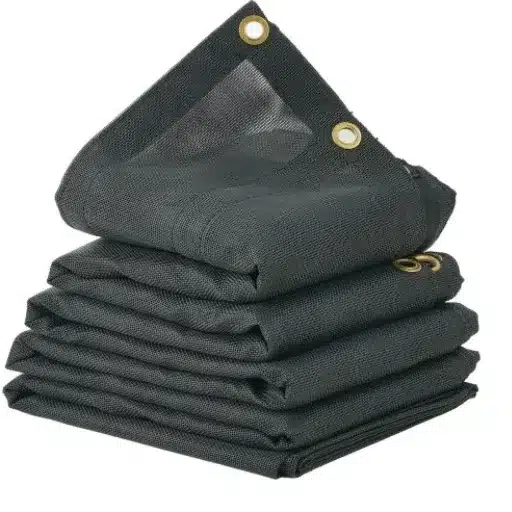
The cargo you haul should drive the material decision more than price. Below is how to match the best tarp material for truck covers to common load types.
Flatbed steel, lumber, and machinery need 900+ gsm PVC with reinforced edges, heat-sealed seams, and D-rings every 60–90 cm. Steel edges and lumber corners will tear lighter materials quickly. Abrasion from chains and binders also demands a tough coating, which is why this is the classic heavy duty truck tarp application.
Dump trucks and aggregate haulers often use 18 oz vinyl for wet loads or heavy-duty mesh for dry loads like gravel, sand, and mulch. Mesh reduces wind resistance and meets many state and provincial containment requirements.
Agricultural products and machinery may need canvas or reinforced PE. Breathability prevents condensation under the tarp, which reduces mold and rust. If rain is a concern, use a lighter PVC with venting options.
General freight and side curtains work best with 450–650 gsm flexible PVC. This weight folds easily, works with curtain-sider systems, and still provides full waterproofing.
Hot asphalt and high-temperature loads require specialized high-temperature fabrics. Standard PVC can soften or deform when exposed to asphalt above 180°C. Specify a heat-resistant grade or silicone-coated fabric for these applications.
For more details on matching tarps to transport needs, read our truck tarpaulin guide.
Material Selection by Climate and Operating Conditions
Climate changes the stresses on a truck cover. A material that works in Arizona may crack in Alberta. Climate is therefore a second filter for choosing the best tarp material for truck covers after cargo type.
High UV and desert sun demand UV-stabilized PVC with lighter colors. Dark colors absorb more heat, which accelerates coating breakdown. Look for UV inhibitors rated for multi-year exposure.
Cold and northern climates need cold-crack resistant vinyl. Ask your supplier for the temperature rating and test reports. A tarp that cracks at -10°C will fail on a -30°C morning.
Heavy rain and tropical humidity require a fully waterproof truck tarp made from PVC with heat-sealed seams. Stitched seams can wick water over time. Anti-mildew treatments help prevent coating degradation in humid storage.
High wind and highway speeds put stress on tie-down points. Reinforced hems, closely spaced grommets, and D-ring patches prevent the cover from acting like a sail. Proper tie-down technique matters as much as material choice.
GSM and Weight Guide: What to Request from Your Supplier
Suppliers quote truck tarps in GSM, oz/sq yd, or both. Use the table below to translate specifications into the right request.
| GSM | oz/sq yd | Typical Use | Truck Application |
|---|---|---|---|
| 120–200 | 4–6 | Light temporary cover | Occasional PE use, yard storage |
| 200–300 | 6–9 | Standard PE | Short-haul general freight |
| 300–500 | 9–15 | RPE / light PVC | Utility trailers, side curtains |
| 500–650 | 15–19 | Standard PVC | General freight, side curtains |
| 650–900 | 19–27 | Heavy-duty PVC | Flatbed, machinery, long-haul |
| 900–1,200 | 27–36 | Extra-heavy PVC | Steel, lumber, extreme duty |
Do not select weight based on cost alone. A 500 gsm PVC with a strong 1,000D base and quality coating will outlast a 700 gsm PVC with a weak 500D base. Ask for the base fabric denier, tensile strength, and tear strength values before you order.
Cost vs. Lifespan: Total Cost of Ownership
The cheapest tarp is rarely the cheapest over time. A 40PEtarpthatlastsoneseasoncostsmoreperyearthana40PEtarpthatlastsoneseasoncostsmoreperyearthana200 PVC tarp that lasts five.
Acme Logistics, a Midwestern distribution fleet, switched from 6 oz PE tarps to 650 gsm UV-stabilized PVC for their flatbed division. Annual tarp replacement dropped by roughly 70%. Driver downtime for re-tarping and roadside repairs also fell. The higher purchase price paid back within 18 months.
This doesn’t mean every fleet needs PVC. If you cover loads twice a month in mild weather, PE may be the smarter buy. Match the material to the duty cycle, then calculate the real cost over the expected lifespan.
For a detailed look at PVC longevity, see our article on how long PVC tarpaulin lasts.
Key Construction Features to Specify
Material is only half the decision. Construction details determine how the tarp performs in the field.
- Reinforced edges and corners prevent tearing where tension is highest.
- Heat-sealed seams block water better than stitched seams.
- Hems with rope inserts distribute tension across the edge.
- Grommets and D-rings should be made of brass or stainless steel and spaced 60–90 cm apart for secure tie-down.
- Eyelets and pockets let you attach the tarp to roller systems.
- Logo printing turns the cover into a branding tool. Fleets with branded covers report up to 21% improvement in visibility and theft deterrence.
When you request a quote, specify the load type, operating temperature range, required lifespan, and any customization such as size, color, grommet spacing, or printing. A clear spec sheet reduces errors and speeds up production.
How to Evaluate a Truck Tarp Supplier
Sarah, a procurement manager for a European importer, reviews three tarp suppliers every quarter. Her checklist starts with samples and ends with logistics.
Her process has three steps:
- Samples and test reports. She checks tensile strength, tear strength, waterproof rating, and UV stabilization claims.
- Customization capability. Can the supplier cut exact sizes, add reinforced patches, print logos, and adjust grommet spacing?
- Lead times and logistics. She checks lead times, MOQs, and export experience.
A supplier with strong manufacturing quality control and global logistics support reduces the risk of delayed shipments and inconsistent batches. Reliable tarp manufacturers should also be able to guide material selection based on your application rather than simply selling a standard product. For OEM partners, a factory direct supplier that supports private-label production and custom packaging is often the best tarp material for truck covers source at scale.
Before you place a bulk order, ask for a sample run. Test the tarp under real conditions for 30 days. Measure wear points, seam integrity, and colorfastness. The small upfront cost prevents much larger losses later.
Contact Sales for Project Support to discuss material samples, custom specs, and export logistics.
Frequently Asked Questions
What is the best tarp material for truck covers?
For most heavy-duty truck covers, PVC-coated polyester is the best tarp material for truck covers. It’s waterproof, UV resistant, tear resistant, and lasts 5–10 years with proper care. For light-duty or budget use, PE or mesh may be the better choice.
Is PVC better than polyethylene for truck tarps?
PVC is better for durability, waterproofing, and long-term use. PE is better for low cost and light weight. If you haul daily or need multi-year service, choose PVC. For occasional use, PE is sufficient.
What GSM tarp should I use for a flatbed truck?
For flatbed steel, lumber, or machinery, use 900–1,200 gsm PVC. For general flatbed freight, 650–900 gsm PVC is usually enough. Lighter loads or short hauls can use 500–650 gsm PVC or reinforced PE.
Can I use canvas tarps for highway trucking?
Canvas is water-resistant, not waterproof. It works for breathability and short trips in dry weather, but it isn’t the best choice for highway trucking in rain. Use PVC for full weather protection.
How long do PVC truck tarps last?
Quality PVC truck tarps last 5–10+ years depending on UV exposure, abrasion, and maintenance. Cold-climate grades and UV-stabilized coatings extend lifespan further.
When should I use a mesh truck tarp?
Use mesh when you haul loose, dry materials like gravel, sand, mulch, or leaves. Mesh allows airflow, reduces wind drag, and helps contain debris. Do not use mesh for loads that must stay dry.
Video Walkthrough: Choosing and Securing Truck Tarps
For a visual overview of material selection and proper tie-down technique, embed a manufacturer tutorial from your YouTube channel or from an authoritative source such as Shur-Co, Roll·Rite, or Pulltarps. Video content reinforces the comparison tables and can improve dwell time.
Conclusion
The best tarp material for truck covers is the one that matches your cargo, climate, and duty cycle. PVC-coated polyester leads for heavy-duty, waterproof, long-haul protection. PE and HDPE serve budget and short-term needs.
Mesh handles loose debris, and canvas solves breathability requirements. Weight matters, but construction quality matters just as much.
Before you order, calculate total cost of ownership, request samples, and confirm that your supplier can customize sizes, reinforcements, and finishes. The right cover protects cargo, reduces downtime, and saves money across the life of the fleet.
Request a Custom Quote today and get truck tarps engineered for your exact routes and loads.
Sources