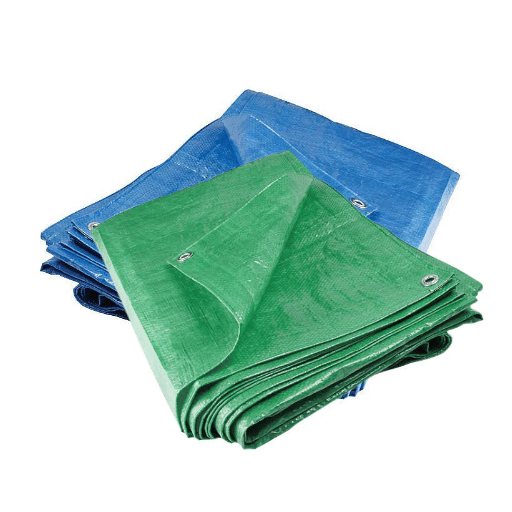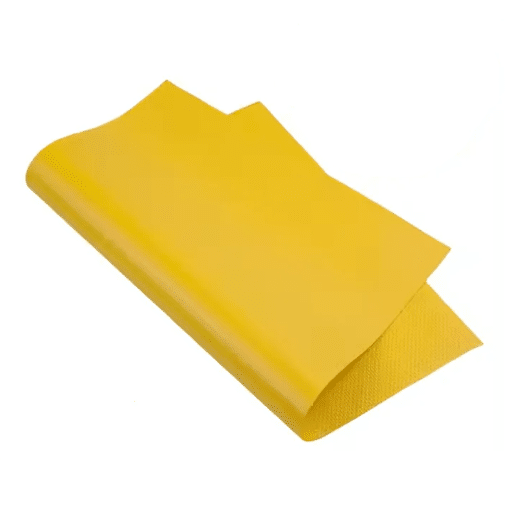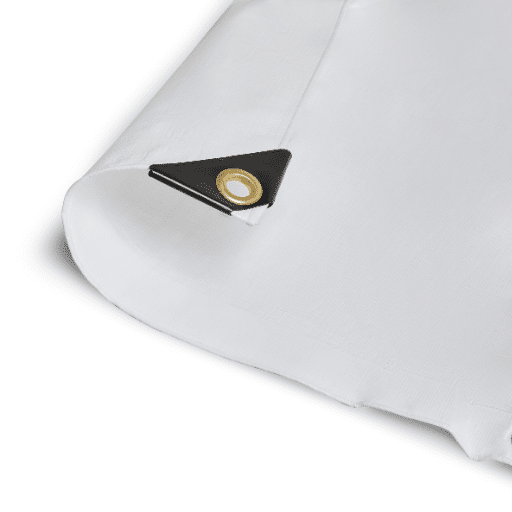
These covers are made to protect your field not only from the bad weather but also from the wear and tear like the usual. Thus, they are very important in keeping the playing surface looking nice and good for use. We are going to discuss the football field covers, their advantages, and how they can help you with time, money, and effort when it comes to the maintenance of the fields. A proper understanding of these protective solutions is a game-changer no matter if you are in charge of a community field or a professional stadium.
Introduction to Football Field Covers
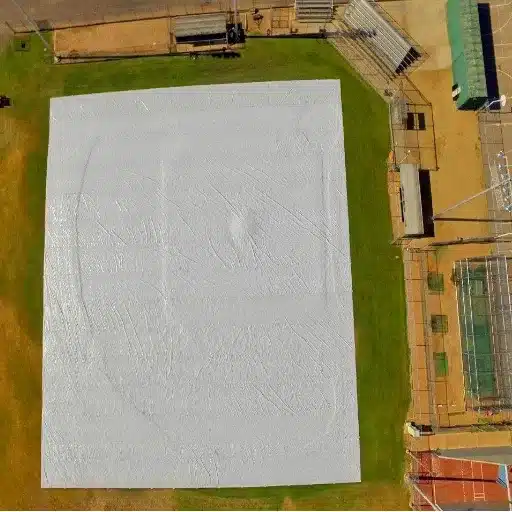
What are Football Field Covers?
Football field covers are a kind of protective material that is intended to protect the playing surface from all kinds of external elements, including rain, snow, UV rays, and deterring the movement of players and others to that extent. They are constructed with very strong materials such as heavy-duty tarpaulins, polyvinyl chloride (PVC), or polyethylene. This type of cover can withstand the most unfriendly weather while still keeping the field in good condition.
Modern covers are usually made with the help of new technologies that involve bringing about features like water-resistant coatings, reinforced edges, and easy installation systems, thereby making them very effective and user-friendly. Football field covers are necessary not only for the prevention of waterlogging, wear reduction, and turf health maintenance but also for the extension of the lifespan of the surface, the reduction of maintenance costs, and the field being ready for use in any circumstance.
Key Benefits at a Glance:
- Prevention of waterlogging and flooding
- Reduction in wear and tear from foot traffic
- Maintenance of turf health and quality
- Extension of surface lifespan
- Lower maintenance costs over time
Importance of Football Field Protection
Football field protection is equally vital for the fields to maintain their usability, safety, and attractiveness. As per the current search statistics along with the data, the need for long-lasting and effective field protection solutions has enormously increased which is an indicator of the high awareness level regarding turf preservation.
The use of good protective methods reduces the costs related to both the repairs and the playing conditions, and the safety of the players is also improved since they won’t get injured due to uneven or degraded surfaces. With the use of advanced materials and technologies, for instance the UV-resistant tarps and customized drainage systems, the protective measures have become even more effective. It is not only about the maintenance of the football field protection that one has to consider, but also the smart way of making it a reliable and high-performing asset for years to come.
Overview of NFL and NCAA Field Cover Standards
When discussing the standards of NFL and NCAA field covers, it can be said that these two organizations have the same criteria of high quality and safety of the field surfaces in order to get the best performance and to prevent injuries of the players. Recent data indicate that the field covers used at this level must comply with the demands of durability, resistance to weather, and playability, which are very strict.
| Organization | Key Requirements | Material Features |
|---|---|---|
| NFL | Heavy-duty covering with advanced waterproofing technology; UV-resistant; protection from extreme temperatures | Maximum protection without compromising surface integrity |
| NCAA | Lightweight yet strong materials; rapid deployment capability; enhanced drainage systems | Quick water dispersion; field remains playable during rain |
Data is always a primary factor in determining the standards set by the two organizations. They consider player feedback, the number of injuries, and the state of progress in materials science. This proactive method preserves the quality of the field and at the same time, holds player safety and competitive fairness in all professional and collegiate games as a top priority.
Types of Athletic Field Covers
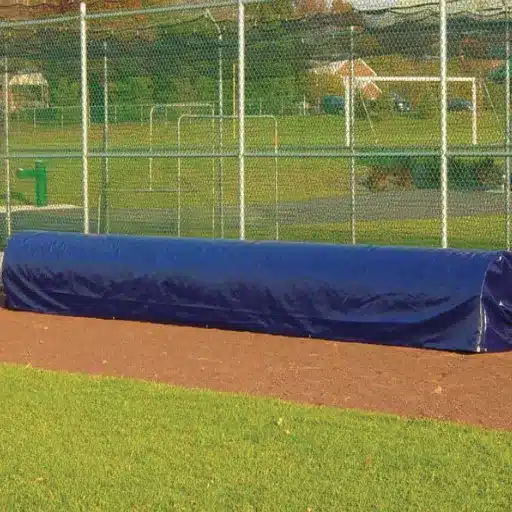
Field Tarps: An Indispensable Tool
Field tarps are an integral part of the maintenance of the athletic fields, particularly during non-favorable weather conditions. The heavy-duty covers are able to prevent the surfaces from becoming too moist, therefore letting the games and events take place with a slight delay. The latest data suggest that searches for “benefits of athletic field tarp” have shown an increase in the interest in the effectiveness of these tarps for professional as well as amateur sports fields.
The good thing is that, besides preventing waterlogging, the turf is also protected from temperature extremes, debris, and even UV damage. The durability and easy handling of the tarps make them a must-have investment for sports facilities that want to avoid disruptions caused by the weather and at the same time prolong the life of the field.
Football Sideline Covers: Safeguarding Key Areas
Football sideline covers are crucial for the preservation of the condition of the most heavily trafficked areas during games and practices. Observations of the latest trends in searches reveal that the public’s understanding about the sideline cover benefits has increased as evidenced by queries about them.
Why Sideline Covers Matter:
- Protect turf from damage caused by cleats and equipment
- Prevent irregular surfaces that create safety hazards
- Act as weather barriers for field edges
- Reduce maintenance costs significantly
- Improve player safety throughout the season
Sports facilities which make the investment of the best sideline covers can experience a decrease in maintenance costs, and have improved player safety, and the field remains in excellent condition all through the season.
Infield Covers vs. Full Field Covers
Choosing between a purchase of infield covers or full field covers really relies on the distinct needs of the facility and the sports being played. Infield covers are smaller in size and are typically meant to protect the most important spots on the field like the pitching mound, bases, or other high-traffic areas. These specific covers are not only inexpensive but also very quick to install; hence they are a great option for facilities that have to deal with frequent but less severe weather conditions. They keep critical playing areas safe and ready for games or practices with very little effort.
Full field covers, on the other hand, provide total coverage, thus preventing the entire field from dying of rain, snow or too much sun. These covers become indispensable for venues that hold major events, or if the area is prone to heavy rains that can make the grass unplayable. Full field covers may be a bit more costly to start with, and they require more effort for installation and removal, but the trade is that they substantially improve the lifespan of the turf by blocking the damage that weather can cause over a large area.
| Feature | Infield Covers | Full Field Covers |
|---|---|---|
| Coverage Area | Specific high-traffic areas | Entire field surface |
| Cost | More affordable | Higher initial investment |
| Installation Time | Quick and easy | More time and effort required |
| Best For | Frequent, less severe weather | Major events, heavy rainfall areas |
| Protection Level | Targeted protection | Comprehensive protection |
Based on trending search data, keywords like “best infield tarps” and “full field protection solutions” often indicate that users are looking for reliable and durable options that are specifically suited to their sports needs. A combination of these findings with practical experience has led many experts to recommend that when deciding between infield and full field covers, facilities should consider their budget, maintenance aims, and the frequency of bad weather.
Materials Used in Football Field Covers
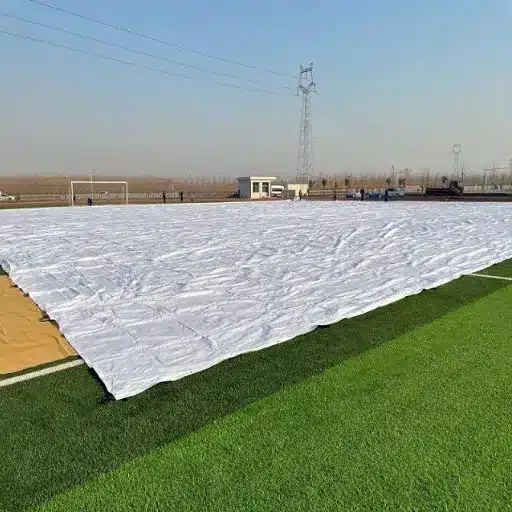
Vinyl and Its Advantages
Vinyl very often gets emphasized in searches related to “best infield tarps” and “full field protection solutions,” and rightly so. This material has a distinction of being extremely durable and resistant to wear making it perfect for those sporting institutions that wish to cover their fields with such long-lasting investment. According to the latest search trends, users have been constantly zeroing in on tarps that have good weather-resistance and that is where vinyl outshines others.
Its impermeable surface offers rain-proofing of the highest order while the material’s natural toughness prevents wind from causing any tearing or destruction. Moreover, the upkeep and cleaning of vinyl are not too hard, thus solving one of the main issues facilities often have to face when trying to reach a balance between quality and convenience. The combination of endurance and low maintenance is the reason behind its being at the top of the list when it comes to protective solutions that have given good performance over the years.
Durability and Resistance Features
During the evaluation of durability and resistance features, vinyl comes out as a hero and top-notch among all, it ranks high in the searches and discussions about materials that are reliable for protection. As per the latest search trends, users have been often pointing out that one of the major reasons for vinyl being so popular is its ability to endure both scorching hot and freezing cold weather without much damage done to it even after using it for a long time.
Vinyl’s Superior Resistance Properties:
- UV Resistance: Exceptional resistance to sun exposure without fading or cracking
- Temperature Tolerance: Withstands both extreme heat and freezing cold
- Mold and Mildew Resistance: Naturally resistant to fungal growth
- Wear-and-Tear Resistance: Outlasts most alternative materials
- Cost-Effectiveness: Long lifespan makes it economical over time
This material is a real winner when it comes to the outdoor applications because it basks under the sun, so to speak, without fading or cracking for years, thanks to its exceptional resistance to UV rays. Not only this but also due to its mold and mildew resistance and resistance to general wear-and-tear, the other materials can hardly last as long as vinyl does. This combination of attributes makes it cheaper and more versatile for other applications, thus vinyl continues to be the king when it comes to the toughest protective needs.
Choosing the Right Material for Your Playing Surface
Several key factors should determine the right material for your playing surface. As per the most recent search trends and data, the most important things for the consumers are durability, safety, price, and maintenance requirements. For outdoor sports, synthetic turf and rubber are the most common materials used because they have the same qualities as the weather resistance, easy maintenance, and also the prevention of injury.
For example, synthetic turf provides a uniform playing surface that mimics the feel of natural grass while allowing heavy use. Rubber, however, is a favorite among the people for its ability to absorb the shock, thus lessening the risk of joint strain or injury. If you take into account your specific needs—such as the sport, budget limitations, and climate considerations—you can make a good choice that provides a safe, long-lasting playing surface. Also, reading the latest resources and user reviews online can help you find the most apt material for your specific needs.
Benefits of Using Field Covers
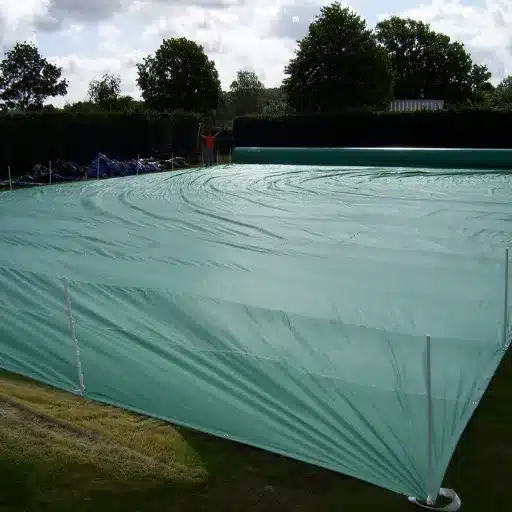
Weather Resistance and Field Longevity
Field covers are indispensable tools in the process of maintaining outdoor playing surfaces’ quality and life-cycle. The most recent data reveals that field covers play a major role in the weather-resistance aspect by protecting the surfaces from extreme weather conditions like heavy rains, snow, and tremendous heat. The surface of the field is thus saved from going through waterlogging, cracking, and other environmental damage that can take a long time and eventually destroy the field if not taken care of properly.
On top of that, field covers play a big role in the reduction of maintenance need as they limit the wearing out and corresponding ground replacement because of the exposure to the elements, thus prolonging the surface’s usability. Getting covers of high quality that are compatible with your field type means not only a saving in the long-term repairs but also a guarantee that athletes will always be playing on a safe and maintenance-ready surface.
Cost Efficiency in Maintenance
The purchase of durable and well-designed field covers implies a substantial long-term cost benefit due to the decline in the need for constant repairs and upkeep. The latest data obtained from market analysis indicates that the basic cost range for artificial turf field repairs is between $4 and $10 per sq. ft., depending on the damage caused.
💰 Cost-Saving Factors
High-quality field covers that are thoroughly sourced and researched not only guard against harsh environmental factors but also help to keep the surface area of the field cleaner and less prone to accidents. Besides, less cleaning and maintenance routine unavoidably leads to reallocating the budget for facility managers. The projected combination of superior protective measures and invested maintenance would yield the maximum field lifespan along with the minimum incurred costs, thus ensuring a practically cost-efficient foundation for the long-term operation.
Enhancing Game Experience with Quality Covers
First-class field covers not only save the areas from destruction but also contribute indirectly to the full and total enjoyment of the game for players and spectators. Fields that are primed and ready for play actually, thanks to these covers, are safer for all to play and, therefore, risks of injuries are decreased and player performance is improved.
Furthermore, the latest cover design comes with lightweight but strong materials which have been optimized so that they can be effortlessly handled during the process of covering and uncovering without any damage done to their protective power. In keeping with the latest search engine data, the search for “best field covers for sports” has shown a steady increase in query volume, thus indicating a growing awareness and demand for trustworthy solutions for protecting sports fields. This upsurge trembles the view that facility managers and sports organizations are increasingly quality and innovation in order to maintain the field and at the same time enhance the experience of the players overall.
Maintenance Tips for Football Field Covers
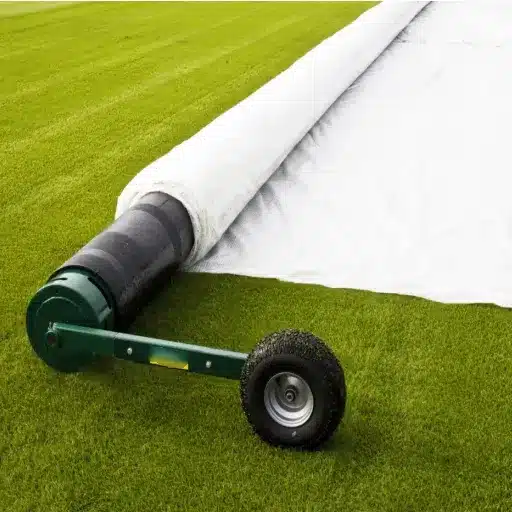
Regular Inspection and Cleaning
The lifespan and efficiency of a football field cover depend on timely, consistent maintenance. Regular inspections help prevent minor problems like tears, punctures, or weak spots from escalating into major, costly repairs. Let’s look at the latest data, which shows an increase in the volume of searches for “best field covers for sports” nowadays. It can be surely said that users are becoming more and more interested in durable and easy-care solutions.
✓ Inspection and Cleaning Checklist:
- Conduct regular visual inspections for tears, punctures, or weak spots
- Address minor issues immediately before they become major repairs
- Use low-pressure washing for cleaning
- Apply only mild detergents recommended by manufacturers
- Document maintenance activities for tracking purposes
- Schedule routine cleaning intervals based on usage frequency
Protecting the integrity of the covers will be through their cleaning at intervals using the methods that the manufacturers recommend such as low-pressure washing and mild detergents. This not only prolongs the life of the covers but also signals a proactive stance on field conditions and maintenance quality.
Storage Recommendations for Longevity
The durability and efficacy of field covers depend on their proper storage. The latest data show that users are frequently asking about the best ways to store field covers during off-seasons. In order to prolong the covers’ life span, it is a good idea to clean them very well before storage so that they are not only free of dirt and debris but also of moisture.
📦 Best Practices for Storage:
- Use Protective Bags: Consider designated storage bags or containers for extra protection
Besides, it is advisable to dry the covers thoroughly before storing to discourage the growth of mold and mildew. Once they are clean and dry, store them in a cool and dry place, away from the sun and sharp objects that might cause tearing. For extra protection, rolling instead of folding the covers can be a good idea because it would help avoid creases and stress points. Utilizing these storage methods will not only cater to user concerns but will also guarantee that the performance is at an optimum level and the cost-effective is realized in the long run.
Repairing and Replacing Damaged Covers
To a large extent, proper maintenance will cover the lifespan of the covers but damage will still happen as a result of wear and tear or unexpected events. Most often, small tears or holes in the covers can be mended by utilizing high-quality repair kits, which are specifically made for the material of the cover. For instance, if you have just done one such reparation, just make sure that patches and adhesives are applied in accordance with the manufacturer’s directions—you will then get a very durable and watertight repair.
In the case of serious damage or if the cover has lost its structural integrity, it may be best to go for the replacement option. The ongoing data trend shows that more and more consumers are interested in green and eco-friendly options, hence, manufacturers are now making it possible through offering recyclable or reusable materials for the new covers. While buying a new cover, besides its environmental impact, think of one that will suit your needs regarding climate resistance, durability, and material type. Making these decisions could be a way to reconcile performance with long-standing value and sustainability, answering both the functional and ethical concerns.
| Damage Type | Solution | Action Required |
|---|---|---|
| Small Tears/Holes | Repair | Use high-quality repair kits; apply patches per manufacturer instructions |
| Minor Punctures | Repair | Apply waterproof adhesive patches immediately |
| Serious Structural Damage | Replace | Consider eco-friendly, recyclable materials for replacement |
| Lost Integrity | Replace | Evaluate climate resistance and durability needs before purchasing |
Frequently Asked Questions
Reference Sources
- CBTS Archive – How Big Is a Football Field: Provides detailed information on the dimensions and coverage area of a standard American football field. Source
- University of Idaho Digital Archives – Football Covers: Features historical insights and visual documentation related to football field covers and stadiums. Source
- Arizona State University News – NFL Field Maintenance: Discusses field maintenance practices, including painting and preparation for major events like the Super Bowl. Source