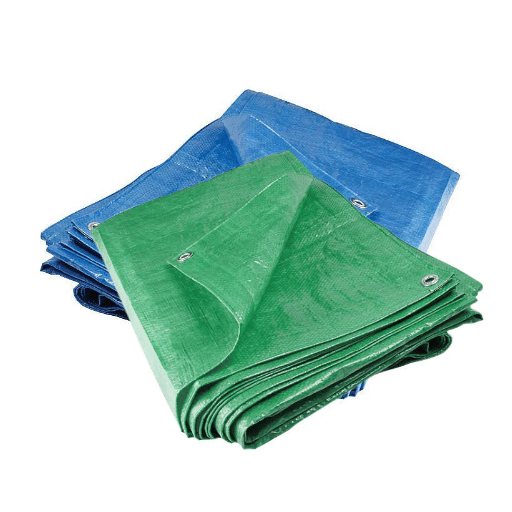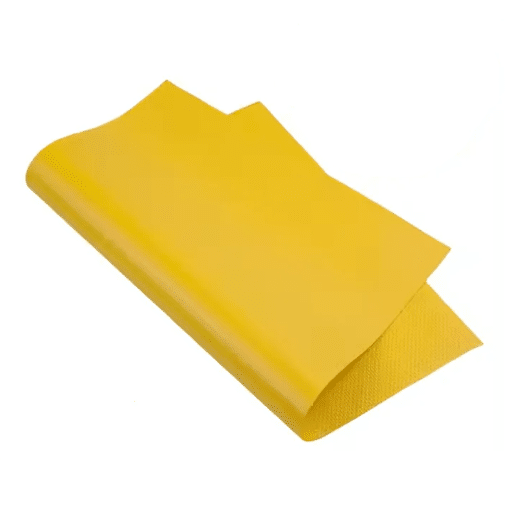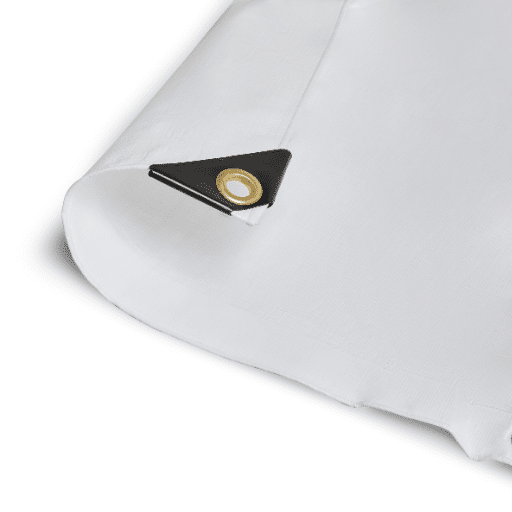
Taking care of an American football field in excellent condition is a really hard task. The field’s surface is constantly at risk of being damaged due to factors like erratic weather and a lot of foot traffic during games and practices. This is where pitch covers become very important. Made tough for protection, no doubt these covers are a priority for any football program that aims to have its field in prime condition. In this comprehensive guide, we’ll explore pitch covers in detail—discussing their importance, benefits, and how they can prolong the life of your field while providing players with a safe and reliable surface to perform on. Whether you are in charge of a professional stadium or a local school field, understanding the advantages of pitch covers can revolutionize your way of shielding and maintaining your turf.
Introduction to Football Field Covers
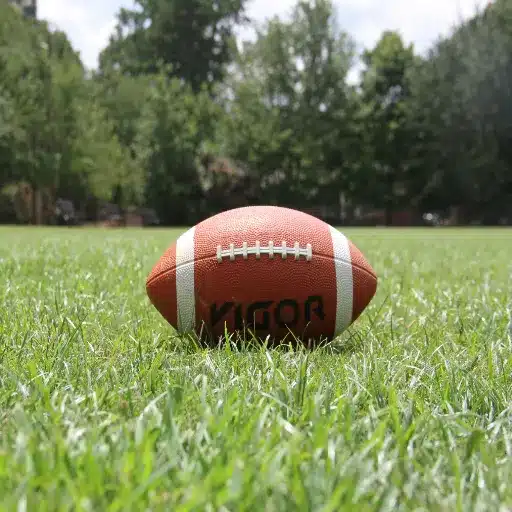
Importance of Covering Football Fields
Covering football fields is necessary to safeguard the turf against different types of weather and climatic conditions, for example, heavy storms, intense sun rays, or very low temperatures. Recent searches reveal that a lot of facility managers have come forward to point out that unprotected fields can lose their vigor and become unsafe for play in no time, besides incurring hefty expenses for restoration due to harsh weather.
Why Field Covers Are Essential
💧 Water Protection
Prevents saturation and waterlogging that leads to muddy, unplayable fields
☀️ UV Protection
Limits UV exposure that causes grass to dry up and weaken
⚡ Field Uniformity
Creates a consistent, safe, and high-quality playing environment
The use of pitch covers has been very effective as they do not allow the saturation of water that leads to muddy fields and they also limit UV exposure. Furthermore, the covers create a uniform field and thus a safe and high-quality playing environment. For sports facilities which aim at prolonging the life of the grass, the use of good quality field covers has turned out to be a very wise and economical choice.
Types of Football Pitch Covers
There are many different types of pitch covers which can vary greatly from one to another, but each of them is made with a distinct purpose depending on the environmental conditions and maintenance priorities of the field. The most popular types are outlined below:
The choice of the right pitch covers is determined by the climate, the weather patterns, and the specific requirements of the turf. Thanks to the consideration of these factors, sports facilities are able to maintain their fields in the best possible condition throughout the entire year.
Overview of Materials Used for Field Protection
In terms of protection, the material used is very important when it comes to the selection of protective measures. The most common materials for covers include polyethylene, polypropylene, and PVC (polyvinyl chloride).
Polyethylene
Advantages: Lightweight, UV-resistant, perfect for outdoor applications
Polypropylene
Advantages: Great flexibility and strength; ideal for demanding environments
PVC (Polyvinyl Chloride)
Advantages: Excellent waterproofing and insulation; valuable in cold/wet climates
Latest Material Innovations
- Hybrid fabrics: Combine traditional materials for enhanced performance
- Laminated polyethylene: Resists tearing and dragging while providing excellent weatherproofing
- Breathable membranes: Allow heat escape and prevent moisture buildup and mold
- Eco-friendly options: Incorporate recyclable or biodegradable components for sustainability
Sports facilities that adopt these clever material choices can be on the winning side in the struggle against wear and tear, thus prolonging turf life and reducing maintenance costs. The updated product options are in line with increasing concern for the environment as they incorporate recyclable or biodegradable components, thereby signaling a shift towards more sustainable practices in field protection.
Benefits of Using Football Field Covers
Protection from Frost and Weather Conditions
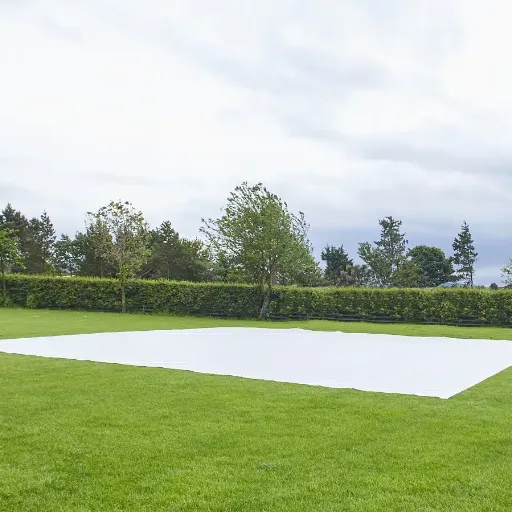
One of the main purposes of football field covers is to act as a protective barrier against frost, snow, and harsh weather conditions. These covers form a thermal barrier that reduces heat loss from the soil and prevents the turf from freezing.
How Field Covers Protect Against Weather
🛡️
Thermal Barrier
Reduces heat loss and prevents turf freezing
✅
Year-Round Playability
Maintains field usability even in winter months
🌬️
Proper Air Flow
High-tech materials ensure healthy grass and soil
This quality guarantees the field keeps its playability in winter, thus reducing game or practice cancellations and acting as a preventive measure against weather-induced field damage. Recent trends show “frost protection for sports fields” as a growing search term, indicating increasing awareness of the year-round importance of surface protection. Sports facilities investing in field covers can count on consistently good quality and usability of their fields.
Enhancing Field Longevity and Playability
This is a question that comes up often concerning the best way for facilities to purposely maintain and prolong the life of the field. Searching through the latest research reports on the subject, one learns the best method of maintaining optimal balance is a blend of preventive maintenance and modern technology.
Strategies for Maximum Field Performance
- Preventive Maintenance: Proper and timely aeration coupled with soil testing guarantees that the basic health of the field is not compromised
- Modern Technology: UV-resistant field covers and automated irrigation systems reduce maintenance stress
- Hybrid Turf Systems: Blend of natural grass and synthetic fibers increases durability while retaining natural grass playability
The use of these methods combined with support from modern technology and research can give a field its longevity and maintain peak conditions for athletes at the same time.
Cost-Effectiveness of Field Cover Solutions
Installing field cover solutions can result in substantial savings in the long run for sports facilities. By protecting fields from adverse weather conditions and wear and tear, these covers reduce the frequency of repairs and re-turfing—high-cost endeavors that can easily drain a facility’s budget.
Financial Benefits of Field Covers
30%
Potential annual cost reduction in field maintenance
Multi-Season
Durability: One-time investment lasting several years
Maximizing Your Investment
- Choose durable, classic materials that can last multiple seasons
- Ensure proper timing of installation for maximum effectiveness
- Combine with regular maintenance practices
- Integrate with innovative turf solutions for comprehensive protection
A recent study reveals that maintenance costs reduction owing to cover installation can reach up to 30% per annum, depending on the nature of usage and climate. The overall value of the investment is increased when proper installation timing is combined with regular maintenance and innovative turf solutions, making field covers an efficient and eco-friendly choice for maintaining high-quality sports surfaces.
Types of Football Pitch Covers
Rain Covers for Football Fields
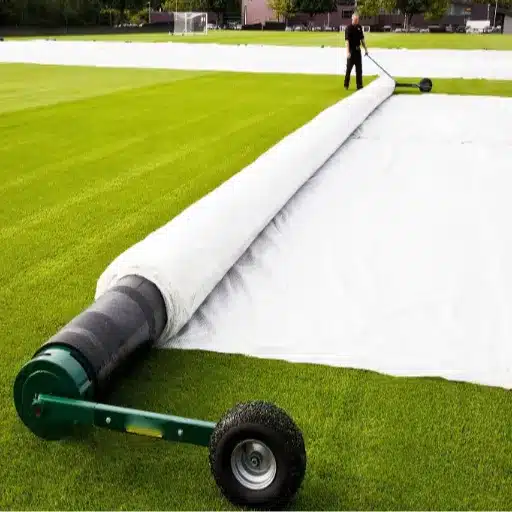
Rain covers are one of the very necessary and important items to guard football fields against heavy rain, thus keeping the pitch playable and making it possible to hold scheduled events with minimum disruptions. Rain covers are usually made from strong, durable, and waterproof materials that block water penetration while providing excellent drainage.
✓ Key Benefits
- Prevents waterlogging and muddy conditions
- Maintains turf quality during rainy seasons
- Reduces maintenance costs from water damage
- Keeps scheduled events on track
⚙️ Modern Features
- Lightweight yet sturdy materials
- Quick assembly and disassembly
- Easy handling characteristics
- Suitable for venues worldwide
Recently gathered data from search engines suggests that the use of rain covers has the potential to significantly mitigate the risk of waterlogging, which is the most prevalent problem in the rainy season. This preventive action maintains the field’s integrity while simultaneously lowering maintenance costs incurred due to damage caused by excess water.
Sideline Covers: Protecting Key Areas
Sideline covers are an indispensable means of protection for delicate parts of a sports field which are occupied by athletes, coaches, and equipment. Based on information from search engines, it is clear that sideline covers are increasingly being requested because of their capability to stave off damage in frequently used areas.
Why Sideline Covers Matter
- Weather protection: Safeguards high-traffic areas from pouring rain or blazing sun
- Safety enhancement: Provides a safe and functional ground for athletes and staff
- Customization options: Can be tailored to match various field dimensions
- Durable materials: Tough enough to withstand the elements
- Field longevity: Prolongs lifespan while ensuring great playing conditions
By purchasing sideline covers, sports venues can prolong the lifespan of their fields whilst still ensuring great playing conditions for all participants.
Ground Covers: Multiple Sizes for Different Fields
Ground covers are a flexible solution meant to fit the needs of sports fields of different sizes and purposes. They come in various sizes, which helps accommodate different playing surfaces from very small indoor courts to very large outdoor stadiums.
Ground Cover Applications
Soccer Fields
Custom sizing for standard pitch dimensions
Football Fields
Full coverage for professional and collegiate stadiums
Multipurpose Fields
Adaptable solutions for various sporting events
As seen in the latest data from search engines, there has been a tremendous increase in interest towards custom-made ground covers, which shows there is strong demand for bespoke solutions. Facility managers prefer solutions that provide flexibility in size and material while solving specific issues like weather protection, wear-resistance, and safety enhancement. Ground covers are a must investment for continuing field quality and ensuring athletes’ peak performance.
Choosing the Right Football Field Cover

Factors to Consider When Selecting a Cover
When it comes to picking a football field cover, there are several major factors that you should take into account in order to make the right choice which guarantees better performance and longer life of the cover.
Essential Selection Criteria Checklist
- Material Quality: Covers made from high-quality polyethylene or PVC will be able to withstand difficult weather conditions and are very easy to take care of
- Size and Fit: Check the size of the cover and compare it with the field’s dimensions. Adequate coverage and secure fit are essential
- Environmental Conditions: Consider rain, snow, sun exposure, and temperature extremes specific to your location
- Cost vs. Quality: Link financial demands with the cover’s quality—prioritize long-term value over initial price
- Safety Features: Look for slip resistance and other safety elements that help in avoiding injuries
If you can put together the above factors with your specific needs, then you can get one cover that not only shields your field but also improves athletic performance and mirrors the newest best practices pointed out by search trends and expert insights.
Comparing Different Pitch Protection Options
Pitch protection options should be compared keeping in mind the most recent data, which is a good indicator of what is trending in the industry and what the preferences are. Modular tile systems and heavy-duty turf covers have been identified as top protection options based on their popularity and performance.
Data indicates that consumers are actively looking for eco-friendly materials, as evidenced by the number of users searching for sustainable and recyclable options. Environmental impact as well as compliance with green certifications are some of the direct benefits of such materials. In the end, available choices will depend on a combination of factors specifying the pitch requirements, usage expectations, and financial constraints. By riding on insights from search trends, you would be able to tailor your decision to both short-term needs and long-term field maintenance goals.
Finding NFL-Approved Field Covers
Field covers that the NFL approves of are specifically made to comply with the National Football League’s rigorous requirements. These covers play their role in safeguarding game success whether fields are covered with snow, rain, or experiencing extreme heat.
Features of NFL-Approved Covers
💧 Waterproof
Complete moisture barrier protection
☀️ UV Resistant
Protection against sun damage
🪶 Lightweight
Easy handling and installation
🌱 Eco-Friendly
Recyclable and reusable materials
Important Verification Steps
- Confirm the certification and NFL approval status
- Ensure compatibility with natural or synthetic turf type
- Check for recyclable and reusable options
- Review manufacturer product descriptions for detailed specifications
- Balance environmental concerns with durability and performance standards
Search trends reveal significant interest in covers that are not only NFL compliant but also come with eco-friendly and easy-to-use features. Search data indicates that buyers should be looking for recyclable and reusable options that tackle environmental issues without compromise on durability or performance standards.
Installation and Maintenance of Football Pitch Covers

Correct Procedure for Football Field Cover Installation
It is a must to install a football field cover correctly so that it can be functional and durable. Based on the most recent research on football covers, here comes a step-by-step guide:
Step-by-Step Installation Guide
Step 1: Field Surface Preparation
Make sure that the field is clean and there is no debris. Take away any sharp objects, stones, or branches that could harm the cover. Smoothing and leveling the surface will guarantee better adherence and protection.
Step 2: Cover Unrolling
Design an appropriate starting point, for example one end of the field, to unroll the cover. Most modern football field covers are crafted in such a way that they are light and easy to carry, thus making this step more efficient.
Step 3: Proper Alignment
Correctly align the cover along the field’s sides. If you have them, use markers or guides to accurately place the cover, preventing overlaps or misalignment.
Step 4: Anchor the Cover
Using durable and eco-friendly anchoring equipment like sandbags or reusable stakes is strongly endorsed. This keeps the cover in its place and prevents it from shifting due to wind or people.
Step 5: Borders Fastening
Confirm the cover’s borders and check if they are tightly fastened. Carefully stretch out the wrinkles or loose parts so they do not interfere with protection.
Step 6: Final Inspection
After all these steps, check if there are any gaps or unevenness left. In case there are, adjust the cover to fit the area perfectly and tightly.
The installation of covers for outdoor sports fields becomes made easier and also more effective through eco-friendly reusable anchor systems and reinforced coverings.
Field Cover Maintenance Tips for Long Life
A regular maintenance schedule is the only way to go for extending the life of a football field cover. Following proper maintenance practices ensures your investment continues to perform optimally for years to come.
Essential Maintenance Practices
🧹 Regular Cleaning
Clean the entire cover immediately after every game to remove impurities, dirt, or moisture that might degrade the fabric
☀️ UV Protection
Apply UV-protectant sprays specifically designed to protect the material from sun damage and deterioration
🔍 Regular Inspections
Check often for damage such as cuts or fragile seams, and perform mending with manufacturer-specified patch kits
📦 Proper Storage
Store in a cool, dry place when not in use. Ensure thoroughly dry before storage to avoid mold or mildew formation
⚓ Anchor Maintenance
Secure anchor points regularly during bad weather to ensure placement remains tight and stable
🌱 Eco-Friendly Materials
Use durable, eco-friendly materials that can withstand the worst weather conditions
Recent trends indicate that exposure to UV rays is the leading cause of deterioration of outdoor covers. By combining durable, eco-friendly materials with good maintenance practices, you will be able to get the most out of the cover in terms of durability and performance over time.
Seasonal Field Covering Factors
It is important to consider and identify the specific issues that each season might bring when you are preparing your field for the coming seasonal change. Adjusting the field maintenance plan according to the seasons not only protects your field but also improves its functionality and lifespan depending on the changing environmental conditions.
Best Practices for Seasonal Coverage
- Develop a seasonal rotation plan for your covers
- Conduct regular checking before each season begins
- Use exact covers designed for specific weather types
- Adjust maintenance schedules based on seasonal demands
- Keep your field well-protected at all times throughout the year
Frequently Asked Questions (FAQ)
What are the benefits of using football pitch covers?
Football pitch covers are placed on fields to protect them from unfriendly weather like rain, frost, and snow. These covers work to keep your field in perfect condition, as they will not allow water to accumulate and will ensure the turf remains green and ready for playing. This means nothing comes in the way of teams being able to play more while averting damage to the natural turf. Besides, these covers being lightweight and simple to install can be considered applicable for different sports fields. A quality cover, along with proper maintenance, can remarkably prolong the life of your pitch.
How do I choose the right field cover for my football pitch?
Getting the right field cover means having to take into account the different sizes available and the particular requirements of your football pitch. The dimensions of your field, the local weather, and the kind of turf are the key factors for your selection. Many manufacturers present custom sizes to make sure that the cover is a perfect fit and offers full protection.
It is good to think about things like the durability of the cover and its ease of use. Automated covers have become very popular and are being acknowledged essentially for their quickness, as they can be deployed at the mere touch of a button.
Can pitch covers protect against high winds?
Indeed, pitch covers are built with the capability to fight off numerous weather conditions including high winds. Nonetheless, it is imperative to choose ultra-strong and eco-friendly covers that can hold up under such conditions. While it is proper to fasten the covers down securely to make sure they do not get blown away in storms, it is also a smart idea to use proper anchoring systems.
Some high-tech covering systems come with features like inflatable edges that add to the stability of the system in windy conditions. If the covers are properly installed and maintained, they will keep your turf dry and healthy during bad weather.
What types of pitch protection systems are available?
There is a wide range of pitch protection systems, among which there are roller covers and automated covers. Roller covers are the best choice for those who want to be sure that their fields are protected but do not want to spend a lot of time on this chore, since they allow fast deployment and can quickly cover pitches.
Automated covers (like Matchsaver systems) are the most reliable and simplest to use, as their operation is done with a wireless remote control. On top of that, special football sideline covers serve to protect the very edges of the playing field. The final decision regarding which system to use is based on one’s distinct necessities and financial plan.
How do pitch covers help with germination?
By establishing a favorable microclimate for the seeds, pitch covers can play a huge part in germination. With these covers on, they will ensure that moisture and heat are available—the two vital things for the seeds to grow. Moreover, this young plant protection is always helpful during icy or hot weather since it will keep the baby grass away from getting damaged by frost or heat stress.
When you use a cover that is specifically made for germination purposes, you can significantly increase the odds of successful germination and establishment of a healthy playing surface. Consulting with top agronomists can help you know the best methods of applying covers to promote turf health.
Are there custom options for football pitch covers?
Certainly, a lot of manufacturers have catered their solutions to individual needs when it comes to football pitch covers. You have the option of choosing from a multitude of materials, colors, and features so that the cover not only is in harmony with your specific field dimensions but also matches your aesthetic preferences.
You can even have the covers printed with your team’s logos, which will enable you to display your brand while at the same time protecting your fields. It is always a good idea to explain your needs to the suppliers so that you can be sure to obtain a product that perfectly fits the requirements of your football pitch.
Conclusion
Football field pitch covers represent a critical investment for any sports facility committed to maintaining premium playing surfaces year-round. From protecting against harsh weather conditions to extending field longevity and reducing maintenance costs, these covers deliver substantial value across multiple dimensions. Whether you’re managing a professional stadium, collegiate facility, or local school field, selecting the right cover type, ensuring proper installation, and maintaining a consistent care routine will maximize your investment. By understanding the various cover options available—from rain and frost covers to UV protection and growth covers—and implementing seasonal maintenance strategies, you can ensure your field remains in optimal condition, providing athletes with a safe, reliable, and high-quality surface for peak performance. The future of field management lies in combining traditional best practices with modern materials and technologies, creating sustainable solutions that benefit both your facility and the environment.