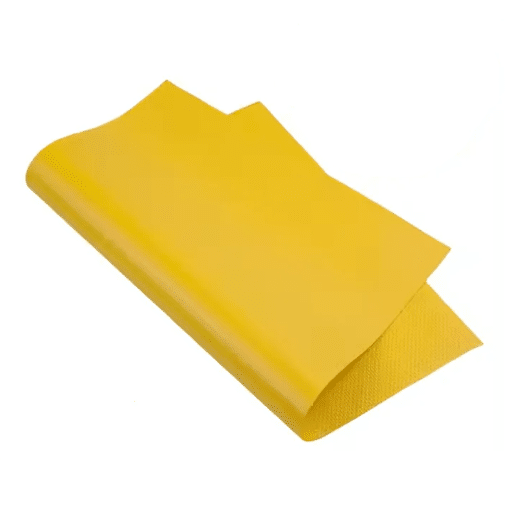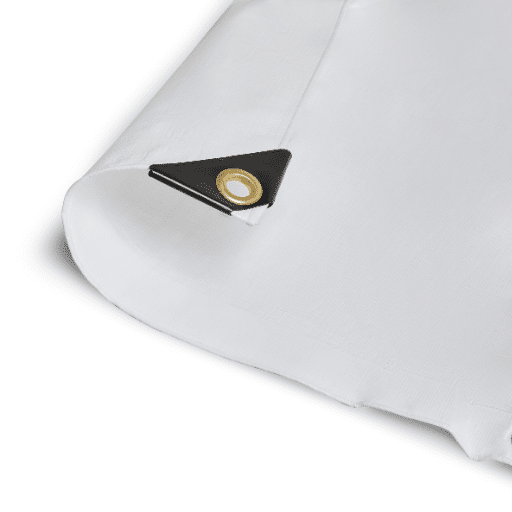
Everywhere in the world, NFL and soccer stadiums keep their perfectly maintained and game-ready fields as their main concern. Bad weather conditions like heavy rains, snow, and very hot sun can be a serious challenge to field quality which affects both the performance of the players and their safety. On the scene of the field-protection tarps comes the automated ones which are the revolutionary means to protect sport fields from the harsh and difficult weather and at the same time to the process of protection.
In this article, the modern tarps will be highlighted with their features, technology, and impact on the field maintenance as well as their significance in professional sports venues. The article will also cater to those who intend to know a facility manager’s role, the sports lovers’ viewpoint, and everyone who is just interested in the technology behind the field preservation; thus, a detailed account of how the automated tarps are changing the industry will be provided.
Understanding Automated Field Protection
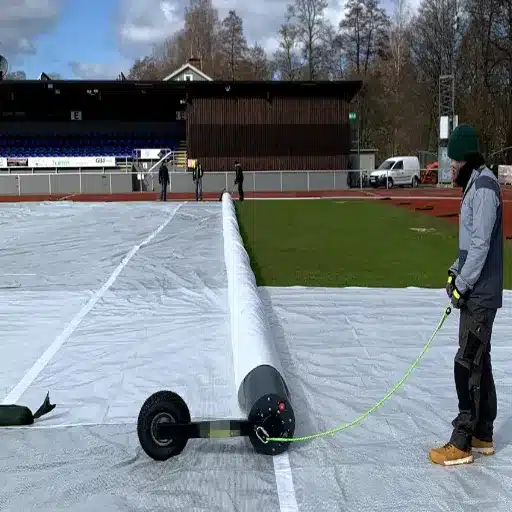
What are Automated Field Protection Tarps?
Automated field protection tarps are highly advanced coverings that have been specifically developed to protect sports fields from bad weather conditions like heavy rain, snow, or scorching sunlight with the least possible manual labor involved. These tarps, making use of the latest technology, come with automated deployment systems that are usually driven by electric motors or hydraulics which enable them to be rolled out or drawn back quickly and effortlessly.
Through the use of long-lasting and weather-proof materials along with automation, these tarps are able to offer constant protection for fields that are not only fit for playing but also less costly for maintenance in the long run. Their usage has grown tremendously due to their ability to maintain field quality, improve event scheduling and prolonging the life cycle of sports venues.
Benefits of Using Automated Tarps in Sports Facilities
Automated tarps come with numerous benefits that are turning upside down the management of sports facilities. The first among them is the increased efficiency and labor savings to a great extent, as their automatic system does not require a big workforce at all for the deployment or retraction of the tarps. This eventually makes the whole process faster as well as cheaper, especially during very bad weather or when there are events one after the other.
Key Benefits Overview:
- Increased Efficiency: Minimal workforce required for deployment and retraction
- Cost Savings: Reduced labor costs and faster operation
- Weather Protection: Effective against rain, snow, and sunlight
- Improved Scheduling: Greater flexibility in event planning
- Sustainability: Reduced water and chemical usage for field restoration
As per the information from the latest search insights, automated tarps have increasingly been linked with improved scheduling flexibility. Their dependability makes it possible for sports facilities to plan events optimally with greater assurance, knowing that weather conditions will not affect the playability of the field. In addition, these tarps assist in sustainability initiatives by minimizing the usage of water and chemicals for field restoration.
Comparative Analysis: Manual vs. Automated Field Protection
A comparison of manual versus automated field protection systems shows that critical differences point out to the fact that automated solutions have great advantages. Manual tarp systems necessitate great labor, time, and coordination to operate and they often lead to delays as well as increased labor costs especially during unplanned sudden weather changes.
Recent search trends suggest that newly automated field protection systems have growing demand on account of their advanced features and long-term cost-effectiveness. The significant disparity between the two alternatives makes the case pretty clear that automated systems are the way to go for sports facilities wanting to emphasize productivity, cut expenses and provide the highest quality protection for their playing areas.
Types of Field Tarps and Their Applications

Waterproof Football Field Tarps
Waterproof football field tarps are necessary for field maintenance, particularly in case of bad weather. No water is allowed to go through these tarps and hence the playing surface is not only protected from waterlogging but also gets damaged due to heavy rains. The most recent statistics from the surf engine of indicate that waterproof tarps are usually made of long-lasting polyethylene or PVC, which is tear and UV resistant.
Features of Waterproof Tarps:
- Durable polyethylene or PVC construction
- Tear and UV resistant materials
- Fortified borders and grommets for secure attachment
- Wind-resistant design
- Protection during use and storage periods
Baseball Field Tarps: Unique Characteristics and Advantages
The baseball field tarps are built with the intention of standing up to the harshest weather possible and that is why they provide reliable protection for the baseball field area. Heavy-duty PVC or polyethylene construction is one of their notable features to provide water-resistance and durability.
Also, the modern tarps often come with UV protection which prevents sun damage to the turf underneath and at the same time the overall lifespan of the tarp is increased. Furthermore, the majority of the tarps are integrated with advanced anchoring system like weighted edges or secure grommets to hold the tarps in place and thus prevent the tarps from being blown away in high winds.
💡 Investment Value
The data from search trends show that a lot of users are curious regarding the worthiness of investing in a premium quality baseball field tarp. These tarps able to prevent the field suffering from waterlogging, overheating, and litter; hence, they significantly cut down maintenance costs and delays of games resulting from it. In addition to that, their optimum condition and these tarps not only improve performance but also provide a better experience for the athletes and fans.
Inflatable Tarps: A New and Practiced Stadium Solution
Inflatable tarps are trendy since they have got such a great potential of becoming a new field protection technology and being good for stadiums through a lighter and still highly durable way of covering. These tarps use air chambers to create a stable and easy to deploy system, thus being a very lightweight and durable alternative to traditional covers.
Why Choose Inflatable Tarps?
- Lightweight Design: Easier to handle and deploy
- Time & Labor Savings: Reduced setup requirements
- Superior Protection: Effective against unpredictable weather
- Portability: Easy to transport and store
- Reusability: Long-term cost-effective solution
- Turf-Friendly: No damage to grass or artificial surfaces
Based on the latest data, “inflatable tarps for stadiums” searches have risen quite a lot, which is a sign of increasing interest in their efficiency and practicality. Their take along capability, reusability, and durability turn them into a wise investment for stadium practitioners who want to improve their field upkeep while cutting costs.
Choosing the Right Tarp Material for Field Protection

High-Quality Tarp Materials for Durability
The durability of the tarp materials is, in fact, a top priority when it comes to field protection. It plays a significant role in determining the performance and life time of the tarps. Among the best tolerated options on the market are PVC (polyvinyl chloride) tarps. These tarps have the highest strength among other types, are resistant to tearing, and can endure even the toughest weather.
| Material Type | Key Features | Best For |
|---|---|---|
| PVC (Polyvinyl Chloride) | Highest strength, tear-resistant, waterproof, UV-resistant | Long-term outdoor applications |
| Polyethylene | Lightweight, durable, moisture & mildew resistant | General field protection |
| HDPE (High-Density Polyethylene) | Reinforced resilience, fade-resistant, UV-treated | High sun exposure areas |
| Vinyl-Coated Polyester | Super strong, puncture-resistant, long-lasting | Heavy-traffic areas |
The recent information obtained from the search trends of the data clearly states that the stadium managers and groundskeepers are the ones who most often make inquiries about materials that combine durability with comfort factor. The selection of high-quality materials suiting the specific field conditions can help facility managers to not only get their tarps last longer but also make them more efficient in protecting their fields from the elements.
Factors to Consider When Selecting Tarp Material
Determining the proper tarp material is a complex task that must involve numerous factors that will allow the benefits of the field or facility to be met.
✓ Selection Checklist:
- Climate & Environment: Consider UV exposure in sunny areas, waterproofing for rainy regions
- Durability Requirements: Assess tear and puncture resistance needs based on traffic levels
- Weight & Portability: Determine if frequent movement is required
- Cost-Effectiveness: Balance quality with budget constraints
- Advanced Features: UV-stabilized coatings, custom reinforcement options
- Field Size: Match material strength to coverage area
Making these factors part of their decision-making process, facilities can, therefore, guarantee performance and at the same time save the budget.
Environmental Impact of Tarp Materials
The matter of the environmental influence resulting from the use of tarps is complex. It primarily depends on the type of material and its life cycle. Polyethylene and PVC (polyvinyl chloride) are still the materials most commonly used in tarp production, but they have significant negative impacts on the environment. Fossil fuels are the source of both these materials and, thus, during their manufacture and disposal, they can emit toxic substances.
🌱 Eco-Friendly Alternatives:
- Recycled tarpaulin materials
- Non-toxic options like cotton or organic-coated textiles
- Bio-based or recycled polymers
- Products with sustainability certifications
The recent data show that there is a rapidly rising demand for more eco-friendly alternatives. The new materials not only help to reduce waste and carbon footprint but also gain the upper hand in the market due to their better performance in specific applications. Tarps can no longer be seen as the environmental villains but as a partner in the sustainability drive, with consumers and businesses being the ones who are going to make such a choice by giving priority to durability, recycling whenever it’s possible, and purchasing the products certified for sustainability.
Implementing a Tarp System in Sports Facilities
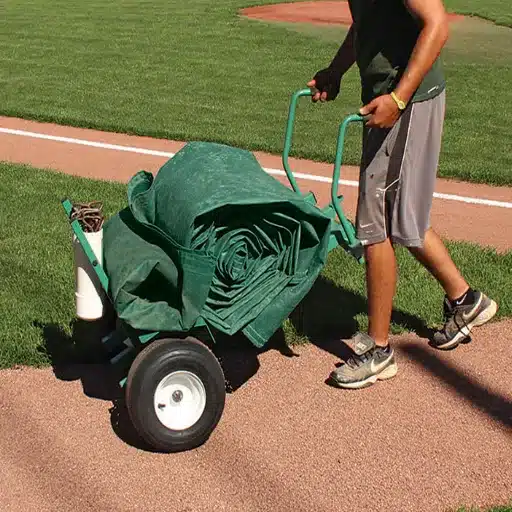
Step-by-Step Guide to Installing Automated Tarps
Step 1: Assess Facility Needs
To start with, the very first thing to do is to assess the requirements of the sports facility. You should take into account the area that is going to be covered, the sport that is going to be played, and the tarp that is going to be used. Automating the tarps is very suitable for bigger fields or multi-functional arenas where fast and easy deployment is a must.
Step 2: Select a Suitable System
Investigate different types of automated tarp systems that are available in the market. Pick systems which have strong materials, easy to combine features, and are ready to adapt to the layout of your facility. The latest trends in searching indicate that systems equipped with remote control and energy-efficient motors are the most demanded.
Step 3: Prepare the Installation Site
Before the installation, check the ground of the sport facility and make sure it is leveled and there are no obstructions. If anchor points need to be reinforced do so to make sure the system is held securely in place. Correct site preparation will not only increase the life span but also enhance the performance of the automated tarp system.
Step 4: Install the Mechanized Components
In accordance with the manufacturer’s instructions install the motorized reels, tracks, and associated hardware. Make the electrical supply correctly configured and to conform with the safety standards. Making sure the automated system is connected to power supply in an efficient way is very important, for modern systems often place the consumption of energy in the low range.
Step 5: Test and Adjust the System
After the installation of the automated tarp system test it to make sure it runs smoothly. Modify the options like tarp tension, motor speed, and system timing according to your particular requirements. This makes sure that the tarp is operating perfectly under different conditions, as users tend to search through troubleshooting methods online for resolving frequent issues.
Step 6: Provide Staff Training
The system operation and maintenance are to be taught to your facility personnel. An automated tarp system that is regularly cleaned and inspected is less likely to wear out, thus, it can last longer. Users have been recommending the practice of keeping a log for the scheduled maintenance so that unexpected malfunctions do not occur, as per the latest guidance.
Maintenance Tips for Long-lasting Field Covers
Field covers are maintainable to the point of lasting for ever with proper care. A good starting point is to set up a plan for warranting regular cleanness operations to get rid of dirt and debris that retain moisture.
🛠️ Essential Maintenance Practices:
- Use gentle cleaning agents safe for tarp materials
- Avoid scratching or creating tears with sharp tools
- Conduct regular inspections for wear indicators like fraying edges
- Check mechanical parts for malfunctions regularly
- Never store tarps when moist
- Use clean, temperature-controlled storage areas
- Keep maintenance logs for scheduled upkeep
📊 Key Statistics:
Up to 40% lifespan extension – Proper preventive measures can recover up to 40% of the field cover’s lifespan, saving facilities significant money over time while ensuring optimal performance.
Cost Analysis: Investing in an Automated Tarp System
An automated tarp system may initially appear to be a considerable investment, but the long-term gains are plenty and for the most part, it is the only way. According to a recent report, it is projected that facilities that switch to automated tarps would witness a cost reduction of up to 25% every year.
| Cost Factor | Traditional Systems | Automated Systems |
|---|---|---|
| Initial Investment | Lower upfront cost | Higher upfront cost |
| Annual Labor Costs | High – requires large workforce | Minimal personnel needed |
| Maintenance Expenses | Higher due to manual wear | Reduced maintenance needs |
| Cover Lifespan | Shorter (handling damage) | Up to 40% longer |
| Operational Efficiency | Slower, prone to delays | Minimal downtime |
| Annual Cost Savings | Baseline | Up to 25% reduction |
This is because there will be no or fewer personnel required, maintenance will be cheaper and the durability of the covers expanded. On top of that, the efficiency of these systems translates to almost non-existent downtime so the staff can work with minimal disruption. Moreover, when you factor in the potential to extend the lifespan of field covers by up to 40%, then this one-time investment becomes double-deck cost-effective solution as it not only guarantees product quality but also saves lot of money in the long run.
Case Studies: Successful Use of Automated Field Protection Tarps
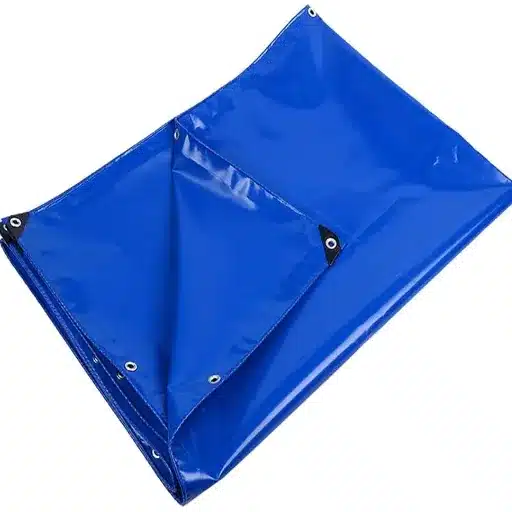
NFL Fields and Stadiums as Examples
Automated tarping systems protecting fields have been quite popular among the NFL’s fields and stadiums. The tundra of NFL fields has been transformed into playing conditions by state-of-the-art tarps at SoFi Stadium, Los Angeles and AT&T Stadium, Arlington for example.
🏈 NFL Stadium Success Highlights:
- SoFi Stadium, Los Angeles: Advanced automated systems maintain optimal field conditions
- AT&T Stadium, Arlington: Reduced labor hours and operational costs significantly
- Field Maintenance: Highly automated processes minimize manual intervention
- Cost Benefits: Reduced maintenance expenses through minimized weather exposure
- Quality Preservation: Consistent playing surface quality maintained year-round
According to reports and analytics, field maintenance has been very much automated, reducing the number of labor hours and machine hours required to do the job for the first time. Besides keeping up the quality of the surface for playing, these systems make the operation more efficient thus indirectly giving a superior experience to the teams and the fans.
Baseball and Soccer Fields Success Stories
The automated tarp systems that have been an enormous success in baseball and soccer fields have been game-changers in the former and latter through the numerous success stories coming from the professional venues in different parts of the world.
⚾ Yankee Stadium (MLB)
One of the MLB stadiums which have made use of automated tarp solutions yet managed to protect their fields during sudden downpours with quickness during the World Series. This swift action reduces the risk of game delays and cuts down on maintenance costs incurred due to water damage.
⚽ FC Barcelona’s Camp Nou
A powerhouse of pitch keeping technologies that allow them to maintain good pitch conditions throughout the year no matter the weather changes. Advanced automated systems ensure consistent field quality for professional soccer.
The latest statistics show that the interest in automated tarp systems is constantly growing among facility managers looking for cutting-edge solutions to keep the field in perfect condition and avoid disturbances in operations. The search terms like “automated tarp systems for sports fields” and “field maintenance automation” indicate the increasing awareness. These present-day systems not only make the field more responsive but also need fewer workers thus giving professional venues a clear return on investment.
Implementing Tarp Systems: Lessons Learned
The use of tarps on the field uncovers a multitude of important lessons which reveal their efficiency as well as the potential to further improve them. The first and foremost lesson is the need to pick a tarp type that is specifically designed for the place where it is going to be used.
💡 Key Lessons from Implementation:
- Site-Specific Selection: Weather patterns, usage frequency, and coverage area significantly impact performance
- Staff Training Essential: Comprehensive training and real-time experience lead to fewer disruptions
- Maintenance Protocols: Established maintenance routines extend equipment lifespan
- Long-term Cost Analysis: Include replacement and repair costs when estimating ROI
- Growing Adoption: Increasing use in professional, amateur, and community facilities
- Sustainability Benefits: Reduced turf damage and shortened maintenance time
The question arises whether the automatic tarp systems are worth the investment. The answer is yes based on the implementation experiences and data-driven insights. These systems are not only better in protecting the surfaces where players play, but they also require less labor. They also promote sustainability as the turf and water do not get damaged during the time that has been substantially shortened.
Frequently Asked Questions (FAQ)
❓ What are automated field protection tarps?
Automated field protection tarps are state-of-the-art shelter systems that guarantee the highest level of security for agricultural areas, specifically for baseball diamonds. The main materials for these tarps are always the very best ones, which provide water and sun resistance, so the fields are not threatened by the combination of rain and scorching sun. With the automatic operation, they are very easy to handle and quick to install, which is why they are already considered a must-have tool for field management. And by covering areas of the field unobtrusively, they provide protection against the winter and other bad weather extremes. The technology is especially advantageous for the grounds crew as it allows for the efficient management of the field coverage.
❓ How does a tarp system work for field protection?
In short, a tarp system for field protection is made up of a series of automated covers that can be easily deployed over the field. Most of these systems include monitoring systems that give real-time data on weather conditions so that the interventions can be made in time. The use of top-grade tarp material ensures that the system is durable and effective in preventing damage to the infield from the field. Automate field protection tarps can be semi-automated, letting the grounds crew work easily with them, and thus making the labor less intense. If these covers are rightly installed, they will be a reliable solution to keep the field environment and overall field management.
❓ Why are baseball field tarps essential for maintenance?
It is a no-brainer that baseball field tarps are a must for maintenance since they not only offer first-rate rain protection but also prevent field damage due to harsh weather. Covering the field quickly gets rid of the accumulation of water, which otherwise could cause expensive field repair. Quality baseball field tarps have been developed to take on the toughest conditions while simultaneously providing the turf with the very necessary UV-resistant protection. Employing the automated tarps along with other field management tools can actually be less labor-intensive and time-consuming for the grounds crew thus allowing the field to be managed more efficiently. Moreover, the investment in these tarps pays off by making sure that the playing surface is always in the best condition.
❓ What are the benefits of using automated NFL field protection tarps?
The use of NFL field protective covering tarps which are automated comes with distinct advantages among which running field management with less labor and increased productivity. Unpredictable weather changes necessitate quick opening-up and the automated system is just what the doctor ordered. There isn’t a field that can’t be damaged due to poor quality coverage and, no doubt, the main reason that these protection systems are being accepted is the first-class tarp material that is used to manufacture these tarps, which are, on the whole, waterproof and UV resistant. The extra bonus is that with the help of the monitoring systems, weather forecasting can be relied upon for making the right decisions. This economically sound solution not only saves the infield but also prolongs the turf’s life, thus it’s a wise choice for every sporting venue.
❓ How do I choose the right tarp material for field protection?
For incorporating field protection, the right tarp material selecting process would cover several aspects such as durability, waterproofness, and UV protection. Premium vinyl tarp would most likely be the choice made by the professionals since they are very robust and last long enough to bear even the harshest weather conditions. Moreover, the most convenient and quickest installation without being too time-consuming is an added benefit that helps to bring the right tarp material for the grounds crew. This will largely depend on what your field entails in terms of size, and exposure to the elements, i.e. will also be part of the decision-making process that leads you to select the most effective tarp system. Eventually, if you go for the right tarp material, it will not only give you maximum protection but also the slightest risk of field damage.
Conclusion
Automated field protection tarps represent a significant advancement in sports facility management, offering unparalleled protection against weather-related challenges while substantially reducing labor costs and maintenance requirements. From NFL stadiums to soccer fields and baseball diamonds, these innovative systems have proven their worth through measurable improvements in field quality, operational efficiency, and cost-effectiveness.
The investment in automated tarp systems delivers clear benefits: up to 25% annual cost reduction, 40% extended lifespan for field covers, and minimal operational downtime. As technology continues to evolve and sustainability becomes increasingly important, these systems are not just a luxury but a necessity for modern sports venues committed to maintaining professional-grade playing surfaces year-round.
Whether you’re a facility manager evaluating protection options or a sports enthusiast curious about field maintenance technology, automated field protection tarps offer a compelling solution that balances performance, efficiency, and long-term value. The future of field protection is here, and it’s automated, intelligent, and indispensable.
Reference Sources
- Academia.edu: A detailed study on the science behind vinyl tarp construction, including their use in stadiums for turf protection and weather barriers. The Science Behind Vinyl Tarp Construction Material
- Virginia Tech (VTechWorks): A document discussing the use of tarps for weather protection in agricultural and equipment applications. Weather Protection for Equipment Using Tarps
- Auburn University: A thesis on leveraging automation frameworks, which could be relevant for understanding automation in protective systems like tarps. Leveraging Automation in Data Enhancement and Quality Control