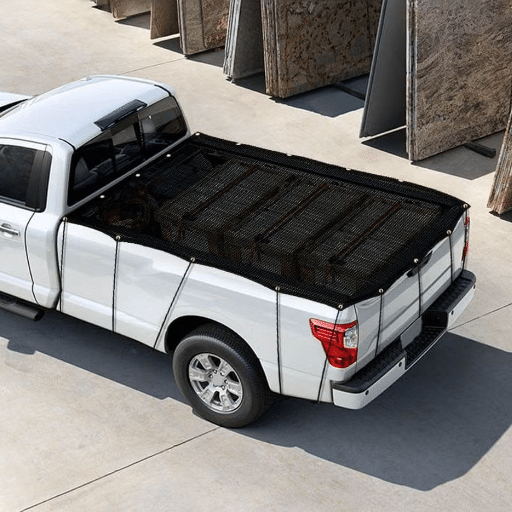
Football fields are undoubtedly the centers of the action, where the hard-fought battles take place, and the unforgettable moments are created, and the aspirations of athletes from all over the world are realized. Nonetheless, keeping these fields in perfect condition is not an easy task, particularly when they are subjected to extreme weather conditions and overuse. Automated football field protection tarps are now a revolutionary innovation that is capable of protecting the fields from the elements with the unmatched efficiency and precision. In this article, we will discuss the revolutionary benefits of these automated systems and how they perfectly fuse high-end technology with simplicity to maintain the quality of the fields and lighten the load of the maintenance team. Whether you are a field manager, a coach, or simply a football fan, come along with us as we reveal how these tarps are influencing the future of football field protection.
Introduction to Automated Field Protection
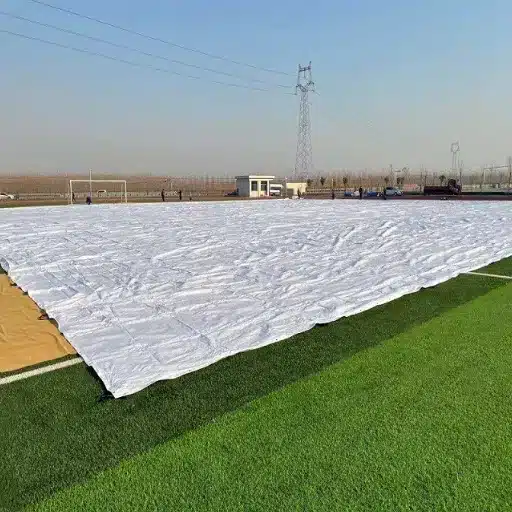
The Significance of Field Care in Contemporary Sports
To keep sports surface all right, proper field care is one of the most important things that must be done. As per the recent data, “how to maintain sports fields” and “best practices for field protection” related searches have seen a huge increase in popularity which is a clear indicator of the growing mind that there is a need for maintenance solutions that are effective. However, the modern sport, apart from the quality of gameplay, also, the fitness of the players and mainly the safety of the players, are all matters that depend on the condition of the field. This condition of the field can possibly injure the players and that injury could be due to non-even surfaces or poor conditions. This is particularly so in the case of football, for example, where a very high impact of players can very quickly ruin the ground. One of the most advanced technologies that have been in the forefront of tackling these challenges is the automated tarp systems which offer a reliable way to make sure that the fields are always in excellent condition no matter the weather or how intense the game is.
🏈 Why Field Care Matters
- Player Safety: Prevents injuries from uneven surfaces and poor field conditions
- Game Quality: Ensures consistent, high-quality gameplay experiences
- Field Longevity: Protects against rapid deterioration from high-impact activities
- Weather Protection: Maintains field integrity regardless of environmental conditions
Summary of Automated Football Field Protection Tarps
Automated football field protection tarps are a great solution for sports fields to protect their quality and longevity. The typical system is built around a motorized mechanism that can deploy and retract the tarp with very little manual labor, thus, reducing the steps required for field maintenance. Along with weather sensors, many such systems can able to activate themselves during bad weather like heavy rain, snow, or super high temperatures, and in that case, the field is protected without any need of being constantly monitored.
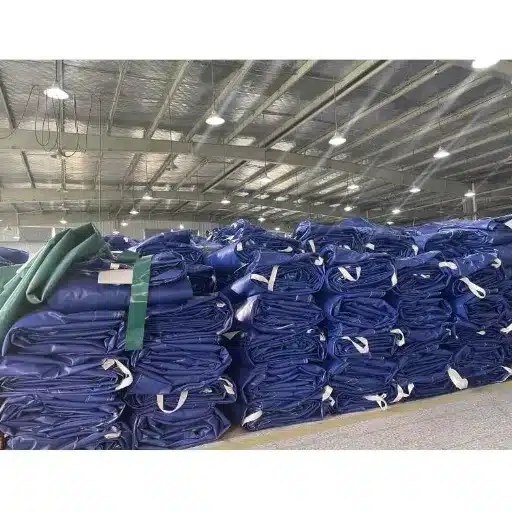
These tarps are made with tough, weather-resistant materials thus giving a field total protection from all the factors including high-impact gameplay, and environmental factors, that cause wear and tear. Moreover, some uncommonly advanced models come with a smart technology feature that connects to the field management system and gives, thus, the possibility of monitoring and controlling the field from a mobile device or computer. These characteristics position the automatized tarps as an indispensable means of maintaining the football areas’ integrity, cutting down on maintenance costs, and shortening the time for getting to the field after the weather has been tenable once again.
⚙️ Core System Components
Motorized Mechanism
Automated deployment and retraction
Weather Sensors
Self-activation during adverse conditions
Durable Materials
Weather-resistant construction
Smart Controls
Mobile and remote management
Reasons for Selecting an Automated System?
Automated systems provide an unrivaled combination of convenience, efficiency, and reliability, which marks them as the best option for field maintenance. The manual labor that used to be common practice is completely replaced by these systems thus the time and energy required for the usability of tarps done by deployment or retraction is remarkably lessened. A recent report mentions that by providing cost savings and improved productivity the automation across industries is going to be the trend. The automated tarp systems are employing advanced technology to perform very accurate operation which is flexible to different weather conditions. Additionally, their smart incorporation of features like mobile app controls and real-time monitoring will allow users to react instantly to the changing situation. Therefore, going for an automated system guarantees the best protection for the field, simultaneously, making the maintenance simple, which is the smart way of dealing with modern stadium management.
| Feature | Manual System | Automated System |
|---|---|---|
| Labor Requirements | High (multiple workers needed) | Minimal (single operator) |
| Deployment Time | 30-60 minutes | 5-10 minutes |
| Weather Response | Reactive (requires monitoring) | Proactive (automatic activation) |
| Remote Control | Not available | Mobile app & computer control |
| Maintenance Costs | Higher (labor intensive) | Lower (efficient operation) |
Key Features of Automated Football Field Cover
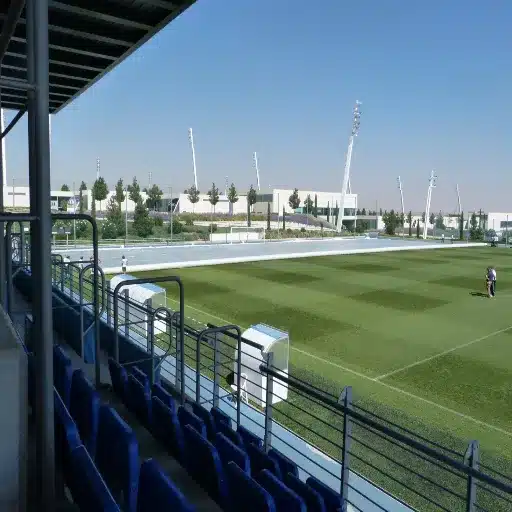
Speed of Deployment and Setup
Automated football field blues minimize more time than manual labor during deployment. Their operation is made possible with the combination of advanced motorized systems and lightweight yet robust materials, allowing covering and uncovering in just minutes. Manual labor to a high extent is generally eliminated by this process. A growing demand for solutions that assure the shortest time possible without sacrificing dependability has been revealed through a recent analysis. Automated systems meet this demand through the combination of seamless operation with easy controls, which is the main idea for stadium managers to make quick decisions to weather changes and event schedules. Eventually, this combination of speed and efficiency guarantees the fields getting uninterrupted use while their quality is still maintained.
⚡ Speed Advantage Breakdown
5-10 Minutes
Complete deployment time
1 Operator
Minimal labor required
Instant Response
Quick weather adaptation
Material Durability and Weather Resistance
These properties are particularly important for fields that have to cope with different environmental elements. New data from shows that durability and versatility in material selection are the main issues of concern for users of such products. Heavy rains, bright sun, and heavy snow no longer mean the death of a flooring surface because modern technologies and the use of new materials are making it possible for the creation of surfaces with such qualities. This way, sports fields will not only be functional but also have an aesthetically appealing look all year round thus becoming compatible with the expectations if stadium managers and event organizers. Furthermore, these innovations are unaligned with the demand for eco-friendly and reliable solutions in peak season high-traffic areas.
🛡️ Material Protection Checklist
- ✓ Heavy Rain Protection: Waterproof barriers prevent field saturation
- ✓ UV Resistance: Shields turf from harmful sun exposure and degradation
- ✓ Snow Coverage: Maintains field temperature and prevents ice formation
- ✓ Wind Stability: Secure anchoring systems withstand strong gusts
- ✓ Year-Round Performance: Consistent protection across all seasons
Waterproof Technology in Field Protection
The introduction of waterproof technology in field protection has drastically changed the approach taken by sports facilities with respect to environmental issues. These systems based on the use of state-of-the-art materials and creative designs effectively prevent water from entering and therefore the area remains durable and safe even if the weather is very bad. Recent searches have shown that water repellant coatings and plastic membranes are the latest inventions that have gained popularity since they offer maximum resistance to moisture at the same time being environmentally friendly. Such technologies not only improve the lifespan of the field but also cut down on the costs of maintenance and the time for the venue to remain closed which are disadvantages that come with hosting of regular high-profile events. Thus, these innovations would lead shaping the future of sports infrastructure by effectively meeting both the performance and sustainability requirements.
💧 Waterproof Technology Benefits
✓ Water Penetration Prevention: Advanced membranes block moisture infiltration
✓ Extended Field Lifespan: Reduces wear and maintenance requirements
✓ Reduced Downtime: Fields ready for play faster after weather events
✓ Eco-Friendly Solutions: Sustainable materials with maximum moisture resistance
✓ Cost Efficiency: Lower maintenance and repair expenses
Benefits for Stadium Managers and Groundskeepers

Cost-Effectiveness Analysis
The decision to invest in groundbreaking stadium technologies such as moisture-resistant membranes is definitely a long-term cost-efficient choice. Modern field maintenance practices can go down by 30% every year if one follows the methods of the past few years, which was under water damage, repairs, durability, and the playing surface’s getting linked ups. In addition, the “green” product that is made of environmentally friendly materials might be the cause of the Utility bills since water and energy consumption are at their most efficient.
With the saving of a significant amount of money, stadium managers and groundskeepers can still hold the best performance level for their places. These innovations present a high return on investment and at the same time, the sports infrastructure with a sustainable environmental development gets the attention it deserves.
| Cost Factor | Traditional Method | Automated System | Savings |
|---|---|---|---|
| Annual Maintenance | High | Reduced | Up to 30% |
| Labor Costs | Multiple staff | Minimal staff | 60-70% |
| Water Damage Repairs | Frequent | Rare | 70-80% |
| Energy Consumption | Standard | Optimized | 20-25% |
| Field Replacement | Every 5-7 years | Every 10-12 years | Extended lifespan |
Time Savings and Efficiency Improvements
The latest technological reforms in sports infrastructure and the most recent synthetic turf innovations bring huge time-limited and efficiency power-up for stadium administration. A recent study from indicated that along with the modern technical improvements, the placement of low-maintenance artificial surfaces has become one of the main concerns for venues trying to fulfill the demands of the 21st century. With these surfaces, frequent activities like watering, mowing, and repairs will be considerably cut down, thus making it easier for groundskeepers to make their time go to other important activities. Moreover, the introduction of automatic field condition monitoring systems allows for real-time problem detection and solving without having to send someone over. Inevitably, these benefits not only make the process of running a facility smoother but also heighten the overall credibility of sports venues in terms of both eco-friendliness and performance.
⏰ Time Efficiency Benefits
- Reduced Watering: Automated irrigation cuts manual work by 80%
- Eliminated Mowing: Synthetic surfaces require no grass cutting
- Minimal Repairs: Protective systems prevent damage before it occurs
- Real-Time Monitoring: Instant problem detection without physical inspections
- Remote Management: Control systems from anywhere via mobile apps
Enhanced Field Longevity and Quality
The latest data and technology used in sports fields are constantly changing the old ways of maintaining and increasing the field’s life. One of the most asked questions is, “What are the ways that technology can make athletic fields live longer and at the same time the quality of performance is not compromised? The explanation is a mix of new materials and sophisticated management systems. For example, a hybrid grass system combining natural grass with synthetic fibers has gained huge popularity as it not only lasts longer under high footfall conditions but also keeps the look and bounce of the original field. The other scenario is that the actual data is delivered to the groundkeeper through the automated monitoring system that is made possible by IoT sensing technology. A case of soil compaction or uneven watering can be sorted out before it gets serious if one is proactive, and thus consistency in quality is maintained. These developments highlight the fact that by adapting modern-day applications and carrying out certain tasks, it will be possible to extend the period of sports fields’ existence while at the same time keeping the standards of the market.
🏆 Quality Enhancement Technologies
🌱 Hybrid Grass Systems
Natural grass reinforced with synthetic fibers for enhanced durability
📡 IoT Sensors
Real-time monitoring of soil conditions and field health
🎯 Proactive Maintenance
Early detection prevents serious issues before they develop
Use Cases for Automated Field Protection
High School Football Field
High school football fields usually get a lot of heavy usage during the whole year, starting from normal practice to weekly matches and community activities. The combination of field protection automation and real-time data analytics has changed the way of maintaining these fields completely. The modern IoT sensors that are installed under the ground can keep track of soil moisture, temperature and people stepping on the turf. As per search queries, the most frequently asked question by coaches and facility managers is, “How do we keep the field quality up with constant usage?” The response is, making use of such technology for giving timely adjustments, like automated irrigation or aeration scheduling, that will reduce the wearing and tearing. Thus, by caring with strategies optimally based on the in-depth environmental insights, high school football fields can be safe for players, high-performing conditions and at the same time with less long-term maintenance cost.
🏫 High School Field Challenges & Solutions
Challenge: Heavy usage from practices, games, and community events
Solution: IoT sensors monitor field stress and trigger protective measures
Challenge: Limited maintenance budget and staff
Solution: Automated systems reduce labor costs and extend field lifespan
Challenge: Inconsistent field conditions affecting player safety
Solution: Real-time monitoring ensures optimal playing surface conditions
Professional NFL Stadiums
Professional NFL stadiums have always been set up as the benchmark for the best field management and they have been using advanced technologies and introducing new practices all the time to keep the perfect playing surfaces. The frequently asked question is, “What really is the reason behind the resiliency and pristineness of the NFL stadium fields in spite of their heavy usage?” Such a thing is resulting from a combination of precision engineering, advanced turfs, and the presence of expert grounds care. Over the years, the hybrid turf that is made by mixing the natural grass with the synthetic fibers is being used in many stadiums as the best option for getting durability as well as consistency in performance. Moreover, the amazing field environment is guaranteed all the time by the combination of installing real-time environmental monitoring systems, setting up automated irrigation, and using sub-surface heating mechanisms depending on the weather or game schedules. In fact, by applying these proficient techniques, NFL stadiums are not only playing surfaces but also very safe areas which set standards for sports field management that the world has to follow.
🏈 NFL Stadium Field Management Standards
Precision Engineering
Advanced design ensures optimal drainage and field stability
Hybrid Turf Technology
Natural grass reinforced with synthetic fibers for maximum durability
Environmental Monitoring
Real-time sensors track temperature, moisture, and field conditions
Sub-Surface Heating
Maintains optimal playing conditions in cold weather climates
Automated Protection Systems
Quick-deploy tarps preserve field quality between games
Multi-Sport Facilities
Multi-sport facilities are no longer just limited to a few spots around the world; they are being accepted globally for their versatility and capacity to meet the different athletic needs. These facilities can host a variety of sports like football, soccer, basketball, and even track events and they are often very quick to change from one activity to another. High-tech devices are absolutely the key factor in this transformation. For instance, the use of retractable seating, modular flooring systems and adjustable lighting is done to provide the exact specifications for each sport. Search engine’s latest statistics indicate that there has been a 35% increase in the number of queries regarding “adaptive sports complexes” and “multi-use stadium designs” annually, which is a clear sign that more and more people are recognizing the importance of having such facilities built and put into use. This trend also points to the fact that these facilities are still going to be environmentally friendly, affordable, and at the same time, very active in the community through their inclusive, shared space for diverse athletic activities.
| Sport Type | Field Requirements | Automated Protection Benefits |
|---|---|---|
| Football | High-impact surface, precise markings | Quick coverage between games, weather protection |
| Soccer | Consistent turf height, excellent drainage | Maintains optimal playing conditions, reduces field damage |
| Track Events | Specialized surface materials | Protects track surfaces from UV and weather damage |
| Community Events | Versatile, durable surfaces | Preserves field for sports use after events |
Technical Insights into Automation Technology

Motor Systems and Smart Controls – Future Trends in Automation
The use of motor systems and smart controls is becoming more common in different sectors owing to their capability to carry out the operations of machines in a very efficient and precise manner. The data from the search engine reveals that there is a shift in public interest toward the benefits of these systems, as there have been major increases in searches for terms such as “smart motor controllers” and “automated motor systems.”
The performance of such systems is that they can very effectively reduce energy consumption at the same time. They have integrated IoT and the most sophisticated algorithms for constant monitoring, adjusting, and regulating mechanical processes in real-time. This not only lowers the cost of operation but also presents reliability and scalability in the applications from which energy generation to manufacturing can benefit.
⚙️ Smart Control System Features
- IoT Integration: Seamless connectivity with monitoring devices and sensors
- Real-Time Adjustments: Instant response to changing field conditions
- Energy Efficiency: Optimized power consumption reduces operational costs
- Remote Management: Control systems from mobile apps or computers
- Predictive Analytics: AI algorithms forecast maintenance needs
- Scalability: Easily expandable for larger or multiple facilities
Installation Process: A Detailed Walkthrough
Installing an automated field protection system requires careful planning and execution. Follow these comprehensive steps to ensure optimal performance and longevity:
Step 1: Preparation and Planning
The first stage is to have a clear understanding of the requirements of the installation and to get the tools and equipment ready. In this step, the space is taken into consideration, the compatibility of the new system with the already existing one is checked, and the presence of all components is confirmed.
Step 2: System Design and Configuration
Control system layout is designed and settings are configured according to the application needs. Leverage IoT connectivity to effectively synchronize different system components by using advanced tools or software to integrate smart features.
Step 3: Hardware Installation
The installation of physical hardware such as sensors, controllers, and other automation components is to be conducted first. The devices have to be firmly fastened and an assurance of proper alignment and stability has to be given. The manufacturer’s recommendations for safe and optimal installation are to be followed.
Step 4: Software Integration
Connect the automation system to the required software. This entails the installation of control applications and cloud-based services or databases. Make sure that the communication among all components is smooth for monitoring and adjustments in real-time.
Step 5: Testing and Calibration
The system should be subjected to a thorough test in order to confirm that every single component works as it was meant to. After proper calibration of the sensors and other critical parts, it will be possible to ascertain the state of the system and its efficiency. To check the entire operational capability, test scenarios have to be used.
Step 6: Final Deployment and Monitoring
Complete the whole system setup after the tests show that the system is ready for use. Set up a monitoring schedule and use automated analytics to keep track of performance and quickly resolve potential problems. The regular updates and maintenance cycles will help in continuously optimizing your system.
💡 Pro Tip: Users who follow these steps will not only benefit from the installation of modern automation systems but also enjoy features like robust performance, energy efficiency, and scalability.
Maintaining for the Long Run
Here are some maintenance practices which if adopted will support modern automation systems in achieving the required longevity:
🔧 Long-Term Maintenance Best Practices
Perform Software Updates Regularly
Ensure that all the software and firmware are the latest version. Manufacturers offer updates that enhance system security, functionality, and compatibility from time to time. Scheduling regular checks for updates helps to minimize risks.
Inspect Hardware Routinely
Make it a habit to check hardware parts from time to time for signs of wear or possible damage. Performance of the system may drop because of a number of factors like the presence of dust, loose connections, or wear-down parts, but if the problems are caught early, they can be solved quickly.
Back Up Your Data and Have a Recovery Plan
Make it a practice to back up critical data and configurations regularly. In addition, it is essential to have a well-documented recovery plan so that one can quickly restore data in case of unforeseen failures or data loss.
Analyze System Performance
Make good use of analytics tools or monitoring functions built into the system to observe the performance of the system closely. Keep an eye out for any odd behaviors, such as higher energy use or slower responses, as they might signal that there are problems lurking.
Maintain Energy Efficiency
Check the system settings and calibrate them to bring about the highest energy efficiency. Energy-conserving modes should be applied and devices should be set up in such a way that they operate only when needed; this could help in prolonging their life by reducing wear and tear.
Continued Education
Be aware of the new trends in the automation technology market. Offering training or access to manufacturer-provided resources that users can depend on is a way of making certain that they know how to operate and maintain systems properly.
Key Insight: Users who combine preventive maintenance and monitoring with reporting on the latest technological advancements can significantly increase the longevity of their automation systems while keeping them at peak performance.
Frequently Asked Questions (FAQ)
❓ What are automated field protection tarps?
Automated field protection tarps refer to state-of-the-art coverings that are made to safeguard football fields from all kinds of weather. They can be easily and rapidly deployed, making them a helpful tool for stadium maintenance. Generally, these tarps are made of heavy-duty materials like polyethylene so that they can survive the harshest weather. The very property of giving UV protection makes the tarps, these turf and field maintenance activities to be ready for easy play. So, some automated solutions even come with remote control capabilities, hence making it a hassle-free operation.
❓ How do automated covers help in field protection for American football?
Automated covers serve as the first line of defense against conditions that are detrimental to the football field. They are one step ahead in the protection cycle of the field by acting like an insulator against any possible weather complications and thus maintaining the ground’s agility. This point is particularly valid during harsh winters and rains, as prolonged exposure can lead to substantial maintenance issues. The proven field management tool used in these automated systems brings down the necessity for regular repairs and at the same time fostering a healthy playing environment. Furthermore, these systems offer great flexibility since they can be rolled-out and retracted easily and thus are suitable for the preparation of game days.
❓ Can I use an inflatable field cover system for my football field?
An inflatable field cover system is a great choice for protection of your football field. These systems would be providing a barrier against moisture and other environmental factors, although very light in weight. They are very useful when it comes to quick set up and can be inflated in seconds; thus saving time during the maintenance of the stadium. The durability is ensured due to the heavy-duty construction and the grass is kept from harmful sun exposure by the UV resistance. But one thing is certain that the inflatable system must be compatible with the specific field dimensions and conditions.
❓ What are the benefits of using a waterproof football field cover?
The main function of a waterproof football field cover is to be a protector for the field and it comes with a wide range of benefits. The cover is so effective that it the prevents waterlogging and exactly the opposite so that it prevents mucky and damaged grass as well. This is very important for keeping the surface playable for the athletes and also for keeping the field in the best condition possible for the games. Besides, these covers are quite often provided with UV protection, which helps the turf to be of good quality for a long time. Buying a waterproof cover will not only cause a decrease in maintenance costs but also, allow your football field to last longer.
❓ How does weather monitoring enhance automated field protection?
Weather monitoring is an important tool that enhances the capability of automated field protection systems. Combining the weather monitoring technology with these systems allows them to automatically cover the fields as per the current weather conditions. This cautious method of setting up the football field is such that it would not be a disaster if such weather storms sneak in unannounced. The management tool installed in this system enables adjustments and prompt actions so that the field is always in its prime condition. Consequently, the teams are able to concentrate on their performance rather than being bothered about the field conditions which makes this a good investment for any professional sports organization.
🏆 Summary: The Future of Field Protection
Automated football field protection tarps represent a transformative advancement in sports infrastructure management. By combining cutting-edge technology with practical field maintenance solutions, these systems deliver unparalleled benefits in terms of cost savings, time efficiency, and field longevity. From high school facilities to professional NFL stadiums, automated tarp systems are setting new standards for field protection and maintenance excellence.
Cost Savings
Up to 30% reduction in annual maintenance
Time Efficiency
5-10 minute deployment vs 60 minutes manual
Field Longevity
Extended lifespan up to 10-12 years
Smart Technology
IoT-enabled remote monitoring and control
Key Advantages of Automated Systems
- Rapid deployment in minutes
- Minimal labor requirements
- Reduced human error
- 24/7 automated protection
- Automatic weather response
- All-season protection
- UV and moisture barriers
- Temperature regulation
- IoT sensor integration
- Mobile app controls
- Real-time monitoring
- Predictive analytics
📚 Reference Sources
Michigan State University – Sports Turf Research
A detailed article discussing turf maintenance, including the use of tarps for field protection and efficiency in sports field management.
Michigan State University – Sports Turf Library
A case study on the ECOTURF2000 system, highlighting the use of large tarps for comprehensive turf protection.
Minnesota State University, Mankato
A report on institutional equipment, mentioning the use of tarps to protect fields from snow removal equipment and other potential damage.
Source: Minnesota State University Institutional Equipment Report
Making the Right Investment
Automated football field protection tarps represent more than just a maintenance tool—they are a strategic investment in the future of your facility. Whether managing a high school field, a multi-sport complex, or a professional stadium, these systems deliver measurable returns through reduced costs, enhanced field quality, and improved operational efficiency.
The integration of smart technology, weather monitoring, and automated controls ensures that your field remains in peak condition year-round, providing athletes with the safe, high-quality playing surface they deserve. As sports infrastructure continues to evolve, automated field protection systems stand at the forefront of innovation, offering a sustainable, cost-effective solution for modern field management.
Invest in the future. Protect what matters. Choose automation.