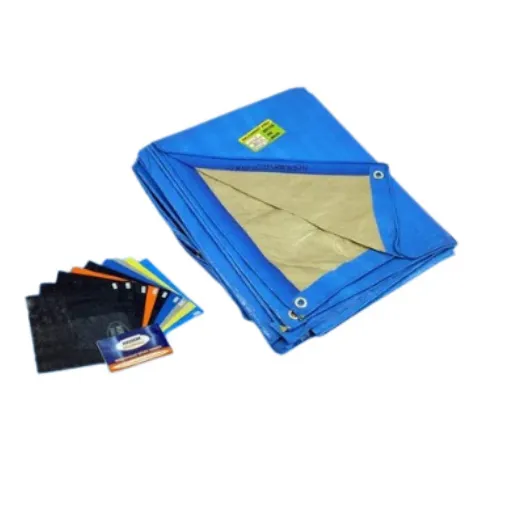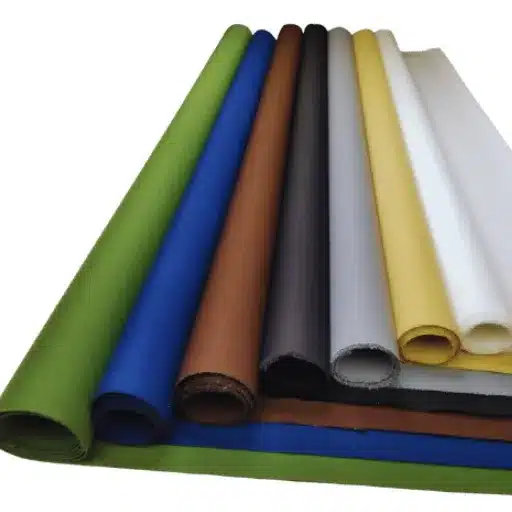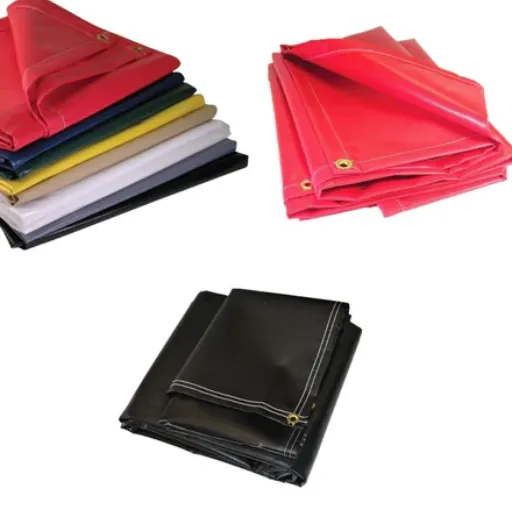
To Maria’s amazement, when she found a half the price of competing brands offer labeled as “heavy duty waterproof tarpaulin” among online deals websites, she deemed the offer was too good to be missed. She spread it over the patio lounge set on her balcony right in time for April storm, and confidently went to sleep. Unfortunately, downpour overnight resulted in cushions becoming wet. Maria experienced the single worst reason to realize that one should always check all claims regardless of how truthful and convincing they may seem.
It is encouraging to know that you have ever assessed a product basing upon a label only to see that such optimism was ill-founded. In spite of the fact that the overall plastic tarpaulin market was considered roughly USD 2.34 billion in 2015, quality is not consistent among producers. It might so happen that you are a house owner safeguarding a stack of wood or a purchasing officer apprising a large volume of orders, the skill of ascertaining the waterproof tarpaulin without spending money, everyones time, and exasperating oneself is very crucial.
This next part encompasses the types of tests at-home tests that require no expertise and all can carry out, then discusses what differentiates heavy-duty tarps suitable for a worksite from simple plastic covers manufactured for one-time use, and signs indicating forged credentials in markets of technical goods. By the end, you will know how to tell if it is what it says on the label.
Want a printable version of these tests? Download our free tarpaulin test checklist →
What Makes a Tarpaulin “Heavy Duty” and “Waterproof”?
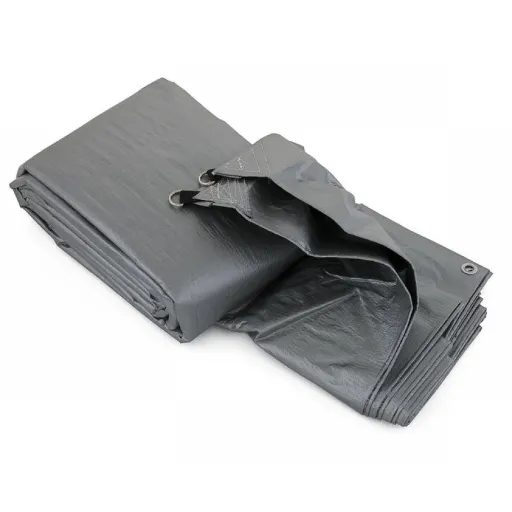
The Difference Between Water-Resistant and Waterproof
Every tarp is not effective in stopping water. Some tarps even if termed as water resistant would only withstand a small amount of water since after some time under the rain they are to be found soaked and all the moisture will have found itself inside the tarpaulin. A truly waterproof tarpaulin is able to prevent the passing of any water through its fabric even in cases of either puddles or water under rolling pressure. That is, it becomes significant when you need to enclose a machine, put up a temporary shelter for protection or even protect kitchen gardens from rain water.
So it is because heavy duty tarps are specially toughened to last longer in harsh use. Lateral tearing of the tarp is prevented, it can stand the heat and the effect of UV rays and what is more it also stays in the same good shape in the face of the temperature incompatibilities. Some of the light duty tarps might go through one camping trip and that’s about it. A heavy duty waterproof tarpaulin will if properly maintained come out for subsequent seasons as well.
Material Types: PE, PVC, and Canvas
Polyethylene (PE) tarpaulins are the most common and cost effective material. They have a weight range of 80 GSM and more to 200 plus GSM. Expensive PE tarps are known to be truly waterproof whereas the low-cost tarps often allow water to pass through the seams and also deteriorate rapidly upon exposure to ultraviolet.
Polyvinyl chloride (PVC) tarps are the most widely used in industrial activities. They outperform semi-PE tarps especially in extensive applications as they are heavier, more flexible at chilly temperatures and are superior in water retardency. The hydrostatic pressure PVC capable of will often go beyond 2000 mm H20 for the very good grade ones.
Canvas is – typically has a basic cotton material or a cotton mixed with a polyester blend and is pretty breathable, and fairly tough. But is frequently only water resistant and not entirely water proof hiff canvas untill of course it is painted with wax or with adding up some of the chemical coverings. It was proven that canvas is best used to cover equipment when one wants to minimize condensation, and mostly fails when it is covering an inflated object or object surrounding significant volume of water, due to fillers in the product.
What GSM Actually Tells You (and What It Doesn’t)
GSM is the principle used to define the weight of a fabric in terms of grams per square meter. That means GSM does not directly focus on quality of the product. A 200 GSM polythene sheet is stronger and tougher as compared to 90 GSM polythene, but the GSM rating of the materials is neither a protective nor long lasting measure of the qualities of the item in terms of waterproofing or resistance to UV. A 250 gsm woven cloth if not treated properly may result in water seepage, and a 180 gsm tarpaulin in correct treatment would work over its expectation. So, think about GSM as just a general orientation, not an ultimate goal. Heavy use of GSM is usually good for people running households with three or more children. It is a rule of thumb that materials with GSM ratings of 200 and above should be used when heavy loads are involved in the structure.
For a deeper dive into material selection, see our PVC tarpaulin buyer’s guide →.
5 At-Home Tests Anyone Can Do
You do not need a laboratory to spot a bad tarp. These five tarpaulin waterproof test methods use common household items and take less than an hour combined.
1. The Pour / Beading Test
Lay the tarp flat and pour a cup of water onto the surface. On a quality waterproof tarp, water should bead up and roll off. If it soaks in immediately or darkens the fabric, the coating is insufficient.
Pass/fail criteria: Water beads for at least 60 seconds without soaking through.
2. The Pocket / Pool Test (Hydrostatic Simulation)
This is the most revealing home test. Create a shallow pocket in the tarp by bunching the edges and pouring in an inch or two of water. Wait 15–20 minutes. Check the underside for dampness or droplets.
James, a Midwest construction supply company’s procurement manager finds this test to be the best. In the month of March 2024, he received test samples from a new Chinese supplier. When saw the samples he felt gsm all declared far, the colour matched his specs, and the price was even down by 12% less than his usual supplier. Then he ran the pocket test. Three out of the five samples showed seepage after only 20 minutes. He disposed of the samples and saved a $15,000 lesser quality tarp that would have otherwise been ordered. The five minute pocket test is a life saver to many.
Pass/fail criteria: No seepage or dampness on the underside after 30 minutes.
3. The Spray / Hose Test
Hang the tarp at a slight angle and spray it with a garden hose for 10 minutes, mimicking heavy rain. Check the back side for leaks. This test is especially useful for identifying weak points in the coating.
Pass/fail criteria: The back side remains completely dry.
4. The Seam Leak Test
Seams are the most common failure point. Lay the tarp seam-up, build a small dam across the seam with clay or tape, and fill it with water. Wait 10 minutes. Any dripping or dampness indicates poor seam welding or stitching.
Pass/fail criteria: No leakage along the seam after 15 minutes.
5. The Pinhole / Light Test
Hold the tarp up to a bright light source. Pinholes, thin spots, and weave gaps will show as points of light. A heavy duty waterproof tarpaulin should block almost all light evenly.
Pass/fail criteria: Fewer than five visible pinholes per square meter.
| Test | What It Checks | Time Required | Pass Criteria |
|---|---|---|---|
| Pour / Beading Test | Surface coating quality | 5 minutes | Water beads for 60+ seconds |
| Pocket / Pool Test | Waterproofing under pressure | 30 minutes | No seepage on underside |
| Spray / Hose Test | Rain simulation and coating integrity | 15 minutes | Back side stays dry |
| Seam Leak Test | Seam welding or stitching quality | 15 minutes | No leakage along seams |
| Pinhole / Light Test | Fabric density and manufacturing defects | 5 minutes | <5 pinholes per m² |
Professional Tarpaulin Test Methods and Standards
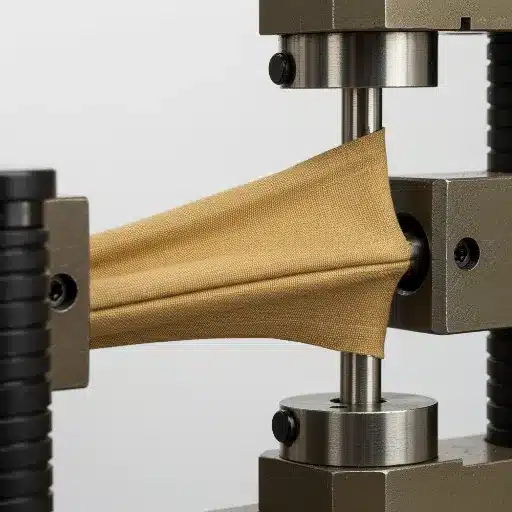
Home tests catch obvious flaws, but laboratory standards certify performance. If you are buying in bulk or covering high-value assets, request test data for these four categories.
Hydrostatic Head Test (ISO 811, EN 20811, AATCC 127)
The hydrostatic head test measures how much water pressure a fabric can withstand before leaking. A column of water is pressed against the material, and the height at which water penetrates is recorded in millimeters.
For heavy-duty applications, look for:
- PE tarps: 1,000–1,500 mm H₂O minimum
- PVC tarps: ≥ 2,000 mm H₂O for high-quality grades
- Canvas: 300–800 mm H₂O depending on treatment
A higher number means better resistance to pooling and wind-driven rain.
Tear Resistance and Tensile Strength (ISO 1421, ISO 4674)
The tear resistance provides information on the capacity of a material to withstand the growth of a defect such as a cut or a puncture. Tensile resistance indicates the capacity of a material to withstand a force that tends to pull it apart. The tear resistance for the edge part of the tarps with heavy duty designs should better be 200 N/5 cm and above. For the tensile strength at peak the values of PVC tarps are standardly indicated at 3.000–4.000 N/5 cm. And the latter quite significant for material applications where tarp is fixed to some substrates with ropes, bungees, or grommets.
UV Accelerated Weathering (ISO 4892, ASTM G154)
Untreated tarps degrade in 1–2 years of sun exposure. UV-stabilized heavy-duty tarps should last 5–10+ years. The ISO 4892-2 test exposes material to simulated sunlight and measures tensile strength retention. A quality UV-stabilized tarp retains ≥ 80% of its original tensile strength after accelerated weathering.
Seam Integrity and Adhesion Tests
Welded seams should retain at least 50% of the original fabric strength, typically ≥ 400 N. Stitched seams, unless taped or sealed, rarely achieve this. When reviewing supplier certifications, look specifically for seam peel and seam shear test results.
For more on interpreting fabric specs, read our GSM tarpaulin guide →.
How to Spot Fake Claims and Low-Quality Tarps
The tarpaulin market is flooded with exaggerated claims. Here are four red flags that should send you looking elsewhere.
Red Flag 1: Marketing GSM Without Base Fabric Specs
A supplier boasting “250 GSM” without mentioning weave density, coating type, or base fabric denier is hiding something. GSM is just weight. A tarp can be heavy because of cheap filler material rather than quality coating or dense weaving. Always ask for the full spec sheet.
Red Flag 2: Vague “Waterproof” Claims Without Test Data
“100% waterproof” sounds reassuring, but it is meaningless without context. Does the supplier reference ISO 811? Can they provide hydrostatic head numbers? If not, the claim is marketing, not proof.
Red Flag 3: Stitched Instead of Welded Seams
For true waterproofing, welded (heat-sealed) seams outperform stitched seams. Stitched seams create thousands of needle holes that become leak paths. Some high-end stitched tarps use seam tape to seal the holes, but welded seams are the standard for heavy-duty waterproof applications.
Red Flag 4: Missing UV Treatment Documentation
A tarp that is waterproof today can be brittle and leaking in 18 months if it lacks UV stabilizers. Ask for UV resistance test reports or at minimum a written warranty on UV lifespan. Reputable suppliers of heavy-duty tarps will warranty 3–5 years of outdoor use.
Heavy Duty Waterproof Tarpaulin Recommendations by Test Performance
Choosing the right tarp depends on your priorities. Here are four categories based on real test performance.
Best Overall for Waterproofing
High-density PVC tarpaulin (500+ GSM) consistently scores highest in hydrostatic head and seam integrity tests. These tarps are ideal for pond liners, truck covers, and construction enclosures where standing water or heavy rain is expected. They are heavier and more expensive, but the performance justifies the cost.
Best for UV and Long-Term Durability
UV-stabilized PE tarps (200+ GSM) from established manufacturers offer excellent value for applications that need 3–5 years of sun exposure. Look for tarps that pass ISO 4892-2 with ≥ 80% tensile retention. These work well for agricultural covers, hay storage, and equipment protection.
Best Budget Option That Passes Core Tests
Laminated PE tarps (120–180 GSM) can pass home waterproofing tests if the coating is well-applied. They are fine for short-term projects, camping, or emergency coverage. Do not expect more than one season of heavy use, and avoid them for commercial applications.
Best for Industrial/Bulk Procurement
For procurement teams, custom-spec PVC tarps with certified test reports are the only defensible choice. Require hydrostatic head ≥ 2,000 mm H₂O, tear strength > 200 N/5cm, welded seams, and ISO 4892-2 UV data. Sampling and testing before full production is non-negotiable.
Need help choosing the right grade? Explore our complete tarpaulin buyer’s guide →
Certifications to Request from Suppliers
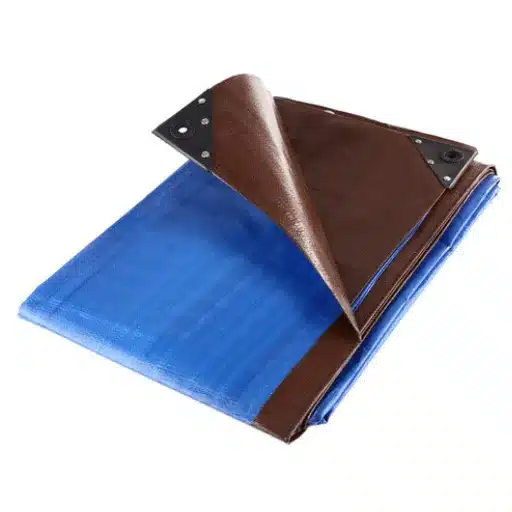
When quality matters, paperwork matters. Request these certifications from any supplier you are considering for a bulk order.
- ISO 9001: Quality management system certification
- REACH / RoHS: Compliance with chemical safety regulations in the EU
- DIN 4102-B1 / NFPA 701: Fire retardancy ratings for construction and event applications
- SGS / CE / Third-party lab reports: Independent verification of waterproofing, tear strength, and UV resistance claims
A supplier who hesitates to provide these documents is a supplier to avoid.
Conclusion
Conducting an examination of the functionality and strength capabilities of a heavy-duty waterproof tarp can be quite crucial and easy for this matter. A set of five tests – the pour test, the pocket test, the spray test, the seam leakage test, and the pin hole test in general make quality assessment an extremely useful exercise that does not necessitate many steps on the test piece. Hydrostatic Head, tear strength, UV Resistance, and Machinability – these features are aimed to help you get data on, for example, the purchase of the item in huge quantities or the need to ensure the safety of a very significant installation.
Here are the key takeaways:
- 200+ GSM is the threshold for genuine heavy-duty use
- The pocket test is the fastest way to catch a bad tarp at home
- Welded seams outperform stitched seams for waterproofing
- Always request hydrostatic head and UV test data for commercial orders
- Certifications like ISO 9001 and SGS reports separate reputable suppliers from risky ones
Marcia’s morning-after disaster was avoidable. So is yours. Take 30 minutes to test your next tarp before you depend on it. The time you spend verifying quality now will save you money, headaches, and wet furniture later.
Ready to buy with confidence? Download our free pre-purchase testing checklist → and never waste money on a substandard tarp again.