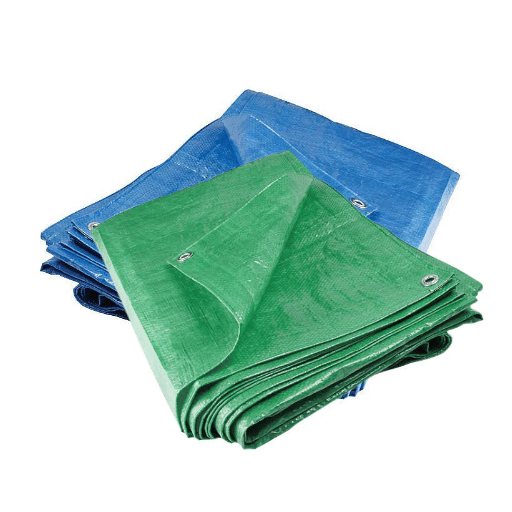
HDPE fabric laminated tarpaulins are strong, flexible & have good functionality – they are a very important thing in many areas. HDPE fabric laminated tarpaulin offers a great solution for a variety of applications, protective sheeting for building work, oversea cargo, and temporary industrial storage, etc. The material of tarpaulin is the main strength factor as well as its other properties like the resistance to harsh weather and being versatile in terms of application. However, what exactly is HDPE fabric laminated tarpaulin, and what makes it a dependable choice? To shed light on the matter, this blog will work as a primary resource and will give the reader a detailed overview of the tarpaulin’s make, its features, where it can be used, and the buyer’s guide and factors that must be looked at while making a purchase. Hence, the reader will have a very defined vision of why this particular product is a turning point in the areas of use and can cater to his/her specific agenda.
Understanding HDPE Laminated Tarpaulin

HDPE laminated tarpaulin is a very long-lasting, water-resistant material composed of high-density polyethylene (HDPE) fabric, which is laminated or coated with an extra layer of polyethylene on each side. The discovery of the process to create such a material was unintentional and is followed by patented protection against tearing, UV radiation, and harsh weather phenomena, thus being ideal for outdoor activities that take place in the forest. The material’s inherent strength and resistance to chemicals ensure reliable performance in various environments, and this is the main reason why it is the favorite material in both industrial and consumer use.
What is HDPE Fabric?
High-Density Polyethylene fabric, or HDPE fabric, is a synthetic material designed for longevity and high performance. The material is made from ethylene polymer chains with a high density, hence the fabric is very strong while being low in weight. It is foremost among hard-wearing fabrics thanks to its resistance to chemicals, moisture, mildew, and UV degradation, the totality of which is the reason for its long life even when faced with the most difficult circumstances. Apart from this, it has very high permeability to air and consequently, there is neither buildup of moisture nor heat, which makes the fabric the most suitable for the situations of sunshade, canopy cover, and greenhouse lining applications.
Recent developments in the HDPE industry have brought a better and easier-to-use touch. It is almost impossible to wear away such modern HDPE fabrics, as even in the worst conditions, like extreme heat and sunlight, they keep on showing their full strength and efficiency, thanks to the added UV stabilizers and antioxidants. Besides, its being 100% recyclable is no small matter in terms of sustainability; it contributes to the low environmental impact that one can link with using the latter as a long-term solution not only for the industry but also for the agricultural and commercial sectors.
The Lamination Process Explained
The process of lamination involves putting a layer of protective film on a base substrate to increase its life, uses, and appearance. The typical way to do this is by means of thermal adhesion or adhesives, where the components are held together by heat, pressure, or specific adhesives. For different applications, polyethylene, polypropylene, or polyester are mostly chosen as laminating films thanks to their strong mechanical properties and resistance to environmental influences.
The technology of lamination has made a great leap forward and new techniques and materials are now being used, such as co-extrusion lamination and adhesives with no solvents at all, which not only are more efficient and good for the environment but also far lighter on the footprint. In the case of co-extrusion, quite a few layers at the same time are fused during the process, which results in a quite high standard of lamination being achieved, and thus costs of production go down. Moreover, the switch to water-based adhesives has been highly successful largely because of the reduced volatile organic compound (VOC) emissions, which, in effect, is making the lamination business more environmentally friendly in compliance with the increasingly strict environmental laws.
Key Specifications of HDPE Tarpaulin
- Material Composition: The material is a fusion of HDPE fabric woven and laminated with the low-density polyethylene (LDPE) on both sides making it more durable.
- Thickness: Most often, it weighs anything from 100 (grams per square meter) to 500 GSM, depending according to the purpose for which it is ultimately used.
- Tensile Strength: Being featured as strong as it is, the tensile strength in it is very high as well, and thus it can be considered to be able to take on the loads that cause tension but not easily tear apart through them.
- UV Resistance: It is weatherproofed with stabilizers ensuring the prevention of the breakdown of the material when it is under the sun for long periods.
- Water Resistance: It stands is protected from wetness hence it is airtight and waterproof one.
- Temperature Range: The material will work well between -40°C and 80°C, a very wide range of temperature ensuring the company would be able to deliver in extreme weather conditions.
- Standard Sizes: You can get rolls or cut sheets with standard sizes from 6×4 to 100×100 feet, or we can make it according to your individual requirements.
- Weight: It is lightweight and strong at the same time, the transportation and handling will be easy and no issue will be faced in any environment.
Benefits of HDPE Tarpaulin

Durability
HDPE tarpaulin is very resistant to tearing, abrasion, and harsh environments, and thus, it is highly durable over time.
Waterproof Protection
It is a robust moisture barrier and its waterproof feature effectively prevents water penetration.
UV Resistance
UV rays will not bother it and hence it will be free from degradation and thus, will live longer once exposed to the outdoor environment.
Lightweight and Portable
Its being light is an obvious fact and thus, one can easily handle, carry, and install compact but strong HDPE.
Cost-Effective
Establishes itself as a good source of long-lasting and maintenance-free at an affordable price, thus it is quite cost-effective.
Versatility
Tarpaulins are also very adaptable to any situation and demand and, therefore, offer a wide range of industrial, agricultural, and household applications, having customized dimensions and designs.
Durability and Strength
The product’s durability is boosted through cutting-edge materials engineering, which guarantees resistance to wear, impact, and environmental factors. It is made from top-grade polymers and reinforced composites that not only make it durable but also make it capable of withstanding severe weather conditions, including wide temperature ranges, exposure to UV rays, and extended contact with moisture without being affected. Tests performed in a laboratory proved a tensile strength and load-carrying capacity well above the industry norms, thereby ensuring a very strong and efficient performance. Among various applications, long-term reliability and high efficiency under extreme loading and environmental conditions and extended product life are guaranteed by these qualities.
Waterproof Properties
To make the matter waterproof, the company has a plan to use appropriate chemicals on the surface of the material which was already hydrophobic intrinsically. The waterproofness of the material would come as a result of the combination of the two factors above and this could happen even if the material is being wet with high humidity and water for a long time. After a number of tests, including the use of the IPX rating at a laboratory run by the European Commission, the material has been proven to have the feature of being waterproof, as it can efficiently reduce the quantity of water flowing through it. More accurately, the given material is capable of resisting the water penetration up to 1500mm which would be the best pre-determined width for outdoor facilities, protective equipment, or anything used at sea. The use of the most recent sealing methods on top of the materials also raises their performance and thus creates a barrier that has no water penetration, even if the water is applied under a very high-pressure situation.
Cost-Effectiveness Compared to Other Materials
This substance is the most cost-effective among the materials reviewed, based on its durability, low maintenance, and long service life, even in the harshest conditions. In contrast to the traditional choices, such as untreated woods or ordinary plastics, this novel material significantly cuts the future costs by lessening the necessity for frequent repairs or replacements. As one example, it is argued that the superior waterproofing materials could increase the service life of protective facilities by as much as 40%, therefore, having a big influence on the total cost of ownership. Moreover, the way it is made is such that it is the least wasteful and the most cost-efficient production. These arguments collectively work as a means of finally becoming a more promising prospect for industries choosing the environment and long-run profit as their prime case.
Applications of HDPE Laminated Tarpaulin

- Agriculture: A good part of agriculture uses tarps as protective covers for crops, soil, and equipment so that they are safe from the harsh weather conditions.
- Construction: Cover the ground with bridges and fillings of the same order as the temporary roof used to protect from fragments, rain, and dust.
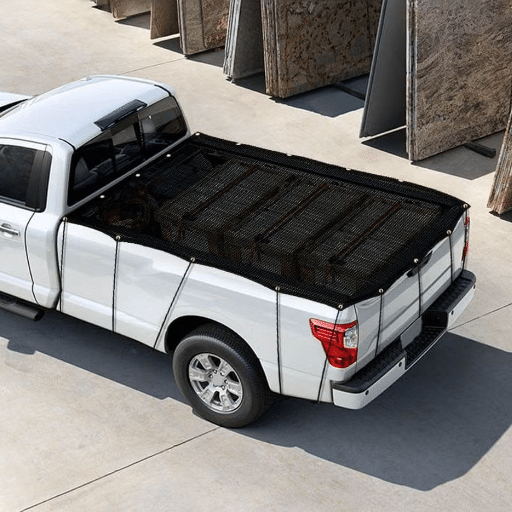
- Transportation: Cover the transported goods such as trucks and trailers with the same material which would protect them from environmental exposure quite effectively, thus saving the cost of any additional wrapping or siding.
- Storage Solutions: Functions as a perfect roofing material for warehouses and outdoor storage units, protecting goods from rain and sun.
- Disaster Relief: It is often used in providing shelters for emergency cases, which will give affected individuals quick and temporary protection and relief.
Agricultural Uses
- Crop Protection: Tarpaulins have become a common sight in fields in regions where agriculture is practiced, as they have proved to be the most effective means to prevent crops from getting damaged by bad weather such as heavy rain, high winds, and too much sunlight. With their waterproof and UV-resistant properties, they are the best ones to use as safety for food during the key growth and harvesting seasons.
- Ground Covering: Covering ground with tarpaulins is seen not only as a method of keeping weeds at bay but also as an effective way of improving overall crop yield and efficiency in agriculture. The primary reason for this is that the farmer needs fewer amounts of chemical herbicides, thus reducing the erosion of the soil.
- Livestock Shelter: Farmers employ tarpaulins to put up makeshift shelters which are quite common in livestock and they protect the animals from any sudden weather changes and at the same time proper ventilation is also sustained. This is a matter of utmost importance especially in severe weather conditions to keep up with the animals’ well-being.
- Farm Equipment Protection: Enormous machinery used in the agricultural sector is usually exposed to harsh elements when left in the open. Tarps suggest a very cheap solution to the problem of protecting the equipment from rust, dust, and moisture; hence, if properly and regularly applied, extending its life and making it more reliable is within reach.
Construction and Weather Resistance
In the construction industry, tarpaulins are a necessity. They act as a good defense against the harsh weather elements. The modern tarpaulins made of high-density polyethylene (HDPE) or polyvinyl chloride (PVC) are so hard-wearing and tensile that they can be used to cover and protect construction materials, scaffolding, and work-in-progress from rain, snow, and even from the UV radiation falling in the wavelengths that are harmful to humans. Heavy-duty tarps have been proven to be a very good way of cutting down material degradation up to 40%, leading to cost efficiency and long-lasting projects. The newly-built and placed in the market being the most potent one, UV-resistant coatings are still, for example, a major contributing factor to the increasing performance of construction to prevent water seeping in and among the structures making them waterproof and resistant to weather and extremely harsh elements and causing damage to sensitive or exquisitely installed mechanical equipment or even parts of the building.
Transportation and Cargo Protection
Notably, some major and integral work is being done in the tire industry and logistics where tarpaulins are used to give a reliable and secure shipping of items during the entire process. The stats have come to show that the use of high-durability polyethylene (HDPE) that is specifically crafted to lessen the degradation rate and vinyl-coated tarps is the most common compare to any other tarp type that is out there because of the durability it provides. Though these tarps are commonly strengthened with a layer of anti-tear, saving abrasions and punctures, there may still be a need for them to cover some sharp or odd-shaped cargo. Surprisingly, the water damage and contamination of goods during transportation can be reduced by 60% through the use of the said coverings. There is also the fact that grommet-supported tarps on the ground, together with strap connection systems, lessen liability due to their removal of the sail effect and preventing cargo from shifting during a fast trip. Businesses should strive to avoid the above-mentioned difficulties by using tarping systems that are set up to comply with the rules of transportation and that also protect the goods’ integrity, which will significantly reduce money losses and inefficiencies in their operations.
Choosing the Right HDPE Tarpaulin

- Material Thickness and Durability
Selecting the best fit and right thickness for a tarpaulin that fits your particular needs. A thicker HDPE tarp will have better durability as well as resistance against tears, hence they would be the top contenders for use in heavy-duty areas like industry or agriculture. - UV and Weather Resistance
Always take into account that the tarpaulin has been treated with chemicals for UV stabilization and water resistance. What it does is that it prevents the rapid degradation of the material when it is exposed to harsh climatic conditions such as sun, rain, ice, and strong winds. - Size and Customization Options
It is very likely that you will find the right size and shape of tarp to meet your particular requirements. In most cases, these are the tarpaulins of different sizes and designs which at the same time provide the necessary coverage for a variety of applications. - Weight and Portability
One of the advantages of lightweight tarps is that they are easier to work with and transport, while the heavier tarps provide the performance and the edge under tough conditions. - Cost-Effectiveness
Keep in mind the relation between the value and the quality of the product. High-priced products can be expensive; however, the low-priced one for the same product but with the same quality may have its draw, because high quality is taking the toll on long-term replacement and maintenance costs.
Comparing Types of HDPE Tarpaulin
Understanding Tarpaulin Sheets and Weaves
Manufacturing the tarpaulin sheets is a process that involves the sophisticated interplay of materials and weaving procedures targeting particular uses. The main consideration is the choice of the base material, among the numerous available options, and certainly, it is one out of the wide usage of low-density polyethylene (LDPE), high-density polyethylene (HDPE), and polyvinyl chloride (PVC). Each of the materials has its own unique features; for example, HDPE is very good in terms of its tensile strength and life span, and PVC presents an upper hand in its flexural rigidity and abrasion resistance.
Density of the weave becomes one of the most important factors for the characteristics of tarpaulin sheets. Its measurement is typically performed in denier or thread count (e.g., 8×8, 10×10, or more); the higher the thread density, the stronger the material. Besides the coating treatments, the functions of the tarpaulin sheet could be further intensified by adding on UV protection layers, flame-retardant finishes, and waterproof laminations, all specifically suited for their respective applications. To know such variables is a must for the right selection of the tarpaulin type, and hence will ensure that optimal performance and life service in the specific environmental and operational conditions.
Maintenance for HDPE Tarpaulin

- Regular Cleaning
For regular cleaning, mild soapy water and a soft brush or cloth can be used to remove dirt and debris. The usage of harsh chemicals and abrasive tools that may cause damage to the material should be avoided. - Dry Thoroughly
It is necessary to dry thoroughly: the tarpaulin must be allowed to completely air dry before storage in order to prevent the growth of mold or mildew. - Inspect for Damage
You should conduct a thorough check-up for any signs of damage on your tarpaulin material periodically. Especially on the grommets and edges, high-stress points of the tarp, it is necessary to examine and avoid punctures or tears. - Proper Storage
A tarpaulin should be stored in a dark storeroom that has a cool and dry atmosphere. Be sure that the item is rolled or folded carefully so as to prevent the formation of creases and hence, lengthen its life. - Avoid Prolonged Stress
The stress on the tarpaulin should not be so great that it causes overstretching or mold damage, which is as bad as the other extreme weather conditions that are continuous and include direct sunlight.
Cleaning and Storage Tips
- Regular Cleaning Routine: Washing the tarpaulin with mild detergent and lukewarm water constantly could avoid stains to develop. Harsh cleaning chemicals will ruin the protective coating of the material, so one should opt for products with a gentle formula that is environmentally good for the water system.
- Remove Stains Promptly: Use a gentle brush and spot-removing products made for tarpaulin materials for old stains. Conduct the cleaning solvent test first on a small and unnoticed part of the material to ensure compatibility on the safe side.
- Thorough Rinsing: Upon washing, make sure the tarpaulin receives a generous amount of water to rinse the detergent completely. Any lingering particles of harsh chemicals might eventually make the surface of the material less strong or even discolor it.
- Proper Drying: Remember to always dry the whole tarp completely before putting it away. Any watеr lеft can make mold and mildеw to grow. Somе climatеs are so humid that the relativе humidity may be greater than 60%, thus being a favorable condition for mold and mildew growth, especially if the tarp is folded and stored while still wet.
- Fold Methodically: It is advisable to fold or roll the tarp into smooth folds carefully. These sharp creases create weak points of the tarp and in the long run, the material will weaken. For tarpaulins that are heavy-duty PVC or similar, use the roll method to prevent the fabric from experiencing strain.
- Protect from Contaminants: Keep the tarpaulin in a closed or packed container to defend it from dust, rodents, and volatile liquids that might reach the fabric. The enclosure of chemicals such as oils or paints could weaken the tarpaulin’s integrity.
Repairing Minor Damages
The Repair of small rips in the tarpaulin is an essential process, and it involves a lot of critical steps for the successful repair as well as the continuity of the material’s longevity. The first step here is the complete cleaning of the affected area. There are many elements in the damaged area, such as dirt, grease, and debris, and only by cleaning will the adhesive be able to stick properly. After cleaning, be sure to dry the underlying surface perfectly so that the moisture is not enclosed by the patch. Get a high-quality adhesive that is uniquely intended for tarpaulin, as it is the only way to go, also making sure it is compatible with the material type of the tarpaulin (e.g., PVC or polyethylene). From an extra tarpaulin sheet or a repair kit, cut out a patch that is at least two inches larger than the tear or hole on all sides. The adhesive should be applied evenly to both the patch and the damaged area, and then pressed firmly so as to have a strong seal. Following the cure time indicated by the adhesive producer is essential for the best bonding. Checking the repair code on a regular basis helps to see whether or not more backing is needed, especially if the tarpaulin is to be subjected to high stress or to adverse climatic conditions.
Extending the Lifespan of Your Tarpaulin
The durability of your canvas sheet is affected by the way you store it, with the main advantages being increased life span and maintained functionality and toughness. Before keeping, the surface has to be regularly cleaned to take off possibly the debris, dirt, and substances, among which are oil or grease, that could break down the material. Besides that, make sure the canvas is completely dry to avoid the formation of mold or mildew, the former of which could considerably deteriorate the fabric, leading to the latter, unpleasant odor.
When you put it in temporary storage, definitely fold the canvas sheet in a way that avoids unnecessary creases, as such creases can weaken its structure. The canvas should be placed in a dry, cool, and shaded place distant from direct sunlight and extreme temperatures, as repetitive ultraviolet radiation and heat can cause the material of the tarp to break down and crack. Additionally, the use of a shelter or keeping the canvas within a humidity-proof box can be an added protective layer. Regardless, examine the canvas stored there, and you might catch the smallest signs of its usage, to be immediate in its maintenance, thus ensuring its integrity for years to come.
Reference Sources
- DergiPark Academic Platform
Title: Mechanical Analyses of Denim Fabrics Laminated with Recycled Polyethylene Packaging Wastes
Access the article here - Wiley Online Library
Title: Textile, Hygiene, Health, and Geosynthetic Applications of Polyethylene
View the document here
Frequently Asked Questions (FAQs)
What is HDPE fabric laminated tarpaulin?
HDPE fabric tarpaulin of laminated type is made of the very best quality woven HDPE fabric, which is meanwhile laminated with LDPE or similar coatings to render waterproofing and higher strength. It is quite common in the procedure to have HDPE with three layers deep, giving it a strength level that a simple HDPE wouldn’t have. Last but not least, the available quality woven HDPE product is then layered there in a very sandwich fashion to give the laminated fabric desired results, where the fabric stands up very well to abrasion and tearing also. Sites of construction, here are the most favored places for such tarps to be used, as they get really tough and last long with the laminated layers giving them extra life and robust characteristics.
How do HDPE tarpaulin manufacturers ensure the HDPE laminated tarpaulin meets specifications?
The manufacturing process of HDPE tarpaulin is primarily based on quality control and structural stability of the tarpaulin sheets, which is the basic requirement skill for using multi-layered HDPE, and the method used for waterproofing may be lamination with LDPE. On the other hand, renowned manufacturing factories test the tarpaulin sheet with respect to modulus of elasticity, modulus of resilience, and density polyethylene values for the industrial tarpaulin usage to suit the harsh weather, such as extreme heat, rain, and wind. Simultaneously, a catalogue is prepared which enlists the different qualities and thicknesses at different prices, along with the characteristic of being able to supply custom sizes for tents, truck covers, and liners.
Can a tarpaulin manufacturer supply HDPE fabric laminated options for construction sites?
Sure, if you are in need of HDPE fabric laminated tarpaulins customized for construction sites, a tarpaulin maker or supplier is the way to go. These constructions have the most demanding and harshest requirements compared to other areas. The reason why the covers used in these areas prove to be the toughest is that the conditions of weather, pollution, and site are not the friendliest. That is the reason why end users of such products normally go for the most rugged and wear-and-tear-resistant products. The great majority of such users are the very people who load, unload, and store under the open and unsafe environment. A great number of companies claim their tarpaulins are strong and can withstand the wear and tear of a heavy-duty operation.
What differences exist between HDPE tarpaulin sheets and PE tarpaulin for industrial use?
As a matter of fact, the HDPE tarpaulin sheet has long been recognized as one of the strongest and tear-resistant tarpaulin sheet designs since it has been produced from woven HDPE material, while the PE tarpaulin may generally refer to polyethylene-based products which might differ in density and durability. The high-grade HDPE fabric brings out the products, which include the HDPE that is either sandwiched between layers or laminated with LDPE (Low-Density Polyethylene) to make the products more resistant to water, UV, and abrasion. The industrial tarpaulins meant for sectors such as automobiles, railroads, and the construction industry among others are crafted in the manner of having multiple layers of HDPE in order to have the requirements of these companies to be met and exceeded.