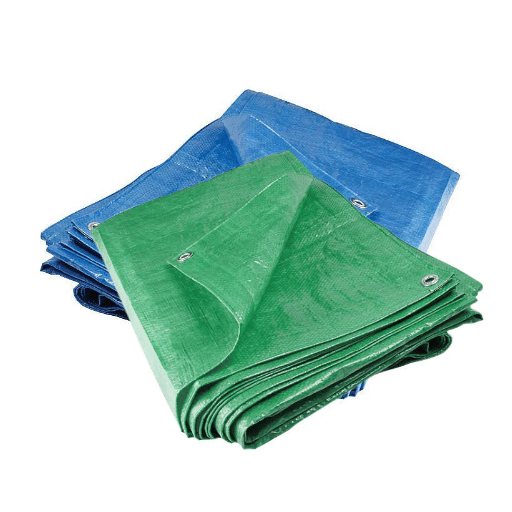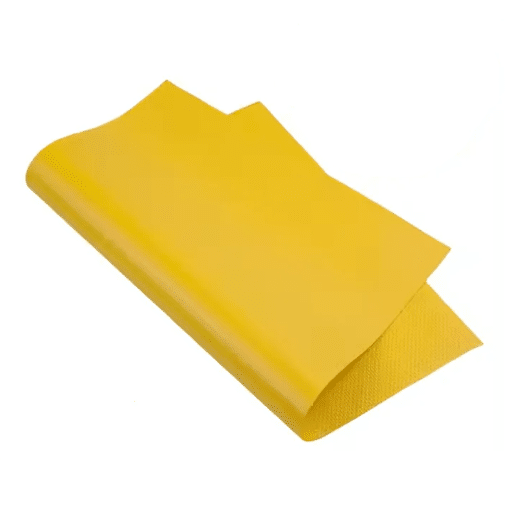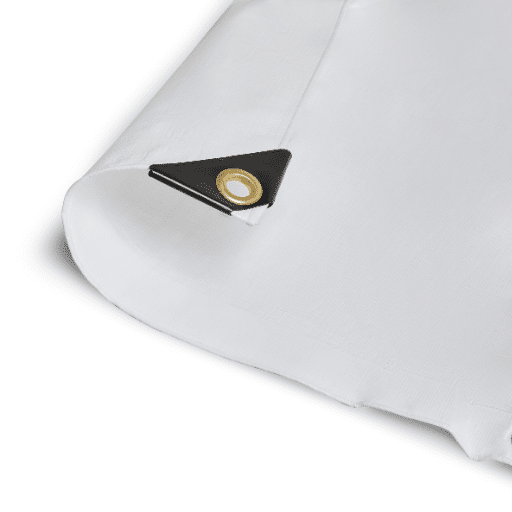
Tarps that are made of HDPE (High-Density Polyethylene) with a lamination have found their place in assorted industries as they come up as a perfect combination of pros, that is, great strength, durability, and adaptability. They say that their usage for agricultural, structural, or transportation tasks gives a highly dependable cover against nature’s most unpleasant moods. This source goes to the depths of the whole tarpaulin topic, particularly the part that is connected by HDPE fiber, and this thereby gives the readers a broad and profound knowledge of the very special characteristics these textiles have. The complete steps, starting from the tarp being born until the usage, and even the time when you require cleaning, are all going to be presented to you in the ongoing guide so that you get the necessary facts and become aware of how you can choose to do and use the product in the best way.
Introduction of HDPE Laminated Tarpaulin
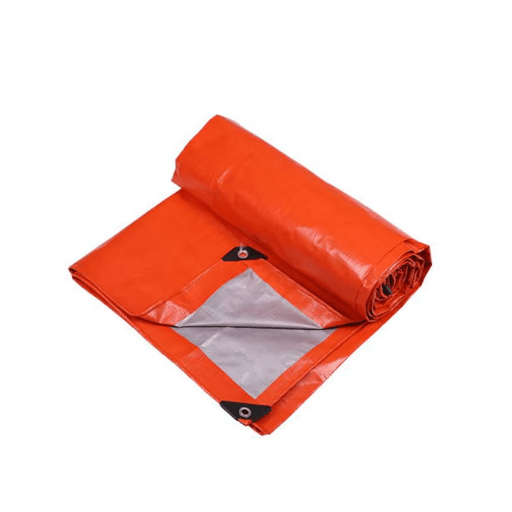
HDPE laminated tarpaulin is a material that is both very heavy and extremely strong, made from high-density polyethylene (HDPE) and then given a coating or lamination to increase its useful life and mechanical strength. It is generally accepted as the material to go for among the others in terms of its resistance to UV rays, perfect water repellency, and tear resistance, among many other things. The latter is by weaving HDPE tapes together with a very strong fabric that is finally laminated with low-density polyethylene (LDPE) to waterproof and toughen the items. The most common examples are the use of the material as temporary shelters, covering of agriculture, transportation of materials, and covering of industrial goods.
What is HDPE Laminated Tarpaulin?
Laminated Tarpaulin is made of High-Density Polyethylene (HDPE), which is a specialized product that is made with the best-in-class strengths, flexibility, and environmental stressors resistant features. Tarpaulin manufacturing uses a more advanced process than one that starts by using the raw material as HDPE. HDPE tapes are weaved so that they form a strong base fabric, and later it is coated on both sides with Polyethylene (LDPE)} in a perfect bond. The two-layer lamination makes the material water-resistant, UV-stabilized, and highly durable, which is ideal for continued exposure to the sun and harsh weather conditions.
The thing being discussed shows off fantastic mechanical properties, the major of which are high tensile strength, tear resistance, and dimensional stability, all of which are supremely needed for those applications that involve heavy loads or exposure to fluctuating environmental factors. Furthermore, the tarpaulin has an anti-corrosion property, it is light, and it is also partially made from recycled matter, which meets this age’s requirement of sustainability. Depending on the purpose of the usage, tarpaulins with HDPE laminated have different thicknesses, sizes, and colors to accommodate the diverse needs of industry and individuals.
Features of HDPE Fabric
1. High Tensile Strength
HDPE fabric has an outstanding tensile strength, such that it can bear heavy loads without tearing or deforming. For example, the tensile strength of regular HDPE material varies from 20 to 30 MPa, thus a great deal of suitability for the industrial applications is obtained.
2. UV Resistance
The material receives a treatment with UV stabilizers to resist the long-term exposure of the sun, which is the main reason for the degradation and damage due to ultraviolet radiation. This unique characteristic guarantees a long life in outdoor environments.
3. Waterproof and Weatherproof
Water has no entry through the HDPE fabric, and it has a heightened resistance to the changes in weather conditions. A waterproof-bonded lamination on the fabric’s face ensures maximum protection against water, thus making it a perfect solution for farms, industries, and even for outdoor activities.
4. Lightweight and Flexible
The HDPE fabric, despite being extremely durable, is extremely light, and usually ranges between 150 GSM and 350 GSM when it comes to spec. The material is so elastic that anyone can easily fold and transport it without much hassle.
5. Chemical and Corrosion Resistance
Unless a massive amount of effort and money were put into it, HDPE fabric would still be as good as new. It is chemically neutral, which is also resistant to acids and alkalis. Thus, it can be used for the production of chemical storage covers and other industrial applications.
6. Temperature Resistance
Functioning at the two opposite extremes of extremely cold and hot temperature, HDPE fabric can withstand a significant range of temperatures, generally between -40°C and 80°C, without losing its mechanical properties, which it acquires due to the above-mentioned properties.
Benefits of Using HDPE Laminated Tarpaulin
1. High Durability
HDPE laminated tarpaulin is well-known for its toughness due to the high tensile strength of HDPE materials. According to the research conducted, tensile forces on the HDPE tarpaulins reach up to 170-250 N/mm² and this makes them highly resilient to tearing and stretching under stress.
2. Waterproof and Weatherproof
One of the advantages of this material is its high water resistance, in this way, it is rain, snow, and moisture proof. The lamination technology provides a breathable layer that can even protect the goods or surfaces during heavy rainfall, for that reason, withstanding a hydrostatic pressure of up to 100 mm water column.
3. UV Stabilization
HDPE tarpaulins are usually UV protected, which prevents their destruction due to long-term sunlight. These tarps can kill up to 98% of hazardous UV rays, making their outdoor service life longer and their use more secure in that respect.
4. Chemical Resistance
The chemical resistance property of HDPE is the reason for very durable and resistant tarpaulins that, when exposed to very harsh conditions, will not be affected. HDPE tarpaulins are all but unaffected by the harshest chemical interactions and do not wear out material-wise to a surprising extent.
5. Lightweight and Flexible
Tarpaulins that have been made by laminating HDPE are very tough, yet light in terms of weight, with a density of about 0.94 g/cm³. The lightness literally is very useful in handling, transportation, and storage. What is more, they are so elastic that they can be folded or rolled without breaking.
6. Cost-Effective Solution
Tarpaulins that are HDPE laminated are more balanced in terms of strength, resilience, and cost-effectiveness as compared to other materials. Their production cost is low, and hence they are durable enough to be a cost-effective choice for industrial and agricultural purposes, both in the short and long terms.
Types of HDPE Tarpaulin

1. Laminated HDPE Tarpaulin
It is a kind that uses HDPE fabric and is double-laminated with LDPE on each side, thus ensuring toughness, water resistance, and UV protection. Its application in agriculture, construction, and transportation is widespread.
2. Reinforced HDPE Tarpaulin
One can see the reinforcement through ropes or fabric mesh in addition to the reinforcement. Reinforced tarpaulin is more of a specialized product that can have much machine coverage and the construction of big, always ongoing structures, as typical applications.
3. Fire-Retardant HDPE Tarpaulin
The tarpaulin absorbs flame-retardant chemicals, hence it can very well be used in the industries mostly concerned with fire safety, while used in warehouses and emergency shelters, for example.
4. UV-Stabilized HDPE Tarpaulin
Manufactured from UV stabilizers, this feature makes the fabric capable of enduring beams of radiation, allowing it to be applied in industries that work with it, such as nuclear and solar.
5. Heavy-Duty HDPE Tarpaulin
Praised for its heavy weight and solidity, the heavy-duty tarp is mainly applied in the toughest of places, such as industrial storage, roofing, or as a liner for ponds and canals.
Cross-Laminated vs. Regular HDPE Tarpaulin
Different Grades of HDPE Tarpaulin
Applications of HDPE Tarpaulin
1. Agricultural Sector
HDPE tarps are a popular choice for covering crops, preserving a stock of grain, and keeping agricultural equipment safe. Their ability to resist UV rays means a lot too because it gives long-term shield against the sun, which, in turn, reduces the spoilage and keeps the output quality predictable.
2. Construction Industry
The said tarps are put into use for a limited time as living spaces, also, as the workers use to cover the scaffolding and the curing of the concrete takes place at the construction site with tarpaulin. The combination of waterproofing and reinforcement makes them the best; in short, they are suitable for protecting construction materials and machinery on site.
3. Transportation
HDPE tarpaulins are the most common for being used as truck covers that give excellent protection for the goods during transport. No water, dust, or sun reaches the cargo that is being protected, to emphasize that, rain is not passing, dust is not entering, and sun rays are not penetrating the cover, so the materials are still strong and in a good state when they get to the place of destination.
4. Storage Solutions
For the stuff to be left outdoors, the storage of which would cause no harm to the destination, HDPE tarpaulins are the best solution as they can not be reached by water, UV rays, or environmental damage, thereby preventing any long-term damage to materials.
5. Emergency and Disaster Relief
In times of emergency such as natural disasters, fire, etc., HDPE tarpaulins are used to make tents, temporary shelters, or in the form of rain protection. Being very light and fire-resistant, such material as tarpaulin is a must-have for such critical situations.
6. Industrial Applications
Polyethylene tarpaulins that are made from high-density polyethylene (HDPE) are very much in use in industrial setups, where they are used to protect costly machinery, to create divisions in space, or even as welding curtains. What is even more appealing is that their resilience and fire-retardant properties increase both protection and productivity.
HDPE Tarpaulin in Agriculture

HDPE tarpaulins have become the backbone of agriculture, safeguarding the sector from the impacts of weather conditions. They are primarily used for crop protection, when the weather is too extreme. And at the same time, these tarpaulins are used to wrap and protect harvested crops, ready for either storage or short transportation periods to prevent spoilage and contamination. Their UV-resistant and weatherproof properties ensure that they can remain in the field for the long term, making them a cost-effective and reliable option for farmers.
Uses of HDPE Tarpaulin in Agricultural Practices
HDPE blankets are extremely important for keeping water and moisture in the soil when talking about the practice of agriculture. The tarpaulins are being used as covers for the ground. Farmers can save a good amount of water from evaporating from the ground, ensuring that the crop is properly hydrated for constant growth. This is really needed in areas that are either arid or semi-arid, and there, water availability is not that high. On the other hand, the tarpaulins made of HDPE also act as very good safeguards against soil erosion during heavy rain, therefore, conserving the farmland area and preventing the precious nutrients.
The tarpaulins are composed of HDPE, that is, high-density polyethylene, because of their durability and weather-resistant features, though, keep the primary material usage list for erecting as well as securing the greenhouses. Moreover, these tarpaulins are acting like the specific factors for the crops that are heat-sensitive by regulating and maintaining the temperature and humidity of the air, thus boosting the growth of crops. To make it even better, their light diffusion ability makes the crops stressed due to direct exposure to the sun less frequent, which further enhances the process of photosynthesis; therefore, the crop’s yield increase is no longer a myth but a reality. Hence, the HDPE tarpaulin market is primarily pushing up the yield by both quality and quantity, mainly in the commercial agricultural sector.
Fumigation Covers: Importance and Applications
The role of fumigation covers in the present-day pest control and agricultural safeguarding systems is very important. In the fumigation process, covers are utilized to create the absolutely airtight closure that is necessary and thus their usage ensures that the fumigants will be locked within the area where they are being applied. Consequently, the compounds used are well controlled by fumigation covers, providing the most effective way to destroy pests and pathogens that threaten crop yields, stored produce, and even warehouse structures.
Made mostly from high-density polyethylene or other long-lasting materials, fumigation covers resist tear, UV light, and chemical degradation excellently, thus enabling their repeated use under harsh environmental conditions. These covers are largely used for the treatment of grains, fruits, and packaged goods in large-scale storage facilities. The selection of the appropriate fumigation cover thickness and specification is critical for the retention of gas effectively, and the operational efficiency at the same time.
Moreover, research reveals that the use of good-quality fumigation covers largely contributes to the effectiveness of pest control, mainly by limiting gas permeability and decreasing the loss of chemicals. This results in the observance of the highest safety measures set by the international community and the most efficient application of fumigants, hence the lowering of environmental pollution and guaranteeing safe food. The use of fumigation covers, in addition to agriculture, goes to extremes of facilitating access to manufacturing and transportation sectors, where pest prevention is of the essence. They are part and parcel of the only way to create ecological and energy-saving pest control solutions for both corporate and manufacturing scopes.
Quality Standards and Specifications

High-density polyethylene (HDPE) tarpaulin is a product that is strict about quality standards to be very durable and reliable. There are some main details, which are:
- Material Composition: HDPE fabric that has virgin-grade quality is the compositional material, which ensures that its tensile strength is the best and its life is the longest.
- Weight and Thickness: The weights and thickness are normally in the range of 70 to 350 GSM depending on the applications of the material.
- UV Resistance: Its treatment is to make it not degrade because of the sun so it can be used outdoors a lot more.
- Waterproof and Weatherproof Properties: Its materials are in such a way that it is resistant to water and can stand rough climatic conditions.
- Width and Size Variations: Different sizes are available as the product caters to the various industrial and agricultural needs.
Globally accepted standards, such as IS 7903:2017 in India or the corresponding local certifications, constantly support the uniform performance of the product in all applications.
Understanding HDPE Fabric Quality Standards
HDPE (High-Density Polyethylene) fabrics have to meet strict quality standards to be used in different industries due to the benefits they provide: durability, efficiency, and safety. The standards mainly require that the fabric be of the required tensile strength, environmental stability, and chemical resistance. Through testing, quality tests have become common through the use of ASTM D5034 for tensile properties, ISO 9073 for tear resistance, and UV stability tests for outdoor durability.
It is often quantified in terms of major factors such as a minimum tensile strength of 100 N/5 cm, a UV rating of 90% or above, and a flexibility definition that will make the installation easier. Moreover, chemical resistance is the key factor to make the material become indifferent to the negative action of different agents – after being exposed to the acids, bases, or industrial reagents, it does not negatively affect the rest of the elements. Laboratories and chemical plants have to comply with the requirements like ASTM D543. There is no doubt that today’s new technology stresses the importance of being nature-friendly while simultaneously securing the supply of consumer goods.
Comparing HDPE and LDPE Tarpaulin
Choosing the Right HDPE Tarpaulin Sheet
When HDPE tarpaulin sheets that best meet the needs are to be picked, it is necessary to have a deep-seated look into the main factors that will impact the sheets’ usage the most. The factors that have to be identified are:
1. Material Properties
HDPE tarpaulin sheets are extremely strong, light, and provide sun protection, making them the perfect choice for use outside throughout extended periods. They are also chemical-resistant and thus can be used in agriculture and construction environments, where chemicals are usually exposed.
2. Environmental Conditions
Climate and even weather scenarios happen to be vital factors that give the right tarpaulin sheet. The width of the tolerance range of HDPE is the reason why it is more useful for the sheet to be intact, not sagging or thinning out, compared to the rest.
3. Intended Application
Understanding the particular purpose of the tarpaulin is extremely necessary. In such places where the tarp will be used by trucks for sending goods or as a temporary shelter, the strength and tear resistance of HDPE leave other materials far behind. On the contrary, for indoor use, lightweight tools are needed, thus not only one factor is taking part in the performance issue.
4. Environmental Sustainability
Recycling HDPE tarpaulin sheets becomes an attribute of less environmental pollution. Hence, this implementation also qualifies them to be a great pick for ecological people who are also seeking convenient and high-quality solutions.
5. Cost Considerations
In most cases, HDPE sheets are more expensive than materials such as polyethylene and vinyl, but the lifetime and low maintenance cost factors make them much better value items in the long run.
Through considering the described factors in a delicate and thoughtful way, you can arrive at a point where the trade-off of the HDPE tarpaulin sheets is the right answer, and you get both economical and sustained performance together.
Care and Maintenance of HDPE Laminated Tarpaulin

1. Regular Cleaning
Use mild soap and water to wash the surface. There has been no better solution in the market than the one that helps remove all dirt easily, without being harmful to the products or the hands.
2. Drying After Use
One must always make sure that the tarp is not just half-dry before folding it up or storing it. This is a sure way of saying no to mold or mildew, which are prone to making the material less strong.
3. Proper Storage
It is also advised that you keep the tarp in a cool and dry location that is not directly hit by the sun and does not have sharp objects nearby. Because when tarpaulin is exposed to harsh weather for a long time material may become brittle and tear.
4. Repair Minor Damage
Make it a habit to look over your tarpaulins every week for any signs of damage. Use adhesives or a heat welder to quickly fix small holes before they get bigger and cause further damage.
5. Avoid Excessive Strain
Never put too much tension on the tarpaulin when it is in use, as it can either lead to the material stretching or getting torn. Reasonable load attachment will also help in the even distribution of the load.
Repairing Damaged Tarpaulin
Proper tarpaulin repair is very important because it guarantees its durability and serves its purpose. In the case of small holes or cuts, the whole thing should start with the careful cleaning of the area affected by the damage. This is usually done with soap and water to remove any kind of dirt, oils or debris that may prevent good adhesion. When the area is clean and dry, put a high-quality adhesive patch that is made specifically for the tarpaulin material and one that completely covers and extends the damaged area for reinforcement. For big repairs, you might have to go through heat welding. The process involves the use of a heat gun or a special welding tool to bond a patch or a seam to the existing fabric by melting a thin layer of the material, creating a very sturdy fusion. It is very important to keep the pressure and heat firmly but moderately in check while this is being done so that no further damage is caused to the fabric.
If damage appears near the edges or anchoring points, reinforce that part with strong grommets or retain the shanks so that the stress can be shared evenly and the problem of future tearing will be avoided. The reliability of a tarpaulin installed under the roof can also be increased if regular inspection and conscientiousness in following the manufacturer’s advice regarding repair products and different techniques are observed.
Extending the Life of Your Tarpaulin
For the best performance of your tarpaulin and longer life, the latter comprising the material, a maintenance program should be set in place. The first and foremost thing to be done is to keep the tarpaulin free from any dirt, debris, or mildew, as these may very well reduce the strength of the material in time. When cleaning, always use a mild detergent and a soft brush, and be careful not to scratch the surface of the tarpaulin in that manner. However, one must also make sure the tarpaulin is completely dry before folding, as all molds and moisture will be locked inside if not dried. The tarp should be kept in a cool and dry place and should not be exposed to direct sunlight or high temperatures, since extensive UV radiation and high temperatures can potentially lead to the material’s structure weakening.
Make sure not to overload the tarp with tension beyond the limit. Besides, apply UV-resistant agents or sprays that are specifically manufactured for the material to enhance sun degradation resistance. The use of such agents will prolong the life of the tarpaulin on the condition of regular inspections for light and seam damage. If any spots of the tapestries happen to be broken or the death of the latter the same day, once the tapestries get there, they have to be stuck with adhesives suitable for the material or patched over using the same material. The durability and reliability of high-quality fasteners and straps increase the strength of attachment points; therefore, the chances of tearing the tarp in heavy rains or due to some other environmental reason are minimized. The best way to keep a teepee cool is to open the windows!
Reference Sources
-
Status of fumigation in stored grains in India
Read the paper here -
Evaluation of the impact of ZeroFly®, an insecticide incorporated plastic sheeting on malaria incidence in two temporary labour shelters in India
Read the study here -
Reservoir Lining for Pumped Storage Hydropower: Scoping Study of Geomembrane Lining Systems
Read the study here
Frequently Asked Questions (FAQs)
What is an HDPE laminated tarpaulin sheet?
An enclosure in the glossary of the polymer industry is the medium-density polyethylene laminated sheet. It is a product that consists of a multi-layered laminate and an HDPE woven fabric, and it is a very solid and water-resistant turret fabric that is especially recommended for exterior architectural use. The laminate, unlike a simple tarpaulin sheet, provides the thin fabric with sufficient strength and even extends the life period, which makes it a versatile and durable material for industrial purposes. The sheets are usually made with the addition of appropriate chemicals to enhance the sunlight resistance and they are sold based on the area covered.
Why choose HDPE fabric laminated or cross-laminated options for agricultural covers?
The products made up of HDPE fabric laminated and cross-laminated structures are best in tensile strength and eventually resistant to puncture, thus, they are the best suits for agricultural and poultry fumigation cover needs. Another form of cross-laminated product that is used for such applications consists of multi-layered reinforcement which makes it less prone to tear during handling. At the same time, the mentioned product is light enough to be carried and placed by small farmers. Providing long-lasting and waterproof cover is another advantage of the products; they are widely used in the fumigation process, keeping the controlled environment. These types of tarps are the main focus of many suppliers as they help to meet the required specifications of agricultural use.
How do HDPE tarpaulin roll manufacturers ensure quality standards for HDPE tarpaulin rolls?
HDPE tarpaulin roll manufacturers have a very rigid quality control procedure that involves checking out the polymer composition, density of polyethylene, and the strength of the laminate bond. As far as tarpaulin manufacturers and suppliers that have a good reputation are concerned, the instructions and certifications that they offer are usually capable of guaranteeing long life and the prevention of being worn out. To balance the industrial tarpaulins and pet tarpaulin needs, manufacturers also provide various types of tarpaulins. The choice of HDPE tarpaulin roll manufacturers that have been certified ensures the option of the most durable and at the same time most stable performance.