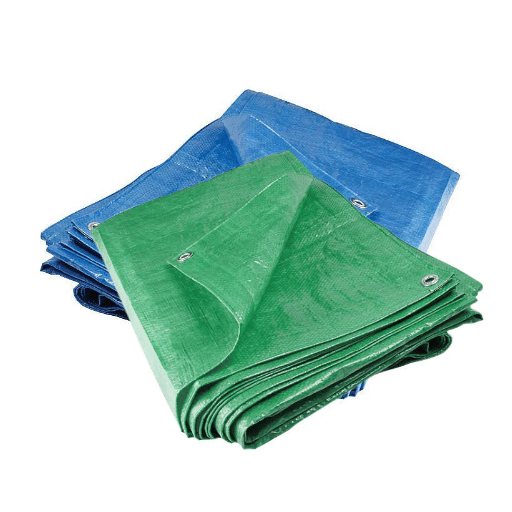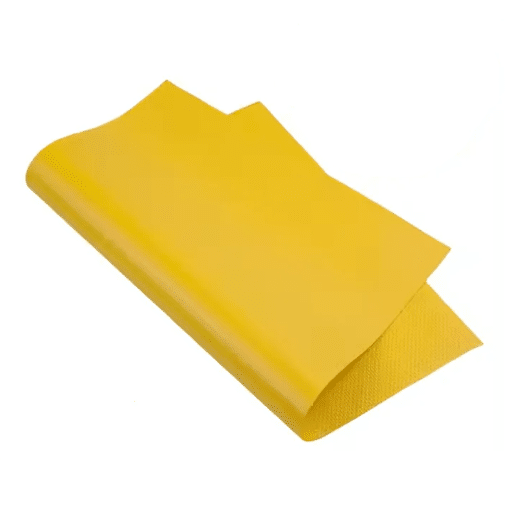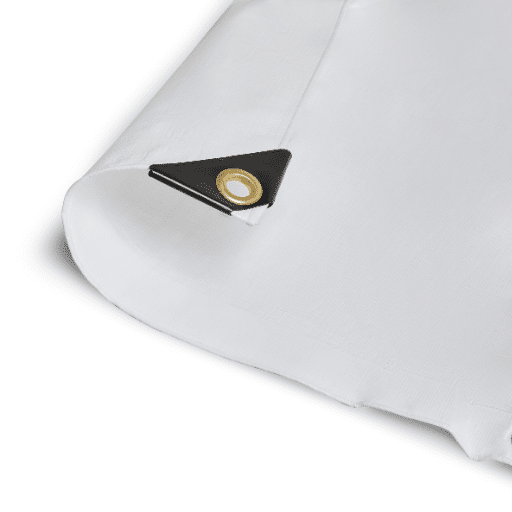
High-Density Polyethylene (HDPE) tarpaulins have become the need of the hour in several spheres of endeavor because of their ability to withstand wear and tear, adaptability, and reasonable pricing. For instance, be it keeping agricultural produce safe from the weather, covering construction work from the weather or protecting the roofing from adverse weather conditions, these materials do not let their user down in terms of strength and practicality. This write-up raises the question of what characteristics of HDPE tarpaulins are advantageous and why they are used so widely, and will assist in settling on the best one depending on the desired purpose. Approaching the end of the lesson, one will know why HDPE tarps have taken first place as the product of choice for anyone whether a professional or a regular user.
What is an HDPE Tarpaulin?

High Density Polyethylene (HDPE) tarpaulins are extremely light, strong and recyclable fabrics sheets composed of woven polyethylene fabrics sheeting which are laminated with structures to make them waterproof. These tarpaulins are the best because they exhibit very good tensile strength and are strong enough to withstand very rough usage conditions, i.e., UV rays and rain. These ultra-high-density polyethylene tarpaulins are handy and come in handy in agriculture, construction, and transportation industries to the larger community. Their strength and easy to work with qualities at the same time, make them an ideal material for many different products. From the monsoon sunshine to the scorching sun, the uses of tarps in the form of protective sheets are a very good measure.
Definition and Composition of HDPE Tarps
HDPE tarpaulins manufactured from high-density polyethylene are tough, flexible and light thermoplastic resin materials. In high pressure and controlled temperatures, this material is born out of embryonic monomers called ethylene being strung together, forming a dense, cohesion-rich molecular structure that goes a long way to bumping up how much strength and stiffness it gets. The process of highly compressed construction of HDPE tarpaulins involves weaving of HDPE fiber into a fabric and then treating it with PE coatings to enhance waterproof and UV protective abilities.
To enhance durability against weathering and harsh conditions especially prolonged exposure to sunlight, these types of sheets can have some UV stabilizers and antioxidants incorporated in them. General standards practice requires the availability in different sizes, thickness, and either black or white plastic sheeting, hence, high-density polyethylene, also known as polythene, has been recognized as the ideal multipurpose material for both indoor and outdoor parts. Besides the material’s enhanced features that support its use, minimal water absorption characteristics water repellency and resistance to chemical attack guarantee that the material is durable even in risky conditions.
Manufacturing Process of HDPE Tarpaulin
A significant number of procedures and steps have to be followed in the manufacturing of the high-density polyethylene (HDPE) tarpaulin since there are quite a large number of processes one has to go through in order to produce an end product that is strong enough to be able to serve a number of purposes. The first step in the process involves the polymerization of ethylene to result in a high-density polyethylene resin which is subsequently melted with other ingredients. This high-density polyethylene resin is transformed into thin films or flat sheets through processing by equipment designed for that purpose. Furthermore, the thin films are layered together and subjected to heat or other adhesives in a process termed lamination. In this case, an impervious wrapper is created with composite materials that is tear, puncture, and weather-proof.
To avoid easy tear and tarps losing their qualities as a result of exposure to UV light, UV oils are added during the manufacture of the tarpaulin. Moreover synthetic additives are put into the tarpaulins such as flammability suppressants and antimicrobial agents, when the use is practical. After treatment, the tarpaulin is cut and hemmed, with the perimeter reinforced by stitching and metal rings for easier material attachment. These activities make it possible to create HDPE tarpaulins, which are strong, malleable and safe from the effects of adverse weather conditions, such as those found in the construction, farming and shipping sectors.
Comparison with Other Materials: HDPE vs PVC
| Parameter | HDPE | PVC |
|---|---|---|
| Density | Low | Higher |
| Flexibility | High | Moderate |
| Tensile Strength | Excellent | Good |
| Weather Resistance | Superior | Moderate |
| Temperature Tolerance | High (up to 120°C) | Moderate (up to 60°C) |
| Chemical Resistance | Very High | High |
| Environmental Impact | More Environmentally Friendly | Less Eco-Friendly |
| Cost | Generally Lower | Relatively Higher |
| Durability | Long-lasting | Adequate |
| UV Resistance | Excellent | Requires Additives |
Primary Applications of HDPE Tarps

- Agriculture: Within this field, some include the protective equipment used for farming, biking, and other such activities, which are there to shield UV and other harsh effects affecting the crop and other plants.
- Construction: This sector often deploys the prppaectives for the scaffolding, temporary barrcaiding for teh buiuling materials, and also on the roof there are protection sheets made of prppaectives a long lasting cover suitable for exposure.
- Logistics and Transportation: Goods which are transported should be properly covered in this perspective to prevent wear water, dust, and especially sunlight from outdoor conditions while traveling.
- Industrial Use: They also come as coating material and some other applications where they would be installed as barriers for the substrates since they are resistant either to tear or chemicals.
- Recreation and Camping: Also used as longer-lasting ground pads, canvas camping tents and in cases of stress where emergency tents and canopies are required to be erected.
Industrial Uses of Heavy-Duty Tarps
Heavy-duty tarps are used extensively in various industrial scenarios. This is because tarps are built to last. Even so, one of the key reasons behind their popularity is the fact that they offer protection as well as flexibility. For example, they are particularly popular in environmental containment systems, for example, in the impermeable layering of landfills to prevent contamination of leachate and to adhere to the environmental laws of that industry. They are also used in industrial facilities to contain and manage spills of chemicals and toxic wastes.
In addition, in the case of an aquarium, tank-duty tarps are applied for subsurface water-storage and excavation a liner for fish harbor usage and another for acting as haycaps and pond constructions. They do not break or degrade easily due to being protected from direct sunlight, thereby saving on frequent repairs or purchases of new ones. Also, they resist applied tension and loadings, stretching over manufactured machinery and storing industrial supplies, thus enabling the use of the product, etc., without damage caused by weather-related reasons. Enterprises trust these extensive asphalt coverings to either meet their equipment needs for their work or help ensure compliance with health and safety regulations and environmental protection.
Residential and Temporary Applications
Recently, it’s been observed that a number of people and families have resorted to vinyl tarps for the very simple reason that they are strong, affordable and quick to use for most situations. A lot of people will agree that these are the kinds of tarps that come in handy as you do various exercises in your compound. For most households that have decks, it has been known many deck owners have such vinyl tarps they have put on top of their furnishings to avoid them being as dirty as they can from snow or dust.
On average, such straps as crisscross shape guards cover their pieces of furniture and even firewood to protect it from woodworm. Due to their great flexibility which enables them bending easily, tarpaulins are often employed as camouflage or as curtains around the temporary sheltering. Immediately useful for temporary roofing works for maintenance workers and repairmen to cover a leaky roof rather than making a permanent repair. In addition, the light yet strong quality of them makes it very easy to move the goods and use them appropriately for any need, which provides unyielding for a long while but domestic.
Environmental Protection Uses
It is particularly important to focus on eco-sustainability across all activities and interventions aimed at preventing and managing environmental pollution. The tarpaulins have been an ideal answer to such kind of situations through their damaging effects mitigation and in addition to the support towards saving the available resources. It is a general practice to cover such ripped areas with material to protect the soil from further damage. For the same reasons, these heavy tarps are fantastic for applications to retain materials that require isolation such as chemicals or oil spillages in case such occurrences really happen, hence protecting the waters. Environmental concern in tarps use today is well attended to; the tarps have been fabricated with sunscreens and other friendly coatings to make them longer lived and less harmful to the environment. Such functionalities as these enhance the reliability of tarps while remaining environmentally conscious, making them useful in many environmentally sensitive operations.
Benefits of Using HDPE Tarps

-
1
-
2
-
3
-
4
-
5
-
6
Durability and Strength of HDPE Fabric
It’s quite common to see its familiarity, such as the density of Polyethylene (HDPE) Fabric, with respect to longevity and the far advantage of high tensile strength. Though it is mostly used in projects with the use of extreme environment for hazards, it is practical and very effective as damages mattered equipment with resistance of puncturing stress cracks and often scratch when in used at high loads. As a result of these factors, high degree of crystallinity, and minimal cross-linking, his structure promotes long term service of the material. Besides, it is particularly UV resistant; HDPE fabric can retain its quality even more exposure to sun as non deteriorating one. This being the case, the use cannot be ruled out in construction, agriculture or any other industrial application where material with such limiting qualities would not suffice. It might also take long even if it is hazardous to such aggressive materials.
UV Resistance and Waterproofing Features
The ability of HDPE fabrics to resist UV is achieved by integrating progressive stabilizing systems within the material that use UV absorbers and light stabilizers which are chemically attached within the polymer matrix. As a result, it becomes possible to guarantee that the polymer will stay undamaged and will not lose its properties when exposed to ultraviolet light. More importantly, the water-resistant nature of the material arises from the nature of its closely-woven structure as well as its hydrophobic surface finishes which repel water and yet let the fabric breathe.
Evidence from studies indicates that HDPE fabric can withstand a UV irradiation level of 90 Mrad per year without noticeable changes in its properties, a critical parameter for outdoor structures under challenging conditions. Together, these features constitute a very effective and long-lasting option when it comes to construction works like roofing membranes, fabricated agricultural cloths, geotextile garments, and so on.
Cost-Effectiveness Compared to LDPE and PVC Tarps
When comparing the containment capabilities of HDPE vis-à-vis other substances such as UV-treated LDPE or PVC piping, it’s necessary to take into consideration few factors to illustrate its efficacy. With help of the cloth made of HDPE one can enjoy the mix. When it comes to the usage of HDPE, better air – UV resistance is realized, which helps in aiding the inevitable crevice corrosion problems that will result in a longer period of the product life between replacements, thus saving expenses. Subsequently, that property also reduces the anticipated excessive costs, particularly in the areas with high incidence of challenging weather and lighting condition.
From a manufacturer’s point of view, the energy efficiency of production is one of the contributing factors that make HDPE relatively low-cost in general. Use of HDPE requires less power compared to PVC, which typically contains plasticizers filled with chlorine-containing compounds increasing environmental and revenue costs. Moreover, improvements in the HDPE recycling process means there are more ways in which it can be utilized again, resulting in this particular plastic’s better economic outlook in relation to naturally decomposing alternatives like PVC.
LDPE such as the aforementioned tarps may be of a lower cost at the outset. But the downside is they’re less mechanical and UV resistant as opposed to HDPE, which would have equally more cost benefits in the long term. LDPE structures normally worsen when exposure to ultraviolet radiation is at dramatically high levels, therefore requiring increased rates of replacement and carrying above average costs for their high-performance applications. Strikingly different from LDPE or HDPE structures, PVC structures offer tarpaulins characterized by high ultraviolet-ray resistance.
Key Considerations When Purchasing an HDPE Tarp

-
1
-
2
-
3
-
4
-
5
-
6
Evaluating Durability and Fabric Quality
In order to determine how durable a tarp is, especially with respect to the material used to make the tarp, it is essential to scrutinize the debris left and the arrangement of the various pre-applied layers. Primarily, the usage of high-density polyethylene (HDPE) tarps is predominantly appreciated due to their incredible stretch and tear attack resistance received under very high load values. Further, reinforcement even from the manufacturers’ explicit instructions to those not designed to be used with more than a single layer is ensured by the use of alternating layers, such as cross-laminated fabrics, due to the even spread of pressings.
Nevertheless, while the thickness of the fabric itself is generally proportional to its quality, there are other factors that also need to come into play in order to evaluate the fabric quality which is rotational strength. Therefore, another way of appraising the fabric quality is looking at the denier count, which is the measurement of fiber’s thickness, effective for the strength and broader application of Tarpaulin. Moreover, in most of the Agencies’ recommendations, tarps with higher denier are stronger and less likely to degrade with use as compared to the lower denier tarps.
Choosing the Right Size for Your Needs
The selection process of an appropriate tarp size cannot be complete if there is no understanding of the size of the space or object that needs to be hidden concealed. First, the purchaser has to take measurements in order to get all the dimensions, such as length, width, and height, so that the consumer is able to find the minimum number of square meters of covering to be purchased. For instances responsive to three-dimensional kinds of objects, some extra allowance has to be included to take care of the hanging down or secure fastening.
It should be noted that the standard tarp size distributions extend greatly, including even some very small sizes suitable for small equipment and very large ones suitable for covering huge areas. Current occupational and trade developments across different areas suggest that oversizing to buy tarps that are larger than the surface area is a good move and guarantees better practicability, especially in busy, wet, or stormy conditions. Look through such issues as extension, reinforcement points, as well as forces qiubbing measures to ensure resistance and enhanced stability during use.
Understanding Price Points and Value
When it comes to tarp quality evaluation and price analysis, several aspects have to be taken into account in order for the process to be cost-effective without reducing the effectiveness of the tarp and quality it is expected to offer. The nature of the materials used in making a tarp has a significant effect on the cost. In the fabric section it is going to be essential to look at such options as polyethylene or vinyl that are usually cheaper but vary in their resistance levels and the years they can be used in such harsh conditions without deteriorating. Some tarps are designed to perform as well as possible for their price and have vertical website programming and include extensive features, for example, heavy industrial fabrics with integrated reinforcement elements and higher levels of protection that will generally require a higher production cost and hence price.
In addition, there is a symbiotic relationship of tarpaulin dimensions and price in the market, wherein the larger the tarp, the more is spent in the production cost due to more materials being used and the added complexity. Tarps that are made on demand in non-standard dimensions or for specific purpose are also costlier but provide more convenience in the end and prove to be beneficial for specialized use. Even in industrial spheres, it may be necessary to accrue certain investments so as for the buyers to see at the end whether the cheap and cost-effective alternatives are worthy in comparison to the much more productive and expensive premium solution.
Maintenance and Care for HDPE Tarps

-
1
-
2
-
3
-
4
-
5
Cleaning and Storing HDPE Tarps
This is especially so when it comes to HDPE tarpaulins. Keeping them for a long time without taking them off or putting them to proper storage can be detrimental. To wash HDPE tarpaulin, the first step will be removing any dirt and leaves that may have been stuck there by gentle polishing. Rub the material slightly using a soft brush and a little soap which is mixed with di lukewarm water. Harsh chemicals and abrasive brush or wool should be avoided as this can affect the material. After washing, rinse with ample amount of water to avoid any soap residues as these can easily attract dust hence leading to tarp degradation. Before any tarpaulin is folded for storage, make sure that it is left in the open to dry completely to avoid it from growing fungi.
In the event that you are going to keep the HDPE tarps, it is important to ensure that they are free from water and soil as much as possible. After which, fold or roll the tarp in a neat manner avoiding points of excessive pressure that could form harsh creases that weaken the “canvas” which is the material in this case. HDPE tarpaulin fabric should be kept in a cool, dry place without any exposure to sunlight as the UV rays in the sun which are harmful to human skin can also tire the fabric even when the tarpaulin is not in use. Optional for the tarp to be kept in a protective cover to prevent any health insects or dust from the tarp. Adherence to the above recommendations allows the HDPE tarps to maintain their physical properties and be reusable in the future.
Repairing Minor Damage to Extend Lifespan
If needed repairs are done in a timely manner, it is possible to further prolong the service life of the HDPE tarp by a considerable extent. For the issues of small slits and holes, a special repair tape to fix polyethylene inks well is a feasible aid. Scrub and then dry the affected area to be able to stick the repair tape properly. Sew the patch on further repair the invisible rip edges with a versatility and weatherproof hairstyles. Keep it in place by stitching the patched area using strong polyester thread called ‘Poly-Tex’ / polytex and ensure that its edge is specifically sealed using waterproofing material to protect from moisture.
If the signs of wear and tear or detachment are obvious from the grommets, they should be removed and replaced with a grommet repair kit that has hardy metallic grommets and implements used in re-installation. Every attempt should be made to stretch the tarp evenly during the process of replacing grommets to avoid any areas of unwarranted stress around the repair. The use of relevant repairing substances and techniques can mitigate the problems encountered with the tarp and hence increase its service life, requiring less frequent replacement.
Best Practices for Prolonging Tarp Life
A key fact in the care and management of tarps is ensuring that they are used properly and treated carefully; starting from the right selection of the tarp suited to the environment and usage, which involves finding out the particular material thickness and the level of UV protection. For instance, polyethylene tarps are usually water resistant, which makes them suitable for primarily outside use, while canvas tarps lack this characteristic and they are well vented for indoor or protected applications. Whenever a tarp is installed, it should be properly tightened using riskmits or pinning devices at anchor points to prevent wind-induced flapping that can cause tears and wear on the tarpaulin.
It is just as important to store the ready tarp properly when it is unnecessary. Cleaning of the tarp’s surface is always recommended for eliminating dirt, old or sweat stains, grouting, mildew and particulate matter before each and every folding. One other strategy for storage of tarpaulin is to keep it out of direct sunlight in interior areas, to prevent the damage to the bonds caused by the sun and also to reduce moisture which can be more harmful since seams can absorb water and begin to rot through time. Additionally, do not tarp surfaces by continuously bending or folding them in the same way; this extends the period of using or wearing out the materials.
Reference Sources
- Use of Black Polyethylene Tarps to Advance Reduced Tillage System for Organic Beets
Access the study here - Evaluation of Plastic Tarps, Reduced Rates, and Low-Impact Application Methods of Soil Fumigants on Loblolly Pine Seedling Production
View the paper here
Frequently Asked Questions (FAQs)
What is an HDPE tarpaulin and what is it made from?
High Density Polyethylene (HDPE) sheet and film tarps are polyethylene based materials that are very strong and difficult to tear. They are usually constructed by weaving material in sheets and then finishing these materials with ultraviolet resistant materials to make them resistant to other environmental factors. These are good for being used for short-term use and for adventure activities which involves very harsh and rough weather conditions such as using them as construction site tents or for agricultural practices. It may be referred to in Mils or Ounces per square foot to recommend the thickest to the least. You may opt according to your need.
How do heavy-duty HDPE tarps compare to PVC or LDPE?
With all the material components, molecular versions, and space, one can analyse the appearance of HDPE and PVC or LDPE from a structural point of view. The comparison between PVC rather than LDPE or the contrast of these two materials will also be considerable in competition when other qualities like one such are important characteristics of the material such as its weight, its chemical resistance or its temperature resistance are considered. The heavy PVC fabric is used in harsh weather conditions, while the use of the less rigid LDPE plastic is intruded upon owing to plasticity. HDPE on the other hand, in terms of life and ease in usage, lies in the middle and can apply both temporarily and full time as a material.
Are poly tarps waterproof and suited for heavy-duty use?
Most of the polyethylene tarps stay waterproof in general and provide limitless aqueous-proofing options that can make them great for heavy rain. Nevertheless, resistance to water varies from one tarp to another. It extremely depends on the type of coat applied as well as presence of additional seam protection. In the case of building sites and other heavy-duty constructions, the use of reinforced fabric, added rope and grommet attached adhesiveness, or increased weight in oz or mil may be advantageous. Also, it should be noted that generally, polyethylene tarps are tough enough to rip and remain protected from UV rays.
How do I measure and interpret the thickness of a tarpaulin material?
When one ascertains the minimum size that should be made of the tarpaulin, the detained thickness is usually represented in one of two units- mils (one thousandth of an inch) or oz/sq yds (ounces per square yard). This helps in assessing how dense and durable materials used in the making of the tarp are. The higher the mil or oz per square yard calculations, the tougher the fabric likely is, and the less susceptible it is to tearing and can thus be used in such applications as heavy duty work and even for a longer time without tearing. When considering jobs like covering on a building’s construction tools or using that sheet for farming, it is better to choose a thickness that can be easily maneuvered and yet purposeful to handle the harsh conditions or treated areas.