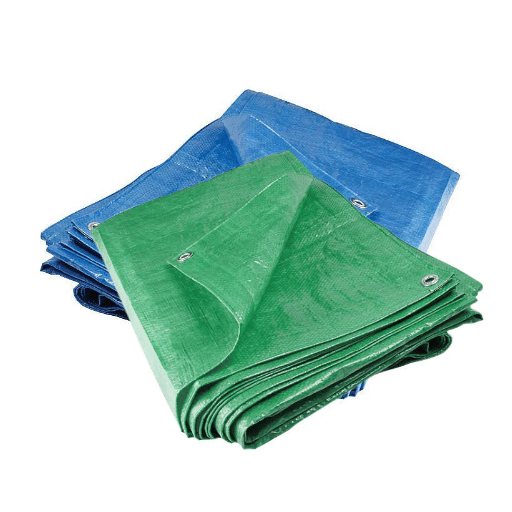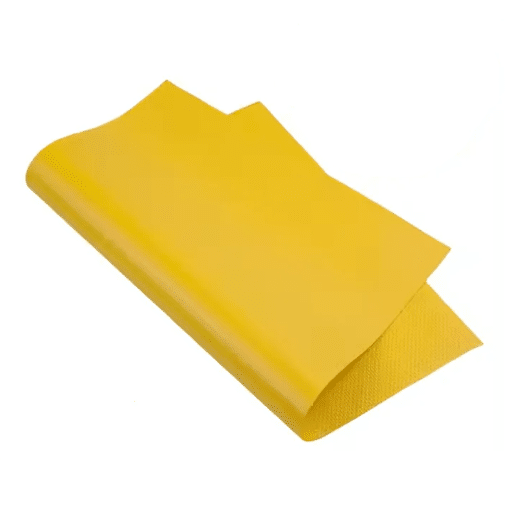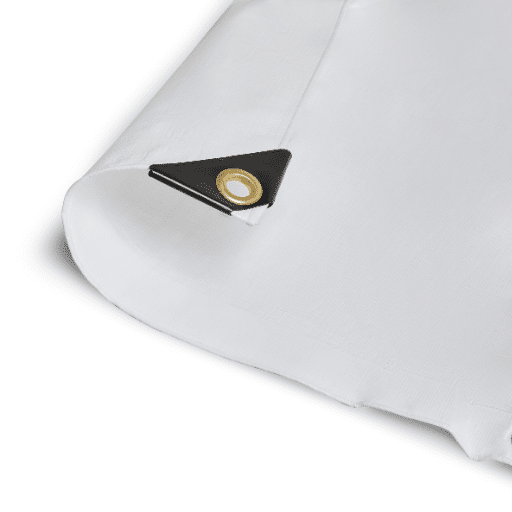
High-Density Polyethylene (HDPE) waterproof tarps are one of the most versatile and durable materials for the toughest conditions. The tarps can be used for anything from providing weather protection to goods to supporting construction works and agricultural operations. They are made to last in the harshness of the environment while providing the best possible protection. This is your guide to the HDPE tarps world, finding out their unique properties. You just need to be on the right one of the three, that is, a contractor, a farmer, or an outdoor enthusiast, and the rest of you will just have to read through this extensive material and benefit from the knowledge of how to select the tarp that suits your needs the best. Here comes the beginning of the guidance for the indispensable heavy-duty materials to reveal all you want to know and where to source them.
Introduction to HDPE Waterproof Tarpaulin

HDPE (High-Density Polyethylene) waterproof tarpaulin coating provides an extremely resilient layer of protection certified under global standards to withstand the harshest of elements. Made by 100% lamination and weaving of heavy-duty concrete polyethylene, the tarpaulins provide full-proof waterproofing. They also are antifungal and resistant to neither UV rays, chemicals, nor tearing and are therefore extremely light. This results in cheaper transport and lower loads to be delivered. They have been chiefly utilized in construction shelters, agriculture, and outdoor storage. With their completely waterproof (non-breather) surface or plastic sheet, rain and moisture are not the issue anymore. These are perfect for dry storage and the transport of goods saved particularly against water, rain, and moisture. For varieties of other applications, like in agriculture or even construction, what has demonstrated its survivability in numerous industries is its long life and low cost of ownership.
What is HDPE?
Thermoplastic polymer of High-Density Polyethylene(HDPE) is made from petroleum thus constituting a famous one among the tough polymers known for its unbeatable physical and chemical properties. The high strength per unit volume of it makes the plastic hard and light at the same time. The reason behind it the most used plastic by the various industries is its resistance to breakage, water and acid, its beneficial blending in different applications (like in tubes, bottles, and plastics) and, its same time lower costs for shipping/transportation among other reasons. HDPE’s melting point which is about 130°C(266°F) tells us that it is thermally very stable and yet it remains flexible in both extremely hot and cold weather conditions. Moreover, it can be recycled effortlessly, thus, its place as the most eco-friendly material for the sustainable manufacturing process remains unchanged.
Understanding Waterproof Tarpaulin
Waterproof tarpaulin is, in most cases, made out of high-density polyethylene (HDPE), polyvinyl chloride (PVC), or canvas materials, each with their own pros depending on the use. The tarpaulin’s structure inclines to two layers of tightly woven fabric coated or laminated with water-resistant materials which gives it extraordinary strength and impermeability. The modern water-resistant tarpaulins are known to be protective against ultraviolet (UV) light, fungi, and bacteria, which are the main causes the products eliminate usability most of the time eventually. Some types of tarpaulins are installed with grommets or heat sealed seams besides having a the water penetration and tensile strength problems.
Tarpaulins with a water resistance scale of 300 mm to 15,000 mm in the hydrostatic head test are considered average to high quality from an engineer’s perspective. The hydrostatic head test measures the fabric’s capability to hold up to water before it starts leaking, which makes tarpaulins useful for such applications as agricultural covers, site shelter, and emergency housing. The given technical characteristics affirm the fabric’s amalgamation of industrial and recreational purposes. Moreover, the usage of coating technologies has made the material a lot simpler and lightweight but harder in the aspects of the performance and still very much (not) portable.
Applications of HDPE Waterproof Tarpaulin
- Agriculture and Farming
In the world of agricultural materials it is very common to see HDPE or High-Density Polyethylene being used for protection of crops including hay bales. The very use of it blocks 95% of UV rays which is very important for the preservation of produce in storage and during transportation. - Construction Industry
Its protective functions are used to protect construction materials, scaffolding, and construction work from outside influences such as moisture, dust, and earth. An HDPE tarpaulin with a tensile strength of more than 100 kg/m² is a primary choice for conditions that need to be very hard to go through. - Logistics and Freight
It is also common practice to use HDPE tarpaulin in the form of truck covers, shipping liners, and container tarps to protect a product from bad weather while in transit. The high tensile tear strength, typically above 200 Newtons, guarantees that the material would last long under both normal handling and the harshest conditions. - Emergency Shelters and Relief Work
Disaster areas frequently use HDPE tarpaulin as a material for emergency shelters due to its lightness and simple application. Weather grade materials with hydrostatic resistances of up to 500 mm guarantee protection against the elements for the entire population so affected. - Outdoor Recreational Equipment
The easiness of being able to remove and install it anywhere is the main reason behind the presence of HDPE tarpaulin in camping tents, awnings, and ground sheets. Also, weighing only from 120 to 200 g/m², HDPE tarpaulin combines ease of transportation with reliable performance in extremely remote areas. - Industrial Storage
Factories use it to protect machines, incoming materials, and the finished products. The HDPE tarpaulin can bear the changes in the temperature from -40°F to 176°F, thus supporting a broad range of industrial needs.
Types of HDPE Tarpaulins

- Laminated HDPE Tarpaulins
These are essentially high-density polyethylene textiles yet with low-density polyethylene (LDPE) on both sides. They are non-heavy, impermeable to water, and are also able to stand tearing, that’s why they are commonly used for general purposes. - UV-Stabilized HDPE Tarpaulins
The tarpaulins are specially made to handle the effects of the sun and are therefore also perfect for being outside all the time. The direct exposure of the tarpaulins to the sun will not cause any damage to them as they assure long-lasting performance. - Fire-Retardant HDPE Tarpaulins
Treated with fire-retardant chemicals, these are ideal for applications requiring enhanced safety standards, especially in industrial or construction environments. - Heavy-Duty HDPE Tarpaulins
The tarpaulins that come with higher GSM (grams per square meter) ratings, have more power and durability. These are mostly used in industrial applications with high volumes or under extreme weather conditions. - Printed HDPE Tarpaulins
They provide the custom designs or logos and are typically used for advertising or branding without having to worry about the durability and functionality being compromised.
200 GSM HDPE Waterproof Tarpaulin
The 200 GSM HDPE (High-Density Polyethylene) waterproof tarpaulin is a durable and versatile product that is intended to cater to a wide range of industrial, agricultural, and residential uses. The 200 grams of material per square meter that has been composed to equal a balance of strength and lightweight is the great thing about this tarpaulin and it will be most suitable for the medium-duty applications. The presence of the waterproof characteristic in the tarp will continue to give protection against the prevailing environmental factors, which is evident in its ability to make the covered stuff or areas dry and secure.
A heavy duty tarpaulin sheet being the prime sunlight, which during prolonged exposure to sunlight has extended durability, is resistant to ultraviolet rays, a chief quality of outdoor applicability. The other number, tarps of HDPE in this class are also, in a lot of cases, tear and abrasion-resistant, meaning that they are a cheap solution for those looking for something to use time and time again over the long run. The tarpaulins are widely used as temporary roofing, vehicle covers, storage bins for agricultural products, and event flooring. The weight of 200 GSM of the material, while being light enough to handle easily, is sufficient to give the tarpaulin its name as a heavy duty product that can be used in various challenging places.
Features of Heavy Duty Tarpaulin Sheets
- High Strength-to-Weight Ratio
Normally, heavy duty tarpaulin sheets would be made of high-density polyethylene (HDPE) or polyvinyl chloride (PVC) more often than not since these give off excellent tensile strength while being light at the same time. To give an example of the situation, 200 GSM-rated HDPE tarpaulins guarantee both durability and no need for being bulky at the same time, extra. - Waterproof and UV-Resistant Coating
These tarps are crafted with a layer that prevents water from getting inside and a UV-resistant coating that acts as a shield against the sun, therefore, decreasing the material breakdown with time. This product is excellent for the outdoors as the combination is complied with the nature of various climate conditions. - Resilience to Tear and Puncture
Made for severe conditions, the tarps are impervious to puncturing, tearing, and abrasion. This toughness and durability allows the tarps to provide repeat handling and use in construction projects and moving. - Temperature Tolerance
Tarps that are used for heavy loads can tolerate a very wide range of temperatures, even the lowest often reaching -20°F and the highest 140°F (-29°C to 60°C), thus making it possible for them to be used even in the most extreme climates. Their heat resistance also makes them perfect for use in the cold storage and industrial environments. - Reinforced Edges with Eyelets
Tarpaulins, like the ones mentioned here, are usually supported at their edges with stitched seams double in number and provided with strong aluminum or brass eyelets evenly spaced along the edges, e.g., every three feet. This method not only secures the turning but also makes sure that the canvas is kept intact by the pressure force. - Chemical and Corrosion Resistance
A sheet like the one described above, durable tarpaulins, is hard to, and is resistant to most chemical agents, oils and solvents, these are therefore a good choice for the industry, as it can be used in hazardous settings where one is constantly dealing with chemicals.
Applications of HDPE Waterproof Tarpaulin in Various Industries

- Agriculture
HDPE tarpaulins in agriculture are very commonly used for crop protection, temporary grains storage covers, as silage pit covers, and as water liners for irrigation ponds. - Construction
Weather-protected materials, such as these tarpaulins, will also act as the best source for a general protection sheet made of construction materials like scaffolding, cement piles. - Transportation
During transportation, HDPE tarpaulins are the ultimate choice for the entire cleaning, packaging and transfer process of the goods to the customer. Truck, train, and ship transport of covers and goods is thus made easy. - Outdoor Events and Camping
Due to their resistance to corrosive substances, industrial firms use HDPE tarpaulins, e.g., to cover materials and equipment, and to serve as the liners for chemical storage pits. - Industrial Use
High-Density Polyethylene (HDPE) tarpaulins are extensively used across various industries, and, to name a few, in storing goods, protecting equipment against weather, and serving as liners in pits for chemical storage since they are not affected by chemicals that cause corrosion.
Construction Site Uses
Construction site operations rely heavily on HDPE tarpaulins because they provide durable and dependable solutions for a variety of uses. One of the most common reasons to use a tarpaulin is that it helps in protecting and covering construction materials like cement, timber, steel, against weathering agents, viz., rain, dust, etc. This, in turn, brings down the wastage of materials to a great extent. The high tensile strength and the tear resistance of these tarpaulins are the features that make them the best candidate when it comes to bearing loads and being used in adverse conditions.
Moreover, HDPE tarpaulins are used around construction sites as a temporary measure. They are used for keeping the dust and debris in, and so as a result, the site becomes a safer place and also, the environmental regulations are being taken into consideration. Many a time, these are also used in the curing of concrete processes wherein the tarp is a cover that holds moisture and helps the structure become stronger and more durable. As a part of their easy to handle and to install feature, these tarpaulins when used on-site also reduce the delivery of materials and overall cost issues while remaining the same on the issue of performance and reliability.
Agricultural Applications
HDPE tarpaulins are the most suitable candidate for any agricultural operation due to their various advantages in different climatic conditions and the resistance to wear and tear. They are very common in covering crops and thus protecting them from the harsh weather resulting from extreme sunlight, heavy rains, and temperatures change, therefore, enabling them to grow healthier and give better yields. They are typically used as weed suppressors, especially when employed as ground covers, which leads to less herbicide use and better soil conservation.
Additionally, their waterproof and UV-resistant features and hence their suitability for grain storage are also other benefits of tarpaulins. Studies claim that the installation of the best HDPE tarpaulins can apparently save a big portion of post-harvest losses which in turn leads to better food security and economic benefits of the farmers. Besides, they are the most economical, environment friendly alternative to the traditional ways of the same services, by being of lightweight yet very resilient essence, and they strengthen their contribution to the preservation of nature, due to this very reason.
Logistics and Transportation Solutions
Nowadays, technology is crossing the barriers of Logistics and Transportation which was a big revolution in the Supply Chain Industry and brought productivity to the business and at the same time cut costs of operation. Some of the gadgets like artificial intelligence (AI), machine learning (ML), and IoT devices connect real live tracking, routing, and predictive maintenance to the transportation. The integration of AI (artificial intelligence) and machine learning is playing a significant role in improving Supply Chain Industry processes. IoT devices are installed on transportation vehicles and each cargo shipped and received. They track the location, direction, and even the cargo temperature throughout the transport process. Warehousing significantly benefits from the vigorous automation and robotics that give more than a 50% efficiency boost.
The logistics sector, today, is heavily reliant on data-driven decisions with the role of analytics becoming increasingly crucial through sexual analytics platforms. These platforms are where the huge datasets are being processed; thus, the platforms help in making demand forecasting, inefficiency point-out, among others. The industry is taking advantage of blockchain technology in cutting supply chain problems of transparency and traceability. Electric or driverless cars have also been a frontline weapon in efforts to reach the sustainability objectives, a reflection on reduced fuel consumption and greenhouses gases emissions at the same time.
Maintenance and Care Tips for HDPE Tarpaulin
- Regular Cleaning
Regular clean-up of the tarpaulin is essentially required for its longevity. Do not use harsh chemicals rather mild soap and water. Clean gently and be careful at no point use the harsh chemicals. - Proper Storage
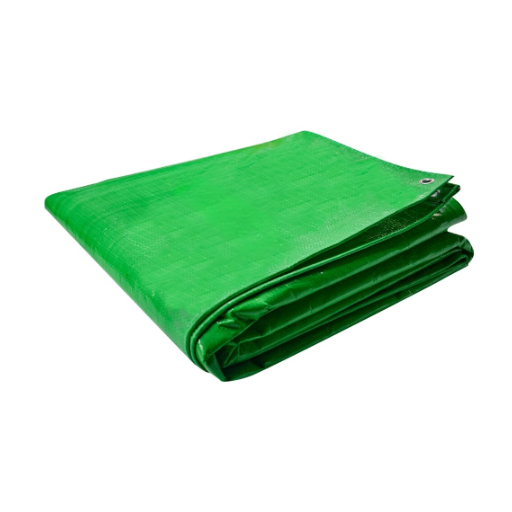
It is good practice to make sure the tarp is completely dry before folding it and placing it in a cool, dry area, not getting any direct sunlight in order to prevent the growing of mold and weakening of the material. - Inspection for Damage
It is always better to check for tears, abrasions, or loose eyelets quite often. When such damages are very small, they should then be fixed as soon as possible with the help of suitable adhesive or patches to prevent the tarp from deteriorating further. - Avoid Excessive Stress
One should always keep the tarpaulin safe from extreme pressure, since that will also prevent the problem of fabric damage or punctures, that might be done by very sharp objects.
Cleaning and Storage Tips
- Regular Cleaning
Always, when you are cleaning the tarpaulin by washing it, use a mild solution of soap and lukewarm water. In the process, there is a trade-off of the fabric layer getting damaged by the use of aggressive cleaning equipment or harsh chemicals. The study shows that the use of harsh chemicals can shorten the life of the material by up to 15%.
- Dry Thoroughly Before Storage
You have to make sure that the tarp has completely dried before storage to be successful in avoiding mold or mildew. The stored wet materials situation has its risk of being lively with microbes for about 30% after some time, as per studies. - Fold Correctly
In the process of folding the tarp for storage, keep your eyes on the natural creases or fold lines so as not to expose stress points. As it has been proved folding against the natural lines is a possible source of weak spots that in turn may compromise the material’s durability. - Use Protective Covers
In a durable carry bag or with a suitable cover, the tarp can, however, retain the fabric strong-and green, as it does not allow dust, pests, and weather to weaken it. - Store in a Controlled Environment
Placing the tarp in a cool, dry, and well-ventilated space that is virtually away from the influence of the sun is a recommended way of storage. Even a very low exposure to humidity or UV rays will already cut the life span of the polymer-coated tarpaulins by about 20% (worst-case scenario). - Periodic Inspection During Storage
Inspect fabric inspection for pest, mold, or any wear and tear every once in a while. It’s better to handle simpler concerns if averting more serious issues when the fabric is brought back into the affairs is possible.
Repairing Damages on Tarpaulin
Tarpaulins’ damage, like the tears, holes, and weakened seams, may lead to a significantly shorter effective and lifespan if not mended quickly. By using tarpaulin material, a high-quality repair kit, you would have the best results also including adhesive patches and sealants that are compatible with the most common polymer coatings such as PVC and polyethylene. Make sure the damaged area is clean and dry before starting the repair process to get the best adhesion of the repair materials.
For small tears or holes under 2 inches in diameter, the use of a self-adhesive patch on both sides of the damage is considered the best one to reinforce the material. The patches need to extend at least 1 inch beyond the damage on all sides for sealing optimization. When it comes to larger tears, stitching the edges together with nylon or polyester thread, and then applying a waterproof sealant, is a combination of a cheaper and better lasting fix. Heat welding is another option which is very effective for professional-grade repairs, especially for heavy-duty tarpaulins.
A timely response to structural weaknesses in the seam is absolutely necessary because the stress in use is often greatest in that area. A weakened joint can be resealed and the infiltration of water stopped if seam tape or liquid seam sealer is applied. Moreover, regular maintenance and prompt repair will increase the efficiency and longevity of the tarpaulin greatly, and thus it will be a reliable material for very long use.
Extending the Lifespan of Your HDPE Tarp
Caring for your HDPE tarp right is a very crucial aspect to prolong its life. To make sure the tarps are not damaged and torn unnecessarily, the tarp must be thoroughly dried before storage. Inadvertently, water can make the mold and make the material weaker, amongst other items that are affected in the damp space. After the tarp is indeed dry, the folding must be nicely done following the creases and one of the efforts to minimize stress in the desired and certain areas. The tarp is best kept in a dry and cool place no longer under direct sun and not too low or high in temperatures as the polyethylene fibers can be broken down by prolonged exposure to ultraviolet rays or heat. Furthermore, the plastic or wood storage just can be much more of the protection from pests and dust and the tarp can be in good shape for longer.
The best way to make HDPE tarps last longer is to remove all potential stress sources, taking care of them in advance. One very important action is to tie down the tarp with bungee cords or straps through the enforced grommets, being careful not to overstretch it as it might rip. Furthermore, you should look for anything sharp or rough in the area where you are going to use the tarp, as such things can easily penetrate through the material. In addition to that, the center of the tarp should not be a place where water or debris is allowed to pile up, because this would lead to the tarp stretching and the structure getting weaker over time. Regular inspections will help in spotting and rectifying tiny damage points like minute holes or seams that are getting loose much earlier and hence, maintain the tarp’s structural integrity, and hindering further problems.
Comparing HDPE and LDPE Tarpaulins

High Density Polyethylene (HDPE) and Low Density Polyethylene (LDPE) tarpaulins have differences in their first place strength, malleability, and purpose of use. These ones made from HDPE are marked for their powerful force of extension, the quality of being lasting, and the capacity to stand the worst weather conditions, so they can be applied in such heavy-duty fields as industrial coverage, outdoor storage, or agriculture, etc. Besides, they are not likely to stretch much and will not lose their integrity due to time.
On the contrary, tarpaulins from LDPE are not so strong but they come out more flexible and with less weight, therefore they are more comfortable to be carried and laid. They are the perfect match for situations where the use is temporary or at a moderate level, and at the same time, the mobility and the ease are the first things people think of, e.g., instant shelters and household uses. Yet, the kind of such tarpaulins is disposable in comparison to HDPE, especially if they are exposed to harsh weather for too long a period of time.
Key Differences Between HDPE and LDPE
When to Choose HDPE Over LDPE
HDPE stands for High-Density Polyethylene and that is a board choice as compared to LDPE in situations where the importance of durability and strength, as well as environmental factors, is crucial. The tensile strength of HDPE is by far better than what LDPE offers; besides, HDPE, with its excellent scratching resistance, is the perfect material for applications in industries like build-ups, pipes, and oversized big pots. Not only that, but its temperature and chemical resistance at high levels are also very good, and this feature puts it as the main alternative to the chemical danger and strength in debate situations.
Furthermore, HDPE is exceptionally excellent in the case of long-term UV exposure and hence it offers long-lasting dependability in conditions of outdoor usages of agricultural sheeting or outdoor furniture. Its rigidity and stiffness make HDPE better than LDPE in the case of products that need structural strength. The material cost for HDPE is normally higher than that for LDPE. However, the longer lifespan and the ability to stay in harsh conditions very often neutralize these costs, giving a higher return on investment for the long-term projects.
Reference Sources
- Evaluation of Various Products for Sediment Perimeter Barrier
Access the study here - Mathematical Approach of the Design and Fabrication of a HDPE Geomembrane Biodigester
View the paper here
Frequently Asked Questions (FAQs)
How durable is an HDPE waterproof tarpaulin for long-term outdoor use?
Heavy-duty tarpaulins, chemically labeled in terms of high-density polyethylene (HDPE) as a competent material, typically stand as the first line of defense for protecting outdoor equipment and structures. Some types resist UV, and-rated all-weather tarps resist because of sun, rain, and wind. Consideration of reinforced edges and metal eyelets will further guarantee added longevity against tear resistance. In association, good installation and periodic scrutiny of the outsized weather conditions will lead to an intermediate service life.
What weave and thickness options are available in a poly HDPE waterproof tarpaulin?
HDPE tarps are available in different weave patterns and thicknesses meeting various needs, varying from lightweight covers to heavy-duty ones. The specs often mention GSM or mil thickness, depending on the job’s strength and durability requirement. The poly build using high density polyethylene provides a balance of flexibility and toughness for the different needs. Verse yourself with the basal class specifications and thickness details to help you in krapping out the final deal.
Can a durable plastic tarpaulin withstand harsh weather conditions?
What specification should I look for in a waterproof tarpaulin sheet?
When you are going through the details of the waterproof tarpaulin sheet from a manufacturer, insist on the manufacturer having to give you very specific specifications such as GSM, weave density, UV resistance treatments, and values for the tensile strength of the material. Besides, ensure that the material is in fact high-density polyethylene and that the specification details of sizes and the different sizes they are offering are available as well. The warranty, certification from standardized tests, testimonial reviews, all from the manufacturer, can shed some light on the practical performance of the product. Make certain that the sheet fits the bill for your necessary protection and durable outdoor use by checking all the specifications.