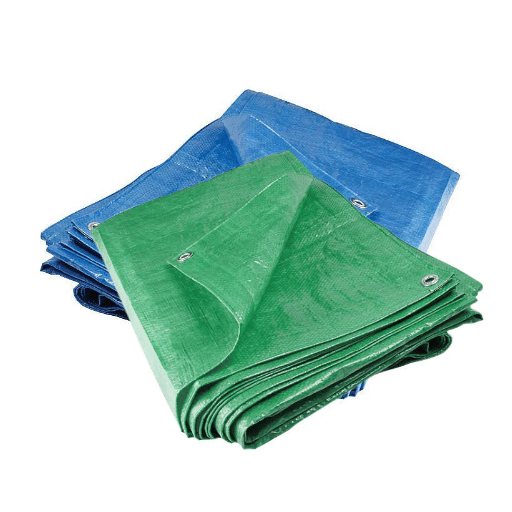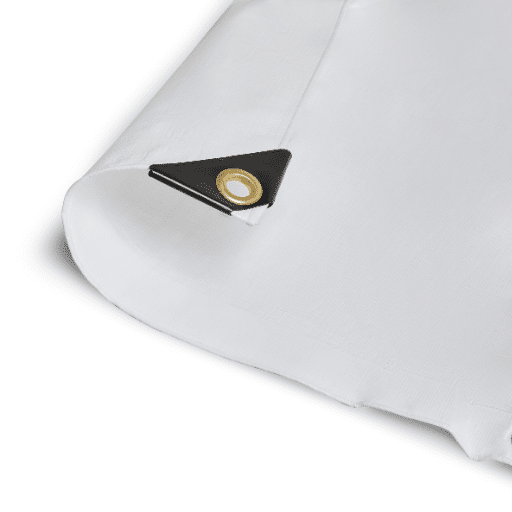
If you are looking for a way to store and or secure materials, there are several ways that you can make use of them. Clear Vinyl Tarps are a form of waterproof, PVC materials that are powerful and able to be of use across a variety of ways because they have a clear color. Be it holding on to your stuff across a covered open space, particularly under a clear plastic sheet or even ensuring a secure transport for more sensitive gears—clear vinyl tarps save the day. The present paper elaborates on their design, significant qualities and a number of applications, explaining why these clear tarps as a solution have acquired their present status in the field for end users. Be ready to learn about the uses of these sturdy and versatile materials in preventing and guarding from packing loss or damage concerns.
Core Benefits and Features of Clear Vinyl Tarps
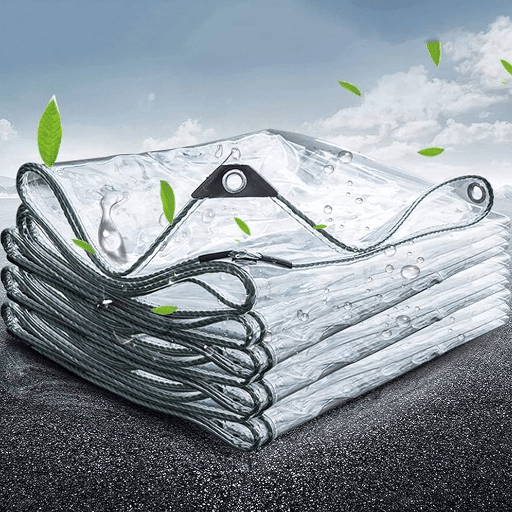
1. Durability and Strength
Protective solutions such as clear vinyl tarps crafted from PVC plastics are essential when primary requirements involve protecting heavy grade tires from weather-related damage due to its harsh ability to resist any form of wear and tear. But the use of such protective solutions makes the equipment safer and improves its efficiency.
2. Transparency for Visibility
When individuals oversee shelters or merchandising issues, the design of the product allows the individual to do so without taking off the covers. Because of that, they have become increasingly popular for industrial, agricultural and recreational installations.
3. Waterproof and Weather-Resistant
Waterproofed solutions tend to fill the construction’s requirements to solve these environmental damages. No need to say that their performance level in humid areas will be favorable since they do not accumulate mildew and mold easily.
4. Temperature Tolerance
Clear vinyl tarps can be perfectly adapted to any prevailing weather conditions within a given temperature scale, they are the most convenient to use where the weather is rather extreme, be it hot or cold.
5. Customizable Options
In addition to different grommet configurations, various combinations of thicknesses and sizes are available enabling the customer to choose the tarp that will best fit his or her needs, whether that be for a domestic, industrial, or commercial purpose.
Technical Specifications and Material Properties
High-Tensile Strength of PVC
Polyvinyl chloride or PVC, for short, is tough and tensile-strength material which makes it suitable for many applications that require the use of highly resilient material. When talking about such mechanical properties, the tensile strength is basically the maximum force that a sample can withstand when subjected to stress resulting from stretching in only a direction before breaking. As a general rule, hard and unplasticizable PVC can have tensile strengths in the range of 6000-7500 psi (pounds per square inch), depending on the grade and type of hard PVC used, as well as its production mechanism. This tensile trait sets PVC apart, making it able to resist both inertial and deformation reactions.
PVC’s impressive resilience is rendered yet tougher when it is pushed into structural fabrics where various surfaces are covered with a coat of PVC to provide the stretch and minimal deformation features. These materials are normally employed in the building, transportation, and specific industry designs when the necessity of strength and retaining the belongings in its original state or form is predominant. In addition, there has been an improvement in the manufacturing technology that has made it possible to create PVC homogenates which possess both high tensile strength and wear-down properties under harsh environmental conditions, e.g., high UV exposure, wide temperature variations, and chemical wear. Such traits serve to reinforce PVC as an affable remedy for structural and defensive purposes.
Crystal-Clear Transparency for Visibility
Since they are often believed to be long-lasting, and their properties include a quality view available while maintaining security, clear vinyl tarps have a strong application in protective packaging material. Moreover, these top quality waterproof tarps are manufactured by using cutting edge PVCs to ensure that the exterior remains smooth without any ripples. Consequently, transparency is guaranteed and it is even possible to produce these in a way that the unobscured light is not harmful for the products.
As per the research undertaken, there are compelling techniques in the manufacturing departments fused with equally appealing resins, some suitable for making clear and scratch proof vigilanty tarps. This competitive competence is characterized by the performance and the visual issues conflict, and this explains why the achievement of agriculture as a means of construction materials and the counting of such goods as logistics are necessary for clear vinyl tarpaulins to be used.
Total Waterproof Capabilities
There are pre-fabricated clear vinyl tarps which utilise advance materials and advanced industry processes to ensure that they are absolutely waterproof in every sense of the word. The polymer polyvinyl chloride or known as polyvinyl chloride (PVC) is mainly what is behind the production of this kind of tarpaulin since it has water proofing properties and combines closely bridged polymers. This allows for resisting unusually high levels of moisture even in conditions of heavy rain, high humidity, or mere stagnation of water.
Besides, the new age clear vinyl tarps are appropriately coated with UV reflective ingredients, it makes sure the durability with its waterproofing efficiency that works for a certain decided period, such that the cover is able to fulfill its functions for that dry period that is chosen. Laboratory performance tests as well as industrial grade specification have constantly confirmed that these tarps are waterproof within the certain temperature and hence can be used in any environments. For industries that require all weather covers, for instance construction or agriculture, the clear vinyl tarps are fitted with a covers and still matches expectations of reliability as well as long use.
Industry-Specific Applications for Heavy-Duty Clear Tarps

1. Construction
Clear purpose heavy duty tarps provide efficient ways to cordon off construction areas by giving weather protection to see through them. Deployment of clear tarps is predominantly geared towards rain protection of works and materials, seeing that such covers get waterlogged or blown by the wind, and also allows unobstructed sunlight.
2. Agriculture
Clear tarps are businesslike collectors that are frequently utilized in cultivation to protect crops, provide additional structure in greenhouses, or on agricultural machinery. The teaching is an impressive characteristic for crop growth concerns and tends to the minimal levels of sunshine.
3. Warehousing and Storage
Heavy-duty clear tarps are typically used in stores to protect materials from the environment and at the same time allow easy countershoots for stocktaking. These are used because they can provide safety for materials stored for many years.
4. Event Planning
During a clear tarpaulins outdoor event, protection from climatic conditions transmits beauty. Such transaprent coverings are famously seen hanging over the stages, sitting areas, and equipment for functioning purposes without the dealers’ view being affected in any way.
Construction: Site Protection Solutions
Nothing is as important as the duty of the construction industry to protect it’s construction sites from any environmental effects during work. These kinds of coverings always do more useful work, acting as a protective barrier and enveloping work areas, properties, and tools, hindering such elements of weather as rain, wind, and other abrasive particles from getting access or affecting the surfaces. They subsequently prevent stand down or the additional costs, which could have been incurred if the weather was unfavourable. Besides, the properly constructed covering will let in the natural light hence enhance visibility and reduce the need for lighting up the site during the day.
The most common types of clear tarps are made of polyethylene or PVC that are also high grade and have excellent resistance to tear, ultraviolet light and harsh weather. These are most often used in the construction industry. For instance, at construction sites, they are used in or around scaffolds, on buildings that are in the middle of construction, or even to create safe pathways. These tarps play a very important role in making sure that, the projects are completed within the planned time period, and a good quality of work is upheld.
Agriculture: Greenhouse Alternatives
The benefits of clear industrial tarps extend widely in the agricultural industry as an alternative to the standard greenhouses. It is a fabric that is made with different layers of polyethylene or PVC and these give the tarp awesome features to deal with environmental factors including strong winds. Because these sheets are transparent, they admit sunlight which is radiant energy essential for the growth of food crops within the barriers of the tarps such as plant houses which are made within the tarps.
Many of those who have used clear tarps can attest to the high percentage of light, usually 85 to 90% which is obviously close to the natural lighting that can be provided by a glazing or polycarbonate sheet. Most importantly they are not unreasonably heavy and can be executed even as covers for both short and permanent conditions, such as crop shelters, hoop houses and greenhouses. Thanks to anti-UV treatments, they are immune to the impacts of the weather and have a longer lifespan due to danger exposure to direct sunlight over an extended period with most of the normal materials used under a similar circumstances.
In addition, it is important to note the fact that large clear tent types are capable of retaining immeasurable moisture on the cover even in the occurrence of sudden changes in the weather, for instance the unexpected rains or the chills of early morning. Medium and small business personally concerned with farming will not have to build any greenhouses, since such covers offer a cost-efficient way of increasing the productivity of the farm.
High-End Outdoor Events: Weatherproof Clear Marquees
In outdoor events, clear tarps are being sought after because they present a useful solution against weather conditions and imparts a high-class ambience as well. They continue to introduce new standards for the purpose of achieving the harmonious synthesis of beauty and comfort, including beauty of venue for such occasions as weddings, business activities or organizational events of luxury class. Due to toughness in design characteristics, they are resistant to strong winds, heavy rain, as well as to changes in temperature among other serious conditions caused by nature hence adequate convenience for all people involved in the event.
Besides, they have the ability to transmit large amounts of light without any hindrance, which can allow sunlight to come in and penetrate the tent during the day while offering a cover during rainy weather extremes. Furthermore, the versatility is of great help to the handler since the clear tarps can be made to certain sizes and added to the already existing structures such as poles and walls. They also weigh considerably less and hence the act of putting them and taking them off becomes simple as a consequence reducing the amount of labor and the time used. All of these characteristics which define these clear tarps are the reasons that they are another very useful accessory for outdoor events.
Durability Factors of Heavy-Duty Waterproof Tarpaulin

1. Material Composition
Polyethylene, PVC, or canvas are the most common materials for making tarpaulins, and each has different properties in terms of strength and ability to resist tearing. For example, PVC-coated tarpaulins have excellent waterproofing properties and resist UV radiation and are therefore ideal for prolonged outdoor use.
2. Resistance to Environmental Stress
It is difficult to imagine a waterproof tent that stands up to withering elements such as sunshine, rain, and high-speed wind. But it is a possibility; the silicon-coated tent’s edges and a layer of waterproofing make it even more possible, even in those conditions that could not normally be withstood.
3. Tear and Abrasion Resistance
Strengthened fibers or textile technique ensures the toughness of the cover and high puncture resistance in particular. With these, roughed or rugged surfaces that are made by this process or subjected to such loads can resist; this is extremely important.
4. Reinforced Seams and Grommets
Tarps made of the best possible material are laid with heat-decorated joints and strong coils to stop the development of threads and tears, which results in their longevity even with low loads or high tension strength for the material.
5. Anti-Corrosion Treatments
Fresher methods used to treat the metals, such as grommets of reinforcements, do not allow them to be covered with rust even in the presence of moisture; they also increase the lifespan of the cover.
UV Resistance for Longevity
UV Rays are a huge problem that enhance the lifespan of any heavy duty waterproof tarpaulin. Excessive exposure under the ultraviolet conditions has the capability of degrading the material through making it brittle, wash out colors and therefore reduce the tensile strength. Modern Tarpaulins are designed in such a way that they have UV stabilizers well balanced with the fabric so that they can work in a better way without creating a structure that is going to break from exposure to the harmful UV radiation. Other sources of information indicate that the durability of tarpaulins treated with cutting edge uv protection technologies can still exceed 90%, even when subjected to sun exposure over long periods of time.
In addition to this, there are coatings like polystrene, polyurethane, polythene or polyvinyl chloride (PVC) which can increase UV protection, water proofing making the tarps suitable for hard weather conditions including outdoor uses. The design specified for these tarps helps preventing cuts and tears and continues to do so when used in different situations and for different purposes—be it for construction or storage of grains or roots or any other use.
Tear-Proof Technology Explained
High quality tarpaulins of a variety that traps water within its body are made so using much advanced tear resistance materials which serve in the efficacy of the tents in extreme weather conditions among other uses. These materials usually reinforce certain sections within the fabric primarily by embedding a layer of thick threads typically termed as ripstop strands after every few centimeters of each other. These structures prevent an advancing tear from growing when any sharp object tears through the fabric, preventing the fabric to be destroyed in the process.
Modern tear-proof tarpaulin designs make use of modern polymers, including high-density polyethylene (HDPE) and other types of polyester, which guarantee the longer durability of these assets. This is useful where fabric is exposed to physical contact that is likely to cause tearing or wearing, for instance, in industrial premises. This is why heavy-duty tarps may have welded seams and/or heavy double-stitched edges in order to eliminate weaknesses in high-pressure spots.
Together, aggressive spiral reinforcement at extreme temperatures and chemicals can utilize special coatings to enhance and maintain their flexibility and damage resistance. An extraordinary feature of such tarpaulins is the ease in which loads can be sustained on them; hence the reason they are quite popular in construction, the transport industry and agriculture. This is an application that is cost-effective and efficient, thanks to the very strong material that is the modern tear-proof tarpaulins.
Withstanding Extreme Weather Conditions
Engineering heavy duty waterproof and weather resistant tarpaulins means tough and as transparent as it gets. On the outside high density polyethylene or another plastic material weld of polystyrene is designed to withstand precipitation, light, and extreme temperatures. The UV protection, provided by the tarp manufacturing industry, minimizes the effects of prolonged exposure to the sun and hence any likelihood of degradation occurring over time in the material’s structure.
Comparative Analysis: PVC vs. Other Materials

Polyvinyl Chloride (PVC) rises above other vinyl materials in enclosures due to its robustness, water resistance and resistance to ultraviolet light. The extend of Polyvinyl Chloride’s strength outdoes that of polyethylene in a few instances especially in the case of extreme weather conditions. Breathing is one of the features that is evident in the canvas tarps yet this factor does not make them successful in shedding water and avoiding destruction due to ultraviolet rays which makes them not mostly suitable for harsh weather conditions.
Another argument for PVC is that it is easy to clean and maintain as opposed to other materials like canvas and polyethylene that develop stains or wear off much faster. While PVC may sometimes be heavier than its cousins like polyethylene, this characteristic is detrimental in terms of the ease of carrying it from one place to another. Nevertheless, the prolonged existence without becoming dilapidated, as well as the satisfactory overall quality of PVC, enable its usage in industrial installations facing high pressure and outdoor areas.
Comparative Analysis of Tarpaulin Materials
| Parameter | PVC | Canvas | Polyethylene |
|---|---|---|---|
| Durability | High, multi-year lifespan | Moderate, prone to wear | Moderate, may tear over time |
| Water Resistance | Excellent, waterproof | Limited, absorbs moisture | Good, water-resistant |
| UV Resistance | Excellent, minimizes UV damage | Moderate, requires treatment | Low, prone to UV degradation |
| Maintenance | Easy to clean, low effort | Requires cleaning, prone to mold | Easy to clean, minimal effort |
| Weight | High, impacts portability | Moderate | Lightweight, easy to transport |
| Cost | Higher initial investment | Moderate cost | Low cost |
| Flexibility | Good, versatile applications | Moderate | Excellent, easily moldable |
| Environmental Impact | Low, recyclable options exist | Biodegradable, renewable | Low recyclability, short lifespan |
| Abrasion Resistance | Excellent, strong material | Moderate, can wear quickly | Low, prone to damage |
| Common Applications | Industrial, outdoor use | Artistic, light-duty purposes | Temporary, disposable needs |
Long-Term ROI: PVC vs. Canvas
When deciding between PVC or Canvas from a financial perspective released over its entire useful life, longevity, physical condition, and maintenance including all factors in terms of one item, PVC is the most long-lasting despite having higher initial financial investment due to its very high wearing resistance and other environmental factors. Lower wear and tear with respect to the material fetching lower replacement rates in addition to lower maintenance costs makes PVC most appropriate for industrial and outdoor applications especially those with demanding conditions.
In contrast, Canvas is a green material that has its basis in natural fiber and is very suitable for those who work on projects with a certain environmental aspect to them. This is because it is not as strong and does not last as long as PVC can but is overall good when strength is not the issue or when appearance is also a concern. Yet, as with any other case, due to constant use or exposure to different factors, the canary may require enhanced care and therefore replacement more often, which would heavily influence the cost-reward ratio in the long run.
Invariably, all industries that focus their attention on durability and operational reliability, PVC is seen as being a much more feasible option in terms of ROI. Because this material will last very many years and will require much less attention for maintenance purposes, one can see how Canvas may be adapted for some applications, but ROI is not always guaranteed in easy working conditions or where the use is short term. In high-demand operation and servicing of installations, buildings, or engineering units, the use of Canvas is unlikely to be effective unlike PVC.
Cost-Effectiveness of Polyethylene vs. PVC
Polyethylene (PE) as well as Polyvinyl Chloride (PVC) are two very common materials in use and due to their chemical or material composition peculiarities, they have different financial benefits, when used for a specific purpose. Polyethylene, denoted for its affordability, is very suitable when used in extensive projects where material use is high, such as for a water tank construction. Moreover, it’s also cost-effective due to its lightweight properties, which allows non-necessity of marked additional transport and handling expenses.
In contrast, even though PVC, by nature, is more expensive than PE, it is preferred for use because of its long service life and lower environmental impact. And considering the fact that most PVC materials are decent, resistant to ultraviolet, the joints and adhesives used are not aggressive as well, then the concept of life cycle costs would favor PVC. Moreover, the main advantage of PVC as a material used for manufacture of products with high service life is the possibility of it being recycled without incineration.children.gov.ru
An accurate comparison of the two polymers PE and PVC in terms of their cost-effectiveness necessitates the evaluation of the project scope, expected exposure conditions, and long – term performance. It is likely that PE is more cost effective when the scenario requires large scale production at a low cost but at a small profit margin. On the other hand, PVC would be used in projects where repairs over a span of time will be minimal.
Maintenance and Longevity of Clear Vinyl Tarps

Water-resistant vinyl tarps don’t tear easily if maintained correctly. To make sure that they last, it is imperative to make use of them in the right way always keeping them in a clean and dry place. Even with the everyday use of the tarps, cleaning with a mild solution of soap and some clean soft cloth is very important. This will ensure the protection of the clarity of the material and prevent dirt deposition that might lead to strains.
When it comes to storing the tarps ensure each one of them is dry and kept free from moisture to avoid chances of molds and mildew, put them in a storage bag and place them strategically in a cool place with a shade to avoid exposure to the solar radiation this reduces chances of UV degradation. Every now and then look for any damages that might have occurred to the product such as minor lacerations or damages to the grommets and repair these with an appropriate vinyl patch or glue to prolong the life of the cover. Even with a little bit of care, waterproof vinyl covers will rarely fail.
Practical Tips for Cleaning
1. Rinse Debris and Dirt
To begin, first spray clean water over the tarp to help loosen dirt or dust that is already present. The same process should majorly help rather in most situations when used with a garden hose which is easily available and portable. Do not use a high-pressure jet of water to clean, as this may cause the tarp not to last long, stripping it or damaging the seals used.
2. Use Mild Soap for Cleaning
Prepare a mixture of warm water and some mild soap like detergent wash solution adhere to the solution to enable proper cleaning of the tarp. Do not use excessive chemical or bleach containing cleaners for cleaning the tarp because they may make the tarp yellow or disintegrate the material.
3. Soft Sponge or Cloth Application
For better resistance against the elements, you may gently wash the vinyl tarp using a small sponge or microfibers and a mild detergent. It is important to wipe the surface evenly and wash the areas, which visibly appear stained or soiled, scrubbing the surface gently which will prevent the tarp from scratching.
4. Rinse Thoroughly
On completion of cleaning, wash the tarp with clean water to remove all soap solution as some residual detergents in the water may cause the vinyl to become cloudy.
5. Dry Completely
Opt to air dry the tarp entirely getting before it is folded back for storage. For a quick air dry, it is also possible to use a clean, dry towel to clean the surface. The tarp should not be dried in the sun for the duration it is exposed to the drying process in order to avoid any UV related harm.
6. Apply Vinyl Protectant (Optional)
In order to mask the damage from ultraviolet rays, treat the ready-made tarp with a vinyl or acrylic protectant with a UV blocker. The protectant additive provides some defense against the effects of extended exposure to sunlight and encourages the longevity of the clear tarp.
Storage Solutions for Maximum Lifespan
It is necessary to store clear vinyl cloth that withstands adverse climatic circumstances preserving the product for a long time. It is necessary to fold the tarp in the improper way so that it doesn’t have permanent sharp creases which is significant especially in the preservation of the material. This means that imaging should be rolled rather than folded because sharp folds or creases are the cause of excessive stress at a point and this often weakens the object over a period of time. A dry, clean bag can as well be used as a good cover for the tarp to ensure it does not get covered in dust and other pollutants.
The cool, dry space with no sunlight can be found as the best place for the cloth. The fabric can be affected by the harmful effects of the sun which it gets even when the covered object is not in use. It is also advisable not to store items in rooms where there are abrupt changes in temperature or higher moisture percentages because this also leads to the hastening of material damage and even results in structural weakening such as cracks or blurriness of the vinyl. Instead, a tarp should be placed in the warm room where all the effects of the harmful elements can be controlled as much as possible.
To enhance security, it is suggested that the sheet not be placed directly on the floor – instead it may be positioned in cabinets or any similarly secure location to cushion against unexpected damages during storage. Be sure to have inspection periods in place even for items in storage, especially plastic coverings and all things which require protection in such a manner. It is possible, however, with due regard to the stipulated measures that clear plastic tarp will keep its quality structures intact and also the physical appearance of the tarp whether in use or with time.
Reference Sources
1. Environmentally Responsible Nomads: A guideline for the renovation of a recreational vehicle using sustainable principles
2. John Brown University disaster shelter competition
Frequently Asked Questions (FAQs)
What is a clear PVC tarp, and how does it differ from a regular tarpaulin?
It is a weatherproof polyethylene-based fabric translucent sheet that is thick, and where it does not block the user’s sight. Speaking of the sheet that is most closely resembling an opaque tarp in most cases but is then turned into nerolac vision coated plastic sheeting with data outwardly that would be covered. This is because the clear PVC bags have become very popular because they are easily opened or closed. some clear tarps are comprise of textiles and have edges, hemmed or even with eyelets, which we edm. Clear sheeting is widely used in gardens and can be particularly decorative and practical.
Is a heavy-duty waterproof PVC transparent tarpaulin suitable for outdoor use?
Assuredly, it is possible to develop a strong, waterproof PVC clear tarp, which is a good choice for almost all working conditions, from working on a roof to the construction of a carport. This sheeting also entails incorporation of extrusion of water-resistant agents and ultraviolet inhibitors that makes it ideal for outdoor applications. For example, the use of sunscreens and other beautifying aids for added performance like UV light resistant coatings that prevent color change or material loss owing to extensive exposure to sunlight does not limit this functionality. It also helps reduce the chances of yellowing, sun-induced damage and other hazards to the plastic, by using plastic films.
Can transparent PVC tarpaulins be customized to specific dimensions?
Typically, extra strong PVC tarpaulins are ordered to the particular in-house physical specifics, while other sorts of provisioned customer sales are producer-adjusted. Making custom cut PVC tarp is essential as it prohibits any includes or fails the coverage of the site. Additional functions, such as the turning over the holes and the bending of the ends, make them easy to set up quickly, and that is why the warranty of the awning is granted in this regard. The film should also give a break down on the thickness of the input material and whether or not the material requires welded cutlines to be sewn, it is important because this is what will ensure that the tarp is/will be non-permeable if this is not put in place.
How do I clean and maintain a heavy-duty clear tarpaulin?
If you have to wash a thick clear polyethylene cover, typically, one can use warm water with agitating it gently with a sponge. Use of scrubbing pads or towels is suggested to condition the material if there are still some remnants on the other side without the need to scratch it. Be cautious to avoid any solvents that can be damaging to the PVC as this can lead to removal of the PVC itself and instead cleaning the tarp regularly will also help to prevent any haze or mould developing. Lobronxtains of the foldable tarpaulins that are kept as some also need to be dried out to as much as possible which even helps in keeping the mildew proofing characteristic of the tarpaulin inert and hereby prolongs the life span of the open space liner.