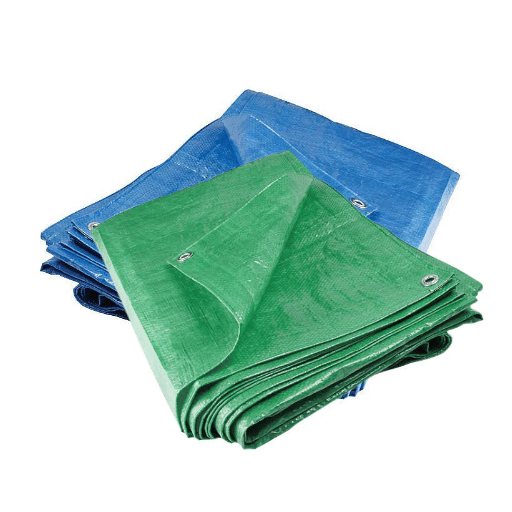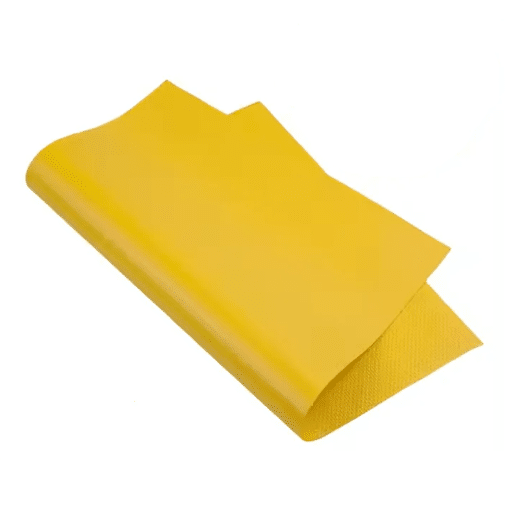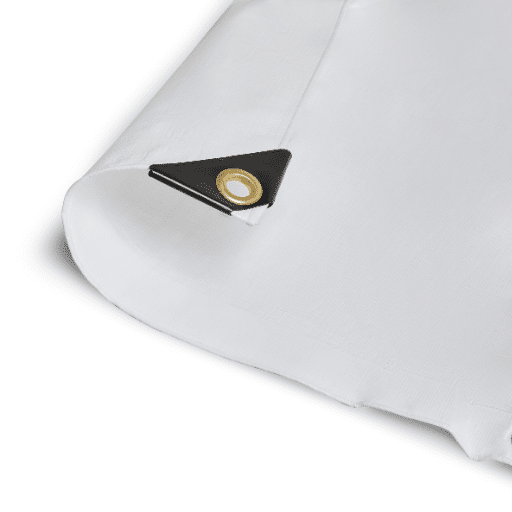
A heavy-duty waterproof tarp is an essential element for protection against the elements that combines durability, versatility, and reliability. Regardless of your needs—protecting outdoor equipment, conducting construction projects, or getting ready for severe weather—these tarps are made to endure the hardest conditions. This guide is going to discuss heavy-duty waterproof tarps in their entirety: from top features and advantages to a few hints on which tarp is the best for you. You are about to find out how these indispensable covers are going to bring incomparable protection and convenience in many situations.
Introduction to Heavy Duty Tarps
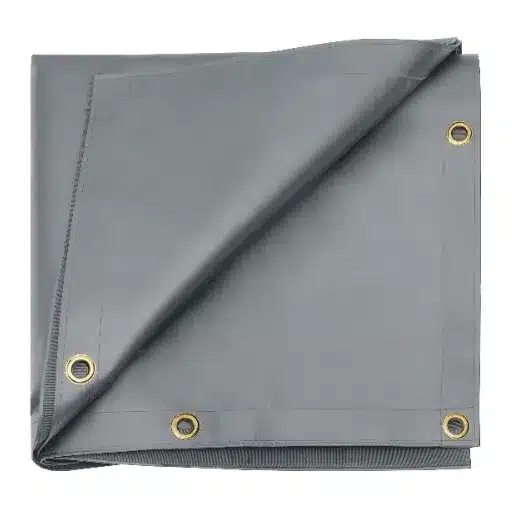
What is a Heavy Duty Waterproof Tarp?
The heavy-duty waterproof tarp—or simply heavy-duty tarp—is a large protection and multipurpose covering intended to be water, extreme weather, and other environmental elements resistant. These tarps are made from multiple layers of materials such as polyethylene, vinyl, or canvas. Besides that, they are coated or treated in a way that makes them completely waterproof.
Frequently, they also are provided with reinforced edges, rust-resistant grommets, and high tear strength for long-lasting performance even in extreme conditions. Heavy-duty waterproof tarps are general-purpose tarps used in many areas such as covering construction sites, camping, agriculture, and protecting equipment. Their repelling ability against rain, snow, UV rays, and debris has made these tarps popular in various industries and for personal uses.
Benefits of Using Heavy Duty Tarps
Key Advantages:
- Superior Weather Protection: They are capable of withstanding severe rain, harsh ultraviolet rays, snow, and strong winds. This property makes them suitable not only for covering but also for protecting outdoor equipment during severe weather.
- Long-lasting Durability: Heavy duty tarps made out of quality materials such as plastics or vinyls are designed to resist cuts, punctures, and general wear, enabling extended functional use that cuts down replacement costs.
- Easy Setup and Portability: These tarps are very easy to set up and move around, thus they can serve in a diversity of situations—from agriculture to camping—providing never-ending convenience.
- Cost-Effective Solution: Their extended lifespan means less frequent replacement, making them a smart investment for both homeowners and businesses.
Recent search trends indicate that users are heavily looking for heavy-duty tarps for multipurpose applications, which is a sign of the tarps becoming increasingly popular in home improvement and outdoor projects. The versatility and reliability of heavy-duty tarps make them indispensable to anyone who needs to protect valuable items or to create temporary shelters with ease.
Common Uses for Waterproof Tarps
According to data from recent searches, waterproof tarps have a wide range of applications in various industries and in daily life:
The trend of searches looking for multifunctional tarps is increasing since it underlines their practicality as users turn to strong and reusable solutions to protect their assets and ease the workload across a wide range of applications.
Types of Heavy-Duty Tarps
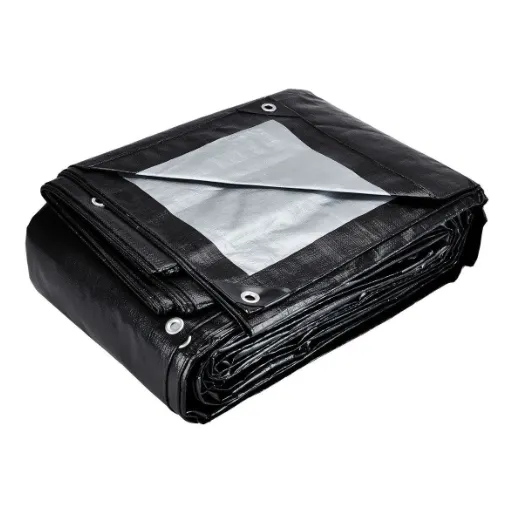
Poly Tarps vs. Canvas Tarps
Poly tarps or canvas tarps—the selection usually depends on the particular application and the user’s preferences. Each material offers distinct advantages suited to different scenarios.
Poly Tarps
- Made of polyethylene
- Highly waterproof
- Generally less expensive
- Best for covering outdoor furniture, protecting building materials, and camping equipment
- Ideal for short-lived, high-moisture environments
Canvas Tarps
- Made from thick cotton
- Breathable material
- High resistance to wear and tear
- Prevents condensation buildup
- Preferred for long-term indoor or semi-sheltered storage, agriculture, and painting industries where heat and fire resistance are required
The choice ultimately depends on the tradeoff between price, durability, and case-by-case basis. Poly tarps will be preferred for short-lived high-moisture environments, whereas canvas tarps will be used in heavy-duty long-lasting indoor or specific applications.
Super Heavy Duty Tarps Explained
Super heavy duty tarps are made for the most strenuous conditions and to give the most outstanding strength and durability combined with the resistance to extreme weather conditions. These tarps are normally made of excellent materials such as reinforced polyethylene or industrial-strength canvas with additional treatments to make them UV, chemical, and tear-resistant. They are perfect for areas where maximum protection is needed, such as covering of heavy machinery, securing construction sites, and providing reliable outdoor shelter.
Industry Insight: Search data shows that there is a growing demand for super heavy-duty tarps especially in the manufacturing, construction, and transportation industries. Users frequently ask if the tarps can hold up to strong winds, long exposure to sunlight, and tough chemicals.
The answer is the solid build of these tarps, which have features like reinforced grommets, multiple layers of materials, and tightly woven weaves that make sure they can perform even during the harshest conditions. Thanks to their versatility and durability, super heavy-duty tarps continue to be both professionals’ and consumers’ favorite.
Choosing the Right Mil Thickness
Once you determine the appropriate mil thickness for your super heavy-duty tarp, take into account the specific needs of your project. Mil thickness—the thickness of the tarp expressed in thousandths of an inch—plays a very important role in determining the durability and performance of a tarp.
Knowing your requirements and considering the environmental factors will help you to determine the right mil thickness, thus giving the best performance and the longest life to your tarp.
Features of Heavy Duty Waterproof Tarps

UV Resistance in Heavy Duty Tarps
Heavy duty tarps are able to resist the sun’s rays for many years—this is the main reason for their enhanced UV resistant properties. UV resistant tarps are made of polyethylene or vinyl that stops ultraviolet rays, or they are generally coated with special materials that have the same purpose.
Benefits of UV Resistance:
- Extends the life of the tarp significantly
- Prevents underlying items from being ruined by the sun
- Maintains structural integrity even under harsh sunlight conditions
- Ideal for long-term outdoor use covering cars, equipment, or outdoor stock
Studies have found that UV-resistant tarps continue to be able to resist the sun’s abuse as long as they are kept in harsh sunlight, making them a good choice for prolonged outdoor use without the risk of weather-related wear.
Understanding 16 Mil Thick Tarps
The 16 mil thick tarps are heavy-duty, tough, and long-lasting coverings intended for the most demanding applications where maximum protection is required. These tarps offer great resistance to degradation, making them suitable for both domestic and commercial usages.
Based on the most recent data from search engines, these tarps can be found in places such as the construction industry, agricultural sector, and extreme weather conditions, as they are able to survive severe environments like strong winds, heavy rainfall, and scorching sun. Their strength gives them a long life while the design is such that they can be used in many ways—like covering expensive equipment, creating temporary shelters, or even lining ponds.
Reversible Tarps: Advantages and Applications
Reversible tarps are produced with dual purpose in mind, giving a rare mix of resistance and flexibility.
Reflective Side
UV resistant coating that reflects sun’s rays and prevents heat build-up, perfect for hot climate outdoor use during summer months
Dark Side
May have a warming effect or provide concealment when required for various applications
According to the latest search engine data, these tarps are favored among the agriculture, construction, and camping industries for their multiple functionalities. They can protect plants from bad weather, serve as ground covering during open-air events, or provide heat insulation in temporary shelters. Their flexible design guarantees users never run out of practical solutions when it comes to challenging environments.
Applications of Heavy-Duty Waterproof Tarps
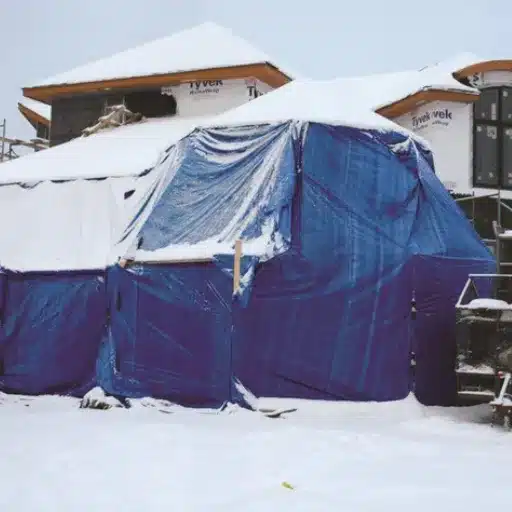
Tarps for Outdoor Activities
Heavy duty waterproof tarps are the most reliable choice when it comes to outdoor activities, and besides, they have a dual function of protection and providing comfort. The latest data provided by search engines indicates that these tarps are among the most popular choices for camping, hiking, and other recreational activities.
Popular Outdoor Uses:
- Building long-lasting shelters for camping trips
- Protecting equipment and supplies from rain or sun exposure
- Serving as a soft ground cover for picnics and gatherings
- Creating waterproof barriers for outdoor events
Thanks to their durability and waterproofing features, they are an indispensable part of any outdoor lover’s gear who is looking for a practical and durable solution for ever-changing weather conditions.
Heavy Duty Tarps in Construction
The construction industry cannot do without heavy-duty tarps because of their versatility and, above all, durability. Recent data studies show that demand for these tarps is on the rise as they are chiefly used to shelter construction materials from the weather, such as rain, sun, or snow. In this way, the most critical supplies like lumber, cement, and machinery are kept intact.
Their heavy-duty, reinforced design makes them reliable against wear and tear, which is very essential in the often harsh conditions of construction sites. This dual-purpose of protecting materials and creating safe, controlled work areas has led to their being widely accepted and even favored by construction workers.
Using Tarps for Camping and Recreation
Tarps are used in almost every camping and recreational activity, and this is mainly because of their versatility and durability. They can provide campers with a covering of ground, which can be uneven or damp, or they can be a roof to protect the campers from rain, sun, and wind.
Popular Camping Tarp Setups:
- A-Frame Shelters: Simple and effective protection from rain and wind
- Hammock Rainflies: Overhead coverage for hammock camping
- Ground Covers: Protection from moisture and uneven terrain
- Lean-To Configurations: Quick setup for temporary shelter
According to the latest data search trends, outdoor enthusiasts are most frequently looking for ingenious tarp setups that are low-priced and also easy to assemble. Waterproof tarps are the most popular options, as they guarantee a dry and comfortable camping experience even when it rains. Their versatility and lightweight fabric make them the first-choice solution for campers who are after practical and dependable gear.
Care and Maintenance of Heavy-Duty Tarps
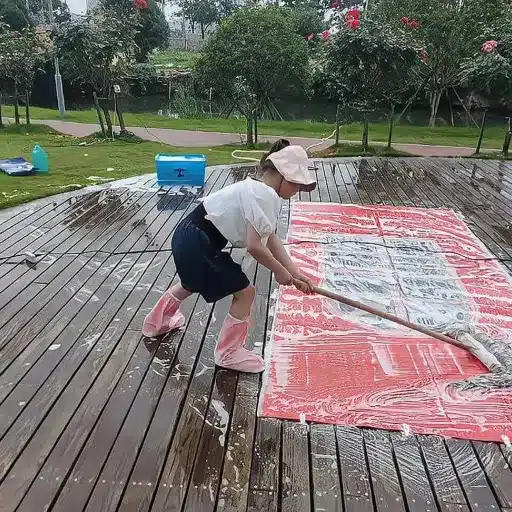
Cleaning Your Waterproof Tarp
When it comes to cleaning your waterproof tarp, it is very important to do it the right way after every use if you want it to be effective and long-lasting.
Step-by-Step Cleaning Guide:
- Remove Loose Debris: Use a soft brush or cloth to get rid of loose debris such as dirt, leaves, or sand.
- Prepare Cleaning Solution: Make a mixture of mild soap and lukewarm water. Keep away from harsh chemicals or bleach, as they can harm the tarp’s waterproof coating.
- Scrub Gently: Lightly scrub the surface with a sponge or brush, targeting heavily soiled areas more thoroughly.
- Rinse Thoroughly: Remove all soap residue by rinsing with clean water.
- Dry Completely: Allow the tarp to dry naturally before folding or putting it away.
⚠ Important Note: Based on current search trends, quite a few people ask whether washing tarps in washing machines is okay. The answer, however, is no—it is not recommended as it may erode the material and shorten its life. If you give it the right cleaning and care, your tarp will last longer and be effective for numerous outdoor adventures.
Storing Heavy Duty Tarps Properly
To keep heavy-duty tarps in good condition during storage, start by making sure that they are entirely clean and dry before storage. This will prevent mold and mildew from growing.
Best Storage Practices:
- Clean and Dry: Ensure the tarp is completely clean and dry before storage to prevent mold and mildew growth.
- Fold Neatly: Fold the tarp along its seams in a very neat way to avoid unnecessary creases and damage. For vinyl or plastic tarps, rolling may minimize fiber stress.
- Choose Proper Location: Store in a dark, dry place away from extreme temperatures, water, insects, and direct light.
- Use Protection: Storing the tarp in a storage bag or container will give it even more protection and make it easier to access next time.
FAQ
What is a heavy duty waterproof tarp used for?
A heavy-duty waterproof tarp is a multipurpose cover that is often used as a protection in different areas like construction sites, camping, and outdoor events. Heavy-duty tarps are manufactured with strong materials like vinyl or polyethylene, which prevent them from getting torn and damaged by the weather. 10 x 10 or 10 x 12 sizes are often chosen by most campers and outdoorsmen while bigger tarps can be used to cover vehicles or equipment. The heavy-duty features of water and tear resistance make the tarps very durable and thus, they can be used for a long time. Furthermore, they come with grommets that are placed 18 inches apart to make it very easy to secure and install. Tarps that are heavy-duty and waterproof are assumed to be multipurpose protective covers that keep your belongings dry and safe.
How thick is a heavy duty waterproof tarp?
The thickness of a heavy-duty waterproof tarp is not fixed and might vary, but the usualy thicknesses consist of 10 mil, 12 mil, and 16 mil. The mil indicator shows the thickness of the material, with large numbers indicating more durability and strength. To clarify, a tarp of 16 mil is always under consideration as more powerful and best suited for the middle of demanding tasks, while the tarp of 10 mil would be considered as sufficient for the lighter tasks. It is of utmost importance to choose the thickness that matches your needs like camping in the wild or working on a construction site. The market is also flooded with users who complain about the high price of 12 mil heavy duty poly tarps and hence, they prefer the 10 mil.
Are waterproof tarps heavy duty?
Certainly, waterproof tarps can be heavy-duty, granting toughness and at the same time being resistant to water. Heavy-duty waterproof tarps are made to bear harsh weather conditions, thus being ideal for outdoors. UV tolerance and tear resistance are some of the factors that prolong their life thus it’s a kind of guarantee that the tarps will go through the heavy rain, snow and sun without breaking up. A lot of heavy-duty waterproof tarps come in numerous sizes and among them, there are large tarps that are suitable for covering vehicles or equipment. People have found usage of waterproof tarpaulin in the garden, for example, clear vinyl or blue poly for protecting garden plants or making emergency rain shelters, etc. All in all, one-time purchase of a heavy-duty waterproof tarp, just in case, would be wise as you will have nothing but moisture and other elements to deal with.
What is the best material for a waterproof tarp?
Heavy duty polyethylene and vinyl are the best materials for a waterproof tarp, since they have the top water resistance and durability. Although polyethylene tarps are not that heavy and not very expensive, they have come up with a variety of uses along with the availability in many different thicknesses like 10 mil or 12 mil. Contrary, vinyl tarps have always been and continue to be regarded as the best ones to provide ultimate tear resistance and slip that comes along with the sun’s time under UV protection. Next, to be on the safe side when selecting a tarp, kindly take into that grommets made of aluminum will be located every 18 inches for securing purposes. Finally, makers offer the customers to choose between vinyl and heavy-duty poly tarps based on their needs and exposure to harsh environmental conditions. It is common practice to recommend heavy-duty waterproof poly tarps for multipurpose use for they are at the elapsed price point between strength and affordability.
How do I properly secure a heavy duty tarp?
Securing a heavy-duty tarp the right way requires making use of the grommets on the edges for anchoring. The majority of the tarps have grommets placed every 18 inches for straightforward attachment of poles, staks, or other structures. Besides that, bungee cords, rope, or tarp straps can be employed for extra security. Make sure the tarp is tight to keep off water accumulation on the surface, as this may cause leaks or ruin. Depending on the tarp dimensions, it might be necessary to use several anchor points so that the tension is evenly distributed. In the case of large tarps such as an option measuring 10 x 20 ft, more stakes or weights may have to be used to secure it and keep it from being displaced by the wind. When you secure your tarp correctly, you are going to make it much more effective as a cover that protects the area underneath it.
Reference Sources
-
Boston University Blog: Discusses the versatility of tarpaulins, including their use for heavy-duty covers and protection from harsh elements. Read more here.
-
UNICOR (Federal Prison Industries): Provides details on canvas tarpaulins, including their water-resistant and flame-retardant properties, meeting military standards. Explore the details.
-
Mosaic (SHMS): Highlights the features of 18 oz vinyl tarps, emphasizing their heavy-duty abrasion resistance. Learn more.