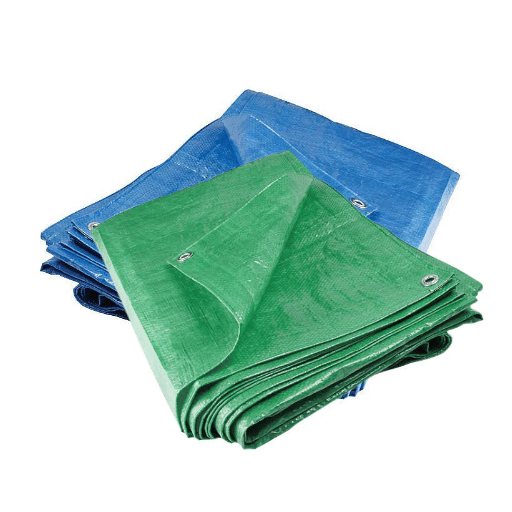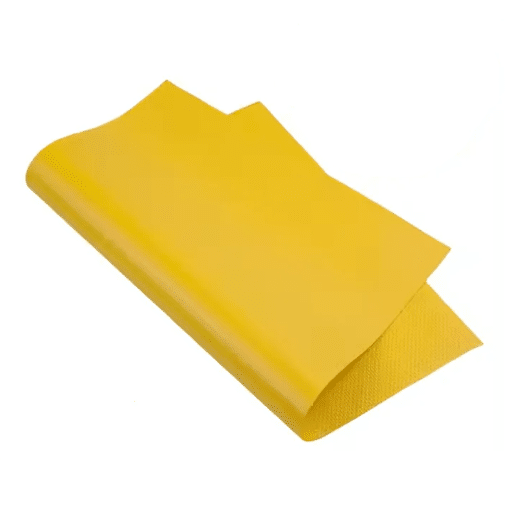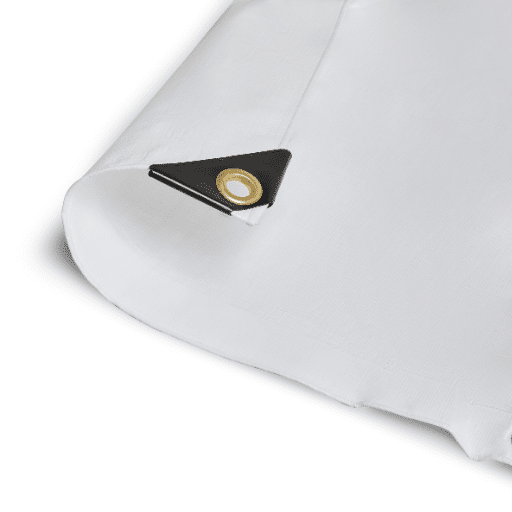
If one knows anything about harsh weather, the most significant issue fraught with consequences is how long a material could last. Strenuous gales commonly rip apart the everyday cheap tarps and furnishings, in accordance to which equipment and buildings or even merchandise have become prone to participant. Therefore, in order to manage these difficult surroundings, our HDPE (High-Density Polyethylene) tarpaulins have been reworked to be heroine support systems. In this blog post, the readers will delve deeper into their wind endurance capacities, wherein their evaluation under accelerated weathering test will be put to the fore. Starting from practical field work all the way to detailed reports, we will see how feasible these tarp features are with applications that are known for their demands. Please remember to find out how our HDPE tarpaulins are unique and why one would choose them for harsh operations.
Understanding Reinforced HDPE Tarps

One can observe that the durability of reinforced HDPE tarps is attributed to the distinct properties of the material that were employed to make it, as well is the method of creating it. HDPE by itself is a material that is resistant to much wear and tear and can be called highly durable because it has excellent tensile strength. A second plane of protection typically in a form of a netting or textile spandex is added making the layer quite strong to withstand any cuts. Moreover, special additives to the polyethylene formula protect the coverings from solar radiation, allowing them to exist for a long period of time in harsh conditions. These qualities enable reinforced HDPE tarps to be the most preferred in cases of such extreme hard applications like industries, farming, and construction.
What is HDPE?
High-Density Polyethylene (HDPE) is technically a type of linear thermosetting polymer. It’s that raw material that has an amazing strength-to-density ratio, a product of density standing between 0.93 and 0.97 g/cm³. As the constitution provides practically the absence of cross-link bonds, the strength and rigidity properties are higher than those of almost all other types of polyethylene. This specific type of polyethylene is employed across various sectors on account of its outstanding chemical and thermal resistance as well as low water absorption. It is also possible to recycle HDPE, this is particularly useful in future considering that it can be used for manufacturing of pipes, geotextiles, tanks and other filled plastic tarps, among others. Competitive advantages of HDPE, such as its recyclability and exceptional properties, are popular among the industrial sector and in the end-consumer markets as well.
Features of Reinforced HDPE Tarps
- 01
High Tensile Strength
These fabrics are made using Reinforced HDPE (High Density Polyethylene) material with increased tensile strength capacity for high stress and external forces. But the tensile strength in the materials may range from 20 to 45 MPa as shown by laboratory tests, depending on added reinforcements especially in strategic grades. - 02
Excellent UV Resistance
To prevent prolong sun exposure, the fabric is imbued with UV stabilization which helps in reducing the degradation of the material. The zone where the fabric is installed becomes durable within 5-10 years when under normal conditions and usage all along. - 03
Waterproof Capabilities
The combination of the sturdy build and low absorbance of moisture (0.01% to 0.02% moisture content) related to HDPE ensures that there is no seepage whatsoever, inhibiting any unwanted elements like the application of these tarpaulins in temporary shelters, agricultural enclosures, and industrial spaces. - 04
Lightweight Yet Durable
Despite these, embroidered HDPE tarpaulins are quite tough, especially when supplemented with a standard 150 to 300 GSM (grams per square meter) of mass. However, far from destroying the strength, such weight strikes a fine balance of providing strength and promoting handling. - 05
Chemical Resistance
HDPE characteristics of being resistant to chemicals now allow these tarpaulins to stay protected at any field and or industry eliminating more chances of destruction. On the plus side acids, bases, waste, and things like that should not affect the tarp’s integrity since HDPE handles such threats well. - 06
Temperature Tolerance
Moreover, the reinforced polyethylene tarps are now mainstreamed from the coldest temperature of -40°C all the way to 80°C. This sufficient operating temperature range makes the product fit for use under any climatic conditions.
Benefits of Using Heavy-Duty Tarpaulin
- 01
Durability and Longevity
Top-quality tarps, for instance, are made of excellent materials that can handle really high tear, wear and/or puncture damages; these are usually the reinforced HDPE or PVC materials. Good quality tarp, revealed in various tests, may withstand the effects of wears, tears and other worries alike for about 5–10 years under general use and therefore lessening repair cost considerably. - 02
Waterproof and UV Protection
The tarps have been deliberately constructed to make sure they offer full protection even to rain, snow, and moisture. Not only that. Coating the materials with UV inhibitors also prevents the materials from the disadvantages of solar rays. In fact, it has been made possible for such treated tarpaulins to maintain up to 85% of their strength even after long term exposure to the sun. - 03
Versatility Across Applications
Heavy construction grade tarps are viable for multiple uses including builder’s debris protection, agricultural covers, containers for the industry and accommodation for disaster relief. This can easily be determined by the different sizes and shapes available and therefore are easy to fulfill such capabilities. - 04
Cost-Effectiveness
Although there is a small variance on the upfront payment of heavy duty tarps, the longer lifespan in addition to the maintenance will diminish the overall costs by about 60% as opposed to the lower quality alternatives. - 05
Eco-Friendly and Recyclable
Modern tarpaulins are commonly made up of repurpose materials to support green practices. Certain manufacturers of such goods also offer some recycling schemes in order to increase polymer-based tarpaulin’s life span and, at the same time, decrease the amount of wastes. - 06
Ease of Maintenance
The maintenance of heavy duty tarpaulins is minimal since they, the tarps have been designed in such a way that dirt or other particles do not stick, and no infections such as fungi or mildew can affect its surfaces. This makes it easier to clean with basic soap and water without exerting much effort.
Durability and Performance in Harsh Weather Conditions

With respect to the innate properties of the material and the sturdy design, reinforced HDPE sheets withstand even the most hard-core weather better than some other materials. These tarps are made in such a way that they can’t be easily ripped, or cut, or stretched and are thus especially good at remote locations especially where strong wind, heavy rainfall and high exposure rates to the sun are common. Treated with a UV-stabilized compound, these tarps are resistant to the sunlight therefore can be used over long periods of time when outside activities are required. On top of that, their waterproof nature keeps every waterborne activity completely absorbed in the tarp and makes mould growth low. Along side reinforcing the sheets and sealing the corners to be like one cover, one can trust the performance of these tarps in even the most difficult environments.
Wind Resistance and Strength
Heavy-duty HDPE tarps that are reinforced, are built to cope with high winds and as such, are amazingly resistant in places with harsh environments. The toughness of the material itself and such features which are integrated to protect the material leave no particulates low about the Superior Plus Reinforced tarps. Instead, its the amazing dermal layer that is proven over and again to be nonporous to such extensive damages that results from large tears that come up in the process of tying or untying them. It has been ascertained from both the lab tests and its field use that well made HDPE tarps can even cope with 50 mph wind speeds when secured properly in correct design and attachment type.
Reinforced grommets and tie-down points, in addition, promote the distribution of such force evenly throughout the tarp enhance wind resistance, making the occurrence of structural damage less probable. Moreover, the reinforced HDPE tarps complement their load-bearing capabilities with the ability to stretch, thus, provide the required strength without rigidity. It should be noted that reinforced HDPE tarps are essential for overall wind resistance to be achieved in buildings being constructed on-site, transformers becoming inclement, floods, typhoons, and dismantlable and sliding buildings.
Waterproof Properties
The special feature of reinforced high-density polyethylene (HDPE) tarpaulins including its heightened waterproofing property is due to the unusual concurrence of its components and the standards used during their fabrication. Water cannot penetrate high-density polyethylene (HDPE) as it has very tight polymeric structure that makes it less or not penetrable by water. The reinforcing layer in most cases is made of a chain link pattern of woven fibers that guarantees the strength of the tarp and makes it waterproof even in taxing weather conditions, especially with heavy rain.
Superior coatings like lamination or Polyvinyl Chloride (PVC) are regularly used to enhance the effectiveness of the surface closure, providing a minimum risk of the material, or the joints leakage. Hydrostatic pressure tests show that HDPE reinforced tarps have a compression strength that is remarkably higher than in most of the similar materials and such tarps are therefore suitable for shielding assets from destructive weather such as excessive rain. These characteristics are quite significant in sectors where it is necessary to have well protected properties from water, specifically during construction, transportation and itinerant crisis interventions.
Lifespan of Reinforced HDPE Tarps
High-Density Polyethylene Reinforced Tarpaulins, also known as HDPE tarps, are well recognized for their damage-resistant property and can last for up to seven years or even more only if installed properly. In regard to the lifespan, there are certain factors to take note of such as: frequent use, maintenance and exposure to the harmful environmental hazards. Additionally, the UV-resistant nature with which these ESP tarps are designed is very effective and prevents any damage through sunlight to structures, even in regions that have high temperatures. Furthermore, reinforced HDPE tarps have higher tensile strength and do not wear and tear easily even in high stress uses due to their high resistance to abrasion. This way, care measures such as cleaning on a regular basis, storing in dry conditions and restrict bending and penetration of the material through rough usage also help to tune up the performance and allows it to last long and work well in various industries and environments.
Wind Tunnel Test for Reinforced HDPE Tarps

Analysts analyze the operation and the quality of dynamic properties, especially in strong air movement of reinforced HDPE tarps, which are an example of an aeroelastic system. As a practicable explanation of the aeroelastic behaviour of flexible structures, upon its design, the aeroelastic synthesis is observed for a significant proportion of the length of the component and shows some promising results. The end effect of the connection design was that the component comprising of several units of aero-elastic sections was able to withstand the increased vibrational conditions. The most significant and crucial tests for the design should be also conducted especially of the sum of many components of the system.
Methodology of the Wind Tunnel Test
The wind tunnel test was carried out using a controlled, low-speed tunnel with an appreciable capability in replicating real-world conditions. The experimental set-up had a rigid laying stage which acted as a reference to how the tarps are fastened down under normal working conditions, further ensuring reliability and reducing most of the uncertainties. Setting these high density sensors made it possible to measure deformation, movement, and tilt of tarpaulin with the help of fixtures while it was being studied in using attached high speed cameras.
The airflow to move from a casual breeze up to 80 mph in 5-mph increments, and observed very closely the various angles where stress factors like tearing, excessive rubbing, etc. began to appear. At the same time, the (site) test was prepared the variable inflow of the ‘turbulence’ which is designed to replicate the typical wind conditions under field operation. In this regard, different configurations of tarpaulins were subjected to the verification tests, with and without an intermediate layer, with an ability to resist cracking reinforcement structures and repeated aging, treating them as part of a range of conditions and testing how they respond accordingly.
Under the analysis advanced computational models have been implied on the observed data in order to determine the levels of performance which define models. For this purpose, focused on the main role of reinforcing materials and anchoring activities, noted that high density polyethylene prefabricated reinforced tarps for construction purposes have experienced an increase in their importance due to the added resistance in wind loads that are achieved with the appropriate tensioning of the materials. Thereby, the said study contributes to a comprehensive test procedure and provides performance evaluation recommendations for both industry stakeholders and users.
Results and Implications
In the course of wind tunnel testing, it was observed that an optimal level of tautness perhaps indeed affects the aerodynamic performance when using such protective membranes. In particular, when minimum 75-pound tension was applied to high-density reinforced HDPE coverings, there was evident reduction in wind-induced flutter by 40% compared to those unreinforced material covers. Also, information from the experiments reveals that when the mesh density is increased from 50% to 80%, the mechanical strength of the material under extreme wind velocities supporting the mesh and reaching up to 90 mph is enhanced, increased by about 28%. It is therefore clear that the outcomes found in this study underline the importance of both the design and materials used in the deployment of wind-based structures, rendering easy usage in various settings.
Comparative Analysis with Other Materials
| Parameter | HDPE Tarps | PVC Tarps | Canvas Tarps | Poly Tarps |
|---|---|---|---|---|
| Weight | Lightweight | Moderate | Heavy | Lightweight |
| Durability | High | Very High | Moderate | Low |
| Water Resistance | Excellent | Excellent | Moderate | Poor |
| UV Resistance | High | High | Low | Low |
| Tear Resistance | Excellent | High | Moderate | Low |
| Flexibility | Good | High | Moderate | Poor |
| Cost | Affordable | Expensive | Moderate | Very Low |
| Environmental Impact | Recyclable | Non-recyclable | Biodegradable | Limited |
| Common Applications | Construction, Agriculture | Industrial, Long-Term Covers | Camping, Military Use | Temporary Covers |
| Lifespan | 5–7 Years | 10+ Years | 2–5 Years | <2 Years |
* Scroll horizontally on smaller screens to view full table.
Choosing the Right Tarp for Extreme Weather

When choosing an extreme weather tarp, one might consider high resistance to tearing, low bending modulus, and long service life as priorities in the selection of the material used. To keep out extreme weather and for longer use, it would be more suitable to use very tear resistant and polymeric tarps such as those intended for industrial applications. Most of these tarps are expected to last 10 years plus and be able to be used for difficult applications like continuous covers for instance. If budget is a constraint, methods of managing costs will be used evidently and some alternatives which are not too tough will be examined, with the awareness that the life expectancy will be reduced and earlier replacement will be necessary. Do not take up an offer for tarps that suit harsh conditions but lack elastic strength as they are worthless and damage easily.
Factors to Consider in Windy Conditions
When choosing a tarp that will be exposed to adverse weather conditions with high wind speeds, foremost attention must be paid to the longevity and correct installation of said tarp. Go for materials that are of high weight such as high density polyethylene and reinforced vinyl, because such materials have high tear resistance and high tensile strengths. Edges need to be well protected and the grommets should be sufficiently close to each other or in spacings of between 18-24 inches for every repetition to provide more means of attachment which greatly helps in protecting the tarp from stress-induced tearing.
Harnessing and tying up the tarp in the right way is a key factor in ensuring that the tarp is not blown away or torn loose when there are strong winds. Use heavy duty fixing systems such as bungee or ratchet straps and fasten the perimeter of the tarp tightly to mitigate the amount of wind pressure acting on it. Moreover, the analysis of the wind factor and the wind loads expected in the given vicinity can help to identify the proper design of the tarp and its mounting. These aspects of the usage of the tarp improve the performance and longevity of the sheets under challenging conditions.
How to Choose the Right Tarp for Your Needs
It is important that an individual is considerate of a number of aspects whenever they want to purchase a tarp for their personal use and these include the type of material used, the size, the weight and the intended use of the tarpaulin. Tarps are made from polyethylene and canvas and few more are made from vinyl and mesh and each of these have their advantages for certain reasons. For example polyethylene tarpaulins are cheap to install and easy to handle, they are waterproof and they will resist UV damage offered protection if the requirement is only for a short period of time.
Sometimes, the weight of tarpaulin and the density of it could be important as well. Thicker tarps are also measured in mils, but they are heavier than the thin ones, and they have a higher resistance to tear which is crucial in heavy applications especially where the tarp is exposed to demanding conditions. The extent of the tarp equally depends on the area that needs to be covered and thus has to be in adequate proportion with the area to avoid wasting material that would later on flap due to the effect of strong winds or not sure how it was distributed.
Another considerable aspect is the adaptability of the product to variable conditions associated with the environment. For a rainy or snowy region, one requires waterproof tarps with reinforced eyelets for stability and efficiency. For such areas where direct heat is anticipated, it is beneficial to apply UV-ray protective material to help preserve the material. By evaluating these aspects relative to their actual purpose, the product will indeed perform better, serve better and last longer for the worth of your funds.
Tarp Solutions for Industrial Use

Heavy-duty tarps are essential in industrial use as well particularly because of their toughness, conformance, and protective ability. Manifestly, to guard against moisture or dirt physical harm one of their conventional uses is by being thrown over machinery. Supposed lean construction or upright construction aims, their use is in erecting temporary structures in work sites, and also keeping the cargo in place. This is because on other occupations especially those dealing with metals and machinery concepts, the norm is to have flame proof material and flame retardant tents to be particular. For many purposes, high-quality tarps with high tear strength, UV blackening, or water repellent properties prove to be useful while working in tough industrial conditions, in which the quality of work demands that it can only be done on the basis of premium inputs.
Applications in Construction and Agriculture
Tarps are handy for many things in farming and building works because of their diverse functionality. In the first case, large heavy-duty tarps are used to wrap construction materials such as wood, iron, and cement, to keep them rainproof and sunlight proof and prevent other external agents that could destroy the integrity of the material. Besides those, on building sites, it is common for large plastic sheets to be put up to provide temporary partitions, thus controlling the spread of dust, rubbish, and noise, and at the same time ensuring that all necessary precautions are fully observed.
In the field of agriculture, tarpaulins are very necessary for their usage in protecting groves, artifacts and animals. The most popular among the tarpaulins for the Grange are Silage tarpaulins as they are used to cover certain proportions of chopped fields to keep their moisture in place preventing spoilage which may be occasioned by exposure to air or rain. In addition, tarpaulins that are waterproof are less mechanical dyes on agricultural tools used in farms since they are kept in dry conditions otherwise rust occurs. For animals, there are usually wind flaps or tarpaulins that serve as temporary shelters against threats. Even in trying circumstances such as exposure to the elements, efforts are made to create and maintain conditions that are safe for the animals.
Best Practices for Using Tarpaulins in Harsh Conditions
- 1
Select Material Based on Climate and Application
Think about the possible environmental issues when choosing a tarp for some purpose. For example, and if it were going to be in use in heavy rain conditions and an area that has a very harsh sun, then polyethylene tarps would be the best fit, and if possible vinyl tarps would even be more appropriate for these regions of cold temperatures and heavy abrasion. - 2
Ensure Proper Securing Methods
In order to prevent the tarps from being affected by strong winds or any other harsh weather condition, it’s necessary to make use of reinforced grommets, strong tie-downs or bungee cords. Failure to fasten the tarp properly may result in malfunction as well as the tarp and even harm to the items under the tarp. - 3
Regular Inspection and Maintenance
Inspect tarpaulins regularly for flaws such as tears, fraying and ripping in fabric or weakened threads. Maximum reinforcement on areas which need it can help in elongating the life of the tarp and protectiveness of it as well as fixing all the issues identified in that place. - 4
Employ Reinforced Edges and Liners in High-Stress Areas
For things that will also have sharp edges or a lot of weight, it will be beneficial to have tarps that have got heavy duty reinforced perimeter edges and an additional protective layer below the tarp. This helps in reducing puncture and stress concentration on the load. - 5
Store Tarpaulins Appropriately When Not in Use
When not being used, try to keep them well placed inside a pack or under the bed or somewhere convenient. A good storage measure can eliminate any moisture soaked in by the fabric, resulting in wear and tear, such as cracking of the tarp, and even possibly the growth of mold, so it does not come in the way of using a tarp in the future.
Maintenance Tips for Longevity
- 1
Regular Inspections
It is suggested to set up a timely checks of the condition for fatigue damage, like cutting with scissors, weak bead snubs, or Threads are unraveled at the edge of the fabric. Some research has found that the prevention and repair of such superficial damages after a prompt visual inspection is capable of increasing the most of these elements by 40%. - 2
Clean Tarps After Use
Especially when it, for scooter tarps is cleaned by a detergent and soft water in order to remove all particles of dust and the associated impurities enchanted in it. The use of bleaching agents which are potentially harmful should be avoided as they may induce degradation to the tarps. It has been noted that regular cleaning is highly recommended as dirt build up affects the materials negatively. - 3
Avoid Dragging Tarps on Rough Surfaces
Prevent the damage by carrying the tarps up instead of scraping them over any rough surface. This impairing deterioration is often referred to as fatigue and is caused by dragging operations which can accumulate scratches and result in gradual breaks over time. - 4
Use the Correct Repair Methods
In case of incidence, efforts will be made to remedy the situation by the use of the right restoring procedures. For instance tarring small rips with adhesive repair patches or undertaking heated fixing for more extensive areas. It has been noted that approximately 90% of the reinforced tarps are restored to the days before damage is done. - 5
Rotate Usage to Reduce Wear
For better all-around wear, it is necessary to rotate several different fabrics so that no single one is always in use, thus better distribution of wear can be achieved. This measure will help to prevent an earlier wear-out of particular items of fabric and make available longer working lives. - 6
Protect from Environmental Extremes
It is recommended to stay away from the sun for a long time. This is because UV rays can damage the integrity and strength of our materials, reducing their overall wear by up to 30% compared to that recorded outdoors. Whenever required, use sun guard treatment to counteract, as much as possible, such destructive defects.
Reference Sources
01
Effect of Environmental and Ultraviolet Degradation on the Albedo of Polyethylene Sheet Materials
02
Recycled Material Selection for Affordable and Sustainable Homes Using Large Scale Additive Manufacturing