Durability, versatility, and reliability are the top three features that one should consider when going for any outdoor adventure, and these items should not be compromised. Outdoor activities like camping, hunting, or even attaining weather protection at its best are now easy with the military camouflage tarp, which is the smartest addition. This tarp is mainly prepared for hard and rough use and also for going unnoticed while in use, and it is the favorite of the outdoor lovers, survivalists, and the pros. This is going to take us by the hand to unveil the most useful features camo tarps, the application thereof and also how they can make a difference in your outdoor activities. And for sure, you’ll know why it is that necessary that these experts of yours and the adventurers from across the globe rank this gear so high in their respective choices.
Introduction to Military Camo Tarps

Military camouflage tarps have been distinctly formulated in such a way that they provide effective concealment, durability, and versatility in difficult environments. These are made of top-notch, weather-resistant substances, promising prolonged use even in the harshest of the conditions. The camo patterns, caught from military-grade designs are so seamless with the nature surroundings that they are good for tactical applications, wildlife observation, and outdoor recreation. Besides that, the tarps are lightweight for convenience in transportation and tough enough to resist heavy use, offering their users with a reliable service like they can get it nowhere else, either a professional user or just for fun.
What is a Military Camo Tarp?
A military camo tarp is a specialized tarpaulin that is designed to offer powerful camouflage and long-lasting shielding in several different terrains. It is made of tough, weather-resistant materials; these tarps are resistant to extreme weather conditions, including heavy rain, high winds, and prolonged exposure to sunlight, all the while not suffering in performance. The colors are made up in such a way as to disappear into the environment, imitating elements like trees, sands, and snow, thereby, being a very useful tool for military activities, apart from hunting and wildlife watching.
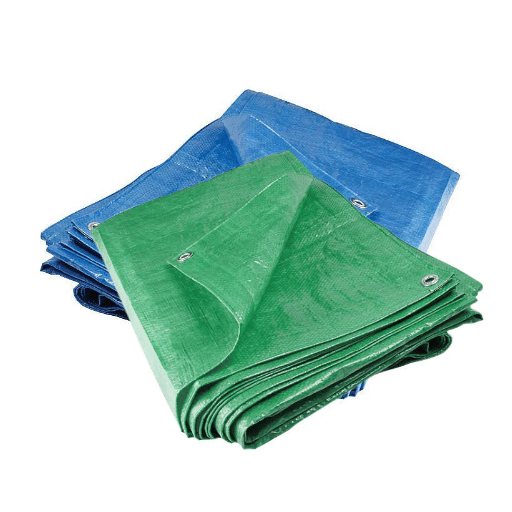
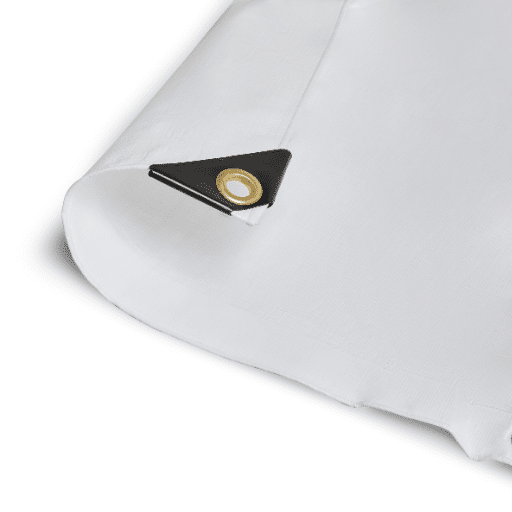
The military camo tarps have been coming out with features like grommets being placed around the tarp for easy but yet convenient fixing, use of cloth that resists wear and tear for long-lasting works, and thus the total water resistance due to different coats of waterproofing. Due to the wide range of their use, as well as the combination of lightweight construction and still being very robust (quality materials), these camo tarps are a very much-favored item of military personnel and also of the so-called nature lovers who need to get proper and quiet protection while in the wilderness.
Benefits of Using Camo Tarps
1. Durability Under Extreme Conditions
The camo tarps have been built in such a way that they easily fight off the harsh conditions of nature. They are constructed with the most resilient materials like polyethylene or canvas, so when the tarps are under the most intense stress, high winds, or continuous exposure to the sun, they will not lose their original shape. The tensile strengths of the high-density polyethylene tarps, for example, point out to over 175 lbs per square inch, which means that those tarps can be counted on a whole lot even when used in the most tough applications.
2. Enhanced Camouflage and Concealment
Camo tarps that are made with military grade patterns have colored in such a way that they will blend with most natural landscapes, be it forests, deserts, or snowy terrains, which is the best possibility for the low visibility factor in tactical operations or making the use of discrete shelters or storage solutions in the wilderness setting.
3. Moisture and Weather Resistance
Military camo tarps very often come with waterproof or water-resistant finishes, which makes them a great solution for repelling rain, snow, and moisture during their long service life that they provide. The majority of these tarps are also impregnated with treatments that make them resistant to the negative effects of UV rays thus, furthering their lifespan.
4. Lightweight and Portable Design
Nevertheless, even with the robustness of military camo tarps, these are still light and can be simply carried around, not to mention that they could be set up in no time. Nylon-reinforced tarps, on the other hand, are bonded together perfectly and they form the best quality also the most rapid responses of all when compared to other materials.
5. Versatility of Applications
Once the military application has been considered, nothing prohibits camo tarps from finding civilian use in the same way. The use of camo tarps in different applications among civilians, the use of camo tarqs, and the general population for different purpose always a way one can use it, is a widely employed practice.
6. Cost Efficiency
In comparison with camouflaging tarpaulins, more physical structures or personalized concealment systems prove more costly in the long run. The cheapness and toughness of tarpaulins make it possible to avoid frequent replacements or repairs, thus giving huge economic benefits in the long run.
Overview of Military Camo Options
| Camouflage Type | Pattern Description | Ideal Environment | Primary Use | Effectiveness Rating |
|---|---|---|---|---|
| Woodland Camouflage | Dense green and brown patterns | Forested areas | Concealment in wooded terrain | High |
| Desert Camouflage | Tan and beige color schemes | Arid, sandy regions | Operations in desert environments | High |
| Urban Camouflage | Gray and black digital patterns | Cityscapes and urban zones | Surveillence in urban settings | Moderate |
| Snow Camouflage | White and light gray colors | Snow-covered environments | Winter warfare concealment | High |
| Multicam Camouflage | Versatile multi-environment design | Mixed terrains | All-condition adaptability | Very High |
| Digital Camouflage | Pixelated pattern for disruption | Varied environments | Modern operations effectiveness | High |
| Ghillie Suit | Mimics surrounding vegetation | Forests and grasslands | Sniping and precision missions | Moderate to High |
| Naval Camouflage | Blue and gray hues | Open ocean and coastal areas | Concealment for naval deployments | High |
| Adaptive Camouflage | Technology-enabled color changes | Dynamic terrains | Advanced stealth operations | Cutting Edge |
Applications of Military Camo Tarps

Military camo tarps are useful in a lot of situations and have different functions. The main ones are:
1. Concealment of Equipment and Vehicles
The use of military camo tarps is one efficient way to cover up the presence of tanks, trucks, and other important tools or machines when it comes to sensing either from the sky or the ground, thus indirectly causing the detection risk to reduce.
2. Shelter and Protective Covering
Soldiers are also using the tarps to make their own, even though temporary, shelters and safe spots through the bad weather while they are still unseen.
3. Landing Zone Markings
Specialized camo tarps, on the other hand, are used by troops to mark and secure landing places with colors and shapes that blend well with the surroundings, thus reducing the risk of detection.
4. Battlefield Deception
They are used in strategic warfare for the purpose of generating decoys or creating an illusion to cover high-value assets and to disrupt intelligence activities.
These are the tarps that have a place in high-performance operations; they are essential for both security and mission success in harsh and different terrains.
Tactical Camping with Camo Tarps
Camo tarps would provide invaluable service during tactical camp operations, especially in places where the terrain is difficult and demanding. Their purpose is to give advanced hiding, and it means they can be used to hide the campsite or whatever material is at the camping site from the human eye, thus making nature, such as forested areas or rocky terrains, the protector that shields the campsite from being exposed.
This type of canvas is usually made out of very light yet at the same time very sturdy materials, such as ripstop polyester or nylon, which have gone through a weather-resistant treatment thus protecting against rain, UV rays and also abrasions. The camouflage tarps of today are most of the time in patterns and colors that are working for a particular environment, like woodland, desert, or snow camo which assures the highest concealment. Moreover, they come with cascade tie-down points, grommets, and thus allowing firmer as well as more adaptable deployment.
Camo tarps, from a tactical standpoint, also have their role to play as shelters in a makeshift fashion, gear covers, or windbreaks that make them multifunctional gear in all camping establishments. They come especially in handy during evasion camping trips, survival training set-ups, or any other operation where a low profile is essential. A situation where having a camo tarp and the other gear elements, like silent zippers and shaded colors, vastly improves the tactical profile of the whole camp.
Emergency Survival Preparedness
The development of survival plan is an important prerequisite for the acquisition of all the necessary tools during crisis such as natural disasters and power outages, or any unpredicted events which may disrupt the daily life. The development of a thorough emergency kit is one of the main highlights of any survival methods which must be considered in the list of contents non-perishable food items, water (at least one gallon for one person a day for not less than three days period), first aid box, and some multipurpose tools like knives, fire starters, a battery-operated fan, and flashlights. Also, other devices such as radios and always-on power banks should be added to the list of necessary items for communication in case of emergencies.
The statistical analysis of crisis management has focused on the fact that redundancy is the key to survival planning. Many different techniques are there like storing essential medications in the home, developing very clear exit routes, and keeping emergency contact information up-to-date which will all raise the resilience level. Moreover, homes of the residents become more adaptable due to the provision of basic equipment such as tarps, portable stoves, and water purification tablets. The preparedness efforts also called to mind when the residents regularly conducted their drills, conducted the process of risk assessment of the hazards in their locality, and kept up to date with the government’s emergency protocols.
Heavy-Duty Equipment Protection
Heavy-duty equipment necessitates a scheduled maintenance plan to prevent failure and enhance the lifespan of its functionality. The application of heavy-duty coatings or sealing products can prevent a great deal of the damage caused by exposure to liquids and chemicals as well as sky-high temperatures. The periodic lubrication of moving parts will eventually keep the wearing-out process to the minimal level and so does the machine’s mechanical type. A more sophisticated methodology like thermographic infrared, can discover the components that are being overheated quite early, thus attaining repair and before-the-failure setting.
Sealed storage solutions, in addition to installation, are indispensable for machine protection from dust and atmospheric contaminants, contributing to their lifetime and performance. Still, the observance of the maintenance schedule the manufacturer recommends will result in the inspection and the systematic replacement or upgrade of parts leading to the reduction of unplanned downtime or failure. These practices are the very foundation of the equipment-durability-maintenance framework for the usage of the heavy-duty equipment in the harshest climatic conditions, etc.
Common Types of Camo Tarps

1. Polyethylene (Poly) Camo Tarps
Constructed out of tough polyethylene materials, these products have the best resistance to the forces of water and UV rays, and are tear-proof. Besides, they are light in weight and are a perfect fit for any outdoor equipmen.
2. Vinyl Camo Tarps
Composed of very thick vinyl, these tarps are totally waterproof and hardly get any scratches. They are fine for usage in factories or in places where super-strong durability needs to be present.
3. Canvas Camo Tarps
The canvas camo tarps that are able to breathe have become popular due to their ability to provide a cool and airy space as well as eliminate the condensation problem in the area covered and so, they are used for purposes such as the storage of firewood or furniture.
4. Mesh Camo Tarps
These types are quite popular for being used as shade or hiding, and are designed specifically for outdoor facility covering, especially the ones needing air and light, like pool covers, among others.
Woodland Camouflage Tarps
Engineered woodland camouflage tarps are highly dependent on forested areas, offering the possibility of proper and undisputedly invisible shielding for different activity realms. The tarpaulins are usually adorned with patterns emanating the natural colors and textures present in the wooded environments, like greens, browns, and blacks. These tarps use the most modern materials which render them a mix of UV resistance, waterproofing, and tear resistance, turning the whole package into a perfect ally for outdoor lovers, army men, and hunters that do not want to compromise either sturdiness or concealment. The tarp is mainly used for covering gear, roofing, or building emergency temporary shelters in thickly vegetated areas. The universal character and high-grade features of these tarps guarantee their availability and usefulness for various outdoor occasions where performance in severe conditions is required.
Desert Camo Tarps
Camo tarps that are specifically made for deserts are created to be the same color with the surrounding dessert environment that is why they are very much needed in the long run when it comes to activities and areas in the middle of the desert. The tarps are usually made of special fabric materials, thus are immune to and moreover provide for exceptional UV radiation resistance shading the harsh sunlight and lessening the heat absorption. The typical robust design involves grommets and edges that are often strengthened to withstand windblown sand or exceedingly hot or cold temperatures, and thus greatly reducing their lifespan. The major uses of desert camo tarps include equipment camouflaging for tactical reasons, providing areas with shadows, and creating spots with the least impact from the weather conditions for temporary shelters, among many others.
Reinforced Camo Netting Tarps
Reinforced camo netting tarps are constructed with the intent of giving high durability and performance in outdoor settings. High-density polyethylene (HDPE) material or tough synthetic fibers is the main fabric for the tarps– and the corners are additionally reinforced besides being grommeted to cope with the severe environment. The tarps are double duty as they act as both camouflage and functional shelters. The netting patterns are aesthetic and are the main idea of forming irregular shapes and 3D textures; they actually work to deceive the observer by breaking the visual outlines and to some extent eliminating the heat signatures that could be detected by the infrared sensors.
Most of the times, the tarps are treated with a UV-resistant coating, which helps in the performance of the material for a long time under the sun rays, and at the same time they are even resistant to water and mildew, considering their reliability- in wet or humid climates. They are mostly used in the army for surveillance, observing the wildlife, and hunting, where it’s an essential requirement to be able to blend in with the environment completely. Besides, they are of lightweight but at the same time very firm which eases not only transportation but also the installation on-site activities and also their role in the battlefield becomes bigger.
Features to Look for in a Military Camo Tarp

1. Durability
A high-quality military camouflage tarp is typically crafted using tough materials such as ripstop nylon or rugged polyethylene. Furthermore, these fabrics grant the highest protection against breakages, scratches, and frays that could occur in any case of outdoor use.
2. Camouflage Effectiveness
The design of the tarp must include a proper camouflage pattern for the operation area; this may be woodland, desert, or snow. Such a provision contributes to making the enemy less visible and provides better hiding possibilities.
3. Weather Resistance
Resisting water and sunlight is one of the top requirements for a tarp. The tarp should effectively keep the rain out while withstanding the weathering effects of the sun for long periods.
4. Portability
Another factor to consider when selecting a tarp is the weight of the construction and the storage option the tarp offers. Go for tarps that come with a case or have straps for compression as this makes it easier for you to carry them.
5. Attachment Options
Moreover, apart from being light in weight and easy to carry, the tarp should have grommets that are strengthened, as well as loops, or tie-downs that are needed for the set-up of both flexible and secure configurations. Consequently, the users can manipulate or hang the tarp in different ways to best serve the purpose of the operation.
6. Mildew and Mold Resistance
The property of a good tarp is that it is protected against mildew and mold, especially in humid and wet areas, thus it becomes long-lasting and safe.
Durability and Heavy-Duty Materials
The most significant factor that guarantees the long life of a tarp is the quality of the materials that have been used and the way they have been put together. HDPE (High-Density Polyethylene) or vinyl-coated polyester are generally considered to be the best materials for the production of strong tarps; they have great resistance to tearing and abrasion and sometimes they are the most comprehensive textile materials. Often, these materials are embedded with strengthened fibers that make the tarp’s tensile strength stronger and guarantee that material degradation under constant pressure is minimal.
In the aspect of preserving a structure’s strength, the use of contemporary manufacturing technology, and one of them being heat-sealing, is an enhancer by reducing the frequency of fracture so that the fabric does not unravel, especially on the ventral side. For the topmost efficiency of heavy-duty tarps in extreme environments, they are normally provided with a double-stitched board all around the perimeter and grommets made of rust-free metal for the even load baring strongly-tightened installations. Material and workmanship are two things that come to light when long-lasting products are being mentioned, especially when it comes to commercial or industrial applications.
Waterproof and UV Protection
Specifically, state-of-the-art heavy-duty tarps have been developed to ensure robust waterproofing and UV protection and have a great performance under various conditions. Waterproofing of tarps in an advanced way is through the application of coatings of polyethylene or PVC which are materials known for their excellent waterproofing properties. With this, water does not penetrate through the fabric. Hence, mold, mildew, and structural materials do not degrade due to the prolonged effect of water. Furthermore, the UV-resistant stealth nets use treated materials that are capable of neutralizing ultraviolet rays that are harmful to health and at the same time, they are capable of hampering the material of the tarp and as a result fade the color of the surface.
Weight and Portability Factors
The weight and portability of tarps are two highly influential characteristics across different application fields. Current tarps are designed to have the perfect mix of durability and lightness aiming at the use of contemporary materials like polyethylene and polymer composites which have acclaimed industry standards because of their high strength-to-weight ratio. Polyethylene tarps are able to be as light as 4-6 ounces per square yard providing still strong coverage and weather resistance. This light weight property of the tarps makes it easier to handle them during their deployment or storage, especially where there is a need for frequent movement like in construction sites or temporary shelters. Also, new material technologies have the Halyard tarp with reinforcing tape or integrated eyelets at the outer edge that helps it remain light without adding to its volume, and thus, the users can easily tie down the tarps.
How to Use Military Camo Tarps Effectively

1. Identify the Environment
The camouflage pattern that corresponds best with the local terrain should be the one picked for the sake of concealment to the utmost. Find a spot that is plain and firm on which the tarp could be laid and secured efficiently.
2. Secure Anchoring
The tarp properly stay in place by using the reinforced grommets and heavy-duty cords or ropes. Keep all sides of the tarp tightly fixed to exclude any possibility of being blown away by the wind or any other external factor. The stability when securing the tarp on rough terrain can be achieved with stakes or weights.
3. Angle and Positioning
A rainstorm passing tarp through, be tipped a little to allow the rainwater to run off. This will stop the pooling and collapse risk and ultimately the likelihood of any kind of damage. For the additional protection and secrecy of the valuables, make sure they are fully covered under the tarp when used as a cover.
4. Inspection and Maintenance
It is recommended that checking takes place at intervals to see if any part of the tarp is being damaged or is losing connections. If there are damaged cords, they have to be replaced. It may be necessary also to adjust the tarp in order to have it effective in all conditions without much strain.
Creating a Hunting Blind with Camo Tarps
1. Selecting the Right Location
You should pick a place that offers a lot of natural cover and at the same time is not easily noticed and with a clear line of sight to the area needed for you to target. The areas you can easily avoid detection from the enemy are those with thick undergrowth, knocked-down trees, or higher points of land.
2. Choosing the Appropriate Camo Tarp
Take also into account the color of the tarp you are going to choose. There are patterns for all sorts of terrains, such as the woods, bogs, or deserts. This tarp should be not just a face saver but a very durable one, with the minimum weight, and it should be able to protect itself from the worst weather conditions that can arise on the battlefield.
3. Constructing the Frame
Craft a resilient frame by utilizing stuff like wooden stakes, PVC pipes, or branches. The frame should be tough enough to provide a good base for the tarp and not allow movement in case of a gust of wind or any other environmental factors.
4. Securing the Tarp
Lay the camouflage tarp over the structure and anchor it using tough cordage, bungee cords, or zip ties. Make it that the tarp is tight thus no flapping sounds from the wind, which could be a danger for animals too. Have some little spaces or exits through which to look or aim but also remain concealed as much as possible.
5. Enhancing the Blind with Natural Materials
Bring in natural touch like branches, leaves, or grass to the structure to enhance its camouflaging and disappearance in the environment. This particular step will highly reduce the chance of being detected and will create the same effect the main surroundings have on the structure.
6. Testing and Adjustments
When the hideout is already set up, take observation of it from various directions and distances for these actions might help you locate the exposure or the weak point. Make all the necessary adjustments to increase the concealment and assure that the hideout is in line with the hunting tactics. Be responsible for keeping the hideout and also regularly going back to your place to make sure the hideout is operating properly all throughout the hunting season.
Using Camo Tarps for Outdoor Shade
Camo tarps offer a practiceable remedy for bringing upside down the town without being seen in the wild or the wilderness. Heavy-duty, weather-resistant materials are used to make these tarps, hence longevity against the hard-environmental conditions such as exposure to UV, rain, or wind. On the other hand, the camo tarps are especially designed with complex camouflage patterns that mimic the various types of terrains—being from dense forests to arid woodlands—camo tarps blend softly with the environment even without changing the visual appeal.
Besides being hidden, camo tarps have a valuable effect on the regulation of temperature. One of the interesting facts is that the use of the shading part that camo tarps to cover can lead to a decrease of more than 10°F from the ambient temperature. This conversion and use of modern camo tarps in basic tarp configurations still make them very effective in the case of what is desired. Accessibility and practicality are not lost at all with modern camo tarps as they are being made very friendly and convenient to the user. An easy and quick setup for the hunting blinds, campsites, or workstations can be achieved using these camo tarps. Hence, they are not only protective but they are also of a hobby and the author even endeavored to design the article to appeal to both types of readers.
Reference Sources
- The Growth of the “Camo Economy” and the Commercialization of the Post-9/11 Wars
Read the paper here - Longevity and Efficacy of Bifenthrin Treatment on Desert-Pattern US Military Camouflage Netting Against Mosquitoes in a Hot-Arid Environment
Read the study here
Frequently Asked Questions (FAQs)
What is a camo net, and how does it compare to military camo netting?
A camouflage net is a type of net that is woven in a way to keep it complete thereby concealing equipment, buildings, or cars and is usually made of materials such as nylon or burlap. The military camouflage nets are customarily prevailing as a sturdy and UV-resistant material that also has the ability to withstand the wind while its weight remains the same. The market offers different colors and patterns of the camouflage nets such as woodland camouflage or desert camouflage, and some of them are also two-sided for more versatility. Quality and long-lasting military camouflage netting cloth are the ones sold by military surplus stores or army surplus stores and thus are very useful for camping and paintball.
How durable is a woodland camo tarp, and does it offer rip-stop protection?
A woodland camo tarp is generally made of ripstop or reinforced webbing material to stop the spread of tears and thereby making it rugged-proof. Moreover, many tarps have additional strength due to the mesh backing or double layer construction. Camouflage tarps that are tough and long-lasting are good for hunting blind and camp-shelter, they can be connected with paracord or rope. In case of a long-term storage, guard your inventory and look into military surplus or surplus camo suppliers as a possible source for quality camouflage solutions.
Can a military tarpaulin and camouflage net effectively conceal an outdoor tent or hunting blind?
Sure, a camouflage military tarp used in conjunction with a camo net does a good job of hiding a tent or a hunting blind due to its ability to fragment lines and merge into the environment. The pliable, double layer system of the camo tarp and the burlap camouflage or mesh net layer combination will increase the level of the shelter’s security from prying eyes. Commonly, just to mention one feature, quite a lot of hunters go with camosystems that have paracord attachments and heavily netted to keep the set up in place. Based on your needs, choose between a high-quality, ultra-lite, and a heavy-duty option, the former one for portability and the latter for durability.
Are military surplus camo tarps and nets a good source for affordable camouflage?
Military surplus and army surplus are two sources, known for providing surplus camo and military netting at lower prices, still maintaining quality of such items. There are numerous and varied materials that you can find in the surplus, such as supplies in bulk roll including netting, burlap, rip-stop tarps, that can be used in camping, hunting and other outdoor activities. It would be very useful for you to make a thorough examination of the mesh netting for any damage and to confirm the condition of mesh backing and reinforced netting before you buy. Imagine DIY projects such as completing a ghillie suit or custom tarp painting, for which surplus can work perfectly well.