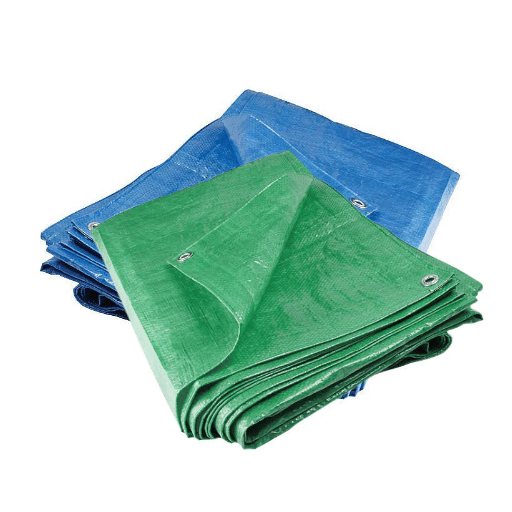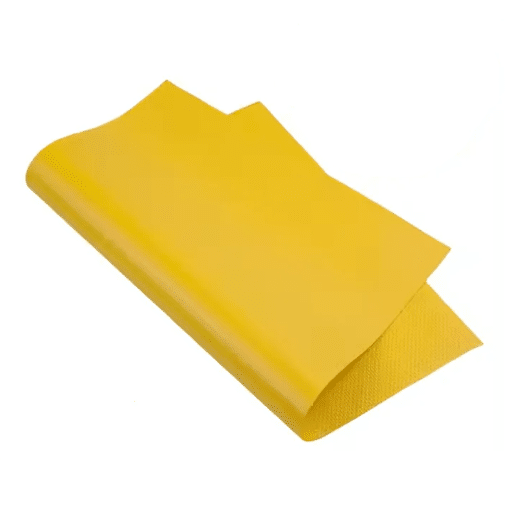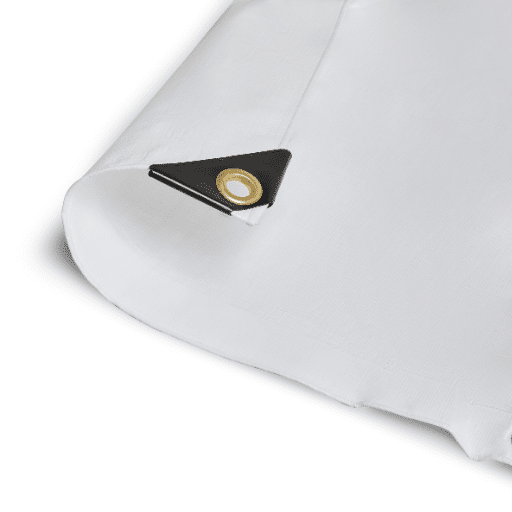
The most versatile and resilient materials in terms of Polyethylene (PE) Tapes, tarpaulin, and canvas are. It is commonly used, for instance, when one is looking to protect outdoor equipment, cover from the sun for construction site workers, or even building farm sheds, etc. These tarps are meticulously engineered to suit those very purposes, as a result of which, these tarpaulins provide excellent performance in any weather condition. In this post, one will learn about specific characteristics, the production, and different fields of application of PE Tapes tarpaulin, highlighting the key features that make this fabric one of the best when it comes to the use of tarpaulins. When you complete this post, you will understand what benefits this material offers to users and professionals as well as how it should be used and selected.
Introduction to PE Tarpaulin

Polyethylene (PE) canvas is a strong, durable textile that has been specially designed for many applications thanks to the hard-wearing, waterproof and less costly properties it possesses. This type of canvas is manufactured using high-density, interwoven polyethylene plastic (HDPE), which is also stitched while it is simultaneously bonded or laminated with a thin sheet of low-density polyethylene (LDPE) on each side. Some of its most outstanding characteristics include being lightweight, capable of preventing ultraviolet rays penetration and withstanding extreme weather conditions such as excessive hot, cold and wet conditions.
Although PE tarpaulins have some inherent limitations relating to their utility, these tarps are useful for various purposes, such as covering equipment, protecting items during transit, and even for use in quick buildings, particularly during construction or disaster relief operations. As a result, they easily qualify as a construction material for professionals and consumers as they do not compromise the quality and are quite adaptive.
What is PE Tarpaulin?
An introduction to PE tarpaulin that is made up of high density polyethylene (HDPE) and woven into a strong and durable fibre. That woven material is then coated with layers of low density polyethylene (LDPE)to provide weather proofing, UV protection, and additional strength. An optimal range of suppleness, toughness, and service life is anticipated for this material based on evaluations made for it for use in harsh climatic conditions for a long time. With the use of polymers, the aforementioned properties, especially tearing, anti-aging, and fire resistance, are improved, allowing PE tarpaulin to be widely used in such sectors as horticulture, commerce, and disaster management, further increasing its usefulness.
Key Features of PE Tarpaulin
1. High Tensile Strength
PE polyethylene tents are made to handle strong mechanical stress where tensile strength, grade and manufacturing process dictate a range of 150 and 250 kg/cm². This greatly saves them the trouble of handling repair duties after using it under too much weight or for too long.
2. Waterproof Capabilities
Marked by a number of notable advantages, this material includes a water-resistant treatment that allows it to be used normally even in case of heavy rain or high humidity. This is particularly useful in the application of keeping and storing materials or items outdoors.
3. UV Resistance
Advanced UV-stabilizer additives are added to the plastic material in which case there is full protection against the scorching sun. For example, depending on specifications, a PE roof sheet may not fade for 1,000 – 2,000 hours of UV exposure.
4. Lightweight and Portable
The PE tarp cover, given how strong it is, is quite light, as the basic weight varies from 50 to 500 grams per square meter. This simplicity in type enables one to handle, transport or position the tarp effortlessly.
5. Chemical Resistance
The material has decent chemical resistance and is not affected by most substances which include but are not limited to: bases and acids as well as hydrocarbons. This makes it possible to use the material in the chemical industry without worrying about impairment to the material because of such applications.
6. Temperature Tolerance
It is possible to work with PE tarpaulin outdoors at temperatures ranging from -20°C to 80°C chill temperature (-4°F to 176°F), as well as retaining the flexibility and other essential properties of the material under extreme conditions.
Common Applications of PE Tarpaulin
1. Agricultural Usage
PE tarpaulin is used in many aspects, such as crop covers, shade relief, and overnight storage tents in the agricultural divisions. The resistance of the material is made durable and protects it from damage by the sun, the crops, and other valuable materials. Recent studies show that the use of PE tarp in crop storage reduced the damage by 30% in the equivalent number of extreme weather conditions.
2. Construction Industry
In the building industry, PE tarpaulin is used as scaffolding covers, defenses from extreme climate conditions, used in conjunction with nets to keep off any dust. While not easy to tear and withstand bad weather, the material is still considered poor for use in a construction site. In the other case, effective use of PE tarp shop was able to reduce material wastage at the sites by as much as 40%.
3. Transport and Logistics
PE tarpaulins are used extensively as cargo coverage and protection when the goods are being shipped. The lightweight covers that are also water-resistant enable the products to be exposed to either moisture or dust. Risk Management studies prove that the users of PE tarpaulins effectively protect their loads for very long traces, up to a 25% decrease of the damage rates, as compared with the standard conveyance equipment.
4. Emergency and Relief Operations
Being easily transportable, water-repellent, and quick to erect, PE tarpaulins are very useful for disaster situations. They are used for establishing emergency housing and protecting food items. Agencies such as the UNHCR are among the main users of PE tarps when carrying out rescue operations following natural calamities as they have been proven to cut down the time it takes to put up shelters in a relief operation by roughly 50%.
5. Storage and Warehousing
PE tarpaulin is utilized for wrapping or encasing demurrage inside the stores or in storage areas in the open. It brings about effective conservation of the enclosed goods which would have otherwise been damaged by rain, dust, or light. Warehouse managers’ accounts indicate that the lifespan of the goods is going to be increased by 20% if they are properly secured using heavy duty PE rubber sheets.
6. Recreational Use
PE tarps can also be utilized as awnings for outdoor events, ground sheets for camping, and protection covers for sports fields. Its conventional features, including the use of lightweight materials, outdoor corrosion resistance and longer product life, make it an easy option for both temporary and semi-permanent applications.
Understanding PE Tarpaulin Properties

PE tarpaulins, produced out of polyethylene, feature various characteristics that make them suitable for applications in many different spheres. The following are some of these qualities:
- Waterproofing – It is important to remember that polyethylene canvases do not need to be treated in most cases for waterproofing. The lightness of these items makes them the option for all kinds of external structures because they will properly evaluate the need for waterproofing.
- Durability – Woven polyethylene fabric is made of very strong material that resists wear and tear and doesnt tear easily, this is one of the qualities that make a tarp even more long lasting even in rough applications such as landscaping or construction.
- UV Resistance – Many PE tarpaulins in the market are treated with UV inhibitors to keep them brand-new appearance. UV inhibitors are chemical components silane-based that protect against degradation of UV radiation, and help to perform best in different conditions.
- Lightweight Construction – With all the strength of PE tarpaulins, they are not heavy and this facilitates transportation, storage and use.
- Versatility – It is the adaptation of PE tarpaulins to various industries such as storage, transport, and entertainment that will best underscore the efficiency and the suitability of the PE plastic sheeting.
In protective applications, these characteristics are adequately met with PE tarpaulins in solutions used as they provide a robust barrier for cost-efficient products.
Thickness and Its Impact on Performance
It has been recognized that when the weight of polyethylene tarpaulins is increased, including those manufactured from PE varieties, this becomes an important factor in determining their capabilities in performing under different conditions. Tarpaulins with a high gauge have a higher tensile strength value and they are less likely to be damaged in the eventuality of an impact. This also means that such tarpaulins can be used in adverse conditions, such as those of very high temperatures and direct radiation from the sun. For example, tarpaulins with a gauge of not less than 10mil usually prevent worsening, punctures, or overexposure of the material at UV levels that are higher than common, given that such exists in the overall distribution association when compared to those that have lower ratios.
That being said, a thinner tarp may as well have functions that might exacerbate the situation due to their tendencies, such as reduced detaching forces, as well as their environmentally unfriendly features. High-velocity resin-fortified materials may be extremely thin, about five to eight mils thick, and yet they are far stronger than one would imagine. This is because they are endowed with the property of elasticity without sacrificing strength. Therefore, after ascertaining the mechanical and environmental factors that are at play, the tarp shall be selected from the available product range to optimize performance and cost profiles.
UV Protection: Why It Matters
The sun protection of PE tarpaulins is a very important characteristic, contributing essentially to the life and usefulness of the material. Excessive exposure to ultraviolet rays can cause the structural properties of polyethylene to deteriorate, which is likely to distort and yellow the material, making it finally disintegrate. It is also customary to outfit premium polyethylene tarps with ultraviolet stabilizers which can block or reflect the harmful UV rays. This action provides the protection, thereby enabling it to rot and wither even upon being exposed to sunlight.
UV resistance in areas such as construction, agriculture and outdoor storage, where tarpaulins are exposed to extensive UV radiation, is of particular concern. For example, tarpaulins enhanced with UV radiation can be used in agricultural activities to protect crops, machines, and the land from heavy rains, and can also be used to reduce overheating of premises. It is acknowledged that, within the same period and under the same exposure, UV-treated polyethylene tarps perform much better and can last up to 3 to 5 years compared to their untreated forms, which do not even last for a year and possibly less. The choice of tarpaulin is dependent on the given specific tasks and the need to make it fit to the area and the intensity of exposure to the sun.
Weave Patterns and Their Benefits
Woven tarpaulins are produced using fibres that are woven in a plain pattern as over and under. In this manner, they possess good tensile properties – strength due to which fiber structure is balanced across the fabric. This type of woven tarpaulins is widely used in such applications as agriculture as a covering for masses, in construction for the procurement of material and also in industries as a covering material for goods and storage of certain goods. The very simply designed weave structure also enables easy production and layering, thus making protective tarpaulins affordable to many customers.
It is commonly known that the ripstop weaves use added fibers that are thicker and have more strength as compared to the basic fabric at zero angle positions. This means that in case of a hole in the material, the force lines will tend to fail through the rip, limiting the offenses made by the hole. Ripstop fabrics, such as ripstop tarpaulins, are useful in conditions of high load or when pointed corners or heavy abrasion exist, like, for instance, when using cover sheets for cargo hauling or building military shelters.
Both weaving strategies can be modified to improve water resistance and give protection against ultraviolet rays, improving longevity of the polyethylene sheets in various meteorological conditions. Choosing the appropriate weave pattern for a particular application requires due consideration to the stress levels, nuisances from the elements of the environment and durability of the weave ensuring efficiency of costs and performance.
Benefits of Using PE Tarpaulin Canvas

1. Durability
The polyethylene tarpaulin’s high resistance to perforation, UV rays, and strains of the environment guarantees the length of service, separating it from another related materials.
2. Waterproof Properties
The tautness of the material renders it waterproof whereby there is no chance of water sucking into the surface, hence it is mostly used to cover products; electrical appliances and areas that could get wet due to rain.
3. Lightweight and Portable
The pace established at is good that even after incorporating these features the material has not added any more weight and can thus be carried and kept with ease making the process of both installation and keeping easy.
4. Cost-Effective Solution
As a protective cover, PE tarps are economically priced and are more cost effective when compared to other materials designed for protective covers with the same protective functions included in their manufacturing process.
5. Versatility
More so there are very important and can be used in several fields such as construction, agriculture, transport or in case of active use in the vast terrain for entertainment purposes because of the construction and standards, possibilities.
Durability and Weather Resistance
The PE tarpaulin canvas has been developed in order to protect against a wide variety of environments. This canvas is formed from a fabric that is modified solely using high-density polyethylene fibers, resulting in its textured surface that details its strength. It is difficult for these tarps to get ruined, and this is because their tensile strength is very high. They resist tearing, puncturing, and scratching even when bearing load. Additionally, the materials produced with such coatings can, in brief, be said to have anti-sun effects since these coatings retard damage resulting from ultraviolet rays and hence do not break down.
To add, besides that, PE coverings have a single layer of lamination that provides a superior level of waterproofness, making it a tool ideally suited for use during heavy rains, rainforests, or any high-humidity related areas. This shall also be attainable with quality cargo goods with respect to usual variables when the packing materials can only be kept in a dry condition. The PE tarpaulins can also handle significant changes in temperature, being pliable at subzero temperatures and being able to hold shape at high temperatures. Given these numerous advantages combined, PE tarpaulin tenting is a very durable and practical solution for extensive outdoor use catering to different applications.
Lightweight and Easy to Handle
The PE tarpaulin canvas is intended to be easily transportable owing to its negligible weight; it is quite beneficial in applications which necessitate repetitive installation and elimination of the covers, e.g., industries like construction, agriculture, and transport. The present techniques of production has led to a better weight attribute of the material where it’s possible to combine strength with less mass. For instance, the average weight of PE tarpaulins, which are commonly used, is in the range of 100 to 200 GSM (grams per square meter), theory effective balance between the durability and ease of application. Also, being lightweight, it does not require heavy lifting and does not increase work and thus the costs at the time of installation, making it practically applicable even in very large-scale executions. All these makes it a proper selection for multiple economic and professional activities.
Cost-Effectiveness Compared to Other Materials
Traditionally, with other plastics, PE tarpaulins, in comparison, offer significant cost benefits with the same reliable quality of efficiency. For example, canvas tarpaulins are good for their strength, though this has caused many to be heavier and more costly on the market, meaning even greater expenses on transport and loading. It is the same long-lasting and complete sealing qualities of vinyl tarps that make them quite expensive since the cost of the materials and the processes used in the manufacture is also high. On the other hand, PE tarpaulins present a value-driven proposition on account of inexpensive manufacturing and abundant raw materials.
Furthermore, polyethylene tarps are very durable and even last longer, especially in environments where UV protection and water resistance are indispensable, thereby prolonging replacement period and reducing costs in the long run. PE tarps compared to other more rigid materials such as profiled steel sheeting and composite panels, which require intricate design and installation work are the best in terms of shrinkage for use, simplicity in application, and reduction in labor costs in the construction and agricultural sectors amongst others. The reason for the popularization of this product across both industries is the provision of cost-effective, qualitative, available, and effective goods.
Comparative Analysis of Tarpaulin Materials

Consider these three elements when analyzing tarpaulin materials:
1. Durability
No matter what the other characteristics are, it can be seen that PE tarpaulins are more ductile and longer-lasting and harmful external factors like UV rays and mildew should be taken into account while they are used out in the open for an extended period.
2. Weight and Portability
Due to their lighter weight, and ease of handling, PE tarpaulins are much easier and more convenient to store and install. At the same time, heavier and more robust PVC tarpaulins may be impractical if they need to be moved or reinstalled frequently.
3. Cost-Effectiveness
Compared to alternatives like PVC or canvas materials, the use of PE tarpaulin covers presents the most cost-effective option that also guarantees a desirable longevity, thus enabling it for use in a variety of projects.
This makes PE tarps a well-rounded option; particularly when it comes to situations where performance must be guaranteed but at a lower price point. All the same, the material to be used will be determined by the specific project requirements such as environmental conditions and the expected life cycle.
PE Tarpaulin vs Vinyl Tarps
| Parameter | PE Tarpaulin | Vinyl Tarps |
|---|---|---|
| Material Composition | Polyethylene (plastic-based) | Polyvinyl Chloride (PVC-based) |
| Weight | Lightweight | Heavier |
| Durability | Moderate | High durability |
| Water Resistance | Highly water-resistant | Completely waterproof |
| UV Resistance | Limited UV protection | Strong UV resistance |
| Cost | More affordable | More expensive |
| Environmental Impact | Less eco-friendly | Potentially more sustainable |
| Tear Resistance | Lower resistance | High tear resistance |
| Flexibility at Low Temps | Easily becomes brittle | Remains flexible |
| Common Applications | Temporary covers, light-duty tasks | Industrial use, heavy-duty tasks |
PE Tarpaulin vs Standard Canvas
| Key Points | PE Tarpaulin | Standard Canvas |
|---|---|---|
| Durability | High for outdoor conditions | Moderate, depends on weather |
| Weight | Lightweight and easy to handle | Heavier and bulkier |
| Water Resistance | Highly water-resistant | Completely waterproof |
| UV Resistance | Limited UV protection | Strong UV resistance |
| Cost | More affordable | More expensive |
| Environmental Impact | Less eco-friendly | Potentially more sustainable |
| Tear Resistance | Lower resistance | High tear resistance |
| Flexibility at Low Temps | Brittle under cold conditions | Retains flexibility |
| Fire Resistance | Limited fire retardant properties | High-quality variants may resist |
| Common Applications | Temporary uses, covers, shelters | Industrial, heavy-duty work |
| Lifespan | Short to medium | Long-term durability |
Choosing Between Heavy-Duty Tarps and Standard Options
When it comes to choosing a heavy-duty tarp or a regular one, there are several factors to be considered, which are the material construction, the way a tarp is to be used, and to what extent, and the environmental conditions. Heavy-duty tarps are usually constructed with reinforced polyethylene or vinyl material making them a perfect option for heavy loads and industrial uses leveraging on their maximum tear resistance, UV stability and strength under extreme weather conditions. These types of tarps are most effective in any case where longevity is needed especially in covering machines, tying loads in construction sites or even storing goods in places that are wet due to the rain.
On the other hand, standard tarps are more often than not made of a more delicate sheet of polyethylene, which may or may not be reinforced. These are not very bulky tarpaulins and are cheap hence it is easy for them to be used when protecting oneself for a short period, covering goods during transportation or by simply protecting the site from dust or materials that are unwanted. It is, however, known that these kinds have negligible tensile strength and can get worn out readily on account of adverse weather or tough conditions.
There are also other factors which ought to weigh in, such as fire resistance, chemical attack, and cost effectiveness, since all these would guide on whether the chosen tarp satisfies one’s operational requirements or not. The longer the use, the more task-specific operations or environments have to be handled, the longer the heavy-duty tarpaulins serve, for instance, through their higher cost-to-quality ratio. On the other hand, for average or less significant tasks, basic tarps may work well and offer an inexpensive solution that is distinct in price and meets its purpose.
Choosing the Right PE Tarpaulin Canvas

When selecting to buy a PE tarpaulin canvas/ cloth, there are three main considerations:
1. Purpose of Use
Choose where the PE tarpaulin canvas will be used most, for example, used as a weather cover, ground sheet, making tent houses, etc., to a particular specific activity. Each activity has a specific range of acceptable thicknesses, motions and UV filtration.
2. Material Specifications
Key features to be observed include features such as tear strength, appearance of holes in the material, and wearing out which is often referred to as durability. Research on performance related to these must focus on high-density polyethylene (HDPE) for specific capacities, or low-density polyethylene (LDPE) for even looser requirements.
3. Environmental Conditions
Expect that the tarpaulin will have a specification for extreme conditions, exposure to constant sunlight, and moisture. Use only UV stabilizing and anti-corrosive agents if being used in the open on a regular basis.
Therefore, looking at the mentioned aspects enables one to find a PE tarpaulin that will be able to cater for operational use in an organization and is also sustainable for quite a while.
Identifying the Right Thickness for Your Needs
The overall thickness of a Polyethylene canvas in the tarpaulin is an undeniably important factor which directly impacts its longevity, heaviness and use for specific conditions. It is usually specified in mm (millimeters) or gauge, every 1 mil being equal to 0.0254 mm. For example, Lighter tarpaulins starting from 5 to 10 mil are light in weight and suitable in use for temporary purposes for instance covering machines or short-term setups. Medium-weight tarps of 10 to 20 mil thickness, however, are more heavy-duty with greater resistance to tearing and are used in applications such as industrial storage and even over construction sites.
Use of tarpaulin thicker than 20 mil is suggested for heavy purposes as they are more tear, abrasion and environmental resistant. This is more commonly used in extreme climatic conditions or for the new settlement of people, not only for the duration but for many years. Among both suitable and unsuitable types, it is necessary to take into account the selected thickness, which is as thin as possible, depending upon the projections, and also load and wear coefficients. The use of standard grade of material is beneficial for the purpose of taking the thickness of the lining as per the operation requirement, performance and life of composite lining.
Custom Tarps: Tailoring Solutions for Specific Applications
Custom tarps offer a wide variety of options for special applications and can be used in a number of different business sectors. Whether made of polyethylene, vinyl or canvas, this type of cover ticks all the boxes. It can also be run according to the customer’s needs and tolerances, followed, for example, by adherence to the guidelines for UV protection, waterproofing, flame retardation, or increased tensile strength. Moreover, in the agriculture sector, there are available tarps created to cover crops or tools against harsh weather conditions, in warehouses and distribution, heavy-duty tarps are especially pivotal when protecting cargoes during their shipping.
Considering that high-quality fabrics used in making the covers are available in the market, a lot of advancement has been made in this field, resulting in the existence of the best quality fabrics available for the market. In addition to increasing durability, these additional measures have the potential to prolong the lifecycle of the custom tarps, hence improving operational sustainability and cutting the incurred costs of having to replace them. Custom tarps ultimately fall under budgetary planning with respect to other business functions and are, therefore, not an end in themselves.
Reference Sources
- Sustainable Concrete Material Reinforced with Recycled Polypropylene Tarpaulin Fibers
Read more here - Paper Structures: Case Studies
Read more here
Frequently Asked Questions (FAQs)
What are canvas tarps best used for?
Canvas tarps are the best option to use for outdoor purposes or home renovation needs that require a breathable, heavy-duty cover. Those can be found in a wide range of sizes and colours, sometimes even equipped with eyelets and reinforced edges. This type of canvas can be more expensive since most are made from organic cotton; however, while it provides a more luxurious canvas feel, it can also be used in truck tarps and canopy covers as well. While looking for such products, monitor tarp sales for inclusion of any longer hem and edge construction.
Are heavy-duty tarps and heavy-duty canvas tarps UV-resistant?
Most heavy duty tarps, and also heavy canvas tarps have been treated to withstand sun exposure and are tear-resistant offering an undeniably prolonged use for consumers. The treated canvas tarps tend to utilize waterproof and mildew preventive exterior finishes as well as breathable surfaces. Inquire on tarp fabric finishes and tensile strength to ascertain their durability they will offer in the outside environment. If one requires protection from the sun’s UV rays, it is wise to know on product tolerance for such ultraviolet rays before shopping.
How do I choose the right heavy-duty cover for my needs?
There is no good heavy duty cover other than undercutting it in terms of measurements requirement in inches or square feet of pace occupied, and the weight and layer counts of suitable tarpaulin to be purchased. Do not forget about how the hems will be effective with grommets and edge reinforcements to facilitate installation and increase wind tolerance. The available heavy-duty tarp covers for lorry or tent usage should be a balance of strength and elasticity to ensure the user keeps the tarp up easily. Always compare presented tent offers at the discount store and guarantee periods of the vendor to gain the best balance of size and sturdiness.
How many layers should a treated canvas tarp have for heavy-duty use?
If you require heavy duty tarpaulins, the treated canvas tarps are generally made with multiple fabric layers or a heavier single-layer weave to enhance their strength and water resistance. For single-layer constructions, heavier units may still be susceptible to tearing at the hem or edge, which is prevented by applying more layers in the sewing process. In the event you wish to commercialize the tarps for sale, whereby you will cover trucks or make us Large Canopies or anything of that sort, then the layer count should be increased, or the tarpaulin weight can be made heavier.