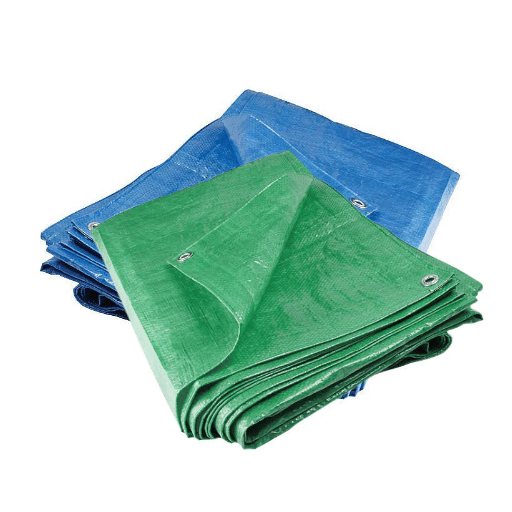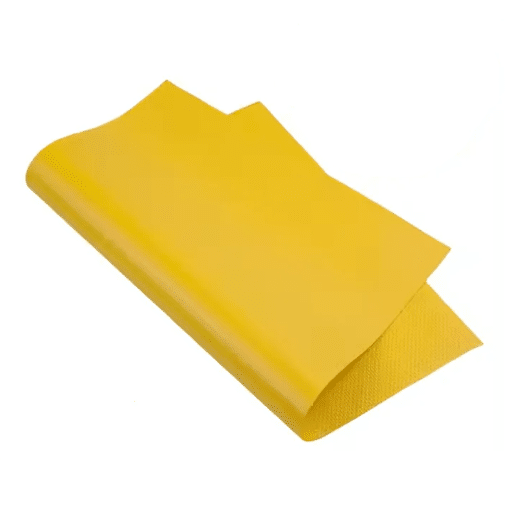
Due to their reliability, versatility and amazing waterproof capabilities, polyethylene (PE) tarpaulin rolls can be found in a variety of industries such as agriculture, construction, and transport. They are suitable for harsh weather situations and due to their flexibility as well as their reinforcing nature can be employed in emergency response as well. This post reviews the main characteristics, advantages and a number of applications of PE tarpaulin rolls, pointing them out to be the most appropriate for any commercial and private operation. In other words, when you finish reading the article, you will learn how to apply these products properly depending on the situation and how they will help to increase the efficiency.
Introduction to PE Tarpaulin Rolls

The description of polyethylene (PE) coverlets is spot-on as it suits their design and material utility. One of the most common of the many uses of polyethylene tarpaulins is safeguarding the cargo or the surface from sea and weather, even when there are other items such as stones around. Its high tensile strength, however light it is, makes it fordable by most sectors of industry, i.e., construction, agriculture, transport, and warehousing. PE tarpaulin rolls inhibit the detrimental effects of elements in the surrounding environment on the materials, thereby making them the best candidate in any field. They are characterized by high level of customization in terms of size and thickness hence they easily solve the current problem in an efficient manner.
What is PE Tarpaulin?
Polyethylene (PE) tarpaulin is a kind of textile made by woven polyethylene fabric and often backed by a polyethylene layer to make it more effective for water proofing. It is very strong and resistant to most weather. It is mostly used in protective grounds in reference to its basic capabilities. This also includes its capacity for durability and resistance with respect to bends and changes over a period of time. Ultra-light PE tarpaulins with very good light and long-term UV resistance are available.
It follows that the quality of PE tarpaulins is better due to modern molding technology, which ensures additional properties in some designs, such as fire resistance, antioxidants, and others are custom-made to match the size in an industrial or a commercial context. A great number of these tarpaulins continue to be the first choice for covering harvests in farms and farms, securing goods and handling equipment heights of buildings under construction and loads on more finances than necessary. These observation are important factors that have resulted in their wide acceptance and appreciation accentuated by capabilities that save unnecessary expenditure.
Overview of Polyethylene Tarpaulin Rolls
Tarpaulin employs the use of high-density polyethylene (HDPE) and low-density polyethylene (LDPE) in the woven fabric by bonding the two layers on both sides to increase its body strength and waterproof functionality. Various different tarp uses especially those that required UV resistance fading, such as boat covers accommodated this defect with a solution of adding UV stabilizers or anti-UV Chemicals. Combinations of tensile strength and UV protection resins are typically used in heavy duty tarps. Instead of the common woven materials used in the tarps, polyvinyls or vinyl-coated fabric have become common. Modifications have been made to the material composition of the tarp such that it contains additives or coatings that improve anti-slip tendency, durability, and resistance to molds and other microorganisms.
Polyethylene tarpaulin coil is a common form used because of its light weight and stretchability, making it easy to deploy and store. It must usually look into plastic sheeting between 80 and 300 grams per square metre (GSM) with some heavy duty options going well over that. These have many uses, including construction, damp proofing, casing over farm crops that are liable to spoiling because of weather, short shelters in times of major disasters, and the reservoirs as well. Indoor pools are greatly improved with them. With the increasing demand for polyethylene tarps in the market, any industrial, commercial, and domestic space cannot operate without them.
Importance of Waterproof Features
The ability of polyethylene tarpaulins to be waterproof, is a significant aspect commonly of those used in conditions with the presence of water as the major concern. In other words polyethylene tarpaulins are beneficial as they protect against intrusion of water which could damage delicate objects, equipment or environments especially from rain wetness or floods. For example in construction works waterproofing tarpaulins are extensively used. In many cases, they help to protect the unfinished structure or materials from various factors such as rain, ensuring that the service apparatus remains intact and of high standard within drawing limits.
Once again, in agricultural contexts too, outdoor membranes assist in the storage and transport of crops by reducing the chances of spoilage from fungus and other factors, depending on the moisture levels. More efficient equipment is produced with current technology which not only provides heat sealed seams and multilayered coatings to increase their service life and efficiency in different climatic conditions. In other words, these enhancements increase the life expectancy of the tarp and in the process lower the costs of procuring new tarps in the long run although this might only be the case of many industries.
Uses of PE Tarpaulin Rolls

For plenty of reasons, PE tarpaulin rolls stand as one of the preferred choices for many customers in the market. The abilities to meet the diverse needs of different customers and to last for a long period of time are some of the common reasons. These tarpaulins are often used to wrap up certain goods while transporting or while storing so that they do not get spoilage.
They are also used to protect crops and farm equipments when they are open for example in an agricultural setting. The tarpaulins also act as temporary roofing or shelter in case of construction or disaster relief settings. In addition to this use, the tarpaulins are increasingly covering furniture in outdoor frames and ponds. Their material properties also enable them to serve multiple purposes in most industries since they are both durable and cheap.
Common Applications in Outdoor Protection
The term “tarpaulin” is typically shortened to the informal term “tarp”, and it is employed in a large number of scenarios for the purpose of exterior shielding which is dependable. To endure harsh elements, tarps nowadays are made of advance materials such as polyethylene which serves the purpose of increasing UV resistance, water repellency and even tensile strength if it was previously impaired. Such is the case with construction, when a project is being executed, it becomes necessary to employ tarps to cover up machinery, ongoing work, or building materials so that they do not get wet/damaged by rain or intense sunlight. Conversely, in agriculture, heavy tarps are used to cover silage as well as already harvested crops to mark the extent that they are vulnerable on the farm.
In outdoor recreational environments, tarpaulins often play a very important function. Many lovers of outdoor camping rely on light but tough tarpaulins as ground covers, overhead rain protectors, as well as simply convenient shelters. Tarpaulins are also used in regions that are disaster-prone, where they assist families in quickly covering their roofs with some tarpaulins in order to prevent further environmental or weather destruction. Tarps Again, the question of durability is of interest in the context of tarps. They can last, for example, 2-5 years, depending on the design and maintenance treatment.
Industrial Uses of Tarpaulin Rolls
There are many work environments where tarpaulin rolls are essential for other than their durability, expendability, and cost effectiveness. In civil engineering, for example, they are useful in enclosing scaffolds to protect sites from the elements, protect workers and the apparatus. In addition, in transporting, tarpaulins are widely used for covering goods, so that the goods will not shift during transportation or be affected by wind, rain or UV.
Well, agriculture can also benefit a lot with the application of tarpaulin rolls. This is whether they use these materials for covering vast reserved silage, creating temporary mini-spaces or lining up irrigation ditches. In other words, the recent advances in manufacturing PVC-coated and polyethylene tarpaulins have seen new tarpaulin materials that have some of the best characteristics. These characteristics are their ability to act against high loads and stress such as their puncture and tear off resistances among others which have made ponds impoundment and waste containment possible. Additionally, tarpaulin covers are very useful for rapid setup of shelters in emergency relief.
Residential Applications and DIY Projects
In private homes, you cannot do without tarpaulin rolls since they provide suitable solutions for different purposes that concern the house, mainly when they are working. Usually the object in charge of safeguarding things outside, like outdoor furniture, vehicles, and also firewood from wet is a tarpaulin cover. Moreover, its waterproof nature is an asset when it comes to makeshift ceiling repair works and efforts to contain leaking water within the premises.
Garden lovers appreciate tarpaulins for ways like blocking weeds and frost protection of plants whereas property owners use them equally well for quick collection of junk from within a compound and landscape or construction-related works. More so, horizontal arrangements of tarpaulin rolls help in house crafting activities such as base for floor paintings, carpeting of structures when remodeling houses and even levies for camps at scenic outdoor sites. Still more, the flexibility, wear and tear durability and relative cheapness of tarpaulins makes them a household reasoning to many challenges.
Benefits of PE Tarpaulin Rolls

- Durability and Weather Resistance
PE tarpaulin rolls are usually made to resist most of the damaging factors, including wear and tear, such quality makes them appropriate for outdoor and indoor activities. Such tarpaulins are not affected by rain, wind, and exposure to UV, making them to work effectively. - Waterproof Properties
Another advantage of the PE tarpaulins is the ability to resist water and thus offer protection against dampness and moisture damage. - Lightweight and Portable
The plastic woven rolls are cheap and flexible machines yet hard wearing, which makes them simple to lift and handle, even prior to use on many sites large or small. - Cost-Effective Solution
PE tarpaulin rolls are cost-effective and profitable in the long-run because of their strength, low cost and high adaptability. They are especially favored for their cost performance benefits and can be discerned as decent options for any application, be it residential or office-related. - Versatility
These tarpaulins have a wide range of uses, such as for art at the farm, as labour housing, at the building site as a protective security measure, and as a base mat tent, promoting their versatility in all sectors.
Durability and Lifespan of Polyethylene Tarpaulin
The impeccable longevity and robustness of a polyethylene film are the two most significant factors to appreciate about it. It consists of HDPE fibrils which are closely related to LDPE fibred to fill and the sides resistant to wear and tear. Depending on the shape of the material, ongoing research has shown that these mats have a life span of either three or five years on average or up to ten years for high-quality tarps that use UV-inhibiting agents and that have been properly cared for, for instance, cleaned regularly. These materials can be used outdoors for a long time because they do not deteriorate upon exposure to ultraviolet radiation, water, or chemicals. In addition, polymers have evolved significantly in their material application as the tensile strength and flexibility of these materials have also greatly improved, hence they can be used for various temperatures and loads and still perform adequately.
UV Protection and Weather Resistance
Advanced materials technology has developed materials that can withstand even the toughest weather conditions, thanks to properties that make them more resistant than previous materials, despite being relatively new. After extensive testing, it was found that barriers of UV stabilized polymers should be used to preclude the detrimental effect of photo damage. Primarily, they work by absorbing and energy dissipating UV rays before they cause any destruction. Furthermore, many of these materials use components called antioxidants that will prevent damage resulting from redox reactions activated by light and heat.
In preventing the damage to the polymer materials due to environmental influences, anti-weathering technologies, such as water repellent coatings or chemical modifications, are hence disinclined towards the moisture, raindrops and fluctuations in temperature. The experiments in the laboratories have shown that curses addressed to polymer-treated surfaces lose only 5% of its tensile Strength after 1000 hours of very intensive UV treatment of the samples using a chamber called Accelerated Weathering Chamber. Also it is reported that long term performance of some outdoor materials can be increased by 30% in automotive as well as construction Industries by using UV inhibitors in select resins. This progression finds its basis at popularizing the inclusion of materials ecology into materials engineering
Cost-Effectiveness and Price Comparison
The assessment of cost-effectiveness when it comes to outdoor materials is a combination of the costs that they incur at the beginning and the ability to last for a certain period. For example, products with UV inhibitors may have more money invested in them at the beginning, other than the normal materials. But, thanks to the time quarry, the general quality, and the price of its maintenance, the payback period is relatively shorter. Data shows that the latest technologies, such as UV protection, reduce the maintenance of surfaces even in the worst conditions by nearly 40%.
In addition, when considering the prices of different materials, it is found that the cost of high-grade resins is usually hiked by an order of 25-30% than their standard grades. This is justified however the additional cost would not hinder them from recognition due to the fact that they help manufacturers meet environmental requirements for prolonged outdoor service. Under such conditions, deemed the need for materials with enhanced durability over cost as unfounded and recommended them for sectors that seek efficiency without compromise with robustness part.
Manufacturing Process of PE Tarpaulin Rolls

Production of tarpaulin rolls made from polyethylene is a very crucial process as it is the only way to have one that serves its purpose for long. The rolls are made using polyethylene resins or, more specifically, high-end resins, which are converted into plastic film by melting and squeezing. These films are then multiplied and approximated to an extensive degree to significantly threaten the shape of the films and thus put the films into order sheets that do not come apart easily. These sheets are then reinforced by laminating with additional layers so that they would have extra thickness and water proof ability.
Some reinforcement added at this stage may include say weaving polyethylene fibers in the sheets for an added new useful property such as enhanced stability. The last bit of the process is to apply a flame to the edges of the tarp, to treat the surfaces of the polyethylene layers, including the rather advanced step of ultra-violet protection, which is used to protect the finished product from sunlight, dust, and humidity. Checkpoints are set up at different stages of production to assure that the final product meets the relevant strength and durability parameters.
Materials Used in Production
| Material | Description |
|---|---|
| Polyethylene Resin | Primary raw material for tarp production. |
| Coloring Pigments | Adds desired color to the tarpaulin rolls. |
| UV Stabilizers | Protects against degradation from sunlight exposure. |
| Antioxidants | Enhances durability and prevents material oxidation. |
| Flame Retardants | Improves safety by reducing flammability. |
| Laminating Film | Provides additional strength and water resistance. |
| Reinforcing Fabrics | Woven polyethylene fibers for structural support. |
| Adhesive Compounds | Binds laminations and layers securely. |
| Anti-static Additives | Minimizes static buildup during handling or use. |
| Printing Ink | Used for logos, branding, and product labeling. |
Weaving Techniques and Fabric Types
| Technique/Fabric Type | Key Points/Parameters |
|---|---|
| Plain Weave | Simplest, over-under pattern, durable. |
| Twill Weave | Diagonal patterns, flexible, good drape. |
| Satin Weave | Smooth surface, lustrous, low durability. |
| Jacquard Weave | Complex patterns using special looms. |
| Basket Weave | Similar to plain, uses double threads. |
| Leno Weave | Twist warp yarns, sheer and stable. |
| Knit Fabric | Highly elastic, looped yarn construction. |
| Non-Woven Fabric | Bonded fibers without weaving or knitting. |
| Mesh Fabric | Open texture, lightweight, and breathable. |
| Canvas | Heavy-duty plain weave, strong and durable. |
Quality Control and Testing Standards
Quality inspection in the garment industry is a methodological and comprehensive approach to ensuring that products correspond to certain standards and specifications concerning their functionality, their service life, and their aesthetics. This type of inspection includes specific procedures for determining the strength of the textile material, its resistance to impact, its dye’s permanency to washing, material shrinkage, and whether there is passage of air through the garment. Standards of inspection include the American Society for Testing and Materials (ASTM) and the International Organization for Standardization (ISO).
For instance, ASTM D5034 gives the rules regarding the tensile test, which is the test for the breaking of the fabric or the tensile fabric failure test along a direction. Tensile strength test is carried out on a rectangular fabric sample by clamping the ends of the latter with considerable care. On the other hand, the International Standard for fabrics ISO 105-C06 is used to determine the protection of fabric color to willful washing and the resistance of the dye to the laundering system. These methods are structured to eliminate any variations in test results obtained on the same material by different investigators as well as for manufacturers from different regions providing the same level of quality to all consumers.
How to Choose the Right PE Tarpaulin Roll

- Material Durability: The material chosen should be durable, and this can be achieved if Polyethylene is used this being a superior quality material for the tarpaulin. In addition, the use faster the layer processes could also help it withstand wear and tear for longer days.
- Thickness and GSM: On the basis of the specific use for which the tarpaulin will be intended, search for an appropriate thickness or GSM provided of course, its weighted in GSM (grams per square meter) of the material. Higher GSM values generally improve the strength of the materials.
- UV Resistance: In case the tarpaulin is to be used outdoors, select one which is covered with a UV protection coat to prevent any damage and as a result an extended period of use.
- Waterproofing Properties: Some of the quality waterproofing materials are most effective in rain protection, and help maintain the new look of the tarpaulin.
- Size and Weight: Select a reel that is proportionate to your time equipments size and is easy to roll or transfer when necessary.
- Application Needs: When applying, consider if there are other extra aspects like secure ties, if or when you need a particular use case, reinforcements on steep scissors, and grommets on metal tops.
Factors to Consider: GSM and Thickness
GSM and thickness are very important when evaluating tarpaulin materials and you need to know what they are. Gsm is the weight of the material per square meter of its area and the higher this value the denser and stronger the accompanying fabric. For instance, lightweight tarpaulins are boxed between 80-120 GSM and are more useful for short-term solutions or those that are used indoors.
On the other hand, hard-duty tarps, which are sometimes above 200 GSM, are even more resilient to environmental factors, particularly in places of high winds and heavy rains. The thickness of the tarps is also in play here, whereby the thicker the tarp, the higher the tear resistance and consequently longer-lasting. In the selection of the GSM and thickness for the tarp, one should always be guided by the purpose of the cover, be it covering equipment, making shelter, or even making enclosures, so as to achieve the best results both with performance of the tarp and its strength.
Understanding Edge Reinforcement and Eyelets
Clearly, in the construction of tarpaulins, an edge and eyelet system is a major concern. Edge-reinforcement where edges are strengthened for example by heat-sealing or double-stitching should develop further strength for fraying and tearing when a continuous load or harsh weather condition is applied. Such reinforcement is essential for the above reasons especially in heavy tarpaulins designed for commercial or farming sectors as customers require them to last longer.
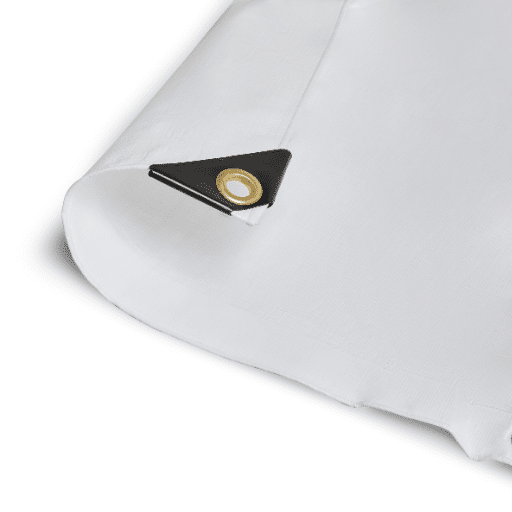
On the other hand, eyelets are usually metallic, for example, made of brass or stainless steel, and are attached to the reinforcements for illustrated reasons. These are used so that the canvas is able to be fixed without spoiling it easily by providing specific points of attachment. Equally important is the position of the eyelets– the closer the eyelets are, the less stress is carried by an individual attachment point, which is beneficial by elongating the period such a tarp can be used.
Modern developments have incorporated the use of high-frequency welding apart from the traditional methods of enhancing the edges of the tarpaulin further while the use of lasers in the placement of eyelets ensures more accuracy in work. Such improvements are also meant to make certain that the tarpaulin does not break down under heavy weight, naturally occurring situations or extreme temperature conditions, thus enhancing its durability and this feature can be used for varied purposes.
Reference Sources
- Analysis of Quality Control of PE Plastic Tarpaulin Products with the Fault Tree Analysis (FTA) Method at PT XYZ
Read more here - Use of Black Polyethylene Tarps to Advance Reduced Tillage System for Organic Beets
Read more here
Frequently Asked Questions (FAQs)
What is a pe tarpaulin roll, and how does it protect?
PE tarp rolls are polyethylene tarpaulin materials packed in roll form and are appropriate for stowing and cutting tarp manually if needed, it’s strong and okay for temporary use outdoors. This poly tarp is built and used to shield its content from being rained on and other elements such as ultraviolet and dust it is painted or trimmed in some cases hence enhancing its water impermeability. China based manufacturers and suppliers have different grades of PE tarp PV with or without printing with narrow and large meshes for your selection as per the application. These tarps are light in weight and very foldable and can be used as truck covers, furniture covers or generally as tarp surfaces.
How do tarpaulin sheets and fabric tarpaulins differ in material and use?
Polyethylene sheets can be applied on the ground and buried for specific purposes such as separation, soil stabilization, reinforcement and erosion control. Some grades have resistance to harsh weather conditions, especially those of industrial grade that are meant for outdoor ambient conditions. Additionally, certain types of polyethylene tarps, such as PVC tarpaulins, are also designed to provide protection against heavy precipitation or intense solar qualities etc. Tarps are one of the most basic indoor and outdoor covers that provide complete coverage. Polyethylene tarpaulin is lightweight, easy to handle and store and ideal for protection of medium and small items.
How waterproof is plastic tarpaulin, and what protects it from sun damage?
A strong plastic tarp designed for such uses may be made from either PE or polyethylene, and is supposed to effectively keep the things in it secure from moisture and dampness, with the help of some protective coatings and film for waterproofing. These days, we can easily add a tarp and include UV protection, or uv-treat the fabric itself, in order to inhibit its rapid aging thanks to the sun, etc.). While pondering on purchasing a waterproof tarp, it is imperative to choose that reinforced moist tarp with reinforced corners and sides for bettering grip and ensure that it has a higher gsm to withstand the heat and wind. This is because outdoor waterproof plastic tarps that are cheap will only serve their purpose depending on how they are looked after.
What sizes, widths, and weave options are available for tarpaulin rolls?
Tarp canvases are divided into different widths and lengths of canvas and are available in various lengths and widths, from small canvases to very long canvases suitable for the purpose of covering large items; mechanical resistance, drapery and coherence are listed in the of sizes section of the product descriptions. One can find such tarp with any type of weaving and even low grey material in application, you can choose a higher quality of materials concerning these characteristics. Also, it is possible to order a dead tarp or a number of straps for building purposes directly from the manufacturer in the required size or shape.