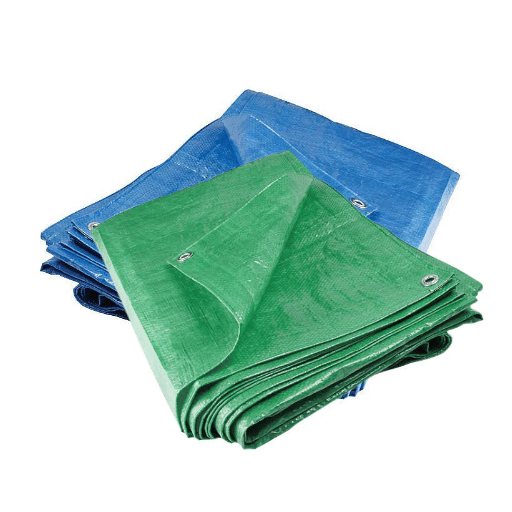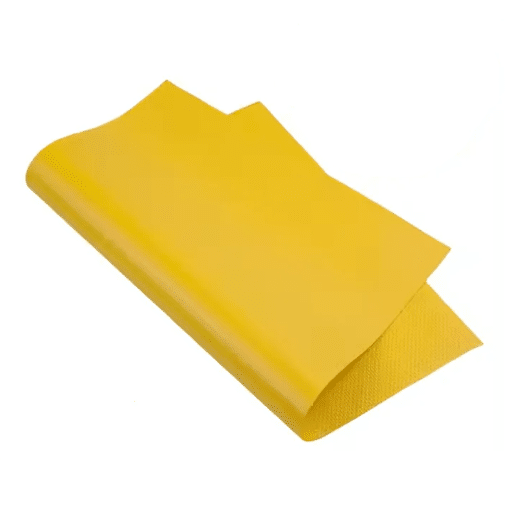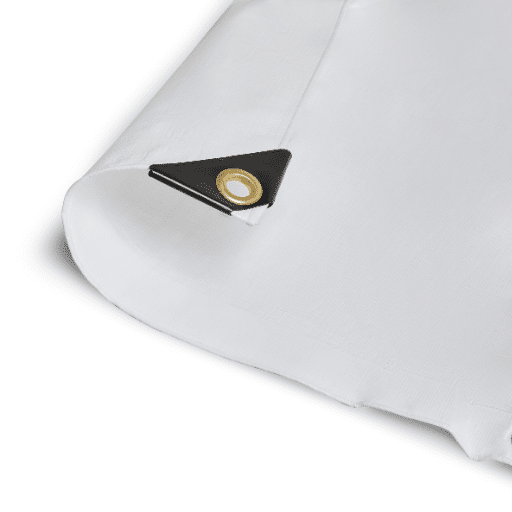
Polyethylene (PE) tarps are now a must-have for numerous industries because they are versatile and dependable. Whether you are building a shield for materials to withstand weather factors or erecting a shelter in agriculture or in other sectors, these tarps are created to take care of all needs very easily. In this article, we will go in depth into the material utilization; investigate what features of polyethylene justify its adequacy in terms of destruction and weather peculiarities. We will also consider the PE tarp property of durability in the face of extreme conditions and identify the most prevalent uses of these tarps, thereby allowing us to select the most appropriate tarp for our purpose. In other words, you will see why polyethylene tarps have come into use when you are through with this article.
Introduction to PE Tarps

PE tarpaulins are fabricated coverings made from weaving polyethylene threads and further laminating with materials that increase the strength and also water repellent. PE tarpaulins usually do not tear easily as they are designed to withstand exposure to the ultraviolet rays and heavy storms, allowing them to serve their purpose very well either in the open sun or in the factory setups. PE tarps tend to have a number of uses such as safeguarding building materials, packaging goods ensuring transportation security and offer makeshift accommodation in situations of emergency due to the fact they are relatively strong and at the same time light. Appealing in terms of performance and being relatively affordable and practical therefore serves the needs of the clients for a number of purposes are PE tarps.
What are PE Tarps?
It is important to understand just how many uses “Polyethylene Tarp” or PE Tarp affords in one. These are woven and coated polyethylene materials. Made of just woven and coated polyethylene, polyethylene tarpaulins come in a variety of qualities but they are mainly used to cover things or to set up tents. These sheets are made to resist oxidation, exposure to the sun and wind, and water. They consist of a woven high-density polyethylene (HDPE) inner layer, which offers mechanical strength, and low-density polyethylene (LDPE) coatings that provide additional protection from water penetration or mechanical damage.
When talking about PE tarps, we should consider thicker or thin the kinds of Polyethylene tarpaulin by the ‘mils’ measurement. The thicker tarpaulins offer more reliability in tough applications. Normally, these tarps are treated to be resistant against UV rays, and this allows for constant usage in the open. Also, this material has reinforced edges owing to a heat-sealed hem and metallic hole reinforcements to fix the item without difficulties. They are also designed in such small weight that they are easy to deal with while installing them, in addition to being resistant to chemicals as well as rot to add to their durability.
Key Characteristics of Polyethylene Tarps
- Material Composition:
These tarps are fabricated from high-density polyethylene (HDPE) fibers and made into a sturdy textile that is then further coated with low-density polyethylene (LDPE) to provide an additional degree of water resistance and strength. This is why these tarps consist of a two-fold layer of resistance and durability. - Thickness and Weight:
Usable in several thickness varieties ranging from 5 to 20 mils, polyethylene tarps cope with incredibly broad sizes of objects. For instance, the thicker tarps, 10 mils or more, are mainly used in industrial and rugged purposes which greatly enhances the tear resistance. - Waterproof and Moisture Resistance:
While polyethylene tarps are manufactured to be as waterproof as possible, additional strategies are potentially implemented for total weatherproofing without any liquid entering the tents or below. - UV Resistance:
It can be stated that the vast majority of polyethylene tarps are equipped with UV stabilizers which prevent the material from undergoing degradation emanating from the extended, continuous action of the sun and in effect guarantee that such tarps still maintain their prolonged outdoor usage even under conditions where the level of ultra violet radiation is off the scales. - Grommet Reinforcement:
There are grommets, typically made of aluminum and stainless steel, placed at regular intervals at the edges (usually between each 18- to 36-inch long). These serve to allow for tight, secure connections and also prevent the material from tearing too much when it is tied down. - Heat-Sealed Edges:
This method enables the edges of the fabric to be sealed and even simple reinforced to prevent the material from prematurely developing unraveled edges hence enhancing overall durability.
Benefits of Using PE Tarps
- Weather Resistance:
PE tarpaulins are specifically made for managing panoply of climates – from heavy showers and strong gales to the blistering sun. The water proof properties won’t allow any amount of water to pass through it and the color will not be stripped from overexposure to direct sunlight due to the UV inhibitors applied. - Durability and Longevity:
Looking at the HDPE tarp, one may easily point out that it is almost impossible to pierce or tear. It has been noted that a PE tarp in place can last for anywhere in between five to seven years under normal use environment rules and if well-cleaned. - Lightweight and Portable:
Though extremely durable, PE tarps are made of a very light material rather than canvas and other tough materials. Whether in transportational activities, quick solutions for expansion of space or shield against environmental conditions in emergency periods, it is always best to have them around. - Cost-Effectiveness:
When compared to other materials, a PE tarp is far cheaper to buy and, most importantly, to maintain. Thus, their good purchase prices do not become a bait to their users by hiking maintenance expenses due to frequent replacements over the useful period, hence offering very good value for money. - Customization Options:
Thickness (mil), size, and color of a PE tarp have been used in different industries we work in can be segregated from different companies. Such options as UV protection, anti-flame and adjustments of the size of the tarp can be made in case of any special needs. - Eco-Friendly:
Some modernly-designed polyethylene tarpaulins of the find are intended for recycling purposes. Manufacturers also increasingly adhere to environmental norms, when making tarpaulin thus giving consumers eco-friendly option.
Chemical Composition of PE Tarps

Polyethylene (PE) sheets are a type of sheet which is mostly concentrated on having either high-density polyethylene (HDPE) or low-density polyethylene (LDPE) as the compound which is manufactured from the process of just simply ethylene. Ethylene is a plastic component which is produced from natural gas or petroleum through polymerization. For example, HDPE is more reinforced with tensile and longevity properties making it useful in heavy-duty situations whereas LDPE is as soft and light compared the other materials. In addition, to improve the tarp properties, such factors as weathering stabilization agents and ultraviolet blockers, coloring pigments and colorants in general can be introduced.
Understanding Polyethylene
Polyethylene, one of the most versatile as well as commonly used thermoplastics arounf the world, is indispensable in many industries with its readiness to application and characteristic performance. High-Density Polyethylene (HDPE) is widely utlised in making products such as water pipelines, horizons and even industrial packaging. The material features great tensile strength and serves the hard infrastructure quite reliably due the its ability to withstand heat. On the flip side, Low-Density Polyethylene (LDPE) is often utilized in the production of items that tend to require flexibility such as squeeze bottles, shopping bags and film.
New trends in the field of polyethylene technology concentrate more on its re-use and waste limit during production. The existing studies in the polymer science call the creation of bio-based polyethylene an alternative of resin prepared from renewable agricultural raw materials. Moreover, efforts are also being directed at efforts designed to enhance polyethylene’s ability to resist degradation due to environmental stressors such as various extended ultraviolet rays, as well as temperature variations. In such an instance, the aim would be to manage a product with the ability to work even in higher duty conditions saving the customers from numerous repairs.
Types of Polyethylene Used in Tarps
| Type of Polyethylene | Key Characteristics | Common Applications | Advantages |
|---|---|---|---|
| Low-Density Polyethylene (LDPE) | Flexible, lightweight, transparent | General-purpose tarps, temporary covers | Affordable, easy to handle |
| High-Density Polyethylene (HDPE) | Tough, durable, UV-resistant | Agricultural tarps, industrial covers | Superior strength, weatherproof |
| Linear Low-Density Polyethylene (LLDPE) | Enhanced flexibility, high tensile strength | Stretch films, lightweight tarps | Strong yet flexible |
| Cross-Linked Polyethylene (PEX) | Chemically resistant, heat tolerant | Specialty tarps, chemical barriers | Robust in extreme conditions |
| Medium-Density Polyethylene (MDPE) | Balanced strength and flexibility | Protective covers, medium-duty tarps | Versatility in various scenarios |
Impact of Composition on Durability
In the crafting of PE coated fabric and specifically tarps, the polyethylene mixture affects much the tarp’s ability to last long in exploiting different environments. For example, High-Density Polyethylene (HDPE) tarpaulins have a greater mechanical resistance and toughness which allows them to be used in heavy duty applications. For instance, they are widely applied as covers in construction platforms and or temporary buildings, shelter tents and in long term storage of materials, equipment and vehicles in the farm or vacations. Their longevity when exposed to sunshine is also impressive due to their good anti-UV properties.
Conversely, because Linear Low-Density Polyethylene (LLDPE) gives more elasticity to tarpaulins, it may be said that they are able to survive deformation and repeated flexing, such cases they often also prove an impeccable solution for the production of such products as light weight packaging and temporary, easily carried or transported protections. For the purposes of protection at high temperatures or against chemicals, Cross-Linked Polyethylene (PEX) proves to be an excellent material with very high resistance which maintains its durability. These specific, high risk uses, are safe for use thanks to the use of this copolymer, which is stabilized due to intermolecular cross-linking.
Medium-Density Polyethylene (MDPE) offers strength and some pliability making it more general application such as protective coverings or medium weight tarps. Developments in material science have reduced environmental stress crack and wear and tear adding more life to all PE types of tarpaulins. The material testing results are repeatedly confirmed through data driven quantitative studies that the molecular structure significantly determines physical characteristics which emphasizes the importance of formulation in tailor tarp durability.
Durability Ratings of PE Tarps

In order to measure the longevity of such tarps, there are sure criteria to consider such as the weight, density, and the extent of ultraviolet radiation that the material can withstand. There are numerous chances that the heaviest PE tarps, which usually have 10-16 mil thickness, that is twice as thinner compared to the thinnest available tarp, can withstand for long durations in the outdoor environment. The lightest of all the tarps that are usually found between the 5 and 8 mils range are good for use under parametric conditions but die earlier when used under harsh conditions.
On the other hand, it has been proven that the tarps treated with ultraviolet have better performance against the impact of the weather, whereby the durability ranges from 3 years to more than 5 years, depending on the protection of the environment, while the non-ultraviolet-treated tarps deteriorate within less than a year. Adding waterproof layers to the tarp narrows down the tarp treatment against moisture which adds on to the age of the product when there is wet type of environment. There were no such problems in the case where a tarp was selected that worked well for the design.
What Does GSM Mean?
The fabric weight unit termed GSM or Grams per Square Meter refers to the weight and thickness of the fabric materials (including tarps) and is a measure of its size. In simple words, one should understand this as the weight of material in grams that covers one square meter area; which certainly tells us something on its thickness, strength and quality. In essence, the higher the GSM number the stronger the material on the whole, and so for example it makes sense to use tarps with higher GSM for loading bridges or foundry applications but not light weight thin films. When comparing two tarps, one with a GSM of 200 and the other with one of 400, the former is less substantial and heavier while the latter is better suited for cold weather applications or as cover material out in the open. GSM knowledge can help in figuring out to an extent, the right protective covering with the necessary protection features on the one hand and sufficient portability on the other.
How to Choose the Right GSM for Your Needs
Factors like the use cases and the tenor of general situations are very crucial when selecting which GSM is best suited for a particular application. The GSM of 90 to 150 is pretty high for these needs and will be used mostly on small cloth covers of the yurt, for example, or in the garden to keep plant seed immersed in hay for the use of mulch. The GSM values shown have relatively less drugs/components and are user-friendly. In the other is exusage a “medium” GSM, for example, for vehicle, tents, agriculture is 150-250, and there is a good balance in regards to its dependability, resistance, tear and protection against dampness.
When it comes to coverings for tough or large-scale works like airport baggage handling, control systems, and railway electric cabinets, it is advised that you go for a class of 300 GSM and above. These tarps, also known as high density, are specifically fabricated to withstand extreme weather conditions and therefore last long as they are strong and durable. More still, take stock of other critical features such as anti-UV, water tightness, and enhanced edges bonder as these features are instrumental in its performance and its longevity. Such granular made decisions can help determine the appropriate level of durability required and such brought about by the external hindrances, so that the appropriate GSM is specifically selected as per the intended use.
Common Applications of PE Tarps

- Construction Sites:
It can be used to cover materials, such as basic building materials, scaffolds, or equipment, to protect them from environmental elements. - Agriculture:
May be used for keeping water from the ground, putting hay, or for the protection of any machinery so that the crops can be protected from rain, UV light, and other dirt that may be blown. - Transportation:
It is also often used in the design of residential construction in order to protect material from external factors such as weather. - Emergency Shelters:
These solutions envisage the provision of temporary shelter or roofing in times of disaster during the humanitarian assistance, lightweight and convenient to carry to infuse urgency as required by the situation. - Recreational Use:
People these days are more inclined to use them for camping as ground cloths, tent underlining or for protection against harsh outdoor weather conditions.
Construction Uses
PE tarpaulins or covers stands true as vital in any construction work due to their ability to accentuate, efficient performance, resistance to wear and tear and other environmental aspects making them durable. Common functions of the PE tarps include waterproofing, which means that it protects against wet conditions by preventing the rain, snow, sun, wind, etc. to reach the materials like tools, wood, steel and other hardware. The use of the PE tarpaulins or covers does not only create containment around the scaffolding, but also prevents dust and other foreign materials from interfering with the works and the equipment being used.
There are some other manners of use, such as containment, which helps to keep dust and all unwanted particles in check during the process of demolition or remodeling jobs, and helps compliance with regulations and safety of the personnel. They can be easily set up and especially if necessary one can get another, which makes them more efficient especially in construction activities.
Agricultural Applications
Polyethylene tarps rather referred as PE to a large extent, are highly beneficial in the agriculture in that they can provide effective and inexpensive solutions for protection of crops, machinery and livestock. Among the many uses of Poly tarp in the agriculture sector, often referred to as silage bags, it acts as a barrier to forage thereby eliminating entry of air and subsequently moisture in it. This will ensure that the fodder remains fresh for a long shelf-life and will not get waste. Additionally, PE material is used for covering machinery for protecting it from the elements such as damaging UV rays, rain, and cold (snow), which help to maintain machinery for prolonged periods, hence reducing repair or maintenance costs.
Furthermore, PE tarps are very useful as they are able to be used as a windbreak or a shelter for livestock, especially for inicreasing or decreasing temperature which is quite often appropriate in natural resource conservation. This efficient outdoor fabric can be quite essential in managing outdoors because of its strength and lightness of weight. Papers partly address these cited advantages with PE tarps; they can help farmers achieve more yield efficiently by preventing injurious environmental conditions from affecting crops too much. Such characteristics guarantee the continued relevance of PE tarps as a frequently underrated aspect of recent farming.
Home Maintenance and DIY Projects
Tarps made of Polyethylene (PE) are known for their strong nature, their elastic characteristic as well as relevant uses and are used for purposes such as home improvement and handwork. When it comes to tarping of buildings in the process of roof replacement, polyethylene tarps can be used as good comparison towards roofing and preventing rain water from padding the building with debris. Additionally, these materials are employed as protective barriers during painting works reducing the amount of paint that spills or splashes on indoor or outdoor surfaces.
Also, PE tarps are the best option for covering construction materials such as timber or concrete from damp and influence of the environment. Even though these sheets are lightweight, they have the flexibility that makes them easy to manage and even use in the most complicated and small areas. It should be remembered that PE tarps are excellent for those who love practical tasks as they can be elegantly converted to awnings, shield items and design garden water ponds in many cases. They can work for such applications as domestic repairs and construction works, as well as those of the creativity inclined things done yourself in a way that they achieve value addition while being parsimonious and resistant.
Choosing the Right PE Tarp

In other words, for this purpose, figure out the most suitable polyethylene tarp and about which factors is important to remember.
- Durability – In this dimension evaluate the tarp’s durability in terms of its thickness and material density in mils and grams per square meter (GSM) in relation to the use of this tarp under heavy and hard conditions.
- Size – Check out the tarp’s height and width to make sure that it is appropriate and if the tarp edges should be overlapping the base or simply cover it.
- Waterproofing and UV Resistance – It is recommended that heavy duty waterproof tarpaulins with enhanced waterproof coatings to provide maximum water damage and UV protection as the users are exposed to rain and sun for long.
- Grommet Placement – Look for tarps that have close spaced waterproof grommets at regular intervals that will make installing and securing the tarp easy even in uneven surfaces like slopes.
- Intended Use – Consider that applications may dictate what types of tarps are appropriate such as reusable and strong tarps for building work, or another one disposable but efficient for rain for example.
- Color – Some of the colors that you can use are silver because it reflects maximum light, but green and other earth tones are the most popular ones since they can be used in gardens or other outdoor areas.
With the above elements in view, one can be confident that the tarp will be both useful and suitable for the specific conditions that apply.
Comparing Different Types of PE Tarps
| Type | Durability | Weight | Waterproof | UV Resistance | Common Applications |
|---|---|---|---|---|---|
| Light-duty PE Tarps | Moderate | Lightweight | Yes (basic) | Limited | Temporary covers, camping |
| Medium-duty PE Tarps | High | Moderate | Yes | Good | Landscaping, general purpose |
| Heavy-duty PE Tarps | Very high | Heavy | Yes | Excellent | Construction, industrial use |
| Reinforced PE Tarps | Very high | Varies (due to layering) | Yes | Outstanding | Extreme weather protection |
| Fire-retardant PE Tarps | High | Moderate to heavy | Yes | Excellent | Safety-sensitive areas |
| Mesh PE Tarps | Moderate (less dense) | Lightweight | Partial | Limited | Shade, debris containment |
Assessing Your Needs
The selection of a suitable polyethylene (PE) tarp involves taking several important aspects into account, which are necessary to determine its withstand as well as service life. It is therefore of essence to begin the examination by specifying the principal conditions under which the tarp is anticipated to serve. For example, places that are more often as weather driven or prone to UV radiation may need tarps with reinforcement or heavier gauges that are more resistant and longer lasting. Tarps in high-risk areas such as construction sites or areas of fires and other hazards should be fire resistant PE tarps and made to external design and construction fire safety requirements.
Moreover, it is also important to consider how heavy or manageable the tarps are. Mesh varieties of tarps are very light and portable, which makes them excellent options for tasks that require a lot of movement and airflow such as shading or preventing debris from falling in a certain area. Nonetheless, applications that are deployed in excess of 100%, like industrial protection or long-term covering, would need tarps of suitable materials offering very high tear resistance and waterproofability.
Importance of UV Resistance
UV penetration is an important property of PE plaque-free covers, particularly with the anticipation of sunshine rays for a certain duration. Because when PE tarps are exposed to Ultraviolet (UV) radiation, overtime beats the integrity of the material and is called photodegradation. In this case, visible physical changes can come in the form of a decrease in tensile strength, brittleness, or surface fissures, which most of the time compromise the expected lifetime of the tarp, thus reducing its efficacy.
UV-resistant PE tarps are favored over traditional PE tarps. This is because, rather than weakening, they are effective in protecting the tarp from the aggressive rays of the sun due to the presence of silica pearlite in the fabric. This property is especially valuable in cases where tarps are installed to protect equipment, spaces and equipment, fields, etc for long periods of time, including in the building of devices. For example, PE tarps, which have been treated with UV retardant, often suggest much of resilience and efficiency for longer durations when exposed to the sun thus cutting down on the material’s money value and consistent use.
Based on concrete information, it is proven that the proper use of UV-resistant polyethylene film blankets adds an additional period of survival under open natural conditions as compared to non-stablized PE film blankets by 2-3 times. This feature of joint production helps reduce cost of production waste, and in this regard, it is in accordance with the environmental objectives. No matter how hot the region with exposure to direct sunlight is, UV protective PE is the only way that ensures progress, demand given, and the effectiveness of long-lasting heavy-duty products in real existing situations.
Reference Sources
- “Black plastic tarps advance organic reduced tillage I: Impact on soils, weed seed survival, and crop residue”
Read the article here - “Use of black polyethylene tarps to advance reduced tillage system for organic beets”
Access the paper here
Frequently Asked Questions (FAQs)
What are PE tarps made of?
An HDPE Tarpaulin is created from global high- density (HDPE) polyethylene (PE) filaments intertwined and encased in a PE sprayed on surface. This results in an extremely lightweight yet remarkably strong product which is furthermore resistant to liquid, the Sun and certain chemicals. Thanks to the poorly resistant materials, the user can carry the tarp in rough weather conditions for long without it getting damaged, which richly defines its application in such areas as recreation, agriculture or industry.
What are the primary applications of PE tarps?
PE tarpaulins are particularly useful in certain scenarios like agriculture, construction, transportation and disaster response and they often have various uses. They are used as coverings for objects, machines, plantations and other goods/ possessions to protect them from unfavorable weather conditions like snow, rain, sunshine, etc. That is, People also often apply or ground sheets, and protective cover that can be in the shape of a canopy, or even install water bodies. Due to this ease of installation and use in different applications, the tarps are almost a must have across industries.
How does UV-resistant technology enhance PE tarps’ performance?
High-quality colorfastness treatments will considerably change the lifespan of PE tarpaulins and reinforce those parts of them, which tend to decay under the rays of the sun. Without this innovative technique, it is very unlikely that the tarps would last long and still be resistant to breakage. The addition of reinforced hems and tear resistance, in addition to UV protection, guarantees the durability of PE tarps standard in harsh environmental conditions. Such a recourse is indispensable for the perpetual use of the product in regions that have high exposure to sunlight or places with a higher air temperature.
What qualities make PE tarps suitable for heavy-duty applications?
PE tarpaulins are designed to stand up to strong strain by using high-quality polyethylene and a reinforced system. They are water-resistant, rip-resistant, and able to hold their own to temperatures of highly varying extremes making them ideal for harsh conditions. More sophisticated additions, including extra strength edges and the use of twine to attach sheets, may be added in addition to the heavy duty PE tarp. This allows the PE stockade fence to be used when these pressure requirements are present as when a cold surface is present, when heavy equipment must be concealed, etc.