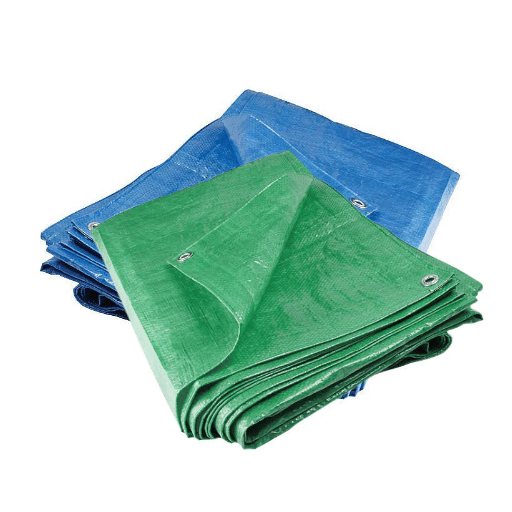
PVC-coated tarpaulin is a durable material that is widely used in industries worldwide. It is excellent in terms of its strength, weather resistance, and adaptability; therefore, it is widely used for industrial covers to advertising banners. This post will be a one-stop solution for all your queries about PVC-coated tarpaulin, covering the manufacturing process, key characteristics, advantages, and a wide range of applications. Whether you are a company owner looking for durable materials or simply someone trying to understand how it works, this detailed article will be of help and provide significant insights into why PVC-coated tarpaulin is the top choice for harsh environments across a variety of applications.
Understanding PVC Coated Tarpaulin

Made from a coated polyester base with polyvinyl chloride (PVC) on both sides, PVC-coated tarpaulin is a durable, waterproof fabric. This intervention makes this material stand the most test in terms of weather, tearing, and abrasion hence it is best for outdoor. It is said to be lighter yet more durable, able to withstand harsh weather such as sun, wind, and rain for a long time. Being a widely used material across sectors, PVC-coated tarpaulin offers a very long lifespan, is highly flexible, and requires minimal maintenance.
What is PVC Coated Tarpaulin?
The qualities of PVC-coated tarp are apparent: it is highly durable, flexible, and protective. With a typical polyester base fabric, the entire material core has been surrounded and securely covered with polyvinyl chloride. This particular bonding results in a material that is not only good for tear and wear but also astonishingly good at waterproofing and UV blocking. On top of that, the PVC staff have made advances in formulations so that the demand for a tarp with high resistance to extreme temperatures, chemicals, and fire has been met; it is now available in various environments.
Industries such as construction, transportation, and agriculture depend entirely on PVC-coated tarpaulin for several reasons. It is the material of choice for truck covers, tensile structures, and even temporary shelters, simply because it can withstand even the harshest weather conditions. The other big reason is that PVC-coated tarpaulin has been a remarkable advertising material for billboards and banners due to its printability with high-quality images and the durability of the print on the sheet. Besides being cost-effective, the material can also be in different thicknesses and finishes depending on the settings, and hence covers the particular requirements of tailor-made industrial and commercial uses very well.
Composition and Structure of PVC Tarpaulin Fabric
One of the most commonly used synthetic materials for producing PVC tarpaulin fabric is a combination of tarpaulin with PVC. This approach allows manufacturers to create a product with all the desired characteristics. Manufacturers can select either light or heavy-duty fabric according to the required application. Light fabric is mainly used in agriculture, for example, in the construction of greenhouses, while the heavy-duty variety is typically used in construction, mining, and waste disposal. The choice depends on the product’s lifetime and the conditions of its use.
For more efficient asset qualities, the most recent PVC tarpaulins are usually given particular chemicals that include plasticizers to make them more flexible, stabilizers to avoid heat or sunlight degradation and fire retardants to make them safer even in case a fire occurs. Additionally, some manufacturing processes also include anti-fungal treatments, which not only kill mildew but also prevent the growth of other microbes, thereby extending the tarpaulin’s lifespan even in humid or wet conditions. It is possible to vary the thickness of the PVC coating to meet specific durability or weight requirements for the material’s intended use, starting with lightweight options for ease of movement and progressing to heavy-duty variants designed for outdoor use. This is how the very detailed composition remains on the PVC tarpaulin fabric, making it the first choice for extremely tough conditions in industrial, commercial, and outdoor applications.
Types of PVC Coatings Available
Benefits of Using PVC Coated Tarpaulin

Durability
PVC-coated tarpaulin is very tough and therefore perfect for long, demanding periods in a rough environment. Its power promises unbeatable reliability under the same quality conditions.
Weather Resistance
The material itself has an outstanding capacity to resist water, UV rays, and temperature fluctuations, making it an excellent choice for areas that demand strong protection, such as machinery covers and even temporary shelters.
Versatility
Tarpaulin with PVC coating is both lightweight and rugged; hence, it can be used for a wide range of purposes, like construction, agriculture, and logistics, and everything in between. It is also the top pick across all industries for its malleability and instant adjustment to any level of demand.
Cost-Efficiency
Being very durable and requiring much less maintenance, PVC-coated tarpaulin gives a really cost-effective solution for businesses and individuals in need of strong protective materials.
Customizability
PVC-coated tarpaulin can be made in different thicknesses, finishes, and coatings, so it can be precisely the right one for a particular use and, as a result, the top performer in every application.
Durability and Longevity of Heavy-Duty Tarps
Heavy-duty tarps are specifically designed to withstand severe weather conditions and maintain their integrity for an extended period of use. The robust materials they are made of, such as PVC-coated fabrics, polyethylene, or canvas, give the tarps high tensile strength and abrasion resistance. The effectiveness of the tarps is further improved by the addition of UV-resistant coatings, thus preventing the adverse effects of the sunlight on their materials.
Moreover, the latest manufacturing technology has led to seam-welding methods that are far superior to those used in the past, thereby reducing the risk of damage from the pressure or weight of the loads. Research reports that, for example, high-end tarps can withstand torrential downpours, snowstorms, and fierce gales, maintaining their structural strength for 5 to 10 years or more with proper maintenance. It is for these characteristics that they are so highly sought after for use in the toughest setups, such as construction, agriculture, and logistics.
For top service, keeping the equipment in good order is a must – and the same is true for the tarps. So, one should clean them regularly of debris, carefully put them away when not in use, and constantly check them for minor damage that can be easily repaired. Thus, these precautions extend the life of the tarpaulins, serving as a shield against various applications, providing consistent, long-lasting protection.
Waterproof and Weather-Resistant Properties
High-quality, thick tarps are waterproof and weather-resistant, but their water- and weather-resistant qualities are the best thing about them. This is mainly because they are made from high-density polyethylene (HDPE), vinyl, or PVC-coated fabrics. These types of cloths are specifically designed to repel water and prevent leaks, even when the tarps are exposed to rain or snow for extended periods. Moreover, the tarps are treated with UV-resistant chemicals, which protect them from sun damage, making them very durable in extreme weather conditions. The test results show that the new heavy-duty tarps are capable of serving as a barrier against the most extreme temperatures and freezing elements, while remaining very flexible and strong. Basically, heavy-duty tarps are the best option for covering equipment, cars, and even entire buildings against changing weather conditions. They will give you the best performance in every climate and application.
Customization Options for Various Needs
Thick, long-lasting tarps can be customized to be just perfect for a wide variety of needs, from the most common to the most specialized. When we talk about tarps, plastic, cloth, and rubber tarps fall into this category, each offering advantages that are perfect for various intended uses. Plastic tarps, for example, are light, waterproof, and UV-protected, making them beneficial for protecting outdoor gear or, in some cases, for building provisional shelter setups. Canvas tarps, on the other hand, are the only fully breathable option without compromising strength, which is why they are always used in construction or agricultural applications. Vinyl tarps, on the other hand, are very durable and do not suffer from rips or worn-off marks, and can even withstand chemicals; as a result, they are the best picks for heavy industrial use.
Material is not the only thing that can be customized; the thickness, size, and finish of the tarp can also be customized. Reinforced grommets, heat-sealed seams, and rope-reinforced edges are examples of enhancements that can improve a tarp’s structural integrity, extending its life and enabling it to perform better in harsh conditions. Flame-retardant coatings and antimicrobial treatments are two additional features made available to industries where safety and cleanliness are paramount, and that cater to the primary purposes of these products. Heavy-duty tarps are indeed the best choice, as they are built and customized with all the features required for industrial/agricultural use.
Applications of PVC Coated Tarpaulin

PVC-coated tarpaulin is widely used across industries because it is strong, flexible, and weather-resistant. It is used to cover trucks and trailers and, at the same time, keep off water, the sun, and sand during transport, while remaining relatively lightweight. It is a ubiquitous material among contractors, primarily used to cover new construction and protect materials at the construction site. Despite the challenges posed by climate change, PVC tarpaulin is a durable option for industrial curtains, pool covers, and event tents in the long run. The use of modern PVC types ensures high quality across many applications.
Industrial Uses of PVC Tarpaulin
PVC tarpaulin is increasingly popular across various industrial sectors, as it offers excellent tensile strength and is highly durable and water-resistant even under the most severe conditions. Therefore, it is a ubiquitous product in the transportation sector, mainly for truck and trailer covers, to ensure that goods are protected from inclement weather and accidental damage. The use of PVC tarpaulin for greenhouses, silo covers, irrigation system linings, etc., is widespread, and it is often necessary to expose the material to sunlight, moisture, and other conditions for extended periods because it is highly resistant to UV degradation and mold growth.
Waste management is another area where PVC tarpaulin liners are crucial in landfill sites. These liners are used to contain waste and prevent leachate from degrading the surrounding soil or water sources. The use of PVC tarpaulin liners in this way has ceased due to their chemical resistance, and they have become an influential and trustworthy option for environmentally friendly applications due to their superior efficiency and quality. Besides, it is widely used in the energy sector for containment solutions in oil and gas operations, and solar panel installations as a protective layer to ensure operational efficiency under challenging conditions.
PVC Coated Tarpaulin in Transportation (Truck Tarps)
PVC-coated tarpaulin has established a significant position as a transportation material, particularly for truck tarps. It is tough and withstands harsh outdoor conditions, making it ideal for shipping goods. Designed for use in any weather, PVC tarps are UV-resistant, rainproof, snowproof, and windproof, helping secure cargo from damage or theft. The growth of the industry and the production processes have been the main factors in this happening so fast. The new production technology has brought about a new generation of goods that have even better properties. On the one hand, modern PVC tarps’ proofing usually involves laminating several layers with PVC being the outermost layer, followed by a base layer made of high-strength polyester that is resistant to tearing and friction and has very high durability.
From an economic perspective, PVC-coated tarpaulin is not only cost-effective (due to its long life and minimal maintenance) but also eco-friendly. It is tested in accordance with established industry norms and meets international safety laws such as REACH, making it a good choice for global logistics. Summing up, PVC-coated tarpaulin’s flexibility and technological benefits make it an essential material in transportation, ultimately enhancing the aforementioned source network’s efficiency and reliability.
Use in Agriculture and Outdoor Events (Tents, Membranes)
PVC-coated tarpaulins are commonly used in agricultural practices and for setting up outdoor events. These tarpaulins are widely recognized for their resistance to weather conditions, strong build nature, and cost-effectiveness. In agriculture, tarpaulins are used to protect crops, hay, and farm machinery from harsh weather, including heavy rain, severe winds, and UV radiation. The non-porous surface of PVC tarpaulins protects objects from moisture, allows long-term preservation, and thereby minimizes the risk of spoilage.
Many people in the outdoor events industry choose PVC-coated membranes as the basic material for their tents and shades. They are super long-lasting in the sun and other harsh environmental conditions; therefore, they are the best for hosting events. Besides the obvious good performance of these materials, their high tensile strength and ease of bending together make it possible to set up large, stable structures. The dry-coated membrane, by the way, does not actually look rigid. The latest coating technology innovations, including flame-retardant and anti-fungal properties, have further enabled compliance with safety regulations, making it safe for the public. The main feature that makes PVC-coated materials indispensable in the farming and construction industries is the combination of the properties mentioned earlier.
Manufacturing Process of PVC Coated Tarpaulin

The manufacturing process for PVC-coated tarpaulin requires a few key steps to ensure durability, flexibility, and high performance. First and foremost, a base fabric made of polyester is chosen because it is strong and compatible with PVC. The fabric is pretreated to improve adhesion before the PVC coat is applied. After that, liquid PVC is uniformly spread or coated onto the fabric using methods such as knife coating or hot-melt extrusion. The coated fabric is then cured by heating the PVC, which produces a strong and uniform bond and dramatically improves the fabric’s structural integrity. After the curing process, the material undergoes surface treatment and cooling, which may include embossing or the application of protective finishes to enhance its appearance and functional properties, such as improving UV resistance or waterproofing. Then the products are cut down to the production size, checked for quality, and packaged for distribution. This process is cost-effective and easy, and through it, a durable and multifunctional product that can be used in various ways is produced.
Raw Materials and Production Techniques
The material used for tarpaulin production is characterized by the following: long-lasting, easy to handle, and able to withstand environmental conditions. The most popular raw materials used in manufacturing are polyethylene (PE) and polyvinyl chloride (PVC), both of which have high tear strength and are not absorbent. The PE tarpaulins are usually made of a base fabric of high-density polyethylene (HDPE), which is further coated with low-density polyethylene (LDPE) for enhanced water resistance. When it comes to PVC tarpaulins, the most convenient form is pure PVC without any additives, but they still use polyester scrim, which gives them superior tear resistance, helping the tarp last longer. More sophisticated production methods have led to the inclusion of material mixtures and chemicals, such as sun protection agents and fungicides, that can significantly enhance the fabric’s performance in harsh outdoor conditions and even beyond its regular use.
Contemporary production methodologies apply sophisticated engineering and advanced technologies to ensure quality and consistency. In the case of polyethylene tarpaulins, the first step in the production process is the extrusion of HDPE tape yarns, which are then woven into a dense, durable fabric using circular or flat looms. The woven textile is preceded by a lamination process in which it is heat-applied with a layer of LDPE on both surfaces, making it a completely watertight barrier. On the other hand, the manufacturing of PVC tarpaulins begins with the production of the technical fabric, a polyester mesh base, which is then coated or laminated with liquid PVC using calender or knife coatings.
Quality Control and Testing Procedures
The achievement of tarps’ reliability and durability requires adherence to a set of strict quality control and testing standards. Checking dimensions, tensile strength, and resistance to weathering agents (e.g., UV degradation) is among the most critical indicators observed during production. The tensile strength of the cloth is tested by machines that apply a gradual force until failure, and thus they can provide precise figures for the cloth’s puncture resistance. Moreover, environmental tests, e.g., accelerated UV, are carried out in controlled chambers to simulate prolonged sunlight exposure of the tarps.
The test of water resistance is performed by immersing the material in water and measuring its resistance to water flow under steady hydrostatic pressure. The material’s resistance to tearing is also tested by subjecting it to the relevant stress points in the real world using the trapezoidal tear test. Fire-resistant tarpaulins must meet the requirements of the standard flame-spread and ignition tests, as well as conform to fire-retardant specifications such as NFPA 701 and BS 7837. Thorough checks like this guarantee that the tarpaulin not only meets industry requirements but also delivers reliable performance in any situation.
Maintenance Tips for PVC Coated Tarpaulin

- Regular Cleaning
Purge the tarpaulin with mild soap and water to remove dirt, debris, and stains. Don’t use harsh chemicals, as over time the PVC coating may become weak. - Proper Storage
See that the tarpaulin is entirely dry before you put it on the inside, so it won’t mold and keep the air circulating. Keep it in a well-ventilated place where sunlight cannot reach it, and the air is dry. - Inspect for Damage
It would be wise to occasionally check the tarp for any rips, holes, or damaged areas. With the help of a puncture repair kit, which might be adhesive patches, immediately attend to the problem, thus enjoying the cloth’s strength. - Avoid Sharp Objects
Keep away from sharp or rough tools, as they can cut or damage your tarp. - Protect from Extreme Heat
Direct sunlight or high temperatures can cause the material and its coating to degrade, which is why one should not expose the tarp to such conditions for too long.
Cleaning and Care Instructions
To keep your tarpaulin in good shape and last, carefully follow the cleaning and maintenance schedule and methods.
- Regular Cleaning – Use a soft brush or sponge together with light soapy water to gently clean the surface. Prohibit harsh chemicals such as bleach or solvents, as they can shorten the lifespan of the material’s protective coating.
- Thorough Rinsing – Once you have cleaned the tarpaulin using the above method, rinse the surface thoroughly with clean water. This is to remove any soap residue that may be present, which can collect dirt and weaken the fabric if left on the surface.
- Drying Process – The cover should be allowed to air dry completely before folding for storage. Moisture that is not dried out can become the site upon which mold further develops. To prevent the material from weakening, one must ensure that the fungi have no access so they cannot build on it.
- Stain Removal – For hard-to-remove stains such as tree sap or grease, use a cleaning product specifically formulated for tarpaulins. See the manufacturer’s directions for that product repeatedly, and always avoid vigorous scrubbing that could cause surface damage.
- Frequency of Maintenance – It is essential to perform a thorough cleanse and check the tarp every 3 to 6 months, depending on how often it is used and the surrounding conditions. This would be the best way to avoid minor to significant damage.
The more someone follows the step-by-step, the more they will help keep the tarpaulin safe and always workable for covering and protective needs.
Storage Recommendations to Extend Lifespan
Efficient storage is the number one thing to do to extend the tarpaulin’s life, so it is less likely to be damaged by the environment or improper handling. Begin by ensuring the tarp is completely dry before one starts folding; there is a chance one will see mold and material degradation from the remaining moisture. Neatly fold the tarpaulin exactly along its seam lines to avoid any extra folds that could weaken the fabric over time. Use tough straps or ties to secure the folded tarp tightly, ensuring it will not unroll during storage.
Keep the folded tarp in a cool, dry, and well-ventilated place that is not in direct sunlight. Prolonged UV exposure can negatively affect certain materials, including polyethylene and vinyl coatings. When the tarpulin will be stored for some time, it is better to consider packaging it in a box or other protective material to protect it from dust, pests, and incidental damage. Be careful not to pile heavy items on top, as excess weight can weaken the tarp’s structural integrity. Using these storage tips can significantly reduce wear and extend the useful life of your tarpaulin.
Reference Sources
Design and construction of a collapsible tarpaulin-lined pond for aquaculture production
This study explores the use of PVC-coated tarpaulin in aquaculture, focusing on its material properties and applications.
Investigation on the Influence of Non-Degradable Polyvinyl Tarpaulin in Concrete Mixture
This research examines the integration of PVC tarpaulin in concrete mixtures, providing insights into its durability and environmental impact.
Frequently Asked Questions (FAQs)
What is PVC-coated tarpaulin?
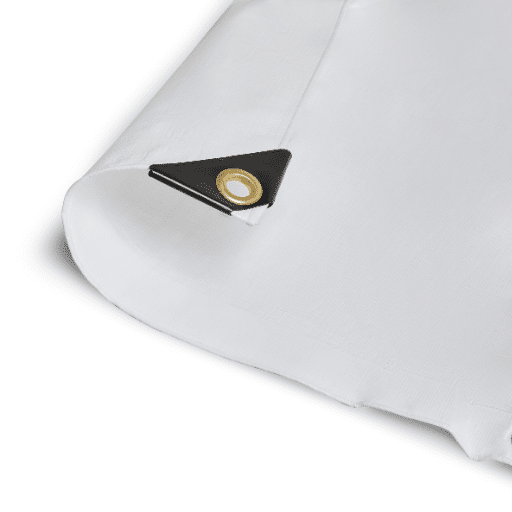
PVC fabric-coated tarpaulin is a long-lasting plastic sheet material fabricated by the lamination or coating of polyester or polypropylene cloth with polyvinyl chloride (PVC). The PVC-based fabric coating creates a smooth, flexible surface, enhancing waterproofing and protecting the tubular fabric from wear. A standard tarpaulin is not without grommets and reinforced edges, which make it easier to bind and carry; the day-to-day use of such a material means one already gets used to these grommets and edge-strengthening features. Coating weight and finish options available in the market make the material glossier, less flammable, and more resistant to mildew.
How waterproof is PVC-coated tarpaulin?
PVC-coated tarpaulin is waterproofed very effectively due to the PVC coating, which is an uninterrupted barrier that does not allow water to pass through the weave. Usually, seams are made by welding or heat-sealing to ensure waterproofing across large areas. The level of waterproofing depends on the coating weight and the seam construction quality; heavier coatings typically provide greater protection. Besides, many tarps include UV inhibitors that make the tarp less susceptible to sunlight degradation. When done properly and stored correctly, all waterproofing properties can be preserved, thereby extending the service life.
Is PVC-coated tarpaulin suitable for outdoor use?
Yes, thanks to the addition of UV-resistant materials and the weatherproof coating, PVC-coated tarpaulin is perfect for outdoor use. The material is so good that it can resist rain, wind, and moderate sun exposure. During production, additional anti-fungal or mildew-resistant finishes can be added for environments that are constantly wet. For situations where the sun is permanently out, it is better to choose tarpaulin with higher UV stabilization or a heavier coating weight. Reinforced edges, grommets, and tear-resistant fabric construction are also effective in battling the outdoor stress. Regular checks and immediate repair of torn seams or fabric punctures are the basic measures to maintain the quality of outdoor performance.
How strong and tear-resistant is PVC-coated tarpaulin?
PVC-coated tarpaulin is designed to be durable by combining a woven core fabric with a strong PVC coating that evenly distributes stress across the material. The extra-tough alternative is the one with higher-denier core fabrics and thicker PVC coating weights, thereby increasing puncture and tear resistance. The edges of the tarp and the tools for fastening it to the load points, such as brass grommets or D-rings, will be able to withstand a high load, thereby reducing the risk of a tear. Proper setup and avoiding sharp contact will result in the highest possible tear resistance. In areas where tearing forces are most extreme, ripstop weaving patterns and double-layer constructions will be used to strengthen the fabric further.