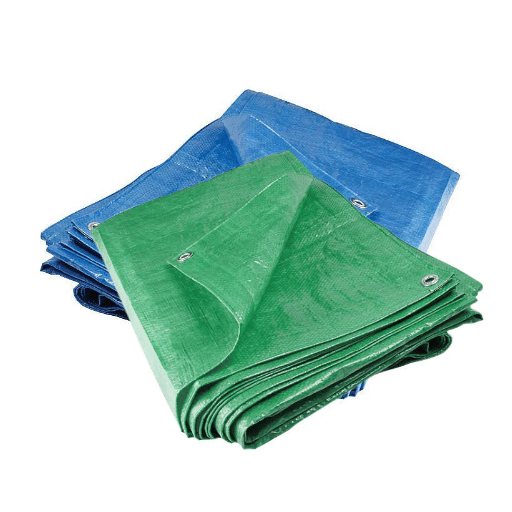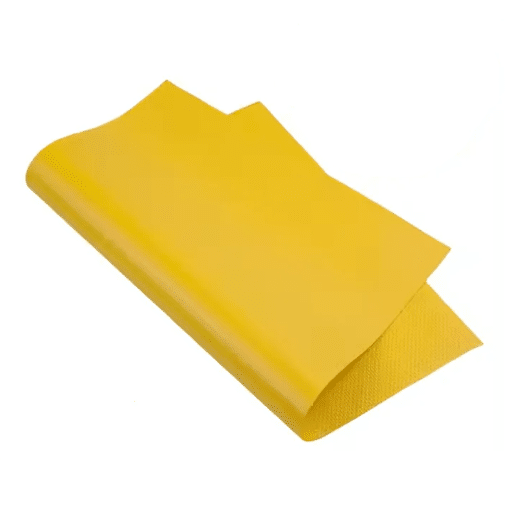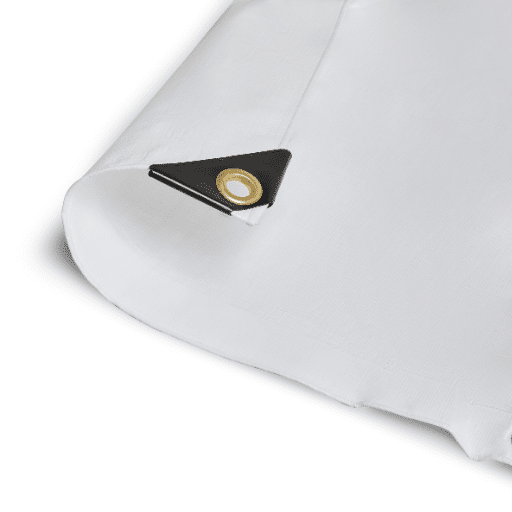
Among the types of materials that can be mentioned with regard to providing protection and covering solutions, tarps are the material that is often most sought after by the varied industries. It must, however, be pointed out that not all tarps are of the same quality and that buying the tarp that is most suitable for one’s needs is only possible when one is able to differentiate among the materials. Consequently, PVC (Polyvinyl Chloride) and HDPE (High-Density Polyethylene) are two materials that frequently come across in the market. This article will delve deep into the comparison between the two materials PVC and HDPE to give you a good understanding of the differences between them and how they differ in terms of performance features and intended use cases. Regardless of whether you belong to the construction, agricultural, or any other industry that requires the use of heavy-duty clothes, this article will give a detailed description that will help you choose the right tarp overall, i.e., PVC.
Introduction to Tarpaulin Materials

It’s a common term among the people for tarpaulins to refer to tarps — tough synthetic materials like polyethylene, canvas, or vinyl that are turned into such very flexible kinds of sheets. Tarps in general are made for the protection of buildings, farms, and places from the natural elements such as water, sun, and wind. Polyethylene tarps are not only light but also can resist water and UV rays, so they become nice places to use for camping and other outdoor activities. Canvas tarpaulins made out of pure cotton or blended with polyester are still breathable and yet strong, thus they are convenient for providing a long-term cover for the equipment. The vinyl-made tarps are the best in terms of strength and damage resistance due to chemicals and abrasions, thus they are the most suitable choice for industrial and high-demand usage. It’s quite important to grasp the properties of the materials so that the right tarp is chosen for certain operational needs.
What is a Tarpaulin?
A tarp, which is often called a tarpaulin, is a very durable, flexible, and usually waterproof sheet made from such materials as polyethylene, canvas or vinyl. Tarpaulins, which are originally designed mainly to provide protection against environmental elements, are offered in different sizes, thicknesses, and with diverse coatings for numerous applications. For example, polyethylene tarps are light in weight yet very resistant to harsh weather, thus are used for temporary shelters or debris containment. Canvas tarps, on the other hand, are very permeable and are therefore the best choice for jobs which produce much condensation, such as covering machinery or equipment. Vinyl tarps are practically invulnerable to scratches, chemicals, and bad weather; therefore, they are the first choice in industrial settings that have the most stringent requirements. Progress in tarpaulin manufacture in the last few years has not only significantly increased their strength and UV resistance but has also added a great many customization options turning tarps into indispensable tools in the building, transportation, and agriculture industries, and also in rescue operations in times of disaster.
Common Uses of Tarpaulins
1. Construction
Tarpaulins are very frequently used on construction sites in the form of protective covers for materials, equipment, and scaffolding. They protect delicate construction materials like wood, concrete, and tools from the bad weather, the sun’s rays and dust at the same time. Research shows that the use of protective tarpaulins can decrease material waste up to 20%, contributing to the more sustainable practices adopted in the industry.
2. Transportation
In the sector of logistics and transportation of goods, tarpaulins are the most commonly used material for making durable covers. In particular, flatbed trucks often use tarpaulins that are very strong to secure and protect the load from weather conditions or road debris. Tarps, as per the industry’s feature of quality products, deter damage to the transported goods and protect up to 80%, which is a big factor in the security and safety of the cargo across the “verse”.
3. Agriculture
Tarpaulins are basically part of the farmer’s daily life. The tarpaulins are used to cover the hay bales, protect crops, and also to shield livestock. The weatherproof and UV-stable features of the farm tarps are useful in keeping the products with their quality, and there is almost a 15% reduction in the spoilage rate. These farm tarps’ use can also be for soil protection or as groundcovers in order to prevent weed growth.
4. Emergency Response
Tarpaulins are also considered as a must-have during any disaster and emergency situations. These are very useful tools for just being temporary roofs, makeshift shelters, and even containment solutions. For example, heavy-duty tarpaulins are very common to be seen right after hurricanes or earthquakes as they are set up to provide protection for dislocated people and the damaged houses. Their removal is very quick and that is what plays a big part in saving further loss of property and also in the effectiveness of the humanitarian aid missions.
5. Recreational Applications
Recreational use is another popular application of tarpaulins, as being used as a tent floor, a tent, a canopy, and thus providing durable, lightweight, and weather-proof solutions. The surveys have found that about 30% of people who love outdoor activities think of tarps as one of the must-have items for long journeys because of their multi-purpose character.
6. Industrial Coverage
Tarps are a common option these days in the industrial sector to keep machinery and equipment safe from water, dust, and even the most aggressive substances that can cause corrosion. In the world of industrial use, the vinyl-coated tarps are the ones that cater to the chemical side as they can take a lot of chemical attacks and hazardous material spills. Appropriate use of industrial tarps can prolong the life of a machine by 10-15% on average, thus making continual maintenance costs lower in the long run.
Importance of Choosing the Right Tarpaulin
Choosing the right tarpaulin is extremely important for obtaining the most beneficial effect in terms of efficiency, durability, and performance. The major factors, which are material, the thickness indicated by mils, the resistance to UV, and the waterproofing abilities, play a critical role in deciding the tarp’s applicability to the particular case. For example, on the one hand, the polyethylene tarps are related to being lightweight, and the canvas tarps have breathability as the highest priority factor in their land, hence, they are often found in very different applications. On the other hand, fire-retardant tarps are the ones with fully flame resistance and, therefore, they are essential for health & safety purposes in some sectors like the manufacturing industry. Utilizing the right tarpaulin aid for the given application not only ensures optimal performance but also curtails costs by shielding against wear and tear, as well as the necessity for early replacements.
Understanding of PVC Tarpaulin

PVC tarpaulin, alternatively known as polyvinyl chloride tarpaulin, proves to be a persistent and impermeable fabric often spotted in different ventures for its sturdiness and adaptability. This product is obtained by laying a polyester fabric surface with a layer of PVC; hence, resulting material is very tough and does not get torn apart when handled rough and worn out by weather. Truck covers, industrial curtains, outdoor event tents, and agricultural storage are the major users of PVC tarpaulin. Moreover, it not only has a remarkable resistance to varied weather conditions but also a UV treatment of the fabric makes it a perfect material for use under the open sky for a long time. This material’s surface is easy to clean which also adds to the advantage of using it. In the case of PVC tarpaulin, one should think about the thickness, the quality of the coating, and designated usage that shall all unite to give the best performance of the product.
Key Features of PVC Tarpaulin
- Durability and Strength
PVC tarpaulin is produced from a high-tensile strength polyester fabric as a base material, commonly augmented by several layers of PVC coating. In this manner, resistance against tearing and puncturing is increased to a point where it can guarantee a long-time performance even in extremes. - Weather Resistance
PVC tarpaulin, with continuous exposure to various weather conditions as its main force, has great resistance to rain, wind, and high humidity. Therefore, it is mostly applicable in range-like places, for example, construction sites, and for creating temporary shelters. - UV Resistance
The product is provided with UV stabilizers in the raw material so that it effectively blocks the ultraviolet rays. As a result, the product maintains its color and strength even after a long period of time in the sun, thereby extending its lifespan. - Waterproof Properties
PVC tarpaulin with excellent waterproofing ability, sometimes having a hydrostatic resistance rating of over 10,000 mm, is totally impermeable, preventing water from seeping through even in the most demanding applications. - Fire Retardancy
The majority of the PVC tarpaulins are produced to the fire-resistant standards using fire-resistant chemicals. The product is in fact of fire-retardant grades which are set according to the standards like EN 13501-1 or NFPA 701. - Thermal Stability
The fabric can be in a usable state among a variety of temperatures. It is generally run at –30°C (–22°F) to 70°C (158°F), which means both freezing and overheating areas can be served with this item.
Advantages of PVC Tarpaulin
- ✓ Durability and Longevity
PVC tarpaulin is making its mark in the world of materials by virtue of its solid build and construction. A combination of polyester mesh and PVC coating stands as proof to the strength against tearing, punctures, and the like, with the life span typically being from five to ten years as normal usage would dictate. - ✓ Low Maintenance Requirements
The lack of texture on the PVC tarpaulin makes it less likely to attract dirt thus cleaning with very light detergents is an easy and quick task. Moreover, it gives minimal chances of mold and mildew growth which can lead to less maintenance work needed over a period of time. - ✓ Waterproof Properties
PVC tarpaulin users can rest assured that they have the waterproof capability confirmed up to 1000 mm or this figure can be even higher depending on the grade and purpose. At the same time, these tarpaulins are perfect for the protection of installations and infrastructures against very heavy rain and high humidity. - ✓ UV Resistance
PVC tarpaulins can prevent sun damage with the use of UV stabilizers. These tarpaulins can last for a relatively long time and still keep their mechanical properties and color, which are even better than those of outdoor usage standards. - ✓ Chemical Resistance
By means of diverse fabrication processes like heat welding and the installation of eyelets and printing, PVC tarpaulins can be custom-tailored to individual needs. Their plasticity, in this case, makes the fabric versatile and thus usable in a range of industrial segments, ranging from logistics to advertising. - ✓ Ease of Customization
HDPE tarpaulins are completely recyclable. At the end of their life cycle, they can be used for the production of other plastic products. This practice is eco-friendly, it lessens the impact on the environment and it goes together with the principles of a circular economy.
Disadvantages of PVC Tarpaulin
- ✗ Environmental Concerns
One of the major ecological problems with polyvinyl chloride-based tarps is that their parent material is not degradable. Another one is the fact that the making of it requires boiling caustic chemicals like chlorine and phthalates, which in turn are major sources of environmental contamination. EU reports hold that PVC products account for about 0.4% of the annual total plastic waste generation, and this has subsequently become a big issue in waste management sustainability. - ✗ Weight and Bulkiness
The high-density PVC tarpaulins are found to be much heavier in comparison to materials like polyethylene. The extra weight might create a situation where the costs of transportation are increased or also the handling or installation might be a bit more tiresome for a few specific applications. - ✗ Cost
Point to the point, PVC tarpaulins are indeed the most durable material, although sometimes it is the priciest among others such as polypropylene or canvas for tarpaulin applications. This inconvenience is mostly felt in small projects or under temporary circumstances. - ✗ Thermal Sensitivity
While PVC tarpaulins are generally highly resistant to most environmental factors, they can be fragile and prone to warping or decomposition especially at very low and very high temperatures under long standing exposure. It has been proven that temperatures above 70 °C (158 °F) could cause materials to degrade sooner. - ✗ Potential Health Risks
One thing to keep in mind is that plasticizers like phthalates used in PVC tarpaulin manufacturing have the potential health risk associated with them. Continuous/contact exposure to these same harmful substances may be dangerous leading to noxious health effects based on continuous studies from time to time in the medical field. - ✗ Color Fading
Extended exposure to ultraviolet (UV) light can result in loss of color and decay of the surface, which will need additional protective treatment, such as UV coatings, in applications that require the physical look to be the same for a long time.
Understanding HDPE Tarpaulin

The HDPE tarp is otherwise known as a High-Density Polyethylene tarp. The material is extensively employed in different industries for the sole purpose of protection and coverage. One of the ways to produce it is the weaving of HDPE fibers and then laminating both sides with a protective coating to make it tough and withstand weather exposure. The exceptionality of this kind of tarp is its lightness, water resistance, UV, and chemical resistance, which gives it an edge in outdoor installations like wrapping of agricultural produce, construction materials, or cars. The long life-span of the product, cost-effectiveness, and these factors have combined to make the HDPE tarp the dominant entity in reliable and multi-purpose protective coverings.
Key Features of HDPE Tarpaulin
- High Tensile Strength
The new generation of HDPE tarps has a very strong fabric, giving them excellent tensile strength, thus providing the apt feature to carry and transport, and at the same time preventing splits on sharp edges and corners. The common tensile strengths of HDPE tarps lie in the range of 500 to 1200 N/5 cm, and are greatly dependent on the grade and thickness of the material. - Waterproof and Weatherproof
HDPE Tarpaulins are suitable for covering goods and surfaces in heavy rainfall, snow, or under high humidity. They are very good at it and thus make them suitable for outdoor use in the long run. - UV Resistance
In order to endure direct exposure to sunlight for long periods, the HDPE tarpaulins are equipped with UV stabilizers. The UV resistance level sometimes goes up to 300 Kly and more, serving as proof of the product’s dependability when the surrounding is only sunlight. - Chemical Resistance
The HDPE Tarp was created as a material that would not be harmed by coming in contact with various types of chemicals including acids, alkalis, and solvents. HDPE tarpaulins are the material of choice for industries and agriculturalists due to the high chances of chemical exposure. - Lightweight and Portable
Despite being constructed with high precision, HDPE tarpaulins remain lightweight, typically 50-300 GSM (grams per square meter). This easy handling, transport, and installation are thus made possible. - Heat-Sealed Edges
The HDPE tarpaulin’s sides are either sealed with heat or made double-layered so as to add extra strength to the fabric and hence stop the fraying. Therefore, these edges also contribute to the prolonged life of the product, thereby ensuring the integrity of the product even in cases of extreme heavy usage.
Advantages of HDPE Tarpaulin
- ✓ High Tensile Strength
HDPE tarpaulins are made in a way that makes them very strong, commonly having a strength of 15 to 40 N/cm². It is the same strength that makes them resistant to high stress effects like wind, and being used to tie down big loads. - ✓ Waterproof and Weather-Resistant
The waterproofness of HDPE tarpaulins is due to the fact that they are not porous like some other polymer products. These products also show strong resistance to UV light, with the average being 300 to 500 Kly, and that is why we have them as good choices for weathering outdoors in the open in rough weather. - ✓ Chemical Resistance
HDPE tarpaulins are quite immune to acid, alkali, and toxic chemicals, and they withstand the pH levels across a broad spectrum from about 1 to 14, which is a popular feature for industrial applications where chemical exposure is a daily occurrence. - ✓ Cost-Effective
In comparison to other choices such as canvas or PVC tarpaulins, the HDPE varieties are better in quality and are cheaper. The production method is such that it needs very minimal expense on raw materials, thus giving a low price per square meter and making it the best choice for the budget-conscious person. - ✓ Lightweight and Easy to Handle
The HDPE tarpaulins are very lightweight but at the same time strong enough, yet their density varies in the range of 0.94 – 0.96 g/cm³. Their strength and weight characteristics make the tarpaulins easy to fold and transport, keeping their structural integrity at the same time, which definitely streamlines the logistics and installation procedures. - ✓ Eco-Friendly and Recyclable
HDPE tarpaulins are completely recyclable. At the end of their life cycle, they can be used for the production of other plastic products. This practice is eco-friendly, it lessens the impact on the environment and it goes together with the principles of a circular economy.
Disadvantages of HDPE Tarpaulin
- ✗ Limited UV Resistance
Although HDPE tarpaulins are frequently treated with UV protectors, the outdoors can lead to their gradual destruction. The tests have shown that a year of full UV light exposure can pull down the tensile strength of an uncoated HDPE tarpaulin by half, while treated versions are faring better but still getting worse gradually. - ✗ Flammability
Under some conditions, HDPE tarpaulins can burn and thus will be dangerous in the presence of fire or high temperatures. The material, whose typical melting point is about 130°C (266°F), may even catch fire if it is placed in direct contact with a heat or fire source farther hotter. - ✗ Sensitivity to Abrasion
In tension, HDPE tarpaulins show their best performance but when they have to deal with abrasive surfaces, they quickly wear out. One of the main reasons for this wear is the material getting thinner, as the edges are very hard and sharp and the rough surfaces need a repeated folding and opening of the tarpaulin to be lifted. - ✗ Temperature Limitations
The usage of HDPE tarpaulins may be severely disturbed in case of unusual temperatures. At values of the temperature scale that are below -50°C (-58°F), the material may break up due to brittleness and frost cracking. The reverse of the above situation also holds which means that when the temperature is unacceptably high the material comes to its softening point, becoming less rigid and thus less able to hold any loads. - ✗ Cost of Customization
Special tweaks like detailed measurements, the application of extra UV radiation or fire-proofing the canvases can greatly hike the price of HDPE tarps. Although the raw material is usually inexpensive, the modernization requirements of HDPE tarpaulins can make them less profitable than the standard ones. - ✗ Non-Biodegradable Nature
HDPE tarpaulins, despite being recyclable, are not biodegradable. If not disposed of properly, they add to the environmental pollution, as their decomposition takes so long as hundreds of years in the case of landfill disposal. The need for correct recycling and waste management practices is thus strongly emphasized.
Comparison of PVC and HDPE Tarpaulins

- Durability
The durability of PVC tarpaulins is usually higher, owing mostly to their high tensile strength and tear resistance, which is why they are commonly used in heavy-duty applications. Though HDPE tarpaulins are also strong, they seem to lack the total ruggedness especially under very tough circumstances like the PVC tarpaulins. - Weight
Polyethylene tarpaulins are less heavy compared to the PVC ones, being transportable and portable, thus more advantageous through the ability to mobilize and communicate them. It is a great trait for applications demanding a lot of relocation or setup. - Weather Resistance
Polyvinyl tarpaulins are the best when it comes to weathering, showing off unbeatable properties of waterproofing and withstanding UV rays. However, polyethylene tarpaulins have fairly good attributes, but they can start to break down sooner, all other factors remaining constant, if they are exposed to heavy sunlight and severe climatic conditions for an extended period. - Environmental Impact
Both of the materials are reusable, while the HDPE ones are the most effective solution to the disposal problem of the three due to the least waste and lower energy requirement for recycling them. Yet, the blonde is not biodegradable, so at one time it will have to be fixed by ecological dumping after proper recycling has been done to minimize environmental harm. - Cost
High-density polyethylene (HDPE) tarpaulins are the cheapest solution. It is the main and widely used thermoplastic. Polyvinylchloride, PVC tarpaulin, though more costly, ensures outstanding quality and service compared to the other two.
Differences Between PVC and HDPE Tarpaulins
Durability and Strength
PVC and HDPE have quite distinct characteristics when it comes to their durability and strength. PVC, a stiff material that can reach a tensile strength of up to 52 MPa, is the most commonly used material in high-pressure piping. Nevertheless, in the case of extremely low temperatures, the material tends to become brittle and can break upon any significant impact.
However, HDPE has the ability to shake quite a bit and not immediately crack when it gets to sub-zero temperatures. By strong but still within the range of 20 to 37 MPa, the material, however, may not yet be as rigid as PVC. However, it deforms year after year, but it never breaks down, so the supreme dynamicity and changeability of the environment, and HDPE becomes the material that lasts. One great example of the advantage that HDPE comes with is one of outdoor applications, such as underground piping, where the land is active and flexible.
On the other hand, of the two materials being compared, one is gentlemanly and the other a robust roughneck. The manly PVC and the roughneck HDPE are both distinct in their own ways but can still meet up in many applications. An industrial area, or however the industry would require the exact balance of all these characteristics, then this would be the determining factor between PVC and HDPE.
Environmental Impact of PVC vs HDPE
PVC is famous for having a notably high chlorine content, which in turn affects the use of chlorine-based additives in production as a necessity because of their evaporative effect during production and combination with the satisfying of demand for chlorine in the PVC. This arrangement is not free of the release of toxic compounds like dioxins during manufacturing and disposal, and these are hazardous to the ecosystems and to humans living in the area. At the same time, recycling of PVC is less practical compared to HDPE since the former has a very intricate chemical composition and is more often than not loaded with plasticizers, making the separations and processing more complex.
On the other hand, HDPE is not that harmful to the environment in terms of production. The process of HDPE production results in fewer toxic byproducts and consumes less energy per ton of material. Also, HDPE is very recyclable, and its recycled forms are typically used for the production of many types of secondary products. This way, its overall environmental impact is greatly reduced, especially when compared to PVC.
On the contrary, both materials present environmental concerns. They are both fossil fuel-based, which has raised the issue of not only carbon emissions but also the overuse of resources. The use of bio-based raw materials and chemical recycling methods is among the practices that are being tested in order to tackle those issues. Consequently, HDPE holds a better environmental profile compared to PVC primarily because of the cleaner production process as well as the higher recyclability.
Choosing the Right Tarpaulin for Your Needs

Selecting the appropriate tarpaulin depends on several key factors:
- Material
If you are looking for durable and environmentally-friendly tarps, then the ones made of HDPE will be the best choice when compared to PVC tarps, which are not as good in both categories but are still waterproof for a very long time when exposed to moisture. - Intended Use
You can name different uses. For instance, the light-duty tarps are the most effective for just a short time of covering, while the heavy-duty tarps can be employed in construction or industrial areas. - Weather Resistance
You have to take into account not only UV stability, waterproofing, and resistance to extreme temperatures but also check that the material properties are adequate to work outdoors in the long run. - Size and Weight
It is not only necessary to have the size of the tarpaulin that covers the required area, but also to consider the weight of the tarpaulin, which can be of great help in handling the tarpaulin easily. - Cost and Longevity
Balance the budget limitations against the material’s life expectancy. One of the possible choices is cheap and eco-friendly HDPE tarps.
Assessing Your Requirements
You can start by assessing the specific requirements in a quite detailed manner. You may define the principal use of the material or product as industrial, residential, or temporary. Further, think about the surroundings the material will survive in, like temperature, exposure, moisture, and mechanical stress. For instance, the property of high-density polyethylene (HDPE) that makes it the best choice for materials under sunlight for a long time is its capacity to resist UV. Moving forward, the tensile strength or load-bearing capacity has to be thoroughly looked into if the material will be asked to support too much weight or tension.
Moreover, take into account the respective surface areas and the size of the rooms while checking the compatibility and the efficient use of the product. At the same time, also think about the lifetime of the material, the wear and tear it gets, and the regular maintenance; this is very crucial for places where the material is expected to last for a long time. Also, product life cycle analysis, as well as ensuring that the material follows the environmental standards, could result in a more sustainable functional design and thus make sustainability and functionality to be assessed side by side in the decision-making process. Consistently dealing with these criteria, you help in connecting your material choice with not only the demanding requirements but also the long-term use intentions.
Factors to Consider When Choosing
- Material Properties and Performance
It is extremely important to evaluate the so-called permanent characteristics of the material, which are mainly tensile strength, thermal resistance, corrosion resistance, and load-bearing capacity. The above-mentioned characteristics will exactly decide the potential of the material to be used under different operational stresses and environmental conditions. - Cost Efficiency and Budget Constraints
It is always necessary to estimate the efficiency of the application, which includes the expenses for procurement at the start and maintenance on a long-term basis, in order to make budgeted decisions. Think of it in the ways that if the material is durable, it would naturally mean less replacement or repair costs, of course. - Environmental Impact and Regulatory Standards
Likewise, Economic and Safety Impact is one of the main criteria in the evaluation of construction materials in any project. Opting for recyclable and low-emission materials also limits the environmental impact of the project and, at the same time, makes it easier to comply with mandatory environmental regulations such as LEED certification standards or other national guidelines. - Compatibility with Operational Requirements
The material quality must be in line with the intended application’s functional requirements. For instance, thermal and chemical stability will play a major role in industrial applications in high-temperature or reactive environments, while aerospace or construction applications may give preference to materials that are light yet strong. - Availability and Supply Chain Reliability
Apart from the convenience of the material, the reliability of its supply chain can also have a huge impact on the project timeline. Materials that are sourced from a network composed of different and stable suppliers can reduce the risks of delays or cost changes that might be caused by supply chain issues, thereby materializing the fruits of effort put into the project.
Reference Sources
- Investigation on the Influence of Non-Degradable Polyvinyl Tarpaulin in Concrete Mixture
Read the study on ResearchGate - An Investigation into the Potential for PVC Reduction in Residential Building Drainage Lines
Access the research here
Frequently Asked Questions (FAQs)
What is the difference between PVC tarpaulin and HDPE tarpaulin?
PVC tarpaulin is a composite fabric of polyester scrim and a polyvinyl chloride coating, which effectively waterproofs and resists UV rays, and HDPE tarpaulin is a tarp that is made of woven polyethylene material that is not waterproof. PVC actually is resistant to tearing or chemicals and in great amounts, it can be made waterproof by heat sealing the seams. Conversely, HDPE is remarkable for the fact that it is extremely cheap, dries very fast, and is ideal for applications requiring both breathability and low weight.
Which tarpaulin is better for long-term outdoor use: PVC or HDPE?
PVC tarpaulin is usually the more suitable choice for long-term use in the open environment as it contains a higher UV light resistance and better waterproofing and abrasion resistance. This is all because of PVC’s thicker coat and the polyester scrim that makes it more durable without breaking under the weather and wind, thanks to the repeated handling. Hence, the material is often utilized in semi-permanent installations like roofing structures. HDPE may have a faster deterioration rate in cases of long-term sun radiation exposure if non-UV-protected; in short- to medium-term applications or where frequent replacement is acceptable, it is recommended to use HDPE.
Can PVC and HDPE tarpaulins be repaired, and how do repair methods differ?
There are different methods for both PVC and HDPE tarpaulin repair, as the characteristics of the materials are the biggest factor. Usually, PVC repair is done by heating the plastic at the end and then patching it with a PVC patch, resulting in very solid and waterproof joints and more or less the original strength and integrity back likely. When it comes to the repair of HDPE, the methods which are followed with the adhesive tapes or sewed patches which are specifically designed for polyethylene; the welding among HDPE is less i.e. the drilling has to be done and welding with weaving which is more difficult than in HDPE.
How do cost and lifecycle compare between PVC and HDPE tarpaulins?
In general, PVC tarpaulins with all the characteristics mentioned do not cost as much from the beginning compared to the HDPE ones. Since the lifespan is longer and the cloth is tougher, easier to clean and reliable in the case of PVC, it is by far the most cost-effective material to choose for any heavy-duty or permanent. Bargain hunters can go for HDPE tarps with a higher likelihood of the material getting a tear or hole—this means the HDPE tarpaulin is the more sensible option for temporary purposes, agriculture, and disposal uses in which the material’s lifespan needs are not very important.