Introduction of Tarpaulin Materials

Most of the Tarpaulins are made out of PVC (Polyvinyl Chloride) or PE (Polyethylene) and they are good-quality coverings which are extremely durable and very useful. PVC is the material that has the most strength that is hard to find in other coverings; it is resistant to UV rays and exceptionally hardy which can be applied on a long term basis in constructions due to its characteristics for industrial needs. PE tarpaulins however are quite cheap, they are easy to carry, waterproof and are mainly a preferred for short-term needs such as crop covering, events management. Both of these materials have all these features but to the maximum extent certain material should be used considering some specific requirements of the activity; which affects such factors as cost, durability and climatic conditions.
What are Tarpaulins?
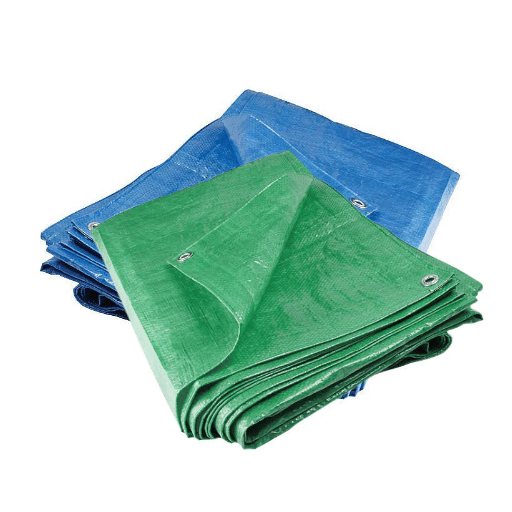
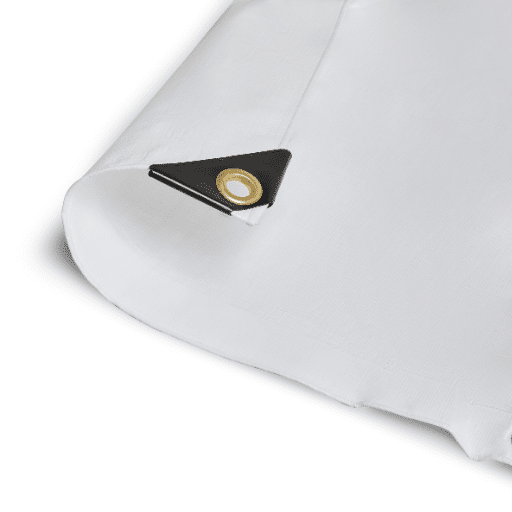
Tarpaulins, called “tarps,” have certain constraining and flexible behaviors that are used in various contexts. They are usually produced from intertwining polyethylene (PE), polyvinyl chloride (PVC), woven fabrics, or one of the above types of materials. The conception of such fabrics is treated and finished to meet particular utilization specifications; these treatments might incorporate the resistance to light penetration or to wear (durability), resistance to fire, or to the breakage in tension being put to force in order to satisfy several lining activities when using tarpaulins. Tarpaulins have received an upgrade in the form of grommets secured along their borders to allow easier tying and fastening.
Tarpaulins are very versatile because they are used differently across a variety of areas. They are used basically to cover goods from either rain or harmful weather conditions and can even be used for a short period as a very temporary shelter or a construction structure. This may include the use of PE tarps in agriculture to cover crops or as protection to the baled straw. In all the transportation services provided using various kinds of vehicles to transport goods, a tar seal required till the truck plane is fully covered with cargo. Heavy-duty PVC tarpaulins are designed for covering industrial equipment or outdoor facilities in extreme weather conditions for a long period. Over time and with material development, new tarp designs are durable, have low mass production, and offer so little resistance to all those forces providing that tarpaulins are a must-have item both in formal and informal settings.
Importance of Choosing the Right Tarpaulin
When you are purchasing a cover for construction operations, the primary concern should be the quality of materials used and its intended applications. As such, cloth tarpaulins are great for construction purposes since they can easily handle a great deal of tension and adhere to the quality standard even when they are exposed to sunlight due to UV radiation longevity. Cloth tarps made of canvas whether cotton or polyester are often the best choice for particular tasks. One of the major reasons is the absence of moisture between the layers of cloth in breathable applications such as providing additional cushion from the building to the cold machinery.
In addition to avoiding it, the recent developments have brought forth tarpaulins covered with PVC for which its resistance against scratching and chemical damage has been increased greatly, thus considering them to be the most suitable for difficult conditions. The right strength and the right amount of coating, both usually in mil or micron, are the conditions which must be aimed at for the provision of such a tarp’s durability in case of bad weather. The prevailing wind and wind visibility, the load that the material must support, and the presence of sharp surfaces are all factors that must be considered when selecting the appropriate tarpaulin construction, as inappropriate choices can result in non-performance, increased costs, or even endangerment.
Overview of PVC and PE Tarpaulin
| Parameter | PVC Tarpaulin | PE Tarpaulin |
|---|---|---|
| Material Composition | Polyvinyl chloride with coating | Woven polyethylene with lamination |
| Durability | High; suitable for heavy-duty use | Moderate; ideal for lighter use |
| Weight | Heavier than PE | Lightweight and easy to handle |
| Flexibility | High flexibility, less prone to cracks | Moderate flexibility |
| Resistance to Chemicals | Excellent chemical resistance | Limited chemical resistance |
| UV Protection | Superior UV protection | Moderate UV protection |
| Water Resistance | Highly waterproof | Waterproof with limitations |
| Cost | Relatively expensive | Cost-effective |
| Environmental Impact | Less environmentally friendly | Better recyclability |
| Typical Applications | Industrial, construction, trucking | Agriculture, short-term storage |
Brief Understanding of PVC Tarpaulin

PVC-coated tarpaulin mainly stands out for its strength and adaptability in a variety of circumstances. It also boasts excellent tear resistance, resistance to UV radiation, and resistance to all weather conditions. For this reason, it is frequently used in industrial settings, as well as outside buildings in the long term. To add, if it is properly covered in waterproofing paste, it also functions well under water thanks to its strong water-resistant coating, while the exterior surface is slick and so intensified that every stain and speck of dust can be wiped clean in an instant. PVC-coated tarpaulin, however, is more expensive than its alternatives, therefore, a person may think twice before making a decision and think of how it is going to be used. Most of the time it is used in highly node-oriented activities where low tarpaulin would not work, e.g., ship constructions, trucking, sheds out of doors heavily used, etc.
Composition and Properties of PVC Tarpaulin
PVC tarpaulin mainly has a polyester base fabric on which one or both sides have Polyvinyl chloride (PVC) coatings. The polyester material offers strength and elasticity, whereas the PVC coating adds features like long-lasting, water resistance; and tolerance to hazards like UV light, chemicals and heat. When such behavior is required based on the use of the porous, special chemicals like furrow or retarders, are embedded in the porous. Such chemicals help the tarpaulin preserve flexibility and resist deformations in any weather.
The weight of the PVC canvas is another very important characteristic, which is measured in grams per square meter (GSM), and this characteristic is directly related to its strength and durability. The general range of the weight category of a PVC canvas varies around 400 GSM to 900 GSM with heavier weights advantageous for more extreme use. On the other hand, the ability of the material to resist tear can be measured using tests like the trapeziodal tear, which also proves that the material is applicable in resistive structure. The low level of fabric permeation in particular, is a great aid when it comes to weather proofing, heat resistance even reduces what may occur with the dimensional stability.
Durability and Longevity of PVC Tarpaulin
Several factors critically influence the durability and service life of PVC tarpaulin, these include its production, materials, environmental factors, and care. In most cases, a polyester scrim fabric is often used in order to add extra durability to the PVC tarpaulin. This increases the tarp’s capacity to withstand any cut, tear and abrasion. Also, they have UV stabilizers which help them to last for a longer time due to less degrading effect on the material from prolonged exposure to the sun among other environmental conditions.
The role of the environment is undisputed, emphasizing that fluctuations in temperature and exposure to chemicals are the main culprits. This particular type of material is not very demanding in regard to its climate conditions, it is stable within a temperature range of -30°F up to 160°F, thus being appropriate for cold freezes and high temperatures. Also, as mentioned earlier, the problem of mildew is controlled by the addition of special agents and the harmful impact of the resulted mildew to the fabric can be significantly reduced.
Technological breakthroughs in the manufacture of PVC plus a number of coatings available in the market have contributed greatly to the quality of PVC tarpaulin. For instance, certain films can be coated for improved resistance to various chemicals, enable the material to bear low temperatures, or even change its flexibility properties. These attributes guarantee efficiency in whatever field the material is intended for, inclusive of the transportation, building and farming industries which demand certain levels of robustness.
Applications of PVC Tarpaulin in Industry
- 01
Transportation and LogisticsPVC tarpaulin, which is further used for truck covers, cargo tarps, and vehicle curtains, is typical of an average gear with the probability of being easily worn out, exposure to UV rays, as well as the effect of outdoor elements. An exact example is PVC tarpaulin can on average, lower the cost of replacing a truck cover will be replaced by 30% when PVC is used as opposed to the normal uncoated canvas in a non-PVC truck cover; this brings about a way to lower costs while the cover’s effectiveness is realized.
- 02
ConstructionConstruction companies mainly use PVC tarpaulin as it is found in the roofing systems under construction, for example, it is used to make enclosure covers of service areas and staging areas and also for making tent covers of the same areas. Due to the benefits of the material, it is possible to protect the site and its equipment, for instance, frames of coated pipes, against the extreme conditions both weather and occupational aspects. These studies explain the reduction of the losses of materials due to exposure to rain or sun by more than 40%.
- 03
AgriculturePVC tarps are used in many agricultural applications such as filling equipment such as greenhouses, lining tape and silage. It has a long shelf life, as there is no threat of it getting contaminated by germ-causing algae as well as resistant to overuse. Many farmers appreciate PVC pond linings because they assist in reducing evaporation of water which makes the useful especially in arid areas.
- 04
Event Management and TentsPVC tarpaulin is being used greatly in fabrication of event structures, flags and roofs owing to its beauty complimented by qualities of strength. These include such that it kills two birds with one stone- its ability to be customized while also maintaining effectiveness under pressure. PVC tarpaulin has been proven by research to be able to sustain a speed reaching 50 km/h and is hence reliable for use outdoors.
- 05
Manufacturing and Industrial UseThe material is normally put to use in industrial curtains, divider walls, and protective floorings. Most especially, its applicability to extreme temperatures and its ability to resist exposure to chemicals make it good for warehouse and manufacturing works. A report sheds light on the fact that industries that use the PVC tarpaulin based protection systems have recorded 20% lower running costs.
- 06
Marine and Outdoor ApplicationsPVC tarpaulin fits the creation of boat covers, awnings, and other items that are used outdoors. Thanks to the characteristics of waterproofing and anti-corrosion, it is claimed to work even in areas of high pollution meaning the presence of sea salt and abundant moisture. It becomes evident after tests are conducted that PVC tarpaulin used in marine constructions experiences 25% more deterioration than the harder wise used materials.
Exploring PE Tarpaulin

Polyethylene (PE) tarpaulin is a handy and cost effective material that is widely used in a number of industries. The material is tough, waterproof and hence very protective mostly on new buildings or greenhouses in farming. This tarpaulin is useful in agriculture, constructions, the sliding of goods and lots of other applications. Unlike PVC tarpaulins, which are chemical resistant, the polythene material is easier to deal with as it does not release softeners into water in the course of interacting with leaching solutions. Not only is it free of such complications, it also possesses several characteristics: UV resistance, tear strength and a good ability to remain useful in situations where it gets repeated too soon. PE tarpaulin can do the needful at affordable pricing and kept as an option to fulfill the needs temporary and semi-permanent coverage.
Composition and Properties of PE Tarpaulin
PE tarpaulin, often made of high-density polyethylene (HDPE) or low-density polyethylene (LDPE) with the help of other forms of polyethylene is often in the form of cloth and contains additives that are intended to enhance resistance to sunlight. Overlapping is further enhanced by coating liquid polyethylene, which is often carried out after fabric formation. Structural stability and high tensile strength are mostly provided by HDPE in the woven layers and elasticity, together with the waterproofing effect are taken care of by use of LDPE in the coatings.
PE Tarpaulin, indeed, is in its being lightweight, which helps, such as the ease filling of this and ease obstructed movement. It is also used as a material for such environmental curiosities. As such, tarpaulins are safe for all kinds of use around human beings, light in weight, inert to such chemicals and even waterproof. The modern PE tarpaulin designs have grommets and reinforcements on the edges to enhance performance on applications that involve high secure tension and anchorage.
In addition, PE tarpaulin is stable enough from a thermal point of view and can cope with temperatures as low as -40°F to above 176°F, depending on the particular grade and type of it. Its tolerance to thermal changes, recoverable properties, and environmental friendliness concentrating less negative impacts comparing the conventional PVC-derived tarpaulins, have propelled the expansion of the use of PE in most areas of industrial, agricultural and domestic needs.
Durability and Longevity of PE Tarpaulin
Not only is PE tarpaulin, or polyethylene tarpaulin, very strong as quality material but it is also selected as the first choice application as it meets all requirements. The strength of the material that is mostly contributed to its tensile properties making it hard to even tear it apart and its capacity to withstand adverse conditions like the Ultraviolet radiation, humidity, or wind. Better grades of the polyethylene used in these tarpaulins have lengthened their range of use to the present, five to ten years in some cases.
In such cases the material has antioxidants as well as stabilizers which prevent the occurrence of ultraviolet effects in the long run making them retains their structure and color over years. When it comes to PE tarpaulin, there is no apparent growth of harmful microorganisms. Such as mold and mildew to enable the application of these materials down to parts under high humidity where some other materials may deteriorate more rapidly. This is the reason why it always plays a role in most of the sectors such as construction, transportation or agriculture, as it is fault-tolerant and will serve for a very long time.
Applications of PE Tarpaulin in Industry
- 01
Construction IndustryPE tarpaulins are commonly used in the construction industry as site protection and scaffolding covers. They can be found used as temporary roofing, ground covers installed as protection against soil erosion, snow fence or other protective fences against use of elements. For instance, in construction, PE tarpaulin is known as a very useful construction material lowering material damage which may arise up to 30% when compared to normal tonnes of snowy conditions, thus, shortening the delay and the losses for a project.
- 02
Agriculture and HorticultureThe material delves into fresh findings and confirms that it’s more than a bulking layer, showcasing the applications in the realms of crop guards, storage of seed, grains and other foodstuffs, and fighting erosion. The UV resistant PE tarpaulin is used to shield the grain towers, shade structures, and greenhouses. One major important advantage is the UV stability that also makes it apt for even the outside crop holding aspects.
- 03
Logistics and TransportationConstruction or PE tarpaulin is essential for a large number of goods while being transported. It is commonly employed to protect items from the weather, particularly aspects like truck roofings, container walls and wraps, and, the use of all, rain, UV rays and external mechanical abuses. It reaches southeast to the protection of the objects covered in tarpaulin.
- 04
Disaster ReliefThe quick and easy implementation and multiple uses thereof have made the polyethylene tarpaulin an irreplaceable tool in emergencies. It is frequently used by people in need for living in the emergency temporary shelters, for catching water or as a barrier for the ground in case of catastrophes. Wide use of polyethylene tarpaulins is associated with the fact that they are cheap, disposable, and hold some promise for immediate large-scale strategies in various administrative contexts.
- 05
Outdoor and Recreational ActivitiesPE tarpaulins are frequently used in camping, where tarpaulins are used to make tents so that people may avoid getting wet due to the downpour; moreover, accompanying the tents, the area under them is often protected with ground sheets.
- 06
Industrial PackagingPolyethylene tarpaulin material is used in various sectors for achieving scarce heavy packaging for covering of machines, raw materials and end products. Given that it combines excellent properties of tensile strength and corrosion resistance; it is considered an effective storage and handling material that stretches for a long period of time.
Comparative Analysis: PVC vs. PE Tarpaulin

- Durability
This can be added as PE canvas sheet is thinner and less robust compared to PVC canvas sheet which has tensile strength, water proof abilities and resistance to UV degradation. As a result, PVC is more so used for long-term purposes and environments in which there is a high degree of severity.
- Flexibility
PVC canvas sheet shows greater elasticity even at low temperatures, enabling it to accommodate and maintain its integrity for a range of various climates better. Conversely, a PE canvas sheet might end up frost during the winter season so its applicability is low in cold places such as these.
- Cost
Regarding cost considerations, PE tarpaulin has been found to be cost effective due to the large volume of use in short-term and low budget projects. Initially, PVC tarpaulin may be expensive but it has been able to create value in long-standing usage situations as it has been designed to provide better selection and longevity.
- Water Resistance
Both products are excellent for withstanding water pressure but generally PVC tarpaulins perform that function remarkably well since they have a compact covering and can withstand a long time of humidity. PE tarpaulins can withstand water exposure, but it is often more affected under constant wet conditions.
- Environmental Impact
PE tarpaulin is typically seen as better for groundwater disposal since it is made up of less components and can be recycled. PVC tarpaulin contains harmful chemicals such as plasticizers and other materials that can affect the surroundings due to improper disposal.
Durability: PVC vs. PE
It has more durability than PE tarps because of the PVC tarp weight as well as resistance under tough conditions. Plasticized and stabilized and of course softened, the material does not fear even the heaviest work allowing for its use in the making of industrial sheets as well as offering cover while being outside for a long time. This type of polyethylene tarpaulin also has excellent resistance to UV rays, excessive heat and extreme cold as well as stress, which allows for such material to last for long time despite being exposed to various weather changes.
PE tarpaulin, on the contrary, even if it has a moderate toughness, is more susceptible to wearing out when used harshly or after being exposed to extreme weather. Being light in weight, it can be easy to manage, but the same characteristic also makes it vulnerable to easy breaking and wearing compared to PVC. PE tarpaulin is advisable for applications which are considered as cautious to impossible and where the main consideration is regarding flexibility and the inflated cost of use over time.
UV Resistance: Which is Better?
In the case of UV resistance, the PVC tarpaulin is very effective due to the nature of the material and the methods of production involved. PVC is manufactured with UV stabilizing additives which with the extra work make PVC a polymer with enhanced resistance to UV rays. Thus, this renders PVC tarpaulin as one with complete protection from color degradation and loss of performance for a much longer time even after long periods of exposure to the sun and therefore making it very suitable for open field use.
On the other hand, PE tarpaulin to have some UV tolerance but it is not very stable as PVC. This is true particularly in the case of certain high density polyethylene (HDPE) tarpaulins with UV inhibitors although the level of protection is not comparable to PVC. Nevertheless, it is a fact that PE tarpaulin is sensitive to UV light, especially when such exposure has persisted for long periods where PE, due to its photo-degradable nature, begins to harden and its tensile strength is compromised.
At the very end, if the main concern is how durable an item is going to be when there is a lot of exposure to UV, then the PVC tarp should be more effective. Despite this, one can also use PE tarpaulins unless the need is for intense and long-term applications which are costly in UV protection but easy to install.
Cost Considerations for PVC and PE Tarpaulin
According to cost-benefit considerations for PVC and PE tarpaulin, calculating both initial expenses and subsequent advantages from their prolonged efficiency and relevance is quite important. PVC tarpaulin has a higher initial cost on average since this product contains more elements, such as additives for more chemical stability that can reduce UV, wear and weather damage. For such characteristics, these ‘plastics’ are cost effective when looking at their durability for over the years or in conditions that require high performance such as of industrial captive constructions of sealing, protective coatings for transportation vehicles and even storage applications which are long term.
However, it is common for cheap tarps, especially the PE tarps to be applauded for their cost saving reward, since it usually involves less cost at the beginning. Such a cost advantage is most important for single-use or disposable applications that are mainly used in short periods, such as gardening or for making temporary shades because there is partial aging of the material in use. Yet, the presence of PE tarpaulin is more inexpensive than other types of fabrics but this trait is not beneficial as it is subject to destruction in unfavourable conditions, warranting more redos. In other words, PE tarpaulin may save one money in selective instances, whereas PVC tarpaulin is seen in prior to be more beneficial in terms of cost and longevity, especially for complex facilities.
Choosing the Right Tarpaulin Material for Your Needs

In the procurement of a tarpaulin, it is necessary to clearly establish the application. It is a high-strength and very high resistance material so some PVC is mostly in the high-end applications with very specific characteristics and exclusivity. However, for harsh conditions or complex purposes especially industrial areas agricultural public systems or works or any such military construction activities or PVC tarpaulin is nevertheless better because it is durable and has a decent UV-print expiration date.
Moreover, it is essential to assess the climatic conditions pertinent to the application of the tarpaulin. Polyvinyl Chloride is the material for tarpaulins which can withstand harsh climatic conditions as well as high wear and tear, while Polyethylene is more suitable under mild climatic conditions or light use. It is therefore pertinent, to choose from the wide spectrum of materials those that match most the requirements of the project, in order to optimize in terms of performance and the project’s cost.
Factors to Consider When Selecting Tarpaulin
Factor 01
Material Strength and Durability
Strength and durability of the tarpaulin material is one of the most decisive aspects in selection. Such materials as Polyvinyl Chloride (PVC) offer a very high tensile strength and resistance to abrasive factor along with the capacity to withstand long-term effects of harsh environment. The Polyethylene (PE) is a lighter and often cheaper material which in most cases may not stand up to the test of heavy duty use.
Factor 02
UV and Weather Resistance
Practical experience or the exposure to weather conditions along with UV rays may affect the lifespan and quality of a tarp. PVC tarps have UV inhibitors applied to prolong their life and provide good resistance in normal lighting. Also, think about how the material as regards resistance to the ingress of water, snow and other types of degrading forces such as high winds, determines the suitability.
Factor 03
Weight and Portability
The weight of a tarp may be important in certain instances. In case constituents like PE are used to make a tarp it will be easier and cheaper to carry, erect and prevent snow damage. It is more difficult to move and handle the heavy duty reinforced PVC material since the requirements of it are so high. The balance between portability and field capabilities must be tailored to one’s specific needs.
Factor 04
Coating and Treatment
There are coatings that can affect the fabric’s features such as water resistance, flame retardancy, anti-static and more. Fire retardant tarpaulin coatings for instance are common in facilities which are at risk such as in the industrial sites. On the contrary, any electrostatic discharge may cause more harm to electronics or storing of chemicals. Check whether the products have certifications that ensure safety standards are met.
Factor 05
Lifespan and Long-Term Cost Efficiency
Buying better quality tarpaulins that also have longer life span may also help to reduce the long-term costs due to the reduction of changing them over and over. For instance, they are instructors that are intending to be used over some period and they cost more pre-financial terms but in the end are cheaper.
Factor 06
Size and Customization Options
It is very important that when acquiring this item only the fitting size should be preferred as smaller tarpaulins are always incapable of providing optimal protection, while bigger ones are burdensome to manage. A lot of companies are now offering various adjustments on tarpaulins so that one can have grommets fixed or seams sealed or requested size of the tarp can be produced in order to conform to the specifications of the project.
Reference Sources
- 1.
“Can Tarpaulin (TARP) Covering Protect Pipeline Coating FBE System 1A from UV Degradation?”
Read more → - 2.
“Module Tarp Performance in Weathering Tests”
Read more →
Frequently Asked Questions
There are many advantages of PVC over PE for making tarps. For example, tarpaulin created from PVC can resist tensions and outside conditions better due to it being thicker, stronger and more sunray-blocking. PE tarps are suitable for intermittent/seasonal use across repeat cycles, but typically stretch out more when exposed to the sunlight or rubbed. The determination for the above concerns include the weight of the fabric, what kind of coating is there and the cloths have been treated regarding welders and coatings. Unlike PE, which is often considered a cheaper alternative, PVC has a significantly longer life line and has greater resistance to static and metal fatigue.
Whilst most of the time waterproofing properties in either acrylic are valuable, most people will often buy PVC because it provides stronger and longer lasting anti-damp / water resistive properties. It has free standing and welded acylic that aids in its water resistance tendency when the fabric starts to wear out. PE fabrics are being made to water proof by lamination at the weave level or by application of similar coatings on the surface but weak points arise at the joints where more than two pieces adjoin each other. Breathability and seams can be another point efficiency in drape able fabrics.
Among the positive features of inflatable boats is the availability of inflated fishing boats that use PVC fabrics. PVC-covered fabrics were the first to appear on the market, although they were inferior in performance. For a long time, PE fabrics dominated the market after product development. Despite the fact that most sports boats were produced from PE fabrics, they were not satisfactory in terms of performance. All these products including snow tubes and inflatable water parks are also made using PVC. E-commerce helps earn a label on any inflatable product. Such products also include inflatable zodiacs, boats and rafts, PVC tarpaulins and different inflatable products.
Typically, lining of PE material stands out, as it has an advantage of being less costly to produce thus will consume less money to get to the site where it will be used and therefore most suitable for short term or low budget undertakings. PVC linings are more expensive at the beginning but they can have a longer performance life and reduce the frequency at which they are replaced, among other things. It is not however correct to only focus on the purchase price when looking at cost, as the cost of the fabric during its life is also very important. In terms of cost over life, there are industries which will prefer PVC because PVC fabric has lower maintenance costs and is also more durable.