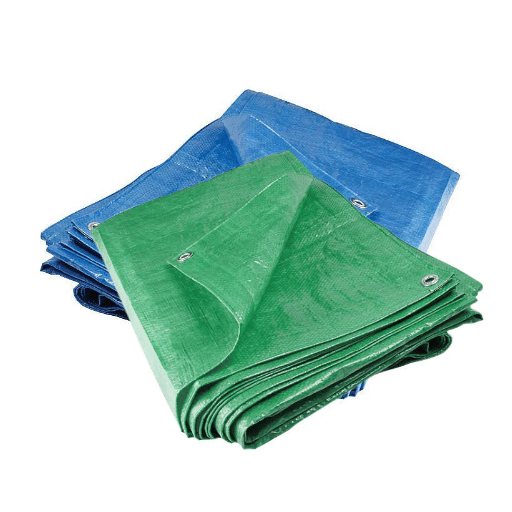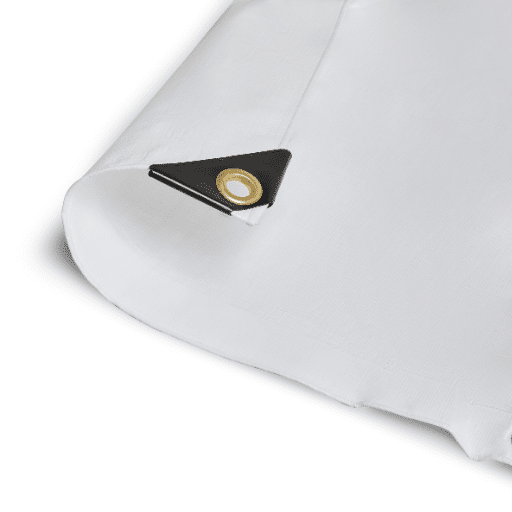
Quality control on a softball field mainly relies on protecting it from the elements. For example, rain, sun, and other environmental factors can damage the turf, pitching mounds, and infields, thus, making them unplayable and unsafe. Again, this is where the use of softball field tarps comes in. Basically, these protective covers play a very important role in keeping the field in good condition and also extending its life. In this piece, we will look into the reasons why every team should think about getting the field tarps as an investment, the different types of tarps, and how they can protect your field from the challenges of different seasons. It does not matter whether you are in charge of a school facility, a community park, or a professional venue; knowing the importance of these protective covers is vital.
Understanding Softball Field Tarps
What are Softball Field Tarps?
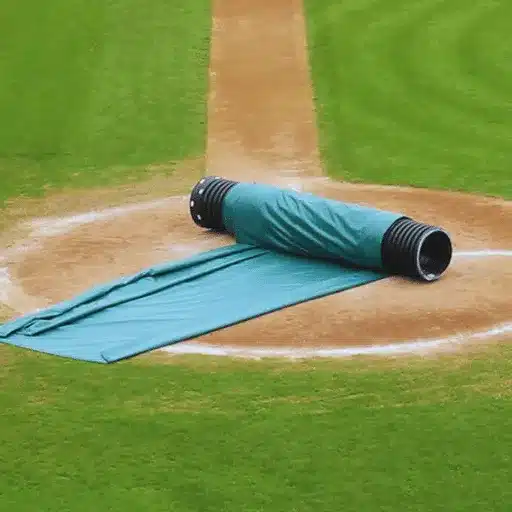
Softball field tarps are strong, weatherproof covers designed to keep the field safe from weather conditions like rain, snow, and heat. They are usually made of tough materials like vinyl or polyethylene, giving a strong defense against both water and sun rays. By not letting water pool on the field, the tarps help in maintaining the field’s conditions and thus prevent delays or cancellations of games and practices due to waterlogged fields.
🛡️ Key Benefits of Softball Field Tarps
- Reduce wear and tear on the turf
- Cut down on maintenance requirements
- Preserve field quality and durability
- Available in various types and sizes
- Options include full-field covers and smaller spot tarps for bases and pitcher’s mounds
Importance of Using Tarps on Softball Fields
The use of tarps on softball fields is vital to the field’s long-term playability and sustainability. Recent data from the search engine shows that consistent field maintenance is among the top concerns of sports facility managers, and weather conditions are a significant factor. Tarps perform the dual function of providing a protective layer against rains, snows, and ultraviolet rays, and at the same time, they stop or minimize pooling and compacting of the soil.
How Tarps Protect Your Field
Water Protection
Prevents pooling and soil compaction
Area Preservation
Protects mounds and baselines from damage
Cost Reduction
Minimizes post-storm repairs and maintenance
Safety Enhancement
Creates safer playing environment for athletes
Types of Tarps and Covers for Softball Fields
There are many kinds of tarps and covers designed to meet the specific needs when it comes to the protection of softball fields. The following are the most common options:
| Tarp Type | Purpose | Key Features |
|---|---|---|
| Full Field Covers | Cover entire field | Heavyweight polyethylene or vinyl; total protection from rain and weather |
| Mound Tarps | Protect pitcher’s mound and home plate | Small, round covers for high-use areas; rain and sun protection |
| Base Covers | Protect bases and surrounding areas | Keep zones dry and playable after rain |
| Custom Fitted Covers | Fit irregular spaces | Tailored fit; hassle-free protection |
| Weighted Tarps | Secure fastening in windy conditions | Extra weights or grommets; no additional anchors needed |
When these tarps and covers are selected carefully, they can immensely lengthen the life of a softball field while still keeping it safe and playable. Nowadays, modern developments in tarp materials and design have led to the production of even lighter, yet stronger options, thus lightening the burden of handling and improving the protection of the field.
Selecting the Right Softball Field Tarp
Factors to Consider: Size and Coverage
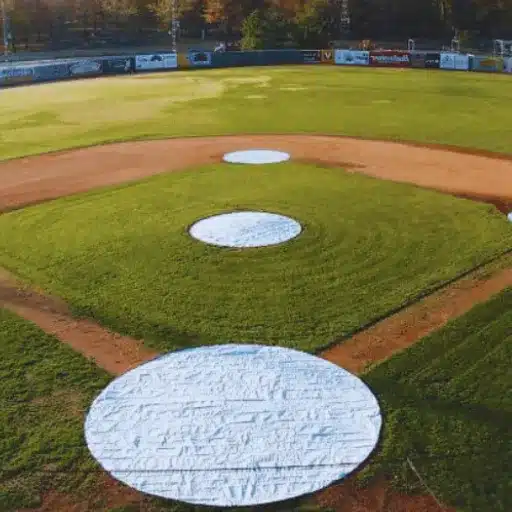
When it comes to picking a softball field tarp, sizing and coverage requirements evaluation is very important to confirm proper protection of the field. The tarp size should be corresponding to the dimensions of the specific area that is going to be covered—the infield, outfield, mound, or home plate area. Standard full-field tarps can go from 120 feet to over 200 feet in diameter displaying choices for fields of different sizes. Furthermore, thinking of partial coverage solutions for specific areas, like mound or base covers, that are crucial for quick deployment when unexpected rain occurs is greatly appreciated.
📏 Sizing Considerations
- Standard Range: Full-field tarps range from 120 feet to over 200 feet in diameter
- Maximum Coverage: Should provide sufficient protection without being unmanageable
- Material Innovation: Lightweight high-tech polyethylene and vinyl combine durability with user-friendliness
- Storage Benefits: Right size makes storage and application easier
Material Quality and Durability
Material quality and durability are the top factors that should be considered when choosing a tarp, since they have a direct connection to the lifespan and effectiveness of the product. According to recent search engine data, more and more consumers are looking for tarps that possess high tensile strength along with the weather-resistant attributes, which is a clear indication of the demand for durability and practice changes.
Canvas
Superior resilience to UV exposure and abrasions
Polyethylene
Excellent protection against heavy rains and weather
Vinyl
Outstanding durability and environmental resistance
The use of quality materials usually implies a higher cost at the start but, in return, comes the long-term savings attributed to the extended usability, so that the ground remains dry during and after the rains. You can depend on a reliable tarp for performance consistency and also a lesser need for replacement which makes it a feasible option for both personal and professional use.
Weight and Maneuverability
The weight and maneuverability of a tarp must be considered while selecting it, a right balance should be found to suit your application. Typically, heavy tarps made from thicker materials give excellent durability and tear resistance making them perfect for covering large equipment or construction sites as demanding tasks. On the other hand, these tarps will be more difficult to move and handle especially if only one person is doing the job.
| Tarp Weight Category | Advantages | Best Use Cases |
|---|---|---|
| Heavy-Duty | Excellent durability and tear resistance | Large equipment, construction sites, permanent installations |
| Lightweight | Easy handling, simple setup, portable | Temporary covering, recreational purposes, camping |
Based on the latest search trends, users often look for lightweight and portable products that are user-friendly and strong at the same time. When you know what you need and what the purpose of the task is, you can then make an intelligent choice that fits both the practical and the performance requirements.
Installation and Usage of Softball Field Tarps
Proper Installation Techniques
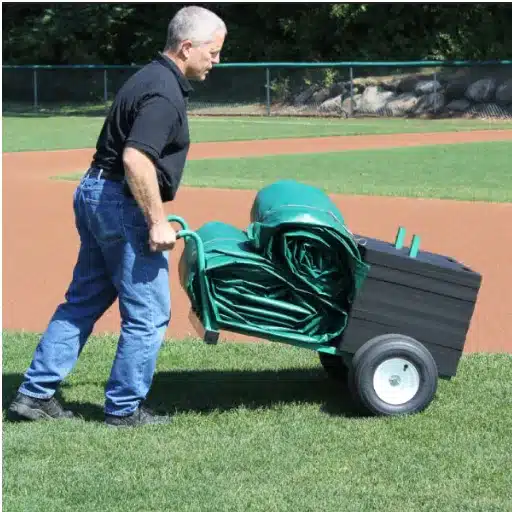
Installing softball field tarps properly is a process that needs to be careful to details if one wants to achieve both robustness and usefulness. The current search queries show that users are often interested in various ways of preventing damages as well as obtaining a firm fit even under the most diverse weather conditions.
Step-by-Step Installation Guide
Clean Area
Remove debris to prevent punctures
Unroll Evenly
Spread tarp uniformly across field
Secure Edges
Use anchor weights or ground stakes
Check Tension
Keep taut but not over-stretched
⚠️ Important: Keeping the tarp not over-stretched is the best way to have the durability of the material as over-stretching weakens it. To the extent that the tarp is taut and unstrained, its performance and life will be maximized.
Using Stakes and Sandbags for Stability
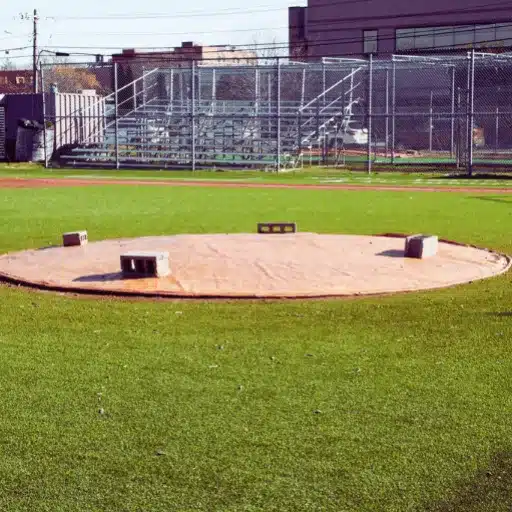
The combination of stakes and sandbags is an extremely efficient way to prepare tarps and covers for a highly secured place, a fact proved by recent data activities in search engine trends. While stakes offer unmovable anchor fixing, thus avoiding any shifting or wind-related movement, the sandbags strengthen the support and also add weight at essential places.
🔒 Dual Anchoring Benefits
- Stakes: Provide unmovable anchor fixing to prevent shifting and wind-related movement
- Sandbags: Add supplemental weight at critical stress points
- Combined Effect: Maintains tarp position during tough weather conditions
- Tension Distribution: Spreads pressure evenly to reduce tearing risk
- Placement: Set stakes at uniform intervals along edges; place sandbags at corners and high-stress areas
How to Effectively Cover the Infield
The merger of the established methods and modern data insights guarantees that the coverage of the infield is at its best. It is revealed by the search trends that the use of reinforced tarps along with the placing of weights like sandbags at the points prone to risks has become a fast-growing practice. These practices not only cut down on time but they also minimize the risk of materials getting fatigued.
💡 Best Practices for Infield Coverage
- Use reinforced tarps for enhanced durability
- Place weights at risk-prone points to prevent shifting
- Maintain even pressure distribution across the tarp
- Utilize quality maintenance stakes to prevent slipping
- Employ heavy-duty materials for corner anchoring in strong winds
By utilizing the interplay of traditional know-how and modern data trends, field management can provide efficiency in and longevity of infield condition preservation.
Maintenance of Softball Field Tarps
Cleaning and Care for Longevity
The tarps used in softball fields need to be cleaned and maintained properly to last long and be effective over the years. Recent studies suggest that using mild soap and water for frequent cleaning can stop dirt, mold, and other materials from wearing out the tarp. Moreover, staying away from strong chemicals is important, as they can ruin the material and break down the tarp’s protective cover. Also, storing the tarp dry eliminates the retention of moisture that can cause the development of mold or the breakdown of the material.
🧼 Tarp Maintenance Checklist
✓ Regular Cleaning
Use mild soap and water frequently to prevent dirt and mold buildup
✓ Avoid Harsh Chemicals
Strong chemicals can damage material and compromise protective coating
✓ Dry Storage
Store in dry conditions to prevent mold growth and material breakdown
✓ UV Protection
Modern tarps feature UV-resistant coatings for enhanced durability
Manufacturers are now coating their products with UV-resistant coatings at the time of fabrication, and as a result, the tarps become much more durable against sun exposure and fading. Along with cleaning and regular UV resistance, field managers will be able to rely on their tarps’ strength and performance even after a season or two!
Storage Solutions: Using a Storage Roller
A storage roller is one of those handy gadgets with high efficiency that aids the process of dealing with and storing tarp fabrics of large dimensions. From search results on the internet, the information indicates that the majority of users are asking about the best practices for utilizing storage rollers in order to increase effectiveness. To respond to this, it is of the utmost importance to firstly make certain that the tarp is clean and dry, then roll it onto the storage roller. Doing so prevents dirt, moisture, and mold from being stored along with the product.
🎯 Storage Roller Best Practices
- Clean Thoroughly: Ensure tarp is completely clean before storage
- Dry Completely: Allow tarp to dry fully to prevent mold and mildew
- Choose Quality Rollers: Select storage rollers made of strong, weatherproof materials
- Look for Features: Modern rollers include comfortable grips and lightweight materials
- Proper Storage Location: Keep in dry, cool conditions for additional protection
Proper maintenance combined with these methods will not only enhance the tarp’s lifespan but will also keep it in prime condition for the next use.
Repairing Damage to Tarps
In the case of large and/or deep tear or hole repair with tarps, the first thing to do would be to assess the damage. Minor punctures with glue tarp patches or waterproof repair tape can often be repaired in no time, whereas bigger ones may need sewing or the application of heavy-duty tarp glue together with a similar-material patch. For the best performance, it is always necessary to clean and dry the area before applying any of the repair materials.
| Damage Type | Repair Method | Materials Needed |
|---|---|---|
| Minor Punctures | Quick patch application | Tarp patches or waterproof repair tape |
| Larger Tears | Sewing or heavy-duty adhesive | Heavy-duty tarp glue, similar-material patch |
| Major Rips (PVC) | Heat welding | Heat welding equipment, pressure application |
| UV Damage | UV-resistant adhesive repair | UV-resistant adhesive solutions |
⚠️ Note: With the application of these different techniques, tarps can usually be brought back to a state of functional use, leading to the saving of costs and reduction of waste. Nonetheless, if the defect is too great or is irreparable, it is more efficient to totally replace the tarp in order to maintain the desirable characteristics of the product and overall performance.
Benefits of Baseball and Softball Field Covers
Protection Against Rain and Weather Elements
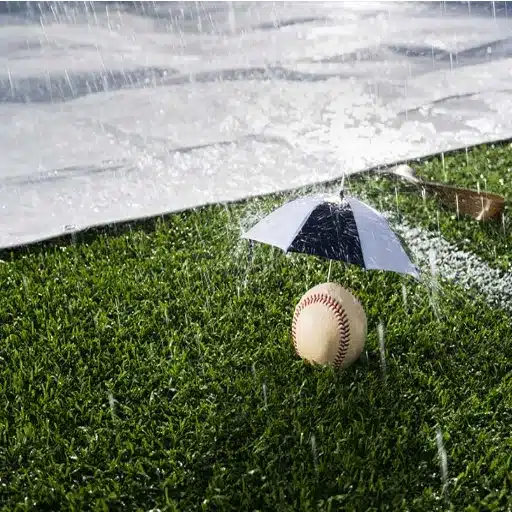
Covers for baseball and softball fields are one of the most important factors that protect fields from rainy and harsh weather conditions. These covers keep the soil from absorbing too much water, resulting in muddy and unusable fields that can cause delays in winter or summer games and practices. Newer field cover trends, coming from the data compiled, particularly show the capability of coverings in extending the lifespan of the fields by controlling the damage caused by water and erosion of the playing surfaces.
🌧️ Weather Protection Benefits
- Prevents soil from absorbing excess water
- Eliminates muddy and unusable field conditions
- Reduces game and practice delays
- Extends field lifespan by controlling water damage
- Prevents erosion of playing surfaces
- Modern covers combine durability with lightweight handling and easy storage
Enhancing Field Conditions for Play
Refining the technology of field cover has no end when it comes to ensuring top-notch field conditions for play. Many people are left wondering, “What is the most effective way to maintain field conditions during changing weather?” The latest data and insights say that it’s the combination of high-quality field covers and proactive maintenance routines that gives the best results.
🏆 Optimal Field Maintenance Strategy
- Breathable Covers: Regulate moisture effectively
- Weather-Resistant Materials: Prevent overexposure to rain or sun
- Regular Inspections: Identify issues before they become problems
- Soil Management Practices: Maintain healthy playing surface
- Sustainable Approach: Keep fields play-ready during unpredictable weather cycles
Cost-Effectiveness of Using Tarps
The cost-effectiveness of using tarps has a lot to do with their combining durability with reasonable prices, thus providing a long-term field maintenance solution. The trend data reveals a growing interest in weather-resistant tarps as they are advertised to be able to extend the lifespan of the fields by preventing damage from the unpredictable weather events.
💰 Long-Term Financial Benefits
Initial Investment
Higher upfront cost for quality tarps
Long-Term Savings
Eliminates repeated field repair and reseeding costs
Maintenance Reduction
Prevents excess water accumulation and protects soil health
UV Protection
Blocks harmful rays, reducing long-term maintenance needs
For any organization dealing with sports fields or agricultural land, tarps turn out to be a necessary and valuable tool for both economic and operational sustainability.
Frequently Asked Questions (FAQ)
Reference Sources
- Michigan State University – Tarping to Preserve Playing Conditions: Discusses the use of tarps for maintaining field conditions, including specific dimensions and materials. Source
- Sacred Heart Mosaic – Full Infield Baseball and Softball Rain Tarp: Highlights the durability and waterproof properties of reinforced PVC and polyethylene tarps. Source
- Michigan State University – Preparing Baseball and Softball Fields: Provides guidelines for tarp storage and field preparation to maintain optimal playing conditions. Source