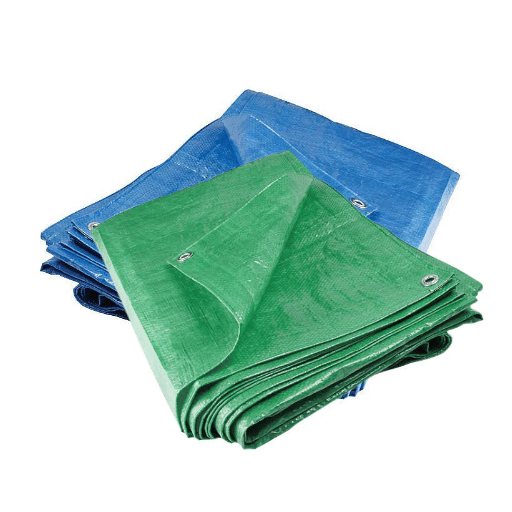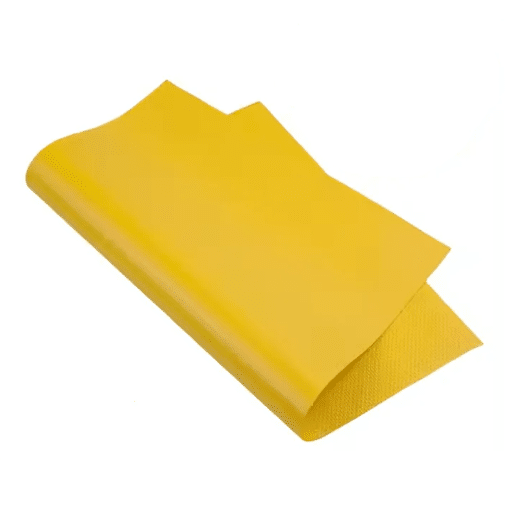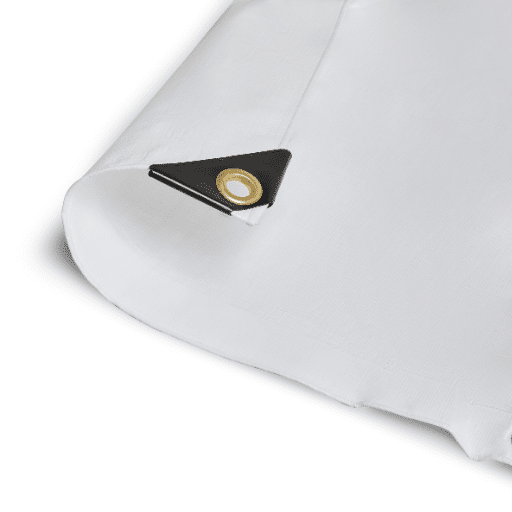
Polyethylene (PE) tarpaulins, more commonly known as poly tarps, are simple, yet effective and versatile. They are by far the most efficient as they embrace numerous benefits. Made with robust properties in mind and extremely good to work in almost all aspects, poly tarps can be used in different industries like agricultural, construction, transportation and disaster management among others. But what is so special about PE tarpaulin that it is found suitable for many tasks and where it is the best choice? In the following sections, the article examines the structural design, distribution, characteristics, and applications of Polyethylene Tarpaulin across all types, equipping readers with sufficient knowledge for its effective and durable use. This post targets both audiences where one already deals in the provision of materials that have a prolonged life while the other is in the quest of knowledge on how we came up with this approach of treating and handling this product.
What is a Tarpaulin PE?
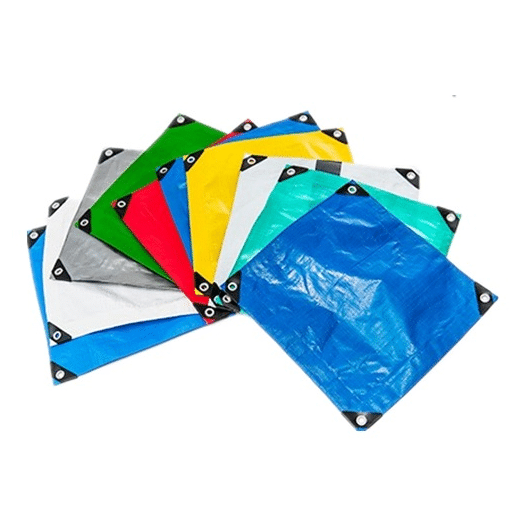
Polyethylene tarpaulin, or PE tarp, is a type of fabric made from woven polyethylene that is layered with a covering of polyethylene film. These textiles are readily applicable in outdoor use due to their being lightweight, waterproof and impenetrable to the sun’s beams. Most of the times they are acknowledged as tarps, they are pulled on top of surfaces, people as well as their properties to safeguard against weather conditions such as rains, sunshine and even dust among other examples. They are not only utilized in these industries but are also very convenient since they are affordable and this is the reason why they are used in various sectors of the economy such as the construction sector, agriculture as well as transport sector.
Definition and Composition of Polyethylene Tarpaulin
A polyethylene tarpaulin, often known as a poly tarp, is a type of plastic which is both versatile and water resistant and mostly used for protective purposes. The most important components as regards the composition of the polytarp include the high density polyethylene (HDPE) woven fabric for strength and toughness while the low density polyethylene (LDPE) film may be coated on one or both faces depending on the application requirements. The above cannot be questioned to be a robust system having all the features of good strength and the ability to withstand the elements. There have also been changes in the manufacturing of polyethylene, such as the inclusion of UV stabilizers to increase the material’s ability to withstand adverse effects of sunlight exposure.
Polyethylene tarps commonly come in weights of grams per square meter (GSM) the thickness of mils (thousandths of an inch), with higher figures representing heavier and long-lasting products. On average, normal tarps consist of 9 to 20 mils or 180 to 400 GSM. However, they can withstand loads and survive under diverse weather patterns like heavy rain sunk under light weight or heavy snowstorms even if the tarp is very thin and in some instances, these tarpaulins have been found to be recyclable. In addition, such additives as antislip coating or flame retardant are now being used in the tarpaulin market, to aid in reaching clients’ expectations as well as to make it compliant to certain laws and standards, hence can be used in several sectors and industries.
Types of Tarpaulins
| Type of Tarpaulin | Material | Key Features | Common Uses | Thickness Range |
|---|---|---|---|---|
| Heavy Duty | Polyethylene (PE) | UV-resistant, waterproof | Construction, farming | 10-20 mils |
| Super Heavy Duty | Polyethylene (PE) | Tear-resistant, reinforced edges | Industrial, transportation | 20-30 mils |
| Canvas | Cotton or polyester | Breathable, water-resistant coating | Truck covers, tents | 12-18 mils |
| Vinyl | PVC-coated polyester | Durable, flame-retardant | Industrial, event flooring | 15-30 mils |
| Mesh | Woven polyethylene | Allows air and light passage | Scaffolding, privacy screens | 6-16 mils |
| Clear | Polyethylene or vinyl | Transparent, UV-stabilized | Greenhouses, weather shielding | 8-16 mils |
| Fire Retardant | Treated polyethylene | Meets fire safety standards | Welding, construction sites | 12-20 mils |
| Insulated | PE with foam layer | Thermal protection, waterproof | Camping, temporary shelters | 10-25 mils |
Key Features of PE Tarpaulin
- Durability
In other words, PE Tarps are resistant to rough handling. With tensile strength ranging from 600-1300 N/5cm depending on the grade, they are highly resistant to tearing and puncturing. - Waterproof and Weatherproof
Fabricated with polyethylene and sewn in seams, these tarpaulins keep out water, making them perfect to use in adverse weather conditions. - UV Resistance
There are types of PE-made rain covers designed with a UV screen, which are well-aged in the sun and do not undergo any shrinkage. It is much more durable and last longer in such high sundrenched conditions. - Lightweight and Flexible
These tarps, even though they are strong enough, are also light in weight and usually fall between 50 gsm (grams per square meter) to 350 gsm. This makes them easy for relocating and transporting. - Temperature Resistance
PE tarpaulins can be used across diverse temperatures from -15°C to +70°C, as long as the thickness and surface treatment of the material are appropriate, thus making them convenient for use in both mild and extreme environments. - Customization Options
PE tarpaulins are available in different grades – e.g., 6-30 mil, or finishes, and these aspects can be highly used, tailoring them for specific uses: be it industrial use, agricultural products manufacturing, or better still, in different home settings.
Benefits of Using PE Tarpaulin

- Durability
Plastics are extremely competent in dealing with stretching, wearing and tearing. Therefore, it has a better performance under harsh mileage conditions. - Waterproofing
It is also crucial to mention that such characteristics in combination with the waterproof feature make them great for ensuring protection of goods, construction, or even an area from rain and any other damage. - UV Protection
Due to their anti-UV covering, PE tarps are fit to hold up any damage caused by the sun which could damage both the tarp and the items it’s protecting. - Lightweight and Portable
In a remarkable way, they are strong and can even withstand a lot of pressure as they are able to be used to carry a very strong load. - Cost-Effectiveness
Moreover, they’re cheaply bought and easily adhered to bargain prices, enabling the use of such PE tarpaulins in many different areas.
Waterproof Properties and Durability
Tarpaulins made of polyethylene material (PE) are made waterproof by design, not that other processes would have made them impervious to water on their own. The waterproofing itself is done through the use of a polyethylene layer that is resistant to water, to prevent the liquid from seeping in through the tarp, making them suitable for use even in very unfavorable weather. In addition, they have high inherent strength due to tear-free fabric plies and fusion-bonded edges which do protect the integrity of the tarp enough to deal with most stresses including high moisture conditions for a long time.
Technological breakthroughs in the tarpaulin industry have seen the use of high-density polyethylene (HDPE), hence, enhancing its strength and durability in severe environments. Investigations show waterproof PE tarpaulins’ endurance against the continued outbursts of precipitation, with rainfall, moisture, and sunlight, such that rain does not penetrate the tarpaulin. This is necessary in water-sensitive industries like construction, transport, and agriculture.
Versatility Across Different Industries
HDPE is commonly uses in a lot of industrial sectors. It is also the most used material for tarpaulins. This is as a result of its lightweight nature and strength as well as its ability to resist external factors. In construction also, HDPE tarpaulins are used. Examples include temporary shelters, scaffolding covers, or protective tarpaulins for storage buildings. The tarpaulins are used to protect the materials from heat, water, dust and other elements. Containers that are used to transport goods also require these variants of tarpaulins. This is because the goods cannot float around and therefore need to be held firmly with the tarpaulin.
Huge advantages of HDPE canvas in agriculture should not be ignored. In this section, we are going to learn the HDPE tarpaulin uses in the agricultural sector, i.e., as ground covers, and liners for greenhouses, as well as for the protection of crops. They prevent water retention and with that, they also reduce water loss making water management effective. Moreover, it requires HDPE tarpaulins to be used for making temporary tents for housing, storage and field hospital purposes in disaster management and rescue operations. It can be stated justifiably that the HDPE tarpaulins for agriculture are highly versatile in critical sectors.
Cost-Effectiveness and Longevity
HDPE Tarpaulins hold the advantage of being cost-effective, particularly because there are few manufacturing costs in producing these types of polymeric tarpaulins. Additionally, their long service life is second to none. Antistatic properties in HDPEs are excellent against wear and tear, different from the uptake, which makes its maintenance cost higher. With the possibility of its usage in aggressive nature conditions as well as defects and irradiation protection, the material has a much better longevity as compared to other materials hence reducing the probability of having it replaced every time. This has added longer life to the products since it can withstand the hazardous effects of ultraviolet radiation, in temperatures rated as extreme, and the chemical has become an attraction to the users as they will not be changing it very often. This is because the new technology that has been introduced will ensure the durability of HDPE and this means that it will serve the purpose for which it was acquired, minimize pollution, which is environmentally friendly, and conserve the precious world resources.
Applications of Polyethylene Tarpaulin

Agriculture
Used in agriculture to protect against pests and simply to kill ground covers that encourage the growth of weeds besides using them as sheets to meet temporary needs.
Construction
Applied in construction where it is used in the form of tarpaulins to shield building materials oring sites that are under development and protect even such elements as scaffolding.
Transportation
Materials used for covering goods in transit, thereby preventing the goods from the elements such as rain, caused by the sun or even dust and blows
Residential and Recreational Use
All weather protective sheets for patio furniture, outdoor equipment and also used for camping prevents its users from suffering in unfavorable weather conditions.
Disaster Relief and Emergency Settings
Enables the pet enclosure to be used for the construction of emergency shelters, the provision of materials and the creation of emergency barricades in the case of a natural calamity.
Construction and Scaffolding Uses
During construction and scaffolding work, the importance of tarps cannot be understated as they serve two key purposes: that is, protection and protection of the environment. For example, scaffold structures are surrounded by tarps in order to safeguard everyone working and materials from being blown or battered by harsh winds, rains and other factors. Furthermore, tarps are helpful in such a way that they maintain dust and airborne particles as well as the area within the site boundaries minimizing environmental impact and enhancing safety within the site.
Moreover, High-density polyethylene (HDPE) and polyvinyl chloride (PVC) tarps are often chosen due to their ability to withstand exposure to UV rays and extended periods of heavy rain. There is also the aspect of ensuring that the project is completed on the earliest possible timeframe by lessening the construction delays that result from poor weather conditions such as with mild rain or soft snow. These reasons pretty much cement the need for tarps in construction sites and scaffolding credit activities.
Outdoor Events and Recreational Activities
It is essential to use tarps and other types of weather-treated components for operations and entertainment activities outside, in order to enjoy the element and ensure safety measures are in place. There are many reasons that justify the issuing of easy ups or canopies from edges using UV resistant tarpaulin quality, so that they keep the sun away from any people present including the audience, which serves to improve the serenity of any activity. This is evidenced in a survey on such strategies, according to which more than half of the event organizers experienced more events and happier attendees without some events interruptions. Further, modern material development has allowed for tarpaulins that are more durable yet lightweight, which can make setting up and delivery an easy task for mat event planners. They are also more creative as old uses of tarps are being fused into the new design of outdoor stages, seating, and decorations while serving their purpose looking good.
Agricultural and Industrial Applications
In agricultural and industrial activities, tarpaulins are highly sought-after materials due to their utility, resistance and resilience. In the field of agriculture, it is common wherever protection of crops is concerned particularly against adverse climatic elements that negatively affect the yield. In the category of livestock, tarpaulins help in the construction of temporary shelter so that the animals can remain safe or be given a favorable environment even with the changing climate. In addition, in silage, they can be used to keep animal feed in good shape.
In terms of industry, tarps are useful in storing material, keeping raw materials and finished products safe from onerous humidity and dust. At sites where construction is in progress, they are used to conceal machines, anchor and contain slats as well as walls or building supplies, to minimize impacts that may arise due to harsh weather conditions. In addition to that, the latest designs also include fire-retardant and chemical-treated tarpaulins that are tailored to operate in strict industrial areas with safety and health regulations on fire risks. The introduction of these tarps in industrial and agricultural activities is very reasonable, cutting across importances such us efficiency and the availability of other methods of producing the items.
Manufacturing Process of Tarpaulin PE

There are a series of processes in the manufacturing of polyethylene (PE) tarpaulins, which are aimed at making the product strong, durable and highly weather-resistant . Firstly, raw polyethylene granulation is melted and then twisted to develop the flat and direct or cylindrical of the fabric. Fabric is usually formed in this process, which must be woven, aligning it, that is, the high-density polyethylene (HDPE) strips, which are meshed into dense encircling strands, giving the material its primary structural.
The next purpose in this area is the lamination, where the layer of low density polyethene (LDPE) is spread on both sides of a substance without weave to improve waterproofing and sun protection. To make the polyethylene covers more durable, the edges are heated with a gas powered welding tool, and the corners are fitted with metal or plastic areas that allow you to hang them securely. The tarps are then fitted to the size and the items are maintained at their original state before being packed
Materials Used in Production
The making of durable, long-lasting tarpaulins involves selection of top quality materials that can withstand different harsh conditions. High-density polyethylene (HDPE) is usually the major ingredient and it usually comprises the woven core of the tarp. High Density Polyethylene is popular for its tensile strength, resistivity to wear and tear, light-weight nature and ease of processing. This makes it appropriate even for objects that undergo a lot of beatings or are used in adverse weather. For the tarp to be water resistant, it is coated with low-density polyethylene (LDPE) which is in turn applied as a thin line over the surface.
To defend against threats associated with extreme use levels, as well as general wear and tear, UV-reflective elements are installed into most tarp materials when they are being formulated. This means that they are resistant to ultraviolet rays and are suitable for all external use extremes. Most tarps, however, are tarnished by scratches, frays, tears and discolorations making their appearance worn and inelegant. Consequently, consumers have purchased products for specifically intended disposable purpose.
Steps in the Manufacturing Process
- Material Selection and Quality Control
The initial phase begins with the sourcing of proper ingredients which in this case consists of strong yet light and flexible high-density polyethylene (HDPE) or woven polypropylene. All these materials are quality checked to ensure that they meet the set tensile strength and are able to withstand the UV-light intensity in the strength of the rays that is anticipated. - Weaving and Lamination
The granules of the plastic material are emulsified and extruded sufficiently to make flat tapes or threads so that they can be used to make the base fabric of the plastic. After this is set up, the base fabric is enhanced with additional polyethylene layers or other coatings to make the fabric more water resistant as well as safe to ensure it does not unravel with heavy usage. - Cutting and Sizing
On being laminated, the material is then specifically cut out using a practice involving automatic cutting machines that are completely distort or space the bound design. This ensures zero variation in dimension coupled with effective use of the material. Hence there is minimal waste during production. - Seaming and Reinforcement
In order to prevent the newly reworked pieces from pulling apart, the edges of the material are sealed with heat and a reinforced seam will also use a double lock type of sewing using heavy duty thread. There are those corners that are easily stressed and an extra piece of fabric called corner patches is applied to help in that area. - Grommet or Eyelet Installation
Rust-resistant grommets or strong plastic eyelets are placed at strategic distances around the tarp. This particular phase is normally done with the use of automated hydraulic presses to ensure consistent placement and firm attachment. - Final Inspection and Packaging
Every tarp is subjected to a last check for its correctness of make, similarity in size, the absence of any fabricated mishaps. Then the tarp, which meets expected requirements, is folded or packed as a roll, placed in a protective covering, labelled, and ready for sale.
Product Information and Description

The tarp is inherently created with the use of high-density polyethylene (HDPE) compound in such a way that it provides resistance to weather, UV radiation, and long wear. The user has also considered extra safety by having thermally fusion bordered edges around the composite tarp to resist higher loads before it becomes damaged. The tarp has grommets located at calculated positions across the border to facilitate the attachment to other sections or additional facilities. The tarp has a number of thicknesses and dimensions that cover various applications such as construction, outdoor storage, and weather protection. The level of the product’s load bearing capacity and its performance under extreme conditions as well as the intrinsic durability of the part is completely within the norm of this sector of activity.
How to Choose the Right Poly Tarp
Picking the right poly tarp for a specific application involves a number of facets such as how acquainted the user is with the tarp materials, the objective of the use, the existing weather conditions, and the extent of usage to expect. The first thing to look at when considering the material is the plastic material breadths. Really compact plastics, the likes of 10-mil or 16-mil products, are good for taking some rough treatment now and then. Tamer type tarps are provided by smaller measurement areas. The pattern of the grommets and how well they are reinforced are some of the factors to consider. When grommets within a tarp are near one another, the tarp has a higher capability to keep the material on top in place, making it less affected by strong winds or withstand the material for a certain period.
Durability serves as another consideration. Additionally, the UV treated poly tarp is water and mold resistant when it is used outdoor. In areas that are prone to fire, tents with a fire retardant coating may be needed to be built in accordance with the fire suppression laws. Finally, when determining the exact area of coverage, it is always important to consider an appropriate arrangement so that it fits well and does not require readjusting. All this and more can be taken into consideration so that one can appreciate even how a poly tarp is well constructed, designed and well maintained to surpass expectations.
Understanding Product Specifications
With regard to the uses and performance, there are some few things to be taken into account as regards the particular polyethylene tarp in question. The basic evaluation lie on the scrutiny of the material, whereby, it is crucial to establish the limitations of the material. The material in question has, among others, the following as its main features: the thickness of the material, usually expressed in mils which is a direct indication of the strength of the material and its wear resistance. This is attributed to the fact that some standard application tarps range from as low as 6 mil in the lightest case to as high as 15 mil or more in the most extensive case.
The mesh count also known as the thread count, which is the number of threads per unit area of the fabric. A finer fabric will have high square count while a coarser one will have low square count. Generally, the stronger the fabric the higher the threads count and tear strength provided, especially when the fabric is loaded and under stress, as well as when the load is subjected to wind. Moreover, waterproofing and UV resistance is also very crucial.
Pay attention to reinforcements such as heat sealing and rust resistant grommets which enhance the structural integrity of the tarp, making the installation secure. Some variations are made with more modern due to a better coatings, like polyethylene-laminate finishes, in order to give them better capacity of water resistance and abrasion resistance. Also, the product specifications always tell operating temperature ranges, especially in extreme hot or cold weather conditions.
Maintenance and Care Tips for Longevity
- Regular Cleaning
It is considered best to clean the tarps to maintain a clean appearance so that dirt, pebbles, and flashing do not accumulate. Accumulation does one nothing but call out pathogens and molds. To prevent that, use a detergent containing water and gently scrub the surface. Do not forget to wash off, otherwise it will dry, and mildew will grow over the tarp. - Dry Before Storage
Don’t put the tarp away until the tarp is dry to prevent the formation of mildew or mold. If trapped water during storage, on the tarp, is not removed, the fabric will lose its strength and most likely emit a bad smell in the future. - Inspection for Damage
Never allow damage from the use of the tarp recommended for use; always seek solutions. You can also use adhesive patches/handles available at a local shop, however these are not as effective as the specialized kits for tarp repair. - Store Properly
Be sure to store the tarps in a place guaranteed not to be exposed to a lot of light or high temperatures. Sunlight damages or ruins many fabrics that are stored tame and random use of the tarp would not give ridges promoting face shows. Less space is wasted when tarps are rolled up instead of folding them in half. - Avoid Prolonged Exposure to Harsh Conditions
Do not use tarps frequently for extended periods of time especially in harsh weather elements like heavy snow or strong winds. The extreme weather conditions are demanding, and even the thick-duty tarps cannot withstand the strain. - Secure Usage
Whenever a tarp is being used, make it a point to secure it without fail. Swaying back and forth that results from inferior fastening, especially in windy situations, may bring about a condition where the places it was fastened to wear out earlier than they are supposed to. Anti-corrosion grommets and heavy-duty fasteners should also be used as relevant.
Reference Sources
- Efficient biodegradation of Polyethylene terephthalate (PET) plastic by Gordonia sp. CN2K isolated from plastic contaminated environment
Read more on ScienceDirect - Tradeoffs of a rising agroecological practice: addressing uncertainty around tarping with participatory action research and mixed methods
Read more on Taylor & Francis
Frequently Asked Questions (FAQs)
What is a polyethylene tarpaulin product description?
For covering and protecting products, polyethylene tarpaulins are used. They are thick, water-resistant, woven polyethylene sheets that can be woven like plastic tarps. Usually, the manufacturers specify the material of fabric, size, and the grain of fabric being woven because these tarps are composed of woven polyethylene or simply laminated to one. This is how you determine the product quality selection based on the strength and the abrasion resistance for exact purposes. Additionally, many suppliers also state whether it is made of PP, PE, or any other polymer, the recyclability, the shelf-life and more.
How does a heavy-duty poly tarp provide waterproof protection?
Heavy duty poly tarps are considered as those, the sheet material of which is either laminated or coated, the latter meaning that all parts of the tarp are water-resistant and able to effectively protect the contents by providing a shield. Wear and tear caused by moving tarp are substantially reduces by the presence of this covering, with the addition of a coating enhancing stabilization and increasing the tear-resistant properties, which should be free from any defects. Some eyelets machine, as well as supporting material, achieves full concealment while maintenance of the article as edges outward exposure is supported. These properties render them as a cost-effective solution for outdoor coverings and temporary edifices.
Can a super heavy-duty tarpaulin resist wear and tear on rough terrain?
The main purpose of extra heavy duty tarpaulins is to provide long-lasting strength and stability on uneven grounds and minimize damage from various forms of sharp objects. User’s memory of the fact that a large proportion of these rugged sheets are constructed of extra-thick PE threads which should also remove fear of potential cracking in UV-exposed conditions or punctures. As heavy equipment has a stronger design, it will be wise to go for the corners and the metallic mounts meant for this equipment. This is convenient for moving goods and trade, factory construction, or plane trade shows.
Is a PE tarpaulin suitable as a pool cover or for temporary structures?
They may be regarded as temporary frameworks because they are fully shelter and water damage for proper securing of them. Therefore, such cover and protection is preferred. In fact, they are best suited for such protection – periodic or short-term cover is in place and is cost-efficient because they are not to be disposed; but, for long term usage, choose a tarp with less chances of growing old as quickly. And many if not all such taurpaulin come in sizes that serve purposes for pools as well as temporary housing and can be fitted with nets or an additional layer for increased protection.