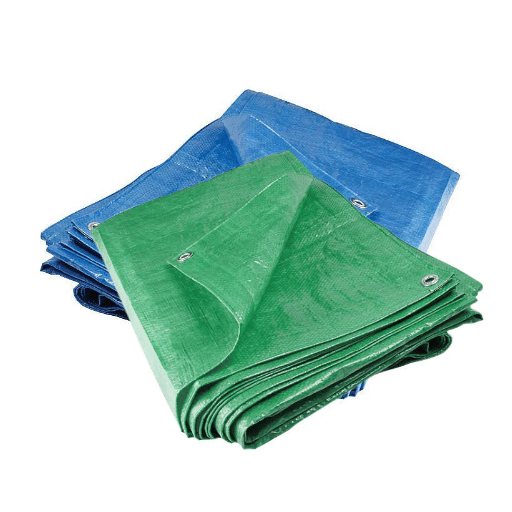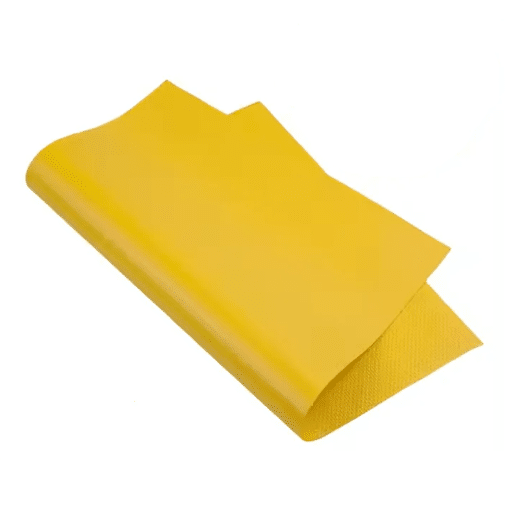
There are so many ways people build tents on earth, all of them are appreciated building their strength and ability to sustain certain harsh conditions. The categories might differ in terms of water resistance, heat resistance or breath-ability, whose differences can be pointed down to two main components. The fundamental principles of these definitions though may sound intricate, are very important in estimating how a tent would performability and its useful life in different environments. In this article, it will try to uncover the mystery of denier and mesh count, illustrating in detail on why they call it the durability metrics, tear resistant and load bearing capacity. Whether the purchasing of a tarp in certain region, order of constructing a building, or for some other purpose, having defined these characteristics in advance will allow the rational and competent solution to the problem.
Introduction to Tarpaulin

Tarpaulins, commonly referred to as tarp, are flexible and sturdy pieces of material; they are used in many industries and perspectives. Made typically from polyethylene, canvas or vinyl materials, the development of tarps aims to cover damages brought by weather like rain, sunlight, and wind. Such properties are in use in building, agricultural, transportation and entertainment industries in that they are able to with stand much extent of harsh conditions. Thus, the performance of a tarp depends on its material construction, water repellence, tensile strength and wear resistance of the tarp. Professional as well as everyday needs make it a vital implementation tool.
What is a Tarpaulin?
Tarp, as known in its common use, is a large piece of fabric made of very tough water proof materials that are usually covered with polyethylene or have their entire construction made of synthetic materials like vinyl and canvas. Such covers are made to last under different circumstances and traditionally find their widespread use in a number of industries. Therefore, there are numerous thicknesses of tarpaulins, classified under the concepts of gauge and denier strength, and these concepts determine their span and area of usage as well in the same way.
A case in point is the heavy-duty covers that usually come with hem and grommets which run for long in many occasions without removing or tearing them. Alternatively, more advanced materials have emerged which incorporate such attributes as UV protection, fire proofing and special chemicals to prevent mold development further extending product use. Whether it is for coverings of construction materials, crusted on farms to constructions, places where vehicles are stored, or even structures that are used against the weather, there is no challenge too meaningless for a tarp.
Types of Tarpaulins
| Type of Tarpaulin | Material | Key Features | Common Uses | Durability |
|---|---|---|---|---|
| Polyethylene (Poly) Tarp | Plastic (Polyethylene) | Lightweight, waterproof, UV resistant | Construction, agriculture, camping | HIGH |
| Canvas Tarp | Cotton or polyester | Breathable, mildew resistant, durable | Painting, landscaping, industrial | VERY HIGH |
| Vinyl Tarp | PVC-coated polyester | Heavy-duty, oil-resistant, waterproof | Truck covers, roofing, marine use | EXTREMELY HIGH |
| Mesh Tarp | Polyethylene or vinyl | Permeable, UV protection, lightweight | Fencing, shading, debris control | MODERATE |
| Fire-Retardant Tarp | Treated materials | Flame-resistant, durable, weatherproof | Welding, industrial, firefighting | HIGH |
| Clear Tarp | Clear polyethylene/vinyl | Transparent, waterproof, UV resistant | Greenhouses, enclosures, skylights | MODERATE |
| Insulated Tarp | Multi-layer composite | Thermal insulation, waterproof, durable | Concrete curing, winterizing projects | VERY HIGH |
| Lumber Tarp | Heavy-duty vinyl | Waterproof, tailored for flatbed loads | Securing transported lumber | EXTREMELY HIGH |
| Asphalt Tarp | Heat-rated vinyl | Heat resistant, waterproof, durable | Covering hot asphalt during transport | EXTREMELY HIGH |
| Multi-Purpose Tarp | Mixed materials | Versatile, lightweight, weatherproof | General outdoor covering | HIGH |
Importance of Tarpaulin Strength
A significant contribution to the quality, service life and suitability, in different areas of activities, of the awning weighs its resistance. High-strength fabrics are made from modern materials such as thick or heat-sealed PVC, designing it in such a way that the tarp would resist very high wind speeds, rainfall, and UV rays. Kinds of tarps for instance which are characterized with the ability to carry asphalt should be waterproof on the top of being able to resist high temperatures, on the other hand, lumber-type tarps are required to be even more tear-resistant and take the holder’s dimensions into consideration in order to fix and protect.
Over the course of time, there have been some improvements in the field of material engineering that lead to the development of higher tensile resistant, longer lasting tarpaulins that are also consisted of resistance of abrasive components tailored specifically for industries like construction, logistics, and agricultural practices. Very often, superior quality tarps decrease the budget for repairs because they offer many more years of usable service and cause minimal downtime by being replaced less frequently. Also, their adaptability to work effectively over a variety of harsh climates ensures that projects are run within the set targets efficiently especially in hostile conditions such as site winterization and products of construction that must be established near heat sensitive materials.
Understanding Denier

Denier is easy to understand. It can be explained as an expression of the thickness, mass, or length per unit volume of fibers and this term helps to understand the weight which is needed to cover a distance of 9,000 meters of thread. The least the mass per denier of a fiber, the weaker the fiber and the more the mass per denier the thicker and stronger the fiber. Accordingly, 1 polypropylene fabrics with 600 fibers are found to break down slowly compared with 100 fibers per inch count of polypropylene. Failure to consider the denier of a fabric is ignoring the fact that one of the values and determinants of the material’s tear and abrasion resistance is not being considered and addressed. The evaluation of denier value is also used to understand the type of fabrics to be used in certain areas to be able to keep their useful period.
Denier at a Glance
- Low Denier (10–50): Lightweight; ideal for hosiery, lingerie, and summer clothing.
- Mid Denier (200–400): Ripstop structures popular in outdoor equipment — tough yet light.
- High Denier (400+): Backpacks, tactical wear, industrial textiles — maximum durability.
Definition of Denier
Denier is a measure used to control the mass of fibrous material in grams per 9,000 meters along a fiber. The unit that is normalised to assess the thickness and strength of the threads that are commonly used in textiles. It tells those who need to select textiles if it is necessary to go on thicker fabrics denier fabrics or oppositely, what to do with regard to lighter fibre count fabrics. Dependence upon denier does not only mean the strength of the going out jacket, soft furniture, or any other article. For necessities like clothes used during summer, such denier will have to be very low (for the photos from the internet and in the topic dresses and skirts acceptable).
New materials produced in modern times have revolutionized textile attenuation because of the appearance of high-denier materials. Studies have shown that some of these materials can be used in a variety of purposes and adjusted with different levels of denier durability as per the end use. One can therefore appreciate the usefulness of such terms in material science and applied technology as denier is one of the key considerations that affect the choice of a material.
How Denier Affects Durability
One factor that significantly contributes to the strength of a piece of fabric is denier. The more the denier, the more markup resistance is expected because the fabric itself is thicker and stronger due to the stronger individual threads. This is why high denier fabrics are advantageous in preventing deformation and damage under usual working conditions, and are therefore widespread in such fields as industrial technical textiles, outdoor clothing, and protective wear. One example of these high denier fabrics is a fabric with a denier value of over 400, which is used to make fibrous items such as luggage or handbags that have to last under heavy load and adverse conditions.
While using materials of lower denier values is beneficial, they may come with some weight and thickness, yet, these are often less resistant to bear and therefore instead are found in applications where comfort and flexibility are the highest calling such as in structural garment work or sportswear garments. The investigation of changing material in higher fibers has also allowed some adjustment of durability then for example, lower denier may produce better results due to incorporation of additional materials especially for dilute dispensations. This definitely explains why denier is so important when considering the mechanical properties of a material and the purpose for which the material will be utilized.
Choosing the Right Denier for Your Needs
Determining the correct denier when choosing specific application requirements becomes essential due to the introduction of fibers in operation. The lightest weight fabrics are in the range of 10-50 deniers, which are used in applications without much weight or thickness such as hosiery, lingerie, and summer clothing thanks to the light soft finish and substantially better breathability. In contrast, fabrics of higher denier, often more than 400, are best reserved for highly durable usages such as backpacks, tactical wear and high friction areas or heavy mechanical uses since they are resistant to damage, yet tough.
In addition, more recent developments have also employed proprietary deniers that use materials such as nylon polymer blends or polyester reinforced compounds that have the advantage of strength as well as lightness. There are ripstop structures made of ranging from 200 to 600 deniers, and they are now very popular in the production of outdoor equipment, thanks to the dual qualities of being tough and light. Knowing the denier value, along with the traditional protective treatments such as PU or silicone, helps customers and industrial consumers to properly address the problem at hand, whether one of the purposes is minimizing weight, improving service life, expanding the range of use, or making it possible for the product to be used in damp environments or containers.
Exploring Mesh Count and Weave Count

Mesh count is defined as the number of threads per inch in a fabric, normally in both the horizontal (warp) and vertical (weft) orientations. The greater the measure of mesh count, the more it is indicative of there being more densely packed and continuous threads of the fabric that brings about a stronger weave decreasing the fabric porosity. With these kind of characteristics, cloths of higher mesh counts are suitable for use in extremely fine filtration or penetration resistance applications which sometimes consist of industrial screens and protective garments.
Weave count, on the other hand, measures the arrangement of threads along the x and y axes in a fabric. Typical examples include tabby or plain type, twill weave is another example and satin. But each has different implications and uses. Plain weaves are for strength and stability with some flexibility for twill weaves that also provide additional protection against wear. Both weft and warp are essential in fitting a woven fabric or assessing data such as porosity, tensile strength, or even the distribution of threads throughout such data.
What is Mesh Count?
Mesh count is a technical characteristic of a fabric. It represents the level of density of the fabric and the functions that are directly related to this, such as whether the fabric can filter fluids and retent the solid particles and the air can pass through sufficiently, and so on. If for instance, the mesh count you use is 100 there will be 100 openings in an edge of the fabric so that the openings will be larger compared to the designs made with a 200 mesh as the openings tend to be less wide due to the higher mesh count. Mesh count is a crucial criterion in quite different industrial processes, such as in screen printing, and practices, e.g., scientific laboratories, including a question about accuracy and efficiency needed for the implementation of concrete tasks. Thus, the factors related with mesh count besides the above-mentioned are, for instance, the thread diameter and material of the cloth.
Understanding Weave Count
In textile technology, the term weave count, which is derived from the number of warp and weft threads within production of a woven fabric, is very significant. This quality is related to the rough texture, strength, foldability, and open areas of material. Generally, the increased weave count suggests a fabric that is more tightly-knit and wear-resistant. Those fabrics would be more suitable for applications which requires high level of filtration. For example, in printing processes, the fabric may be completely smooth to the touch and exhibit neither lumps nor bumps on its outer surfaces. On the contrary, weaving with a lower count of picks promotes more breathable microstructure, which is beneficial to more specific applications in either industry or science.
Data received from the most recent reviews as well as studies in the field substantiates that the progress in the methodologies of weaving makes it possible nowadays to count even more accurately. This is because, thanks to the new sophisticated machinery it is possible to produce fabrics of stable geometric patterns which are most suitable for certain tasks. This degree of accuracy is critical in many applications including pharmaceutical filtration screens and high-tolerance screen printing where the weave, weight, thickness and so forth of the fabric must perfectly match the required properties.
Weave count is better off assessed only together with such parameters as thread diameter, material types and finishing procedures so as to appreciate the structural and performance abilities of the weave. Presence of robust test procedures and evaluation including selection and conformity assessment help to ensure that the fabric to be used conforms to the prescribed efficiency, strength and reliability for the intended purpose design.
The Relationship Between Weave Count and Strength
The warp and weft count values of the fabric significantly determine the toughness, durability, and resistance properties. In general, the higher the warp and weft counts, the greater the strength of the fabric because it is indeed denser and less likely to tear under significant forces. This is especially the case in the use of fabrics made from textile weaving in industrial filtration as specified woven structures have been designed to withstand not only high-pressure liquid flow but also mechanical forces.
From research findings, an optimal weave count is stipulated such that it finds a fine line between density and flexibility to avoid brittleness. This is because excessively dense fabrics are likely to get stiff and crack after some time of usage. Fabrics that have a lower Warp thread / Weft count may, on the other hand, have more stretch in them than dense fabrics but they are less tough to puncture and wear hence inconvenient in heavy duty environments. Scientists and engineers have come up with advanced materials to boost their strength enclosed in each fibre enabling the compound to meet specifics of either industrial or commercial needs. Such non-conventional tests includes X-ray diffraction (XRD) and more conventional ones like tensile stress apparatus, furnish concrete values of the strength of the fabric as influenced by the weave construction, enabling the users to utilize advanced technology available in specific industries.
Denier and Weave Count: How They Work Together

Thread count and weight in fabric are two completely different variables that contribute to the tenacity, the length of life, the overcoming of the loads of fabrics. From the definition of denier, it is implied that whatever yarn must be lower than the unit, and so the higher the stronger the fabric would be. There is the concept of thread count which indicates the numbers of threads that are stitched per square inch of the fabric. It is often observed that a fabric with higher denier and tight weaves is resistant to abrasion and tearing and hence they are highly recommended for such disturbing activities. In general, fabrics having a denier lower than that and with loosely diaphragm thread are aimed at providing lightweight garments that are not restrictive. The appropriate balance of these factors in relation to the given application is far from easily determined.
Impact on Tarpaulin Performance
Different materials have different strengths, it is essential to protect them so that cover protection is used depending on the strength of the material and the number of filament inches as well. High denier count textiles are perfect at withstanding harsh environmental conditions such as sunlight, rain and long use. For instance, polyethylene sheeting, in which the weave is richer towards and above 10×10 threads per square inch, is particularly useful for waterproofing application due to the fact that the surfaces would be relatively dense and less susceptible to water. In addition, if tarpaulins are layered with other material like polyethylene or PVC, then moisture absorption and subsequent freedom of tearing in the lining is bound to change.
Furthermore, heat-sealed seams, which guarantee that maximum water resistance is achieved by removing the frail parts of stitched seams, are extremely important in providing adequate performance. It is common for such applications containing industrial or heavy duty in their nature to contain such materials with added UV inhibitors that inhibit degradation when left exposed to the sun for a long time. All these factors and principles work altogether in ensuring that the benchmark for performance in the use of tarpaulins across various industries will be achieved. They adhere to strength, toughness, and weathering properties requirements among several other performance standards. This emphasizes how crucially material and design efficiency is in reaching a practical and durable lining product.
Comparing Different Combinations
Both the denier and weave considerations are two crucial aspects for the better analysis of the performance of a tarpaulin in such aspects as toughness, ability to stretch, and tensile strength. A denier is a quantity applied mainly to the thickness of papyrus threads; that is, it ranges from small values denoting more refined threads to big values which represent strong thick fibers. In general, higher denier improves the material’s skills to bear compression and friction but there are exceptions. Very high is an issue as it becomes very hard for manipulation hence avoided for some purposes.
Thread count as the number of thread per square inch is the physical aspect of the tarpaulin that is influenced similarly. An increased thread weave count conceives enlarged crystallinity in the fabric caused by minimal spacing which enhances the tarpaulin’s resistance to water incursion as well as tearing. Nevertheless, it is possible that a high thread density contribute to a heavier material as well as causes reduced breathability.
Heavy-Duty Applications
Truck covers and construction sheeting commonly incorporate higher denier (900+ D) materials together with a mid-to-high fabric count (16×16 to 18×18) to obtain the ideal balance of durability and elasticity.
Light-Duty Applications
For tarps used in short-term coverage, low denier and moderate weave count materials are preferred — emphasizing lightness of the material without compromising its use.
Choosing the Right Combination for Your Project
When choosing the right tarps, it is always best to understand the composition of the material and the different types of coatings that are present. Economical tarp materials such as polyethylene, vinyl and canvas, vary in general generic characteristics, that in turn dictate their further purpose, which is also important to tarps. As an example, polyethylene is particularly noted for being lightweight, waterproof and sun resistant, which makes it perfect for outdoor use, where it often saves the day in the wet conditions. On the other hand, vinyl covers proving a longer lasting and tougher resistance to abrasion point are targeted for use by higher quality shield-oriented trades, particularly related to transportation for instance, to the automotive or construction industries.
Apart from that, a coat has a significant property, performing ability. Coatings halt this type of deterioration. UV-resistant coatings are also applied on the tarps in order to shield them from the effects of the sun, hence their life. Flame-retardant coatings on the other hand are typically used in processes that enforce non-combustible requirements. As each design development regulations may induce specific materials and coatings, a set of best practices is recommended and is devoid of theoretical knowledge only to support the needs of these new chemical processes.
Thickness and Mil Measurements
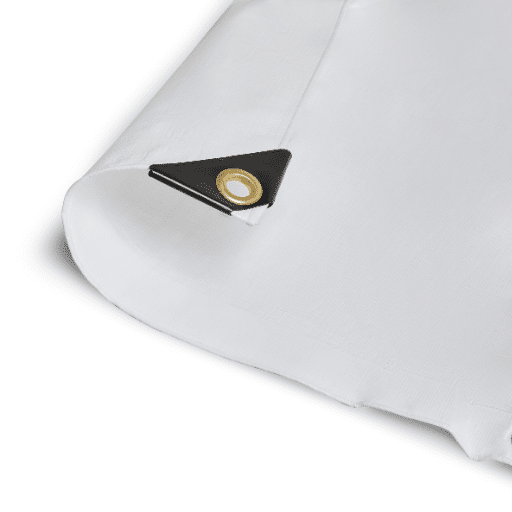
Tarps are typically defined in mils, with one mil being the same as one-thousandth of an inch (0.001 inches), and being chosen in relation to the specific use requirements. Thin Tarps ranging between 5-10 mils are generally ideal for light duty purposes, since the range offers a lot of flexibility and ease when in use. If someone is looking for tarps that will be specifically used for medium-duty work like covering equipment outdoors, then it is proper to buy tarps in the 10-20 mil thickness range since they are more durable. Whenever a very tough surface is needed as in the cases of long term exposure to hard weather situation or the need for very strong coverage, tarps that surpass 20 mils can be considered, as they too are strong in resisting punctures and last longer.
Mil Thickness Reference Guide
Light Duty
Ideal for temporary, short-term protection; portable coverings and light load transportation.
Medium Duty
Covering outdoor equipment; construction site use; more durable than light-duty options.
Heavy Duty
Long-term harsh weather exposure; maximum puncture resistance; industrial and structural applications.
Understanding Mil Thickness
Indicating the mil thickness is actually crucial for determinations of materials like fabrics, sheets and plastic films. One mil, which equals 0.001 inches in length, emerges as a defining sound a measurement of thickness. This term is especially fierce within entire sections such as construction industry, agriculture or transportation where high material quality and even an act of shielding are very important aspects. For example, in building construction projects, two layers of 6 mils-thick plastic are used as a vapour barrier. While for wet ponds, double 20 mil liners are sometimes installed providing a better puncture resistance and longer years of durability because other characteristics need the level better than the 30 mils.
When selecting the proper mil thickness, both conventional factors such as weight, stress tolerance, exposure to environmental factors, and useful life, and the extent to which combination or reinforcement replacement materials are used are of considerable importance. Mil ratings have now come to the forefront of technological development, as material suppliers find new combinations or reinforcement elements that increase materials properties not only by adding additional thickness.
How Thickness Affects Tarp Strength
Tarps that have greater depth provide more strength, will last longer during usage and have a greater load-bearing capacity compared to those of lesser thickness. Thickness is generally expressed in mils and it directly impacts the resistance of the tarp to abrasion. As an example, a 20-mil tarp will be more useful compared to a similar tarp with 10 mil in more tough environments where people work with sharp objects, experience regular climate variations or lift heavy stuff.
Moreover, it should be said that current technologies have led to improved combinations of materials, such as polyethylene or polyester fiber, which are lighter yet as strong as thicker tarps. Such technologies accommodate the flexibility and strength aspects while reducing the weight of the tarps. But most essentially, the selection of the right level of thickness is a decision that has to ride on practical considerations such as the duration and the intensity of the environmental factors, namely the working conditions, the chances of the tarps being used in damaging places or the ease of transporting them.
Choosing the Right Mil for Your Tarpaulin
The consideration of the perfect assists in the lining is important, but since the use case is different, one might want to pay additional attention as to how much it matters to them. Tents with more weight, with thickness usually greater than 16 to 30 mils, are best. These are more durable and useful than the previous ones in terms of shielding, tensile strength depending on the situation, and effective free-standing ability of the tarp in harsh weather conditions. In contrast, tents weighing less than 5 to 10 mils are considered low, and perfect whenever a shorter expedited protection mechanism is sought or low stress applications such as portable/tear off covering, transportation of light loads and or benches relaxation take place.
Furthermore, environmental conditions such as the one preceding the storm, ultraviolet rays or even the shaping of snow should have an impact on the same. Because strong winds tend to blow most of the time, a tarp of a thicker material will be required as a factor for tearing the surface while other factors like the amount of a tarp and aging of ultraviolet rays should not interfere or are insufficient refering to places that may require tarps. It would be considered economically efficient to go for such relatively thin tarps for the cost itself is lower, but the desirability of such a choice might be overemphasizing the capabilities of the thin tarps which would need to be replaced too regularly, generating a poor long-term value to the project.
On the other side, different industries require a certain performance of tarp which is determined by the specific requirements of each industry. These tarpaulins as used in shipping or machine covering in an industrial capacity will have a higher one because they need to bear the abrasion of travel on abrasive objects and withstand some structural loading on others. This is simply to ensure that the tarpaulin not only meet its design requirements but also is economically feasible by weighing the cost with the expected life of use and the environmental conditions expected.
Reference Sources
- Sustainable Concrete Material Reinforced with Recycled Polypropylene Tarpaulin Fibers
Read the paper → - Can biomass quality be preserved through tarping comminuted roadside biomass piles?
Read the paper →