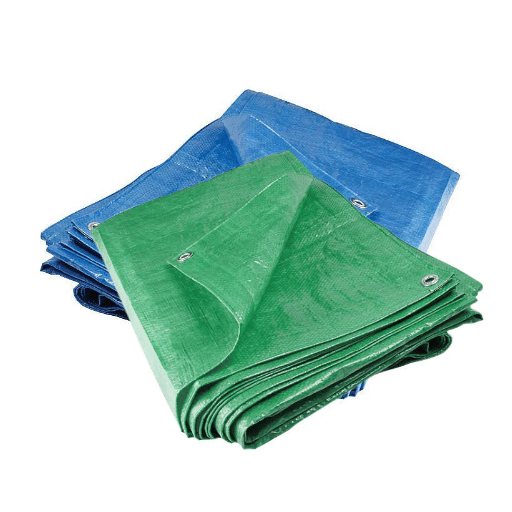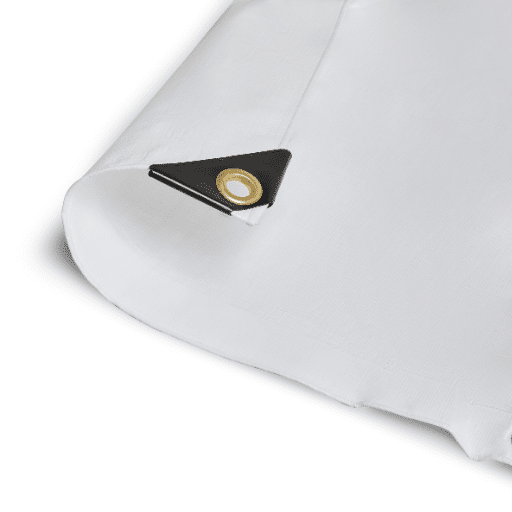
The choice of a waterproofing material is absolutely crucial for the durability or wear of an object. The choice between PVC and canvas may be the most common issue for construction. These two materials come with their own sets of strong and weak points based on area of its applications. Be it a robust tarpaulin or a high-quality camping tent, or any shelter for that matter, it is expected that a potential buyer should know quite a few things about the described materials in order to come up with a prudent solution. This article is aimed at PVC and Canvas and discusses in depth their composite properties and why these materials would serve the readers best when taking the needed for outdoor use purposes. Pay attention because next we will bring on the table the most crucial factors that could simply bring that long awaited and color for your next order.
Introduction to Outdoor Waterproofing Materials
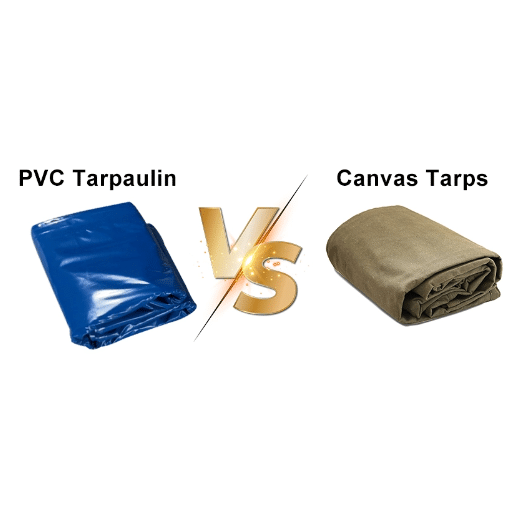
PVC (polyvinyl chloride) and canvas are the two principal contenders in outdoor waterproofing. In terms of water-resistance, PVC undoubtedly is water-proof — almost water-impermeable even when submerged. Besides, it is very light, easy to wash and is highly durable, which makes it suitable for multiple applications such as roofing structures, tents and awnings. Not only that, but PVC also enhances its life expectancy due to the fact that it is less susceptible to organic growths such as algae, fungi and bacteria.
Canvas, on the other hand, is a fabric that is produced from normally cotton or cotton blended with polyester. Although it is not as waterproof as PVC, canvas can sometimes be enhanced by waxing and other means to improve its water resistance. It is usually selected for its breathable features and its firm qualities, and it is commonly used in cases where the movement of air is important such as when it is placed as a cover on a boat or used on a tent while mountain climbing.
Overview of PVC and Canvas
| Parameter | PVC | Canvas |
|---|---|---|
| Material Composition | Synthetic polyvinyl chloride | Cotton or cotton-polyester blend |
| Waterproof Capability | Highly waterproof without treatment | Requires treatment for waterproofing |
| Breathability | Low breathability | High breathability |
| Durability | Highly resistant to wear and tear | Durable but needs maintenance |
| Weight | Heavier than canvas | Lightweight and easier to handle |
| Flexibility | Moderate flexibility | High flexibility |
| Maintenance Requirements | Low maintenance required | Regular maintenance needed |
| UV Resistance | High UV resistance | Moderate UV resistance |
| Application Suitability | Long-term outdoor use | Ideal for airflow-dependent uses |
| Cost | Generally cost-effective | Often more expensive |
Importance of Choosing the Right Material
Picking the right type of material for outdoor waterproofing purposes is quite important because several factors like structural soundness, environmental conservation and life cycle costs are considered. Considerations such as the material’s ability to resist water penetration, its ability to withstand varying climatic changes and its capacity to reduce maintenance expenditure should help in making a reasonable decision concerning the material to be used. For instance, materials with extreme resistance to UV radiation such as top quality polyurethane coatings are useful for when materials are exposed to the sun for sustained periods of time. In addition, recent technological trends have introduced other products such as thermoplastic reinforced roofing membranes also known as PIB, that are more effective in terms of flexibility, strength, and weather resistance.
Selecting suitable construction materials also influences how much energy is consumed in a building. Waterproofing systems can be products that reflect sunlight to keep buildings cooler or have higher thermal resistance to help combat increasing heating demands. Further, alternate building supplies made from water based and solvent free adhesives are more sustainable whilst maintaining their protective functionality. With more effective and sustainable options becoming available, the complex engineering task is simplified. Proper assessment of the site use, climate, life cycle, and economic and social considerations will help in identifying outdoor systems which are economical to install, while at the same time mitigating risks associated with environmental aspects.
Applications of Waterproof Materials
Humidity-resistant products are found in a variety of sectors because of their capacity to withstand water impregnation and decay in different temperatures. In its turn, in the construction industry, waterproof coatings and membranes that are used to spruce up basements, foundations, and roofs are necessary since they help prevent water problems and increase the durability of an existing building. Products like water repellent textiles are important for the production of outdoor clothing and wear, especially servicing those outdoors due to their ability to keep dry and warm while maintaining a prolonged exposure to the cold environment.
Likewise, electronic devices and gadgets are waterproofed via the application of hydrophobic coatings/technology and the use of water-resistant cases. Furthermore, there is a remarkable role of waterproof materials in the applications of Marine and Automotive industries such as where these are used for sealing, dirt deflecting, and providing corrosion resistant details and achieving a remarkable stability in difficult environmental conditions. These developments underscore the significance of waterproof materials in the improvement of the productivity and environmental protection of different fields.
Key Differences Between PVC and Canvas

- 01
Material Composition
Plasticized polyvinyl chloride (PVC) is a man-made material that has high resilience and can resist water contamination. Conversely, canvas is recognized as a cloth, typically crafted from naturally produced fibers like cotton or jute, but adopt different approaches to performance improvement aimed at the modernisation of canvas.
- 02
Durability
PVC has an above-average tensile strength, breaking in resistance to its degradation, disabilities faced, and due to external factors such as both humidity and sunlight. With reference to durability, canvas would generally last for a long time, except when the areas are especially in wet or tough conditions unless the fabric is treated with joints of watercraft.
- 03
Flexibility and Weight
PVC, being stiffer than canvas, would be challenging to use for applications where materials need to be frequently moved, such as pop-up tents or rucksacks. On the other hand, PVC will be more difficult to handle in any movement as it has higher mass; however, it will function properly due to its strength grade advantage.
- 04
Environmental Impact
According to the facts, the manufacturing and incineration of PVC has more environmental effect because of the use of toxic chemicals. Comparatively speaking, Canvas especially in the natural state is more confidently environmentally friendly even if some synthetic preservatives are used.
- 05
Applications
PVC is ideally suited for heavy industrial equipment such as tarpaulins and inflatables, automotive linings because of its strength. For the same reasons, canvas is widely used for applications in arts and crafts, leisure, and for carrying loads, such as ropes, bags, and protective garments.
Waterproof Features of PVC vs. Canvas
The water repellant properties of fabrics made from PVC and Canvas are on opposite sides of the spectrum. The difference exists because of their manufacturing components and the nature of the polymers. With PVC it is waterproof right from the time of being manufactured as it is a synthetic polymer that has no pores at all. This indicates that PVC does not allow any water ingress even when subjected to soaking, which means that it can be used under normal conditions in environments such as outdoor inflatables or the coverings in industries that are not endangered by water. Heat welding can be done on PVC surfaces, which is an additional element that makes their waterproofing capacity better.
Canvas is quite breathable in its natural state, revealing that it is not water-resistant. However, there are special treatments which can increase its waterproofing abilities, for instance, a wax treatment or a silicone treatment. You will meet few persons who do not have waxed or oiled canvas products such as canvas hood on a boat or a tent. These are the best protection to use in cases of light to moderate rain. However, water may well likely penetrate the fabric over a period of time so it’s important to take care of the fabric so as to enhance the water-resistance levels of the canvas. The choice between the waterproof PVC and canvas depends on the particular need for which they are required — for PVC, one goes for it in water resistance, and for canvas, going traditional is the best.
Weight and Flexibility Considerations
When determining the quantity and mannerisms of PVC and fabric bags, there may be a hint of slight leaning towards fabric. This is due to its different components and which purpose they are meant for. It is a fact that artificial polymer that is PVC tends to be more cumbersome than the canvas. Its added mass actively improves the strength and allows this item to function effectively in harsh conditions, predominantly for industrial purposes like truck tarpaulins, tents and air domes. But the alterations caused by the additional mass can, in fact, make PVC quite inappropriate for scenarios that warrant its movement or frequent contact.
Canvas, made with fibers such as cotton, stands out due to its reduced weight and increased pliability as opposed to other fabrics. This characteristic makes it particularly suitable for applications where movement, ease of use, and adapting to the space provided are important, such as tents, outdoor gear, and artistic use. Moreover canvas materials can be handled more easily and be used much better around sharp edges compared to the more rigid PVC which maintains its rigid shape unless put into a mould during the manufacturing process.
Maintenance and Longevity
Fabrics made out of PVC are generally well-maintainable compared with fabrics made out of canvas as they can endure the risks of moisture, mildew, and ultraviolet radiation. It is for these reasons that PVC turns out to be the most ideal in places characterized by extremely high humidity and constant sunlight. When PVC is power washed, it cleans very well ensuring that its condition sustains for a long time. On the other hand, while it can be strong, canvas requires quite a bit of maintenance for it to keep strength over the years. Given that canvas is an organic or semi-synthetic type of fabric, it decays, and water bodies, especially moist air, may cause mildew to grow on the material.
It is important to have some typical protection methods; for example, the use of intense waterproofing sprays and anti-mould coatings may provide the property with more qualities of water resistance and also more lasting service. On top of that, the canvas may need drying after exposure to moisture to stave off rot or weakening of the strands. The two construction materials have service periods that are influenced by the amount of use and care they receive. When subjected to very harsh conditions of service, PVC too does not deteriorate for long periods; on the other hand, canvas, when well maintained through specialist procedures, also has a long period of application, especially if it is exposed to light, indoor or intermittent use.
Durability and Weather Resistance

PVC is extremely resistant in most situations and is believed to be even better than canvas. Being outdoors for a long time won’t affect it in any way from the harsh sun rays, wear and tear due to weather conditions to the wide range of the changes in the climate. Furthermore, when outdoors for a long time, and without the right treatment, the moisture can cause damage, including the rot and mildew formation. Continuous exposure to the sun can make the fabric degrade, either through hydroxyl or fading. When it comes to long-term use in such settings, instant outdoor, no- or low-maintenance is key. PVC can be the practical option for many. Nevertheless, where there are no such conditions, canvas can still perform well.
Durability of PVC Tarpaulin
With its toughness and resistance to environmental influences that are hard on ordinary plastics and fabrics, PVC tarpaulin is widely used where strength is required. It cannot absorb water, which means it does not predispose to water-induced issues such as rotting or the formation of mildew. Apart from that, PVC tarpaulin also has a terrific ability to overcome the harshness of sunlight as it resists 99% of ultraviolet radiation. On the other hand, even during such times of high stress like bearing terrible amounts of loads such as strong winds and rough handling, these tarpaulins will not break or sag with its tensile strengths.
Some scientific evaluations point out that premium PVC tarps can still work as well as new, even 5-10 years or more in tough outdoor surroundings as long as regular cleaning and other dimensional stability measures are taken, especially if the tarpaulin is of high-quality, such as those UV-treated. Its qualities have been enhanced by the development of vinyl mixtures, which now enable it to better withstand abrasive damage, thermal shock, oil, and alkali. It is very amazing that these tarpaulins can be used in so many industries including building, transportation, and farming. These unique characteristics of PVC tarpaulins make them the preferred choice by many people who are looking for a low-cost effective way of protecting fabric structures for a longer period of time.
Durability of Canvas Tarpaulin
Canvas tarps are fabricated using thickly woven materials made either out of cotton or polyester which makes the tarp permit air and moisture to a limited extent, more so when rains make such coatings resistant to wetting. It is important to note that such poly-tarp is also prone to rotting in water especially untreated cotton canvas.
Longer use will expose untreated white canvas to the sun, mold, and mildew — factors that will reduce the quality of the tarp over the years. This applies to even the coated tarps which cannot see past 2-5 years of service life in drainage pits, ponds among other harsh environments. Canvas tarps are still in use owing to effective aspects such as their being free from any risk properties and an environmentally conscious stance. The amalgamation of such features place them as an ideal option for use of short to mid-term purposes where maintenance of sustainability is of great concern.
Weather Resistance Comparison
PVC is more durable than canvas when exposed to weather elements. The reasons are its properties that include the ability to resist water, inhibit effects of ultraviolet rays and insulate against high and low temperatures making it withstand adverse weather conditions better in comparison to its counterpart. It has water tight properties and doesn’t allow water to get in, and its structure is synthetic so even if it is exposed to the sun for long time no degradation occurs, hence its best for long distance outdoor applications. Additionally, it has an advantage of maintaining its malleability in very low temperatures which makes it very versatile in different application areas.
Canvas which is known to have a high level of ventilation with its breathable fabrics is also known for being eco-friendly but is not resistant to weather unlike similar textiles. Without appropriate processing means, canvas has capacity to take in water which in turn is responsible for the generation of mildew in areas between the fibers of the fabric. If a canvas is also impregnated with water-repellent solutions, it still needs to be cleaned or the coatings repaired after certain periods of time to ensure their effectiveness. Moreover, a damp or overly wet climate accelerates the wear of the canvas due to water absorption, making it suitable only for mild weathering.
Key Takeaway
The choice between PVC and canvas ultimately depends on the operational conditions. In this case PVC will be the most rational decision for long-term outdoor use in difficult climatic conditions. However, it is a different story when the service life is short. In such a case, canvas will be preferred for the reason of ergonomics and biodegradability, borne in mind that its weather durability is lesser comparatively.
Choosing the Right Material for Your Needs

Factor 01
Durability
In the manufacture of external applications where mechanical strength, weather, and humidity resistance are important, it is desirable to use polyvinyl chloride. Its very high waterproofing and frost resistance, along with its ability to withstand UV rays, make it the best option for outdoor use.
Factor 02
Sustainability
Whether the biodegradability of a material is of interest to you, the canvas can attract you for a number of reasons. This material is a sustainable solution to the problem, for it serves as a natural, renewable resource.
Factor 03
Cost
Purchasing PVC products may have high initial costs, but they can be cost-effective in the long run because of the longer life expectancy of these products. On the other hand, Canvas is cheaper in most cases when bought first but may have to be bought frequently when worn sooner because it has low weather resistance.
Factor 04
Application Context
For large demands like industrial coverings, there is no other way but PVC. Canvas, in this case, is good for decorative purposes or for places where looks as well as environmental concerns come first.
Based on these set of factors and the needs of your project, you can determine the best choice material without any fear.
Factors to Consider When Choosing Canvas vs. PVC
Any used canvas versus the overused PVC dilemma should embrace the system thinking. After service that a material ensures has to be taken into consideration. Canvas for example which is made from natural fibers specifically cotton or linen does not create too much strain on the environment. This is made possible because cotton fiber waste usually decomposes over time. Also, most companies have changed their point of view on products and the majority of what they build, pattern-constructed items or fabric, are benefiting from the growing demand for organic and eco-friendly materials. However, please also note that ordinary canvas can be fully waterproofed or coated with a substance to prevent damage.
However, PVC which is part of the petrochemical compounds is not natural and does not decompose over time thus leading to increase in plastic waste. More so, despite the fact that significant improvements have been made over the years in the PVC production including recycling and minimizing the use of valuable materials, challenges associated with eliminating PVC namely, disposal and degradation complacency have not gone away. Last but not least, consider including a life-cycle assessment or just a certification that will give weight to the project’s environmental principles when making a decision.
Applications of PVC Tarpaulin
PVC tarpaulin finds use in nearly all areas of business and trade due to its resistance to water, and its hardy, flexible nature. Construction, being one of the key industries benefits greatly from the use of PVC tarpaulin. To begin, one could imagine how the covering of any scaffold, stock of materials or machinery present at the construction site will the given project would be very safe — from getting damaged by the rain, or getting affected by ultraviolet rays or dust. Quite often, PVC tarpaulin is also applied in transportation when there is need to create vehicle canvases, make protective roofing for trucks, or even because of securing the load during transportation.
In agriculture, besides irrigation, PVC tarpaulin is also used to cover crops, to store grain and even to build temporary shelters. PVC tarpaulin’s resistance to water makes it well suited for this specific purpose, that is, protecting structures from weather conditions. PVC tarpaulin is constantly taken down and put back up — this shows that it is convenient for any function or event. This is clearly evident by its role in the erection of shade structures, canopy structures, booths and even banner systems. Also, it is widely used to fabricate very elaborate pool waterproof covers, inflatable shells and creative installations such as huge water tanks and waste retention facilities.
Applications of Canvas Tarpaulin
Material in the form of canvas tarp is mostly preferred due to the numerous advantages it has over others — being flexible and reusable in almost every industry it is used for. Fundamentally, canvas tarp is better than most if not all synthetic materials in that it is usually made from cloth such as cotton, or a composition of cotton and polyester, and nevertheless, its usage extends even to construction work — it is soft, light and of course has higher strength to tear. This means it might suffice in the outdoors where it is used and surprisingly, conditions such as condensation or dampness may require a necessary flow of air which can be quite essential.
Furthermore, the robust and inherently reusable properties of the canvas create ideal, impermanent shelters and canopies at construction sites, where laborers and their tools are to be safeguarded. Canvas sheets are furthermore used in cargo transportation and protection sectors as tarp for covering loads to prevent cargo from spilling, wobbling and destruction during distributions. It is critical that people involved in eco conservation activities favor canvas tarp because it is decomposable and therefore long-term waste is reduced. The canvas is also enhanced to provide flame-retardant defense and reconditioned in order to better fit the internal requirements of heightened safety like the campground or industrial warehouses.
Maintenance and Care for Tarps

Taking good care of the tarps and dealing with any slight defects contributes to longer structural use. Here is some information on how to maintain your canvas:
- 1.
Regular CleaningRemember to properly wipe your tarp clean with soap and water to eliminate any dirt that might be present on it, as well as any grease or other dirt that may have clung.
- 2.
Proper StorageEnsure that the tarp is dry when putting in the storage area to protect it from attack by molds. Such storage should be at an angle that will not allow the penetration of the sun’s rays, with the temperature sources being kept away from the tarp, prolonging its life span.
- 3.
Inspection for DamageAlways make sure to check your tarp frequently for rips and tears as well as thin spots. If such patches are not made, apply cement to make good.
- 4.
Avoid OverloadingDo not stretch beyond the satisfaction or loads higher than the game. Do not forcibly inflate it as this will weaken the material and therefore render it useless.
Cleaning and Maintenance of PVC Tarps
It is essential for all users to enhance the maintenance procedures that they practice to maintain their yields. Below is a detailed step-by-step procedure.
- 01
Regular Cleaning Routine
Never use anything that is highly toxic to clean the tarp. For example, avoid using acid formulas, paint strong solvents, and chemicals. These substances are effectively toxic to the PVC layer. Rinse with another pot of water mixed with a mild soap. Wipe while trying to remove dirt, dust and blemishes with a brush or a piece of sponge pliable. Refrain from generating harsh heat.
- 02
Prevent Mold and Mildew
Ensure that the entire tarpaulin is completely dry before storing it to avoid the appearance of any unpleasant odors. If there are black spots as a result of water stagnation for instance, the area is contaminated with a solution of water and a little bleach (that is up to 10%), then the place is well rinsed with some more clean water.
- 03
Address Stains Promptly
For even more maintenance techniques, for heavily soiled tarpaulins, it is recommended to use detergents that specifically target PVC tarps. However, a caution should be taken to consider that damages can occur whenever there are attempts to use these chemicals directly on the tarp or other materials involved.
- 04
Protect Against UV Damage
Extended exposure to UV light is likely to compromise the mechanical strength of PVC tarps. It is worth considering the application of a special UV-resistant spray, designed specifically for vinyl products, so as to prevent damage of this kind. Keep the tarp within the shade and at a cool place, or you can use a cover when its walls are not reinstated.
- 05
Inspection and Repairs
It is advisable that while undergoing the cleaning process, each and every part of the tarp should be examined for the minimum signs and consequences of wear, tear, or a weakened thread. If any of these issues are identified, use suitable PVC cementing agents, repair tapes, or tarpaulin patches to provide a prompt remedy to the damages.
- 06
Storage Guidelines
Any PVC tarps for whatever reason must be kept in a dry store room and appropriately aired out whenever in not use. When storing the tarp, roll it rather than folding to avoid wrinkles, which may create weak spots in the construction material over time. Use a container or a proper bag, especially if you do not wish any creatures or the weather destroying it.
By following the abridged guideline, the properties of PVC are such that even when the article is operational under severe conditions, it is still possible for PVC tarps to endure and serve more than adequately.
Longevity Impact of Maintenance
Taking proper care of canvas tarpaulins will ensure that they last a long time. In this way, it helps to prevent wear and tear and ensures that repair is not needed in case of much wear and tear. Cleaning canvas tarps after contact surfaces with filth reduces the likelihood of mold and mildew formations which are the major causes of maceration of the textile over time. Besides, every so often, the waterproofing should be applied to enable them resist rainwater for longer.
For example, it has been found that treating covers with nano antimicrobial coatings increased the lifespan by up to 40%, compared with treating the raw canvas. In order to achieve the best effect it is desirable to avoid direct exposure to ultra-violet rays by applying UV-resistant finishes or keeping the tarp in the hood. Incredibly, the anticipated aggregate age of the construction at the end of the first maintenance cycle almost doubles due to these practices, which underscores the benefits of easy-to-implement maintenance.
Frequently Asked Questions
Reference Sources
- [1]
Development of Silicone-Based Waterproof Polyester-Cotton Canvas Fabrics for Auto Rickshaw Cover
link.springer.com → Read Article - [2]
Technical Feasibility of PVC Banners to Be Reused as Geomembrane Waterproofing Layer in Green Roofs
link.springer.com → Read Article