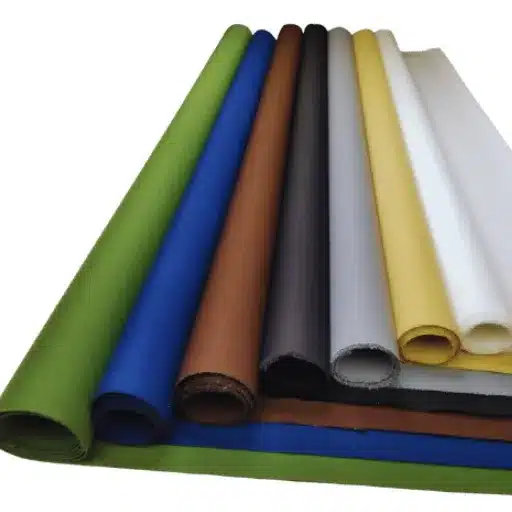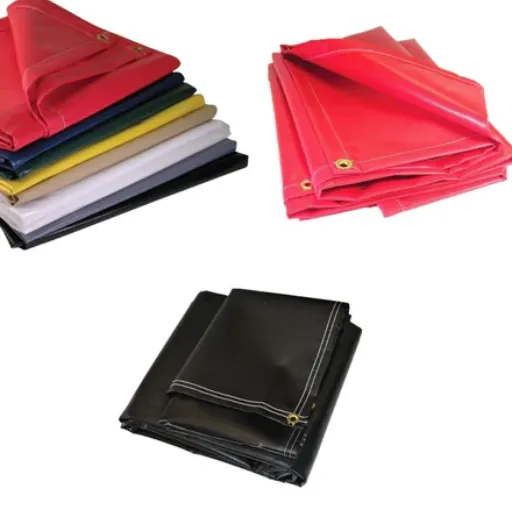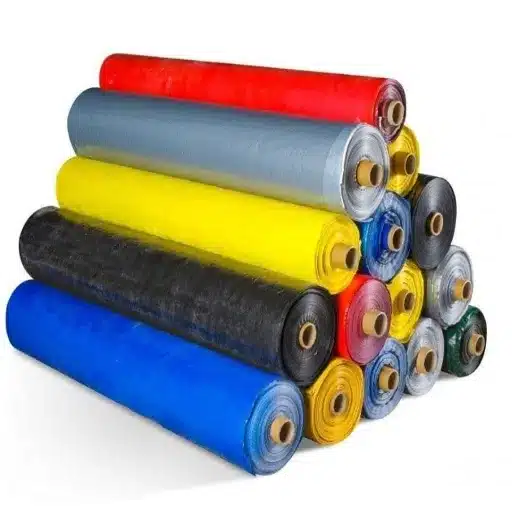
Heavy-duty tarps are indispensable in a wide range of industries, whether it involves the protection of precious assets, the security of construction sites, or the fabrication of solutions for specific challenges. To meet these purposes, such coverings are very versatile and durable as well and their quality is to endure the harshest of environments which also means that they are the first choice in terms of reliability if this is absolutely needed. The right tarp can indeed be a deciding factor in fields like construction, agriculture, transportation, etc. So, this article will be revealing the good sides of commercial-grade tarps, their industrial and custom uses, and the best options for your particular needs. Ready to see how these heavy-duty solutions can be a turning point for your business?
Understanding Tarps
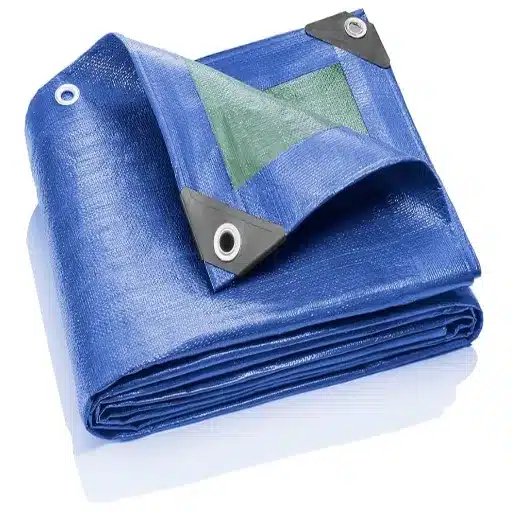
What are Tarps?
Tarps are large sheets made of strong and flexible materials that are water-resistant, thus protecting against environmental factors. In general, tarps are bespoke items made from various materials such as canvas, vinyl, or polyethylene, depending on how durable and functional they need to be for different purposes. Tarps are finished with durable perimeter edges and metal rings which are the main point for strong ties or fastening.
Key Characteristics of Modern Tarps:
- Weatherproof properties: Essential for outdoor protection against rain, snow, and harsh environmental conditions
- Versatile applications: Used for covering equipment, creating temporary shelters, and protecting goods during shipment
- Cost-effective solutions: Provide industries with dependable ways to protect assets while maintaining operational efficiency
Types of Tarps: Heavy Duty, Industrial, and Custom
While talking about heavy-duty, industrial, and custom tarps regarding the different types, it is very important to evaluate the exact needs that each of them would be meeting and how they correspond to the present market demand.
| Tarp Type | Primary Applications | Key Features |
|---|---|---|
| Heavy-Duty Tarps | Construction sites, agricultural use, outdoor applications | Made tough to withstand elements, long-lasting, most versatile and widely applicable |
| Industrial Tarps | Warehouses, factories, industrial transport | High abrasion resistance, flame retardancy, chemical protection for specialized environments |
| Custom Tarps | Unique projects, non-standard equipment, specialized requirements | Tailored dimensions, specific materials, highest level of personalization for unique challenges |
💡 Selection Tip: The answer to “which tarp is the best for my needs” is often relative to the degree of protection needed, the climatic conditions, and the usage. Heavy-duty tarps are the most versatile and widely applicable, while industrial tarps are a better fit for specialized applications. Custom tarps provide the highest level of personalization and thus are ideal for unique challenges or non-standard requirements.
Benefits of Using Tarps in Various Industries
The versatility and functionality of tarps make them indispensable tools in a variety of industries.
🏗️ Construction Sector
Construction-grade tarps cover supply materials and shield equipment from rain and snow, preventing project delays and protecting valuable assets.
🌾 Agricultural Sector
Farmers rely heavily on tarps as crop covers, preventing produce damage from insects and weather while maintaining product quality.
🚚 Transportation Industry
Truck tarps keep merchandise safe from loss or damage during transit, ensuring cargo protection in all weather conditions.
📦 Warehousing Sector
Tarpaulins serve as temporary barriers or protective covers for stored materials, maintaining inventory quality and organization.
Current data from search patterns show that there is a growing trend in the interest of heavy-duty and weatherproof tarps, which implies an ever-increasing need for reliable solutions in unstable weather. Thus, it not only demonstrates that tarps are essential in resource management and preserving productivity among various industrial settings but also provides a great case for it.
Choosing the Right Tarp
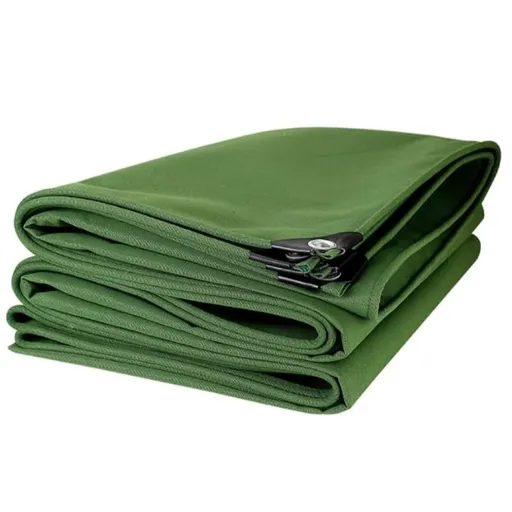
Factors to Consider: Size, Material, and Durability
The selection of a tarp with its dimensions, fabric, and resilience is a matter of utmost importance, as it influences the whole process and decision made by users.
📋 Essential Factors Checklist:
- Size Selection: The right dimensions are mainly determined by the application, whether it is a large area covered for equipment or a small impermeable barrier set up against the elements. Always measure your coverage area accurately and add extra material for secure fastening.
- Material Choice: The fabric chosen should not only be waterproof, like polyethylene for soaking wet situations or canvas for having the ability to breathe, but also meet the needs of your specific application. Consider the environment and exposure conditions.
- Durability Assessment: Durability means that the tarp will last through the abuse of time, especially if it is placed in hard industrial or natural conditions. Statistics indicate that consumers are more and more opting for heavy-duty products, which means that the market is moving towards making products that are capable of lasting in challenging situations.
Waterproof and UV-Resistant Options
Tarp options that are both waterproof and UV-resistant have the best selling characteristics since they are very adaptable and offer good protection from different weather conditions.
🛡️ Dual Protection Benefits:
- A dual-function tarp that is both waterproof and UV-resistant brings the best of all worlds for safeguarding goods, cars, and outdoor areas against direct rain and sun
- These tarps are usually made of high-density polyethylene or vinyl, so they keep the water away from inside and at the same time block the UV rays that lead to degrading materials
- Users who go for a product incorporated with these features can slice their concerns over durability and effectiveness even if the environment continues to be harsh
- Ideal for prolonged outdoor usage where both rain protection and sun damage prevention are critical
Comparing Vinyl and Canvas Tarps
The decision of whether to go for vinyl or canvas tarp mainly hinges on the particular characteristics of your project and the environmental conditions.
| Feature | Vinyl Tarps | Canvas Tarps |
|---|---|---|
| Waterproofing | ✅ Completely waterproof | ⚠️ Water-resistant, not waterproof |
| UV Resistance | ✅ Excellent UV protection | ⚠️ Moderate UV resistance |
| Breathability | ❌ Non-breathable | ✅ Excellent breathability |
| Durability | ✅ Highly resistant to tearing and wear | ⚠️ More prone to wear over time |
| Best Applications | Industrial purposes, outdoor storage, extreme weather | Machinery protection, agricultural goods, temporary use |
| Material Composition | Synthetic polymer | Natural or synthetic fibers (cotton) |
| Environmental Impact | Less eco-friendly | More eco-friendly option |
⚡ Market Insight: Market trend and search-engine analysis have been indicating that vinyl tarps are usually given the recommendation for being the most long-lasting and versatile especially in tough or extreme environments. On the contrary, canvas tarps are fitting for temporary use or projects that need more eco-friendly and breathable material. Understanding the nature of your application is the key factor in making a wise choice.
Applications of Commercial Tarps
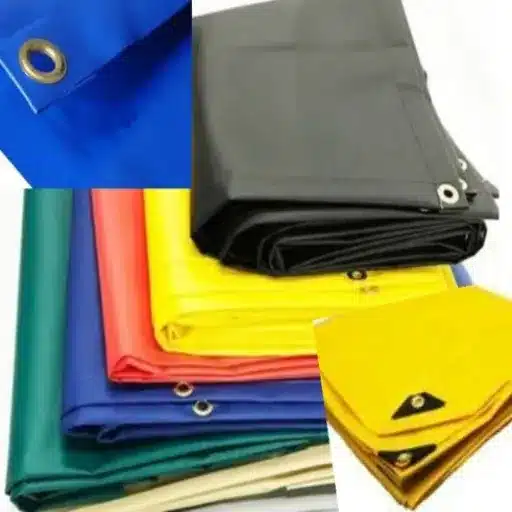
Construction and Industrial Uses
Heavy-duty tarps are indispensable in the construction and industrial sectors because of their amazing qualities of durability and versatility. A recent study based on search engine data shows that the popularity of the queries “heavy-duty tarps for construction” and “industrial tarp applications” clearly indicates the existence of a number of uses.
Common Construction & Industrial Applications:
- Equipment Protection: Vinyl tarps are most likely to be used for covering machines with heavy-duty, moisture-resistant, and UV shields over the jobsite
- Material Weatherproofing: Making weatherproofing of building materials, particularly steel and lumber, essential for maintaining material integrity
- Sensitive Item Coverage: Canvas tarps are the materials of choice for covering and protecting sensitive items that require breathability
- Chemical Resistance: Manufacturers have gained familiarity with requirements for different categories like breathability, chemicals, and specialized protection needs
Agricultural Applications: Hay Tarps and More
Farmers who use hay tarps are the ones who influence the market of these products considerably, as their needs are the main reason for the increase in the demand for tarps that are more than just agricultural product covers.
🌾 Agricultural Tarp Benefits:
Strikingly, the sun, wind, humidity, and other factors affect crops quality and farmers lose in those cases, and tarps are farmers’ only shield against elements. They not only prevent crops from getting wet, covered by rain or snow, but they also block sunlight and therefore massive UV rays damaging the quality of stored materials.
Polyethylene is the main material used for the production of modern-day hay tarps because of its excellent UV-resistance characteristics and the consequently long period of use. They are designed to snugly fit over the haystack thus running very low the chances of moisture intrusion and mold.
📊 Market Trends:
Based on recent data on search engine trends, multi-purpose tarps have become increasingly popular among farmers that not only keep hay intact but also serve as covers for farm machinery, grain bins, and temporary shelters. The tarps can be easily shifted as the farmers’ problems vary from climate unpredictability to wanting cheap storage. In so doing, they have cut down on operational costs and at the same time increase the price of their product through better quality.
Transportation and Truck Tarps: Protecting Your Load
Tarps for transportation and those for trucks are absolutely necessary to keep the goods safe and sound while being transported. The wind and rain, the sun rays and dust all these are the reasons why tarps are still there to work as a protective shield against any such weather conditions and thus save the load from getting damaged.
🚚 Transportation Tarp Essentials:
Recent data on search trends show a significant rise in the number of searches for “best truck tarps for heavy-duty loads” and “how to secure tarps for transportation,” which indicates that there is an increasing interest in reliable cargo protection solutions.
Top-quality truck tarps are built to cope with different kinds of materials, from industrial machines to loose aggregates, providing both versatility and durability. Choosing the correct tarp not only enhances the life cycle of the load but also guarantees that all safety regulations concerning the transportation are met.
Emerging Trends in Tarp Manufacturing
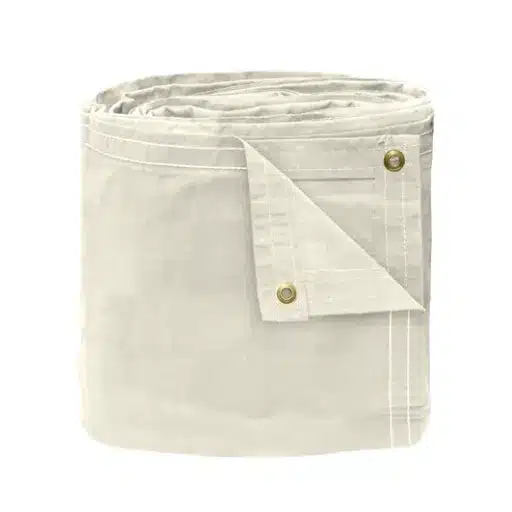
Innovations in Tarp Fabrics and Coatings
The tarp fabric and coating sector has been entirely transformed as a result of the most recent breakthroughs in tarp fabrics and coatings, along with the durability, attention to the environment and flexibility which was long considered to be an impossible combination.
🔬 Advanced Polymer Blends
These materials not only increase the strength-to-weight ratio of tarps but also make them lighter and more resistant to minor and major damages thus reducing the wear and tear of the actual fabric.
⚗️ Nanotechnology-Based Coatings
Now being applied to make tarps completely waterproof, resistant to UV rays, and anti-microbial which thus prolongs the usage of the tarps while providing maintenance cost savings.
🌟 Self-Cleaning Properties
Modernistic coatings provide maintenance cost savings by not allowing dirt to stick and thus no damage from the harsh weathering conditions.
📈 Consumer Demand Insights: The latest data from search engines reveals that queries for “eco-friendly tarp fabrics” and “long-lasting waterproof coatings” have become considerable indicating a huge consumer demand for options that are simultaneously sustainable and high-performance. Not only do these innovations satisfy the practical needs of both businesses and consumers, but they also go along with the global trend of manufacturing methods being environmentally friendly.
Custom Tarps: Meeting Specific Industry Needs
Tarp customization is the primary driver to alleviate the burdens of various industries by providing customized solutions which, as a result, gradually work in the favor of the companies by improving efficiency and protection.
Industry-Specific Custom Solutions:
| Industry | Custom Features |
|---|---|
| Agriculture | UV-resistant tarps for extending the life of tarps used in outdoor farming |
| Construction | Heavy-duty materials with reinforced edges for demanding jobsite conditions |
| Industrial Sites | Flame resistant tarps for allowing safe work in high-risk environments |
| Transport | Custom-sized tarps with secure fastening systems for various cargo types |
As per the latest data, there has been a steady increase in interest in tarps tailored to agriculture, construction, and transport. This points to a growing demand for customizable solutions. Custom tarps promised the above features, thus ensuring the businesses were always operating at their best while still being able to comply with safety rules and hold up durability. The increasing demand shows that the markets of today cannot do without versatile, durable, and eco-friendly tarp solutions.
The Shift Towards Eco-Friendly Materials
Consumer and industrial markets are increasingly becoming aware that they are environmentally conscious. Recent data from search trends shows the rising interest in eco-friendly materials as a major factor contributing to the growing awareness about sustainability besides being a full or partial reason for the typical consumer and industry market shifts.
🌍 Environmental Sustainability Initiatives:
- Biodegradable Materials: Using materials that naturally decompose to reduce long-term environmental impact
- Recyclable Options: Companies are prioritizing recyclable materials and thus influencing their suppliers to provide the same type of materials
- Sustainable Sourcing: Industries are now sourcing their requirements of tarps from recycled polyethylene or organic fibers instead of relying on traditional options
- Reduced Carbon Footprint: The shift is primarily based on making manufacturing and waste disposal environmentally responsible
- Consumer Demand: Customers demanding greener products has led to a wider commitment to fight against climate change
Going green not only allows companies to cope with changing regulations but also to attract the “good” green consumers who are environmentally aware and thus share their values.
Where to Buy Tarps

Finding Quality Tarps for Sale
The search for quality tarps for sale should direct one to trustworthy sellers who are selling tough and multipurpose options that are specially made for your needs.
🛒 Recommended Purchasing Channels:
General Retail Marketplaces:
- Amazon: Wide variety of tarp materials with customer reviews and competitive pricing
- Walmart: Regularly ranks high in searches with polyethylene, canvas, and vinyl options
- Home Depot: Professional-grade options suitable for construction and industrial use
Specialty Tarp Retailers:
- MyTarp.com: Specialized shop with wide range of options and customization services
- TarpsPlus.com: Dedicated tarp provider with custom sizing capabilities and expert guidance
💡 Shopping Tips: Checking the product reviews, specifications of the material, and determining if the tarp is suitable for a certain purpose, such as weather resistance or UV protection, are some of the quick ways to make sure that you are getting the best quality tarp meeting your needs before buying anything.
Evaluating Suppliers: What to Look For
Evaluating suppliers for tarps is not a straightforward task and it will require you to consider several critical factors that will ultimately guide you in making an informed decision.
✅ Supplier Evaluation Checklist:
The insight gained from this combination of steps along with your research on suppliers will enable you to choose with confidence those who are reliable and meet your requirements.
Cost Considerations for Heavy Duty Tarps
Quality versus affordability is always the way to go when it comes to heavy-duty tarps and to do that right, one must evaluate the cost of tarps correctly.
💰 Smart Pricing Strategy:
- Compare Multiple Suppliers: Use search engines to compare prices from a number of suppliers so that you can know the current market trends
- Evaluate Product Details: Find suppliers with competitive prices but at the same time, they are giving minute details about the products such as strength of the material, coating technologies, and life span
- Calculate Cost Per Square Foot: To ascertain that the price is coinciding with the durability and features of the tarp, consider the cost per square foot
- Factor in Additional Costs: Include the shipping costs and bulk discounts in case you need a large shipment
- Long-Term Value Assessment: Use this information as a guide to conclusively decide if a certain heavy-duty tarp is indeed money worth spending and also if it meets your durability standards
Frequently Asked Questions (FAQ)
❓ What are heavy-duty tarps used for?
Heavy-duty tarps are meant for a wide range of uses, such as covering up mowers, construction sites and they can even be made as tent covers in parks. The basic fabric materials are vinyl or poly, versus in combination of both, making them able to endure extremely high temperatures among other weather conditions. The use of these types of tarps is to cover piles of wood, trailers, or they can be simply used as canopies for outdoor parties. The strength of the industrial tarps falls within that of heavy-duty, thus providing a dependable barrier against rain, UV rays, and other climatic factors. If you’re going to buy a tarp for your needs, think about the thickness and material so you can be sure it meets your requirements.
❓ How do waterproof tarps differ from other tarps?
Waterproof tarps are moreover, to ordinary tarps, engineered to absolutely repel water from permeating through the textile. Conversely, they are made of PVC or heavy-duty poly and hence are too strong and resistant to water as well as being very durable. These tarps are perfect for outdoors where there is a need for the utmost protection against moisture by covering patio furniture, cars, or tools and appliances. Besides, these products also come with corner reinforcements and grommets that are meant for tie-downs that are more secure. Whenever looking for tarps, do not forget to check their specifications and claims about being waterproof to avoid dealing with leak or moisture damage problems.
❓ What is the best material for a commercial tarp?
Choosing the right material for a commercial tarp depends on what it will be used for. Heavy-duty canvas tarps are very suitable for general outdoor usage because of their durability and breathability. PVC or heavy-duty poly materials would be the best choice for industries as they are way more robust and hence can resist water much better. Moreover, mesh tarps can provide the benefit of shading while at the same time air circulation is maintained. While thinking about tarps it’s good to consider certain things about them like weight, thickness and how much they resist UV rays. There is also a possibility of making one-off tarps from different materials which would have specific requirements and at the same time ensuring maximum output for commercial usage.
❓ How important is the thickness of a tarp?
The thickness of a tarp is a factor since it contributes to longevity and performance. Tarps that are thicker, such as the 5mil ones, are generally more difficult to tear and wear and hence are suitable for demanding use. For example, the heavy-duty tarps used in building might be required to have a thicker style of weaving to endure the rough surroundings. However, lighter tarps may serve well for a short period, like when the weather is mild and you want to cover your outdoor furniture. When selecting a tarp, think about both its thickness and the material it is made of so as to realize your particular requirements for strength and durability.
❓ Can I use a tarp as a tent or canopy?
Absolutely, tarps can serve as temporary tents or canopies for outdoor events and camping. A heavy-duty tarp, in particular, is the best choice due to its properties of strength and durability. When using a tarp as a tent, remember to anchor it well with ropes and grommets so it can handle the wind and rain. Besides, mesh tarps can serve to protect you from sunlight while still letting air in, which makes them perfect for summer picnics. If you are looking for custom arrangements, you might want to use tarps that are intended for specific applications that guarantee they will serve outdoor purposes. And if rain is expected at your open-air event, make sure to test your tarp for waterproofness.
Reference Sources
- Tarping in the Northeast: Types of Tarps and How They Work
University of Maine Extension
This source provides detailed information on different types of tarps, their materials, sizes, thicknesses, and applications. - Tarping for Vegetable Crops
University of Massachusetts Amherst
This fact sheet discusses the use of tarps in agriculture, particularly for vegetable crops, highlighting their durability and reusability. - Tarps | US EPA
United States Environmental Protection Agency (EPA)
This government resource explains the role of tarps in soil fumigation and their compliance with environmental regulations.