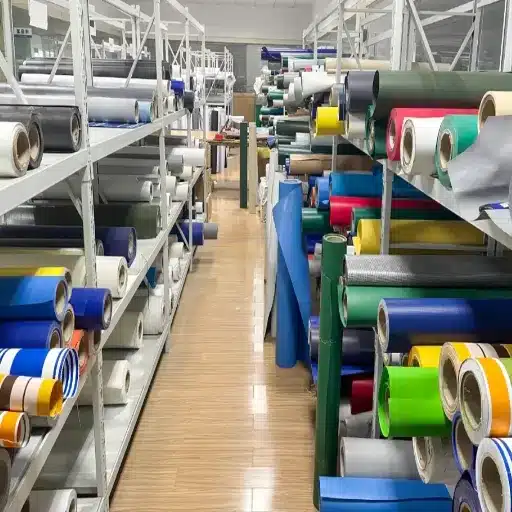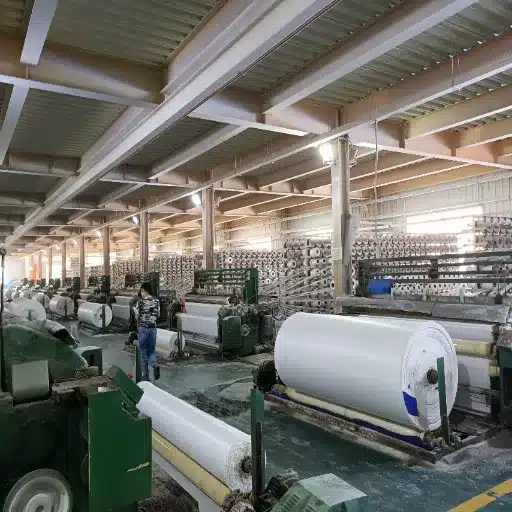
Construction activities require enormous investments in products, machinery, and labor, which is why protecting the investments is crucial to all construction practitioners. Nowadays, it is inadvisable to carry out worksite duties in any way without heavy-duty tarps, which are part of the system for protecting site assets from all work site challenges that are likely to be harmful to the system, including, but not limited to, adverse weather, foreign particles, and dust. This text will give an insight on the contribution that such tarps, which can serve numerous purposes, make towards the prevention of damage, flexibility to achieve an ideal level of productivity and the final goal – success of the project, among other aspects. In any case, studying how heavy-duty tarps can be used and why they are beneficial can be very beneficial, whether it is for large construction projects or for light tasks.
Introduction to Heavy-Duty Tarps

Heavy duty tarps or simply ‘tarps’ are economical and reusable covers designed to promote safety on various construction sites and other demanding conditions. Made from strong materials such as polyethylene or vinyl, the durable tarp is strong, does not tear easily. These materials are very resilient because they do not easily get damaged by water and wind and even sunlight that can make them wear out quickly. Heavy duty tarps are used mainly to shield tools, machinery and construction materials against weather elements, to collect debris after the building has been decrepit and to make temporary partitions for the site workers. Heavy duty tarps due to their capacity and flexibility are tools that are almost inevitable when it comes to enhancing productivity as well as safety in challenging work environments.
The Importance of Tarps on Construction Sites
On a building site or construction workspace, it is necessary to use tarps for practical, as well as health and safety reasons. Primarily, they are used to protect any material, equipment or personnel from the weather condition such as rain, snow, wind, hail and the sun. Tarps in the building trades industry make it possible to wrap essentials such as wood, cement bags and hardware tools so there is no risk of spoilage to the materials and no effect on the project’s design. Another benefit of the covers is that they enable a controlled spread of dust, dirt and chemical materials when some areas have to be dismantled or remodeled.
Heavy duty tarps in buildings are used in an array of situations where such measures are warranted. For example, the most common issues are related to fire hazards and extra-heavy tasks which are covered by the safety standards for such industries or work. It has been proven to be highly effective in numerous cases that using tarps properly helps reduce the incidence of damage and time costs as a result of unscheduled weather incidents, underlining their importance and necessity in ensuring a reasonable balance between the tendency to perform faster and meet safety objectives on a building site.
Types of Heavy-Duty Tarps
|
Type of Tarp |
Key Features |
Common Applications |
|---|---|---|
|
Polyethylene Tarps |
Waterproof, UV-resistant |
Construction covers, temporary shelters |
|
Canvas Tarps |
Breathable, durable |
Equipment covers, painting projects |
|
Vinyl Tarps |
Heavy-duty, tear-resistant |
Industrial use, trucking, roofing |
|
Mesh Tarps |
Allows airflow, UV protection |
Scaffolding, privacy screens, gardening |
|
Fire-Retardant Tarps |
Flame-resistant, meets safety codes |
Welding, hazardous material covers |
|
Insulated Tarps |
Thermal resistance, waterproofing |
Concrete curing, winter protection |
|
Reinforced Tarps |
Extra strength, rip-proof |
Long-term outdoor projects, high stress areas |
|
Clear PVC Tarps |
Transparent, weatherproof |
Greenhouses, enclosures, weather barriers |
|
Truck Tarps |
Specific sizes, high durability |
Securing cargo on trucks, trailers |
|
Lumber Tarps |
Sized for loads, water-resistant |
Protecting wood during transport |
Key Features of Quality Tarps
- Material Durability
Strong materials, including polyethylene or vinyl, guarantee durability. For example, polyethylene tarps have a laminated web structure for lifting as they are more durable, while protectors composed of vinyl are bound to find application due to their resistance to scratching and extreme climates. - Waterproofing and Weather Resistance
Top-quality covers are supposed to withstand all forms of wetness and protect exterior or interior surfaces from rain, snow, sleet, etc. They are even coated with a UV-preventive substance for protection against excessive exposure to sunlight. - Thermal Resistance
Many tarps, including some like the insulated ones, exist so as to be effective in terms of temperature regulation. They are specifically adapted to keep the heat in the room or prevent the over-emphasized shift of the heat from escaping into the interiors due to the great cold temperature variation. - Reinforced Edges and Grommets
High-quality tarps have gusseted corners with two or triple stitching on the hem that helps to stabilize the tarp and retard fraying. And grommets usually in between 18 to 36 inches apart and resistant to rust are made strong enough to withstand harsh weather, inclement conditions and extreme loads. - Tear and Puncture Resistance
Reinforced tarp designs employ ripstop weaves or incorporate separate points of strength to hinder perforation. The structure does not readily break down especially in such cases where the tarp is employed in applications such as the transport of heavy goods or in the covering of sharp objects. - Transparency for Lighting Needs
When it comes to the weatherproof PVC-made clear covers, you will have the light in between the coverings, it is positioned directly beneath it. This option is often used in such projects as greenhouses due to this feature.
Applications of Heavy-Duty Tarps in Construction

Heavy-duty tarps serve multiple essential functions in construction:
- Weather Protection – It is possible to expose the construction materials, tools or even a structure that is being put up without the weather delay due to rain, snow, wind or the harmful ultraviolet rays as the tarp is put in place, hence the work continues and the construction is not halted.
- Dust and Debris Containment – Heavy-duty tarps are placed strategically to act as shields so that dust and debris don’t spread further, hence it is easy for vacuum equipment to be placed on a single area that will make the whole place secure.
- Temporary Roofing Solutions – The practice of throwing tarps over the roofs of under-construction or repairing buildings during use helps considerably in preserving the interior of these structures from exposure to adverse weather conditions.
- Equipment and Material Coverage – Random items such as equipment used in the buildings is normally protected with these tarps from such agents which can be during transit or while on location.
- Safety Enclosures – Use of a large-sized tarp provides a certain level of restriction on establishing the worksite boundaries using the tarp and thus restricts unauthorized access and also safeguards workers and the general public from falling debris.
In relation to the aforementioned necessities met by tarpaulin covers, which are made to be durable, it is noted that heavy-duty tarpaulins are essential with the aim of achieving that safety and efficiency in the construction industry.
Equipment Coverage on Job Sites
Construction plant and machinery are expensive assets that require total shielding from any environmental or human-made risks that may reduce their life span. Therefore, it is quite normal for these machineries to have very strong tarps that will cover them from such hazards as sunlight, rain and snow-things that can cause those machineries to wear out. Dirt and other forms of dust are put to rest, a sight from a long way away, when the plantation is covered with a tarp. Thus, the amount of time that exists to service and repair those machines is also greatly reduced.
State-of-the-art tarps have been catered for in that there is the use of the latest technologies and which include the use of polyethylene, PVC and other sophisticated materials that tend to last for many years even under tough use. These are generally made water and UV ray resistant, treated and fire resistant as well to add more to the ability to use fancy machines but keep them safe. Tarps that have been secured properly will also prevent anyone from stealing or playing around with any machinery or any general equipment in plain sight. By minimizing the risk of loss of important properties, these tarpaulins play a significant role in enhancing efficiency in the organization and its management in the course of the implementation of various construction activities.
Protecting Building Materials
Building materials are fundamental for construction projects. A heavy-duty tarpaulin is an essential tool in the construction Industry as it is used in keeping building materials intact. For example, if you let lumber, cement and insulation be open to water or sunlight for quite some time, they are likely to deteriorate. To prevent such from happening, such material is to be covered with a specially designed tarpaulin and thus protecting the material from warpage, decomposition, or corrosion. This, therefore, enhances the effectiveness of the material due to proper handling.
Advanced materials in making the modern tarp – such as polyethlene and vinyl – are best used in outdoor environment as it provides resistance to the components such as UV rays and rain. Studies have shown that the application of tarpaulins efficiently minimises material wastage, which it has led to savings in cost and working time. Moreover, positioning of tarpaulin on piles and certain packages along with effective bunding techniques creates a controlled protective area that is free from excess contamination of soil, pests and industrial wastes. Thus, the system is backed by the wealth of consistency tolerance of very high levels of the materials, which is also a very important factor in meeting the requirements as far as building codes and industry standards are concerned.
Temporary Shelter Solutions
Heavy-duty tarps are a crucial element that serves as a temporary shelter for construction sites, especially when certain changes are expected and adapted in a short duration of time. They are made in such a way that they protect the personnel and the equipment from harsh weather like hurricanes, heavy rainfall, and the sun. The nature of these things makes them very easy to use as pop-up cabins, enabling a significant part of the work to go on while it is raining and, therefore, easing the need for any extra time off.
Safety Considerations for Using Heavy-Duty Tarps

Within the construction sector, the use of heavy-duty tarpaulins requires that safety matters be given the topmost priority when it comes to the way the tarps are put up, maintained and checked. It is of easy importance to firmly set all the tarp’s edges and anchoring points to prevent strong winds and careless fastening from causing accidents. It is also very important that regular checks are made on the tarp for any rips, wear and tear or loose seams to prevent any danger to people when used. In high-risk fire areas, also remember to utilize fire-retardant materials in order to be compliant with the safety policies. Elsewhere, position tarp deployments clear of the walkways and any obstructions. These best practices reduce risks while optimizing the use of tarps in the construction industry quite significantly.
Reinforced Edges and Grommets for Secure Use
The integration of encapsulated edges, along with grommets, significantly improves the structural efficiency and functional capabilities of medium to extra heavy-duty covers. It is aimed at resisting tearing of one part of a material due to performing a function that applies tension. Heavy-duty tarps such as these are often employed under conditions of high-strain like construction sites, green houses or cargo bay areas. Grommets are inserted in the two edges and mostly made of rust free materials like brass or stainless steel for fixing them in position with a stiff cross-section.
When combined with adequate fasteners such as bungee cords or sturdy ties, these functions help make sure that any movement of the tarp is effectively minimized and the tarp is held in place even when the surroundings are adverse with high winds or heavy rains. Typical design guidelines when it comes to the grommet spacing can be served by industry standards allowing them to be placed in the range of 18 to 36 inches away to allow for sufficient balance of strength and mobility. Besides, these advanced technologies allow for the utilization of less, yet better, materials in the transportation of goods of much more demanding environments, eventually, making it possible to utilize frames made of such fabrics as tarpaulins even in the most difficult areas.
Ensuring Reliable Protection Against Weather Elements
Many materials have been applied to polyethylene tarp innovation in recent years, as well as canvas and vinyl, in order to supplement resistance to harsh weather conditions. For instance, polyethylene tarpaulins on the market come packed with UV-resistant properties to protect the tarp against the sun’s rays hence protecting the material from wearing out, ensuring its longevity. Comparatively, vinyl tarp is resistant to water and mold and not easily worn out and thus comes in handy in situations which requires the use of High integrity in humid or sandy environments. The canvas tarps are made of a qualitative approach, either by coating then with a hit of wax or oil. The coat helps in having ventilation but at the same time stays strong, making it suitable for condensation issues heavy duty applications. These products such as canvas tarps, are very useful since one can get solutions from them that meet the conditions in which one intends to use them more so during operations hence very satisfactory and officious if any.
Best Practices for Tarp Installation and Maintenance
It is important to ensure that your tarp is both firmly secured and durable, which starts from the choice of the tools used to anchor the tarp and the application of the correct techniques. For temporarily laying out a tarp, one may use grommets that grip fabrics tightly and attach at various points such as bungee cords, ropes or tie-down ratchets, to hold the tarp evenly and securely in place without any creasing or folding. Depending on the fabric, avoid pulling the tarp excessively and overly cinching the grommets because this will weaken the fabric and the material will tear at the grommets too easily. When using tarps on irregular sites such as equipment or piled materials, the equipment should hide any sharp edges that may cut into the material.
It is essential not to overlook the significance of regular checks for tarps in terms of driving them to last longer in service, reaching their operational potential to the fullest. It is necessary to look over the fabric for wear in the sense of punctures, fabric fraying, or degradation from ultraviolet, and repair any minor damage using patch kits or other adhesive types specifically for the type of fabric in the tarp. Make sure that any protective elements are delivered again over a certain time frame, subject to the recommendations given by the manufacturer, in order to preserve the constructed cover.
Last but not least, every tent, every tarp should be cleaned with a mild detergent in warm water, particularly if it is important to sanitize and rejuvenate these dirty fabric, but not just to make them look decent. In addition to the above, any vehicle covers should be displaced in an upright position rather than directly folded over the ground, and also stored at room temperature and a dry location.
Choosing the Right Heavy-Duty Tarp

Heavy-duty tarpaulins are often used in the construction line. Because of this, it is necessary to take several things into consideration such as the desired use and the specific conditions and characteristics of the place, especially as to which tarp to select for them. Therefore, in order to arrive at the most appropriate choice for the intended application, it is important to start with a consideration of the material to be used in the construction of the tarp. Materials such as polyethylene or vinyl (tarps made of poly) are examples of some which are strong and leak-proof leading to portability of the item outside and long term exposure to weather elements.
Considering the intended use, carefully identify what are the complementary features that the intended use may require. For example, in places where hot work processes are used, fire retardant tarps are the most appropriate, or where the material is exposed to direct sunlight, one can look for UV resistant ones to shield the material. Such factors include all the named requirements and the most essential one, taking dimensions of the tarp into account so that the gaps will be minimized, or there are no unnecessary extensions to the project.
Material Selection: Vinyl vs. Poly Tarps
|
Parameter |
Vinyl Tarps |
Poly Tarps |
|---|---|---|
|
Durability |
Highly durable, tear-resistant |
Less durable, prone to tearing |
|
Water Resistance |
100% waterproof |
Water-resistant but less reliable |
|
UV Resistance |
Strong UV protection |
Moderate UV protection |
|
Flame Resistance |
Flame-resistant options available |
Limited flame resistance |
|
Flexibility |
Stays flexible in extreme temperatures |
Brittle in cold weather |
|
Weight |
Heavier and thicker |
Lightweight, easier to transport |
|
Lifespan |
Long-lasting, ideal for extended use |
Shorter lifespan, suitable for temporary use |
|
Cost |
Higher initial cost |
Budget-friendly alternative |
|
Uses |
Industrial, heavy-duty applications |
Light-duty, general-purpose tasks |
Understanding Waterproof and UV-Resistant Features
A strong tarp is primarily made for the purpose of enduring different types of climate with additional resistance against water and UV exposure to ensure its sustainability and usefulness. The waterproof feature makes it easy to understand that these tarps have the ability to shed off water and be impervious to water thus allowing for usage where one has to be protected from rainfall, snowfall or even in the case of water spillages. This feature is put in place by the kind of plastic coating on the tarp which is either in the form of polyethylene or in the form of PVC which is powerful and scar-resistant when solid water comes in contact with it.
UV-stabilized heavy-duty waterproof sheets do not have much of the problem of degradation if they are exposed to the sun. Regardless of exposure, the lighter materials of the tarp are designed to break down under the effects of the sun, for a number of properties such as sunscorching, embrittlement and subsequent tearing on non-U. V-treated tarpaulins are presented. These qualities make these types of tarps particularly best for outdoor use such as in construction sites, agricultural covers, and also as long term storage purposes since they will be consistently facing the weather. By adhering to the principles of both technical and physical standards, the heavy-duty tarps perform exceptionally well in bad climatic conditions and environments rich in the sun, making them meet the demands of the various industries in a proper and durable manner.
Evaluating Durability and Longevity
There are several reasons that involve, but are not limited to, these factors that influence the sustainability and time of use for heavy-duty weatherproofing tarps. Polyethylene or vinyl of the highest quality is at times utilized owing to its strength against deformity, wearing, and to some extent, against the force of the sun. Tests show that tarps that have been approved for use of artificial UV light are able to withstand harsh weather for much longer periods of time than others or are actually more suited for use in kitchen areas.
However, in order to improve fabric strength, these tarps have enhanced tearing resistance. Reinforced hems, multi-layer weaves and, and sealed together through the means of heat; these seams improve the efficiency of these tarps by preventing them from coming apart and water from passing through them. Even these parameters such as denier and thread count which are more quantifiable, allow for a way of understanding the extent of the strength of a tarp. Tarp materials with higher deniers, which are usually at least 1200D or more, show resistance to puncturing and tearing for longer periods of time in hard-use applications.
Since environmental factors such as humidity, temperature inconsistency, and presence of corrosive substances can also compromise the tarp, regular care must be considered obligatory along with appropriate materials. By focusing on the kind of materials that can perform effectively in given environments, end products are likely to exhibit long service life and reduced cost of operation.
Maximizing Asset Protection with Heavy-Duty Tarps

An appropriate selection of heavy-duty tarp in the context of construction sites plays a significant role in the issue of asset protection. The selected tarps must be reinforced polyethylene or vinyl materials which are durable and do not allow water to pass through, together with shielding equipment and materials from the harmful weather elements such as rain, sun rays, and dirt. The tarp must be equipped with grommets and reinforced edges for easy secure fixing even in cases of strong wind. In addition, the selection of size should be aimed at ensuring that the tarp covers every part that needs covering without having excess material that is there to that need further drawing and may easily be blown away by the wind. Perform frequent checks on the condition of the tarps to see if they are fine or not and throw them away and later replace them in the course of operating in order to ensure reinforcement.
Summary of Key Benefits
Heavy-duty tarps do have significant advantages that help both in enhancing productivity and providing asset protection in construction settings. They are tough because of the materials and these include but are not limited to polyethylene and vinyl which do not easily get punctured and can withstand UV exposure as well as harsh weather conditions. Waterproofing, as part of the features of these tarps on the other hand, ensures that water will not reach building materials and equipment, which would be destructive, especially when in use. Water accumulation settles down on the site and that, plus dust in the atmosphere, is contained very well in the tarp that is put in place.
Studies show that heavy-duty tarps infused with safety features like fire resistance and anti-tear constituents continue to be the most sought-after parts in building tasks for their dependability and adherence to safety aspects. Such cutting-edge approaches, moreover, minimize repair maintenance charges by ensuring integrity of equipment and incomplete structures. When put to proper use, reinforced polymers as covers are an efficient and feasible method in preserving valuable items and protecting them without suffering from potential time wastage which is associated with delays in projects.
The Future of Tarps in the Construction Industry
Changes in Material Sciences and advancements in Design concepts are currently shifting the paradigm of the tarps, primarily in the construction industry. Recent technological changes in the polymer industry, like high-density polyethylene (HDPE) and polyvinyl chloride (PVC) coated fabric, have in fact, upgraded the performance level of tarps to resist more wear and tear in adverse weather conditions. Furthermore, the space for environmental conservation has seen producers making recyclable tarps to lessen the costs as one is saving the environment at the same time.
Another vital aspect to be considered while discussing tarp developmental trends is the factors of smart technologies. It can be claimed that a tarp with embedded sensors will be able to direct data on the environmental conditions in real-time, including the measurements of temperature, the extent of moisture and the wind. Such data helps project teams to anticipate and deal with problems, for example, taking necessary precautions to protect equipment and materials in harsh weather conditions. The other primary activities which have been developed in this regard are mobile designs which gain in importance to the contractor, where a better understanding of volume cover and adjust coverage can be implemented effectively in other materials, therefore improving tarp enthalpy across different site conditions.
All these efforts result in enhanced work productivity, efficient use of resources and protection of the workers’ health and safety on site. Also, the building sector is moving from a space where the focus is merely on external appearance toward the incorporation of smart, adaptable, and environmentally sound solutions within the materials protection segments.
Final Thoughts on Choosing the Right Tarp
When it comes to choosing the correct tarp for construction purposes, there are a number of key aspects that have to be considered such as material content, tarp strength, sizing and how well the specific tarp can be used in an outdoor environment. Indeed, modern tarpaulins have come out with added functionalities like increased UV resistance, fire retardancy and stitched down seams for the protection of people in all weathers and meet the safety requirements.
The statistics do not fear that the polyethylene tarps are widely used because of their low price and their ability to resist water and chemicals, while the vinyl tarps are most preferred when stronger and longer-lasting tarp is required. Furthermore, the number of biodegradable tarp options available in the market is also on the rise, which signifies that the industry is committed to sustainability. In addition to these inner structural elements, cost, performance, and the responsiveness to protection of certain works are the parts of the whole that form the advancement of efficient construction management.
Reference Sources
-
An Improved YOLOv11 Recognition Algorithm for Heavy-Duty Trucks on Highways
-
Study of Vapor Corrosion Inhibitors Built into Corrosion Control Covers
Frequently Asked Questions (FAQs)
How does a heavy-duty tarp provide construction site protection?
Heavy duty tarps are made to endure harsh weather conditions and to save people the worry of how third-classroom infrastructure will help in the preservation of their construction works and tools. These waterproof tarps and waterproof tarpaulins are constructed as weatherproof, as well as, sunproof tarpaulins, thus make such tarps more useful for exterior and commercial efforts. They keep costs low, and prevent one from panicking about the destruction of high-value articles, also makes it possible to organize one’s industrial activities during the worst of weather. Various choices come with customizable grates, allowing sizes for peculiar onsite usage.
Why choose a heavy-duty construction tarp for protecting assets?
Whether you are engaging in a smaller DIY task, or assembling a larger project, buying a good-quality tarp for construction work is a very wise decision that saves you from repeated replacement costs. All tarps are constructed in a way that will not rip or wear off easily, some even come with heavy duty vinyl coatings to make them tougher. Tarps also assist in covering materials and equipment, in particular work that involves construction, as a result, design of work activities is normally accepted. Forming part of most strip doors is tarp drapery.
Are vinyl or poly tarps better for job sites and longevity?
Vinyl tarpaulins are the material most people turn to because it always offers a waterproof surface and typically can stand up as long as it is needed. Polyethylene canvas shoes, on the other hand, are fashionable, of very high quality, affordable, and light and are commonly used for temporary coverage of anything outdoors or use for short periods of time. Although the two shall be video poker rated depending on the tarp level since a UV protective coat will be in use on construction sites. It often depends on under what scenario a user needs tarps to be made, as to whether one needs tarpaulins for outdoor projects or temporary less strenuous activities.