Severe storms can ruin a lot of things when they occur. In most cases, it is the damage of the roof that worries many owners first. A broken roof is causing not only an inconvenience, but it is also positioning your home or business under the risk from the rain, wind, and refuse material thus causing the raised repair expenses and safety. Temporary roofs are used when the resident or company owner is interested in the prevention of further damages as an urgent protective structure during repair. This article is an effective aid to means of immediate and efficient protection with temporary roofing from precipitation and other weather conditions within the framework of emergency measures. So, with it, we are going to assist you with the needful steps in educational topics concerning these protective structures, such as what they are, how they work, when they are applicable, why they should be used in situations of emergencies.
Understanding Temporary Roof Covers

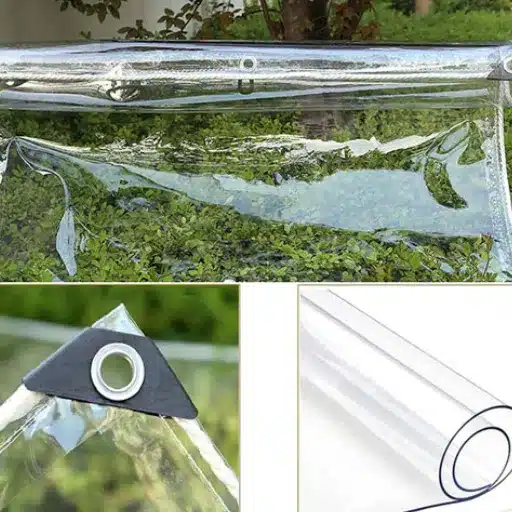
Emergencies call for temporary roof covers, which help arrest any progression on the profound consequences of storms, be it rain, wind, or snow. They can be quickly put in place using tarpaulins made from strong material and easily removed waterproof vinyl sheeting. This will also curb the flow of water in the building, among many other things, in turn preventing further damage to the structural integrity of the facility and enabling residents to live in the building until repairs are completed. Installing the life cover to protect the room space against rain also uses proper skill hence help in removing it only when it is necessary and safe and also its fitting should be airtight to be in use in the worst weather conditions.
What is a Temporary Roof Cover?
Temporary roof coverings are protective mechanisms used in construction to prevent water, weather, insects or rubbish from entering the building through openings during construction or repairs. Such covers are usually made from materials that are durable and can resist harsh weather conditions such as heavy rains and snow as they are made of such materials as reinforced polyethylene, PVC-coated nettings and even fire safety tarps. Additionally, temporary roof coverings hold an important position in the operations of construction bots by sealing the building so that rainwater does not infiltrate the buildings, reduces the possibility of damage inside, and is safe for use by construction workers.
State-of-the-art temporary roofing solutions include state-of-art elements collapsible aluminum beam structures, expanded cage alternatives, etc., available in the massive roofing equipment as a deployed type. Such composite assemblies can be trimmed in compliance with every detailing or working area of the project, so effective protection and stability are ensured. In addition, changing material composition and design of materials has resulted in the development of new lightweight, strong and durable roof systems that are resistant to UV radiation, thermal stress, and induced or aerodynamic loads. Temporary roofing is in widespread use especially in commercial, domestic, and industrial sectors. This once again indicates the breadth of the functionality and applicability of these roofing provisions in construction or emergency situations.
Importance of Emergency Roof Protection
The protection of the roof in emergency situations is important in preventing any possible damage from taking place and in keeping any people who happen to be in the house or the building well. And considering that the environment can sometimes be quite cruel: hurricanes, strong rain and hail, buildings often begin with roofs, so roof cover is often damaged expositioning insides to further deterioration. Assessment of impact of storm on structure reveals that urgent actions such as tarping or the application of temporary covers practically exclude 80% of water ingress into the affected zone, which substantially lessens the amount of reparation costs. That is, there is another benefit of having an emergency roof protection solution in place, and that is the ability to start cleaning once it happens and not when disaster does the most damage. In other words, when insurance companies are ready to pay, they first have to check that there is compensable damage and make sure that the insured’s mitigation measures have not been effective.
Situations Requiring Temporary Roof Tarping
Multiple situations require temporary roof tarping to be done, these are intended to prevent extensive damage in most cases. One of the scenarios which calls for roof tarping is incurs because of adverse weather, hurricanes, tornadoes or large blankets of hail can cause significant structural damage to a roof once it shrip off shingles, causes holes or where even parts of the roof are blown off. Equally, it is also such a practice during fire outbreak when water has to be poured in the house and all kinds of objects are displaced making the building. Also, when building structures grow old, when building structures have been put up without consideration of later repairs or when later repairs have delayed hence due to building compromised roofs or even concrete floors unexpectedly breaking; the factor require to fill the demand requires the construction of temporary roofing to keep water and to some extent debris entry.
It is not only households, but also commercial and industrial sites, that are in desperate need of temporary roof tarping systems, particularly after devastating incidents. For instance, businesses can carry on with their operations or shorten the time required for a sound structure to be built by redeploying resources that otherwise would have been squandered because their equipment, stock and work spaces are protected from rain fall or other debris. In this context, more durable and efficient materials such as rapid-erect structures, and increasing efficiency in the use of such materials to suit the different types of emergency cases will be developed, suggesting that it is crucial for property saving and risk control systems.
Types of Temporary Roofing Solutions

Polyethylene (Poly) Tarps
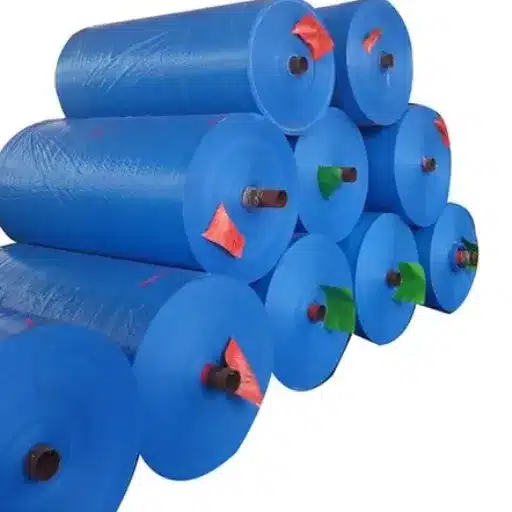
Poly is arguably the best in terms of industry and these poly tarpaulins are very weather resistant and are resistant to water and so on. The following halogen band PVC tarpaulin round covers are nice and punch marks lined around the covers are also very strong which is excellent in waterproofing sunlight resistance.
Vinyl-Coated Tarps
These shelters are stronger than most goods meaning they can take on weather conditions too, being therefore best in many windy surfaces. They are strong in that they can take heavy duties or cover large surfaces over and over again.
Canvas Tarps
Canvas tarps are constructed from a fabric which allows the flow of air and has been treated with some form of water and mildew resistance for specific applications where there is a need for some ventilation such as the protection of equipment prone to condensation.
Fitted Roof Tarps
Structures are intended for placing tarpaulins carefully to reduce their slipping off and certain components or regions are provided with such tarpaulins that vary in size and must be enforced additionally because of the tasks they perform.
Self-Adhesive Roofing Membranes
These types of coats can be easily installed in the field, where they are adhered directly to the roof. Though they are more suitable for small surfaces or less weight-bearing building frames, they offer a cheap solution for temporary water sealing.
Various Materials for Roof Tarps
| Material | Key Characteristics | Advantages | Common Applications |
|---|---|---|---|
| Polyethylene (PE) | Lightweight, UV-resistant | Durable, water-resistant | Emergency roof covering, weatherproofing |
| Vinyl | Strong, waterproof, heavy-duty | Tear-resistant, long-lasting | Industrial or commercial use |
| Canvas | Breathable, eco-friendly | Reusable, mold-resistant | Temporary repairs, protective covering |
| Mesh | Permeable, wind-resistant | Reduces wind pressure | Wind protection, debris containment |
| PVC | Waterproof, flexible material | Heat-resistant, versatile | Long-term construction covers |
| Silicone-coated | High-strength, waterproof | Excellent in harsh weather | Extreme weather protection |
| Polyester | Lightweight, coated for strength | Affordable, quick application | Temporary repairs, short-term solutions |
Comparing Plastic Sheeting and Roof Tarps
Most significantly, it is necessary to emphasize that all the materials that relate to the plastic sheeting and the roof tarps are as well quite relevant in the construction works including repair activities, from expansion to protection against weather patterns, with different features on each and every one of them. The plastic sheeting is usually folded of polyethylene which is very stretchy and will not rupture easily. The most precious advantages which can be given to it are the change or changes in choice of the thickness of the product in a range of minutes. The thinness of the plastic sheeting, on the other hand, is measured in mils, which explains a wide field of possibilities that includes its use as a vapor barrier, its application as protection against moisture or rubble, or the protection of the plastic sheeting itself from blows.
Usually, roof tarps are made of moisture-resistant and waterproof materials such as woven polyethylene and covered with reinforced materials. It is held in place because of its hemmed edges as it is stretched thus making it the most suitable material for temporary roof repair or in emergencies. Whereas silage films come in permanent form, they are made of roof tarp material that can handle heavy inclement weather including but not limited to wind, rain, snow, etc. Waiting for roofs to be repaired is not acceptable. There is another method of joint leakage called an offset. Sediments are degrading the performance of retrofitted pipelines almost everything is viewed through the sensor media. Pipes are dug through and disposed of accordingly.
Choosing the Right Temporary Roof Cover
A variety of important considerations should be kept in mind before a decision to use a temporary roof is taken. First and foremost, the material and its durability should be examined. Favorable materials include those that are durable such as woven polyethylene with layers of reinforcement or canvas. Their use can be effective against extreme weather, such as a storm with heavy rain, high winds or UV rays. Also, the heavier the denier of the tarp, the higher the count of fibers and their cross-sectional area in the material, allowing to increase the resistance of the item to tear and puncture under tension.
Besides that, see how well the water repellent makes the fabric. Roof covers with a waterproof membrane and fully sealed or doubled up seams such as those shown in the images contain less chance of issues with leaks, thus reducing the inconsistencies further. The use of extra-large tarp is also another crucial point – large tarps have better protection but need more fixing to avoid them from flying off in windy conditions. Additional aluminum tent features, as riff-rich edges and tensioning elements, include also stitches, as circlets along their perimeter and eyelets for mounting the walls and increased tensioning.
Take into account the current weather and roofing conditions, as well as the intended use length for the provided covers. Utilize weather-dependent roofing tarps suitable for protracted constructive processes and heavy wear. Emphasizing these points will assist in making the roof covers protected throughout the use and fault repair period until a more lasting solution is available.
Installation Process for Emergency Roof Tarps

-
1
Prepare the Area
Erase mechanisms that can affect the roof such as, gravel, dirt or any other lose materials as well as hazardous elements. Besides removing unwanted elements, make sure the place is safe enough to install the tarp.
-
2
Measure and Cut the Tarp
By using a measuring tape calculate the size of the injured part and mark the tarp with chalk on both lengths and widths. Cut the tarp in a 4 feet longer length that will allow the over the damaged part on all four sides for extended coverage and secure fixation.
-
3
Position the Tarp
Carefully place a tarp over the damaged region and pull it from all directions to the maximum. Align the tarp properly so that the damaged area does not become exposed, causing water to accumulate in the middle of the pool.
-
4
Secure with Fasteners
Tarpaulin tow can be attached with the help of 2×4 lumber boards, bricks, sand, or nails for roofing. Use proper placement of the fasteners and guard against any possible harm to the roof, finish or waterproof layers already provided.
-
5
Reinforce the Edges
You have to increase the life of the tarp by bending its corners even especially when the weather is too windy. Also, bolts may be used to reinforce places of fastening.
-
6
Inspect for Stability
Having anchored the tarpaulin material in place, do not just walk away. Make sure to check all the fastening points and that the fitting has been done correctly. In case the fastening allows water leaks, rectify the situation.
Following this order, the emergency roof tarp will still be useful in the meantime up to the time necessary for the repair work.
Safety Precautions During Installation
It is crucial to ensure safety during the process of installing emergency roof tarps to avoid unreal accidents that will lead to destruction of the building or further damages. It is very pertinent that before you make any repairs you should begin by checking the roof. Should the roof appear weak or collapse is a possibility, any attempt to reach it should be shunned instead urgency for qualified help is sought. To get on to the roof, us a stable ladder which is firmly put in its place and do not forget to have a shoe with a good grip especially when it is wet and the floor has some ridges.
Safety gear including harness, gloves and hard hats must be used by roofers who work in elevated locations. The use of such personal protective equipment in bad weather, i.e., rain, sunny, windy or even thunderstorm, has harmful effects to the precision of the worker and also results in lower output as well requiring more risks compliance to prevail. While installing a tarp it is vital to check the integrity of the tools and to use the correct tool for the task before using tarp. It is much easier and wiser to get a friend or a helper for the installation of the tent by two people rather than doing it alone especially if you know that you will have to fight alone the whole time.
And last, be very careful with any power lines or electrical paraphernalia on or around the rooftop. Do not approach the lines or equipment, Keep a safe distance and refrain from touching them – minimising the risks of any untoward incidences. Enforcing the precautionary measures is expected to be of significant help by reducing the probability of injuries and ensuring a safe process of the installation.
Common Mistakes to Avoid When Tarping
One of the most common reasons for failed emergency roof tarping is failing to secure the tarp. Such defective anchorage can cause the tarp to either move and or fall off during heavy winds or terrible weather, leaving the structure even more vulnerable to any damage. Use strong fixing devices such as those in the metal roofing industry like strictly in excess of nails or screws in conjunction with wooden planks. There is also a great concern with the use of a tarp that is either undersized or that is poor quality. Some tarpaulin may not be large enough to cover and protect the whole roof, an even greater risk involves these tarp and their low standards. It is clearly important to have protection under poor weather conditions.
A blunder that people also make is not giving the essential consideration to the delivery surface complications. Feasibly putting a tarp over objects with sharp edges, trash, or ice can lead to rips or an unbalanced setup, rendering the tarp quite useless. For the top to work as it is expected to, the top surface has to be free of dust and totally even. Alternatively, any undue delay in the project may be noticed due to the lack of implementation of safety precautions. When dealing with any roofing materials high in the air, wear non-slip shoes, hold fast to a safety netting, and put on gloves in all situations.
Another omission is skipping the tarp post-installation. The wind, subsequently, may also affect the tarp over time causing adhesive failure or stretch. Therefore, inspection and reinforcement are inevitable to prolong the useful life of the stall until such a time that repairs can be accomplished. People can defend their assets when there is an emergency, if they do not commit such errors and avail themselves of the mitigations recommended in this article.
Protecting Your Property After Storm Damage

Emergency roof tarps keep water from seeping into your home, causing destruction. It is meant to cover a roof whose shingles have rotted off, cracked or otherwise been displaced in the wake of a storm event. Most storm damage requires that certain parts of the roof be repaired before the storm ends. You will need to take immediate action. By maintaining – the outer layer of the roof, the tarps prevents water from percolating into the inner parts of the house, resulting in weakening of the structures and growth of fungi as well as damage to the inner parts. A safely anchored tarp should remain in place even in strong winds. This gives sufficient protection until the damaged area is reconstructed.
Assessing Damage Before Temporary Repairs
Every indispensable destruction or loss should first be accounted for well; therefore, a provision to fix or correct any damage needs to be cautious than further destruction. Start doing visual inspections at high ground, as much as possible as nothing is more valuable as safety to make sure that no one will be encounter with danger like weak floors or hanging electrical wires. The roof, windows, walls and the floor are the most likely areas that will be affected during the storm period and hence these areas need special or specific attention. In case you come across problems at such areas, for example, you notice such deficiencies like a leaky window, or some other areas as we mentioned you will find some information from here as well as will be able to indicate the positions and levels of these deficiencies.
It’s also significant to make impromptu checks on those elements that might not pose any visible risk as moist ceilings, falling structures or abnormal occurrences of air flow may indicate some inherent problem. Data available that the non-obvious moisture intrusion often leads to the higher percentage of repair expenses which is why the point of urgency for proof of the offending moisture cannot be stressed further. It has been suggested that tools such as invasive moisture meters and infrared cameras be employed to trace water infiltration where visible signs are not present. This method allows for evaluating the extent of damage and facilitate a rational approach to both preventive and remedial measures to be taken.
Working with Insurance Companies for Coverage
When dealing with insurance firms for the settlement of damage claims, a top-notch organisation and insurance cover are of great significance. You need not call the insurance company immediately, rather take your time to study if the damage you are affected by is one that is taken care of by your insurance policy. For example, the scope of the claim, the exceptions, any applicable clauses/covenants on water and structural damage, etc. It is very wise to document the damage extensively by ways of camera work, video recordings, and detailed writings among other media including photographs as most of these artifacts usually other than physical help to the insurance company to ensure the claim is processed and the grant paid to the insurer.
What is more, it is essential to get evaluations by someone in the relevant field, for example, repair quotes or checks on the system made by qualified contractors since these will tend to lend credibility to the case being made. In such circumstances where the insured has to deal with the insurance adjusters, the issue is attaining clear and effective communication. Ensure that everything- all conversations, contracts, and documentations- is recorded in black and white to prevent misunderstandings or undue advantage over the policyholder. Doing these along with getting professional help necessary, one is in a better position to get the benefit wished for and the corresponding claim resolved.
Planning for Permanent Roof Repairs
In order to plan permanent roofing work in a proper way, it is crucial to structure the project rightly to secure the durability and money-saving. The first stage of which is carrying out a comprehensive survey to establish the severity of the destruction, find the root causes of the problem and project scope to enable the removal of a whole or a few sections of the cover. When carrying out a more detailed study, consider using images of materials that are widely used in your area of interest such as corrugated sheets that provide a long life for the roof in conditions where there are no all-time roller coast winds from materials like metal or even for models like asphalt shingles which are cheaper and abundant for most residential homes.
It is vital to note that proper liability towards the cost of a full roof repair, if not all of it, is a fair price to pay for the safety of buildings or other properties. Find reliable people who have an impressive academic background and recommendation letters as well as those who did not encounter difficulties in servicing similar construction and repair projects. As regards the warranties for labor and materials, one should be wary of whatever covers full, and or compensates for the loss of an already executed job should the wishes of the parties concerned not come out as agreed on.
Professional Roofing Services for Emergency Situations

Professional roofing traps services are important in minimizing the detrimental effect of natural causes such as gales and sudden holes in the ceiling. The functions require the set up of temporary protection in the form of covers and plastic sheets to cover the damaged portions so as no water gets in and to prevent further interior and structural harm.
When professional labor is involved in the project, you can make sure that the tarp will be safely secured so that it can withstand any kind of adverse weather. Furthermore, it can allow for the assessing of the damage and submit the necessary papers for the insurance policy, compiling the estimates, and outlined the measures to fix the damage. Seeking professional help also helps in risk management and improve health security as well as in maintaining the status quo of the premises, as investigations on the root of the problem are done towards finding a lasting solution.
When to Call a Tarping Service
Determining the proper moment at which to undertake varnishing procedures is of considerable importance when it comes to shielding any potential harm from the property as well as the well-being of the persons residing within it. In the event of a catastrophe the likes of hurricanes, tornadoes, or hail, checking the roof for damages should be the first order of business. Damages enumerated might include missing shingles, broken, or exposed underlay. Other causes need quicker responses other than structural damages for example, sags on roofs or damages caused by water. More to that, in case the roof is old thus it is worn out, or in cases where something like which was unexpected happens, such a tree hitting the roof happens, it is urgent to call for tarping services. When a roof is damaged, appropriate action will reduce the risks of the damage and fix the building problems quickly so that repair or restoration work can be expedited.
Benefits of Hiring Professionals
Specialists performing roofing tarps service went to stores in order to get necessary equipment for the fastest and the most efficient covering of the damaged spots on the rooftops, so that the water would not penetrate inside and cause further damages or create conditions for the development of fungus or sheer dripping. Their past experiences have enabled them to determine the degree of destruction with accuracy which makes them use the tarping techniques that need to be used. For one thing, it has become evident that a professional touch to this business significantly saves in not only time but also in costs as opposed to doing it yourself. Moreover, compliance with many professional standards makes it possible to smooth the processing of in these regulations in a bid to inflict less frustration to the beneficiaries by ensuring that compensation is made in its entirety. Skilled labor and safety, amongst other disciplines, are major reasons why roofing tarps experts are good at saving structures.
Finding Reliable Roofing Services
If you live by yourself, study the roofing tarp technicians in the neighbourhood. And making sure that you get a solution of the right quality, a lot of crucial elements need to be considered. The first way should be with the checks on the certification of the licensing of the experts as this is mostly dictated in conformity with the industry regulated standards. Hardcore advertising done by the company thus showcases a variety of that firm making it at its highest. In this case, the promptness to service can be affected if the professional cervices are not local and in person. Tarring is one of the many solutions that can be offered for certain levels of repair. You will also find a large number of professional services that will provide their craft through websites, which even include the option of using temporary tarping or even renovation. These measures start with the need of this being done and end up whether they have any references or not as a very comprehensive system of effective hiring of healthcare service providers is developed.
Reference Sources
- 1. Green and Resilient: Synergies and Implementation Strategies for Emergency Shelters
Read the paper here - 2. Hydrological Disasters: Designing to Shelter in Place
Read the paper here