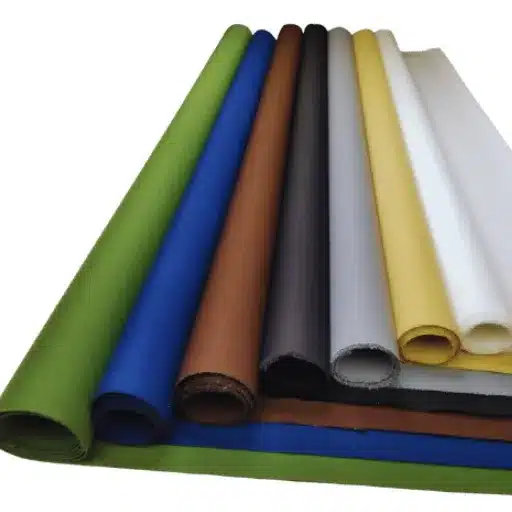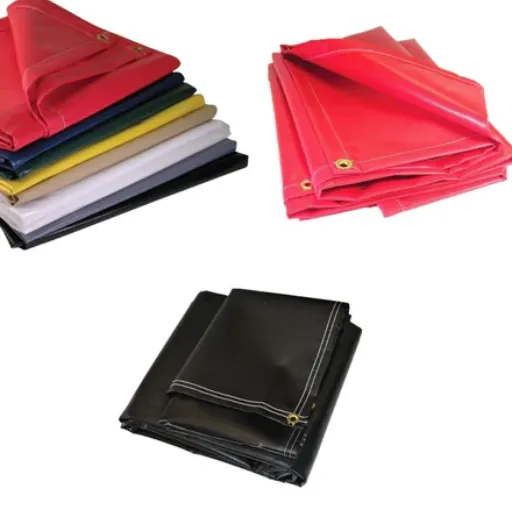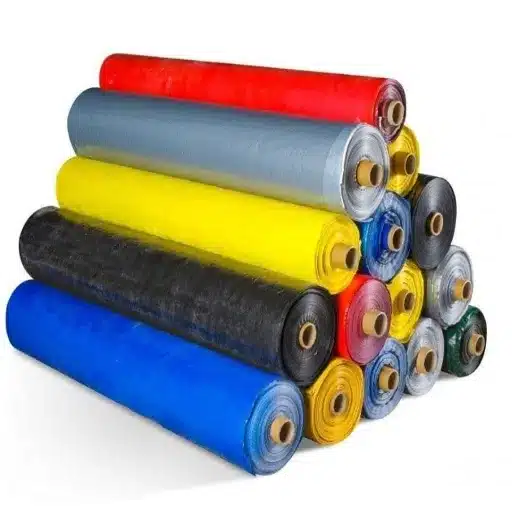
PE vs HDPE tarpaulin is one of the most misunderstood comparisons in the tarpaulin market. Most buyers assume they are choosing between two different materials. In reality, HDPE (high-density polyethylene) is a type of PE (polyethylene). The real question is not PE vs HDPE tarpaulin in the way most people think. It is whether the PE tarpaulin you are buying uses a high-density woven core, a low-density coating, or a lower-grade blend.
Supplier labels make this confusing. One company sells “PE tarpaulin” built with woven HDPE tape yarn and LDPE lamination. Another sells “PE tarpaulin” made mostly from LDPE. Both are technically PE tarpaulins, but their strength, lifespan, and price can differ by a wide margin. If you buy based on the label alone, you may end up with a tarp that fails months earlier than expected.
This guide clears up the PE vs HDPE tarpaulin question. You will learn how these materials are constructed, how they compare on specs, and how to choose the right grade for construction, agriculture, trucking, and industrial use. Contact LY TRUSTLINK for customized tarpaulin solutions and discover which material—PE or PVC—best aligns with your operational needs and long-term performance goals.
Key Takeaways
- PE vs HDPE tarpaulin is not a true material rivalry: HDPE is a stronger grade of polyethylene, and most quality PE tarps already use HDPE as the woven core.
- Standard PE tarpaulin usually means woven HDPE fabric laminated with LDPE on both sides; lower-grade PE tarps may rely more on LDPE and wear out faster.
- Choose standard PE for short-term, budget-sensitive coverage; choose HDPE-reinforced PE for construction sites, truck covers, and long-term outdoor exposure.
- GSM matters, but weave density, UV stabilization, and coating quality determine real-world durability.
- A 200 GSM HDPE woven tarp with 14×14 weave density and UV stabilizers typically outlasts a 180 GSM LDPE-dominant tarp by two to three years.
What Is PE Tarpaulin?
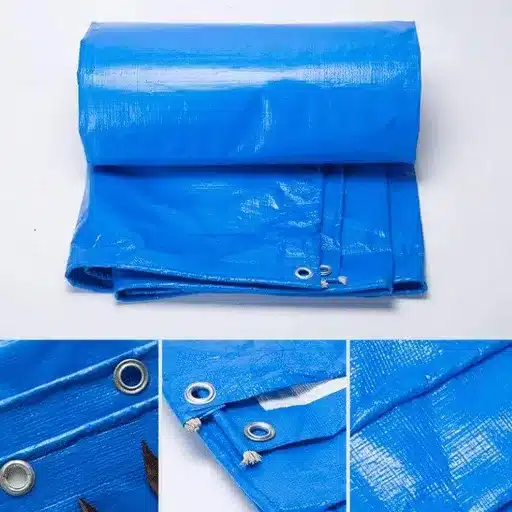
PE tarpaulin, or polyethylene tarpaulin, is a woven fabric made from polyethylene tapes or fibers. It is then laminated with waterproof coatings on one or both sides. The material is lightweight, flexible, and cost-effective, which makes it popular for agriculture, construction, transportation, and general outdoor covering.
The term “PE” describes a family of plastics. It includes LDPE (low-density polyethylene), HDPE (high-density polyethylene), and LLDPE (linear low-density polyethylene). When a supplier labels a product “PE tarpaulin,” the label alone does not tell you which grade dominates the construction. A high-quality PE tarpaulin typically uses woven HDPE tape yarn as the base fabric and coats it with LDPE film for waterproofing and flexibility. A lower-cost PE tarpaulin may use a weaker LDPE-dominant weave or thinner coating.
At Chenlai, our standard PE tarpaulins use a woven HDPE core with double-sided LDPE lamination. This gives buyers the waterproofing and light weight of PE with the structural strength of HDPE. Understanding this construction is the first step to resolving the PE vs HDPE tarpaulin question. If you are comparing suppliers, ask for the GSM, weave density, and coating composition rather than relying on the “PE” label alone. Our complete PE tarpaulin guide breaks down grades, coatings, and supplier evaluation in more detail.
Common applications for PE tarpaulin:
- Temporary construction site covers
- Agricultural crop and equipment protection
- Truck and cargo covers
- Ground sheets and camping shelters
- Short-term storage and weather protection
What Is HDPE Tarpaulin?
HDPE tarpaulin is polyethylene tarpaulin that emphasizes a high-density polyethylene woven core. The HDPE tapes are extruded, stretched, and woven into a tight fabric. That fabric is then laminated, usually with LDPE, to create a waterproof, tear-resistant sheet.
The key advantage of HDPE is strength-to-weight ratio. HDPE has a higher tensile strength and better environmental stress crack resistance than LDPE. When suppliers market a product as “HDPE tarpaulin,” they are signaling that the woven base is made from high-density tape yarn. This usually results in a tarp that is more rigid, more tear-resistant, and longer-lasting than a tarp made from a lower-density PE blend.
HDPE tarpaulin is not a separate material family from PE tarpaulin. It is a higher-grade version within the same family. This is why the PE vs HDPE tarpaulin comparison usually comes down to grade and construction rather than a choice between two different materials. In fact, many products labeled “HDPE laminated PE tarpaulin” describe the same construction: HDPE woven fabric + LDPE coating. For a deeper look at HDPE construction and standards, see our HDPE laminated tarpaulin specifications.
Typical HDPE tarpaulin specs:
- GSM range: 90 to 350+
- Weave density: 8×8 to 14×14 tapes per square inch
- Tensile strength: 20–30 MPa for the HDPE base
- UV stabilization: 500–1,500 hours tested
- Lifespan: 3–5+ years for heavy-duty grades
PE vs HDPE Tarpaulin: The Real Difference
When buyers search for PE vs HDPE tarpaulin, they often want to know which option is stronger, more durable, and better suited for their project. The answer depends on construction quality, not just the material name.
Most quality PE tarps already contain HDPE in the woven base. The meaningful difference is how much HDPE is used, how tightly it is woven, and how well it is coated. A “standard PE” tarp with a thin LDPE-dominant weave will be weaker than an “HDPE tarpaulin” with a dense HDPE core and thick lamination.
| Property | Standard PE Tarpaulin | HDPE Tarpaulin |
|---|---|---|
| Base material | Woven PE tapes (often HDPE, sometimes LDPE blend) | Woven HDPE tape yarn |
| Coating | LDPE lamination, one or both sides | LDPE lamination, usually both sides |
| Density | Varies by grade | 0.941–0.965 g/cm³ |
| Tensile strength | Lower to moderate | Higher |
| Tear resistance | Moderate | Excellent with reinforced edges |
| Flexibility | More flexible | Slightly more rigid |
| Typical GSM | 70–180 | 90–350+ |
| UV resistance | Basic to moderate | Enhanced with UV masterbatch |
| Lifespan | 1–2 years typical | 3–5+ years for heavy-duty grades |
| Cost | 0.50–0.50–1.00/m² | 0.80–0.80–1.50/m² |
| Best for | Short-term, light-duty use | Long-term, heavy-duty outdoor use |
This table explains why two tarps with the same “PE” label can perform so differently. A 120 GSM PE tarp made with a loose LDPE weave may tear within a season. A 180 GSM HDPE-reinforced tarp with tight weave and UV treatment can last three years in the same conditions.
Is PE Tarpaulin the Same as HDPE Tarpaulin?
PE tarpaulin is not always the same as HDPE tarpaulin, but most high-quality PE tarpaulins already contain HDPE. Whether you search for PE vs HDPE tarpaulin or HDPE vs PE tarpaulin, the difference lies in the grade of polyethylene used in the woven base and the quality of the lamination.
Think of polyethylene as a family. LDPE is soft, flexible, and lower in strength. HDPE is stiffer, stronger, and more durable. LLDPE sits in between. A tarpaulin supplier can build a PE tarp using any of these grades or a blend. That is why the “PE” label alone is not enough to judge quality.
When a supplier says “PE tarpaulin,” they usually mean one of three things:
- Woven HDPE + LDPE coating (the most common high-quality construction)
- Woven LDPE or LDPE blend + LDPE coating (lighter, cheaper, shorter lifespan)
- A multi-layer HDPE laminated PE tarpaulin (heavy-duty grade)
The only way to know what you are buying is to check the specification sheet. Ask for GSM, weave count, tensile strength, UV test hours, and coating thickness. A reliable supplier will provide these details without hesitation.
When to Choose Standard PE Tarpaulin
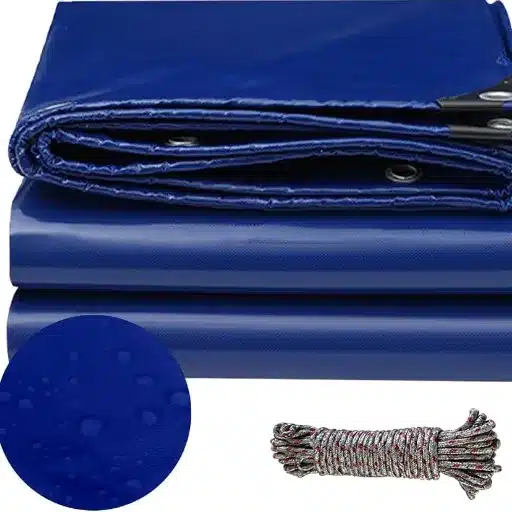
Standard PE tarpaulin works best when cost, flexibility, and short-term protection matter more than maximum durability. It is lighter than PVC and easier to fold, transport, and install. For projects that last a few weeks to one year, standard PE is often the most practical choice.
Budget-Sensitive and Short-Term Applications
Choose standard PE tarpaulin for:
- Seasonal agricultural covers
- Temporary construction debris covers
- Camping and recreational shelters
- Ground sheets and light equipment covers
- One-time shipping or storage protection
- Budget-sensitive bulk orders
Mini-story: Maria runs a vegetable farm in Southeast Asia. Each rainy season, she covers her drying beds with 120 GSM PE tarps. The covers stay up for three months, then fold away for storage. She does not need a five-year tarp. She needs a lightweight, low-cost cover that she can replace every season. Standard PE tarpaulin gives her exactly that at a price that fits her margins.
If your application matches Maria’s, standard PE tarpaulin is the right call. This is the practical side of the PE vs HDPE tarpaulin decision. Just make sure it uses a woven HDPE base rather than a weak LDPE-dominant sheet.
When to Choose HDPE Tarpaulin
HDPE tarpaulin is the better choice when your cover must withstand wind, abrasion, UV exposure, and repeated handling over a long period. The higher-density woven core resists tearing, and proper UV stabilization prevents the material from becoming brittle.
Heavy-Duty and Long-Term Outdoor Use
Choose HDPE tarpaulin for:
- Construction site covers lasting six months or more
- Truck, trailer, and cargo covers
- Agricultural storage, greenhouse covers, and pond liners
- Industrial equipment protection
- Long-term outdoor storage
- High-wind or high-UV environments
Mini-story: A logistics company in the Middle East ordered 200 GSM HDPE tarps for its open-bed truck fleet. The previous supplier had shipped 150 GSM LDPE-dominant PE tarps. Those tore at the grommets within eight months. The 200 GSM HDPE woven tarps with reinforced edges and aluminum eyelets lasted four years. The higher upfront cost was recovered within the first replacement cycle that never happened.
For buyers who need reliability over the long term, HDPE tarpaulin pays for itself through fewer replacements and less downtime. This is the long-term side of the PE vs HDPE tarpaulin choice. For a comparison with PVC in heavy-duty applications, see our PVC vs HDPE tarpaulin comparison.
GSM Selection Guide for PE and HDPE Tarpaulins
GSM, or grams per square meter, measures the weight and density of the tarpaulin. Higher GSM usually means thicker, stronger material. However, GSM alone does not tell the full story in the PE vs HDPE tarpaulin comparison. A 200 GSM tarp with loose weave and thin coating will not last as long as a 180 GSM tarp with dense weave and heavy lamination.
Recommended GSM by application:
| Application | Recommended GSM | Material Type | Expected Lifespan |
|---|---|---|---|
| Light agricultural cover | 90–130 | Standard PE | 1–2 years |
| Seasonal crop protection | 120–160 | PE with HDPE base | 1–2 years |
| Construction debris cover | 150–200 | HDPE woven PE | 2–3 years |
| Truck and cargo cover | 180–250 | HDPE woven PE | 3–5 years |
| Long-term construction site | 200–300 | Heavy-duty HDPE | 4–6 years |
| Pond liner / aquaculture | 250–350+ | Heavy-duty HDPE | 5+ years |
When specifying GSM, also ask about weave density. A 200 GSM HDPE tarp with 14×14 tapes per square inch is significantly stronger than a 200 GSM tarp with 8×8 weave. The denser weave distributes stress more evenly and resists punctures better.
The manufacturing process starts with HDPE resin extruded into flat tapes. Those tapes are stretched for strength, woven into fabric, and then laminated with LDPE film on both sides. Heat and pressure bond the layers. A video of this process can reinforce why weave density and coating thickness matter more than the product name on the label.
How to Verify Quality: A Buyer’s Checklist
Before you place a bulk order, verify the specifications that actually affect performance in the PE vs HDPE tarpaulin comparison. A trustworthy tarpaulin manufacturer will share test data and samples.
ASTM and ISO Test Methods to Request
Quality checklist for PE and HDPE tarpaulin:
- Confirm GSM and tolerance (±5% is standard)
- Ask for weave density (look for 12×12 or higher for heavy-duty use)
- Request UV stabilization test results (ASTM G53/94 or equivalent)
- Ask for tensile and tear strength reports (ASTM D5034, ISO 9073)
- Check edge reinforcement and grommet spacing
- Request a sample for water-pressure and fold testing
- Verify the coating is double-sided LDPE lamination
- Ask whether the material uses virgin or recycled PE
Mini-story: A procurement manager in West Africa received quotes from three suppliers for 180 GSM PE tarps. The cheapest quote was 15% lower. He asked all three for weave density and tensile test reports. Only two could provide them. The cheapest supplier had no data. He chose the mid-priced supplier with verified 14×14 weave and UV stabilization. The tarps performed for four years in a high-UV climate.
If you need help verifying specifications or sourcing the right grade, contact a tarpaulin manufacturer with customization experience. A factory partner can guide you through GSM, weave density, and coating choices based on your end market.
Cost Comparison and Total Cost of Ownership
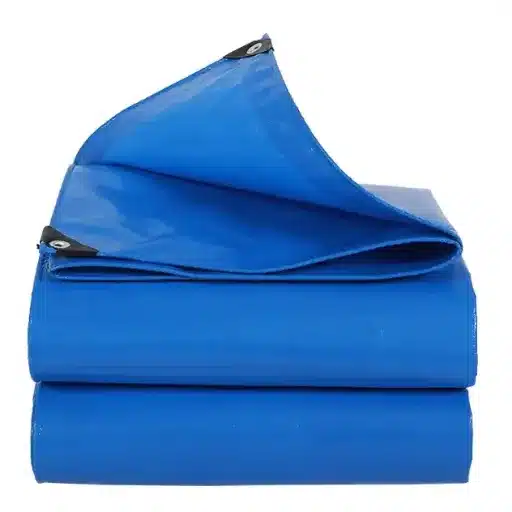
PE and HDPE tarpaulins are both more affordable than PVC. The trade-off is lifespan. When evaluating PE vs HDPE tarpaulin on cost, remember that standard PE tarps cost less upfront but may need replacement every one to two years. HDPE tarps cost more per square meter but last three to five years or longer.
Upfront Price vs. Replacement Cycles
Typical price ranges:
- Standard PE tarpaulin: 0.50–0.50–1.00/m²
- HDPE woven PE tarpaulin: 0.80–0.80–1.50/m²
- PVC tarpaulin: 2.50–2.50–8.00/m²
Five-year total cost example for 1,000 m² coverage:
| Option | Upfront Cost | Replacements | Total 5-Year Cost |
|---|---|---|---|
| Standard PE (1.5-year lifespan) | $750 | 3 | $3,000 |
| HDPE woven PE (4-year lifespan) | $1,200 | 1 | $2,400 |
| PVC (8-year lifespan) | $5,000 | 0 | $5,000 |
This example assumes installation labor is similar for each replacement. In reality, labor and downtime can add significantly to the cost of frequent replacements. For buyers who need durability but want to avoid the weight and price of PVC, HDPE woven PE tarpaulin often offers the best balance.
Environmental Considerations
PE and HDPE are recyclable thermoplastics. HDPE is classified as Type 2 plastic and has established recycling streams in many regions. From an environmental perspective, the PE vs HDPE tarpaulin choice also involves lifespan. A longer-lasting HDPE tarp reduces replacement waste over time. LDPE, commonly used as the coating layer, is Type 4 plastic and is also recyclable, though collection infrastructure is less widespread.
Reducing Waste Through Longer Lifespan
Because HDPE tarps last longer, they can reduce total material waste over a project lifecycle. A tarp that lasts five years replaces one tarp that lasts one year five times. Fewer replacements mean less packaging, transport, and disposal.
That said, no polyethylene tarpaulin is biodegradable. Buyers with strict sustainability requirements should ask suppliers about recycled content options, recyclable additives, and end-of-life collection programs.
PE vs HDPE Tarpaulin: Frequently Asked Questions
Is PE tarpaulin waterproof?
Yes, PE tarpaulin is waterproof when it has a proper LDPE or PE lamination coating on both sides. The woven base provides strength, and the coating blocks water penetration. Seam quality and grommet installation also affect waterproof performance.
Is HDPE stronger than PE?
HDPE is stronger than LDPE, the other common polyethylene grade used in tarps. Most high-quality PE tarps already use HDPE as the woven core, so a well-made “PE” tarp can be nearly as strong as a product labeled “HDPE.” Always check the GSM and weave density.
What is the difference between HDPE and LDPE tarpaulin?
HDPE has a higher density and tensile strength, making it more rigid and durable. LDPE is softer, more flexible, and less expensive. HDPE is better for heavy-duty outdoor use. LDPE is better for short-term, flexible applications.
What GSM is best for construction?
For temporary construction covers, 150–200 GSM PE or HDPE woven tarpaulin works well. For long-term construction sites or high-wind areas, choose 200–300 GSM heavy-duty HDPE.
How long does HDPE tarpaulin last?
Heavy-duty HDPE tarpaulin can last 3–5 years outdoors with proper UV stabilization. Lifespan depends on UV exposure, wind conditions, installation quality, and maintenance.
Should I choose PE or HDPE for agriculture?
Choose standard PE for seasonal crop covers and short-term protection. Choose HDPE for agricultural storage, greenhouse covers, pond liners, and equipment covers that must last multiple seasons.
Can HDPE tarpaulin be recycled?
Yes, HDPE tarpaulin is recyclable as Type 2 plastic. LDPE coatings can complicate recycling, but many facilities can process laminated PE materials. Check with local recyclers for specific requirements.
Conclusion
The PE vs HDPE tarpaulin question is really a question about grade and construction. PE is the material family. HDPE is the stronger member of that family. Most quality PE tarps already use HDPE as the woven base, so the label alone does not determine quality.
To choose the right tarpaulin, focus on GSM, weave density, UV stabilization, and coating quality. Standard PE tarpaulin works for short-term, light-duty coverage. HDPE tarpaulin is the better choice for construction, trucking, agriculture, and any application where long-term reliability matters.
At Chenlai, we manufacture both PE and HDPE tarpaulins with customizable GSM, size, color, and finishing options. Whether you need a cost-effective seasonal cover or a heavy-duty industrial tarp, we can match the specification to your project.
Ready to source the right tarpaulin? Contact our team for a custom quote and specification support. For heavy-duty alternatives, explore our PVC tarpaulin for heavy-duty applications.
Sources: