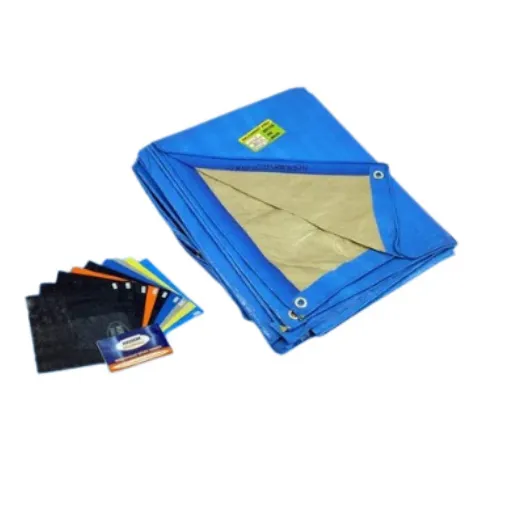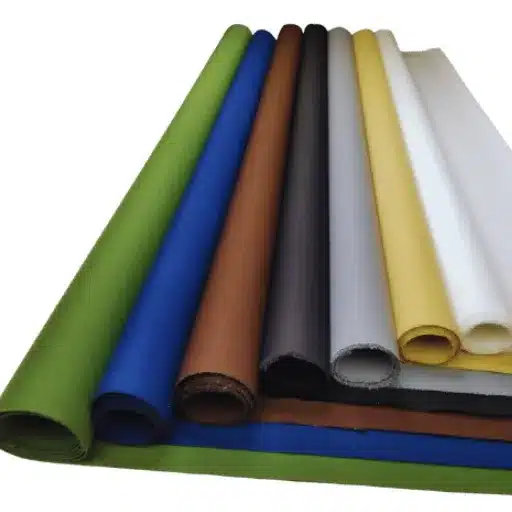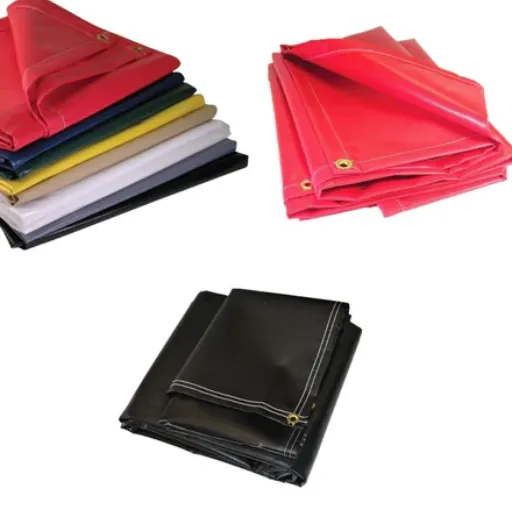
Marcus Chen, a procurement manager for a mid-sized construction firm in Phoenix, learned the hard way that not all outdoor covers are equal. He purchased a standard blue polyethylene tarp in March to protect scaffolding and building materials. It looked thick enough and carried a generic “weather resistant” label. Eight months later, the material had turned brittle, developed surface cracks, and started leaking at every seam. The Arizona sun had done more damage in one season than two years of rain could have managed.
His mistake was common. UV radiation is the single biggest cause of premature tarpaulin failure. Yet many buyers focus on waterproofing and thickness while ignoring the specific UV protection built into the material.
This guide explains everything you need to know about UV resistant PE tarpaulin. You will learn how UV stabilization works, what specifications actually matter for your application, and how to distinguish genuine protection from marketing claims. Whether you buy for agriculture, construction, or logistics, the right specification saves money and prevents coverage failures.
What is UV-Resistant PE Tarpaulin?
Material Composition
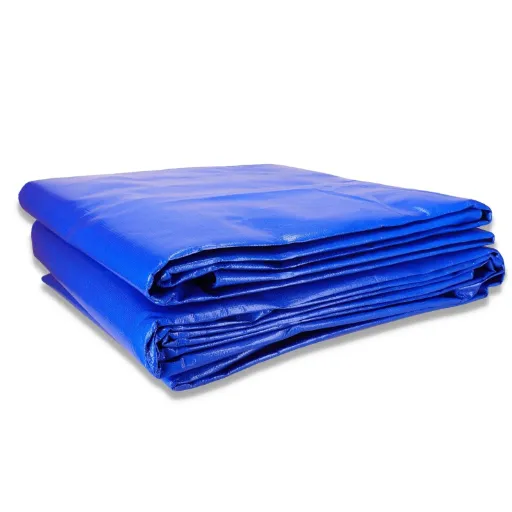
UV resistant PE tarpaulin is a multi-layer protective fabric built around a woven high-density polyethylene (HDPE) core. This core provides tensile strength and tear resistance. Both sides of the woven fabric receive a laminated low-density polyethylene (LDPE) coating. The coating delivers waterproofing, flexibility, and an additional barrier against environmental damage.
The final structure consists of three essential layers:
- Woven HDPE fabric – provides core strength and dimensional stability
- Laminated LDPE coating – creates the waterproof seal on both sides
- Surface treatments – UV stabilizers, color pigments, and anti-oxidant additives
This construction gives PE tarpaulin its signature balance of light weight, flexibility, and cost-effectiveness. Without proper UV stabilization, however, the polyethylene polymers break down rapidly under sunlight.
How UV Stabilization Works
Polyethylene is naturally vulnerable to photodegradation. Ultraviolet radiation attacks the long molecular chains in the plastic, causing oxidation, chain scission, and cross-linking. The visible results are surface chalking, discoloration, brittleness, and a drastic loss of tensile strength.
UV resistant PE tarpaulin prevents this degradation by incorporating specialized stabilizers during the extrusion and coating processes. These additives absorb, scatter, or neutralize harmful UV radiation before it damages the polymer structure.
Manufacturers use a synergistic stabilization system that typically includes:
- Carbon black masterbatch – absorbs and scatters UV radiation across a wide wavelength range, converting the energy into harmless heat
- HALS (Hindered Amine Light Stabilizers) – scavenges free radicals formed during photo-oxidation, interrupting the degradation cycle
- UV absorbers – such as benzotriazoles, which absorb UV wavelengths and dissipate them thermally
- Antioxidants – protect against thermal oxidation during manufacturing and support long-term weatherability
Carbon black is considered the most effective and cost-efficient UV stabilizer for polyethylene. Studies on wire and cable applications show that properly dispersed carbon black can provide stability exceeding 30 years. For tarpaulin applications, manufacturers typically achieve effective protection with a carbon black loading of 2-3% by weight, introduced through a black masterbatch to ensure uniform dispersion.
The quality of UV protection depends heavily on manufacturing discipline. Poor dispersion creates localized weak spots where UV can penetrate and accelerate failure. This is why buyers should look beyond vague “UV treated” claims and ask for specific treatment percentages and testing documentation.
How Long Does UV Resistant PE Tarpaulin Last?
Lifespan by Grade and Application
The outdoor lifespan of UV resistant PE tarpaulin varies dramatically based on material grade, UV treatment level, and exposure intensity. Here is what buyers can realistically expect:
| Grade | UV Treatment | Typical GSM | Outdoor Lifespan | Best For |
|---|---|---|---|---|
| Standard PE | Minimal or none | 65-120 | 6 months – 2 years | Short-term indoor or shaded use |
| Medium-duty UV PE | 1-3% | 120-180 | 1-3 years | General outdoor coverage, events |
| Heavy-duty UV PE | 3-5% | 180-280 | 2-5 years | Agriculture, transport, construction |
| Premium HDPE / eco-design | 5-7%+ | 200-300+ | 4-10+ years | Long-term infrastructure, humanitarian |
According to field tests from the ICRC/IFRC/UNHCR Eco-design Tarpaulin Project, standard-quality PE tarps retained approximately 90% of their original tensile strength after eight years under continuous outdoor exposure. By contrast, low-quality alternatives with inadequate UV stabilization failed within four months in the same conditions.
The global demand for durable outdoor protection continues to grow. The UV-protected tarpaulin sheets market is valued at approximately USD 2.6-3.2 billion in 2024-2025, with projections indicating growth at a CAGR of 5.4-9.2% through the 2030s. Construction alone accounts for roughly 35-42% of global demand, while agricultural applications are expanding at approximately 7% CAGR.
Factors That Affect Durability
Even the best UV resistant PE tarpaulin will degrade faster under certain conditions. Buyers should account for these variables when specifying materials:
Climate and UV intensity. Tarps in equatorial or high-altitude regions face significantly more UV exposure than those in temperate zones. Phoenix, for example, receives about 85% of possible annual sunshine. A tarp rated for five years in Seattle might last only two to three years there.
Installation tension. Loose tarps flap in the wind, creating mechanical stress at grommets and seams. Proper tensioning reduces abrasion and extends service life.
Surface temperature. Dark-colored tarps absorb more heat, which accelerates thermal oxidation alongside photodegradation. Reflective colors like silver or white run cooler and can extend lifespan in extreme heat.
Maintenance and storage practices. Dirt, agricultural chemicals, and salt deposits can act as catalysts for polymer breakdown. Regular cleaning and proper off-season storage materially improve longevity.
When Elena Ortiz sourced tarps for her citrus farm in Southern California, she initially bought the cheapest 120 gsm covers she could find. They lasted one season. After upgrading to 200 gsm UV stabilized PE tarpaulin with 4% UV treatment and switching to silver-colored material, her greenhouse covers lasted four years. The upfront cost was 40% higher, but her cost per year dropped by more than half.
Key Specifications to Look For
GSM and Thickness
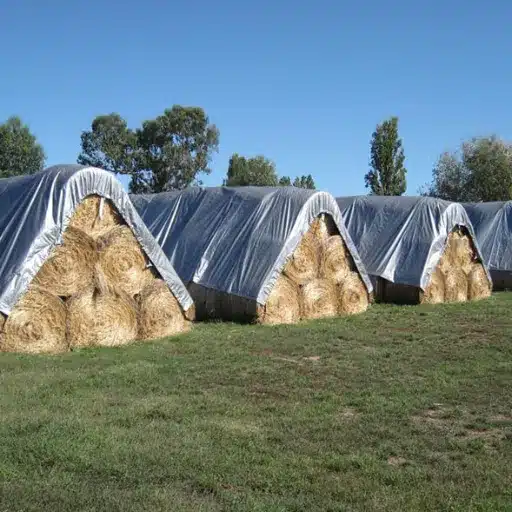
GSM (grams per square meter) is the standard measure of tarpaulin weight and density. Higher GSM generally indicates stronger fabric, denser weave, and thicker coating. For UV resistant applications, the right GSM depends on exposure duration and mechanical stress:
- Light duty: 65-150 gsm – Suitable for temporary shade, indoor covers, or very short outdoor use
- Medium duty: 150-280 gsm – The standard range for commercial agriculture, transport, and construction
- Heavy duty: 280 gsm+ – Required for long-term infrastructure, extreme weather, or high-wind environments
For most commercial buyers, 150-280 gsm offers the best balance of durability, handling weight, and cost. Construction applications typically benefit from 200-300 gsm, while agriculture often performs well with 150-220 gsm depending on the crop protection strategy.
UV Treatment Percentages
The percentage of UV stabilizers in the polymer mix directly determines how long the material will resist photodegradation:
- 1-3% UV treatment – Basic protection for short-term or seasonal use
- 3-5% UV treatment – Commercial-grade protection for multi-year outdoor applications
- 5-7% UV treatment – Heavy-duty protection for permanent or semi-permanent installations
Buyers should request written confirmation of UV treatment percentages. Reputable manufacturers can specify the exact loading of carbon black, HALS, and other stabilizers. Vague claims like “UV treated” without numbers are a warning sign.
Industry Certifications and Testing Standards
Quality verification matters as much as the specification itself. Look for suppliers who can document compliance with recognized standards:
- ISO 9001 – Quality management systems
- ISO 14001 – Environmental management baseline
- ASTM D4354 – Standard for plastic film and sheeting used as covers
- ASTM G155 – Xenon arc weathering test for accelerated aging
- ISO 4892-2 – International standard for xenon-arc exposure of plastics
For applications involving human shelter or prolonged skin contact, additional performance markers include UPF greater than 40 and UVA transmittance below 5%. These metrics matter particularly for agricultural shade structures and outdoor event canopies.
Not sure which certification your project requires? Request a specification review and our team will match the right standard to your application.
UV Resistant PE Tarpaulin vs. Other Materials
PE vs. PVC for UV Protection
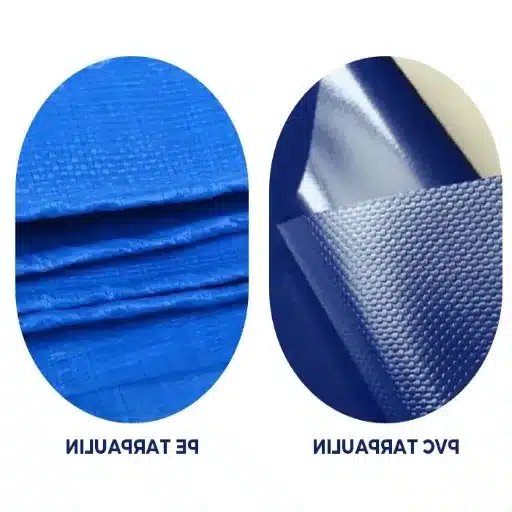
Choosing between PE and PVC tarpaulin depends on project duration, budget, and handling requirements. Here is how they compare for UV-resistant outdoor use:
| Factor | UV Resistant PE Tarpaulin | PVC Tarpaulin |
|---|---|---|
| Weight | Light to medium | Heavy |
| Cost per sqm | Lower | Higher |
| Typical lifespan | 2-5 years | 5-10+ years |
| Flexibility | High, easy to handle | Lower, stiffer |
| Repairability | Moderate | High |
| Best use case | Medium-term coverage, cost-sensitive projects | Long-term industrial, permanent structures |
PE tarpaulin dominates the market for good reason. Polyethylene accounts for approximately 54-62% of global tarpaulin production. It offers the most cost-effective protection for applications lasting two to five years. PVC becomes the better investment for permanent installations or environments with extreme mechanical abrasion, despite its higher weight and price.
If your construction project runs longer than three years, [explore our PVC tarpaulin options]for extended durability. For shorter timelines or large-area coverage where handling speed matters, UV resistant PE remains the smarter choice.
PE vs. HDPE Tarpaulin
Buyers sometimes confuse PE and HDPE tarpaulin. In practice, most PE tarpaulins already use an HDPE woven core. HDPE provides the strength and dimensional stability, while LDPE coatings deliver waterproofing and flexibility.
When manufacturers market a product specifically as “HDPE tarpaulin,” they typically mean a premium grade with:
- Higher weave density (tighter mesh)
- Advanced coating formulations
- Enhanced UV stabilization
- Thicker overall construction
Think of HDPE tarpaulin as the premium tier within the PE family. It commands a higher price but delivers longer service life and better performance under stress.
Applications and Use Cases
Agriculture
Farmers use UV resistant PE tarpaulin for crop protection, greenhouse covering, grain storage, and equipment shielding. The lightweight material is easy to deploy across large areas, and the right UV treatment prevents mid-season degradation when crops are most vulnerable.
Recommended specifications for agriculture:
- GSM: 150-220
- UV treatment: 3-5%
- Color: Silver or white for heat reflection, or green for light-diffusing greenhouse applications
Agricultural demand is growing rapidly. The sector is projected to expand at roughly 7% CAGR as more farms adopt protective covers to manage climate variability.
Construction
Construction sites require tarps that withstand not only UV exposure but also wind, abrasion, and occasional chemical contact. Scaffolding covers, equipment enclosures, and building wraps all benefit from properly specified UV resistant PE tarpaulin.
Recommended specifications for construction:
- GSM: 200-300
- UV treatment: 4-7%
- Reinforced hems and rust-resistant grommets every 1 meter
- Fire-retardant additives where local codes require them
Construction remains the largest end-user, consuming approximately 35-42% of global tarpaulin output.
Logistics and Transport
Truck covers, cargo wraps, and warehouse temporary walls all rely on UV resistant PE tarpaulin to protect goods during transit and storage. The material’s light weight makes it easy for drivers to handle, while adequate UV protection prevents deterioration during long hauls through sunny regions.
Recommended specifications for logistics:
- GSM: 180-280
- UV treatment: 3-5%
- Reinforced edges with metal eyelets for secure tie-down
How to Verify Quality When Sourcing
Manufacturing Standards to Request
B2B buyers should treat tarpaulin procurement like any other industrial material purchase. Request documentation and ask specific questions before placing an order.
Material origin. Ask whether the manufacturer uses virgin PE resin or recycled material. Virgin resin delivers more consistent polymer chains and better UV stabilization performance. Some recycled blends work well, but the quality control must be tighter.
Masterbatch and dispersion quality. UV stabilizers are typically introduced as a concentrated masterbatch. Ask how the manufacturer ensures uniform dispersion. Poor mixing creates weak spots that fail prematurely.
In-house testing capabilities. Reputable suppliers run accelerated weathering tests, tensile strength checks, and waterproofing verification on each production batch. Ask for test reports or certificates of analysis.
When David Kim, a purchasing director for a Korean logistics company, visited his previous supplier’s factory in Shandong, he noticed something troubling. The extrusion lines had no visible quality control stations, and the manager could not produce batch test records. David switched to a [tarpaulin manufacturer with global shipping] and documented QC processes. His defect rate dropped from 8% to under 1% within the first year.
Red Flags to Avoid
Not every supplier delivers what they advertise. Watch for these warning signs:
- Vague “UV treated” claims without specific treatment percentages
- Missing certification documentation or unverifiable certificate images
- Prices significantly below market rate, which often signal recycled filler material or skimped coatings
- No warranty or after-sales support for quality disputes
- Inability to explain manufacturing specifications in technical detail
Advances in UV inhibitors and polymer blends have extended tarpaulin service life by up to 35% in recent years. However, these improvements only matter when manufacturers actually implement them with discipline.
Maximizing the Lifespan of Your PE Tarpaulin
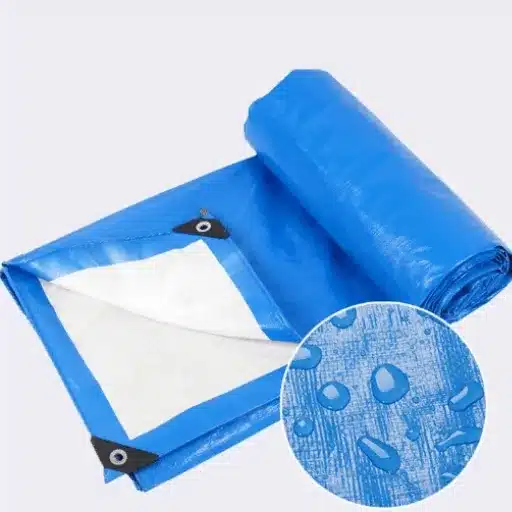
Proper use and maintenance can extend the service life of UV resistant PE tarpaulin by 30-50%. Follow these practices:
Install with proper tension. A taut tarp flaps less, which reduces stress at grommets and seams. Use all available tie-down points and check tension after the first wind event.
Clean regularly. Remove dirt, leaves, and chemical residues with mild soap and water. Agricultural chemicals and salt deposits accelerate polymer breakdown if left in contact with the surface.
Inspect monthly. Look for early signs of wear at corners, grommets, and seams. Small tears are easy to repair with PE-compatible adhesive tape. Left unchecked, they spread rapidly.
Store properly during off-seasons. Dry the tarp completely before folding. Store in a cool, dark place away from direct sunlight and rodents. Never store wet, as trapped moisture promotes mildew and weakens coatings.
Know when to replace. Even the best UV stabilized material eventually reaches end of life. Replace the tarp when you notice widespread surface cracking, significant chalking, or tears that propagate faster than you can repair them.
Conclusion
UV resistant PE tarpaulin is not a commodity. It is an engineered protective material whose performance depends on polymer science, manufacturing discipline, and proper specification for the application.
The key takeaways are straightforward:
- Match GSM and UV treatment percentage to your exposure conditions and project timeline
- Demand specific numbers and testing documentation from suppliers
- Consider total cost of ownership, not just upfront price
- Follow proper installation and maintenance practices to maximize service life
- Choose PE for medium-term applications and PVC for permanent installations
Whether you are covering construction equipment, protecting agricultural crops, or securing cargo for transport, the right UV resistant PE tarpaulin delivers reliable protection season after season.
Ready to specify the right material for your project? Request a custom quote and our team will recommend the exact GSM, UV treatment, and construction for your needs.