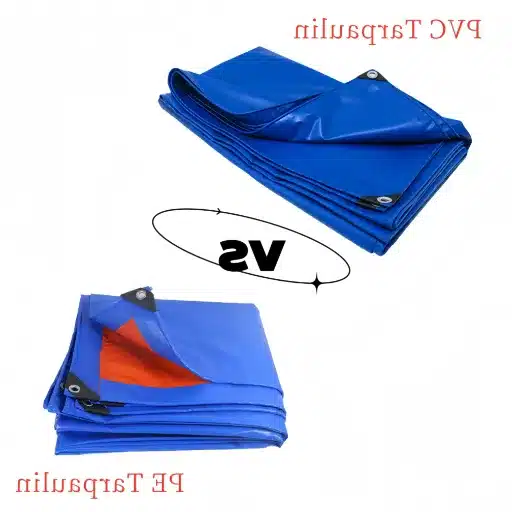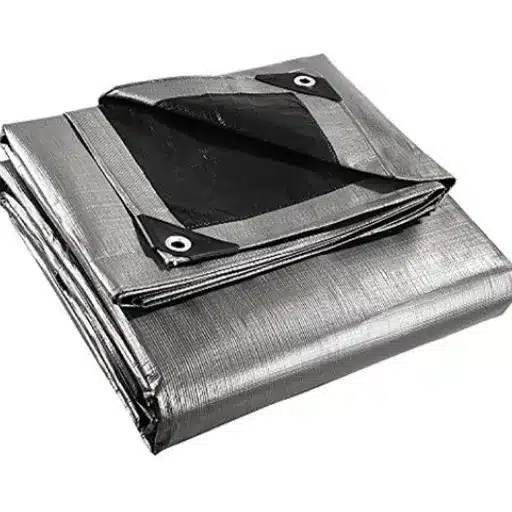
The best bulk tarpaulin supplier delivers consistent material quality, transparent pricing, reliable logistics, and responsive technical support. A strong supplier also holds verifiable manufacturing credentials, offers customization at scale, and maintains batch-to-batch specification control.
Most procurement teams learn this the hard way. When Marcus, a distributor based in Rotterdam, placed his first 10,000 square meter PE tarpaulin order, he chose the lowest quote. Six weeks later, the shipment arrived with GSM variations of nearly 15%. Some rolls tore during installation. Others leaked in light rain. The “savings” from that low unit price cost him two major construction clients and a damaged reputation.
This guide gives you a practical framework for evaluating any bulk tarpaulin supplier before you commit. You will learn how to verify manufacturing capability, assess quality systems, compare true costs, and build a supplier relationship that lasts. At LY TRUSTLINK, we focus on producing durable tarpaulin materials that offer excellent waterproof performance, UV resistance, and lasting durability.
Key Takeaways
- A genuine bulk tarpaulin supplier owns production equipment and controls quality from raw materials to finished rolls.
- Evaluate eight core criteria: capacity, material range, quality systems, customization, export experience, pricing transparency, lead time reliability, and communication.
- Construction, agriculture, and logistics buyers each need different certification and specification benchmarks.
- Pricing 20% below market average often signals recycled materials, underweight GSM, or omitted treatments.
- Long-term supply agreements reduce total cost by 15% or more while securing priority production slots.
What Defines a Bulk Tarpaulin Supplier?
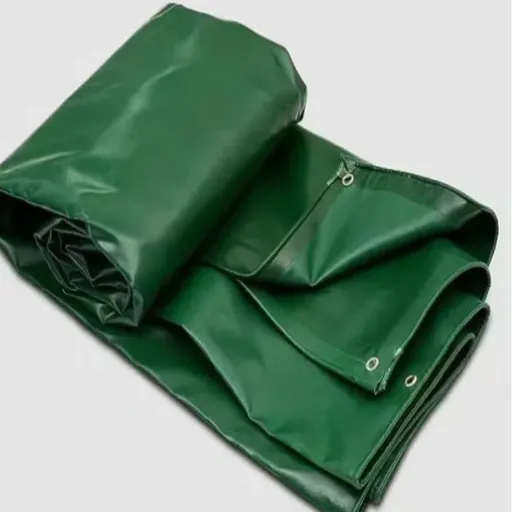
A bulk tarpaulin supplier is not simply a seller who offers volume discounts. In the tarpaulin industry, “bulk” typically means orders starting at 1,000 square meters or 1-3 metric tons. At this scale, the supplier type determines your level of control, consistency, and cost structure.
There are three primary types of bulk suppliers:
| Supplier Type | Production Control | Typical MOQ | Customization | Best For |
|---|---|---|---|---|
| Direct Manufacturer | Full ownership of lines and QC | 1,000-5,000 sqm | Full specification control | Recurring bulk orders, custom specs |
| Wholesale Distributor | Holds inventory, limited control | 100-500 sqm | Catalog options only | Urgent needs, small volumes |
| Trading Company | Brokers factory capacity | Flexible | Limited, often subcontracted | Spot buys with loose requirements |
Direct manufacturers offer the strongest combination of price control and specification ownership. Distributors add value when you need stock quickly. Trading companies introduce risk because they often lack visibility into the actual production floor. Understanding this distinction is the first step in supplier qualification.
Want to see how manufacturing ownership affects your order? Explore our tarpaulin manufacturing capabilities to understand what direct production control looks like in practice.
8 Essential Criteria for Evaluating a Bulk Tarpaulin Supplier
1. Manufacturing Scale and Production Capacity
Production capacity is the foundation of supply reliability. A supplier who claims to handle bulk orders but operates ten aging looms will struggle during peak season.
For PE tarpaulin production, look for manufacturers with 50 or more water-jet looms and daily output of 50-100 tons. For PVC tarpaulin, calendering and coating lines should support 30-60 tons per day. Ask for a recent production schedule. A genuine manufacturer can show you current orders, machine utilization, and shift patterns.
When the team at Acme Construction Supplies vetted suppliers for a 24,000 sqm quarterly contract, they requested video walkthroughs of three finalists. One supplier showed a clean floor with 80 looms running at capacity. Another revealed a cramped workshop with idle equipment. The visual evidence made the decision clear.
2. Material Range and Specification Control
A capable bulk tarpaulin supplier offers depth across multiple materials. Each material serves different applications and carries distinct specification requirements.
PE tarpaulin typically ranges from 65 to 280 GSM. Mesh density runs from 6×6 to 14×14 per inch. The LDPE coating ratio affects waterproofing and flexibility. Ask about virgin versus recycled content ratios.
PVC tarpaulin spans 350 to 1,200 GSM. Base fabric denier, coating adhesion strength, and surface finish all matter. For heavy-duty applications, request tensile strength data measured in Newtons per 5 centimeters.
HDPE tarpaulin relies on woven construction quality and lamination bonding. UV stabilization levels should match your climate exposure.
Batch consistency matters more than any single specification. Demand a Technical Data Sheet for the exact product you are ordering. Learn more about PE tarpaulin production and how specification control protects your investment.
3. Quality Management Systems
ISO 9001:2015 certification is the baseline for any serious bulk tarpaulin supplier. However, the certificate alone does not guarantee quality culture. You need to understand how quality control operates on the production floor.
A robust system includes four stages:
- Incoming materials testing: Verification of raw resin, base fabric, and additive quality before production begins.
- In-process inspection: GSM checks, coating thickness measurement, and weave integrity tests at defined intervals.
- Finished goods testing: Batch sampling for tensile strength, tear resistance, and hydrostatic pressure.
- Batch traceability: The ability to link any finished roll back to its raw material lot and production date.
Request third-party test reports from SGS, Bureau Veritas, or TUV. Verify the report date and product scope. A certificate for “general textiles” does not cover your specific tarpaulin order.
4. Customization Capabilities
Bulk buyers rarely need off-the-shelf products. Your supplier should offer flexible customization without excessive MOQ penalties.
Key customization services include:
- Custom sizes: Widths beyond standard 2-meter or 4-meter rolls, with heat-seamed welding for larger dimensions.
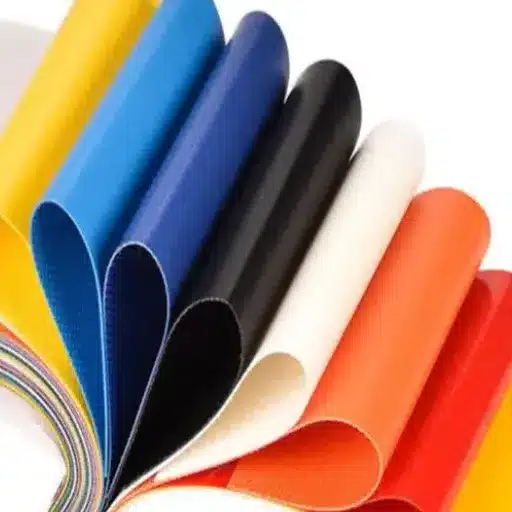
- Color matching: Pantone-based color production for branding or functional requirements.
- Hardware integration: Aluminum or brass eyelets, reinforced corners, rope-in-hem, and D-rings.
- Surface treatments: UV stabilization, fire retardancy, anti-mildew, and anti-static coatings.
- Printing and branding: Logo printing, pattern replication, and private-label packaging.
A construction contractor in Dubai learned this lesson when ordering custom 900 GSM PVC truck covers with company logos and reinforced D-rings. A trading company promised delivery but subcontracted to an unknown factory. The color was off by three Pantone shades. The seam welding failed under load. Only manufacturers with in-house coating, welding, and printing equipment could deliver the specification reliably. See how custom tarpaulin solutions are built from raw material to finished product.
5. Export Experience and Logistics Support
International shipping of bulky tarpaulin rolls requires expertise. A 20-foot container holds roughly 8,000 to 12,000 square meters of rolled PE tarpaulin. LCL shipments can add 25-40% to per-unit freight costs compared to FCL.
Evaluate your supplier on these logistics factors:
- Documentation accuracy: Commercial invoices, packing lists, certificates of origin, and bills of lading prepared without errors.
- Incoterms knowledge: Clear understanding of FOB, CIF, and DDP applications for tarpaulin shipments.
- Container optimization: Proper palletization, roll orientation, and weight distribution to maximize space and prevent damage.
- Pre-shipment inspection: Willingness to accommodate third-party PSI by SGS or Bureau Veritas.
- Compliance support: REACH and RoHS documentation for European markets, California Prop 65 for North America, and fire rating certificates where required.
Suppliers with established export experience understand that a missing certificate or incorrect customs code can delay delivery by weeks.
6. Pricing Transparency and Total Cost
Unit price is only one component of landed cost. A wholesale tarpaulin supplier offering 5% lower unit pricing may cost more overall if their quality failures trigger returns or if their logistics choices inflate freight bills.
When comparing quotes, demand breakdowns across:
- Base material cost per GSM
- Coating and treatment add-ons
- Hardware and finishing charges
- Packaging and palletization
- Freight to port or door
- Insurance and duties
Volume discounts should be clearly tiered. Orders above 10,000 square meters typically qualify for 15-30% reductions. Ask for pricing stability guarantees. A framework agreement locks in material costs for 6-12 months, protecting against resin price volatility.
Ready to compare true costs for your project? Request a custom quote with detailed material and logistics breakdowns.
7. Lead Time Reliability and Planning
Standard production timelines vary by material. PE tarpaulin typically requires 15-20 working days. PVC tarpaulin, with its more complex coating and curing process, needs 20-30 days. These baselines shift during peak demand periods.
Chinese New Year creates a 3-4 week production slowdown. Q4 agricultural and construction rushes fill factory schedules months in advance. A reliable bulk tarpaulin supplier communicates these constraints honestly and helps you plan accordingly.
Ask prospective suppliers for their on-time delivery rate over the past 12 months. Target 95% or higher. Request a production timeline with milestone checkpoints. Suppliers who refuse to commit to schedules or who quote impossibly fast turnarounds often lack capacity control.
8. Communication and After-Sales Support
Technical questions arise during specification, production, and installation. Your supplier should respond to inquiries within 24 hours during business days. For complex projects, dedicated account management ensures continuity.
After-sales support includes:
- Clear warranty terms on material integrity and seam strength
- Documented claims handling process with defined response times
- Technical guidance for installation, fastening, and maintenance
- Replacement or credit policies for defective batches
A supplier who disappears after invoicing is a supplier you cannot depend on for repeat business.
Application-Specific Supplier Requirements
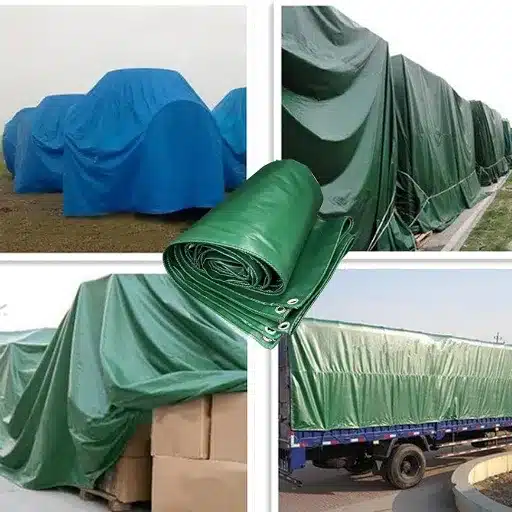
Construction and Industrial Projects
Construction buyers need heavy-duty tarpaulin suppliers who understand regulatory and environmental demands. Fire retardancy certifications such as B1 under DIN 4102 or NFPA 701 are mandatory for scaffold sheeting and site enclosures in many jurisdictions.
Scaffold sheeting requires specific tensile strength and debris containment ratings. Wind resistance depends on proper grommet spacing, typically 50-60 centimeters apart, and reinforced hems. Ask suppliers for project-specific test data rather than generic product sheets.
Agriculture and Outdoor Coverage
Agricultural buyers prioritize UV stabilization and anti-fungal treatments. Quality UV-resistant tarpaulin contains 1-3% UV stabilizer and withstands 5,000 or more hours of xenon arc exposure. In humid climates, anti-mildew additives reduce fungal growth by approximately 40%.
Grain storage tarps need wide seamless widths to eliminate leak points. Livestock shelter covers require a balance between waterproofing and breathability. A supplier who only offers standard construction-grade tarps may not understand these nuances. Explore HDPE woven tarpaulin options designed specifically for agricultural durability.
Transport and Logistics
Truck tarpaulin covers face dynamic stress from wind, road vibration, and cargo movement. Tear strength measured under ISO 4674 standards should exceed 120 Newtons for PE and 500 Newtons for industrial PVC.
Reinforced edges prevent tearing at anchor points. Grommet spacing must match your fastening system. Roll width optimization reduces seams, which are the most common failure points. For logistics fleets, consistency across multiple orders matters more than minor price differences between shipments.
Red Flags That Signal Supplier Risk
Some warning signs are obvious. Others require closer attention during the vetting process. Watch for these red flags when qualifying a bulk tarpaulin supplier:
- Pricing 20% or more below market average without clear technical justification
- Evasive or vague answers about material composition, GSM tolerance, or coating formulation
- Missing, expired, or unverifiable ISO and third-party certifications
- Refusal to provide samples, pre-shipment inspection access, or factory video tours
- No fixed factory address or unwillingness to show production equipment
- Excessive lead time variability or a history of delivery failures
- Communication gaps exceeding 48 hours during the quoting phase
- Pressure for 100% advance payment on first orders
- No batch traceability system or quality control documentation
- Claims of manufacturing capability across dozens of unrelated product categories
When a supplier checks two or more of these boxes, proceed with extreme caution. The lowest price often carries the highest hidden cost.
How to Build a Long-Term Supplier Partnership
Moving from a trial order to a strategic partnership requires deliberate effort on both sides. Start with a small batch order to validate quality, communication, and logistics. Test samples for GSM accuracy, tensile strength, waterproofing, and color consistency.
Once a supplier passes validation, establish written specifications and acceptance criteria. Define measurable standards for GSM tolerance, color variance, delivery windows, and defect rates. Negotiate a framework agreement that locks in pricing for 6-12 months and guarantees production capacity during peak seasons.
Conduct annual supplier reviews using performance KPIs. Track on-time delivery rate, batch acceptance rate, claims frequency, and communication responsiveness. Share forecast data quarterly so your supplier can plan raw material purchases and production schedules.
Smart buyers maintain relationships with two or three qualified suppliers. This diversification protects against capacity shortages, quality drift, or geopolitical disruptions.
The agricultural cooperative GreenFields made this shift in 2024. Instead of buying spot-market tarps from whoever had stock, they signed a 12-month supply agreement with a single bulk tarpaulin supplier. The result was 15% volume pricing, guaranteed harvest-season delivery slots, and consistent UV treatment levels across every batch. Their field failure rate dropped to nearly zero.
Conclusion
Choosing the right bulk tarpaulin supplier is not about finding the lowest unit price. It is about finding a partner who delivers consistent quality, transparent pricing, reliable logistics, and responsive support.
Use the eight criteria in this guide as your evaluation framework. Verify manufacturing capacity. Demand quality documentation. Compare true landed costs, not just invoice prices. Test customization capability against your actual requirements. Check logistics experience for your target markets. Confirm lead time reliability. And assess communication quality before you need urgent support.
The suppliers who score well across all eight dimensions are the ones worth building long-term relationships with. They reduce your total cost, eliminate batch quality surprises, and keep your projects running on schedule.
Have a project that needs a reliable supply partner? Contact our team to discuss your volume, specifications, and delivery requirements. We will help you evaluate whether a direct manufacturing partnership makes sense for your business.