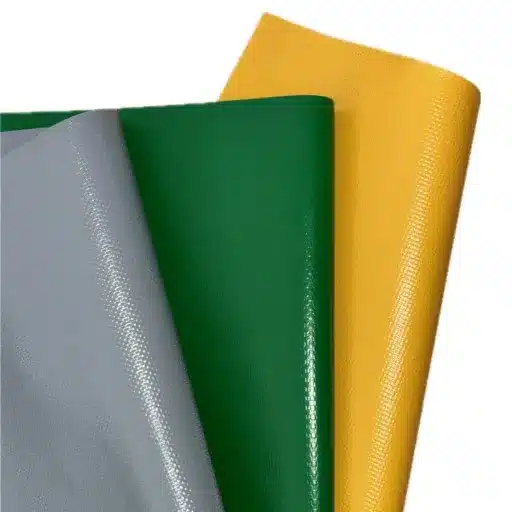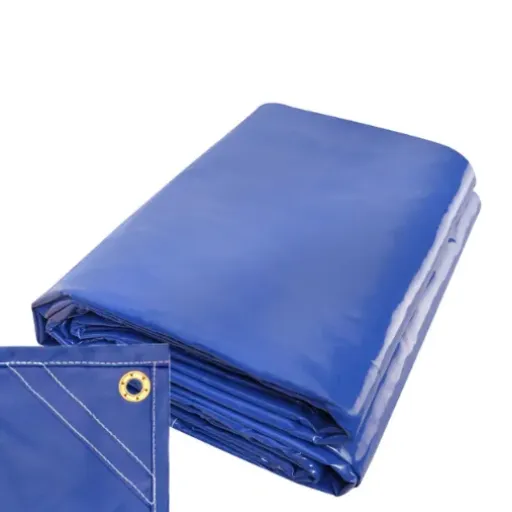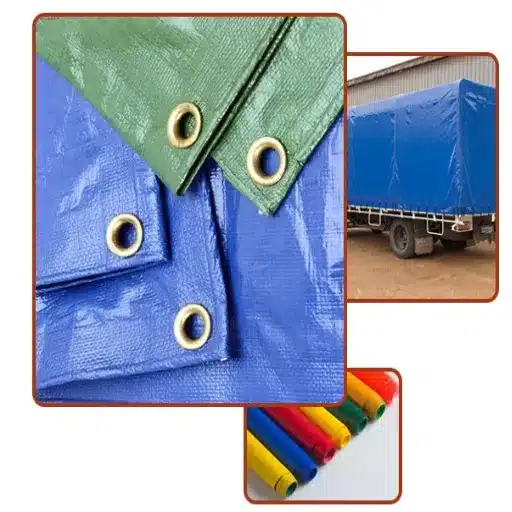
Polyvinyl chloride (PVC) coated polyester tarpaulin is considered to be one of the finest protective coverings for construction sites facing environmental challenges such as rain, wind, UV, and flotsam and jetsam and is much better than other alternatives made of PE when it comes to longevity, resistance to fire and long time weather protection. Detailing in this feature is how to set the right foundation for covering. This includes guidelines for scaffolding enclosures, temporary roofing, concrete slabs, and sections, in addition to debris disposal.
Construction is four months away but for the weather. One single work stoppage due to weather can be enough to cause molding materials or structures, an incomplete curing of concrete, or even worse, safety breaches and thus pausal costs of the project.
When Marcus Chen oversaw a six-month project in Southeast Asia designing a bridge, he found out about this aspect of the project the tough way. With anticipation of the monsoon season, his crew covered the area of concrete pouring with ordinary PE sheets. After three weeks, the storm was heavy and the wind destroys the protective covering. Consequently, water enchroached a new pour that called for a lot of resources to remove and repour which delayed his team by eleven days and consumed their much more money. The remaining part of the project was finished on time, only in a situation where the team managed to change sheets to reinforced PVC tarpaulin—where the grommets really worked properly and the seams were welded.
This manual will help you understand every major kind of construction using PVC tarpaulin. Here you will learn the information that is crucial in every kind of application, how to determine sizes of materials in your project and how to reach fire safety and weather protection requirements. If you have any questions or need further assistance, don’t hesitate to get in touch with us.
Key Takeaways
- PVC tarpaulin for construction delivers 100% waterproof protection, high tear strength, and fire retardant options that PE cannot match.
- Scaffold enclosures need 650-850 GSM with reinforced hems; temporary roofing requires 750-900 GSM with UV stabilizers.
- Fire retardant ratings vary by region: B1/M2 for Europe, NFPA 701 for North America, EN 13501 for building code compliance.
- Construction-grade PVC tarpaulin lasts 1-8 years depending on application, with ground sheets at the low end and machinery covers at the high end.
- Calculate quantities with 10-15% overlap, and allow 2-4 weeks lead time for custom sizes and FR treatments.
What Makes PVC Tarpaulin for Construction the Right Choice
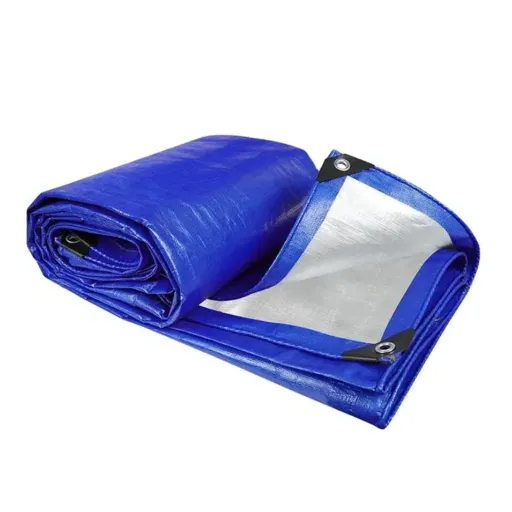
Construction sites demand more from a cover than a backyard barbecue. Wind loads, fire codes, UV exposure, and concrete chemistry all matter. PVC tarpaulin meets these demands because of its material structure and performance characteristics.
PVC tarpaulin is a coated fabric made from polyvinyl chloride resin applied to a woven polyester base fabric. This construction creates a material that is fully waterproof, highly tear-resistant, and capable of withstanding temperature ranges from -30°C to +70°C. The polyester scrim provides tensile strength, while the PVC coating blocks moisture and resists chemical exposure from site runoff and concrete splatter.
Several properties make PVC tarpaulin the construction industry standard for exposed-site applications:
- 100% waterproof: The PVC coating creates a continuous barrier that prevents rain penetration even under sustained heavy downpour.
- High tear strength: Woven polyester scrim resists wind load and abrasion from scaffolding and frame contact.
- Fire retardant options: Treatments meet B1/M2, NFPA 701, and EN 13501 standards for regulated job sites.
- UV stabilized: Maintains structural integrity through months of direct sun exposure without brittleness.
- Chemical resistant: Stands up to concrete splatter, solvents, and alkaline site runoff.
- Custom sizing: Fabricated to exact scaffolding, roof, or ground dimensions without excess waste.
- Reinforced construction: Welded seams, reinforced hems, and load-rated hardware prevent failure at stress points.
There are a number of purely justified uses of PE tarpaulin and, in particular, it is preferable for craftsmen due to its light weight, less tedious manner of handling, and inexpensive possession for a short time. On the contrary, the tarpaulin find path in casing of scaffoldings, construction of temporary roofs or any cover where the wind and sun rays must be fought over a more extended period beyond a few days is made of PVC tarp. This is a deliberate discrimination aimed at the use of the inexpensive PE tarp, as opposed to the activity-oriented vinyl tarp products.
During the course of renovation in Barcelona, when Elena Vasquez was in charge of a project, the scaffolding she had in place for the airtight building envelope failed the fire safety test as she had not specified the fabric with the ‘b1’ rating. Thus, she had to stop working for 14 days while looking for a supplier of such materials in order to obtain a sheeting with a B1 certificate. Thereby, the delays led to the contractor’s penalties and the premature extension of the handover date beyond the lease commencement. A PVC tarp in the correct fire rating at the relevant time would have fitted without any issues.&n※sp;stacles of the first visit.
Want to compare materials before deciding? Read our guide on PE vs PVC tarpaulin to see which fits your project timeline.
Construction Applications: Where PVC Tarpaulin Earns Its Place
Different construction tasks need different specifications. Using the same GSM and construction for every application wastes money where lighter material works and risks failure where heavier specs are necessary.
Scaffolding Enclosures and Building Wraps
Scaffolding enclosures are systems that protect workers on site from external conditions, capture dust, manage falling debris and protect neighbouring structures from the construction processes, and moreover, it creates a kind of micro-environment inside of it, particularly in humid or cold seasons. Scaffolding tarpaulin is one of the most popular construction site applications in the world.
For scaffolding enclosures, specs could indicate 650-850 GSM reinforcement with hemmed edges and grommets every 50-60 cms. Apply FR treatment if the scaffold is used in an enclosed space inside the premises or close to hot work. Measure the scaffold height, width, and lift spacing and then include a 10% overlap for vertical seams.
Many authorities require that the internal scaffolding covering more than two storeys be made of FR-rated material. Make sure you inquire with the local city codes before proceeding with the order. Don’t hesitate to connect with us—our team is ready to help you with any questions you may have.
Temporary Roofing and Weather Protection
Protection from rain as well as the photodegradation effects of sunlight is required for not only the open structures and the respective buildings but also the material left in piles around and the inventory used in the ongoing processes of the construction. Utilization of PVC roofing prevents the wooden frames, thermal insulation, and indoor decorations from experiencing water damage at the construction site until the actual roof is in place. The temporary construction rolfing is also used as a waterproof tarp at the end of which construction activities can be implemented in any part of the world.
We ask for a 750–900 gsm stormproof sun-resistant PVC sheet with ripstopmed and D-ring strose ends for secure tie-down purpose. Attach the sheet with slope for water runoff run and then secure the lower boundary first. In windy or elevated places, steel or ratchet straps should be used in place of ropes and all harbors shall be checked regularly, by any means, in the aftermath of each storm event.
Determine the level of UV shielding with the help of the time of exposure. For example, a project that would last about three months does not require the same as one that will last for eighteen months. Hence, the expected time of building completion should be the basis for determination of the levels of protection.
Concrete Curing Covers
Unhardened or imperfectly hardened concrete may experience disfiguring surface cracks, lowered compressive strength, and improper surface finish as a result of insufficient water.
For concrete curing homework, we will require a white or a light color membrane with a weight of 600 to 750 gsm to help reflect the heat. Place the cover on the plate surface directly or supported by furs in order to allow the air to circulate freely over the surface. The continuous moisture shall be maintained on the concrete surface for at least seven days of the curing period. As needed, PVC curing films ensure an efficient curing process at 10-25°C even in very hot or extremely cold conditions.
During the preparation of the bed for construction of Texas Road, a webbing made of PVC weighing 650 gmsm was used for curing the concrete. This aspect facilitated removal conditions of one of the blocks in the construction project, improving ‘outreychzone’ overall construction to be cured, and the surface cracks if any will be greatly reduced by almost 40% as per curable sections under the same countertop pour. If you have any questions or need further assistance, don’t hesitate to get in touch with us.
Debris Containment and Dust Control
The use of undeveloped areas in cities demands that pulling out of different building materials and the amount of dust released into the atmosphere should be minimized as much as possible to extend to neighboring sites and to ensure the conformity with the established standards of communities. Midcam and highrise projects generally call for vertical debris netting and also containment tarpaulins.
In an area where debris should be present, it is required to have a mass between 550 and 700 GSM for such a debris containment thickness with the tires tiling covers unless such an increase in the GSM decreases one’s convenience. The meshframe with decalring pvc is self-explaining and is satisfactory in locations where air and debris containment are required to be balanced. Be sure to erect the tarpaulin, top to bottom with tension on both base and hasp, as well as make an effort to monitor the system for damages.
And many cities require no-street elevators to control debris above second,. Before you start to draw up the final configuration, refer to the local regulatory bodies to ensure that you are on track.
Ground Sheets and Floor Protection
Keep in mind that all good aesthetics and cleanliness depend on solid waterproofing as well. More than any other tarp application, debris must be dragged across the ground tarp when in use.
Due to the use of automated equipment, the piece should preferably be of 500-50 GSM for floor and carpet protection. Contrary to light color, construction dirt is not easily noticeable on dark colored inventories. If the demand for wear and slip resistance is present, ANTI-SLIP texture can be done on the finished fabric.
The ground mat tends to bear it the most. Prepare for buying a new one every 2–3 projects and not plan on the same one to be serving for several years.
Machinery and Material Covers
Equipment, steel stock, lumber, and finished components left on site need protection from weather and UV degradation. Custom-fit covers prevent the pooling and condensation that occur when ill-fitting tarps sag.
Specify 700-850 GSM for machinery and material covers. Custom sizing with drawstring or buckle fastening ensures a snug fit. Elevate the cover above stored materials to allow air circulation and prevent condensation buildup.
Explore our full range of specifications on our PVC tarpaulin product range to find the exact GSM and construction for your application. For transport-grade protection, see our truck tarpaulin specifications.
Specifications That Matter for Construction
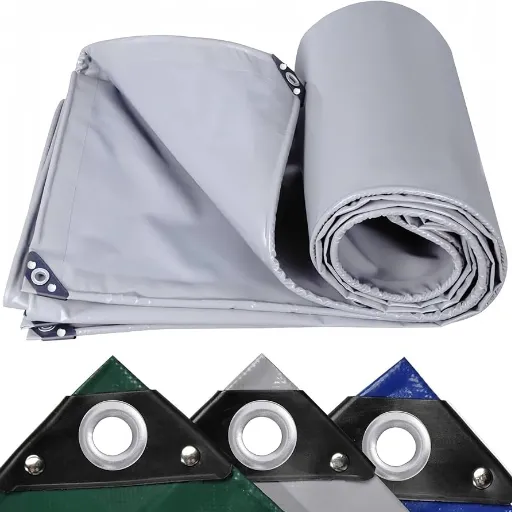
Choosing PVC tarpaulin for construction means matching the specification to the task. Over-specifying wastes budget. Under-specifying risks failure.
The table below matches GSM ranges to common construction applications:
| Application | GSM Range | Thickness | Key Requirements |
|---|---|---|---|
| Ground sheet / floor protection | 500-650 | 0.35-0.45 mm | Abrasion resistance, dark color |
| Debris / dust control | 550-700 | 0.40-0.50 mm | Vertical tension, reinforced hem |
| Concrete curing | 600-750 | 0.42-0.55 mm | White/light color, moisture retention |
| Scaffolding enclosure | 650-850 | 0.45-0.65 mm | FR option, grommets at 50-60 cm |
| Temporary roofing | 750-900 | 0.55-0.75 mm | UV stabilizer, rope-in hem |
| Machinery cover (long-term) | 700-850 | 0.50-0.65 mm | Custom fit, buckle fastening |
| Extreme wind / permanent | 900-1000+ | 0.75-1.0 mm | Reinforced corners, high tensile |
Beyond GSM, several other specifications determine whether a tarp will survive on site:
- Thickness: 0.35 mm to 0.8 mm is typical for construction. Roofing and long-term exposure need the upper end of the range.
- Tensile strength: Minimum 1,500 N/5cm for scaffolding and roofing applications where wind load creates stress.
- Tear strength: 200+ N minimum for wind-exposed installations. Higher tear strength prevents small nicks from becoming full tears.
- Hardware: Grommet or D-ring spacing, reinforced corners, and rope-in edges determine how well the tarp anchors under load.
- Temperature range: -30°C to +70°C operating limits support year-round construction in most climates.
Request a technical data sheet from your supplier that specifies all of these values. A reputable manufacturer will provide GSM, base fabric denier, tensile strength, tear strength, and temperature range in writing. For reference, ASTM D378-19 specifies minimum requirements for industrial tarpaulin materials.
For heavy duty construction tarpaulin beyond standard specs, see our heavy duty waterproof tarpaulin range.
Fire Retardancy: What Construction Sites Need
Fire retardant tarpaulin is not optional on many construction sites. Enclosed scaffolding, hot-work proximity, building code compliance, and insurance requirements all demand certified material.
Standard PVC is not fire retardant. FR treatment is applied during manufacturing and must be specified at order. The treatment adds cost, but the alternative is a failed inspection, work stoppage, or worse.
Three certification systems dominate global construction:
- B1/M2 (Germany / Europe): Self-extinguishing with low smoke production. Required on most EU construction sites for enclosed scaffolding and indoor protection.
- NFPA 701 (North America): Passes small-scale and large-scale flame spread tests. Standard requirement for US and Canadian job sites.
- EN 13501-1 (Europe): Fire classification of construction products. Class B or better is often required by national building codes.
Whether fire-resistant (FR) treatment is obligatory or recommended only as an option varies from place to place and purpose to purpose. Most supported scaffolding typically requires the use of certified materials. The same is not true for open-frame scaffolding and yet, for-cautionary reasons to do with liability, a good many contractors use fire-protective materials even here. The same holds true for zones conducting welding works: instead of thermal insulation, FR protective screens should be used.
Before you confirm any order, ensure that it is indeed the FR that you are placing. Ask for test certificates, look into the dot compliance of the batch and include the relevant certification standard in the order form. Any genuine producer ought to issue the related papers. If you buy from a middleman who does not provide documents then you should be suspicious.
Installation Best Practices for Construction Tarps
It is nearly impossible to perfectly install any PVC tarp they could express useful within the construction industry. Air raises defy the fastened sides. sagging panels end up in ponds where water rests. A torn tarp on a raised scaffold winds the height and find its way to the safe working position.
Information On Installing Scaffolding: Building up the scaffold should begin from the top. Attach grommets to the frame with cable ties or bungee cord. If there is a joint, it should be at least 15-20 cm upwards. Provide for more airflow apk alongside the scaffolds if necessary. Monitor for the presence of tear and the tightness of the constructed installation once every seven days.
Scaffold Board Installation: Ensure the roof accommodates a slope for drainage. Secure the first roof panel in the upwind side. High wind demands ratchet straps instead of ropes. And check following every rainstorm and redo the tension.
Install On Ground And Floor: Surface prior to applying the sheets should be free of any objects or wastages. Tape to prevent tripping, of the edges of the sheet. For machinery tracks or high traffic areas, use more than one sheet.
Controlling the air: Tension all edges to reduce wind effect. In low importance areas a few small vent holes can be used to balance the pressure. Check and taut in accordance with the force of the currents each time after the wind.
Please keep in mind that safety should always come first. Avoid using any ripped tarpaulins in high places. Rotten fabric is able to come off the black built giving a fall risk. Instruct the crew to discard and install new sections as soon as signs of wear appear.
The proper procedure in assembling this equipment increases the longevity. An erected 750 gsm encasement can be used for the timespan of five years. The same content however when poorly stretched shall survive for only two years.
Project Logistics: Ordering, Delivery, and Storage
Construction is structured around schedules. However, latex that arrives after its agreed time or is below the required quantity becomes a disruption to be managed instead of an intervention.
Estimating: Determine the accurate coverage of each area. Allow for between 10 and 15% for overlapping and any residual materials that will be wasted. Avoid wannage where possible and consider staircase elevations and general levels. Scaffold Plan: Height times width times the number of working lifts, plus a margin of ten percent on all edges.
Project ordering: Combining purchases for overall procurement costs increased discounts. Delivery scheduling of items can be arranged according to construction phases to prevent or avoid the storage of pipes.
A timing of delivery is essential: Delivery of non-standard protective wear or treatment items will take around two to four weeks. Off-the-shelf products are shipped in a week from an order being placed. Position your requirements to arrive into the site ready to be installation ahead of the phase when they will be needed, rather than waiting for the phase to activate and then trying to implement post hoc solutions.
Storage on site: In preparation for storage rolling of the tarps, avoid folding. Slingshot catches are park rail, not piling or stocks. No standing in front of the sharp angle and the dangerous position of the stacked items. Also do not leave them in the sun for too long before use, protect them from UV.
These should preferable by transferred-The tarps should be rotated from high wear to less wear places. If the ground cloth used in phase one wears out moderately, it can be utilized as a cover for waste management during phase three actividades.
Ready to get project-specific pricing? Contact our team with your measurements and timeline. We will size the order to your phases and delivery schedule.
Expected Lifespan by Construction Application
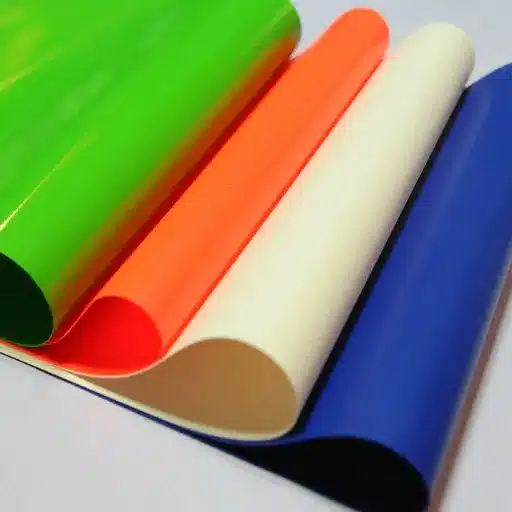
PVC tarpaulin for construction does not last forever. Knowing realistic lifespans helps you budget replacement cycles and calculate true cost per year of service.
- Ground sheet (heavy abrasion): 1-2 years
- Debris containment (vertical, moderate exposure): 2-4 years
- Scaffolding enclosure (seasonal use): 3-5 years
- Temporary roofing (UV plus weather): 2-4 years depending on GSM and UV grade
- Machinery cover (elevated, moderate use): 4-7 years
- Concrete curing cover (gentle use, stored properly): 5-8 years
Various factors contribute to the reduction of the longevity of a structure: continuous UV exposure without adequate stabilizers, wind-induced vibrations that leads to fatigue, contact with, concrete or solvents, projection of sharp ends on scaffolding and assigned materials, and also keeping materials between projects.
On his second project, lessons about cost penetrated him deeper into his wallet. He, being a new project manager, had purchased the cheapest ground sheet for a commercial structure project. It only lasted for one project. On the next site, he had taken the extreme and spent a third of the project funds engulfed in the purchase of 650 GSM PVC ground sheet ground sheets at just about twice the unit costs. This time and with a rotation to a further by two extra projects and just one set of the same covers. In this case the higher capital cost resulted in a lower annual cost because the covers lasted more than a season.
Most of the time it is not the unit price which is the most important, but the cost to the whole system over a period of time. An example of this is when a 900 GSM knife-coated cover costs more initially while it tends to cost less per year when compared to thinner alternatives but that need to be replaced twice as often.
Frequently Asked Questions
What type of tarp is best for construction sites?
PVC tarpaulin at 650-850 GSM is the best choice for most construction site applications. It is fully waterproof, highly tear-resistant, and available with fire retardant treatment. PE tarpaulin works for short-term ground cover but lacks the durability and FR options that construction sites need.
What GSM tarpaulin is needed for scaffolding?
650-850 GSM depending on wind exposure and duration. Exposed long-term installations need 850 GSM or higher. Enclosed scaffolding in calm conditions can use 650 GSM with reinforced hems and proper grommet spacing.
Is PVC tarpaulin fire retardant?
Standard PVC tarpaulin is not fire retardant. FR treatment is applied during manufacturing and must be specified at order. Verify that the treatment meets your local standard: B1/M2 for Europe, NFPA 701 for North America, or EN 13501 where required by building code.
How do you secure tarpaulin on a construction site?
Use grommets or D-rings at 50-60 cm spacing. Anchor with cable ties, ratchet straps, or rope. Tension all edges to prevent wind flapping. Inspect after every wind event and re-tighten loose sections.
What is the best material for temporary roofing?
750-900 GSM UV-stabilized PVC tarpaulin with reinforced hems and rope-in edges. Slope the cover to shed water, and anchor at maximum 60 cm intervals on exposed perimeters.
How long does construction tarpaulin last?
1-8 years depending on GSM, application, UV exposure, and care. Ground sheets last 1-2 years. Scaffolding enclosures last 3-5 years. Machinery covers last 4-7 years with proper storage between uses.
What is the price of PVC tarpaulin for construction?
Price varies by GSM, size, quantity, fire retardant treatment, and hardware options. Request a project-specific quote with your measurements and specifications for accurate pricing.
Conclusion
Proactive factory insurance implies ready to go canvas, not something added to the schedule later on. The proper GSM, fire rating, and application style all play a role in avoiding delays and possible sanctions.
This is in order to filter more effectively and effectively each of your units on this place. Install it according to the gsm specified in the specification. Verify the fire-proofing standards in use in that region. View any openings with approximately 10-15% roofing overlap. Arrange a supply with respect to the construction phases.
The false tent will falter when the need is greatest. The correct tent, on the other hand, will help not to postpone the project on time, keep the materials dry and protect the record from the ragtag laws of the board.
Get a project-specific quote today. Contact our specifications team with your site measurements, application list, and timeline. We will match the right PVC tarpaulin for construction to every phase of your build.